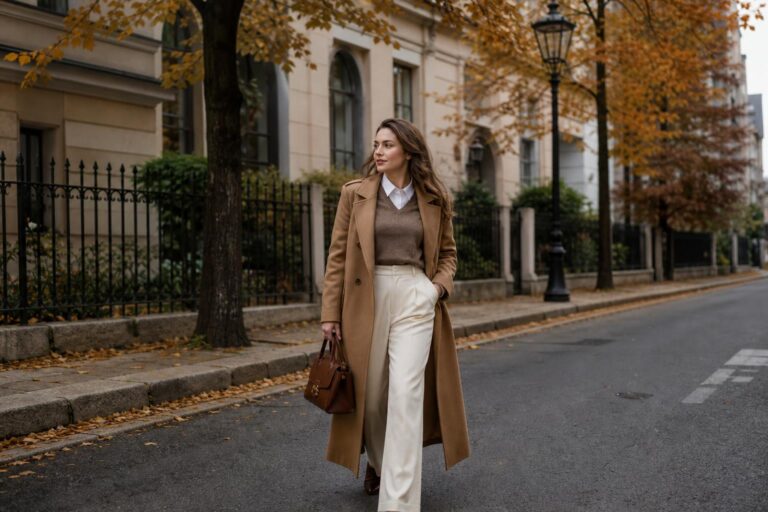
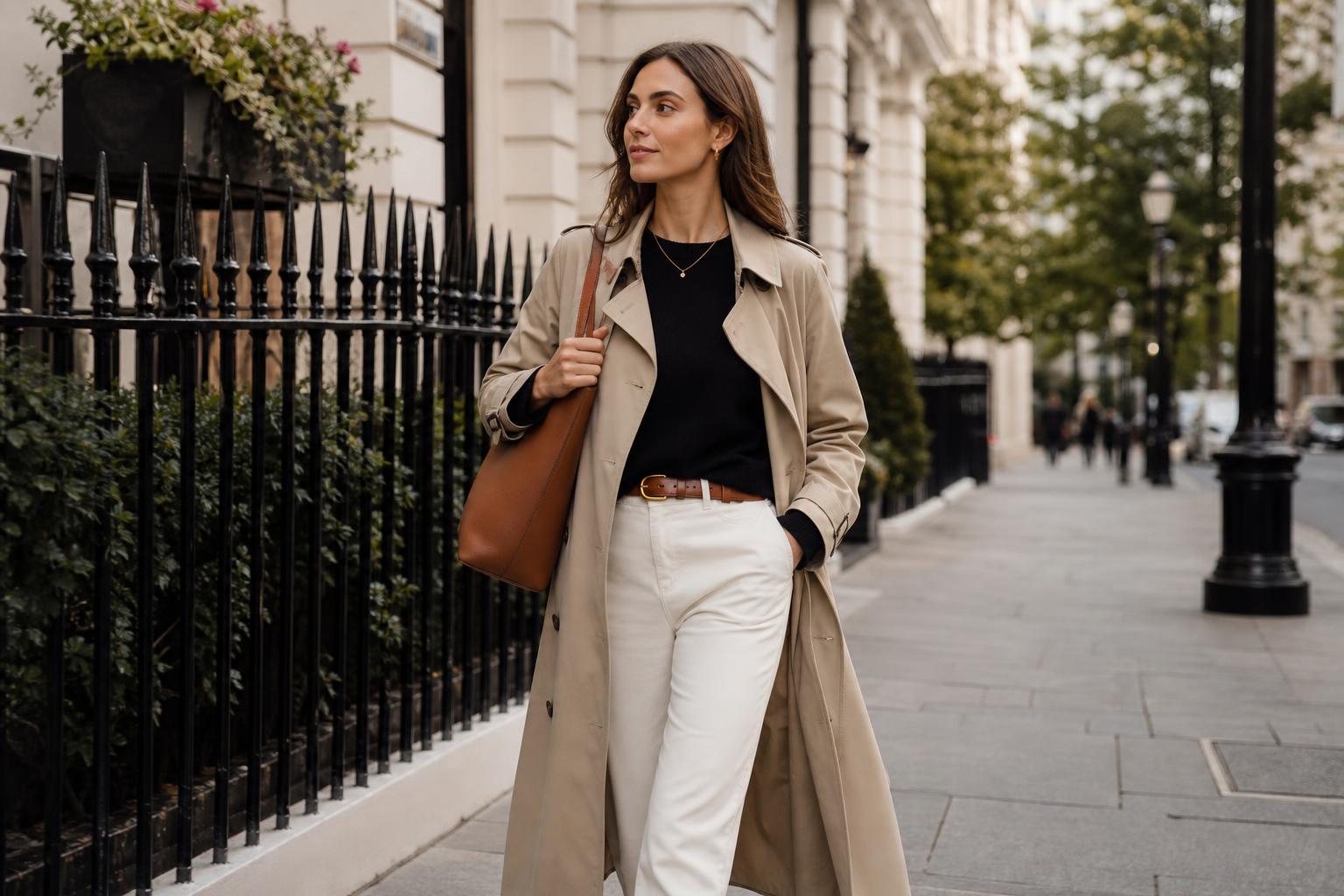
Spring Trench Coat Outfits With a Polished City Feel
A trench coat earns its place in a wardrobe during the exact moments when getting dressed feels less straightforward: cool mornings, shifting weather, office commutes, travel days, dinner plans that start casual and end polished. The best trench coat outfits solve that problem with structure, versatility, and proportion. They also bridge the gap between practical outerwear and intentional styling, which is why the trench remains one of fashion’s most reliable anchor pieces, from London-influenced dressing to everyday U.S. city wardrobes.
What makes trench coat outfits work is not just the coat itself, but the relationship between silhouette, fabric, occasion, and the pieces layered underneath. A belted gabardine trench creates a different effect from a leather trench coat, and a knee-length shape behaves differently than a longline version. Brands such as Burberry and Aquascutum are often part of the trench conversation because they help define the category, while retailers and style platforms like M&S, COS, Max Mara, Thredup, and Lookastic show how the coat adapts across workwear, second-hand shopping, and outfit galleries for both women and men.

This guide approaches the trench as a real-life wardrobe tool. The goal is not simply to collect inspiration, but to help you understand why certain outfit formulas work, which pieces are easiest to recreate, how to avoid common styling mistakes, and what to buy first if you want the most mileage from one coat.
The trench coat as a styling foundation
A trench coat functions as a visual anchor. It adds a clean vertical line to an outfit, introduces movement through the belt and hem, and creates enough structure to make simple pieces look more considered. That is why even basic combinations such as jeans and a tee feel sharper under a trench than they do under a softer casual jacket.
Found the dress? Keep the rest in one place.
Zarellea brings guest details, vendors, timelines, and every next step together — so your wedding plan feels as good as your look.
The most useful trench coat outfits begin with understanding the three variables that change the outcome: silhouette, material, and length. A double-breasted trench reads more traditional and polished. A beltless version feels simpler and often more minimalist. A longline trench gives stronger drama and elongation, while knee-length cuts are often easier for petites and more practical for daily commuting. Minor details like storm flaps and water-resistant construction matter too, especially if the coat is doing actual weather duty rather than acting only as a light styling layer.
Silhouettes that change the entire outfit
A-line trench shapes create softness and ease, especially over dresses and wider-leg trousers. Straight or longline cuts sharpen the outfit composition and work particularly well with tailored separates. Belted trenches define the waist and help curvier figures create balance, while unbelted silhouettes can be easier for relaxed layering and travel. If you are building a capsule wardrobe, a classic double-breasted trench in a neutral tone usually offers the broadest versatility because it can move between office, weekend, and evening use without feeling too specific.
- Choose knee-length if you want a practical everyday coat that works with jeans, skirts, and office clothes.
- Choose longline if you want stronger proportion play with tailoring or a more directional street-style effect.
- Choose belted if waist definition matters to you or if you often wear simpler basics underneath.
- Choose beltless if you prefer minimalist layering and less visual bulk at the middle.
Materials and why they matter in real life
Gabardine remains the classic trench material because it supports the coat’s tailored lines and transitional-weather role. Leather trench coat outfits create a stronger statement and often feel dressier or more fashion-forward, but they are less universally useful if you want one coat for every context. Wool brings warmth and a softer cold-weather profile, making it relevant when your trench needs to work deeper into fall and winter. In practical terms, fabric should guide how often you will wear the coat, not just how it looks on a hanger.
Tip: if you are buying your first trench, prioritize versatility over novelty. A neutral gabardine trench usually gives more outfit range than a highly specific material or color variation. Save leather or more directional shapes for a second trench once your basics are covered.

Casual formulas that still look intentional
Casual trench coat outfits work best when the coat elevates familiar staples rather than competing with them. This is where many of the strongest outfit ideas from fashion magazines and style galleries succeed: they use everyday pieces, then rely on the trench for polish, tonal coherence, and silhouette control.
Denim, tee, trench: the easiest starting point
This is the most accessible formula because nearly every wardrobe already contains the key pieces. Straight or slim denim, a plain tee, and a trench coat create a balanced outfit composition with almost no effort. The coat brings structure to the softness of the tee and cleans up the visual casualness of denim. Sneakers make it commute-friendly; boots make it feel more seasonal and grounded.
For petites, shorter or knee-length trenches are usually easier here because long hemlines plus denim can visually shorten the frame if the rise and shoe line are not considered. For tall figures, longline trenches over full-length denim often look especially balanced because the proportions echo each other. For curvier shapes, using the belt loosely at the waist prevents the coat from hanging too boxy over denim.
Budget note: this is one of the easiest outfits to recreate affordably because the impact comes from clean lines, not expensive individual pieces. If your jeans fit well and the trench has enough structure, the outfit already reads more polished.
Midi dress and sneakers for transitional weather
A midi dress under a trench creates fluidity under structure, which is why this combination works so consistently. The dress introduces softness and movement, while the coat prevents the outfit from feeling too delicate for changing weather. Sneakers make the look functional for city walking, errands, or travel days. This formula is particularly useful in spring and early fall, when temperatures shift throughout the day.
The key is hem balance. If the midi dress extends slightly beyond the trench, the layered effect looks intentional. If the dress is much longer and wider than the coat, the outfit can feel visually heavy. A-line trenches usually pair especially well with dresses because they echo the lower-body movement rather than cutting against it.
Knitwear and trench for a softer off-duty look
Pairing a trench with knitwear adds texture contrast without overcomplicating the outfit. A fine knit keeps the look refined, while chunkier knitwear creates a more relaxed seasonal palette for cooler days. This is one of the most practical casual combinations because it adjusts easily: add denim for weekends, tailored trousers for a smart-casual lunch, or boots for colder weather.
- Use fine knits if you want less bulk under a double-breasted trench.
- Use chunkier knits with roomier trench silhouettes to avoid pulling at the buttons.
- Keep the color palette tonal if you want the outfit to look more expensive.
- Add boots instead of sneakers when you need more weather protection.

Office-ready trench coat outfits that actually function
Workwear is where the trench coat proves its value. M&S-style office guidance often centers on tailored pieces for good reason: a trench naturally complements suiting, structured trousers, and cleaner accessories. The coat is practical for commuting, but more importantly, it preserves a polished line when layered over professional clothing.
Over tailoring and suits
A trench over a suit or coordinated tailoring works because both pieces rely on structure. The clean shoulder line of the coat reinforces the sharpness of blazers and tailored trousers, creating a seamless professional outerwear layer. Neutral colors are the safest option here because they keep the coat from fighting the rest of the outfit. Beige, stone, navy, or similarly subdued trench tones tend to integrate best into a work wardrobe.
If you commute in a business district or move between indoor and outdoor settings often, choose a trench with enough room in the shoulders to fit over a blazer comfortably. One of the most common mistakes is buying a trench that works over a tee but strains over tailoring. That limits its actual usefulness, even if it looks sleek in theory.
Tailored trousers and a simple knit
This is the professional formula for people who want polish without full suiting. Tailored trousers establish a sharp lower half, while a fine knit softens the upper body and keeps the outfit versatile enough for office, meetings, or dinner afterward. The trench completes the composition by adding length and cohesion. This outfit is especially strong for transitional seasons because the layers are adaptable without becoming bulky.
Why it works: the silhouette balance is clean and uninterrupted. The trousers create straightness, the knit controls texture, and the trench provides a continuous outer frame. If you want the outfit to look more elevated, keep the shoe shape refined and avoid over-accessorizing.
Tips for professional styling
- Choose a trench length that falls below the blazer hem to keep the layering line clean.
- Use tonal dressing to make affordable pieces look more expensive.
- Keep the belt tied neatly or leave it hanging cleanly; a bulky knot can disrupt the outfit.
- If your office style leans corporate, a double-breasted trench usually reads more authoritative than softer, drapier styles.

Evening combinations that elevate without feeling overdone
Evening trench coat outfits depend on material, finish, and what the coat is framing underneath. The trench works best here when it acts as a sleek top layer rather than an afterthought thrown over occasionwear. This is also where leather trench coat outfits often become relevant, because the material naturally introduces more visual weight and statement value.
Dress plus trench for day-to-night dressing
A trench over a dress is one of the simplest ways to transition an outfit from daytime to evening. The coat keeps the dress from feeling too exposed in cooler weather and adds enough structure to make the whole look appear considered. Heels or more polished boots sharpen the outfit further, but the real success point is contrast: soft dress, structured outer layer, refined accessories.
This formula is especially useful if your plans span multiple settings. It works for dinner, city events, and low-key formal occasions because the trench allows the dress to feel anchored rather than overly delicate. If the dress is detailed, keep the trench classic. If the dress is simple, a leather trench can become the statement piece.
Leather trench with minimal separates
Leather trench coat outfits look strongest when the rest of the styling stays restrained. Simple trousers, a fitted knit, or a clean dress allow the trench to act as the focal point. Adding too many competing elements can make the look feel forced. The benefit of leather is impact; the limitation is specificity. It is less forgiving than gabardine for all-day wear and less universally adaptable across seasons.
If you are debating whether to invest, ask how often you need a dressier outerwear option versus an all-purpose coat. For many wardrobes, leather is best treated as an extension piece, not the first trench purchase.
Seasonal layering and weather-ready decisions
One reason trench coat outfits remain so useful is that they sit exactly in the transitional-weather category. But not every trench works for every climate, and not every outfit formula translates equally across rain, wind, or mild temperatures. Seasonal success comes from matching material and underlayers to actual wear conditions, not just copying a look from an image carousel.
Spring and mild-weather trench styling
In spring and warmer transitional periods, a trench works best over lighter pieces such as tees, shirts, dresses, and fine knits. This is the season for simpler outfit composition and easier movement. Gabardine is particularly useful here because it aligns with the classic trench identity and supports mild weather shifts. Color palettes also tend to look cleaner in this season when built around neutrals with one accent rather than multiple competing tones.
Fall and cooler transitional dressing
As temperatures drop, the trench becomes less of a stand-alone outer layer and more of a top layer in a layering system. Knitwear, boots, and tailored trousers become more important. This is where wool blends or more substantial trench fabrics earn their place. The styling logic should still remain controlled: if the underlayers are bulkier, the trench needs enough room to sit properly without distorting the silhouette.
For wind and rain, practical features such as water resistance, storm flaps, and breathable construction matter more than purely aesthetic details. A trench that performs in real weather will get worn more often, which usually makes it the smarter purchase.
Tips for avoiding seasonal mistakes
- Do not force a lightweight trench into deep winter if warmth is your priority; it is a transitional coat first.
- Avoid over-layering under a fitted trench, which can create pulling and flatten the intended line.
- In rainy conditions, prioritize practical footwear so the outfit remains functional from commute to destination.
- If weather changes throughout the day, use removable layers underneath rather than relying on one very heavy piece.
Color strategy: how to make a trench look polished
Color is one of the easiest ways to change the tone of trench coat outfits without buying additional statement pieces. Because the trench itself often sits in a neutral family, it can support monochrome dressing, tonal layering, or a restrained accent palette. The most successful combinations usually look intentional because the color story is controlled, not because every piece matches perfectly.
Tonal dressing for a more expensive effect
Tonal outfits work especially well with trench coats because the coat naturally extends the line of the body. Similar shades across the knit, trousers, or dress underneath create cohesion and make the trench feel integrated rather than placed on top. This approach is particularly useful if you are shopping on a budget, since tonal consistency often creates a more premium-looking result than high contrast.
When to use contrast
Contrast works best when one item needs to become the visual anchor under the coat. Denim with a neutral trench is the most obvious example. A darker underlayer can sharpen the trench’s outline, while a lighter palette softens the look. The key is restraint. Too many competing colors can break the elegance that makes the trench category so versatile in the first place.
Accessories should support the palette rather than introduce unnecessary visual noise. Boots, shoes, and bags are most effective when they either echo the undertones of the trench or deliberately frame the outfit in one clear direction.
How body proportions change the best trench choice
The right trench is not only about trend direction. It is about scale and proportion. The same coat can look balanced on one frame and overwhelming on another, which is why fit matters more than following a single ideal silhouette.
For petite frames
Knee-length trenches are often easier to style because they do not dominate the body line. Belt placement matters too. If the belt sits too low, it can visually shorten the legs. Cleaner styling underneath, such as straight denim, slim knits, or dresses with a defined waist, usually keeps the outfit balanced.
For tall frames
Longline trench coats often look especially strong because they mirror natural vertical length. Full-length trousers, longer dresses, and broader tailoring also tend to sit well under these coats. Tall wearers can usually handle stronger proportion play, including wider trousers or more dramatic layering, without the outfit feeling overwhelmed.
For curvy shapes
Belted trenches often provide the clearest silhouette definition, especially when worn over simpler, less bulky underlayers. The goal is not to cinch tightly, but to create shape while allowing movement. Look for trench cuts that skim rather than cling. If the coat pulls at the buttons, sizing up and tailoring the sleeves or belt placement can be a better solution than forcing a too-fitted size.
Practical insight: if you are between sizes and plan to wear knitwear underneath, choose the size that accommodates layering. Tailoring a sleeve or hem is easier than changing tension across the front panel.
A capsule wardrobe built around one trench
A trench coat works particularly well in a capsule wardrobe because it connects casual, professional, and dressier pieces without needing a complete outfit reset. If you want maximum versatility, build around a neutral trench and a compact set of interchangeable staples. This approach also helps prevent impulse purchases that duplicate what the trench already solves.
- One trench coat in gabardine or another versatile transitional fabric
- Straight or slim denim
- Tailored trousers
- A simple tee
- A fine knit
- A midi dress
- Boots
- Sneakers
- A refined bag
- One polished evening shoe option
This capsule creates multiple trench coat looks without requiring a large wardrobe. Denim and tee cover casual dressing. Tailored trousers and knit handle office use. The midi dress supports both day and evening plans. The trench becomes the connective layer that keeps the entire system cohesive. If you shop second-hand through a platform like Thredup, the trench is also one of the smartest investment pieces to source pre-owned because classic outerwear often retains relevance longer than trend-led separates.
Brand perspective: what the major names represent
Some brands matter in trench coat dressing because they define references readers already recognize. Burberry remains the iconic trench name in most style conversations, often connected to the coat’s classic identity and luxury perception. Aquascutum adds historical depth to the category. Max Mara and COS are useful reference points for readers interested in more contemporary or minimalist outerwear language. M&S represents practical wardrobe integration, especially in office-ready styling, while Thredup adds the second-hand and responsible-fashion angle.
The important decision is not choosing a brand for status alone, but understanding what kind of trench role you need. If you want timelessness, classic heritage references are useful. If you want a streamlined modern wardrobe, cleaner minimalist interpretations may fit better. If budget matters most, focus on silhouette, fabric quality, and fit before label prestige.
Trench coat outfits by city mood
City dressing shifts the way trench outfits are built. The trench itself is universal, but styling logic changes depending on movement, weather, and social context. This is one of the clearest ways to make the coat feel relevant in a U.S. wardrobe rather than purely editorial.
New York City: sharper layering and stronger tailoring
In NYC-style dressing, a trench often works best with cleaner lines, tailored trousers, denim with structure, and footwear that can handle walking. The look benefits from polish without sacrificing mobility. Tonal palettes and defined outerwear lines tend to feel especially appropriate here.
Los Angeles: lighter layering and relaxed composition
In LA, trench styling often reads better with lighter underlayers, simpler tees, dresses, and less formal footwear. The coat becomes more of a style frame than a weather shield. A beltless trench or softer silhouette can feel especially natural in this context.
Chicago and Seattle: weather function matters more
In climates where wind and rain play a bigger role, practical trench features become more important. Water resistance, storm flaps, and workable footwear should influence the outfit as much as the color palette does. A trench that looks great but fails in poor weather will stay in the closet.
Dallas and warmer Southern settings
In warmer regions, the trench often needs to function as a lighter transitional layer used more for morning, evening, and travel than for all-day outerwear. Keep underlayers breathable and avoid over-styling. The cleaner the outfit composition, the more natural the trench will feel.
What to buy first and where to save
If you are starting from scratch, buy the trench first, then build the outfit system around it. That sequence matters because the coat determines your ideal lengths, layering capacity, and overall style direction. A trench with enough versatility can reduce the number of other light jackets you feel you need.
- Invest in the trench if you want long-term versatility and frequent wear.
- Save on basics like tees and simple layering knits if fit and color are right.
- Spend more on trousers or denim only if they will be repeated across many outfits.
- Use second-hand sources for classic trench styles if condition, fabric, and fit are strong.
The easiest pieces to recreate on a budget are casual trench combinations built around denim, tees, simple knits, and neutral accessories. The least forgiving area to compromise on is the trench’s fit. Even a beautiful coat loses impact if the shoulders strain, sleeves overwhelm the hands, or the hem disrupts your proportions.
Common trench styling mistakes that weaken the look
Many trench outfits fail for practical reasons rather than aesthetic ones. The coat category is forgiving, but certain errors reduce its usefulness quickly. Knowing these helps you build outfits that look good and function well.
- Choosing a trench that is too fitted to layer over real clothes.
- Ignoring length balance between the trench and the pieces underneath.
- Adding too many statement elements at once, especially with a leather trench.
- Using heavy winter layers under a coat designed for mild weather.
- Tying the belt in a bulky way that interrupts the line of the outfit.
- Buying a trendy trench color before securing a versatile neutral option.
One more subtle mistake is treating the trench as purely decorative. The strongest outfits account for movement, commute needs, and weather. That practical intelligence is what makes trench styling look convincing instead of staged.
Care, fit, and longevity
A trench coat is one of the few wardrobe staples that benefits significantly from long-term care. Because it is an outerwear investment, maintaining the shape, belt, fabric finish, and lining has a visible effect on how polished your outfits continue to look. Gabardine, wool, and leather all require different care habits, so the first rule is to respect the material rather than applying one universal routine.
Fit longevity matters too. If your style shifts toward heavier knitwear or more tailoring, a previously perfect trench may no longer layer comfortably. That does not always mean replacing it. Tailoring can often improve sleeve length, hem proportion, or overall ease. A good trench becomes even more valuable when adjusted to how you actually dress now, not just how you dressed when you bought it.
Tip: if you plan to wear a trench for travel, office use, and weekend outfits, prioritize durability and maintenance ease over novelty details. The more contexts it can handle, the better the cost-per-wear value becomes.

FAQ
how do i style a trench coat for everyday wear?
The easiest everyday formula is a trench over straight denim, a simple tee, and either sneakers or boots. This works because the coat adds structure to casual basics, making the outfit feel polished without becoming formal.
which trench coat color is the most versatile?
A neutral trench is usually the most versatile because it works across casual, office, and dressier outfits while supporting tonal dressing and easy color pairing. If you want one coat to do the most work, start there before exploring more specific colors or materials.
can petite women wear long trench coat outfits?
Yes, but proportion becomes more important. A knee-length trench is often easier, while longline styles work best when the underlayers are clean and the waist placement is flattering. Avoid excess bulk underneath, and make sure the coat does not visually overpower your frame.
are leather trench coat outfits practical?
They can be practical if you want a stronger statement and a dressier outerwear option, but they are usually less versatile than classic gabardine trenches. Leather works best as a second trench rather than a first purchase if your goal is maximum everyday wear.
what should i wear under a trench coat for work?
For work, tailored trousers, a fine knit, or a full suit are the most reliable options. The trench complements clean lines and structured pieces, so office-ready outfits look strongest when the coat fits comfortably over tailoring and the palette stays refined.
what pieces are worth investing in for trench coat outfits?
The trench itself is usually the best investment because it sets the tone for many outfits and gets repeated often. After that, well-fitting denim or tailored trousers are worth prioritizing, since they will support multiple trench combinations across seasons.
how can i make trench coat outfits look more expensive on a budget?
Focus on fit, a controlled color palette, and simple layering. Tonal dressing, clean shoes, and a trench with enough structure often create a more elevated result than trend-heavy styling. Budget basics can still look polished when the outfit composition is balanced.
can a trench coat work in different seasons?
Yes, especially in spring, fall, and other transitional periods. The key is adjusting the underlayers and choosing a material that suits your climate. Lightweight trenches work best in mild weather, while wool or more substantial versions extend wear into cooler conditions.
is a second-hand trench coat a good idea?
Yes, especially for classic styles that hold their relevance over time. A second-hand trench can be an excellent buy if the fabric, condition, and fit are strong, and it can be one of the smartest ways to add a quality coat to a capsule wardrobe without paying full retail.