
Old Money Capsule Wardrobe for a City Life
A polished wardrobe often fails in real life for one simple reason: it looks good in theory but does not function across workdays, weekends, weather shifts, and repeat wear. An old money capsule wardrobe solves that problem by narrowing your closet to timeless pieces with strong silhouette balance, restrained color harmony, and fabrics that read refined without trying too hard. The result is not costume dressing. It is a practical system built around a navy blazer, trench coat, wool trousers, loafers, Oxford shirts, cashmere sweaters, and other staples that move easily between casual, professional, and travel settings.
The old money aesthetic is usually associated with quiet luxury, heritage brands, classic tailoring, and neutral palettes such as navy, camel, black, cream, and white. But the smartest version of this style is not about labels first. It is about selecting pieces that hold shape, layer well, flatter your proportions, and create enough outfit combinations that you stop overbuying. That is why capsule logic and old money style work so well together.

What defines an old money wardrobe in practical terms
In wardrobe terms, “old money” means visual restraint. Clothing looks expensive because the lines are clean, the fit is considered, the color palette is controlled, and the fabrics have depth. A trench coat from Burberry, the lifestyle language of Ralph Lauren, the material focus associated with Loro Piana, and the quiet polish often linked to Brunello Cucinelli all point toward the same idea: luxury that does not need loud branding.
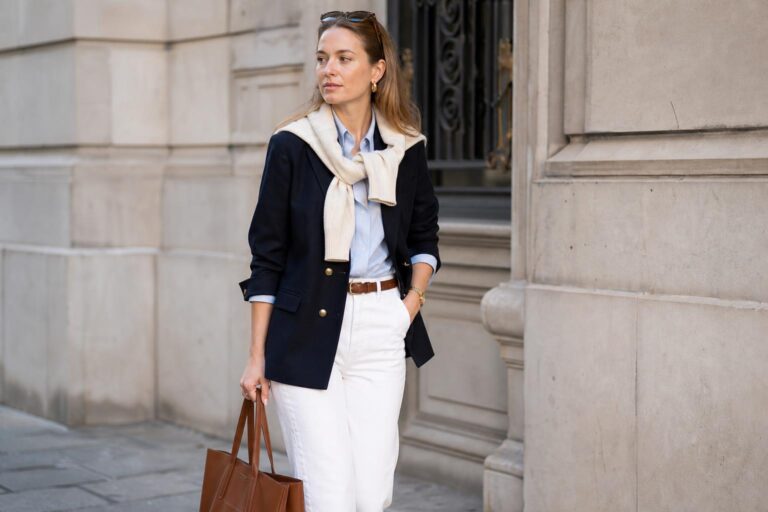
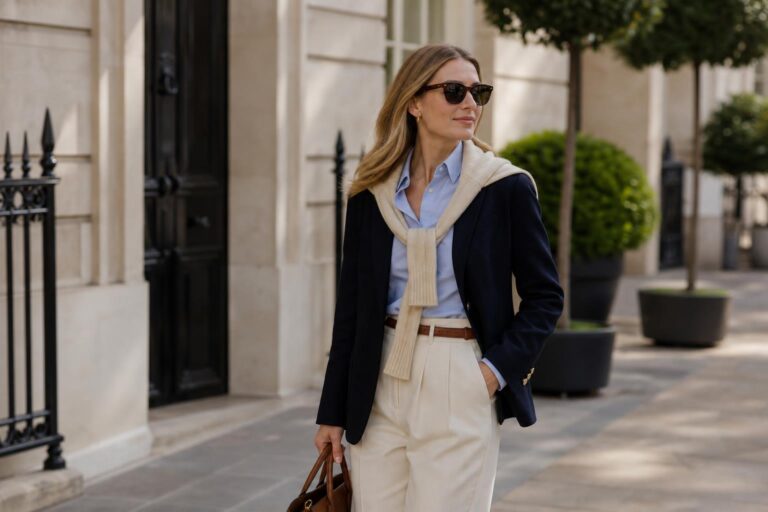
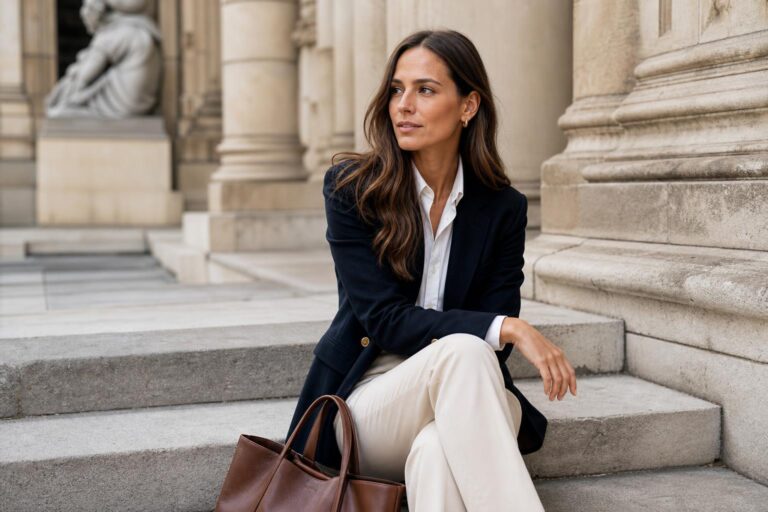
For everyday dressing, this translates into a few clear rules. Choose timeless silhouettes over trend-driven shapes. Favor wool, cashmere, crisp shirting, and structured outerwear. Keep patterns minimal. Let tailoring do the work. A navy blazer over cream trousers communicates more than a logo-covered outfit ever could because the visual anchor is proportion and fit, not decoration.
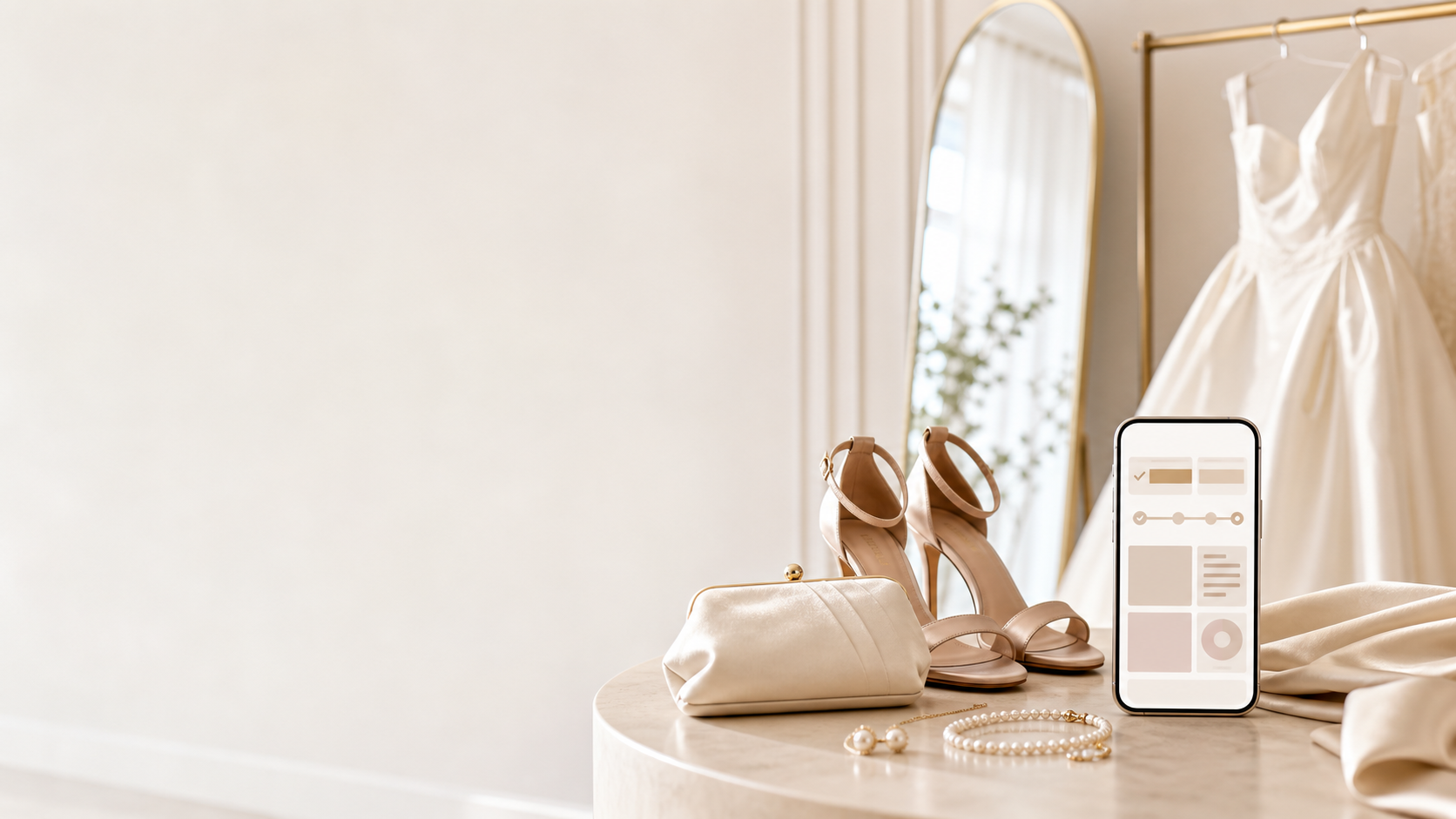
Found the dress? Keep the rest in one place.
Zarellea brings guest details, vendors, timelines, and every next step together — so your wedding plan feels as good as your look.
This is also why the style remains linked to places such as London, New York, Milan, and Paris. References like Mayfair, Bond Street, Madison Avenue, and Sloane Street carry a heritage fashion language built on tailoring, outerwear, leather goods, and understated polish. Even if you never shop in those districts, their design codes are easy to translate into your own closet.

The logic behind a capsule that actually works
A successful capsule wardrobe is not the smallest wardrobe possible. It is the smallest wardrobe that still serves your real routine. That distinction matters. If you commute, need workwear, travel, or move between warm afternoons and cool evenings, every item must combine with several others. The old money version of a capsule excels here because the palette is narrow and the shapes are classic enough to repeat often without looking repetitive.
Think in layers and functions. Outerwear should frame the outfit. Shirts and knitwear should rotate under blazers and coats. Shoes should connect with both tailored pieces and more relaxed combinations. Accessories should support the look rather than dominate it. This creates a wardrobe with high value per wear, which is especially useful if you are building slowly or shopping on a budget.
The easiest test is simple: if a piece cannot work in at least three settings, it may not belong in your capsule. A cashmere cardigan that layers over a button-down shirt, works with tailored pants, and softens a trench coat passes. A dramatic item that only suits one occasion usually does not.
The essential color palette and why it looks expensive
Most old money capsule wardrobes rely on navy, camel, cream, white, black, and soft neutral tones. This is not random. These shades create tonal layering, which makes outfits feel cohesive even when the pieces are simple. A cream knit with camel outerwear and dark trousers has more visual depth than a high-contrast outfit with unrelated colors.
Navy is particularly useful because it anchors a wardrobe without feeling as stark as black. Camel brings warmth and heritage character. White and cream brighten the face and help knitwear, button-downs, and summer pieces look fresh. Black is best used selectively for shoes, belts, certain trousers, and evening-leaning pieces, rather than as the only base color.
For readers who worry that neutrals will feel boring, texture is the solution. Wool, cashmere, crisp cotton, leather, and polished trench fabric create contrast inside a quiet palette. That texture contrast is one of the reasons old money outfits look intentional rather than flat.

Tips for choosing your palette
- Pick one dark anchor color, usually navy or black.
- Add one warm neutral such as camel or cream.
- Keep shirts and base layers mostly white, cream, or pale blue.
- Match leather tones across shoes, belts, and bags when possible.
- Avoid adding too many accent colors early; versatility drops quickly.
The core pieces that carry the aesthetic
Across women’s and men’s guides, a few staples appear repeatedly because they are the structural backbone of the style. These are the pieces that create the old money impression even before accessories enter the picture: trench coat, wool coat, tailored blazer, Oxford shirt or button-down, tailored trousers or chinos, cashmere sweater or cardigan, loafers, and classic flats or oxfords.
These items matter because each one solves a wardrobe problem. A trench coat handles transitional weather. A navy blazer refines denim alternatives and tailored separates. Loafers bridge formal and casual use. A wool coat sharpens winter outfits instantly. An Oxford shirt creates crispness under knitwear and outerwear. Cashmere softens tailored silhouettes so the overall composition does not feel stiff.
If you are building from scratch, start with pieces that create the most combinations first, not the pieces that feel most aspirational. A structured bag, pearl earrings, or a beautiful overcoat can come later. Foundation before decoration is what makes the wardrobe useful.
Women’s old money capsule wardrobe: the most versatile foundation
The strongest women’s capsule is built on polish with movement. Tailored pieces define the outline, while knitwear, flats, and understated accessories keep it livable. This balance prevents the wardrobe from feeling either too severe or too delicate.
- Trench coat
- Wool coat
- Tailored blazer
- Button-down shirt or Oxford shirt
- Cashmere sweater
- Cashmere cardigan
- Tailored pants
- Little black dress
- Loafers
- Ballet flats
- Structured handbag
- Pearl earrings or understated jewelry
A tailored blazer is one of the best first purchases because it sharpens almost everything. On a petite frame, a slightly cropped or neatly proportioned blazer prevents visual heaviness. On a taller frame, a longer line can look especially elegant. On curvier proportions, the key is clean shoulder structure with enough room through the torso so the blazer skims rather than pulls.
Tailored pants should sit cleanly at the waist and fall smoothly through the leg. This creates vertical length and helps loafers or ballet flats look intentional rather than incidental. The little black dress earns its place because it works for dinners, events, and situations when you need instant polish. Keep the cut restrained so it layers with a blazer or wool coat.
Ballet flats and loafers each serve a different role. Ballet flats soften the capsule and pair well with dresses or slim tailoring. Loafers add structure and are often better for commuting, campus life, or office settings. A structured handbag reinforces the overall architecture of the outfit, while pearls or similarly understated jewelry provide a refined finishing point without disrupting the quiet palette.
What works best for everyday wear
For most women, the easiest everyday formula is blazer or trench, knit or shirt, tailored pants, and loafers. It works because the blazer or coat provides a strong vertical frame, the knit adds texture contrast, and the loafers ground the outfit with a classic leather finish. This formula transitions well from work to lunch to travel days and does not require constant adjustment.

Men’s old money capsule wardrobe: clean tailoring without excess
The men’s version of the capsule is built around tailoring, but not rigid tailoring. The goal is a wardrobe that feels composed in New York, London, or a weekend setting without looking overdone. That is why the recurring essentials remain steady across guides: navy blazer, chinos, Oxford shirts, wool trousers, cashmere sweaters, loafers, cap-toe oxfords, trench coat, and overcoats.
- Navy blazer
- Wool blazer
- Oxford shirts and button-downs
- Chinos
- Wool trousers
- Cashmere sweater
- Cardigan or knitwear layer
- Trench coat
- Wool overcoat
- Leather loafers
- Cap-toe oxfords
The navy blazer is the visual anchor. It creates enough structure to elevate chinos and enough flexibility to pair with wool trousers. Chinos matter because they make the capsule more usable. They preserve the heritage mood while allowing relaxed daytime wear. Oxford shirts do a similar job: crisp enough for a blazer, easy enough for a cardigan or casual outerwear.
Fit is especially important here. Men with broader shoulders often benefit from softer layers under a blazer to avoid excess bulk. Slimmer frames tend to look stronger with a blazer that adds shape through the shoulders and chest. Taller men can carry longer overcoats well, while shorter men generally benefit from cleaner, uninterrupted lines and trousers hemmed precisely to avoid visual pooling.
Leather loafers are the workhorse shoe in this wardrobe because they connect tailoring with ease. Cap-toe oxfords are more formal and worth keeping if your week includes office wear, events, or occasions like weddings. If your lifestyle is more relaxed, loafers will likely deliver better value per wear.
Where heritage brands fit into the picture
Heritage brands matter less as status symbols and more as style references. Burberry is often shorthand for a trench coat narrative rooted in classic outerwear. Ralph Lauren captures East Coast prep and old money lifestyle codes. Loro Piana and Brunello Cucinelli are regularly associated with luxurious materials such as cashmere and refined neutrals. Aquascutum appears in the same conversation around traditional outerwear. Hickey Freeman and Dunhill signal classic menswear structure.
The practical takeaway is not that every wardrobe must be built from these labels. It is that these houses show what to prioritize: fabric quality, quiet finishing, and proportion. If you shop at a lower price point, use heritage brands as your design benchmark. Look for clean lapels, good drape, restrained hardware, and neutral colorways rather than chasing a logo.
For budget-minded readers, this is also where thrift and second-hand shopping become useful. A well-made blazer, wool coat, or loafer-inspired shoe in the right color can deliver much of the same effect if the cut is right and the styling remains disciplined.
Fabric choices that make the wardrobe believable
Old money style relies heavily on fabric behavior. Cashmere drapes softly and adds visual richness. Wool holds structure and gives coats and trousers a more substantial line. Crisp shirting sharpens the look. Leather adds polish through footwear and accessories. These textures create the quiet depth that makes a simple outfit read elevated.
Fabric also determines seasonal usefulness. Cashmere sweaters and cardigans are ideal for cool offices, fall layering, and winter under coats. Wool coats and wool trousers bring shape and insulation in colder months. Lighter shirting and more open layering work better in spring and summer. The point is not to overfill the closet with duplicates, but to rotate fabric weights intelligently.
If you are deciding where to invest, outerwear and knitwear usually deserve priority because cheap versions are easier to spot. A flimsy trench collapses the silhouette. A poor-quality sweater loses shape quickly. By contrast, shirts and some trousers are often easier to source affordably while still maintaining a polished result.
Investment priorities by category
- Invest first in outerwear: trench coats and wool coats define the entire outfit.
- Invest next in knitwear: cashmere and high-quality wool have strong visual payoff.
- Choose mid-range or budget options for shirts if the fit and color are clean.
- Spend carefully on loafers because footwear heavily affects whether the outfit reads refined.
- Add accessories later once the core clothing is stable.
How to build an old money capsule wardrobe on a budget
Budget building does not mean copying every luxury reference at once. It means choosing the items with the highest styling return and keeping your color palette narrow enough that everything works together. Start with a blazer, one coat suited to your climate, one knit, one crisp shirt, one pair of tailored pants or chinos, and one pair of loafers or flats. That alone can generate multiple polished outfits.
Second-hand and thrift options are especially useful for blazers, wool coats, and some leather accessories because these categories often retain structure well. A budget trench can also work if the fabric does not look overly shiny and the cut stays clean through the shoulders. Focus on shape and finish before brand name.
The most common mistake on a budget is buying too many substitutes. Three mediocre blazers are less useful than one good navy blazer. The same applies to shoes. One solid pair of loafers that works with trousers, dresses, and denim alternatives will outperform multiple trend pairs that do not integrate into the capsule.
Smart first purchases if money is limited
- Navy blazer
- Neutral trench coat
- White or pale blue button-down
- Cream or camel knitwear
- Tailored dark trousers or chinos
- Loafers or ballet flats in a classic leather tone
These pieces are easiest to recreate affordably because they rely more on silhouette and color discipline than intricate design. Once they are in place, later upgrades become far more noticeable and worthwhile.
Seasonal rotation without losing the aesthetic
A strong capsule should feel consistent in spring, summer, fall, and winter. Seasonal adaptation does not require a completely new wardrobe. It requires fabric and layering shifts while preserving the same color story and clean lines.
Spring and summer
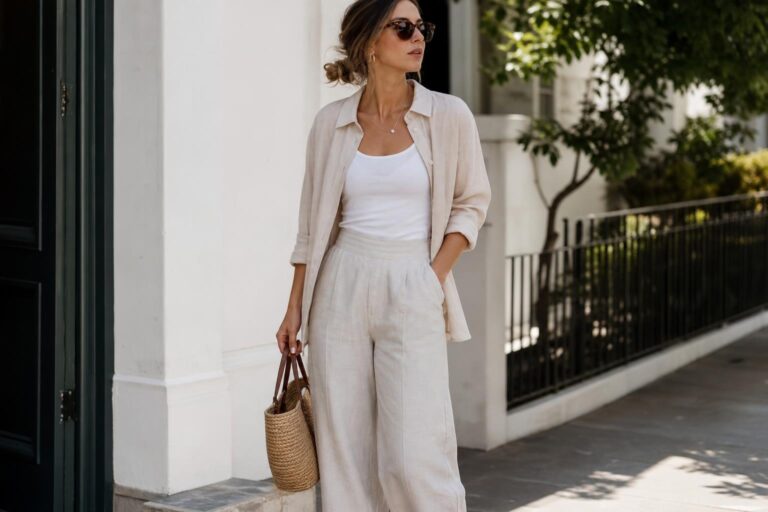
In warmer months, the capsule becomes lighter in texture. Button-down shirts, lighter blazers, loafers, ballet flats, and dresses take on more of the workload. Cream, white, and soft neutrals feel particularly effective here because they brighten the outfit and echo the relaxed side of the old money aesthetic. A trench coat remains useful for cool mornings and travel days.
This is the season to simplify. Too many layers can make the style feel forced. Let one tailored piece, such as a blazer or trouser, carry the structure and keep the rest clean.
Fall and winter
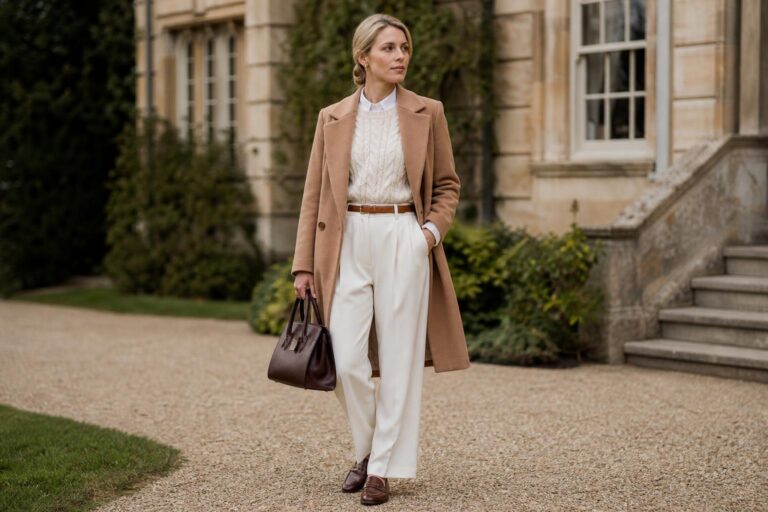
Fall and winter are where wool coats, overcoats, cashmere sweaters, cardigans, and heavier trousers shine. Tonal layering becomes especially effective: navy coat, cream knit, charcoal or dark trousers, leather loafers. Texture does most of the visual work, which means you can keep accessories quiet and still look fully composed.
For colder climates, layering should remain slim rather than bulky. A fine knit under a blazer and coat creates a cleaner silhouette than several thick, competing layers. This is also where quality outerwear pays off most, because the coat will be the dominant visual element for much of the season.
Outfit formulas that make daily dressing easier
The value of an old money capsule wardrobe becomes obvious when you can dress quickly without sacrificing polish. Outfit formulas remove decision fatigue and make the wardrobe more practical in everyday life.
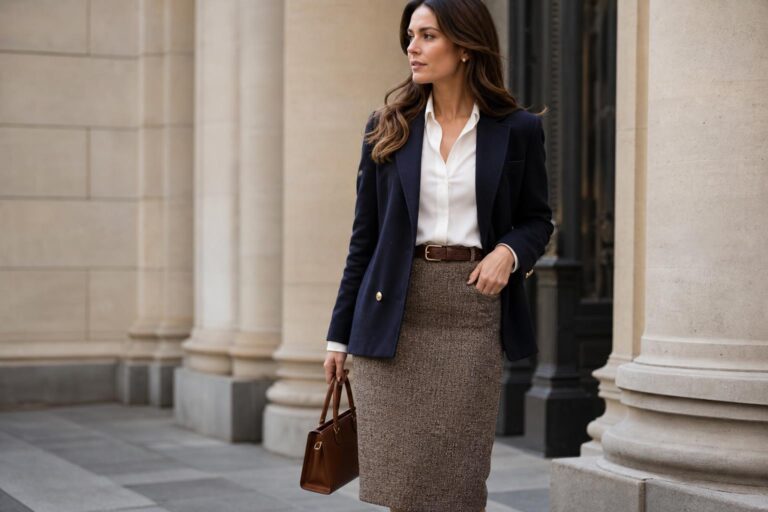
For work, use a tailored blazer, button-down or fine knit, tailored trousers, and loafers. This formula works because it balances structure with comfort and suits both formal and relaxed workplaces. If your office leans creative rather than corporate, a cardigan in place of the blazer softens the look while preserving the same heritage feel.
For weekends, swap the tailored trouser for chinos or a relaxed pant and keep the loafers or flats. The structure of the outer layer maintains the old money impression even when the base outfit is simple. For travel, a trench coat, knitwear layer, tailored pant, and loafers offer mobility, weather flexibility, and enough polish for arrivals, meetings, or dinners.
For events such as weddings or country club-style occasions, rely on the cleanest version of your capsule: wool outerwear if needed, refined shoes, a crisp shirt or simple dress, and subtle accessories. Restraint is what keeps the look believable.
Why these formulas work
- Each outfit has a clear visual anchor, usually the coat, blazer, or shoe.
- Texture contrast keeps neutral outfits from looking flat.
- Tailored lines create a polished silhouette without requiring statement pieces.
- Classic shoes stabilize the outfit and make repeats feel intentional.
- Limited colors improve mix-and-match compatibility across the whole capsule.
Accessories that support the look without overpowering it
Accessories are often underexplained in capsule guides, yet they are where many outfits either become convincing or collapse into imitation. In the old money wardrobe, accessories should reinforce the architecture of the outfit. Structured handbags, belts, understated jewelry, pearl earrings, classic eyewear, and polished leather shoes all contribute to the final impression.
The key is moderation. A structured bag works because it echoes the clean line of a blazer or coat. Pearls work because they add heritage character without visual noise. A belt should coordinate with shoes rather than introduce a competing statement. If you wear eyewear, choose shapes that feel classic and balanced with your face shape, not overly trend-driven.
For men and women alike, shoes deserve special attention. Worn, poorly shaped, or overly casual footwear can undercut the entire wardrobe. Loafers, oxfords, and classic flats remain effective because they align with the overall language of tailoring and restraint.
Common styling mistakes that make the wardrobe look less refined
The most frequent mistake is overdoing the theme. Old money style loses credibility when every element tries too hard to signal status. Excessive crests, loud patterns, heavy jewelry, and too many references to country club or yacht club dressing can push the look into costume territory.
The second mistake is ignoring fit. A beautiful wool coat in the wrong proportion looks less expensive than a simpler coat with a clean shoulder and proper sleeve length. The same applies to trousers that pool at the ankle or shirts that pull through the buttons.
Another common issue is mixing too many unrelated colors. The old money capsule depends on harmony. Once the palette becomes chaotic, the quiet luxury effect disappears. Finally, do not neglect fabric condition. Pilling knitwear, scuffed shoes, and limp collars undermine the entire visual story.
Quick correction guide
- If an outfit feels flat, add texture rather than more color.
- If it feels stiff, replace one tailored item with softer knitwear.
- If it looks busy, remove one accessory.
- If it feels costume-like, simplify to one heritage reference at a time.
- If it looks inexpensive, check the hem, shoe condition, and coat structure first.
How to adapt the style to body proportions and real routines
A wardrobe is only successful if it works on your body and in your schedule. On petite frames, heavy coats and oversized blazers can overpower the figure, so cleaner cuts and precise lengths usually perform better. Taller frames often carry longer coats, wider trousers, and layered proportions with ease. Curvier figures typically benefit from tailoring that defines shape without clinging, especially through blazers, dresses, and trousers.
If your routine includes walking, commuting, or long campus days, prioritize comfortable loafers, breathable shirts, and outerwear that layers without restricting movement. If your week includes meetings or formal settings, place more value on a navy blazer, polished shoes, and wool trousers. If you travel often, choose wrinkle-tolerant pieces in stable colors so the capsule remains cohesive even when packed quickly.
This is where the old money aesthetic proves useful rather than merely aspirational. It is built on repeatable, adaptable clothing. A coat that works with both flats and loafers, or a blazer that suits both trousers and dresses, has far more value than a highly specific fashion purchase.
Care, repair, and longevity
Longevity is central to the old money wardrobe mindset. A capsule only delivers value if the pieces maintain shape and finish over time. Knitwear should be stored carefully and monitored for pilling. Leather shoes benefit from regular care so they continue to sharpen the outfit rather than drag it down. Coats and blazers should keep their structure through proper storage and occasional maintenance.
This approach also changes how you shop. You become less interested in novelty and more attentive to repair potential, resale value, and how a piece will age. That mindset aligns naturally with capsule dressing because every item has to justify its space through durability and repeated use.
In practice, that means buying fewer pieces, caring for them more consistently, and replacing them more slowly. It is a quieter but smarter route to wardrobe polish.
A realistic shopping sequence for building the wardrobe
Many people get stuck because they try to build the entire capsule at once. A better approach is to build in layers of usefulness. Start with the pieces that change the look of the most outfits, then add refinement.
- First layer: blazer, trousers or chinos, button-down shirt, loafers
- Second layer: trench coat or wool coat, knitwear, structured bag or belt
- Third layer: event piece such as a little black dress or cap-toe oxfords
- Fourth layer: refined accessories such as pearls, eyewear, or upgraded leather goods
This order works because it prioritizes outfit composition before details. Once the first layer is solid, your wardrobe already looks more intentional. Later additions simply deepen the effect.

FAQ
What makes a capsule wardrobe look old money?
An old money capsule wardrobe relies on timeless tailoring, neutral colors, high-quality-looking fabrics, and understated accessories. The effect comes from fit, texture, and restraint rather than logos or trend-heavy pieces.
What should I buy first for an old money capsule wardrobe?
Start with the highest-versatility staples: a navy blazer, a trench coat or wool coat suited to your climate, a white or pale blue button-down, tailored trousers or chinos, a neutral knit, and loafers or classic flats. These pieces create the most combinations right away.
Can I build this look on a budget?
Yes. The most effective budget strategy is to keep the palette tight, prioritize fit, and shop selectively for core pieces such as blazers, coats, and loafers. Thrift and second-hand options are especially useful for tailored outerwear and classic separates.
Which brands are most associated with this style?
Burberry, Ralph Lauren, Loro Piana, Brunello Cucinelli, Aquascutum, Hickey Freeman, and Dunhill are often linked to the old money wardrobe language because of their associations with heritage outerwear, tailoring, cashmere, and quiet luxury.
What colors work best in an old money capsule wardrobe?
Navy, camel, cream, white, and black are the most useful core colors. They mix easily, support tonal layering, and help simple outfits look more polished and cohesive.
How do I make the style work for everyday life, not just inspiration photos?
Choose pieces that serve multiple settings, such as a blazer that works for the office and weekends or loafers that suit both trousers and dresses. Keep the wardrobe practical for your climate, walking needs, and weekly routine so the style stays wearable.
Are loafers better than oxfords for this wardrobe?
For most people, loafers are more versatile because they bridge casual and formal outfits easily. Oxfords are useful if your schedule includes more formal workwear, events, or weddings, but loafers usually offer stronger day-to-day value.
How many pieces should an old money capsule wardrobe have?
A practical range is around 20 to 28 core pieces, depending on climate and lifestyle. The exact number matters less than ensuring each item works with several others and supports your real routine.
What should I avoid if I want the look to feel authentic?
Avoid loud branding, excessive pattern mixing, poor fit, and too many themed references at once. The style works best when the outfit feels composed, understated, and built around clean lines rather than obvious signals.