City Weekend Capsule Wardrobe for Polished Off-Duty Style
A weekend rarely asks for just one version of you. The same two or three days can include a coffee run, a gallery stop, a casual dinner, time with family, a long walk through the city, and a quick overnight pack that still needs to fit into a carry-on. That is exactly why building a weekend capsule wardrobe feels harder than it sounds. The challenge is not simply owning fewer clothes. It is choosing pieces that can shift context without losing comfort, proportion, or polish.
A strong weekend capsule wardrobe solves that problem by using a compact group of versatile pieces with enough range to handle casual, smart casual, travel-ready, and weather-variable moments. The most effective versions rely on a clear base, practical shoes, adaptable outerwear, and knitwear that adds texture without making the wardrobe feel heavy. What follows is a problem-solving style guide built around that logic, with outfit formulas, brand-level examples, and practical adjustments for climate, size inclusivity, budget, and longevity.
Why weekend dressing becomes complicated so quickly
The difficulty usually starts with mixed demands. Weekend clothes need to feel relaxed, but they still need enough structure to look intentional. They should work for a café and a pub, but also for an art gallery, a kids’ play date, a casual restaurant, or a short trip where luggage space is limited. The result is decision fatigue: too many options, not enough coordination, and outfits that look disconnected once the weather changes or the plan shifts.
Weather also complicates the equation. A cool morning can become a warm afternoon, and a jacket that feels necessary at breakfast may feel excessive by lunch. Fabric and layering matter more than trend. An Oxford shirt behaves differently from a lightweight tee, denim holds its shape differently from softer trousers, and a cashmere or Shetland knit changes the visual weight of the look immediately. A weekend capsule only works when those shifts are anticipated in the outfit composition.
Found the dress? Keep the rest in one place.
Zarellea brings guest details, vendors, timelines, and every next step together — so your wedding plan feels as good as your look.
There is also a practical issue many wardrobes ignore: weekend clothing needs movement. You may be walking more, carrying a bag, changing shoes less often, or relying on one outerwear piece for several situations. That is why the best capsules focus on pieces that can be repeated without feeling repetitive. The goal is not variety for its own sake. The goal is flexibility with a clear visual anchor.
The styling logic behind a successful weekend capsule wardrobe
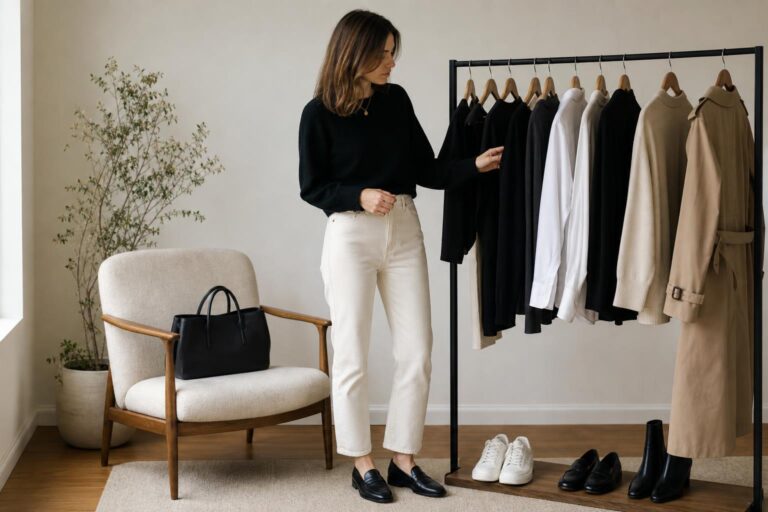
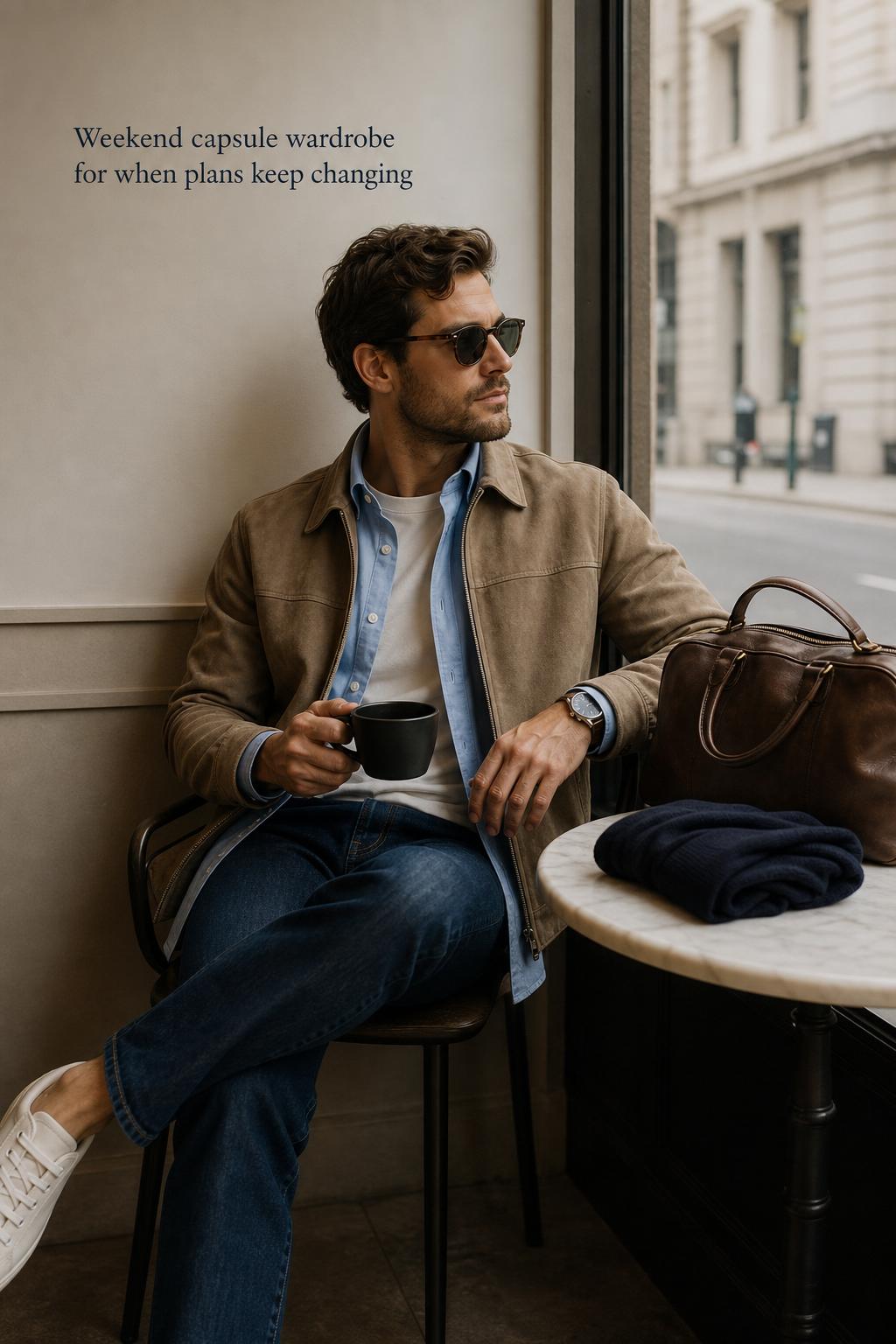
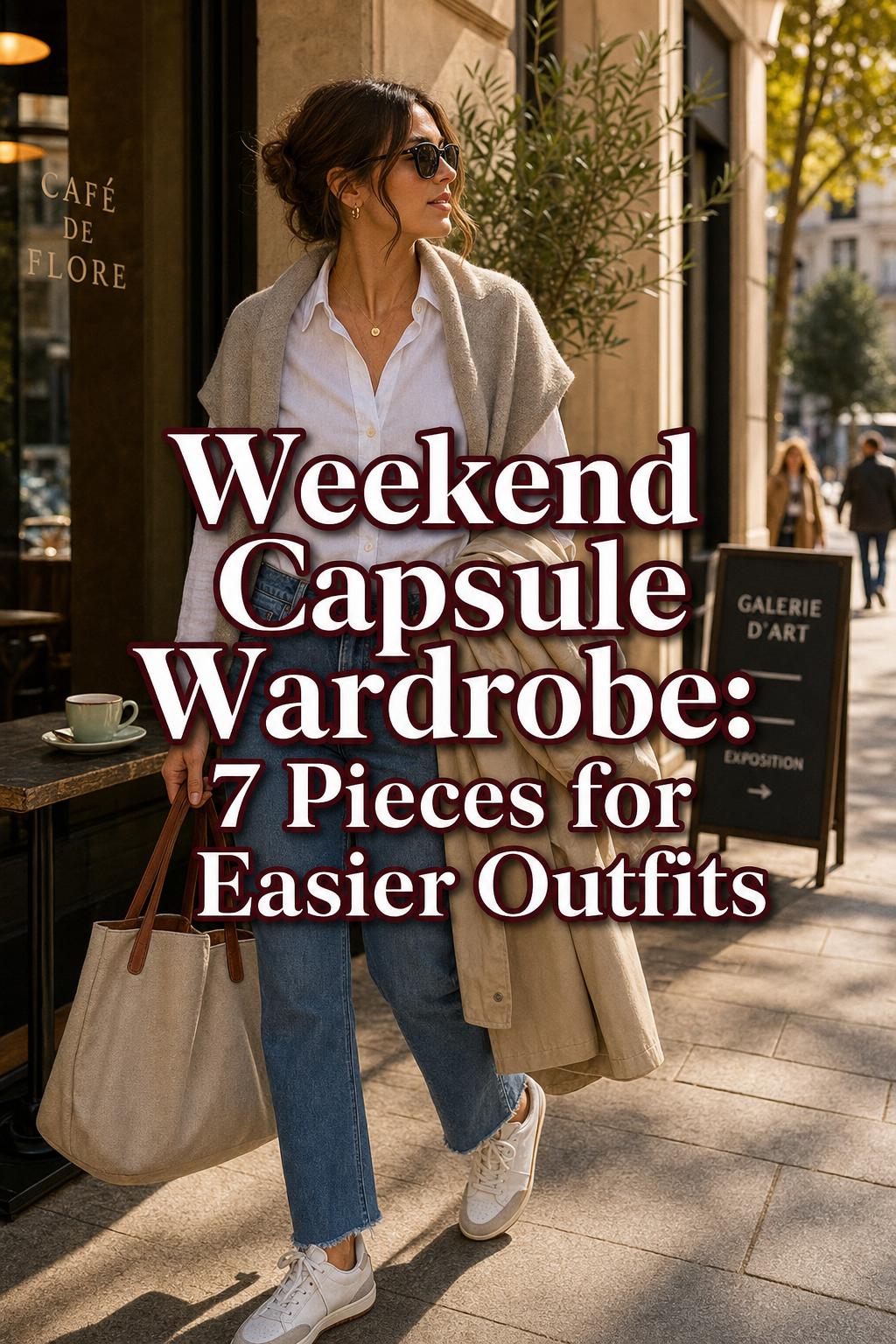
A capsule works best when it begins with a foundation rather than a shopping list. The clearest foundation identified across strong examples is simple: a shirt, denim, and a layerable top structure the wardrobe, then shoes, outerwear, and knitwear create range. This is why an Oxford shirt and jeans appear so often in capsule thinking. Together they create a balanced silhouette that can move up or down in formality with relatively small changes.
Versatility comes from substitution. Swap sneakers for chukka boots and the outfit becomes sharper. Replace a tee with a knit and the look gains depth. Add a suede blouson, an M-65-style jacket, or a Donegal coat and the same base now reads differently depending on season and setting. This is the essential principle: one stable core, several intelligent changes.
Color coordination also matters. Weekend capsules tend to perform better when the palette is controlled. Denim, neutral shirts, grounded outerwear, and footwear that connects with multiple looks reduce visual friction. This is not about dressing blandly. It is about creating tonal layering and texture contrast so the wardrobe feels coherent even when the number of items is small.
Quality and fabric choice are equally important. A capsule wardrobe depends on repeat wear, so pieces need to hold shape and still look considered after multiple uses. That is why examples often point toward materials like cashmere, Shetland, and sturdy shirting. Whether the item comes from Loro Piana, Anderson & Sheppard, Merz B. Schwanen, Levi’s, or a more budget-conscious source, the principle is the same: if the fabric performs, the outfit performs.
The base formula that makes weekend outfits easier
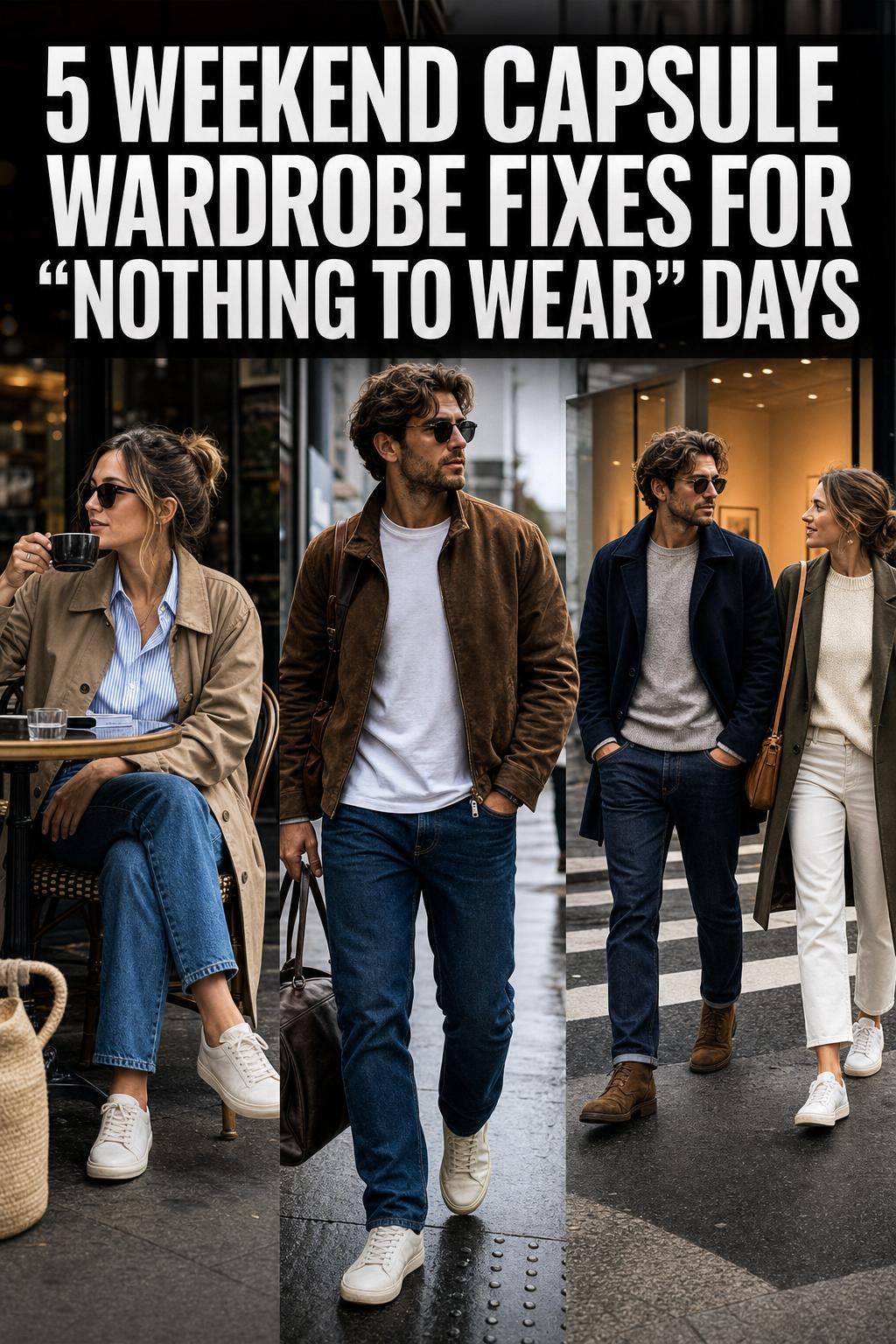
The easiest way to reduce weekend outfit stress is to work from one reliable formula and build outward. A shirt, jeans, and a removable layer create a stable framework because each piece can shift depending on shoes and outerwear. This does not mean every capsule must look identical. It means every strong capsule needs a core that anchors the rest.
- An Oxford shirt gives structure and works under knitwear or outerwear.
- Jeans act as the denim foundation and can lean casual or smart casual depending on footwear.
- A basic tee or lightweight top helps with layering and temperature changes.
- One knitwear option adds softness, warmth, and texture.
- One outerwear piece turns the same outfit into a different visual statement.
- Two shoe directions, usually sneakers and boots or loafers, cover most weekend scenarios.
This formula is useful because it allows repetition without visual monotony. Levi’s jeans with an Oxford shirt and Common Projects sneakers feel clean and city-ready. The same denim with a knit and chukka boots feels more grounded. Switch the jacket and the entire mood changes again. That is the efficiency a weekend wardrobe needs.
Core building blocks that carry the whole capsule
Foundation pieces: shirt, denim, and practical layering
The foundation should do the heaviest lifting. An Oxford shirt remains one of the strongest options because it balances relaxed and polished elements in one piece. It can sit under a cashmere knit, under a military-inspired jacket, or on its own with jeans. Denim should feel dependable rather than directional. Levi’s are repeatedly associated with this role because the jeans function as a familiar, adaptable base rather than a statement item.
Layering pieces matter because weekends rarely stay at one temperature or one level of activity. A simple tee, a light knit, or a mid-weight sweater expands the utility of the wardrobe. Merz B. Schwanen and Anderson & Sheppard are useful reference points here because they represent knitwear and casual layering with texture and shape, not just warmth.
Shoes that solve more than one scenario
Footwear is where many weekend wardrobes lose versatility. A shoe that only works for one setting creates extra packing pressure and limits styling range. Sneakers are effective because they support walking, travel, and casual styling. Common Projects and Reproduction of Found trainers represent the clean, minimal end of that spectrum. They work especially well with denim, sweaters, and simple outerwear.
For a smarter edge, chukka boots or more refined leather footwear create a stronger visual line. Saint Crispin’s and even the general idea of a well-made boot shift a weekend look toward smart casual without making it feel overdressed. The capsule does not need many shoes. It needs shoes that change the message of the same clothing.
Outerwear as the visual anchor
Outerwear often becomes the most visible item in a weekend capsule, especially during travel or transitional weather. A Valstarino suede blouson offers softness and polish. An M-65-style jacket introduces utility and a more casual, practical tone. A Donegal coat adds weight, texture, and a more composed silhouette for cooler conditions. Private White VC and Valstar appear in this category because their pieces align with the idea of durable outerwear that helps one base outfit serve several purposes.
The key is not owning every option. It is understanding what each one does to the outfit composition. A blouson shortens and sharpens the line. A coat adds length and authority. A military jacket creates ease and movement. Choose the version that reflects how your weekends are actually spent.
Knitwear and accessories that create depth
Knitwear adds insulation, but its more important role is visual. A Loro Piana cashmere knit softens the outfit and introduces a smoother, more elevated finish. An Anderson & Sheppard Shetland option adds texture and a slightly more rugged character. Even a simpler Merz B. Schwanen layering piece changes how the capsule reads. Texture contrast is one of the easiest ways to make a small wardrobe feel complete.
Accessories should remain selective. A bag, a beanie, or a beret can support the outfit, but only if it aligns with the capsule’s palette and purpose. In editorial shopping-focused examples, accessories like a Staud bag or a Mansur Gavriel option help carry the look from practical to polished. The point is not accumulation. It is strategic support.
How to build your own capsule without overbuying
A common mistake is treating a weekend capsule as a reason to start from zero. In most cases, the better approach is an audit. Strong capsules are often built by editing what already exists, then identifying the gaps that prevent outfit interchangeability. This is especially useful for anyone trying to create a more budget-conscious wardrobe.
- Pull out the pieces you already wear on repeat during weekends.
- Identify one dependable base shirt, one or two bottoms, one knit, and one outerwear option.
- Check whether your shoes cover both casual walking and smart casual moments.
- Remove anything that only works with one specific item.
- Aim for a compact range, often around 12 to 18 pieces, built around an 80/20 logic of essentials over extras.
This is where budget-friendly thinking becomes practical rather than restrictive. Alison’s Notebook frames the weekend capsule as a method for unlocking fashion freedom through a smaller, more organized wardrobe. That perspective matters because buying fewer, better-matched pieces often solves more than buying many disconnected ones. A capsule should reduce confusion, not create another shopping project.
Outfit solution: the coffee-to-gallery formula
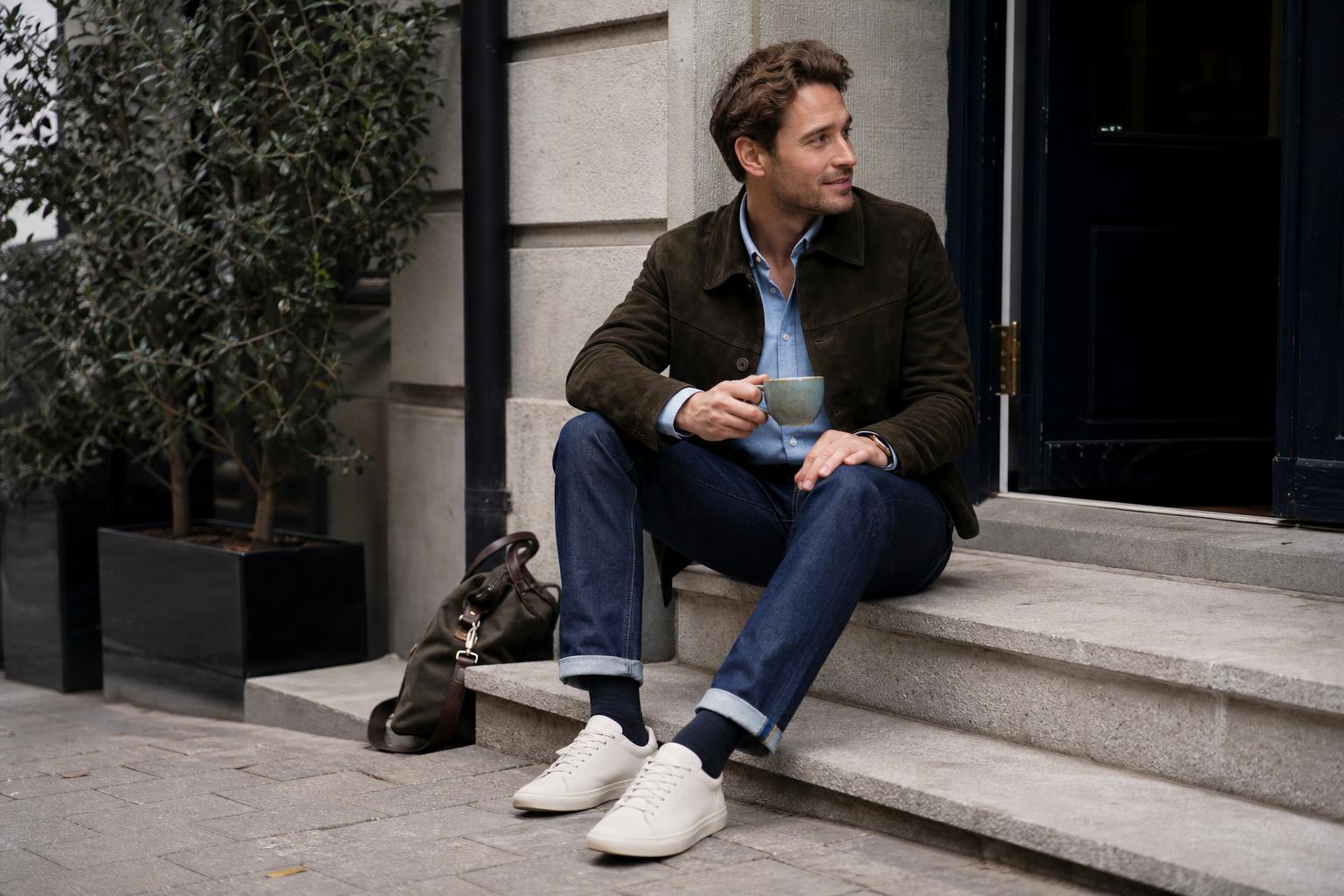
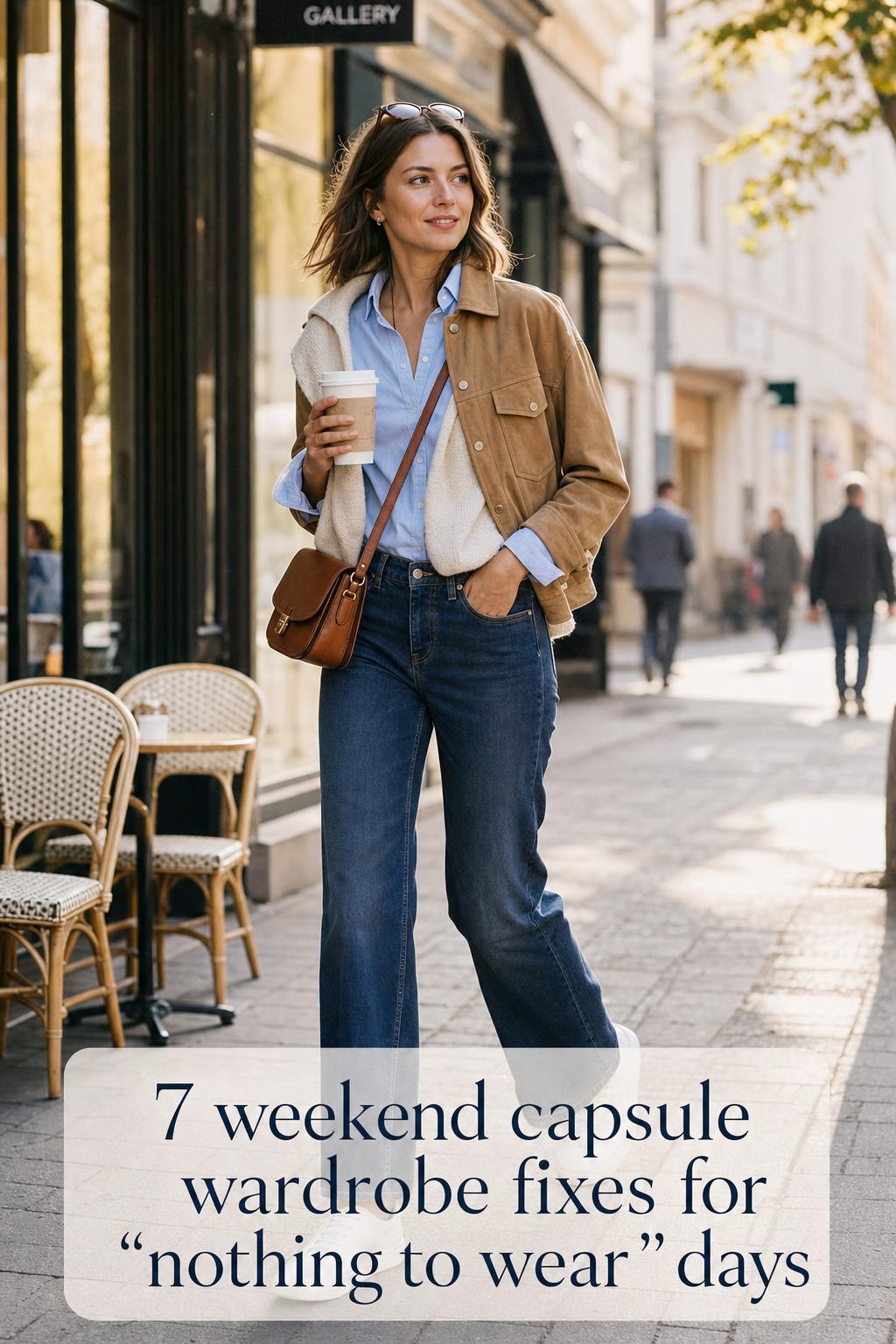
Start with an Oxford shirt, Levi’s jeans, and clean sneakers such as Common Projects or Reproduction of Found trainers. Add a suede blouson or light jacket depending on the weather. This combination works because the shirt provides structure, the denim keeps the outfit grounded, and the sneakers maintain ease for walking. The outerwear adds shape without making the outfit too formal.
This is one of the most useful smart casual balances for a weekend capsule wardrobe because it can move from a café to an art gallery without needing a full change. The silhouette remains clean, the palette stays controlled, and the pieces can be separated later for other combinations. If temperatures drop, replace the light jacket with a knit under a coat rather than changing the whole look.
Outfit solution: practical family-day dressing
For a more active day, the capsule should prioritize movement and resilience. Use denim or another dependable bottom, a casual top, and an M-65-style jacket with sneakers. This pairing solves a common weekend problem: you need to look pulled together while staying ready for practical movement, weather shifts, and repeated wear across a long day.
The reason it works is proportion play. The utility jacket adds structure, but the sneakers keep the base relaxed. The overall composition avoids the stiffness of overly polished pieces while still feeling intentional. It is particularly effective for weekends involving children, errands, or informal social plans where comfort matters as much as visual clarity.
Outfit solution: casual dinner with a sharper finish
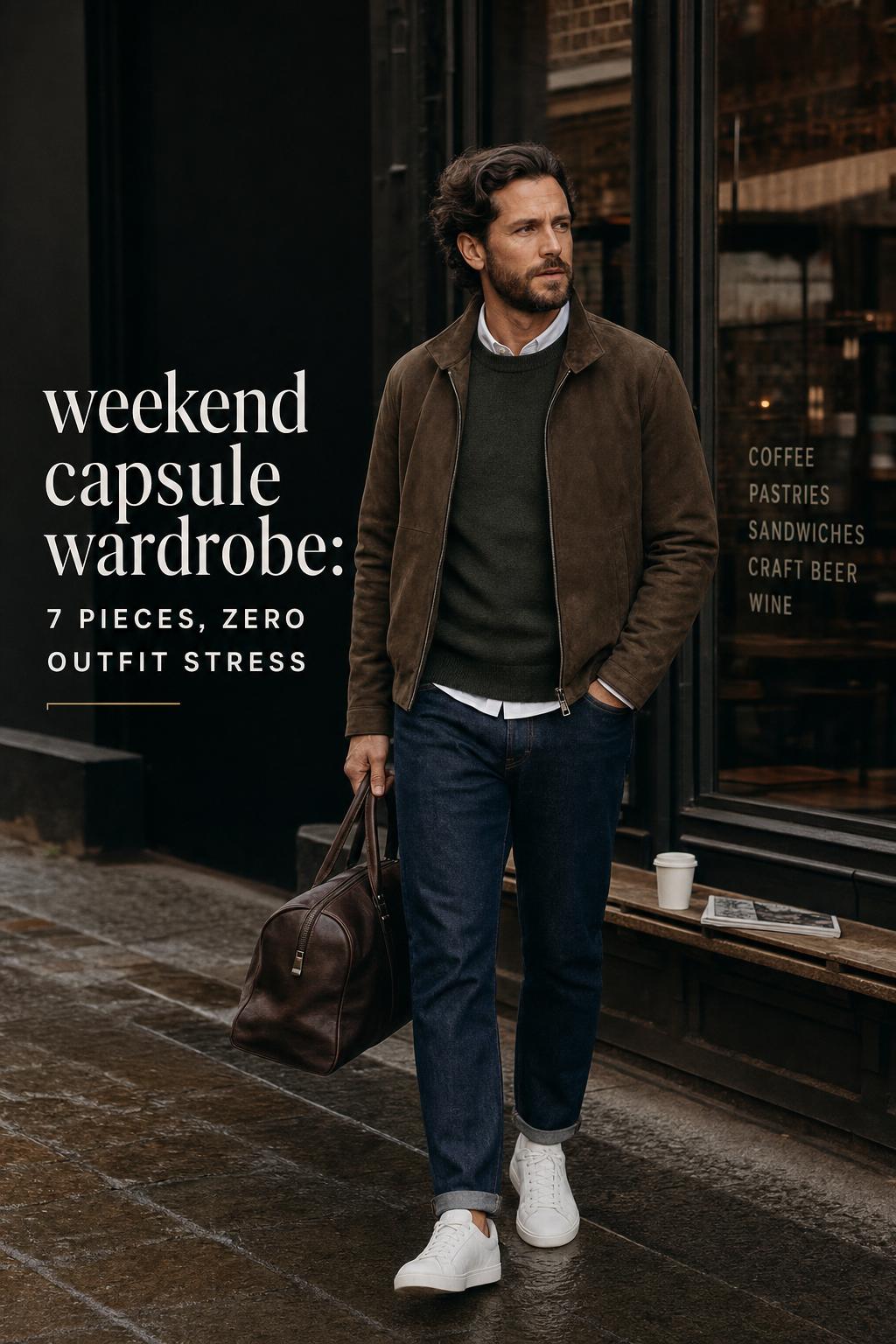
To elevate the same capsule for a dinner or evening pub setting, switch the footwear and knitwear before changing the whole outfit. Keep the jeans, add a cashmere or Shetland knit over the shirt, and trade sneakers for chukka boots or a more refined option. If the weather calls for it, use a Donegal coat as the final layer.
This combination works because it changes the textural message of the outfit. Denim remains the visual anchor, but the knitwear and boots increase depth and polish. The coat lengthens the silhouette and creates a more composed line. The result is smart casual without forcing the weekend wardrobe into office territory.
Outfit solution: the carry-on friendly long-weekend edit
A long weekend often exposes the weakness of an unplanned wardrobe. You pack for every possibility, then wear only a fraction of it. A better approach is the carry-on capsule concept emphasized in editorial shopping formats. Build around one bag, one dress or elevated option, one sweater, one jean, one additional bottom or top, and shoes that can survive both travel and social use.
Who What Wear presents this through a curated editorial lens, with pieces from Staud, Realisation Par, Urban Outfitters, Common Projects, Mansur Gavriel, Sea, Jacquemus, By Far, Hunza G, and Almina Concept. The practical takeaway is not that every reader needs those exact labels. It is that a carry-on weekend capsule performs best when each item has at least two styling roles. A Realisation Par dress can work for daytime with simple footwear and for dinner with a stronger bag. A sweater can layer over or under multiple pieces. A sneaker should still look intentional in photos and functional in transit.
Weekend capsule wardrobe ideas for women and men follow the same logic
The product examples may differ, but the underlying wardrobe intelligence remains consistent. For women, a weekend capsule may include dresses, bags, sandals, boots, sweaters, and sneakers from brands such as Staud, Mansur Gavriel, Jacquemus, Sea, or By Far. For men, the formula may center more clearly on Oxford shirts, jeans, chukka boots, suede blousons, and knitwear from labels like Levi’s, Loro Piana, Anderson & Sheppard, Valstar, or Private White VC.
In both cases, the principles stay the same: one stable base, clear layering, functional footwear, and enough variation to cover casual and slightly elevated plans. A weekend travel capsule wardrobe is successful when the pieces connect visually and practically. The item category matters less than whether the wardrobe creates enough interchangeable formulas.
Location changes the capsule: city weekends are not identical
One overlooked issue in capsule planning is geography. A weekend in New York or NYC often involves more walking, more outerwear visibility, and a stronger need for shoes that look polished while staying practical. This makes clean sneakers, durable boots, and a coat or jacket with visual presence more important. A compact bag also becomes more useful because it works as both accessory and function.
City-specific thinking matters because it prevents overpacking. If your weekend includes transit, cafés, museums, and dinner reservations, the capsule should be edited for movement and repeat wear. A structured outer layer and one dependable shoe change can solve most of the wardrobe tension. This is a stronger strategy than packing separate outfits for every stop.
Climate-sensitive adjustments that make a small wardrobe work harder
A weekend capsule becomes far more effective when it is built around likely weather rather than ideal weather. Warm conditions call for lighter layering and fewer heavy texture contrasts. Cooler weekends need more emphasis on knitwear and outerwear. The best approach is not to create a completely different wardrobe for every forecast, but to identify which category should carry more weight.
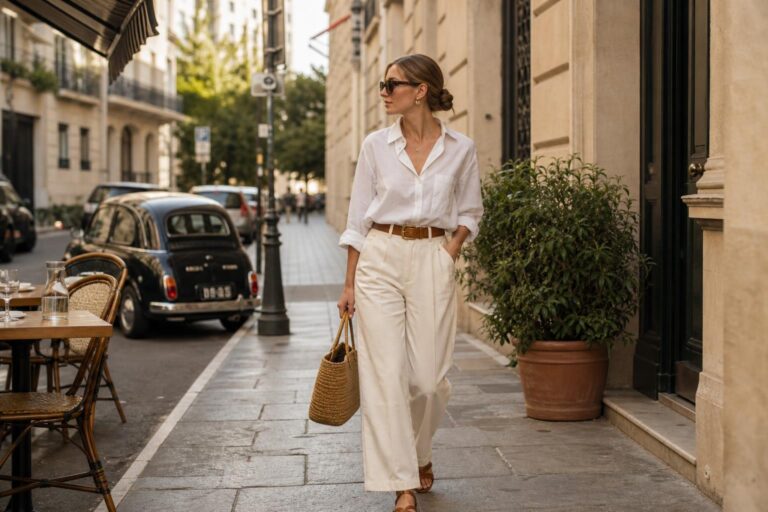
- For warmer weekends, reduce bulk and let shirts, dresses, lighter tops, and minimal shoes carry the look.
- For cool or cold weather, increase the importance of knitwear, coats, and boots.
- For mixed conditions, build around removable layers rather than one heavy solution.
- For travel, wear the bulkiest outerwear item instead of packing it.
This is where outerwear selection becomes strategic. A suede blouson works when you need polish without excess heaviness. A Donegal coat is more effective when the climate requires warmth and stronger visual structure. An M-65-style jacket handles informal, practical weekends especially well because it leaves room for layering underneath.
Size-inclusive and body-aware capsule planning
A capsule should reduce friction, not impose one narrow silhouette. Size-inclusive planning matters because fit changes the success of every so-called essential. A shirt that pulls, a jacket that restricts movement, or denim that loses comfort after hours of wear will not function well no matter how versatile it looks on paper. The most important adjustment is to choose shapes that allow movement and preserve the intended line of the outfit.
For different body types, the logic stays analytical. The base piece should act as the visual anchor, while layering should support balance instead of adding random volume. Outerwear length influences proportion. Knitwear weight influences shape. Footwear changes where the eye lands in the outfit. A successful capsule acknowledges these factors instead of assuming one universal formula. That is how a small wardrobe becomes wearable in real life.
Sustainability and longevity are practical, not abstract
The sustainability angle of a weekend capsule is often underexplored, yet it follows naturally from the concept. A smaller wardrobe only delivers long-term value when the pieces are durable, repairable, and worn repeatedly. This shifts the focus from novelty to lifespan. Fabric quality matters because repeated weekend use tests seams, shape retention, and comfort quickly.
Durability, maintenance, and repeat styling all support longevity. Knitwear that keeps its structure, denim that improves with wear, and outerwear that can handle seasonal transitions contribute more to a capsule than trend-driven extras. The practical metric is simple: if an item cannot be worn in several formulas and maintained over time, it weakens the capsule regardless of price point.
Practical tools: create outfit formulas before the weekend starts
One of the easiest ways to make a weekend capsule wardrobe useful is to plan by formula, not by isolated item. Instead of asking what to wear every morning, decide in advance which combinations solve your most common weekend scenarios. This creates speed, reduces clutter, and makes short-trip packing significantly easier.
- Formula one: shirt + jeans + sneakers + light jacket.
- Formula two: knitwear + jeans + boots + coat.
- Formula three: dress or elevated piece + practical bag + versatile shoes.
- Formula four: tee or casual top + outerwear + sneakers for active plans.
This is also where wardrobe audit templates and planning checklists become genuinely useful. They help identify whether the capsule covers all likely plans without duplication. The wardrobe does not need to be large. It needs to be mapped with realistic use in mind.
Tips that improve a weekend capsule immediately
Start with the shoes. If your footwear cannot handle walking, changing surfaces, and multiple outfit roles, the rest of the capsule will feel unstable. A clean sneaker and one smarter alternative usually outperform several narrow options.
Use outerwear to control the tone of the weekend. A military-inspired jacket reads differently from a suede blouson, and both read differently from a Donegal coat. Choose the piece that reflects your actual plans rather than the one that only looks good in isolation.
Keep knitwear purposeful. One strong cashmere or Shetland layer is more useful than multiple sweaters that all sit in the same styling lane. The aim is to create texture contrast and climate flexibility, not duplication.
If you are packing, wear your bulkiest pieces in transit. This preserves space for smaller capsule items and keeps the bag streamlined. It also ensures your most weather-protective layer is immediately available.
Common mistakes that make a capsule feel smaller than it should
The first mistake is choosing too many statement pieces and not enough connectors. A weekend capsule depends on pieces that bridge multiple outfits, not items that only work once. When every piece demands a special pairing, the wardrobe stops functioning as a system.
The second mistake is ignoring fabric behavior. Heavy outerwear with delicate footwear, or overly warm knitwear in a mild climate, creates discomfort and weakens the visual balance of the outfit. A small wardrobe magnifies those mismatches because there are fewer alternatives.
The third mistake is assuming minimal always means formal simplicity. A capsule can include personality through texture, shape, and selective accessories. What it should avoid is chaos. Editorial polish comes from control, not from stripping away every expressive detail.
From a 3-day edit to a longer wardrobe rhythm
The 3-day, 2-night version of a weekend capsule is often the easiest place to begin, but the same logic can scale. Once you know which base pieces repeat well, you can extend the wardrobe toward a 1-week system by increasing only the categories that genuinely need rotation. Usually that means one extra top, one additional layering option, and careful laundering or maintenance planning, not a complete expansion.
This matters because a weekend wardrobe often becomes the foundation for a broader capsule wardrobe. The same principles of mix-and-match, quality over quantity, and practical planning apply. Starting with weekends simply makes the system easier to test in real life.
A clear way to approach your next weekend
The most effective weekend capsule wardrobe is not the one with the fewest items. It is the one with the strongest internal logic. A dependable foundation, shoes that cover real movement, outerwear that changes the tone of the look, and knitwear that adds texture and flexibility will solve more styling problems than a crowded closet ever can.
Approach each weekend by identifying your likely settings, your weather range, and your most useful base pieces. Then build outward with interchangeable layers and one or two purposeful shifts in footwear or accessories. That method keeps the wardrobe practical, coherent, and adaptable whether the plan is local, city-based, or packed into a carry-on.
FAQ
What is a weekend capsule wardrobe?
A weekend capsule wardrobe is a small, coordinated group of clothing and accessories designed to cover common weekend activities through mix-and-match styling. It usually includes dependable base pieces, versatile shoes, practical outerwear, and one or two layers that help the same items work across casual and smart casual settings.
How many pieces should a weekend capsule wardrobe include?
A practical range is often around 12 to 18 pieces, depending on climate and whether travel is involved. The exact number matters less than whether the pieces connect well enough to create several outfit formulas without duplication.
Do I need to buy new clothes to build a weekend capsule wardrobe?
No. A strong capsule usually starts with a wardrobe audit rather than a shopping trip. The first step is identifying what you already wear often, then editing down to the pieces that layer well, fit properly, and work across multiple weekend situations.
What are the best foundation pieces for a weekend capsule?
An Oxford shirt, reliable denim such as Levi’s jeans, a simple layering top, one knitwear option, and a versatile outerwear piece create one of the most effective foundations. This mix allows easy shifts between relaxed daytime wear and more polished smart casual looks.
Which shoes work best in a weekend travel capsule wardrobe?
The most useful setup is usually one clean sneaker and one smarter alternative such as chukka boots. Sneakers like Common Projects or Reproduction of Found trainers handle walking and travel well, while a more refined shoe helps the same capsule work for dinner or elevated casual plans.
How can I make a weekend capsule work in changing weather?
Use removable layers and let outerwear do more of the adjustment. A shirt, jeans, knitwear, and an outer layer such as a suede blouson, M-65-style jacket, or Donegal coat give more flexibility than relying on one heavy or one lightweight item alone.
Can a weekend capsule wardrobe still feel stylish and not repetitive?
Yes, because style variation in a capsule comes from texture contrast, footwear changes, layering, and proportion rather than constant newness. Switching from sneakers to boots, or from a light jacket to a coat, can completely change the visual effect of the same base outfit.
How do I make a weekend capsule more budget-friendly?
Focus on editing before buying and prioritize pieces with multiple uses. A smaller number of well-chosen essentials will usually outperform a larger number of single-purpose items, especially when your goal is a wardrobe that feels organized, repeatable, and easy to style.
What makes a capsule wardrobe more sustainable?
A more sustainable capsule emphasizes durability, repeat wear, and maintainable fabrics rather than excess variety. Pieces that hold shape, layer well, and can be worn across multiple weekends contribute more to longevity than trend-driven items with limited use.
Can I adapt a weekend capsule wardrobe for different body types?
Yes. The key is to keep the capsule principles while adjusting fit, proportion, and outerwear shape to your body and comfort needs. A successful capsule should support movement, preserve silhouette balance, and make each item easy to wear repeatedly in real-life situations.