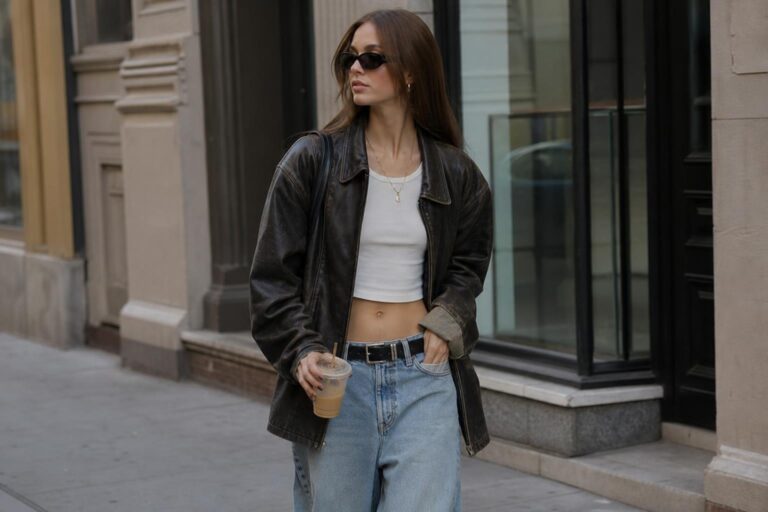

Modern Boho Style Outfits for Real Life, Not Costume-Like
Boho style outfits tend to look effortless—right up until you have to wear one in real life. The challenge usually isn’t “how do I look bohemian?” It’s how to keep the relaxed, artistic energy without drifting into costumes, bulky layers, or outfits that fall apart the moment you’re outside for more than an hour.
This gets harder in everyday situations where comfort and practicality matter: warm afternoons that turn breezy at night, long walking days, casual workplaces, or plans that include both errands and dinner. Boho styling is built on texture, movement, and layering—exactly the elements that can feel unmanageable if you’re also trying to stay cool, carry essentials, or look intentionally put-together.

This problem-solving guide breaks boho down into repeatable outfit logic: breathable fabrics, proportion control, functional footwear, and a focused color story. You’ll get adaptable combinations—including boho chic outfits, boho summer outfits, earthy style formulas, and a practical approach to a bohemian man outfit—so you can build looks that feel free-spirited without feeling impractical.
Understanding the real styling challenge behind boho
Boho is often defined by flowing silhouettes, layered pieces, artisanal textures, and eclectic accessories. In theory, that reads as relaxed. In practice, it can create three common friction points: overheating from too many layers, visual chaos from too many competing details, and discomfort from shoes or fabrics that weren’t chosen for movement.
Found the dress? Keep the rest in one place.
Zarellea brings guest details, vendors, timelines, and every next step together — so your wedding plan feels as good as your look.
Weather is usually the tipping point. Warm days make heavy fabrics, stacked jewelry, and long layers feel suffocating. Cool evenings make a lightweight dress feel unfinished without a third piece. Add real-world logistics—walking, sitting outdoors, commuting, packing a bag—and boho needs structure to stay functional.
The goal isn’t to “tone down” boho until it becomes generic. The goal is to edit it. A successful boho outfit still has a visual signature—texture contrast, an earthy palette, and intentional movement—while using a few anchors to keep the composition clean and wearable.

Key dressing principles that make boho look intentional (not messy)
Principle 1: build one focal point, then support it
Boho’s biggest trap is stacking multiple statement elements at once: a dramatic skirt, a busy top, layered accessories, and an oversized bag. The fix is editorial: choose one hero piece (a maxi dress, wide-leg pants, a patterned kimono, or a standout accessory) and let everything else become quiet support. This creates a clear visual hierarchy—your outfit reads styled, not accidental.
Principle 2: control volume with proportion play
Flowy doesn’t have to mean shapeless. When the silhouette gets too loose everywhere, the look can feel heavy and unflattering, and it becomes harder to move comfortably. Use proportion logic: if your bottom is wide or draped, keep the top more streamlined; if your top is oversized, choose a narrower skirt, shorts, or a defined waist. Even in relaxed boho chic outfits, structure is what makes the ease look elevated.
Principle 3: use an earthy style palette as your “styling glue”
Earthy style works because it makes mixed textures feel cohesive. When your colors live in a tonal family—think warm neutrals and grounded shades—your outfit can include different materials and details without looking chaotic. This is why earthy outfits are a reliable entry point for boho: the palette acts like an invisible framework that keeps the look refined.
Principle 4: pick fabrics that behave well in motion
Boho relies on movement: hems that sway, sleeves that drape, layers that shift. If the fabric clings, creases aggressively, or feels scratchy, the whole concept becomes uncomfortable. Prioritize breathable, fluid materials for heat and soft layering pieces for transitional weather. Comfort isn’t separate from style here; it’s the difference between a romantic silhouette and an outfit you can’t wait to change out of.
Principle 5: make footwear the functional anchor
Many boho looks fail at the ground. A beautiful floaty outfit paired with the wrong shoes can look disconnected—or worse, become unwalkable. The most wearable boho style outfits treat shoes as an anchor: they stabilize the silhouette, match the vibe, and support long wear. If you’re walking a lot, start with shoes and build upward.
Outfit solutions: practical boho style outfits that handle real life
These outfit solutions are built around repeatable formulas rather than one-off “perfect looks.” Each one is designed to solve a common constraint—heat, travel, casual dress codes, day-to-night shifts—while keeping the boho identity clear through texture, palette, and styling balance.

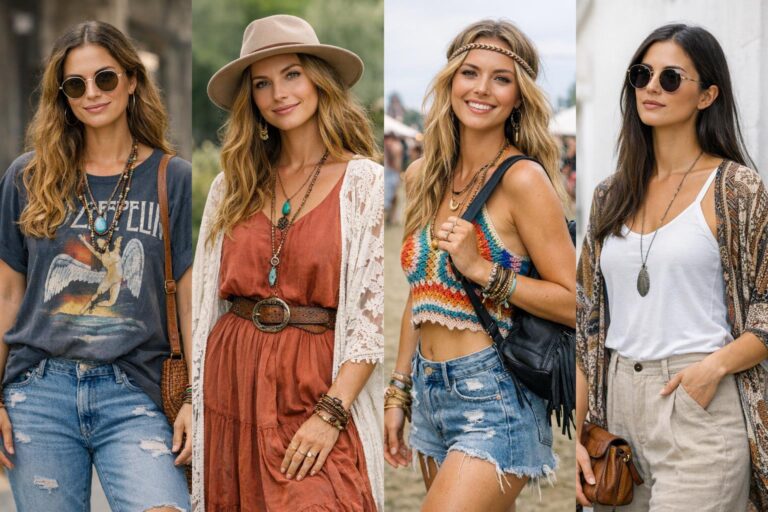
Outfit solution: boho summer outfits that stay breathable (without losing texture)
The summer boho problem is straightforward: boho wants layers, but heat punishes layers. The solution is to swap bulk for surface interest—use lightweight pieces that still deliver movement and texture contrast.
Style breakdown: a breezy dress or relaxed top-and-bottom set becomes the base, then you add a single light third piece (or none) and keep accessories tactile but minimal. Think of it as “airflow first, styling second”—because discomfort reads on the body instantly.
- Key pieces: airy dress or lightweight blouse, relaxed shorts or a flowy skirt, minimal layering piece for indoor AC, simple belt if you want waist definition
- Why this works: you get the boho movement through silhouette, not heavy styling
- Best for: hot days, outdoor lunches, casual weekends, travel days where you’ll be walking
Styling variations: If you want it more “boho chic,” keep the palette tonal and the accessories intentional—one standout piece is enough. If you want it more overtly bohemian, increase texture (like a more tactile bag or a more detailed layer) but keep the base clean.
Outfit solution: the lightweight layered look for breezy evenings and over-air-conditioned spaces
Boho styling shines in transitional temperatures, but only if the layers are strategic. The mistake is throwing on a heavy layer that collapses the outfit’s movement. The fix is to choose a third piece that drapes and frames the base, rather than overpowering it.
Why this outfit works: the base stays simple, while the layer adds dimension and a bohemian rhythm—movement at the hem, soft volume at the sleeve, or a longer line that elongates the silhouette. This is the most reliable way to make boho style outfits look styled instead of random: one strong outer layer, one cohesive base.
- Key pieces: fitted tank or simple tee, relaxed pants or a skirt with movement, a lightweight draped layer as the “top frame”
- Comfort logic: you can remove the layer without losing outfit integrity
- Practical win: temperature control without carrying a bulky jacket
When to wear it: dinners that start outdoors and move inside, rooftop nights, beach-town evenings, or any day where you know you’ll be battling air conditioning.
Outfit solution: earthy outfits for city errands (boho without the costume effect)
In a city setting, boho can look overly themed if every item is “festival-coded.” Earthy outfits solve that by grounding the look in a neutral framework while still using boho signatures like soft lines, artisanal textures, and relaxed ease.
Style breakdown: start with a practical base you can move in—relaxed pants or a simple dress silhouette—then add earthy style through color and texture rather than loud pattern stacking. This makes the outfit compatible with real errands: walking, carrying a bag, going into stores, and staying comfortable for hours.
- Key pieces: relaxed pants or a midi skirt, breathable top with a clean neckline, comfortable walking shoes, a roomy bag that still looks intentional
- Why it works: the earthy palette keeps the outfit cohesive even when the textures vary
- Best for: long walking days, museum afternoons, casual meetups where you want personality without visual noise
Editorial note: In city environments, restraint reads as confidence. One textural accessory can deliver the boho signal more effectively than layering multiple statement items.
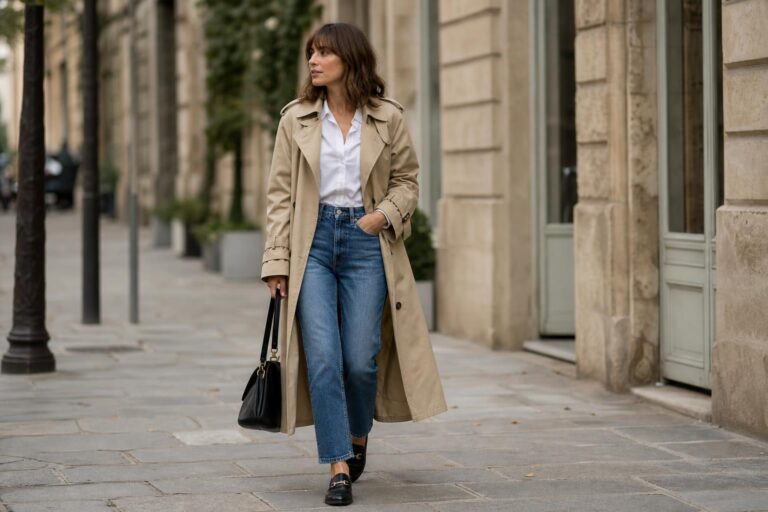
Outfit solution: smart casual boho chic outfits for casual offices and dinner plans
The smart-casual challenge is tension: boho leans relaxed, while smart casual demands polish. The answer is structure in one area of the outfit—either through a sharper layer, a more refined shoe, or a cleaner silhouette—while keeping the boho identity in fabric and finish.
Why this outfit works: polish comes from clean lines and intentional proportion, while boho comes from texture contrast and gentle movement. This balance keeps you from looking too informal for a workplace, but also prevents the outfit from becoming stiff or corporate.
- Key pieces: a streamlined top, a skirt or pants with fluid drape, a more structured third piece (light jacket or refined layer), minimal-but-elevated accessories
- Silhouette strategy: define one area (waist, shoulder line, or hem length) so the look reads designed
- Best for: casual offices, presentations where you still want personality, dinner reservations that require “nice but not formal”
Styling variations: To skew more boho chic, keep everything in a cohesive neutral story and use one tactile material as a statement. To skew more bohemian, keep the same silhouette but add one expressive detail—just not all of them at once.
Outfit solution: travel-day boho that survives sitting, walking, and temperature swings
Travel is where boho can be either the best choice or the worst. The best boho travel looks use softness and ease—breathable layers, forgiving waistlines, and comfortable shoes—without the parts that snag, wrinkle badly, or require constant adjustment.
Why this outfit works: the silhouette stays relaxed for sitting, the layers handle fluctuating temperatures, and the color story keeps everything looking coordinated even if you’re re-wearing pieces. This is boho applied as a system, not an aesthetic performance.
- Key pieces: soft top, relaxed bottom, a light layer you can remove, shoes you can walk in quickly, a bag that keeps essentials accessible
- Comfort logic: nothing too tight, nothing too delicate, nothing that fights movement
- Best for: flights, road trips, day-long itineraries, hotel-to-dinner transitions
Practical detail: If you know you’ll be carrying luggage, keep accessories streamlined. The outfit should feel composed even with a practical bag and flat shoes.
Outfit solution: a bohemian man outfit that reads modern, not theatrical
A bohemian man outfit works best when it prioritizes texture, relaxed tailoring, and a controlled color palette over exaggerated costume cues. The wearable approach is “boho through materials and fit” rather than through excessive layering or overly loud details.
Style breakdown: keep the silhouette clean—relaxed but not sloppy—and use one or two bohemian signals: a softly draped shirt, a textured layer, or an earthy style palette. The outfit should look like a natural extension of personal style, not a themed look.
- Key pieces: relaxed shirt with an open collar, straight or relaxed trousers, comfortable footwear, one textural layer if needed
- Why it works: the clean shape keeps it modern; texture and earthy tones deliver the bohemian identity
- Best for: casual dates, creative workplaces, weekend plans, warm-weather events where you want personality without formality
Fit note: Bohemian doesn’t mean oversized across the board. Aim for ease at the shoulders and torso, and keep the hem and pant length intentional to avoid a swallowed silhouette.
Style logic shortcuts: how to “boho-ify” what you already own
The fastest path to boho style outfits is not buying an entirely new wardrobe. It’s reframing basics with boho logic: texture, movement, and an earthy palette. If your closet is mostly minimal, you’re not starting from zero—you already have the clean base that makes boho look elevated.

Use one texture contrast to change the whole outfit composition
Texture contrast is the boho power move: a smooth base paired with a tactile layer or accessory creates depth without clutter. This is why boho chic outfits often look “expensive” even when the pieces are simple—the styling is doing the work.
Keep the neckline clean if the rest is expressive
Necklines function as visual breathing room. If you’re wearing a more detailed skirt, layered accessories, or a draped outer layer, a clean neckline keeps the eye from getting stuck in visual congestion. This small editing choice improves comfort too—less fuss near the face and collarbone on hot days.
Make the waist decision on purpose
Boho silhouettes can be waist-defined or free-flowing, but the key is choosing intentionally. A softly defined waist creates shape and can make longer hemlines feel lighter. A non-defined waist can feel chic and modern if the proportions are balanced and the fabric drapes well. The problem happens when the waist is “accidentally undefined” because everything is oversized at once.
Tips that improve comfort and functionality without breaking the vibe
Boho is at its best when the outfit feels wearable for hours. These adjustments are small, but they fix the real-life friction points: heat, movement, carrying items, and keeping the look cohesive from morning to night.
Tips for choosing fabrics (especially for boho summer outfits)
Prioritize breathable fabrics that move away from the body rather than cling to it. For warm weather, the best boho summer outfits rely on airflow and soft drape, not thick layers. If a fabric feels stiff, it will fight the silhouette and turn “flowy” into “bulky.”
Tips for footwear that supports long days
Choose shoes that match the outfit’s relaxed energy but can handle real walking. The shoe should act as a visual anchor—grounding the softness above—while staying comfortable enough for a full day. If the shoe feels too delicate, the whole outfit starts to feel impractical.
Tips for accessories that look boho but behave like essentials
Accessories should add intention, not inconvenience. If you’re wearing a more expressive outfit, scale back the accessories. If your base is minimal, let one accessory carry the boho signal. This keeps the look editorial and makes it easier to move through normal tasks without constantly adjusting jewelry or worrying about snagging.
Tips for making earthy outfits look styled, not dull
Earthy outfits can lean flat if everything is the same tone and texture. The fix is subtle contrast: pair a matte fabric with something that has visible weave or movement. Keep the palette grounded, but make sure the outfit has at least one point of dimension—through drape, structure, or a single statement detail.
Common mistakes that sabotage boho style outfits (and the better fix)
Mistake: too many “boho signals” at once
This happens when you try to communicate the style through every item: multiple layers, multiple textures, multiple accessories. The result is visual noise and a silhouette that feels heavy. The fix is to choose one hero element and keep the rest streamlined; boho reads stronger when the outfit has a clear focal point.
Mistake: ignoring proportion in the name of comfort
Comfort and shape aren’t opposites. Oversizing everything can reduce comfort because the fabric shifts, twists, or gets in the way. The fix is targeted ease: relaxed in one area, refined in another. That proportion play keeps you comfortable while making the outfit look deliberate.
Mistake: picking shoes last
When shoes are an afterthought, you can end up with a look that’s pretty but unwalkable, or comfortable but visually disconnected. The fix is to decide the day’s mobility needs first, then choose footwear that supports that—and build the outfit around it so the boho elements stay coherent.
Mistake: confusing earthy style with “just brown”
Earthy style is about grounded harmony, not monotony. If the palette is too flat, the outfit loses dimension. The fix is to keep colors within an earthy family while adding contrast through texture, silhouette, or a slightly different depth of tone so the look feels curated rather than bland.
How to approach boho in different settings: a quick decision framework
Boho becomes easy when you treat it like a set of dials you can turn up or down depending on context: texture, movement, accessories, and polish. The setting determines how high each dial should go.
- For heat and outdoor plans: turn up breathability and movement; turn down layering and heavy accessories.
- For city or errands: turn up earthy palette cohesion and functional footwear; turn down loud pattern stacking.
- For smart casual: turn up structure in one piece (clean silhouette or refined layer); keep boho in texture and drape.
- For travel: turn up softness and removable layers; turn down anything delicate, itchy, or high-maintenance.
- For a bohemian man outfit: turn up relaxed tailoring and texture; keep the shape intentional for a modern read.
This framework is what keeps boho style outfits from becoming “one vibe only.” It lets you stay consistent with the aesthetic while dressing for real constraints like weather, comfort, and the day’s agenda.
Conclusion: a wearable strategy for boho that holds up all day
Boho works best when it’s treated as outfit engineering, not costume styling. Start with a breathable base, control volume through proportion play, and use an earthy style palette to keep textures cohesive. Then add one clear focal point—movement, texture, or an accessory—so the look reads intentional.
Once you know how to balance comfort with composition, boho chic outfits and boho summer outfits become repeatable, not intimidating. The same logic also translates to earthy outfits for everyday wear and to a modern bohemian man outfit: keep the silhouette clean, let texture do the talking, and make functionality part of the style—not an afterthought.

FAQ
How can I make boho style outfits look intentional instead of messy?
Choose one focal point (a flowy silhouette, a statement layer, or one standout accessory) and keep the rest streamlined, using a cohesive earthy palette to connect textures; this creates a clear visual hierarchy so the outfit reads styled rather than chaotic.
What’s the easiest way to wear boho summer outfits without overheating?
Prioritize breathable, fluid fabrics and get the “boho effect” from movement and texture rather than heavy layering; if you need a third piece for indoor AC or evening breeze, keep it lightweight and draped so it doesn’t trap heat.
How do earthy outfits fit into boho style?
Earthy outfits act as a grounding framework for boho because the tonal palette keeps varied textures and relaxed shapes cohesive; you can add boho character through drape and tactile details without relying on loud patterns or excessive accessories.
How do I make boho chic outfits work for smart casual settings?
Add polish through one structured or streamlined element—like a cleaner silhouette, a refined layer, or elevated footwear—while keeping the boho identity in texture and gentle movement; this balance respects smart casual expectations without losing the relaxed aesthetic.
What shoes work best with boho style outfits when I’ll be walking a lot?
Use footwear as the functional anchor: choose comfortable shoes that can handle long wear and visually “ground” the softer silhouette above; deciding shoes early prevents the outfit from becoming impractical or stylistically disconnected.
How can I “boho-ify” a simple outfit without buying new clothes?
Keep your basics as a clean base and introduce boho through one strategic shift—texture contrast, a draped third piece, or an earthy style color story—so the look gains depth and movement without needing multiple new statement items.
What’s a modern approach to a bohemian man outfit?
Focus on relaxed-but-intentional fit, tactile materials, and an earthy palette, using one or two bohemian signals (like a softly draped shirt or a textural layer) while keeping the overall silhouette clean so it reads modern rather than theatrical.
Why do some boho outfits feel bulky or unflattering?
They often stack volume everywhere—loose top, loose bottom, and heavy layering—so the silhouette loses structure and the fabric gets in the way; the fix is proportion control by balancing a wide or draped piece with a more streamlined counterpart.
How do I keep boho accessories from feeling like “too much”?
Match accessory intensity to outfit complexity: if the clothing already has movement or texture, keep accessories minimal; if the base is simple, let one accessory carry the boho signal to maintain an editorial, intentional finish.