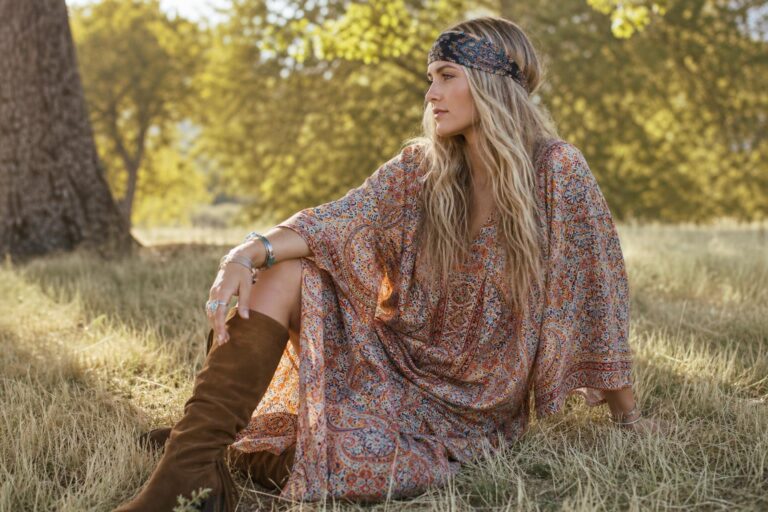

Modern Romantic Style: Soft Drape, Calm Proportions, Real Life
Romantic style, defined by mood rather than rules
Romantic style reads like a soft-focus photograph: gentle lines, delicate detail, and a palette that leans luminous rather than loud. It’s less about dressing “pretty” and more about building an outfit composition that feels fluid—where texture does as much work as color, and silhouette balance is intentionally softened.
The aesthetic lives comfortably in everyday life because it adapts. It can look polished in a workday context, effortless for weekend errands, and quietly elevated for dinner. The common denominator is the same: a soft feminine style that prioritizes drape, lightness, and graceful proportion play over sharp structure.

Its appeal is practical as much as visual. Romantic style photographs beautifully, layers easily, and offers built-in versatility—especially when you treat it as a system of textures and tones instead of a single “look.” For anyone collecting mode inspo or saving cute casual outfits for real life, this aesthetic is a reliable blueprint: wearable, refined, and emotionally legible without feeling costume-like.
The visual identity: what makes an outfit feel romantic
Romantic style is best understood as a visual identity built from three signals: softened silhouette, gentle texture contrast, and a calm color story. The silhouette typically avoids harsh geometry—think rounded necklines, relaxed shaping, and waist definition that feels natural rather than forced.
Found the dress? Keep the rest in one place.
Zarellea brings guest details, vendors, timelines, and every next step together — so your wedding plan feels as good as your look.
Texture is the quiet engine of the look. The romantic wardrobe leans into fabrics that move—light knits, airy weaves, smooth finishes—then anchors them with one stabilizing element so the outfit doesn’t drift into “too delicate.” That anchor could be a clean shoe, a structured bag, or a simple outer layer that frames the softness.
Color is often tonal and light-reflective. A pastel outfit works particularly well because pastels naturally amplify the aesthetic’s softness, but romantic style can be built in neutrals too—especially if the materials and shapes carry the mood. The goal is harmony: an outfit that looks cohesive from a distance and interesting up close.

Key pieces that quietly build the romantic wardrobe
Romantic style doesn’t require a closet reset; it rewards thoughtful selection. The most effective approach is to identify a few “repeatable” pieces that create softness through line and fabric, then rotate them across contexts—work, weekends, travel, dinner—without losing the aesthetic.
- Soft tops with gentle necklines and fluid drape
- Skirts or trousers that move well when walking and sitting
- Lightweight layers that frame the outfit without compressing it
- Subtle accessories that read refined rather than loud
- A calm palette base, plus one pastel outfit option for easy mood-setting
The strongest romantic outfits balance tenderness with clarity. One delicate element is elevated by one clean element. That’s the styling logic that keeps the look modern, not overly sweet.

Look: soft weekend aesthetic in outifts casuales mode
This look captures romantic style in its most wearable form: easy, breathable, and built for movement. The silhouette stays relaxed through the body, with just enough shape at the waist or neckline to keep the outfit from feeling oversized. The mood is gentle and approachable—ideal for daytime plans where comfort matters as much as polish.
Lean into light layers and a calm, airy palette. A pastel outfit interpretation works beautifully here: soft blush, washed lavender, or powder blue paired with creamy neutrals. Fabrics should feel touchable—light knit, cotton, or a smooth, fluid weave—so the outfit holds its softness even when styled simply.
- Key garments: a soft top with a delicate neckline, relaxed bottom with movement
- Footwear: clean, minimal shoes to keep the look grounded
- Accessories: subtle jewelry and a tidy bag as visual anchors
Why this works: romantic style relies on mood coherence. When the palette stays tonal and the textiles read gentle, even an everyday combination lands as cute casual outfits rather than “just casual.” This is the blueprint for outifts casuales that still feel intentional.
Look: tonal layering with a soft feminine style edge
Tonal layering is the romantic stylist’s shortcut to looking composed without looking stiff. The silhouette is elongated and fluid: layers skim rather than grip, creating a vertical line that feels calm and refined. The overall vibe is “quietly dressed,” which is often what makes romantic outfits feel expensive even when they’re simple.

Build the look around closely related shades—cream into ivory, blush into nude, or a muted pastel outfit palette with one deeper accent for dimension. Texture contrast replaces hard structure: a smoother base layer under a slightly more tactile outer layer creates depth without sharpness.
Why this works: tonal layering reduces visual noise, so the eye focuses on drape, texture, and proportion play. Romantic style thrives when nothing “interrupts” the softness too aggressively—yet the layered composition prevents the outfit from reading flat.
Style tip: use one “clean” element to modernize the romance
One common issue with romantic dressing is drifting into overly sweet styling where every element is soft, delicate, and decorative. The fix is strategic contrast. Add one clean element—sleek footwear, a minimal bag, or a simple outer layer—to create a modern frame. This isn’t about making the outfit harsher; it’s about giving the softness a clear outline.
In practice, this means you can keep your soft feminine style details—light fabric, gentle color, flowing lines—while still looking current and intentional. That single clean piece becomes the outfit’s visual anchor, making the romantic elements feel curated instead of accidental.
Look: pastel outfit balance for daylight polish
This is romantic style at its most recognizable: pastel tones, luminous softness, and an overall composition that feels bright without being loud. The silhouette should stay clean and lightly shaped, not overworked—think smooth lines that allow color harmony to carry the aesthetic.
Pastels work best when they’re treated as a palette family rather than a single statement. Choose one pastel as the lead and support it with gentle neutrals to avoid a “costume” effect. Fabric choice matters here: pastels look most elevated in materials that hold color evenly and move well, keeping the outfit fresh rather than flimsy.
- Key garments: a pastel-led top or bottom paired with creamy, light neutrals
- Footwear: refined and minimal to keep the palette clean
- Accessories: small-scale, delicate pieces that echo the softness
Why this works: romantic style depends on cohesion. Pastel outfit dressing can look overly youthful if the shapes are too fussy; it looks editorial when the silhouette stays simple and the palette stays controlled.
Look: romantic minimalism for cute casual outfits that still feel elevated
Romantic minimalism is the version of the aesthetic that thrives in a modern wardrobe: less ornament, more line and finish. The silhouette is restrained—smooth through the torso, gently relaxed through the leg or skirt—so the softness reads intentional rather than decorative. This is the look that transitions easily from daytime to evening without needing a full change.
Keep the palette muted and the details subtle. Instead of relying on obvious romantic cues, let fabric behavior do the work: a piece that drapes cleanly or catches light softly communicates romance without extra embellishment. This approach is especially effective for people collecting mode inspo who want romantic style that doesn’t feel overly themed.
Why this works: the outfit composition prioritizes silhouette balance. When the shapes are calm and the colors are cohesive, even small soft touches read clearly—and that’s what makes the result feel like cute casual outfits rather than a basic uniform.
How to recreate romantic style from pieces you already own
The fastest way to build romantic style is to stop thinking in “romantic items” and start thinking in romantic outcomes. You’re aiming for softness, movement, and a controlled palette. That means you can use familiar wardrobe staples, then adjust proportion and texture until the mood shifts.
- Choose one soft focal point: a drapey top, a flowing bottom, or a pastel outfit color moment
- Keep the rest of the outfit clean to avoid visual clutter
- Use tonal layering to create depth without harsh contrast
- Balance proportions: if one piece is loose, keep another slightly defined
- Finish with one refined anchor piece so the look reads intentional
This method is also the most realistic for daily wear. It works for outifts casuales where you still need comfort, and it scales up for more polished moments by simply improving finish—smoother fabrics, more cohesive tones, and cleaner lines.
Look: city-ready romance that stays practical
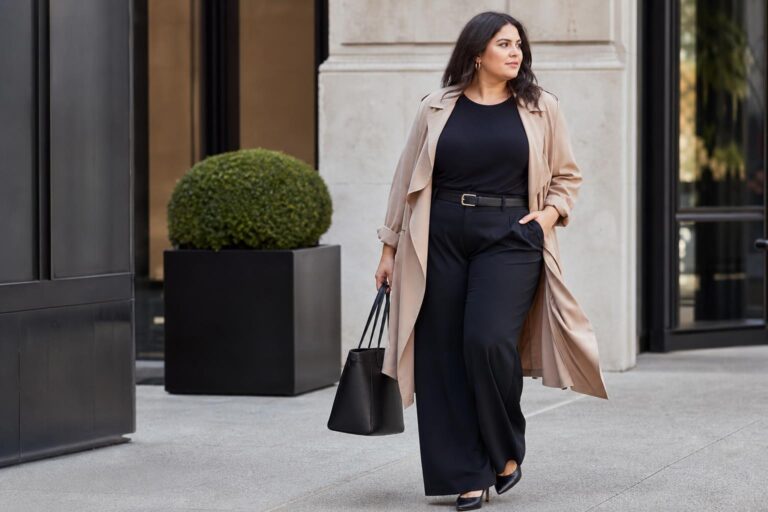
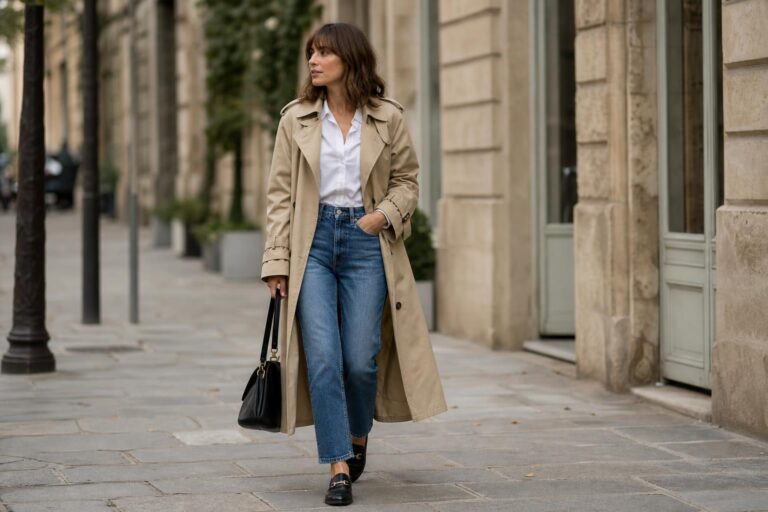
Romantic style doesn’t have to feel fragile. In a city context—commuting, walking, long days—romance becomes more about controlled softness than delicate detailing. The silhouette should be movement-friendly and stable: a clean base with a soft layer that creates drape without getting in the way.
The palette can stay light, but the composition benefits from slightly more structure in at least one element. Think of this as romantic style with a practical backbone: calm tones, gentle shapes, and fabrics that won’t demand constant adjusting. This is where romantic dressing becomes genuinely livable, not just photogenic.
Why this works: practicality supports the aesthetic. When you’re comfortable—able to walk, sit, and move without fuss—the softness looks effortless, which is the most convincing form of romance.
Common mistakes that make romantic outfits feel “off”
Romantic style is sensitive to proportion and finish. Small missteps can shift the mood from refined to overly sugary, or from soft to messy. The fix is rarely “buy something new”; it’s usually a matter of tightening the outfit composition.
- Too many delicate details at once, causing the look to lose a clear focal point
- High-contrast color blocking that interrupts the softness of the silhouette
- Unbalanced proportions, such as volume on top and bottom with no definition
- Fabrics that collapse or wrinkle excessively, making the outfit read careless rather than romantic
- No visual anchor, so the outfit feels unfinished instead of airy
The guiding principle: romance needs editing. The best romantic style looks intentional because it’s controlled—soft, yes, but not scattered.
Look: soft date-night romance without going costume
This look targets an evening mood: still gentle, but more defined. The silhouette benefits from one area of subtle emphasis—waist, neckline, or a sleek line through the leg—so the outfit reads elevated under dimmer light. The romance here is quieter and more refined, designed to feel like a natural extension of your daily style.
Keep the palette cohesive and slightly deeper than daytime pastels, or stay within soft neutrals that glow under evening lighting. Texture contrast does the heavy lifting: a smoother base paired with a softly tactile element creates depth and a sense of intention without needing excessive decoration.
Why this works: romantic style for evening is about selective emphasis. One refined focal point plus a calm overall palette creates the mood, while clean finishing elements prevent the look from becoming overly themed.
Mode inspo: building a romantic capsule that repeats beautifully
If you want romantic style to feel easy, treat it as a capsule logic: a few silhouettes and colors that repeat across outfits with small variations. This is especially effective for anyone saving mode inspo boards—because the outfits look different, but the aesthetic identity stays consistent.
Start with a base palette you can mix without thought: light neutrals plus one or two soft tones for your pastel outfit moments. Then focus on two silhouette families: one relaxed-and-flowing for everyday outifts casuales, and one slightly defined for polished settings. By rotating textures and proportions instead of constantly changing themes, you get variety without losing cohesion.
The practical advantage: repetition improves outfit reliability. When your pieces already harmonize in color and drape, getting dressed becomes faster, and the result looks more intentional—exactly the effect romantic style depends on.
Conclusion
Romantic style works because it’s a system: soften the silhouette, refine the palette, and let texture create depth. Whether you lean into a pastel outfit, prefer romantic minimalism, or want cute casual outfits that still look composed, the aesthetic adapts when you keep the outfit composition controlled and the finishing elements clean. Build from what you own, edit for balance, and let softness read as a deliberate design choice—not an afterthought.

FAQ
What is romantic style in fashion?
Romantic style is a fashion aesthetic defined by softened silhouettes, gentle texture, and cohesive color harmony, designed to feel fluid and refined rather than sharp or heavily structured.
How can I wear romantic style without looking overly sweet?
Use one clean, minimal element—like sleek footwear or a structured accessory—to frame the softness, and limit delicate details so the outfit keeps a clear focal point and a modern finish.
Can romantic style work for outifts casuales and everyday errands?
Yes—focus on comfortable, movement-friendly pieces with soft drape, keep your palette tonal, and finish with a tidy anchor (a clean shoe or simple bag) so the outfit reads intentional while staying practical.
Do I need pastels to dress in romantic style?
No—pastels make the mood easier to communicate, but romantic style can be built with neutrals if you emphasize fluid fabric, gentle lines, and controlled contrast to maintain softness.
What makes a pastel outfit look romantic instead of childish?
A pastel outfit looks romantic when the silhouette stays clean and lightly shaped, the palette is controlled (one lead pastel supported by neutrals), and the finishing pieces are refined rather than overly decorative.
How do I turn basic pieces into cute casual outfits with a romantic mood?
Choose one soft focal point (drapey fabric, gentle neckline, or a soft color), keep the rest of the outfit calm and cohesive, and adjust proportions so one area is relaxed while another stays slightly defined.
What are the most common romantic style mistakes?
The most common issues are too many delicate details at once, harsh color contrast, unbalanced volume with no definition, and a lack of a clean anchor piece that makes the outfit feel unfinished.
Is romantic style only for special occasions?
No—romantic style is often most effective in everyday settings because it relies on wearable elements like tonal layering, soft texture contrast, and practical silhouettes that can move through real life comfortably.