Old Money Clothes for a Polished East Coast Wardrobe
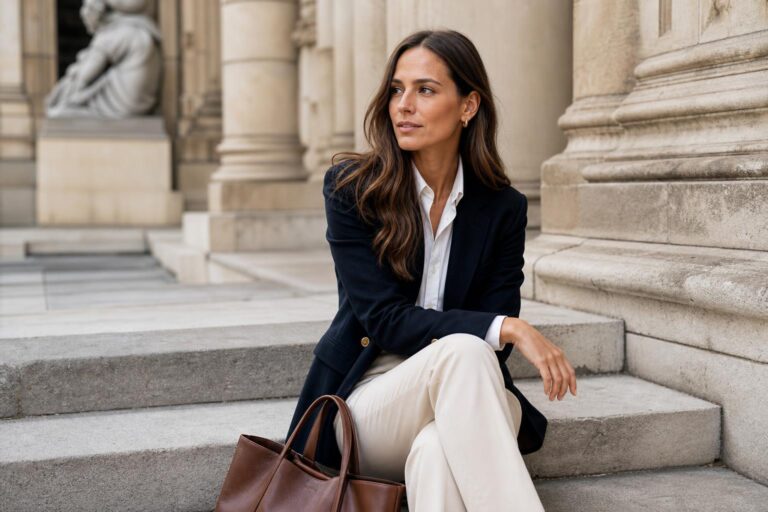
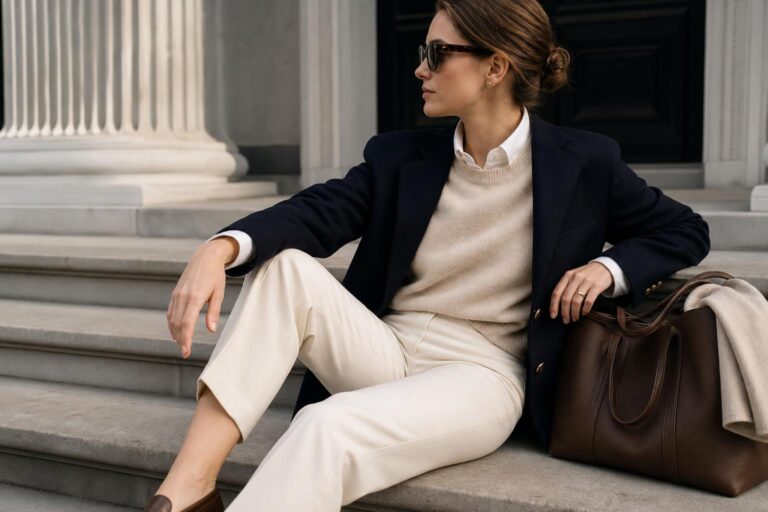
A navy blazer over a cream knit, loafers instead of chunky sneakers, a crisp Oxford shirt that still looks composed at dinner after a full workday—old money clothes persist because they solve a real wardrobe problem. They offer a visual language of ease, restraint, and quality without depending on loud logos or trend-heavy styling. In practice, that means fewer pieces, better fabric choices, more disciplined color pairing, and silhouettes that stay useful across work, travel, weekends, and seasonal transitions.
The old money style is often discussed alongside quiet luxury, whisper-wealth, classic tailoring, and Ivy League or prep influences. But the useful version of the conversation is not about fantasy. It is about learning which garments create that effect, why they work, and how to make them function in ordinary life. A wardrobe inspired by the Hamptons, Nantucket, Newport, and Ivy League campuses only becomes convincing when the proportions are right, the fabrics behave well, and each item integrates with the rest of the closet.
What old money clothes actually communicate
At its core, old money clothing relies on understatement. The signal is not rarity for its own sake, but control: clean lines, muted palettes, premium-looking materials, and pieces that feel inherited from longstanding habits rather than bought to impress. That is why the style regularly overlaps with quiet luxury and why brands such as Loro Piana, Brunello Cucinelli, The Row, and Brooks Brothers are repeatedly used as reference points. The common denominator is not flash. It is refinement through fabric, fit, and restraint.
This also explains why the aesthetic appeals beyond traditional fashion audiences. It contrasts sharply with logo-driven dressing and with trend cycles that become dated quickly. The old money wardrobe tends to favor navy, cream, camel, white, and other stable neutrals; loafers over statement sneakers; cashmere, wool, linen, and merino wool over synthetic shine; and classic silhouettes over aggressively oversized or body-con extremes. The outfit composition is meant to appear settled, not attention-seeking.
Found the dress? Keep the rest in one place.
Zarellea brings guest details, vendors, timelines, and every next step together — so your wedding plan feels as good as your look.
The difference between inspiration and costume
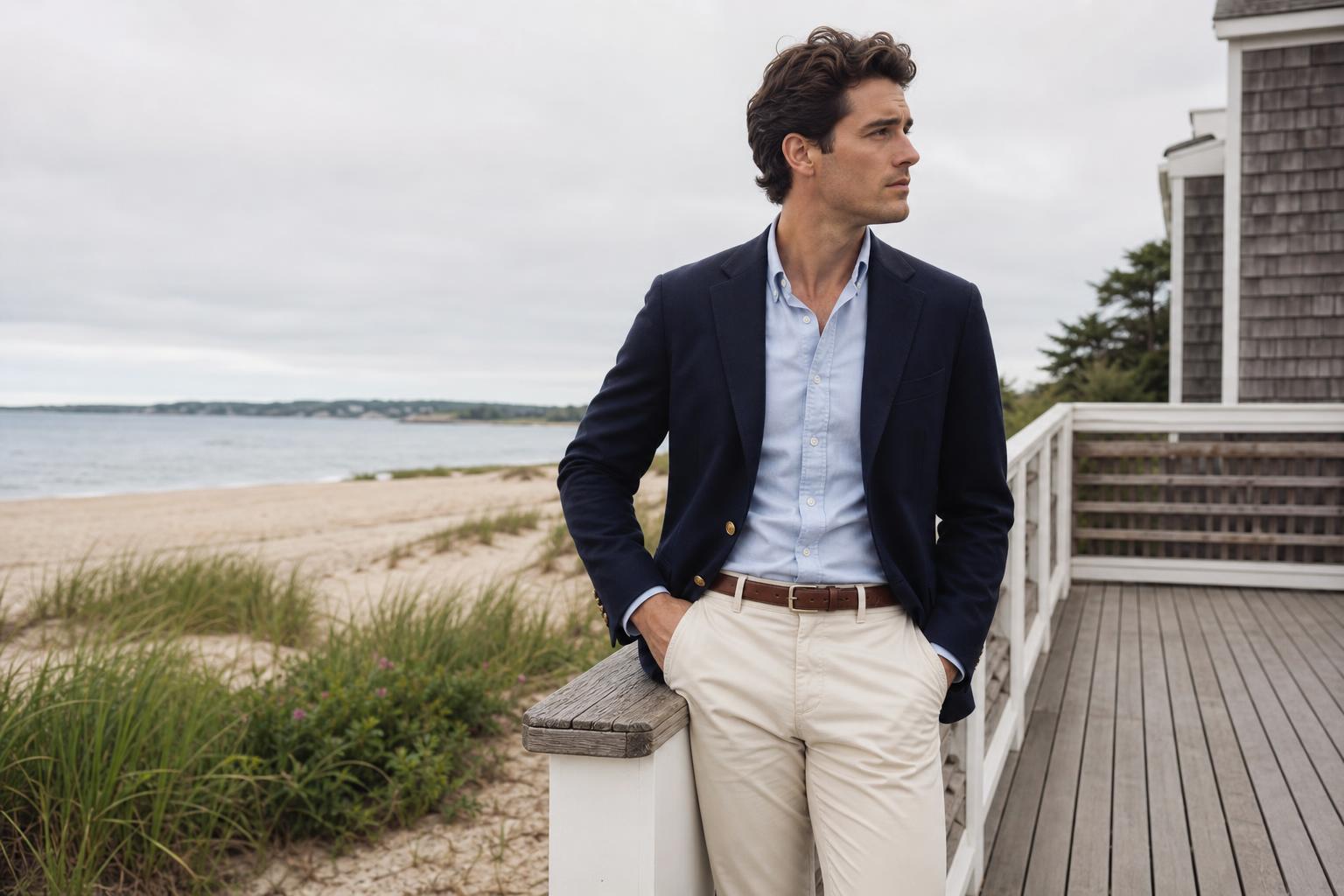
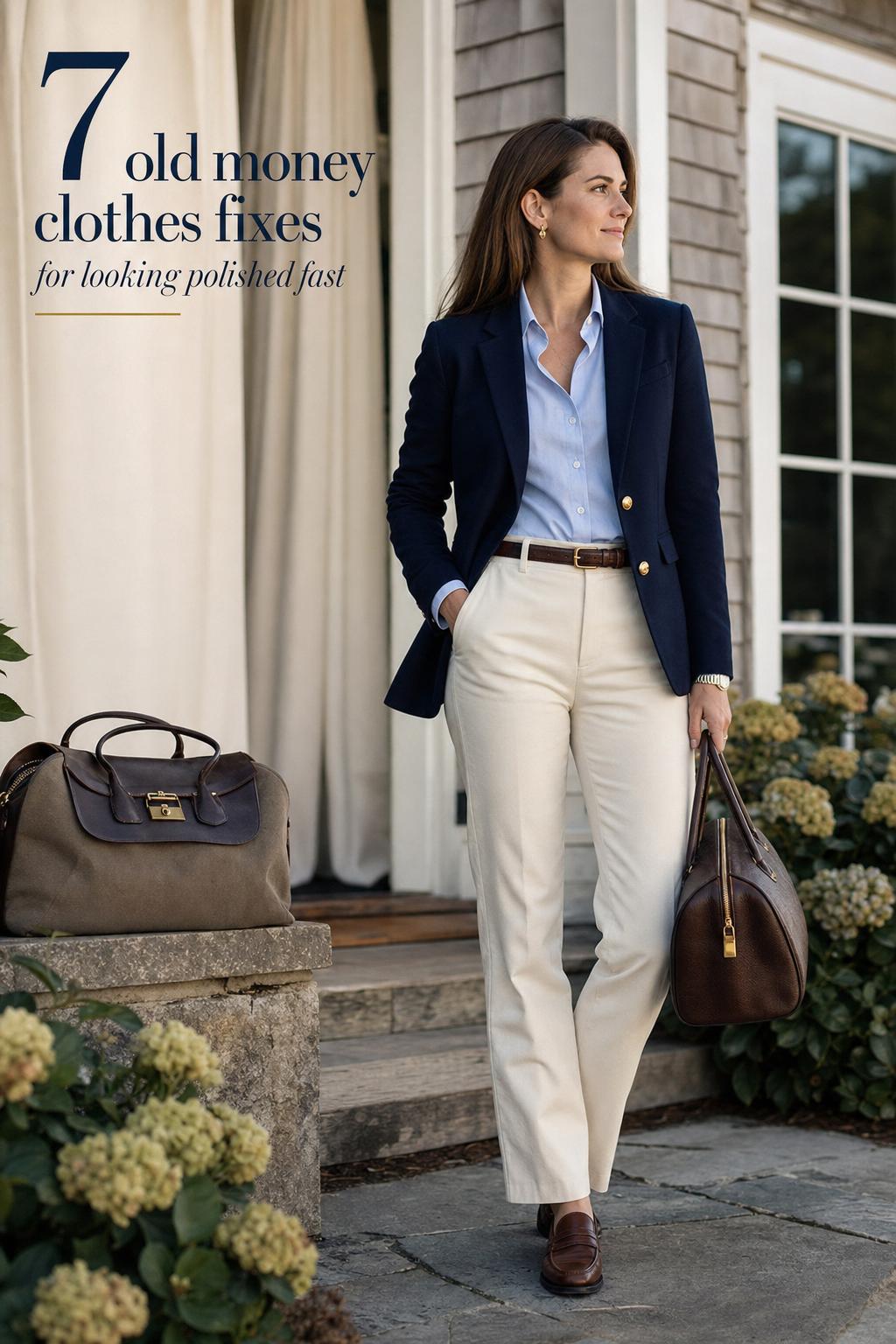
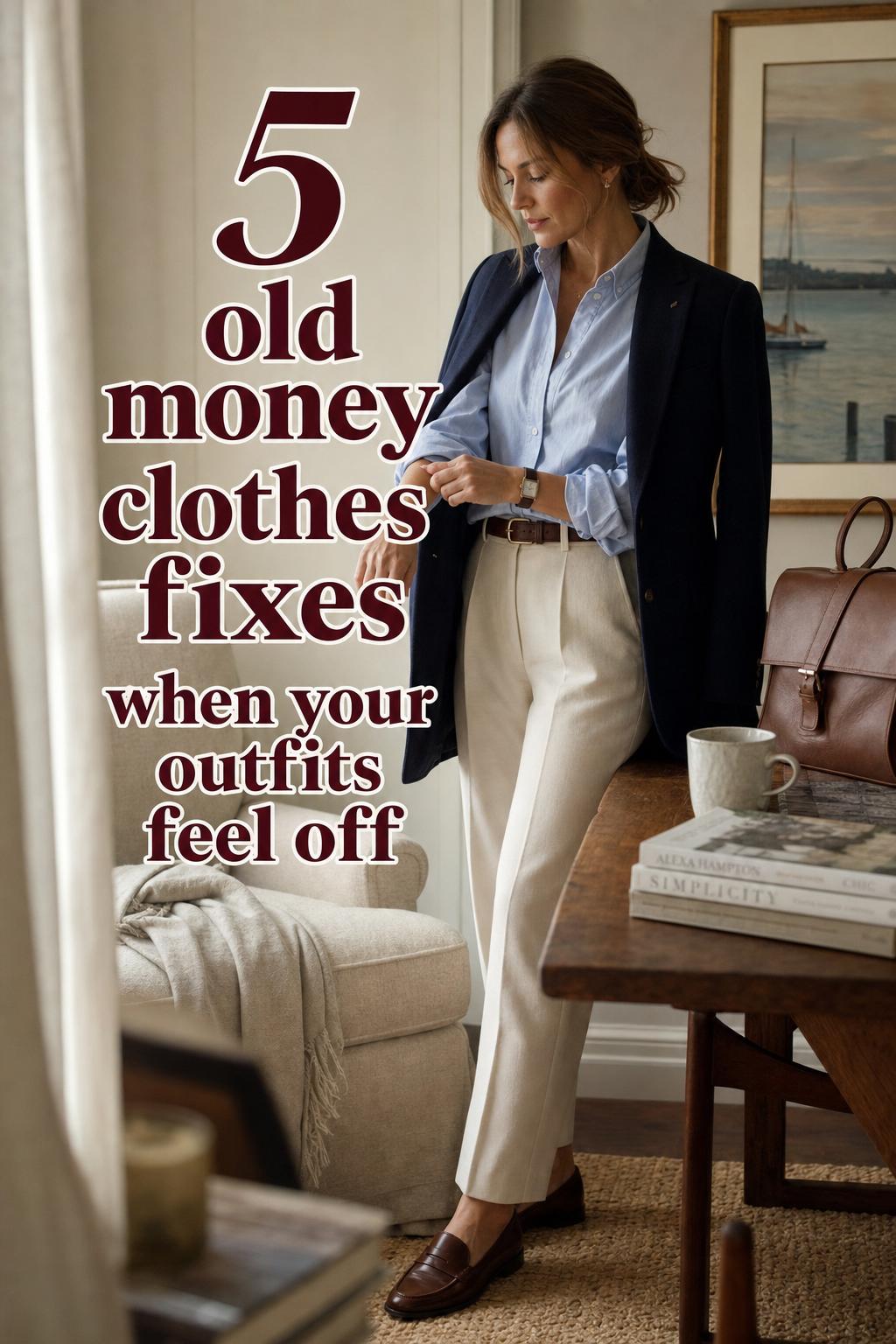
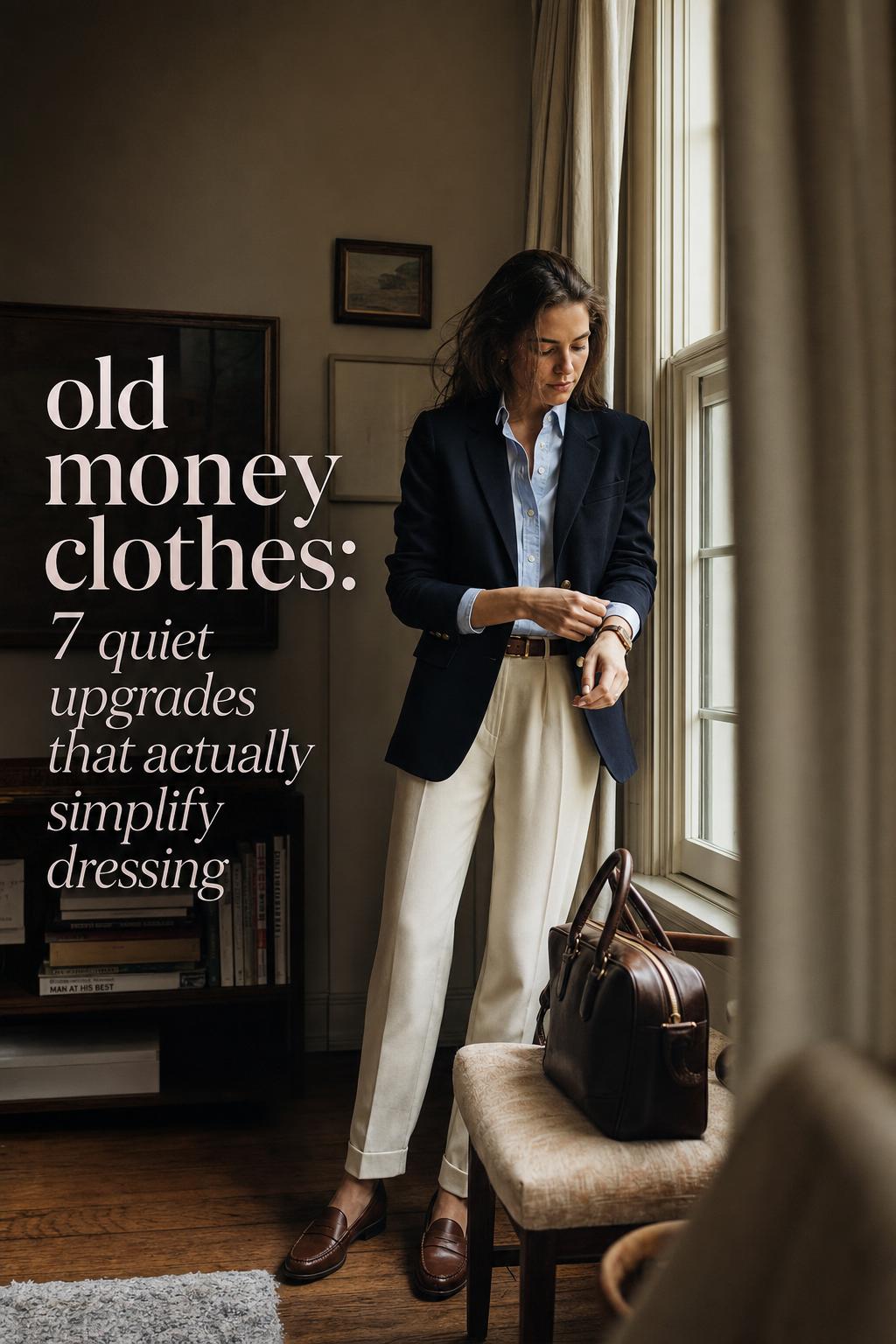
The biggest styling mistake is treating old money clothes like a theme. A navy blazer, pearl earrings, chinos, and a striped shirt can read timeless in the right composition, but overly literal combinations can start to feel theatrical. The more wearable approach is to borrow the principles rather than copy a stereotype: one structured piece, one softening texture, one reliable neutral base, and one polished accessory. That formula works far better in everyday life than trying to mimic a social class through obvious signals.
Where the aesthetic comes from in American style culture
In the U.S., the visual shorthand for old money style is strongly tied to East Coast and coastal references: the Hamptons, Nantucket, Newport, private-school wardrobes, and Ivy League campuses. These locations matter because they shape the clothing logic. Breezy but polished summer fabrics, tailored outer layers, practical loafers, understated jewelry, and a preference for clothes that move between campus, club, dinner, and travel all support the look.
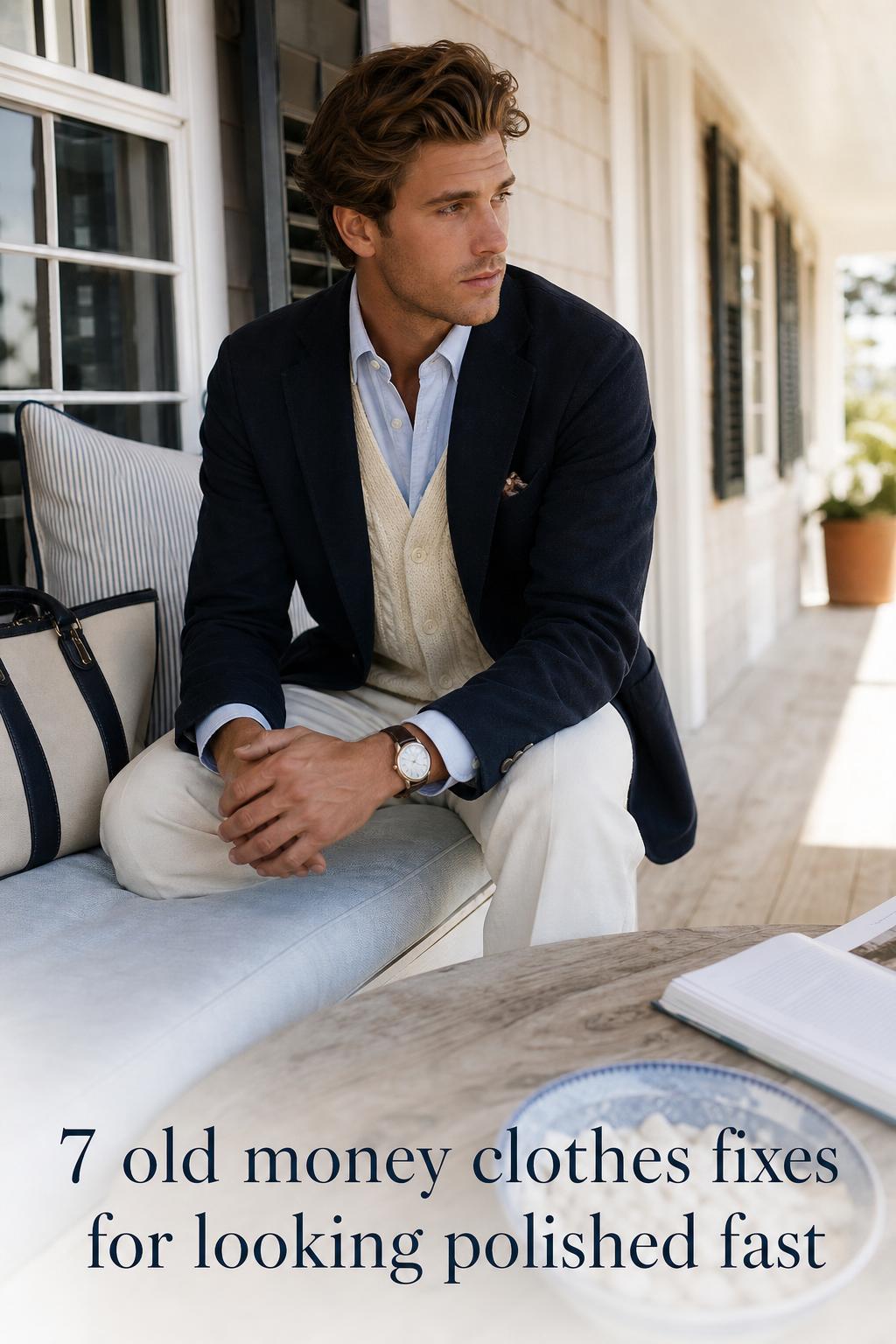
That context is also why prep and ivy style keep appearing in the same conversation. The old money wardrobe often borrows from those traditions without leaning too youthful or uniform-like. A button-down Oxford shirt, wool trousers, and a navy blazer can be styled in a way that feels collegiate, but when the lines are cleaner and the palette more tonal, the result shifts toward quiet luxury. Avery Trufelman is one of the names associated with broader fashion discussions around these style categories, which helps explain why the aesthetic continues to circulate in editorial and social conversations.
Why Gen Z keeps returning to it
The appeal is practical as much as visual. For younger shoppers especially, old money clothes offer a shortcut to looking composed without needing a large wardrobe. A small group of compatible pieces can create many polished outfits. The style also photographs well because tonal layering, quality-looking textures, and simple silhouettes read expensive even when the budget is controlled carefully. In that sense, the attraction is not only cultural symbolism. It is also wardrobe efficiency.
The core wardrobe: the pieces worth buying first
If the goal is to build an old money wardrobe that works Monday through Sunday, start with the pieces that anchor the most outfits. The order matters. Buy the garments that solve the greatest number of styling decisions first, then add softer accents like jewelry or a seasonal knit. This prevents the common problem of owning “aesthetic” pieces with nowhere to go.
- A crisp Oxford shirt in white or soft blue
- A navy blazer with clean structure
- Well-cut chinos in a neutral tone
- Wool trousers for cooler months and dressier settings
- A cashmere or merino wool crewneck
- Fine-knit polos for easy warm-weather polish
- Brown loafers
- A simple leather belt
- A watch with understated design
- A structured bag or similarly polished everyday carry piece
This group works because each item performs more than one role. The Oxford shirt can go under knitwear, under a blazer, or on its own with chinos. The navy blazer functions as a visual anchor that instantly sharpens casual basics. Loafers bridge office dressing, dinners, travel days, and weekend plans more smoothly than highly formal shoes. A simple watch and belt finish the look without disrupting the anti-logo logic that gives old money clothes their credibility.
Which pieces deserve more of your budget
Invest more in the garments that shape the silhouette or reveal fabric quality at a glance. Blazers, loafers, knitwear, and trousers do the most visual work. A blazer with poor structure collapses the entire outfit. Cheap loafers often crease badly and undermine the polished finish. Thin knitwear can look tired quickly, while a better cashmere or merino blend gives depth and softness that elevates the whole composition.
By contrast, shirts and belts are often easier to recreate at a lower spend if the cut is clean and the branding stays minimal. That is a helpful rule for budget-conscious shopping: spend where texture and shape are most visible, save where the piece plays a supporting role.
The 12–16 piece capsule that makes the style functional
A true old money capsule wardrobe should not be overloaded. Its strength comes from interchangeability. Every piece should connect to at least three others without forcing a complicated outfit. The most efficient version includes enough variation for weather, formality, and layering, while staying inside a disciplined palette.
- 2 Oxford shirts
- 2 fine-knit polos
- 2 crewneck knits in cashmere or merino wool
- 1 navy blazer
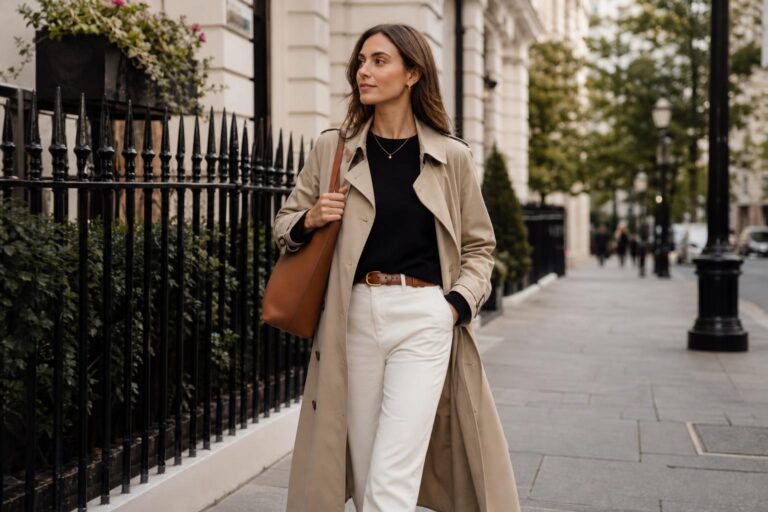
- 1 lightweight outer layer for transitional weather
- 2 pairs of chinos
- 2 pairs of wool trousers
- 1 pair of lighter warm-weather trousers or linen-blend bottoms
- 1 pair of brown loafers
- 1 additional polished everyday shoe option
- 1 leather belt
- 1 simple watch
- 1 structured bag or polished carryall
- 1 understated jewelry option such as pearls or simple gold jewelry
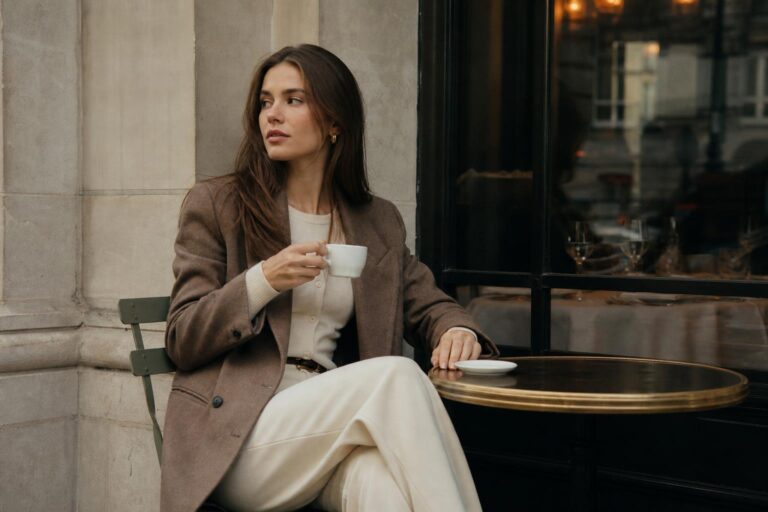
This structure works because it creates tonal repetition without monotony. Repetition is not a weakness in this style; it is one of its strongest visual tools. Navy reappearing across a blazer and knitwear makes outfits feel intentional. Cream or white near the face brightens the composition. Brown leather in loafers and belt creates continuity. The result is a wardrobe that looks expensive because nothing feels random.
How to make the capsule work for different body types
The old money aesthetic is especially dependent on proportion play, so body type adaptation matters. Petite frames benefit from cleaner, shorter visual lines: a blazer that does not overwhelm the hips, trousers without excessive pooling, and fine-knit textures instead of bulky layers. Tall frames can carry longer coat lines and wider trouser proportions more easily, but still need structure at the shoulders to prevent the outfit from looking too relaxed. Curvier figures often benefit from trousers with smooth drape, knitwear that skims rather than clings, and a blazer that defines shape without pulling at the button line.
The principle is simple: old money clothes should look settled on the body. If a piece appears too tight, too oversized, or too short, the entire wardrobe shifts away from quiet luxury and toward trend styling. Tailoring and alterations are therefore not optional details. They are often what separates a convincing outfit from an approximate one.
Fabrics do most of the heavy lifting
Few style categories depend on fabric behavior as much as old money dressing. Cashmere suggests softness and ease. Wool gives shape and drape. Linen introduces breathable refinement in warm weather. Merino wool offers a cleaner, lighter knit profile that layers well. Seersucker, where seasonally appropriate, adds a subtle preppy note that fits naturally into the broader heritage conversation. These materials matter because old money style is often read through texture before it is read through design.
How to choose fabrics by season
In cooler weather, wool trousers and cashmere or merino knits create the right level of softness and structure. In summer, linen and lighter shirting keep the look intact without making the outfit feel heavy or contrived. Transitional seasons are where the wardrobe proves its value: a lightweight knit over an Oxford shirt, chinos with loafers, or a blazer layered over a fine polo can handle fluctuating temperatures while still looking controlled.
Comfort is part of the style logic. If the fabric is too warm, too stiff, or too fragile for your actual routine, the outfit stops working in practice. An old money wardrobe should be durable enough for repeated wear and realistic care. Long-term ownership, maintenance, and material quality all support the aesthetic more convincingly than constant replacement.
Tips for fabric decisions that look expensive
- Choose matte textures over shiny finishes, since shine can cheapen the visual effect.
- Favor fabrics with visible depth, such as cashmere, wool, and linen, because they add quiet richness without prints or logos.
- Use lighter, breathable materials in warm weather rather than forcing heavy tailoring in summer.
- Check how a fabric drapes when moving; stiffness can make a simple outfit look awkward rather than refined.
The color palette that makes old money clothes believable
Color harmony is one of the easiest ways to recreate this wardrobe, even on a moderate budget. The foundation is stable neutrals: navy, cream, camel, white, and similar soft tones. These shades support tonal layering and allow fabric texture to stand out. They also make mixing and matching far easier, which is why they dominate capsule wardrobe advice.
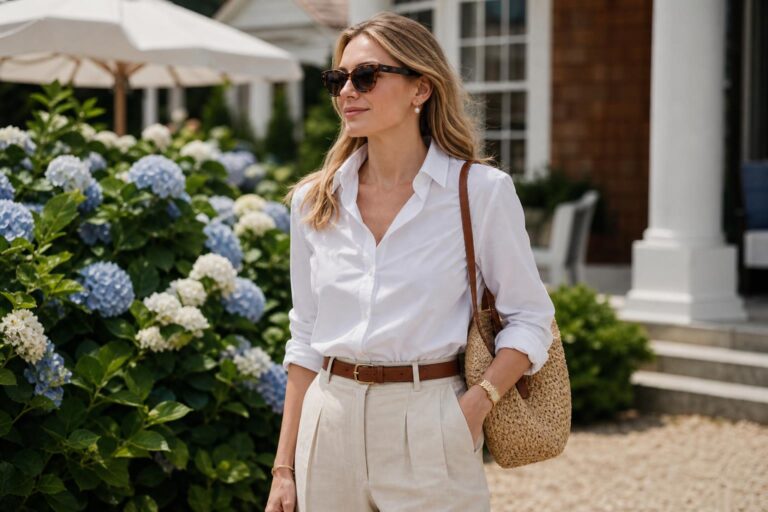
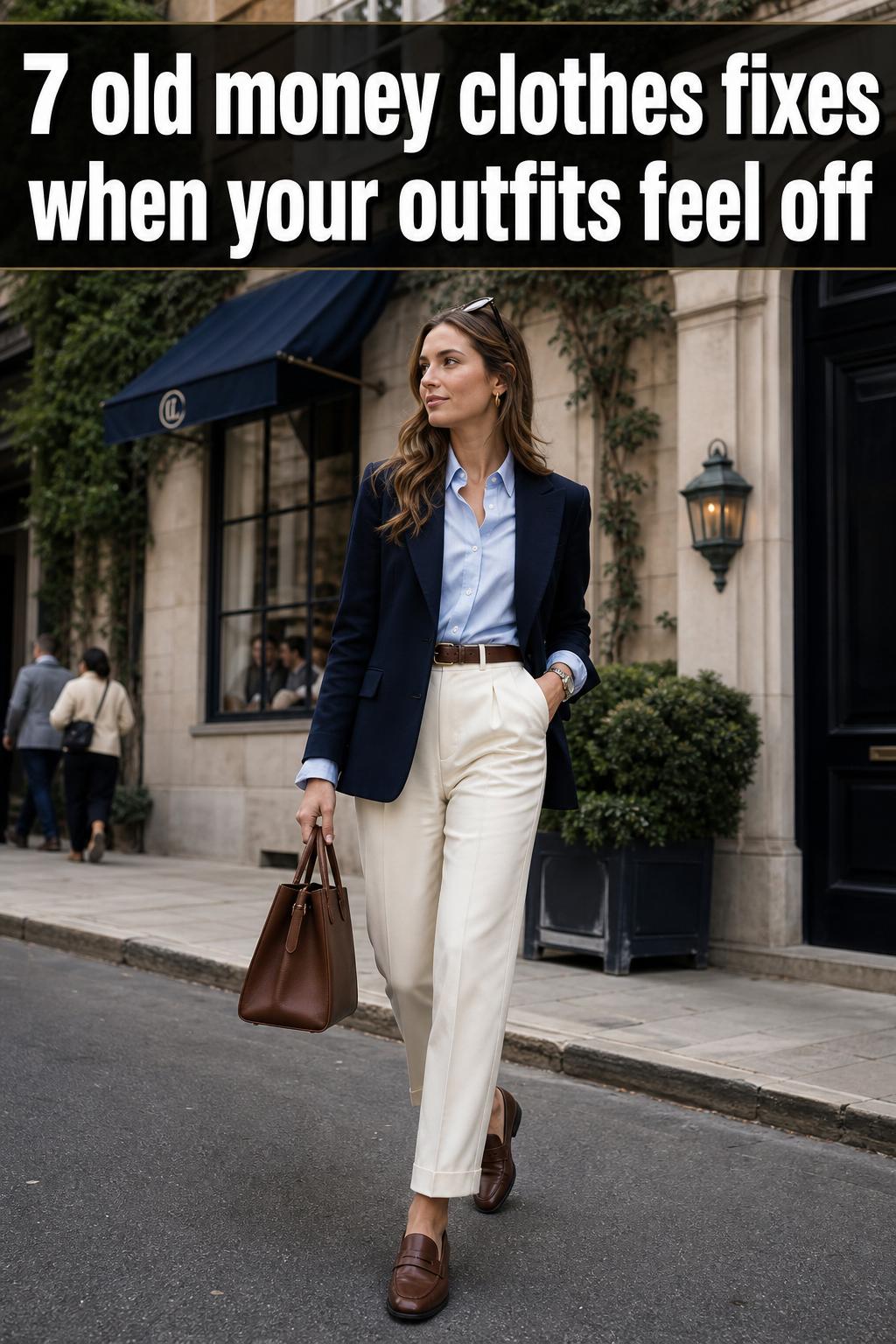
A navy blazer over cream trousers works because the contrast is measured, not jarring. A camel knit with wool trousers feels elevated because both color and texture suggest continuity. White or pale blue shirting brightens the face and frames tailored pieces cleanly. The overall effect is deliberate simplicity. Strong color is not forbidden, but it should not interrupt the quiet visual rhythm that defines the style.
Colors to favor and what usually weakens the look
Favor colors that can repeat across the wardrobe without becoming difficult to pair. Navy, cream, camel, white, and brown leather are especially useful because they stabilize outfit composition. The shades that often weaken the look are overly neon tones, harshly contrasting combinations, and loud logo graphics that shift attention away from silhouette and material. If you want variation, introduce it through tonal difference and texture contrast rather than bright statement color.
Silhouette balance: why some outfits read polished and others read forced
Old money clothes rarely depend on one dramatic item. Their strength comes from balanced proportions. A structured blazer balances the softness of knitwear. Straight or gently tailored trousers ground the upper half and prevent the outfit from feeling too fashion-forward. Loafers keep the line sleek and uninterrupted. Each component supports the next, which is why the style can appear effortless while actually being quite disciplined.
The most reliable formula is a structured layer, a soft layer, a clean trouser line, and one polished accessory. That can mean blazer, crewneck, chinos, and loafers; or Oxford shirt, wool trousers, belt, and watch. What matters is visual stability. If every element is oversized, the outfit loses clarity. If every piece is tight, the look becomes rigid. Quiet luxury depends on room where needed and precision where it counts.
Fit details worth paying attention to
Even without turning the wardrobe into a tailoring manual, a few fit checkpoints matter. Sleeve length should keep shirts and knits looking intentional rather than swallowed. Trouser length should avoid excessive break if you want the line to stay clean with loafers. Jacket length should feel proportional to your frame, not borrowed from a different silhouette trend. These details are subtle, but old money style is built out of subtlety.
Outfit formulas that work in real life
The best old money outfits are useful enough to repeat. They should transition across settings with minor adjustments, not require complete wardrobe changes. That practicality is one reason the aesthetic remains attractive: it rewards consistency and reduces decision fatigue.
For work and polished daytime dressing
An Oxford shirt, wool trousers, a navy blazer, and loafers create a strong weekday foundation. This combination works because the shirt provides crispness, the blazer defines the shoulders, and the trousers add drape that keeps the look mature rather than overly collegiate. For a softer office environment, switch the shirt for a fine-knit polo. The polo reduces formality while preserving the clean neckline and minimal branding that the style depends on.
For travel days and movement-heavy schedules
A merino or cashmere crewneck layered over a shirt with chinos and loafers is one of the most functional interpretations of the aesthetic. It stays comfortable on planes, trains, or long car days, yet still looks polished on arrival. The knit softens the structure enough for comfort, while loafers keep the silhouette smarter than casual sneakers. If you carry a bag regularly, this is where a structured bag or polished carryall helps complete the outfit without relying on a visible logo.
For weekends in the Hamptons, Nantucket, or anywhere with coastal energy
Warm-weather old money dressing tends to lean lighter and more relaxed without becoming sloppy. A fine-knit polo with lighter trousers or chinos and brown loafers captures that coastal, Newport-adjacent mood well. Linen also becomes important here because it adds breathability and movement. The key is to let the fabric communicate ease while the cut maintains discipline. Too much looseness, and the outfit starts reading careless instead of affluent.
Accessories and jewelry: the quiet finishing layer
Accessories in this wardrobe should support the composition rather than dominate it. Pearls, simple gold jewelry, a clean watch, a leather belt, and a structured bag all fit because they reinforce the message of continuity and restraint. The role of accessories is to refine transitions between garments, not create a separate story.
Minimalist jewelry works especially well because old money clothes already derive visual richness from texture and fit. Adding too many statement accessories interrupts that. A simple watch can add authority to a shirt-and-trouser combination. Pearls or discreet jewelry can soften tailoring without making it overtly formal. Structured bags also matter because casual bags can visually undercut otherwise polished clothes.
How to keep accessories from looking too styled
- Choose one or two finishing pieces, not a stack of competing accents.
- Repeat leather tones between shoes and belt where possible.
- Let jewelry stay subtle if the knitwear or blazer already has strong texture.
- Use bags with clean structure and minimal branding to maintain the anti-logo effect.
Budget strategy: how to recreate the look without luxury pricing
Old money style can be adapted affordably because its visual language is less about obvious labels and more about disciplined selection. The easiest pieces to recreate on a budget are Oxford shirts, chinos, simple belts, and fine-knit basics. These garments do not need a designer name to look convincing; they need clean fit, low-shine fabric, and minimal detailing. Focus on construction and color first, not prestige.
The harder pieces to fake are loafers, blazers, and elevated knitwear. These are often worth saving for because they determine whether the outfit looks intentionally refined or merely adjacent to the aesthetic. If budget is limited, buy fewer of these statement-support pieces and repeat them often. Repetition actually helps the style. A great navy blazer worn frequently looks more authentic than a closet full of approximations.
Affordable substitutions that still feel coherent
Use merino wool when cashmere is out of reach. Prioritize polished loafers in a classic shape instead of buying several cheaper trend shoes. Choose one structured bag that works for both work and travel rather than multiple casual options. Build around Brooks Brothers-inspired heritage logic if you want a more traditional interpretation, then use cleaner, quieter lines if your preference leans closer to the direction associated with The Row, Loro Piana, or Brunello Cucinelli.
Common mistakes that make old money clothes look inauthentic
Most outfit problems in this category come from trying too hard or mixing the wrong visual signals. Because the aesthetic is subtle, small missteps become more visible. The wrong fabric shine, too many accessories, an off-proportion blazer, or heavy trend pieces can disturb the entire composition.
- Overloading the outfit with obvious brand logos
- Choosing stiff or shiny fabrics that look synthetic
- Wearing too many symbolic pieces at once, such as pearls, blazer, crest motifs, and loafers in one literal combination
- Ignoring trouser length and overall fit
- Using bright statement colors that interrupt the wardrobe’s tonal logic
- Buying too many one-purpose “aesthetic” pieces instead of a functioning capsule wardrobe
The correction is usually simple: remove one element, refine the proportions, and let quality-looking basics carry the outfit. Old money style nearly always improves when edited down.
Regional cues and how to adapt them without looking costume-like
One of the most underused styling tools in this category is regional interpretation. The Hamptons version of the wardrobe tends to emphasize coastal polish, lighter fabrics, and effortless layering. Nantucket references often push the look toward clean summer dressing and a more obvious prep influence. Newport leans heritage and maritime-adjacent in feeling. Ivy League campuses introduce academic structure through shirts, blazers, loafers, and tailored trousers.
The practical takeaway is not to dress like you are attending a themed event. It is to borrow the context that best suits your life. If you work in a city, keep the color palette and classic tailoring but streamline the references. If you spend weekends in warmer climates, let linen and fine-knit polos do more of the work. Regional anchors help define mood, but fabric and fit should still respond to your actual environment.
Tips for making the style feel current in the U.S.
The most modern interpretation combines heritage cues with simplified styling. Keep the branding quiet, avoid over-layering, and use one geographic reference at most within an outfit. A navy blazer and chinos already suggest Ivy League influence. There is no need to add every traditional signifier at once. That restraint is what keeps the wardrobe contemporary rather than nostalgic.
Brands and reference points that shape the conversation
Not every old money wardrobe needs luxury labels, but brand reference points can still be useful because they clarify the style vocabulary. Loro Piana and Brunello Cucinelli are frequently associated with quiet luxury because of their emphasis on premium materials, soft tailoring, and understated polish. The Row represents a cleaner, more minimal interpretation. Brooks Brothers anchors the heritage side of the conversation, especially where Ivy League and prep traditions are concerned.
These names matter less as shopping instructions than as style filters. If a garment feels overly decorated, overdesigned, or too dependent on branding, it likely moves away from the mood these reference points represent. Use them as benchmarks for silhouette, material, and restraint rather than as mandatory purchases.
How to make outfits look more expensive with what you already own
The fastest route to an old money effect is not buying more. It is editing better. Start by pulling together a navy or neutral outer layer, one crisp shirt, one knit, one clean trouser, and polished shoes. Then remove anything that introduces visual noise. The style depends on tonal layering, fabric depth, and proportion control more than novelty.
- Steam shirts and trousers so the lines stay crisp.
- Pair soft knits with structured tailoring for texture contrast.
- Keep shoe leather clean and coordinated with the belt.
- Repeat colors across the outfit so it reads intentional.
- Favor simple jewelry over statement accessories.
This is also where care and longevity become part of style. Clothes that are maintained well naturally support the whisper-wealth quality of the aesthetic. Garments do not need to be new; they need to look considered.
Building a wardrobe that ages well
The most successful old money wardrobe is one that becomes easier to wear over time. That means prioritizing pieces that survive seasonal changes, body fluctuations, and shifting schedules. It also means choosing materials and silhouettes with enough durability to justify repetition. Cashmere, wool, linen, classic tailoring, loafers, and a stable neutral palette continue to appear in this style category because they support long-term ownership rather than short-term novelty.
Seen this way, old money clothes are less about image than about editing. A useful wardrobe of timeless pieces, grounded by classic tailoring and quiet luxury principles, tends to feel more convincing than a larger closet built around obvious statements. Whether your reference point is coastal Hamptons ease, Nantucket summer polish, Newport heritage, or the academic neatness of Ivy League dressing, the same rule applies: simplicity works only when every choice is deliberate.
FAQ
What is old money style in clothing?
Old money style is a clothing aesthetic built around understated luxury, classic tailoring, premium-looking fabrics, and minimal branding. It often overlaps with quiet luxury and draws on prep, Ivy League, and coastal heritage references rather than trend-led fashion.
What should I buy first to build an old money wardrobe?
Start with the highest-use basics: an Oxford shirt, a navy blazer, neutral chinos or wool trousers, a cashmere or merino knit, and brown loafers. These pieces create the strongest foundation because they combine easily and work across work, travel, and weekend settings.
Can old money clothes work on a budget?
Yes, if you focus on fit, fabric appearance, and a restrained palette instead of labels. Shirts, chinos, belts, and fine-knit basics are usually the easiest to recreate affordably, while blazers, loafers, and elevated knitwear are the pieces most worth saving for.
Which fabrics make clothes look more old money?
Cashmere, wool, merino wool, linen, and seasonally appropriate seersucker are the most useful fabrics for this aesthetic. They add texture, depth, and drape, which help simple outfits read more refined and expensive.
What colors are best for old money outfits?
Navy, cream, camel, white, and brown leather tones create the most reliable old money palette. These shades are easy to combine, support tonal layering, and help the wardrobe feel cohesive rather than loud or trend-driven.
How do I avoid looking like I am wearing a costume?
Use the principles of the style rather than stacking every recognizable signal at once. Keep branding minimal, focus on one structured piece at a time, and let fit and fabric do most of the work. The outfit should feel natural in your daily routine, not theatrical.
Are loafers essential for old money style?
They are one of the most consistent footwear choices because they bridge casual and polished dressing without disrupting the clean silhouette. Penny loafers and similar classic designs work especially well with chinos, wool trousers, blazers, and knitwear.
How can I adapt old money style for different body types?
Focus on proportion. Petite frames usually benefit from cleaner, less bulky layering; taller frames can carry longer lines more easily; curvier figures often look strongest in softly draped trousers and structured blazers that define shape without pulling. Alterations are often the key to making the look feel polished.
What brands are commonly associated with old money clothes?
Loro Piana, Brunello Cucinelli, The Row, and Brooks Brothers are often used as reference points because they reflect different sides of the aesthetic, from soft quiet luxury to heritage-based classic dressing. They are useful benchmarks for style direction even if they are not your shopping destination.