Old Money Look for a Timeless, Polished Wardrobe
There is a reason the old money look keeps resurfacing whenever fashion tires of excess. It offers a visual language that feels calm in a noisy style cycle: navy over black, cream against camel, wool and cashmere instead of obvious branding, tailoring that suggests confidence without asking for attention. The appeal is not only wealth signaling. It is restraint, discipline, and the quiet assurance of clothes that fit beautifully and age well.
What makes the aesthetic especially relevant now is how easily it moves between aspiration and daily wear. A navy blazer over chinos works in an office, at dinner, or on a weekend trip. Loafers, a white button-down, a camel coat, a soft knit, a structured leather bag, minimalist jewelry: these pieces do not belong to one trend window. They belong to a wardrobe logic built on repetition, quality, and proportion.
Culturally, the look has become tied to quiet luxury, Gen Z fascination, and the visual shorthand of heritage. Publications and brands have framed it through figures such as Timothée Chalamet and Kylie Jenner, through moments like the US Open, and through long-standing names including Brooks Brothers, Ralph Lauren, J. Press, and Loro Piana. Yet the strongest version of the style is not costume. It is edited, wearable, and rooted in decisions real people can actually make.
The most convincing old money wardrobes are built less like shopping hauls and more like private systems. The goal is not to look themed. The goal is to look composed. That distinction changes everything: which fabrics you choose, how much logo you allow, where the hem falls, why a loafer works better than a sneaker in one outfit and not another, and how a single blazer can become the visual anchor for an entire week of dressing.
Found the dress? Keep the rest in one place.
Zarellea brings guest details, vendors, timelines, and every next step together — so your wedding plan feels as good as your look.
What the old money look actually means
The old money look is a heritage-driven style built around timeless tailoring, understated luxury, and a muted color palette. In practical terms, it favors clean silhouettes, classic footwear, high-quality fabrics, and garments that feel established rather than trend-led. It overlaps heavily with quiet luxury, but the mood is slightly more specific: part Ivy League polish, part preppy discipline, part generational ease.
That is why heritage brands appear so often in conversations around the aesthetic. Brooks Brothers, Ralph Lauren, J. Press, and Loro Piana all represent different sides of the same visual equation: structure, longevity, and refinement without spectacle. Even when people use the phrase casually online, the most recognizable version of the old money look still points back to tailored blazers, chinos, knitwear, loafers, leather goods, and a preference for navy, cream, beige, camel, and grey.
The style also draws strength from location and culture. Ivy League campuses, East Coast prep references, and European aristocratic cues all shape the image. In one interpretation, it reads as American classicism: button-downs, blazers, belts, and tennis whites. In another, it leans toward European understatement: linen trousers, structured bags, lightweight scarves, and softer glamour with restraint. The shared thread is always control.
The principles that make the aesthetic convincing
Fit is the first status signal
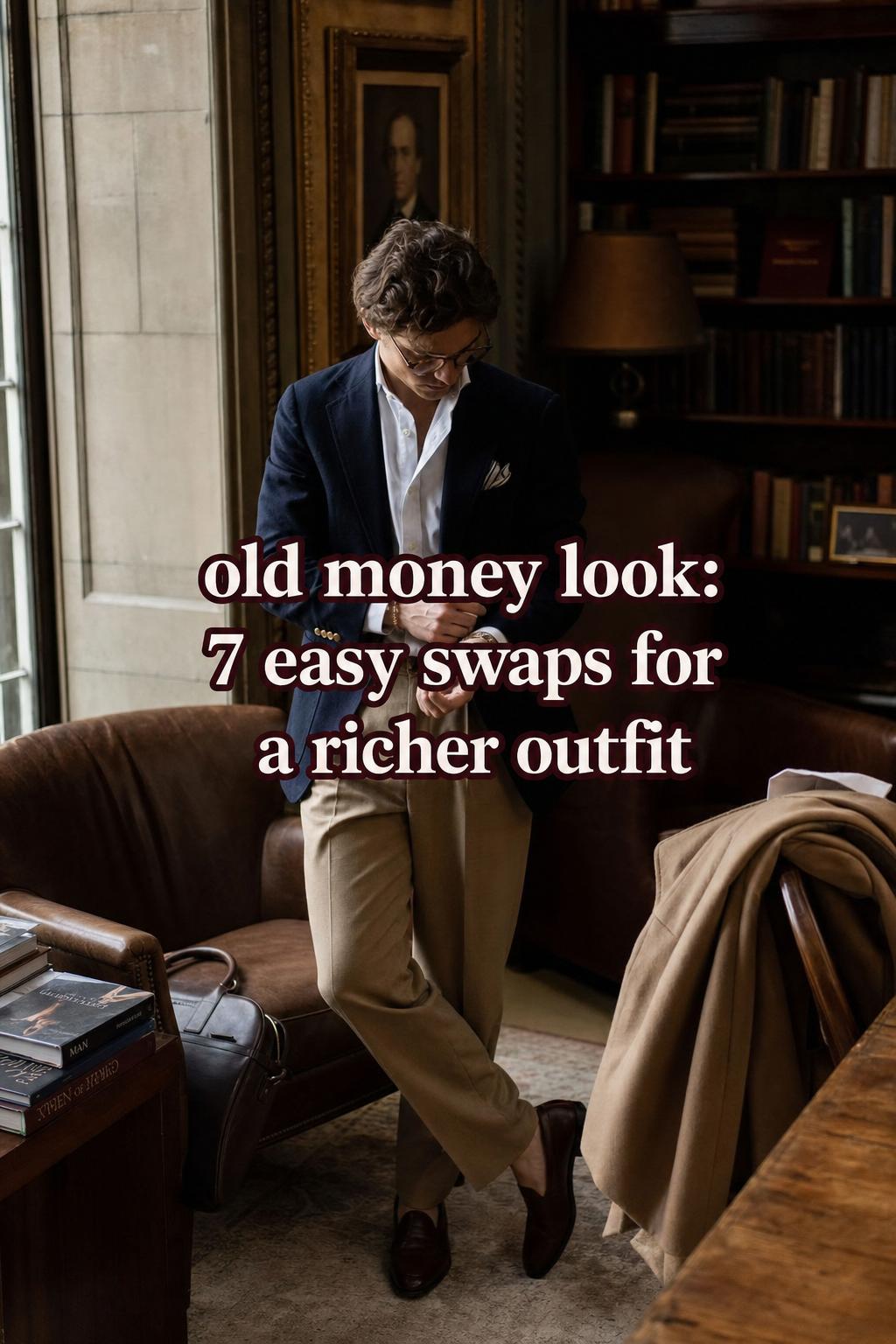
Nothing weakens the old money look faster than poor fit. Because the palette is restrained and logos are often absent, silhouette does the work. A blazer should shape the shoulder without stiffness. Trousers should skim rather than collapse. Knitwear should feel intentional, not oversized by accident. This is why classic tailoring matters more than novelty. Even simple pieces look elevated when the line from shoulder to hem is clean.
For readers trying to recreate the style without rebuilding an entire closet, tailoring is often a better investment than buying more garments. A modest navy blazer that fits properly will read more convincingly than a more expensive piece worn with the wrong proportions. The same logic applies to coats, pleated trousers, dresses, and button-downs.
Fabric carries the mood
Old money dressing relies on fabrics with visual depth: wool, cashmere, linen, and crisp cotton. These materials create texture contrast without needing prints or heavy embellishment. A cream cashmere knit against tailored navy trousers feels richer than a louder outfit because the quality is legible in the surface. That is why craftsmanship and longevity are central to the style.
Loro Piana often enters the conversation for exactly this reason. It has become a shorthand for soft luxury and superior textiles. By contrast, heritage names such as Brooks Brothers and J. Press ground the look in prep and classic American structure. Ralph Lauren bridges both worlds by translating heritage into wearable lifestyle dressing.
Color discipline matters more than quantity
The old money palette is narrow on purpose. Navy, cream, camel, beige, grey, and white appear repeatedly because they layer easily and communicate consistency. These tones prevent the wardrobe from feeling chaotic and make repetition look elegant instead of repetitive. Color here is not used to dominate; it is used to maintain harmony.
This is also why the style translates so well into a capsule wardrobe. When most of your pieces sit in the same tonal family, a small closet can produce many combinations. A white button-down with chinos and loafers creates one kind of polish. The same shirt under a sweater with pleated trousers creates another. The pieces change roles without fighting each other.
Branding should be nearly invisible
The clearest styling rule across old money guides is the rejection of logo overload. The aesthetic depends on subtlety. Minimalist jewelry, simple belts, classic leather shoes, and structured bags all support the look because they do not interrupt the line of the outfit. This is one of the main differences between old money dressing and more overt luxury codes. The focus is on finish, not display.
The wardrobe pillars worth building first
An effective old money wardrobe does not need dozens of pieces. It needs a reliable foundation. The smartest approach is to build around 15 to 20 interchangeable items that can move across work, weekend, and evening contexts without losing coherence.
- Navy blazer
- White button-down
- Cream or camel knitwear
- Chinos or pleated trousers
- Linen trousers for a softer, lighter variation
- Camel coat or tailored outerwear
- Loafers and classic Oxfords
- Simple leather belt
- Minimalist jewelry
- Structured leather bag or understated accessories
This combination works because each piece can act as either a base or a visual anchor. The blazer sharpens softer items. The knit softens tailoring. The loafers maintain the heritage tone. The white shirt keeps the outfit from drifting too casual. Once these foundations are in place, the old money look becomes less about constant styling effort and more about controlled repetition.
Heritage brand logic without overbuying
Heritage brands are useful references, not requirements. Brooks Brothers signals traditional blazers, shirts, and chinos. J. Press strengthens the Ivy League side of the aesthetic. Ralph Lauren often captures the broader lifestyle image, where prep, tailoring, and equestrian polish meet. Loro Piana represents the textile-rich, quiet-luxury end of the spectrum. Knowing what each brand symbolizes helps you identify the right silhouette and mood, even if you are shopping secondhand or editing what you already own.
Relaxed tailoring with Ivy League polish
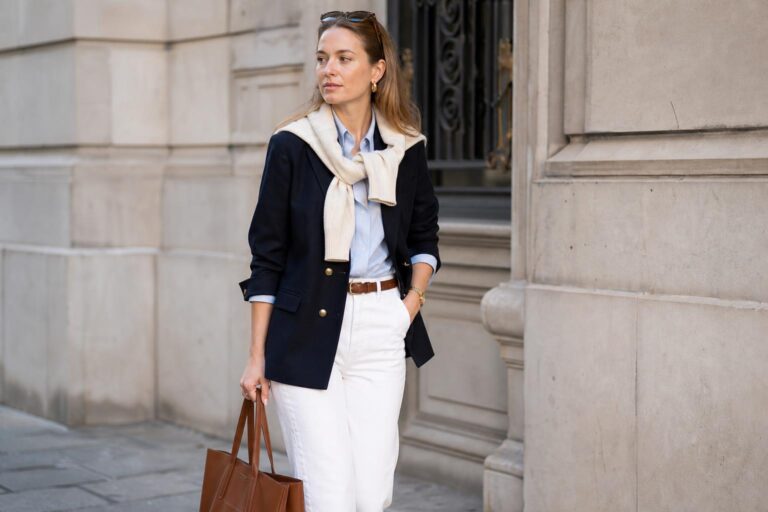
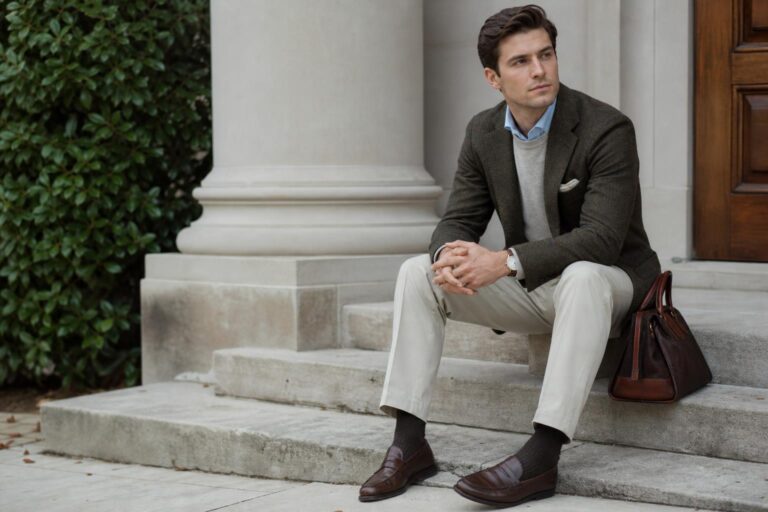
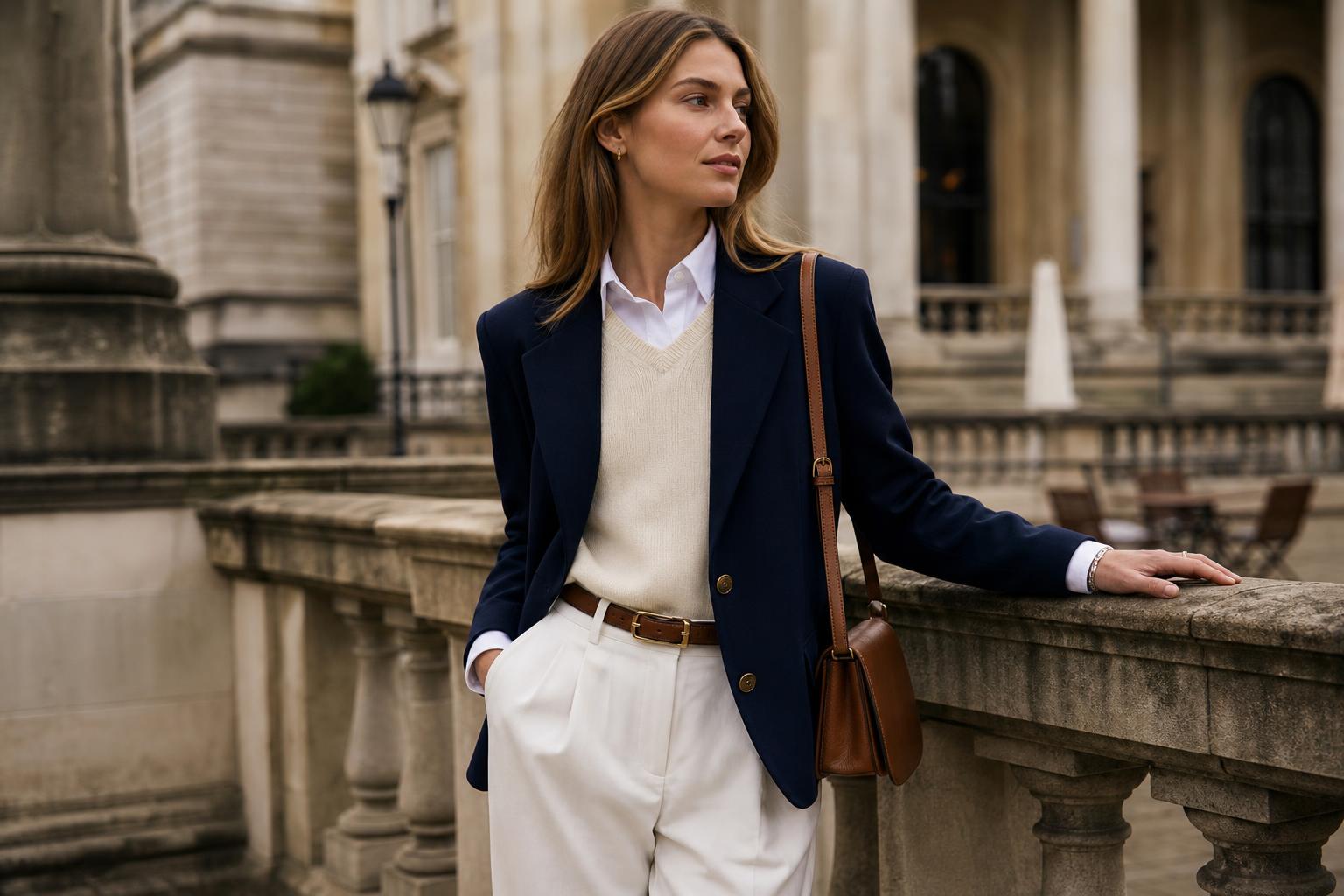
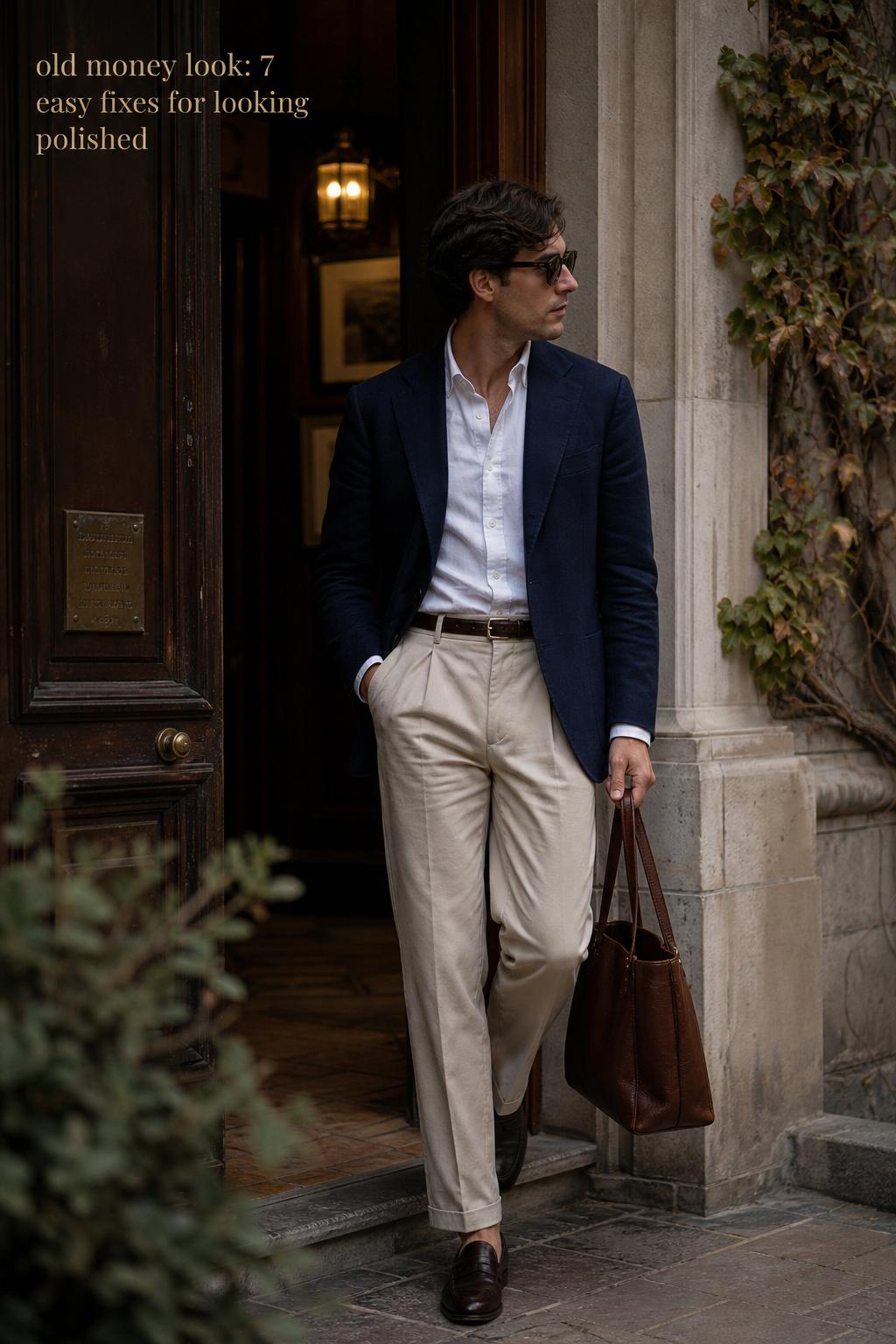
This is the most wearable version of the old money look for everyday life in the U.S. The composition is simple: a white button-down, navy blazer, chinos, and loafers. What makes it work is proportion. The structure of the blazer frames the torso, while the chinos keep the outfit grounded and practical. Loafers reinforce the prep connection without making the result feel too formal.
The mood is not corporate. It is collegiate in the most refined sense, drawing on Ivy League fashion and East Coast discipline. Brooks Brothers and J. Press are the clearest visual references here because they reflect the roots of this silhouette language. If the outfit starts feeling stiff, soften it with a knit draped over the shoulders or choose a cream sweater layered over the shirt.
For body proportion, this combination is forgiving because the blazer creates vertical structure while chinos maintain ease through the leg. Readers who prefer a longer line can keep the shirt neatly tucked and choose a belt that matches the leather of the loafers. That small coordination detail often makes the outfit feel finished.
Tips for making it feel current
- Keep the blazer clean-lined rather than aggressively padded.
- Choose chinos with enough structure to hold shape through the day.
- Avoid visible logos on shirts, belts, or shoes.
- Use cream, navy, and camel together for tonal layering instead of adding bright contrast.
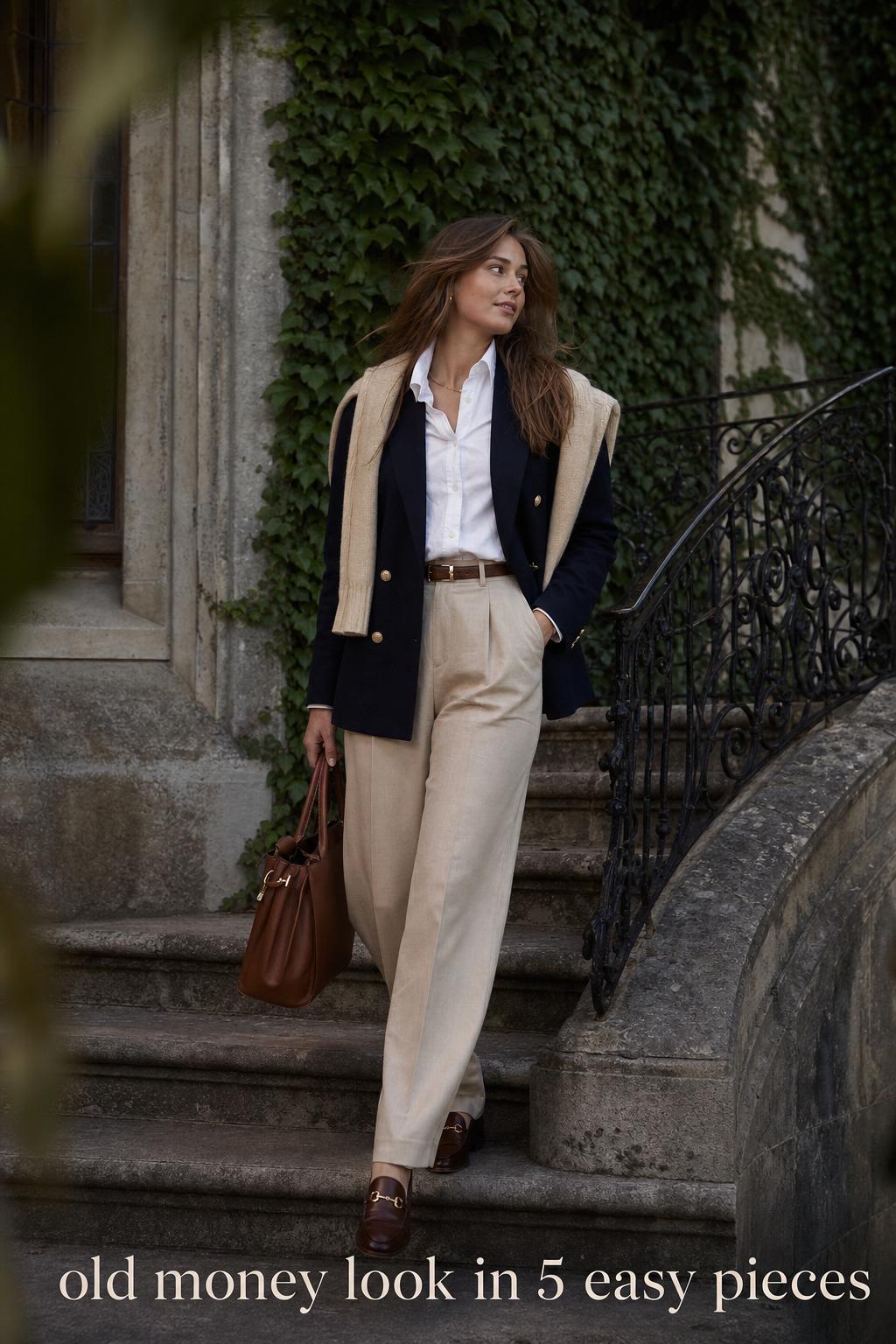
Soft neutrals for weekend quiet luxury
When the aesthetic shifts away from prep and toward quiet luxury, the silhouette becomes softer and the textures take over. Think cream cashmere knitwear, beige or camel trousers, loafers, and minimal leather accessories. This is where Loro Piana becomes the clearest reference point: fabrics that look expensive because they move well, hold shape, and feel rich without shine.
The visual success of this formula comes from tonal layering. Similar shades create calm, but they need texture contrast to avoid looking flat. Pair cashmere with wool or crisp cotton. Add leather through a belt or structured bag. If the entire outfit sits in one temperature range, use navy footwear or a darker coat to add a subtle anchor.
This interpretation is especially useful for readers who want the old money look without leaning heavily into preppy codes. It works for casual offices, travel days, lunches, and understated evening plans. The result feels composed and modern rather than nostalgic.
Budget-friendly styling logic
You do not need a full set of luxury pieces to achieve this effect. Prioritize one tactile hero item, such as a soft knit or a great coat, then keep everything else pared back. The old money mood often comes more from disciplined color and proper fit than from head-to-toe expense. A secondhand camel coat paired with well-cut trousers can read more convincingly than several trend-heavy new items worn together.
Structured femininity with dresses, pleats, and restraint
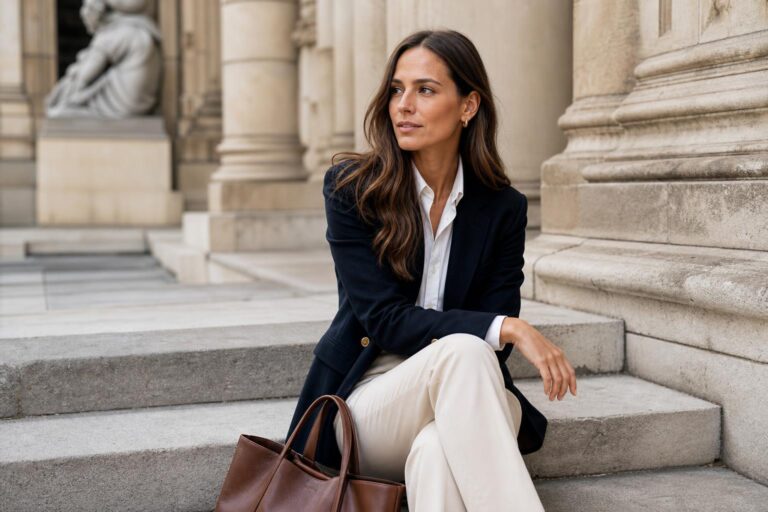
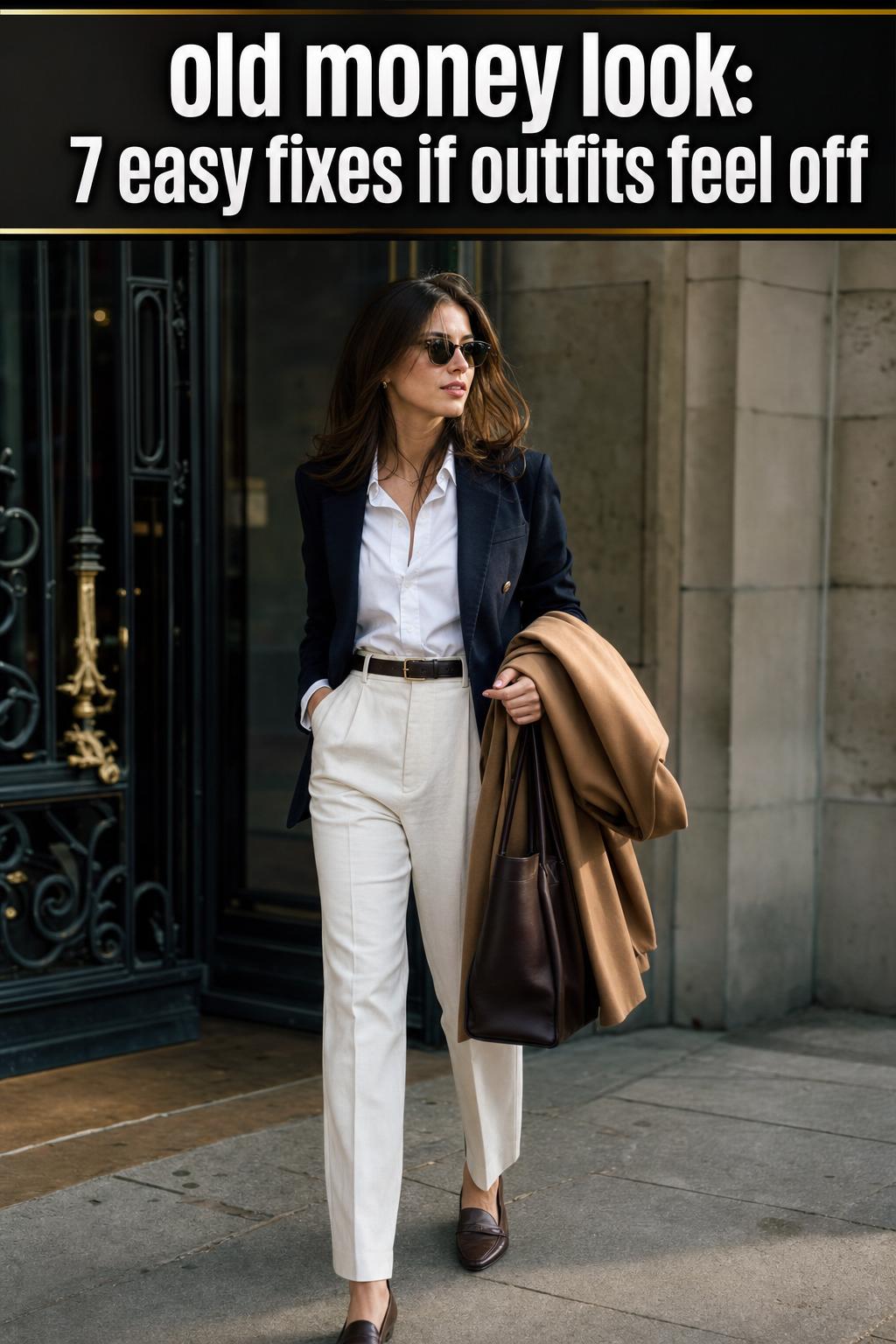
For women, the old money look is often strongest when softness meets structure. A tailored dress, pleated trousers with a fitted knit, or a clean shirt paired with a structured bag all fit naturally within the aesthetic. Showpo-style editorial edits often emphasize clean lines, cashmere knits, minimalist jewelry, and dresses that feel polished rather than decorative. The principle remains the same: the silhouette should look settled, not busy.
Structured bags matter here because they sharpen otherwise soft combinations. Minimalist jewelry keeps the finish refined, especially when the outfit already includes texture from linen, wool, or cashmere. If the goal is subtle glamour, restraint is the better styling tool than layering too many accessories.
A useful formula is a cream knit tucked into pleated trousers, finished with loafers or understated leather shoes. Another is a simple dress under a camel coat, with a belt that defines the waist without overemphasizing it. The old money effect depends on balance: one structural element, one soft element, and one clean accessory story.
Styling mistake to avoid
Do not confuse elegance with over-decoration. Too many visible accessories, heavily branded hardware, or silhouettes that feel excessively body-conscious can push the outfit away from understated luxury and toward a different fashion message entirely. The strength of this aesthetic is precision.
European restraint: linen, loafers, and a lighter silhouette
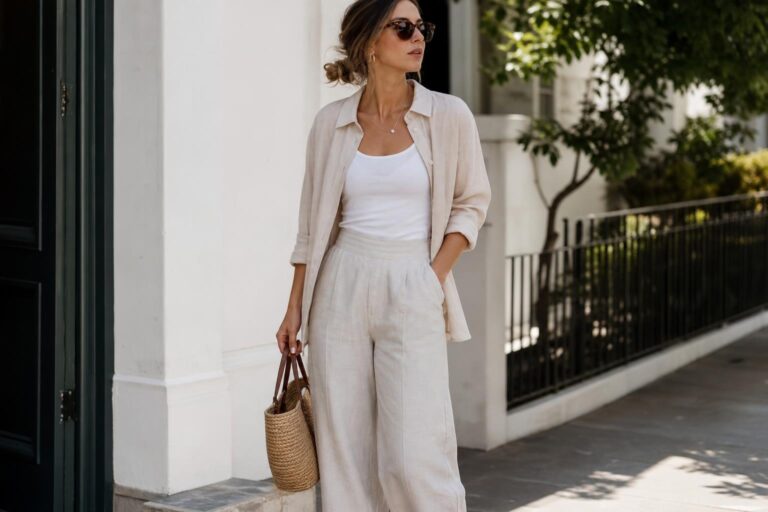
The European reading of the old money look is slightly more relaxed, with more emphasis on linen trousers, lightweight scarves, tailored blazers, and glamour controlled by simplicity. The Italian perspective often favors ease in the line of the garment while maintaining polish through fabric and accessories. This is where the outfit can breathe a little more without losing refinement.
Linen trousers are a useful styling tool because they soften the visual structure of the outfit, especially when paired with loafers and a crisp shirt. A structured bag or precise leather belt prevents the silhouette from drifting too casual. The combination works well in warmer climates and during transitional seasons when heavy wool would feel too formal or impractical.
For readers who find East Coast prep too rigid, this variation offers a more fluid path into the aesthetic. It still respects the old money rules of neutral color, discreet branding, and quality materials, but it feels less campus-based and more continental.
How to wear the old money look for work, weekends, and evening
For everyday work
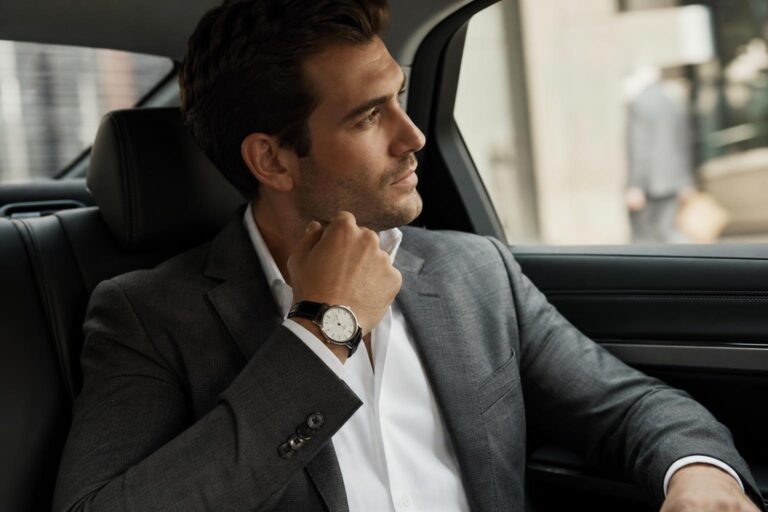
The best work version of the old money look centers on a navy blazer, white shirt, pleated or tailored trousers, and simple leather shoes. The reason this formula succeeds is clarity. Each piece has a job, and none of them compete. The blazer establishes authority, the shirt brightens the palette, and the shoes maintain polish. Add a belt and a structured bag if the setting requires extra formality.
For weekend neutrals
Weekend dressing should feel lighter, not looser in standards. Swap the blazer for knitwear, trade formal trousers for chinos or linen trousers, and keep the footwear classic. Loafers still work; Oxfords may feel too strict. A cream sweater, beige trousers, and leather accessories create the right amount of ease while keeping the outfit aligned with old money codes.
For evening simplified
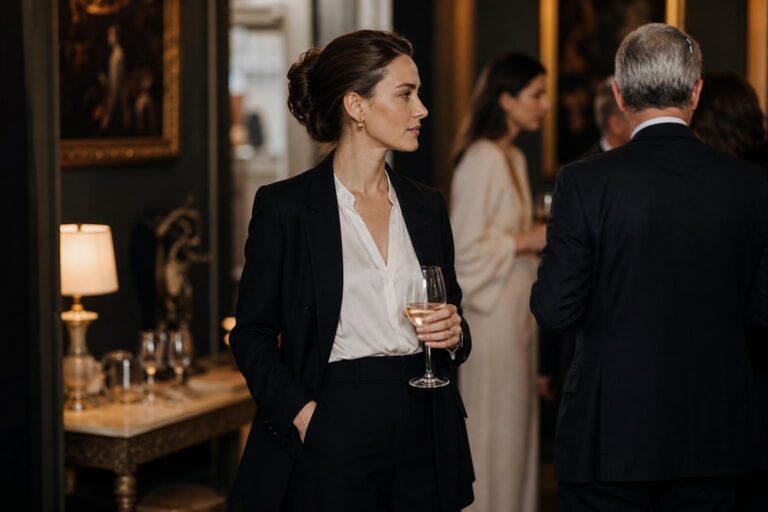
Evening dressing in this aesthetic is less about drama and more about refinement. Darker neutrals, sharper tailoring, and cleaner accessories carry the outfit. A well-cut blazer, tailored coat, or structured dress has more impact than embellishment. Minimalist jewelry is usually enough. The aim is to look deliberate under lower light, not louder.
Color palette and fabric psychology
The old money color palette works because it removes visual friction. Navy communicates formality without the severity of black. Cream softens the face and lightens an outfit without making it feel fragile. Camel introduces warmth and heritage. Grey adds sobriety. White sharpens the entire composition. Together, these shades create a wardrobe that looks expensive because it looks coherent.
Fabric adds the emotional layer. Cashmere creates softness and privacy. Wool gives shape and seriousness. Linen introduces ease and seasonal airiness. Crisp cotton brings order. When these materials are combined thoughtfully, the outfit feels richer than a purely trend-based combination because the surfaces interact with each other. This is the core of texture contrast in old money dressing.
Readers often underestimate how much fabric influences the mood of the same silhouette. A navy blazer in a stiff fabric can feel corporate. In a softer wool, it feels more hereditary and relaxed. A white shirt in crisp cotton reads sharper than one in a fluid material. The old money look is subtle enough that these distinctions become visible.
Quick palette guide
- Navy + cream: classic and polished
- Camel + white: warm and refined
- Grey + cream: quieter, more understated
- Beige + navy: relaxed but still structured
Public figures, media moments, and why the aesthetic keeps circulating
The recent visibility of the old money look is tied partly to public fascination. Media coverage has linked the style to Gen Z obsession and to public figures such as Timothée Chalamet and Kylie Jenner in moments that sharpened the conversation around quiet luxury and understated polish. Even incidental references, including the US Open, matter because they place the aesthetic in aspirational but recognizable settings.
That visibility does not change the wardrobe logic, but it does explain why the style feels current rather than archival. People are not only drawn to the clothing. They are drawn to the idea of a stable visual identity in an era of rapid trend turnover. The old money look offers a fashion system with built-in continuity.
Where the look extends beyond clothing
One of the reasons the aesthetic feels so complete is that it implies a broader environment. The old money look is often imagined alongside private clubs, libraries, mansions, yachts, and old institutional settings rather than overtly flashy spaces. Even when those references stay in the background, they shape the styling mood. They suggest polished leather, heritage architecture, and spaces where understatement reads as confidence.
This matters because clothing rarely exists in isolation. A navy blazer and loafers mean one thing in a streetwear context and another in a heritage setting. The old money version gains force from this lifestyle extension, whether the wearer is actually moving through those spaces or simply responding to the visual language they represent.
Shopping smart: new, secondhand, and quality markers
The easiest way to waste money on this aesthetic is to shop by label alone. The better strategy is to evaluate fabric, construction, and versatility first. Heritage brands can be excellent anchors, but not every branded item automatically supports the look. A great blazer, coat, or pair of loafers should earn its place by how often it integrates with the rest of the wardrobe.
Secondhand and heritage resale are especially relevant here because the aesthetic already values longevity. Older blazers, shirts, and leather goods often fit naturally into the old money wardrobe if the fabric is sound and the silhouette can be tailored. This route also helps readers access the visual language of heritage without treating the style as a constant luxury spend.
What to check before buying
- Does the fabric have enough weight or texture to hold the silhouette?
- Can the item work with at least three outfits already in your wardrobe?
- Is the branding discreet enough for understated styling?
- Would tailoring improve the piece significantly?
- Does the color fit a neutral wardrobe system?
Authenticity also matters when buying secondhand luxury or heritage pieces. In practice, the safest purchases are often the least flashy ones: blazers, coats, knitwear, shirts, and leather accessories where quality and finish are easier to assess. The old money look rewards patience more than impulse.
Common mistakes that break the illusion
The old money look is less forgiving than it appears because the styling language is quiet. Small errors become visible quickly. If the trousers pool too much, the whole outfit loses precision. If the blazer is too tight, the supposed elegance reads strained. If the accessories are too loud, the subtlety collapses. This is why people sometimes buy all the “right” pieces and still miss the effect.
- Too many logos competing in one outfit
- Ill-fitting tailoring that disrupts the silhouette
- Cheap-looking fabric with no structure or texture
- Color combinations that break the neutral harmony
- Accessories that feel trend-driven rather than enduring
Another common mistake is turning the old money look into costume. Overloading the outfit with every associated symbol at once, from tennis whites to scarves to excessive prep references, can make the result feel theatrical. The more convincing approach is selective. One or two heritage cues are enough.
Practical tips for building an old money capsule wardrobe
The capsule wardrobe approach is especially effective here because the aesthetic already depends on repetition, coordination, and long-term use. Building around fewer, better-integrated items also makes the style more realistic for daily life. Instead of chasing an image, you create a system that naturally produces that image.
Start with visual anchors
Choose one outerwear piece, one blazer, one knit, one trouser shape, and one classic shoe. These are the items that define the silhouette from a distance. If these pieces are strong, the rest of the wardrobe can remain simple.
Repeat without looking repetitive
Use tonal variation rather than dramatic styling changes. Navy trousers with a cream knit feel different from beige trousers with a navy blazer, even though both belong to the same wardrobe language. Repetition becomes elegant when it is controlled.
Let shoes set the formality level
Loafers are one of the most versatile choices because they hold the heritage tone without looking severe. Oxfords sharpen the outfit and are best when the rest of the styling is already restrained. If the clothing is soft and relaxed, a hard, formal shoe can feel disconnected.
Use accessories sparingly
A belt, watch, minimalist jewelry, or a structured bag is often enough. The old money look depends on visual breathing room. Every added element should justify itself by improving balance or polish.
Regional variations that shape the mood
Not all old money dressing communicates the same thing. East Coast prep references emphasize Ivy League structure, classic shirting, and a more visibly collegiate foundation. European aristocratic cues tend to soften the silhouette and prioritize linen, fluid tailoring, and restrained glamour. Both are valid. The difference lies in emphasis.
For someone building a wardrobe in a city office, the American heritage interpretation may be easier to wear because blazers, chinos, and button-downs already fit common dress expectations. For someone dressing in a warmer climate or wanting a less formal expression, the European variation can feel more natural. Understanding this distinction helps prevent awkward styling choices. A wardrobe should not only match an aesthetic image; it should match climate, routine, and comfort.
Why the look works psychologically
The old money look projects stability. That is part of its visual power. The absence of obvious logos suggests confidence. The repetition of familiar shapes implies self-knowledge. Neutral colors reduce noise. Classic tailoring creates order around the body. All of this contributes to the impression of ease, even when the wardrobe itself has been carefully constructed.
That psychological clarity is also what makes the aesthetic wearable. People gravitate toward clothing systems that remove decision fatigue and still look polished. The old money wardrobe answers that need unusually well. It offers consistency without uniformity and aspiration without constant novelty.
Making the style personal instead of performative
The most successful old money look is the one that reflects your life rather than someone else’s fantasy. If you wear tailoring often, build around blazers and trousers. If your routine is more casual, let knitwear, chinos, linen, and loafers do more of the work. If dresses are your strongest category, focus on clean cuts, coats, and discreet accessories. The goal is not imitation. It is alignment.
That is also why this aesthetic remains compelling. Beneath the mood boards and cultural fascination, it is simply a disciplined way of dressing well. It values fit over noise, materials over branding, and consistency over spectacle. In practice, that makes it less restrictive than it seems. Once the wardrobe is grounded in the right pieces, the styling becomes intuitive.
FAQ
What is the old money look in fashion?
The old money look is a style built around timeless tailoring, high-quality fabrics, neutral colors, and understated accessories. It overlaps with quiet luxury and heritage dressing, favoring pieces such as blazers, loafers, button-downs, knitwear, and tailored trousers over trend-heavy or logo-driven clothing.
How do you dress old money without spending a fortune?
Focus on fit, fabric, and color discipline before brand names. A well-cut navy blazer, cream knit, chinos, loafers, and a simple leather belt can create the effect even if some items are secondhand. Heritage resale is especially useful because the aesthetic already values longevity and timeless design.
Which brands are most associated with the old money look?
Brooks Brothers, Ralph Lauren, J. Press, and Loro Piana are among the most commonly associated names. They represent different aspects of the aesthetic, from Ivy League prep and classic American tailoring to soft, textile-led quiet luxury.
Is the old money look the same as quiet luxury?
They are closely related but not identical. Quiet luxury is the broader idea of understated, high-quality dressing. The old money look is a more specific version of that idea, often tied to heritage brands, preppy references, classic tailoring, and cultural associations with generational wealth and established institutions.
What colors define the old money aesthetic?
The most common colors are navy, cream, camel, beige, grey, and white. These shades work because they layer easily, create tonal harmony, and support the restrained visual language that defines the aesthetic.
What shoes work best for an old money wardrobe?
Loafers are one of the strongest choices because they balance refinement and ease. Oxfords also fit the aesthetic, especially in more formal settings. The key is to choose classic leather styles without loud branding or trend-driven detailing.
Can the old money look work for both men and women?
Yes. For men, the wardrobe often centers on blazers, chinos, shirts, knitwear, and loafers. For women, it translates through tailored dresses, pleated trousers, cashmere knits, structured bags, minimalist jewelry, and clean outerwear. In both cases, the foundation is the same: quality, restraint, and strong silhouette control.
What are the biggest mistakes to avoid?
The most common mistakes are visible logo overload, poor tailoring, weak fabric quality, and trying to wear too many heritage references at once. The aesthetic works best when it feels composed and selective rather than costume-like.
How many pieces do you need for an old money capsule wardrobe?
A practical capsule can start with around 15 to 20 interchangeable items. The goal is not volume but versatility: a blazer, coat, shirts, knitwear, trousers, loafers, belts, and a few understated accessories that can be mixed across work, weekend, and evening dressing.