
Spring College Clothes Packing List for a Polished Campus Wardrobe
Dorm move-in has a way of exposing every weak point in a wardrobe. A closet that felt complete at home can suddenly seem impractical once laundry is shared, weather shifts fast, storage is tight, and your schedule jumps from early classes to campus events in the same day. A smart college clothes packing list is less about bringing more and more about choosing pieces that work harder, layer better, and repeat without looking repetitive.
The most effective approach is to pack around real campus life: walking between buildings, sitting through long lectures, adjusting to changing temperatures, handling casual social plans, and getting through laundry delays without panic. That means prioritizing versatile products, comfortable fabrics, practical footwear, and a small set of reliable visual anchors. The goal is a wardrobe with strong outfit composition, easy proportion play, and enough flexibility to handle daily life without overpacking.
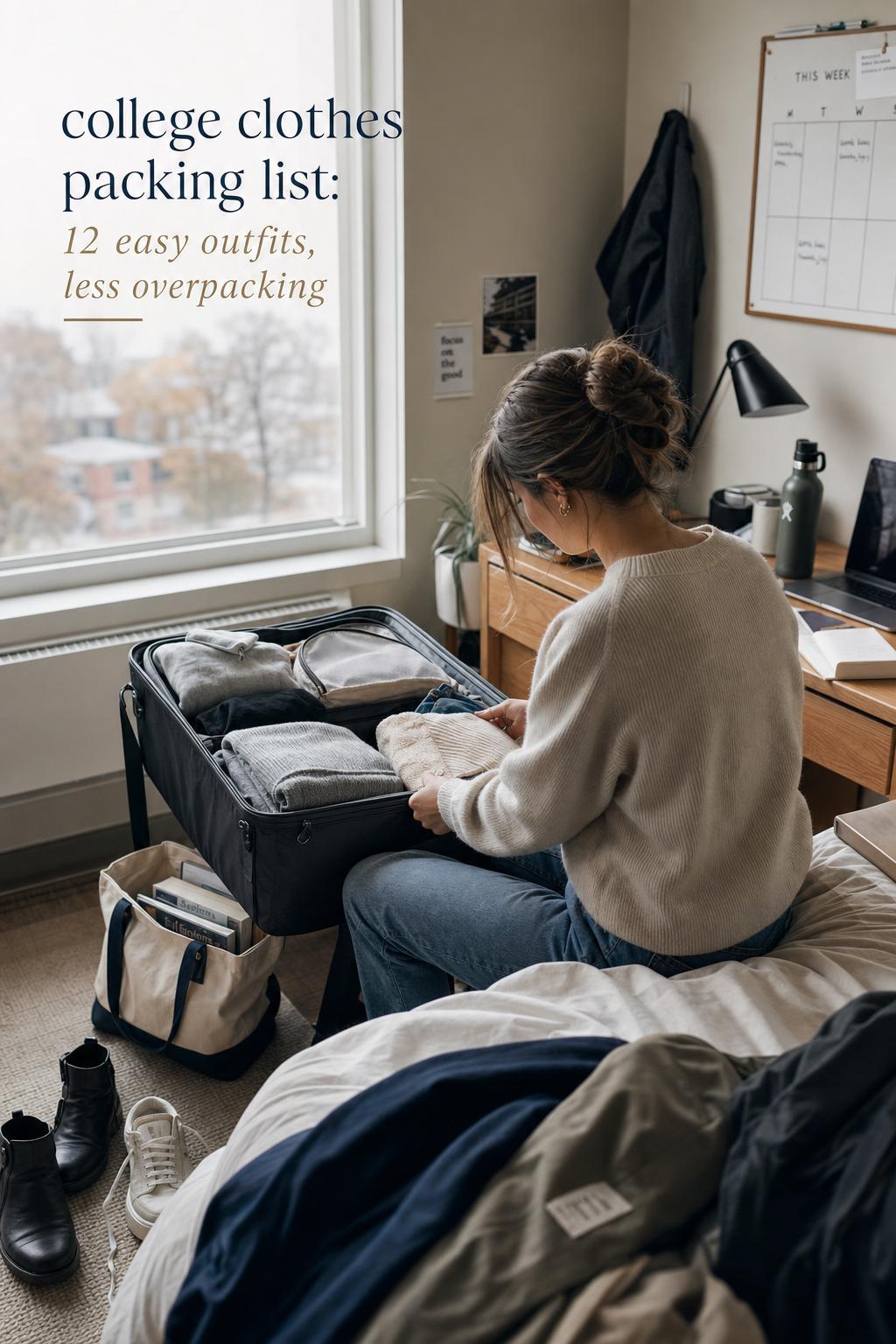
What a college wardrobe actually needs to do
College clothing has a different job than a vacation wardrobe or a trend-driven closet. It needs to support repetition, movement, weather variation, and quick outfit decisions. On most campuses, the best-packed wardrobes are built on concepts rather than one-off looks: layering, comfort, durability, tonal coordination, and versatility.
A useful packing strategy starts by asking a more practical question than “What do I like?” Ask, “Would this actually work in everyday life?” If a piece wrinkles easily, requires special washing, only matches one bottom, or feels uncomfortable after a few hours, it usually does not deserve valuable suitcase space. A college closet should lower friction, not create more of it.
Found the dress? Keep the rest in one place.
Zarellea brings guest details, vendors, timelines, and every next step together — so your wedding plan feels as good as your look.
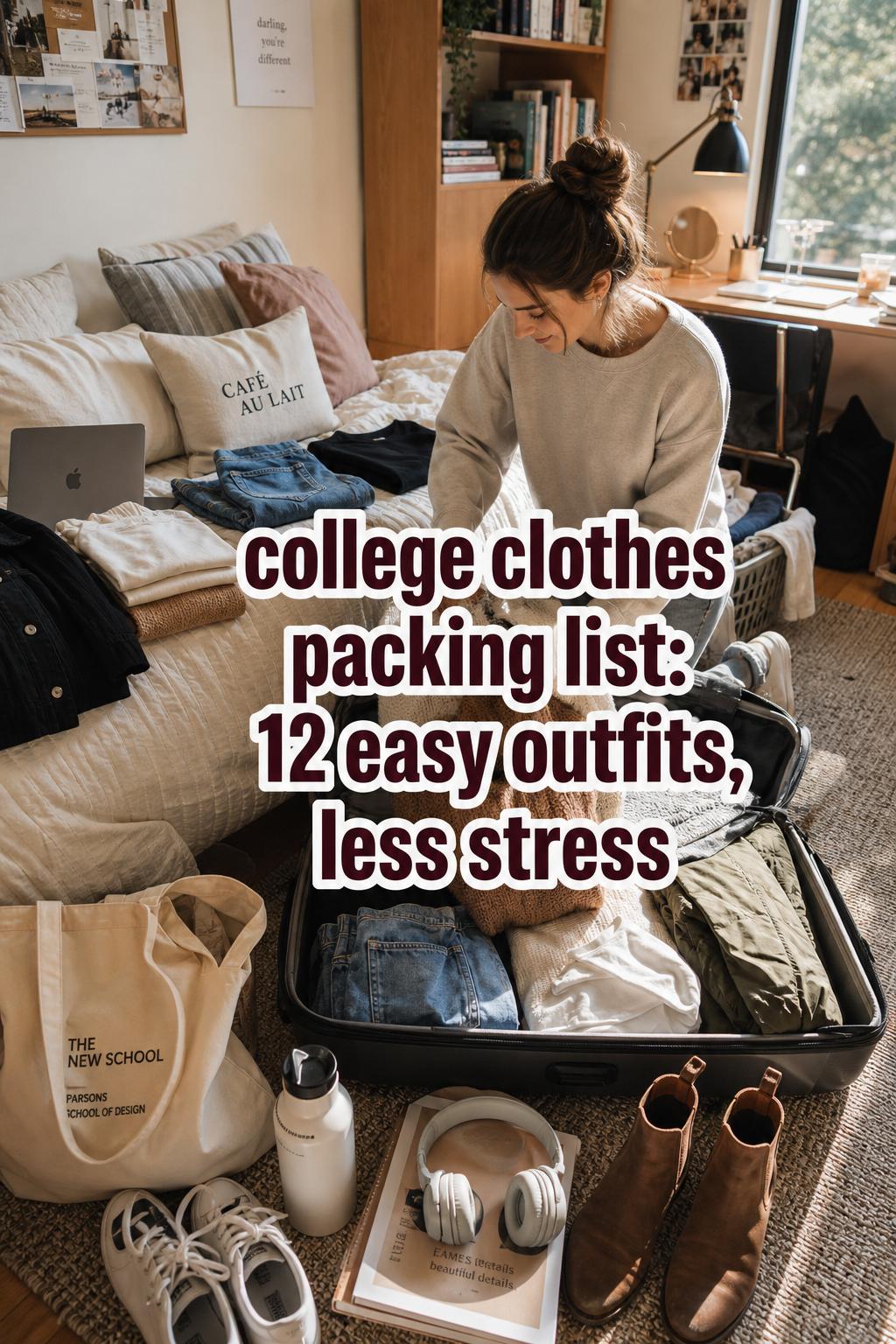
The core function of each item
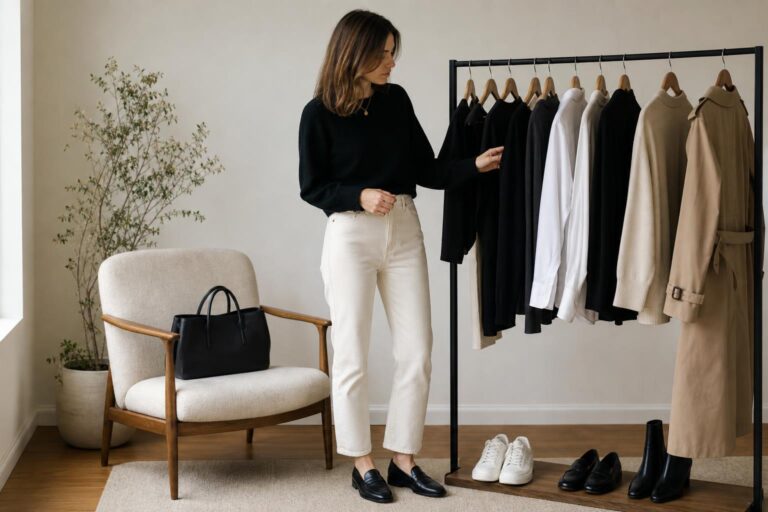
Every piece you bring should do at least one of the following well: layer, repeat, transition across temperatures, pair with multiple shoes, or work for more than one type of event. This is where the idea of a capsule wardrobe becomes useful. It does not mean dressing in a limited way. It means building a rotation where tops, bottoms, outerwear, and shoes connect naturally through color harmony and silhouette balance.
Start with the pieces worth packing first
Before thinking about extras, build from the items with the highest practical return. These are the pieces you will wear on rushed mornings, on laundry day, during temperature swings, and in the outfits you repeat most. They form the backbone of a college clothes packing list because they solve real problems quickly.
- Tops that can be layered easily under or over other pieces
- Bottoms that coordinate with most of your wardrobe
- Light outerwear for classrooms, evenings, and seasonal shifts
- Comfortable shoes for walking and standing
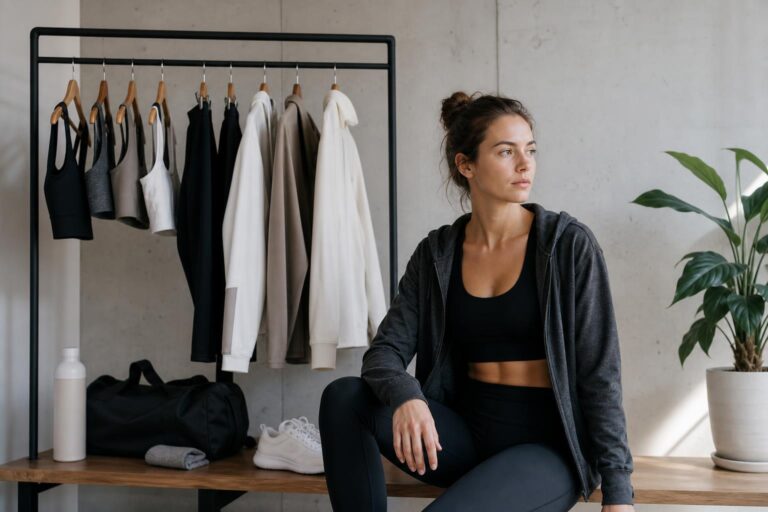
- Lounge and sleep pieces that can handle frequent wear
- A few event-ready options for campus activities or special occasions
If you are deciding what to buy first, start with the items that create the most outfit combinations rather than the most visual excitement. A basic top with good fit, a dependable pair of bottoms, and one useful layer often outperform trend-heavy purchases. These staples also make shopping easier later because you can judge new products against a clear wardrobe structure.
What is usually worth investing in
Investment should follow use frequency. Pieces worn several times a week deserve better construction, better comfort, and better fabric performance. Footwear, outer layers, and everyday bottoms often justify a higher spend because discomfort or poor quality becomes obvious fast on campus. Affordable alternatives make more sense for highly specific event pieces or trend-led items with limited repeat value.
A practical wardrobe looks more expensive when the basics fit well, the palette is controlled, and textures are intentional. Even low-cost pieces appear more polished when they are coordinated around a few consistent colors and clean silhouettes.
Build your packing list by outfit systems, not random categories
One common packing mistake is treating every item as separate. A stronger method is to think in outfit systems. In other words, pack in combinations: what goes with what, what layers over what, and which shoes anchor the widest number of looks. This creates a wardrobe that feels bigger without increasing quantity.
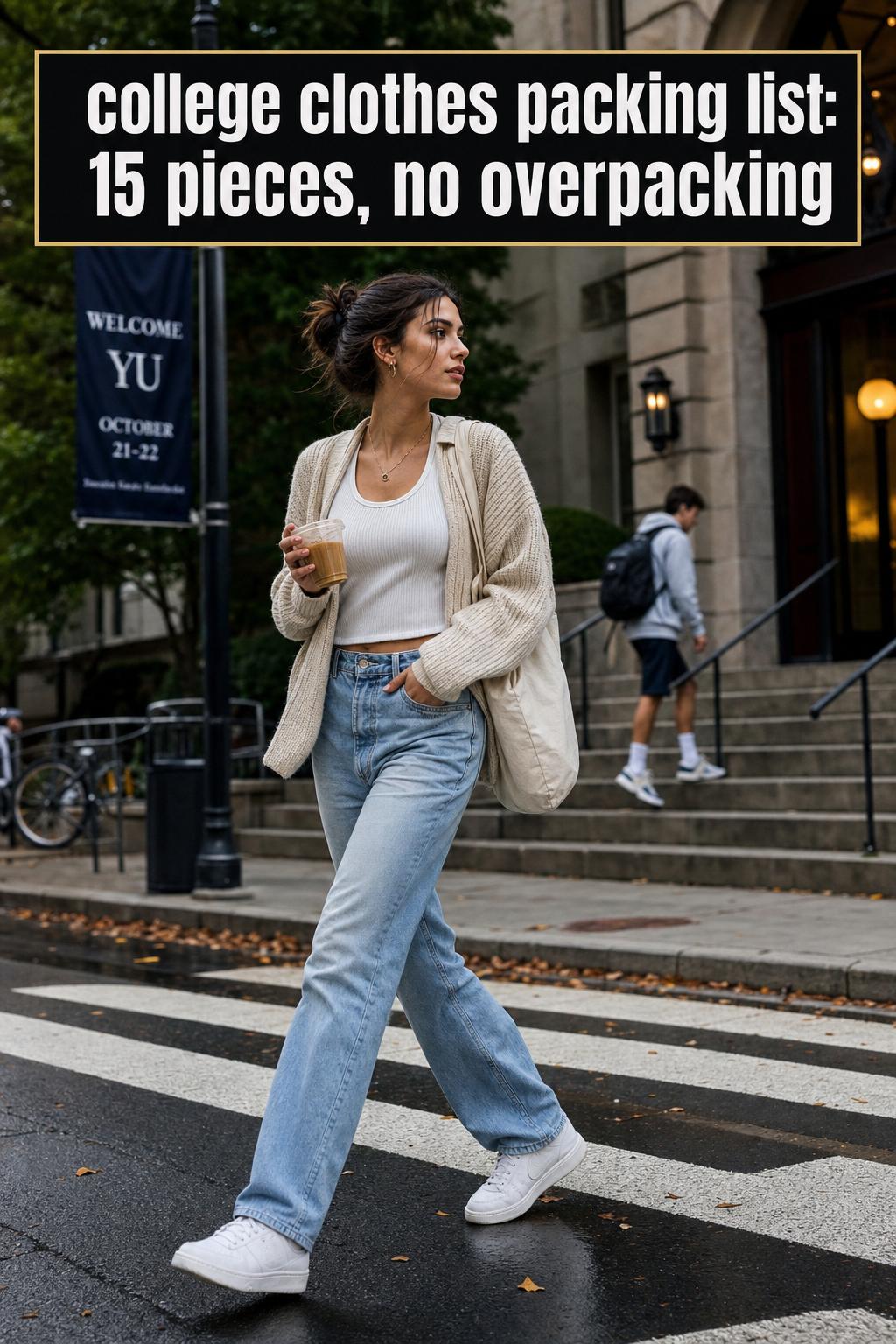
The everyday class formula
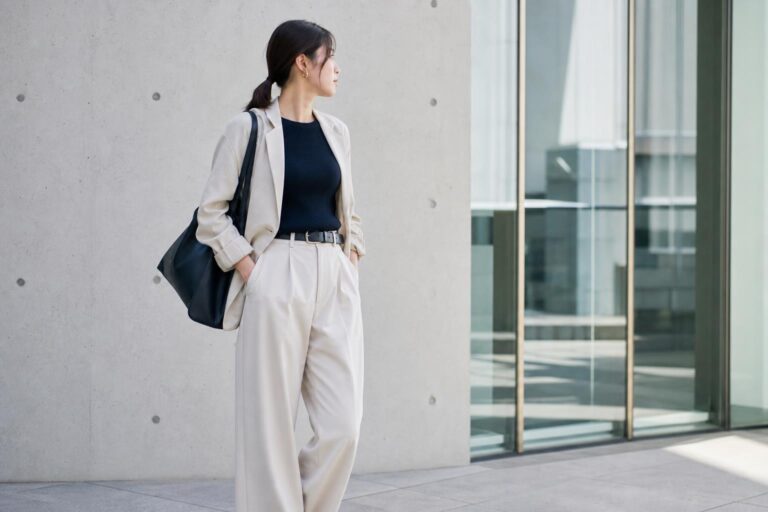
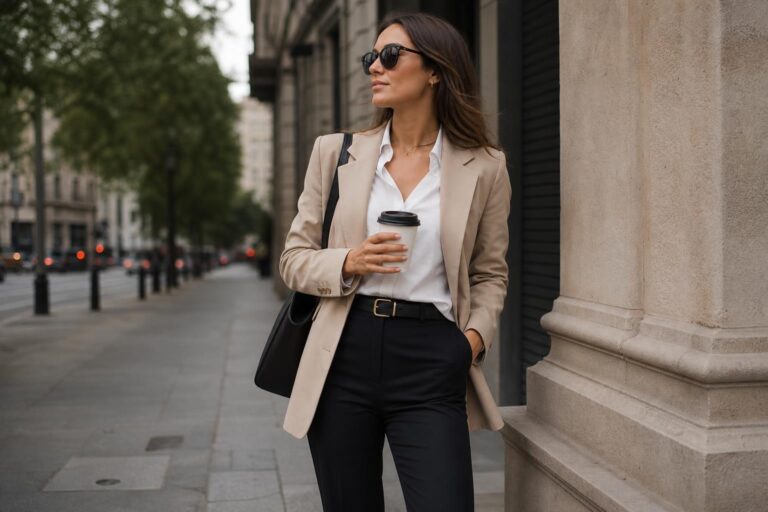
The most functional campus outfit usually includes a base top, an easy bottom, and one layer that can be removed indoors. This works because it balances comfort with adaptability. Classrooms can feel colder than outside conditions, and a layering piece prevents the outfit from failing once temperatures shift. In visual terms, the outer layer also acts as a statement piece or visual anchor, making simple basics feel more intentional.
The laundry-week formula
Laundry delays are part of college life, so your wardrobe needs backup combinations. Rewear-friendly pieces in darker or neutral shades are especially useful here because they disguise minor wear and blend more easily with whatever is clean. Tonal layering helps this further. When colors sit in the same family, outfits feel coherent even if your options are limited.
The casual social formula
You do not need an entirely separate wardrobe for campus events, dinners, or spontaneous plans. A better strategy is to pack one or two pieces that shift the mood of your basics. A sharper layer, a more refined shoe, or one product with slightly elevated texture can change outfit composition quickly. This is more efficient than bringing multiple “special” outfits that may only be worn once.
How many clothes make sense without overpacking
The right quantity depends on laundry access, climate, and storage, but overpacking usually comes from bringing too many single-use items. A manageable college wardrobe is built around enough daily basics to get through a realistic wash cycle, plus a few flexible extras. The focus should be on repetition with variation, not endless novelty.
- Pack more everyday basics than occasion-specific pieces
- Choose layers that work across multiple temperature ranges
- Limit shoes to pairs with distinct functions
- Keep special-event options compact and adaptable
- Avoid duplicates that serve the same styling role
If two products perform the same job, keep the one that is more comfortable, easier to care for, and more compatible with your existing palette. That decision alone can reduce clutter significantly.
Seasonal packing logic matters more than trend appeal
Weather relevance shapes whether a wardrobe is truly functional. Fabric behavior, layering potential, and seasonal palette all affect how often pieces will actually be worn. A visually strong item that traps heat, feels bulky under outerwear, or offers no flexibility through seasonal transitions quickly becomes dead weight.
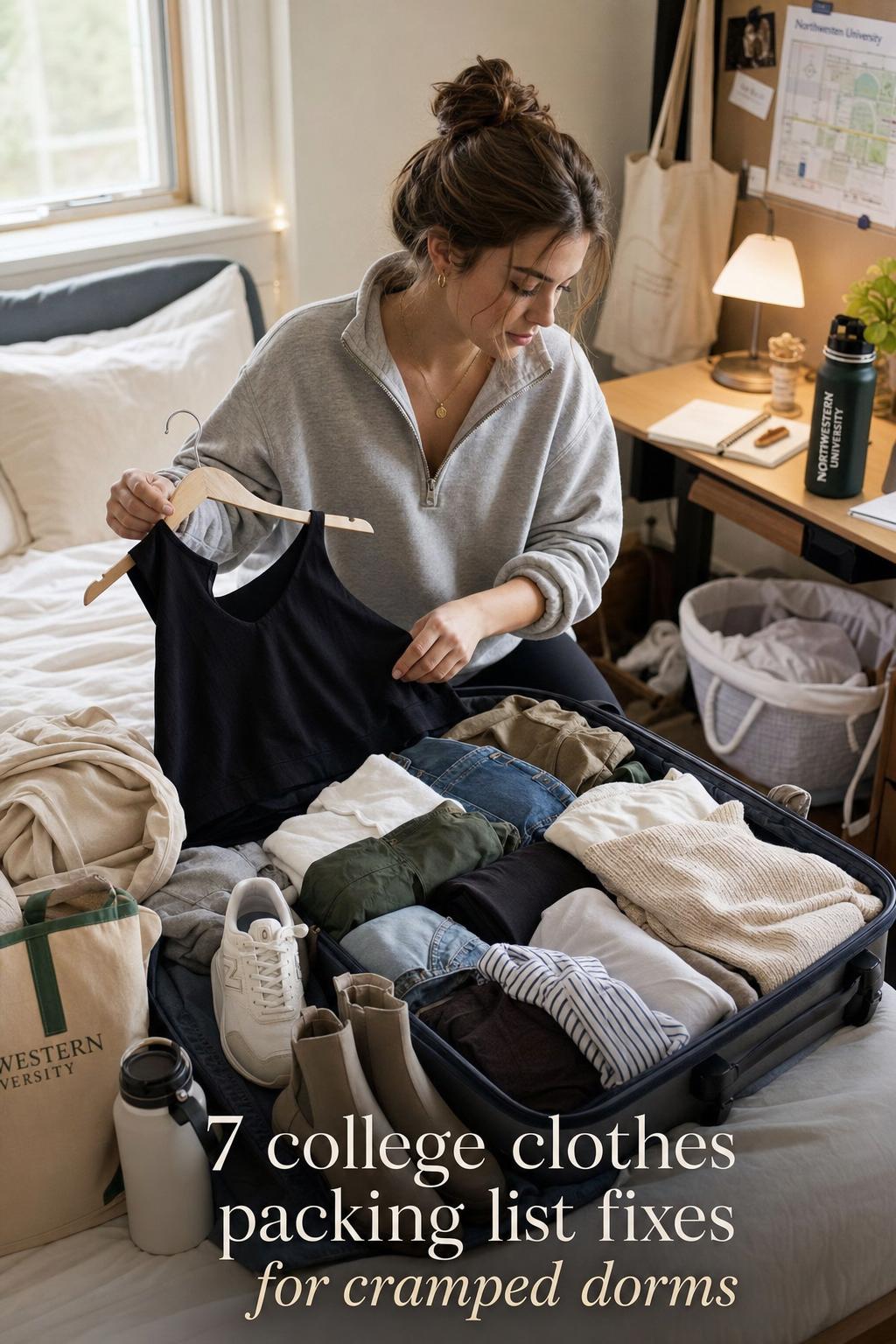
Warm-weather campus dressing
For warmer conditions, prioritize breathable fabrics and tops that can handle long days without feeling restrictive. The most useful pieces here are those that still layer well when indoor temperatures drop. Lightweight layers remain essential because many students underestimate the difference between outdoor heat and heavily cooled buildings.
Color also matters in warm weather. A lighter seasonal palette can feel fresher and more comfortable visually, but practicality still comes first. Pieces should be easy to combine and not demand highly specific pairings.
Cool-weather and transitional months
Fall and early winter on campus require stronger layering logic. This is where texture contrast becomes useful: a soft base layer under a more structured outer piece creates both comfort and visual depth. Transitional packing should include products that can be worn alone early in the season and layered later. That reduces the need for a complete wardrobe reset as temperatures change.
In cooler weather, the biggest mistake is packing outerwear that only works with one silhouette. A layer should fit comfortably over your most common tops and coordinate with your main bottoms. Otherwise, it limits rather than expands your rotation.
The shoe strategy that saves space and prevents regret
Shoes consume space quickly, so each pair needs a clear role. On a college campus, function usually comes first: walking comfort, weather suitability, and versatility across casual settings. The ideal shoe lineup is not large. It is differentiated.
A useful test is simple: can this pair support a full day of walking, and does it work with multiple outfits? If the answer is no, it may not belong in your first move-in packing setup. Shoes that only work with one hemline, one occasion, or one weather condition often end up underused.
How to choose your most versatile pairs
- Choose one everyday pair for regular campus walking
- Add one weather-appropriate option for rain or cooler days
- Include one pair that can dress up casual basics for events
This structure works because each pair solves a distinct wardrobe need. It also prevents the common mistake of packing multiple similar casual shoes while forgetting a functional event option or a pair suited to changing weather.
Fit, body proportions, and why your packing list should reflect them
A practical wardrobe is not just about the right categories. It is also about choosing products that flatter your proportions and feel easy to wear. College life involves long sitting periods, frequent walking, and repeated wear, so fit issues become more frustrating than they do in occasional outfits.
If you are petite
Focus on proportion play that keeps the silhouette clear. Pieces that overwhelm the frame can make daily outfits feel heavy and less functional, especially when layered. Cropped or properly hemmed lengths often create a cleaner visual line and improve compatibility with multiple shoes. When packing outer layers, look for shapes that add structure without excessive bulk.
If you are curvy
Prioritize fabrics with enough structure to hold shape while still allowing movement. The strongest college basics for curvier body types usually define the silhouette without feeling restrictive during a full day on campus. Balance matters here: if one piece is more fitted, pairing it with a slightly more relaxed counterpart often creates a smoother, more comfortable outfit composition.
If you are tall
Length and proportion become the main considerations. Pieces that are too short in sleeves, rise, or inseam can make a wardrobe feel inconsistent and harder to style. Packing should center on products that provide enough length for comfort and visual balance. Layering works especially well on taller frames because it creates structure across the vertical line of the body.
Across all body types, the most versatile pieces are the ones you do not need to adjust constantly. If something pulls, rides up, slips, or restricts movement, it becomes less useful no matter how good it looks in isolation.
Color planning is what makes a small college wardrobe feel complete
A controlled palette is one of the easiest ways to increase versatility. It allows repeated items to mix naturally and makes packing more strategic. This does not mean everything should be neutral, but your wardrobe should have enough color harmony that getting dressed remains easy during rushed mornings.
Think in three parts: base colors, supporting colors, and one or two accent shades. Base colors anchor the majority of your bottoms and layers. Supporting colors expand combinations without clashing. Accent shades keep the wardrobe from feeling flat. This structure improves tonal layering and gives simpler outfits more visual intention.
How to avoid color mismatches
The easiest mistake is packing appealing individual pieces that do not connect. Before adding an item, mentally pair it with at least three other products you are bringing. If that feels difficult, the item is probably too isolated. A small wardrobe works best when most tops can meet most bottoms without tension in color or silhouette.
The fabrics that make college life easier
Fabric choice affects comfort, maintenance, and how polished an outfit looks after hours of wear. This matters in college because your clothes often need to perform from morning to evening with limited chances to reset. A good-looking piece that wrinkles, clings uncomfortably, or loses shape quickly can become a poor practical choice.
For warm conditions, lighter and more breathable options usually offer better day-long comfort. For cooler months, layering-friendly textures are more useful than single bulky products. Fabric texture also affects visual finish. Mixing smooth and soft surfaces can create depth without adding excess pieces, which is especially helpful in a compact wardrobe.
Tip: choose easy-care over delicate whenever possible
Shared laundry, limited drying space, and busy schedules make high-maintenance products less appealing in real life. If you are choosing between two similar items, the easier-care option is usually the smarter one for campus living. This is one of the simplest ways to avoid frustration later.
Campus-specific situations your packing list should cover
A college wardrobe works best when it accounts for common campus scenarios rather than just generic categories. This is where packing gets more realistic. You are not dressing for one setting. You are dressing for a day that can include a walk across campus, a chilly classroom, a library session, a quick meal out, and an evening event.
Long lecture days
Comfort becomes the priority, but the outfit still needs structure. Soft base pieces combined with one polished layer often work best because they support sitting for long periods without looking too casual. A strong layer also helps if the room temperature changes unexpectedly.
Walking-heavy schedules
On days with multiple buildings and long distances between classes, footwear and fabric matter more than visual novelty. Prioritize products that move easily and do not require constant adjustment. The best walking-day outfits usually rely on stable silhouettes and low-fuss layering.
Campus events and last-minute plans
This is where a few flexible upgrades earn their place. Instead of packing many separate event outfits, keep one or two pieces that elevate basics quickly. This could be a refined outer layer, a more polished shoe, or a product with a cleaner line. The reason this works is simple: it preserves space while improving adaptability.
What to leave at home
Editing is just as important as choosing what to bring. The least useful items usually share the same traits: they are uncomfortable, highly specific, difficult to wash, hard to style, or unrealistic for campus routines. Leaving these behind protects both storage space and decision clarity.
- Pieces that only work with one outfit
- Products that require careful maintenance you are unlikely to keep up with
- Shoes that are uncomfortable after a short walk
- Items bought for an imagined version of college life rather than your actual habits
- Bulky duplicates that serve the same purpose
A useful wardrobe should reflect your schedule, your climate, and your comfort needs. Fantasy packing usually leads to clutter. Practical packing leads to a closet you will actually use.
How to make a budget-friendly packing list feel elevated
Recreating a functional college wardrobe on a budget is absolutely realistic when you focus on shape, coordination, and fabric appearance rather than chasing constant novelty. The most convincing low-cost wardrobes are not built from many pieces. They are built from thoughtful repeaters.
Buy the pieces that solve the most outfit problems first. That means everyday footwear, versatile bottoms, and layers that connect your wardrobe. Once those are in place, affordable alternatives work well for trend pieces or occasional campus events. This prevents overinvestment in products with low repeat value.
Tip: make outfits look more expensive through styling logic
Keep the palette tight, avoid overcrowding an outfit with too many competing details, and choose one visual anchor. A simple outfit often looks stronger when the silhouette is intentional and the colors relate to one another. Budget dressing becomes more convincing when the wardrobe feels edited rather than random.
Small-space wardrobe management after move-in
Packing well is only half the job. College storage is usually limited, so your wardrobe needs to remain visible and workable once you arrive. A strong closet setup relies on frequency of use. Keep daily pieces easiest to reach, occasional items compact, and layers accessible because they are the first products you grab when campus temperatures shift.
This also helps with outfit repetition. When your most versatile products are visible, you are more likely to use them creatively. When the closet is crowded with low-use items, your practical options become harder to see even if they are technically there.
Tip: reassess after the first few weeks
Early semester wear patterns tell the truth quickly. If certain pieces never leave the closet, they are probably not essential. If you keep reaching for the same products, that reveals what deserves future investment. College style improves when you respond to actual use, not assumptions.
Common packing mistakes that create an unusable wardrobe
Most wardrobe problems in college come from imbalance rather than lack. Too many statement pieces, too few basics, poor shoe choices, and weak layering all create unnecessary friction. A balanced packing list should support the most common parts of your week first.
- Packing for isolated events instead of everyday campus life
- Ignoring weather transitions and indoor temperature changes
- Choosing trend items before versatile staples
- Bringing too many similar products and not enough variety in function
- Overlooking comfort in favor of appearance
- Forgetting that laundry timing affects what is truly practical
The strongest correction is to review your wardrobe through function. What supports class days, walking, layering, and repeat wear? Those pieces deserve priority. Everything else should justify the space it takes up.
A sharper way to think about your college style
A good college wardrobe is not defined by volume or by chasing every new idea. It is defined by strong styling logic. The pieces should coordinate, the silhouettes should balance, the fabrics should suit the season, and the products should support how you actually live. That is what makes a packing list feel complete.
Once the basics are solid, personal style becomes easier to express. You can add variation through color, texture contrast, accessories, or one statement piece, but the foundation remains practical. That balance between function and identity is what keeps a college closet both useful and visually cohesive.
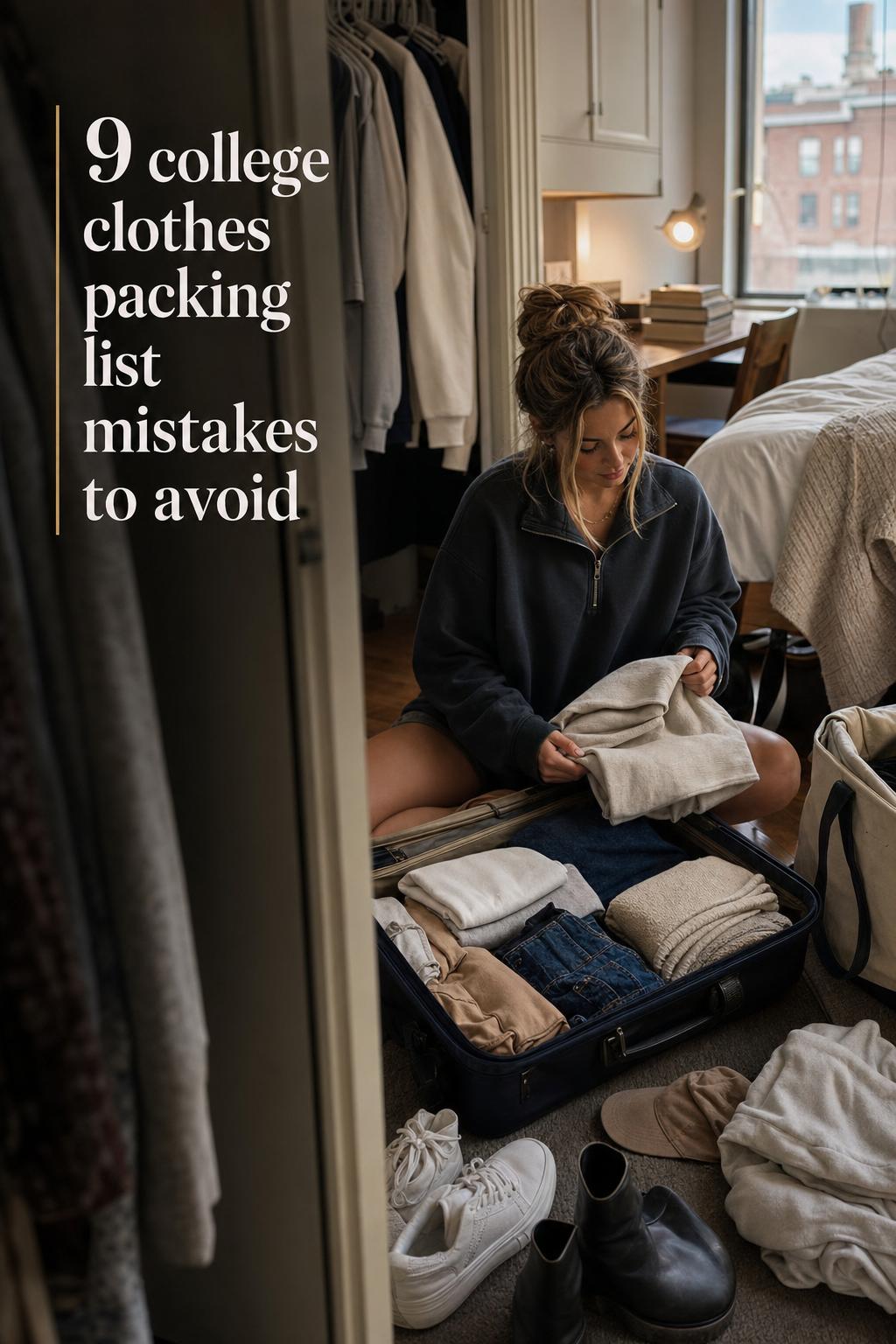
FAQ
How do I make a college clothes packing list without overpacking?
Start with the pieces you will wear most often: everyday tops, versatile bottoms, practical layers, and comfortable shoes. Build around outfit combinations rather than isolated items, and remove anything that only works for one look or one rare occasion.
What should I buy first for a college wardrobe?
Buy the highest-use items first, especially comfortable footwear, reliable bottoms, and layers that work across multiple outfits. These products create the most outfit combinations and have the biggest impact on daily comfort and wardrobe flexibility.
How can I pack clothes for college on a budget?
Focus spending on pieces you will wear repeatedly and use affordable alternatives for trend-led or occasion-specific items. A tight color palette, good fit, and practical layering make a budget wardrobe look more intentional and more versatile.
How many shoes should I bring to college?
Keep shoes limited to pairs with distinct functions: one for everyday walking, one for weather needs, and one that can elevate casual outfits for events. This gives you coverage without wasting space on similar styles that do the same job.
What clothes are most versatile for college life?
The most versatile clothes are easy to layer, comfortable for long days, and simple to pair with multiple other pieces. Products that move between class, casual plans, and shifting weather usually offer the best value in a college wardrobe.
How should I adapt my packing list for petite, curvy, or tall body types?
Choose pieces that support your proportions and stay comfortable through movement and long wear. Petite wardrobes usually benefit from cleaner lengths and lighter bulk, curvy wardrobes often work best with balanced structure and ease, and tall wardrobes need enough length to maintain comfort and silhouette balance.
What fabrics are best for a college wardrobe?
The best fabrics are the ones that match the season, feel comfortable for all-day wear, and are easy to care for in a shared laundry setup. Breathable options work well for warm weather, while layering-friendly textures are better for cooler months and transitional periods.
What should I avoid packing for college?
Avoid uncomfortable shoes, high-maintenance products, bulky duplicates, and pieces that only work in very specific outfits. If an item is hard to wash, hard to style, or unrealistic for your daily schedule, it usually belongs at home.
Can a small college wardrobe still feel stylish?
Yes. A smaller wardrobe often looks stronger because it relies on coordination, silhouette balance, and repeatable styling logic. When your pieces connect through color harmony, texture contrast, and versatility, the wardrobe feels more complete with fewer items.