
Summer Old Money Outfits for a Chic Season
Summer old money outfits sit in an interesting place in fashion right now. They are often grouped with quiet luxury, coastal dressing, and country club chic, yet the visual identity is more specific than any one trend label. The mood is controlled rather than flashy, polished rather than performative, and built around pieces that look convincing in daylight: linen trousers, crisp white shirts, silk blouses, navy accents, loafers, pearls, and dresses that rely on cut instead of decoration.
What makes this aesthetic so appealing in warm weather is the way it turns practicality into elegance. Breathable fabrics, muted palettes, and classic tailoring are not only visually refined; they also solve the real problem of dressing well in heat and humidity. A white linen dress feels effortless because it is light, but it reads expensive because the shape is clean and the styling is restrained. That distinction matters.

People often confuse old money summer style with generic preppy fashion or with minimalist resort wear. The overlap is real, especially around navy, cream, polos, and coastal references like yacht clubs or the Hamptons. But old money styling has a different intention. It is less about trend visibility and more about visual inheritance: clothes that suggest tradition, confidence, and ease across garden parties, brunches, weddings, and summer RSVPs.
The result is a wardrobe language that feels timeless because it relies on proportion, fabric quality, and disciplined accessories. Once you understand that logic, it becomes much easier to decide which summer old money outfits fit your life, which details actually matter, and how to make the aesthetic feel natural instead of costume-like.
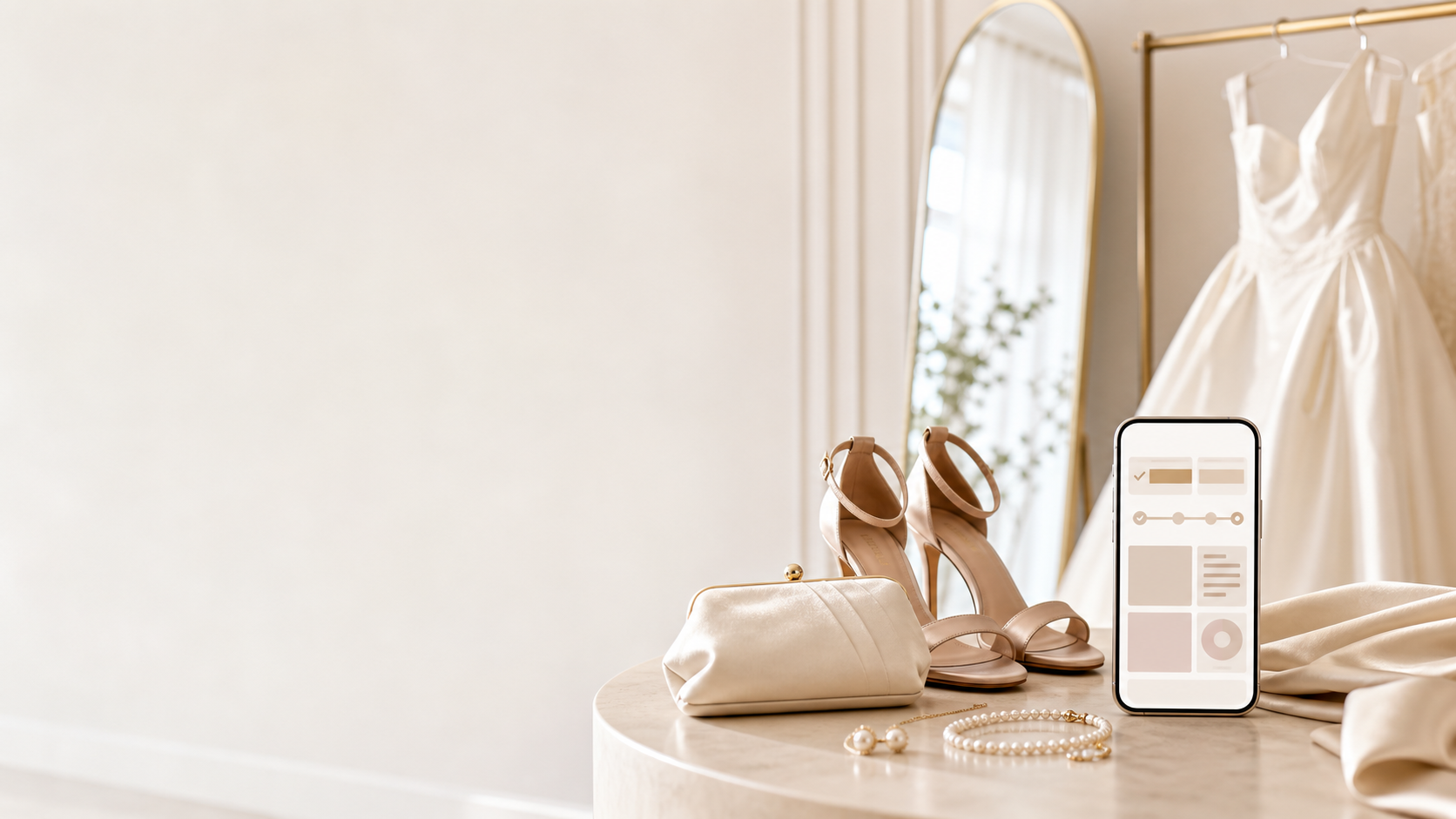
Found the dress? Keep the rest in one place.
Zarellea brings guest details, vendors, timelines, and every next step together — so your wedding plan feels as good as your look.
The controlled elegance of old money summer style
Old money dressing in summer is not defined by a single item. It is defined by restraint. The clothes are usually classic, the color stories are stable, and the styling avoids obvious branding. This is where the aesthetic connects with quiet luxury, but the old money version often carries more social and cultural cues: country club references, yacht club whites and navy, European coastal polish, and an East Coast sense of inherited taste.
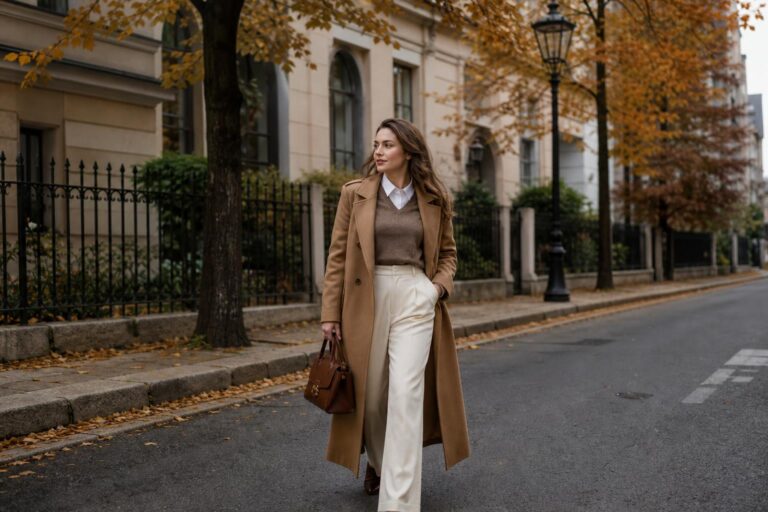
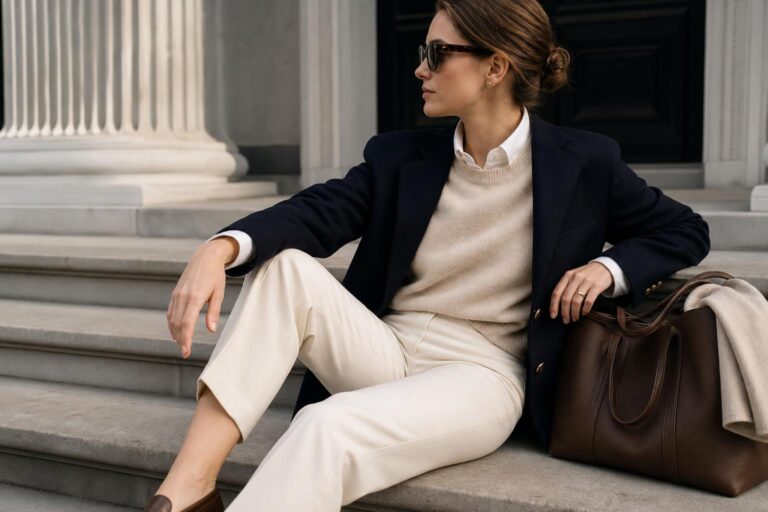
Visually, the silhouette tends to look composed even when it is relaxed. Wide-leg linen trousers still appear intentional because they are paired with a crisp button-down. A polo and midi skirt combination feels understated because the line of the outfit is neat and balanced. A silk slip dress becomes more old money when grounded with a structured cardigan or a refined layer rather than dramatic accessories.
There is also an emotional difference between this look and louder summer fashion. Old money style communicates ease, privacy, and confidence. It does not ask for attention through logos or novelty. Instead, it builds interest through texture contrast, tonal layering, and small visual anchors like cat-eye sunglasses, a silk scarf, or freshwater pearls.

Why old money and quiet luxury overlap, but do not feel identical
Quiet luxury is often the modern lens through which people interpret old money outfits. Both aesthetics favor subtle luxury, premium fabrics, and polished silhouettes. Both resist visible logos. Both make neutral palettes feel rich through texture rather than ornament. But quiet luxury can lean more urban and abstract, while old money style often has a stronger setting attached to it.
Old money summer outfits usually feel tied to a place or occasion. You can picture them in resort towns, at a garden party, in a coastal club setting, or during a summer weekend in the Hamptons. Quiet luxury can exist in those settings too, but it is less dependent on social codes and more focused on modern refinement. In practical terms, that means old money styling often welcomes polos, nautical stripes, woven accessories, or county club cues that quiet luxury might treat more sparingly.
This distinction is useful when building a wardrobe. If your instinct is sleek, minimal, and city-oriented, you may want the quiet luxury side of the spectrum. If you are drawn to Ralph Lauren polish, Burberry heritage references, silk scarves, white skirts, loafers, and coastal preppy structure, the old money direction will feel more authentic.

The wardrobe pillars that make the aesthetic believable
Breathable fabrics do most of the visual work
Linen, silk, cotton, and silk-cotton blends appear repeatedly in strong summer styling for a reason. In heat, fabric behavior becomes visible. Heavy or stiff materials can look forced, while breathable textiles move naturally and create the drape associated with understated luxury. Linen trousers, silk blouses, lightweight cotton shirts, and seersucker-inspired summer structure all support the old money mood without sacrificing comfort.
The key is not simply choosing expensive-looking materials. It is choosing fabrics that hold shape where needed and soften where needed. Linen adds ease. Silk introduces light sheen. Cotton keeps shirts and polos crisp. A textured weave can make a neutral outfit feel layered even when the palette stays narrow.
Tailoring creates the sense of inheritance
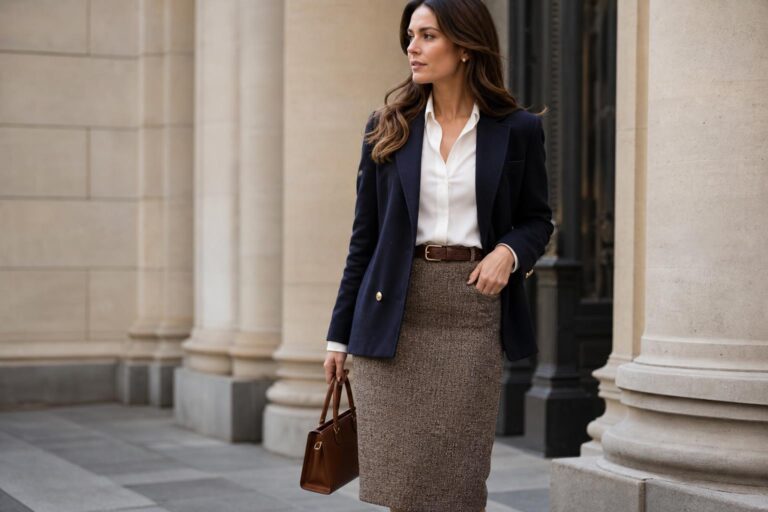
Even the most relaxed version of this aesthetic relies on tailoring. A blazer that sits correctly on the shoulders, tailored shorts with a clean line, a midi skirt with controlled movement, or well-cut trousers can make simple summer outfits look composed. This is why old money style is often easier to recognize than to replicate. The pieces themselves may look basic, but the proportion play is precise.
That precision also explains why logo-heavy clothing often breaks the mood. The visual focus should be silhouette balance, not branding. Heritage brands such as Ralph Lauren, Burberry, and Hermès are often associated with this aesthetic not because the logos matter, but because heritage design language supports the clean, classic line the wardrobe depends on.
The palette stays disciplined, not dull
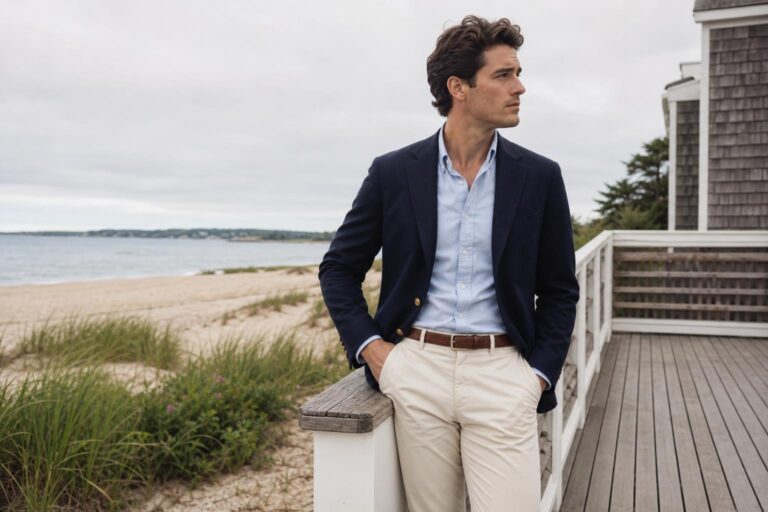
Summer old money outfits usually revolve around white, ivory, cream, camel, navy, and sand neutrals. These shades work because they create continuity across separate pieces. A white shirt and camel trousers look coherent immediately. Navy and cream feel polished without trying too hard. Summer whites suggest resort elegance, while nautical blues connect naturally to yacht club and coastal styling.
What keeps the palette from looking flat is texture. Matte linen against a slight silk sheen, crisp cotton against woven straw, or smooth leather loafers against a soft midi skirt creates depth without adding loud color. The visual effect is expensive because it is controlled.
Accessories are meant to refine, not dominate
Pearls, subtle gold jewelry, cat-eye sunglasses, silk scarves, woven straw accessories, and loafers appear often because they sharpen the mood without overwhelming the outfit. In this aesthetic, accessories act as punctuation. They should support the composition, not replace it.
A silk scarf tied at the neck or on a bag shifts a plain outfit toward European summer polish. Cat-eye sunglasses can add structure to a soft linen look. Pearls soften tailoring. Loafers keep a white shirt and tailored shorts grounded in heritage style, while woven sandals can make a linen dress feel more resort-specific. The principle is always the same: one or two intentional accents are enough.

How the aesthetic behaves in real life
The real test of old money dressing is not whether it looks good in a still image. It is whether the outfit keeps its polish through movement, heat, seating, and long summer days. This is where a lot of trend-driven interpretations fail. They borrow the color palette but not the practical logic.
A garden party outfit, for example, needs breathable fabric, a modest amount of structure, and footwear that can handle outdoor surfaces. A yacht club-inspired look needs crisp lines and sun-ready accessories, but it also needs enough ease to move comfortably. A wedding-guest version should feel elegant and understated, not costume-like or too casual. Old money styling works best when each choice supports both the image and the setting.
This is also why the aesthetic translates well from beach to dinner when done properly. A silk blouse with linen trousers can move between contexts because the core combination already contains both ease and refinement. Add a scarf, change the footwear, introduce a cardigan or blazer, and the outfit gains formality without losing identity.
Outfit logic: the combinations that consistently work
The strongest summer old money outfits are rarely the most complicated. They succeed because each piece has a role in the overall composition. One item creates structure, one creates softness, and one accessory locks in the mood. That formula can be repeated in many ways.
- A white shirt with tailored linen trousers works because the shirt provides crispness while the trousers add relaxed movement.
- A polo with a midi skirt feels country club chic because the sporty top is balanced by a more refined, feminine line below.
- A silk slip dress with a structured cardigan reads polished because the fluidity of the dress is anchored by a controlled layer.
- A linen dress with straw accessories feels coastal and expensive because the palette stays natural and the textures do the talking.
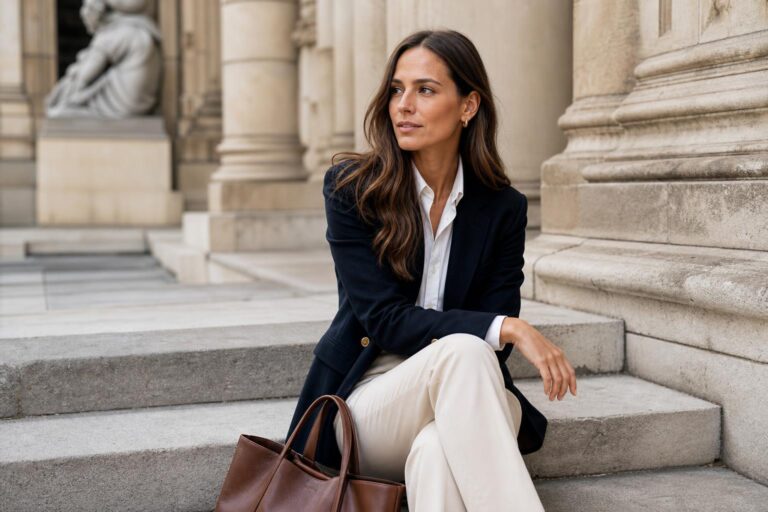
- A blazer with chambray or light denim succeeds when the denim is clean and summer-appropriate, allowing the blazer to add authority without heaviness.
- Nautical stripes with navy bottoms look timeless because the contrast is classic and the maritime reference feels built into the old money world.
These combinations also reveal an important principle: old money style is less about buying many statement pieces and more about refining a few repeated shapes. Once you have a convincing white shirt, a good pair of linen trousers, a navy element, a clean dress, and restrained accessories, the wardrobe begins to build itself.
The white shirt principle
If one piece best explains the aesthetic, it is the white shirt. It appears in editorial guides, shopping-focused articles, and capsule wardrobe conversations because it is both practical and symbolic. Visually, it suggests order. In summer, it reflects light, works with every core neutral, and can shift between tailored shorts, trousers, skirts, and light denim.
The old money version is not overstyled. Sleeves may be softly rolled, the collar may stay crisp, and jewelry should remain minimal. Paired with tailored linen trousers and loafers, it looks heritage-driven. With a white skirt or capri trousers, it leans more East Coast and polished. With a silk scarf and cat-eye sunglasses, it moves toward European coastal sophistication.
Tip: if a white shirt feels too stark, soften the look with ivory, cream, or textured cotton. The old money mood depends on harmony more than on contrast for its own sake.
Country club chic and coastal polish are two different expressions
One reason people struggle with old money style is that it contains multiple sub-moods. Country club chic and coastal polish belong to the same family, but they are not identical. Understanding the distinction helps you choose outfits that fit your life rather than copying images too literally.
Country club chic
This version is built on discipline. Polos, midi skirts, tailored shorts, blazers, white shorts, and loafers are central. The palette often stays around white, navy, cream, and camel. The impression is upright, composed, and quietly social. It works especially well for brunches, daytime gatherings, and settings where a little structure feels appropriate.
Coastal polish
This interpretation relaxes the structure slightly. White linen dresses, woven sandals, straw accessories, silk blouses, and wide-leg trousers feel at home here. The mood is still refined, but it is more fluid and light. Hamptons references, yacht club whites, and European coastal styling sit naturally in this space. It suits vacation dressing, resort wear, and summer dinners near the water.
Neither version is more correct. The choice depends on whether your lifestyle leans more social and polished or more resort-oriented and relaxed. Many of the best wardrobes combine both.
How accessories change the entire mood
In old money dressing, accessories do not merely finish an outfit; they clarify its direction. The same linen dress can feel daytime-casual with woven sandals, or more elevated with a silk scarf and more structured shoe. The same polo and white shorts combination can feel sporty with minimal styling, or distinctly heritage with loafers and pearls.
- Pearls add softness and social polish, especially with shirts, blouses, and simple dresses.
- Cat-eye sunglasses sharpen the face and make relaxed summer fabrics feel more deliberate.
- A silk scarf introduces a heritage note that immediately shifts an outfit toward old money rather than basic minimalism.
- Loafers make tailored shorts and trousers feel grounded and classic.
- Woven straw accessories help linen and cotton outfits feel seasonal without becoming overly bohemian.
The mistake to avoid is stacking too many signals at once. Pearls, a scarf, dramatic sunglasses, and multiple visible accents can push the look into styling exercise territory. One strong accessory category is often enough.
Where these outfits actually belong
The aesthetic becomes easier to interpret when attached to real occasions. Summer old money outfits are especially effective because they adapt well to social settings that already reward polished understatement.
Garden parties
For a garden party, light colors and breathable fabrics matter because the event usually unfolds outdoors and over several hours. A linen dress with subtle jewelry, a silk blouse with tailored trousers, or a midi skirt with a refined polo works because each look feels elegant without stiffness. Movement matters here. The outfit should hold shape while still feeling easy when seated, walking, or standing on grass.
Yacht club and coastal gatherings
This is where crisp whites, navy accents, and nautical references feel most natural. A white shirt with navy bottoms, a white linen dress with woven accessories, or striped elements anchored by tailored separates fit the setting. The logic is visual clarity: strong sunlight and open-air environments favor clean lines and a disciplined palette.
Summer weddings and RSVPs
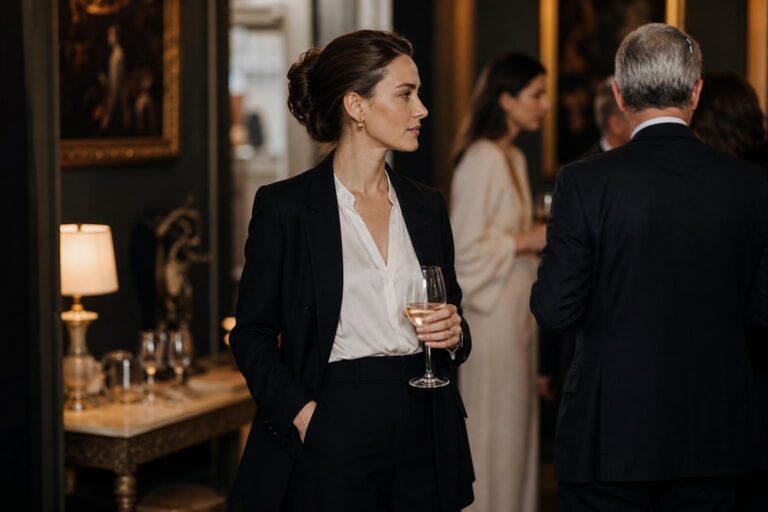
An old money interpretation of wedding-guest dressing is understated and fabric-led. Silk, refined tailoring, and minimal accessories are more effective than overt drama. A slip dress with a structured cardigan, a polished dress in a soft neutral family, or an elegant blouse-and-skirt combination can all work. The key is to look considered, not attention-seeking.
Brunch, travel, and day-to-evening dressing
This is where versatility matters most. Tailored shorts with a crisp blouse, capri trousers with a button-down, or wide-leg linen pants with a cable knit top can move from casual daytime to a more elevated dinner with only small adjustments. Add sunglasses, swap shoes, or layer a blazer or cardigan, and the outfit changes mood without losing coherence.
The key visual difference between polished and costume-like
Many outfits use the right ingredients yet still miss the old money feeling. The issue is usually not the pieces themselves. It is the styling pressure. When too many signifiers appear together, the look stops reading as lived-in elegance and starts looking intentionally themed.
A polo, white shorts, loafers, pearls, a silk scarf, and oversized sunglasses may all belong to the same visual universe, but not necessarily in the same outfit. Real sophistication comes from editing. One heritage cue, one structured piece, one seasonal texture, and one subtle accessory often create a much stronger result than a fully loaded interpretation.
Tip: if an outfit feels overworked, remove the most obvious accessory first. The clothing should carry most of the message on its own.
Budget versus heritage: how to make the look credible
Old money style can easily become expensive if approached through labels alone, but the aesthetic itself does not require a fully heritage wardrobe. In fact, one of its central philosophies is buy less, buy better. That principle can be interpreted at different price levels as long as the priorities remain the same: fabric, fit, color discipline, and classic silhouettes.
Heritage brands like Ralph Lauren, Burberry, and Hermès carry strong associations because they have built recognizable wardrobes around polos, tailoring, scarves, trench heritage, and classic accessories. But the visual effect comes from the design language, not from collecting brand names for status. A well-cut linen trouser in the right shade will usually do more for the outfit than a heavily branded piece in the wrong shape.
- Invest first in the pieces that anchor multiple outfits: a white shirt, linen trousers, a refined dress, loafers, and a neutral blazer or cardigan.
- Choose breathable fabrics over decorative details. Texture reads more convincingly than embellishment.
- Keep the palette tight so affordable pieces look intentional together.
- Use accessories selectively. One silk scarf or one pair of structured sunglasses can elevate simple basics.
- Prioritize tailoring. Even budget-friendly pieces look stronger when the fit is clean.
This is also where resale and careful shopping make sense within the aesthetic’s logic. The goal is not abundance. It is coherence.
Body proportion, movement, and why silhouette balance matters
One of the less discussed strengths of old money summer dressing is that it can adapt well across ages and body shapes because it is based on silhouette principles rather than trend-specific cuts. Wide-leg linen trousers, midi skirts, structured shirts, and softly defined dresses offer room for adjustment. The visual goal is balance, not uniformity.
For some, a polo with a midi skirt creates a strong vertical line and gentle waist definition. For others, a white shirt with tailored shorts feels sharper and more practical. A slip dress may benefit from the structure of a cardigan if more visual control is needed through the torso or shoulder line. These are not strict rules, but they explain why some old money outfits immediately look polished while others feel unfinished.
Comfort also matters. Summer clothing must perform under heat and humidity. An outfit that looks elegant but wrinkles badly in motion, clings awkwardly, or feels too delicate for the day can quickly lose the refined impression it had at the start. The best choices allow for natural movement and maintain shape through real wear.
Style psychology: why this aesthetic resonates
The appeal of old money summer style goes beyond clothing categories. It offers a visual escape from excess. In a fashion environment shaped by rapid trend cycles, this aesthetic promises consistency. Its language is easy to recognize: neutral palettes, heritage cues, polished restraint, and the sense that nothing is trying too hard.
That is also why social media often amplifies it. The look photographs well because clean silhouettes and tonal outfits read instantly. But its deeper appeal is psychological. It suggests control, ease, and good taste without obvious display. For many people, especially those building a long-term wardrobe, that feels more relevant than a short-lived trend.
At the same time, the aesthetic should not be treated as rigid. The most convincing version is the one that fits your actual life. A person who spends summer weekends at brunches and city dinners may need a more tailored interpretation. Someone dressing for resort travel or coastal vacations may lean into linen dresses, woven accessories, and softer layering. Both can still belong to the same visual family.
Easy ways to blend old money with your existing wardrobe
You do not need to rebuild your closet to make this aesthetic work. In most cases, the shift happens through editing and recombination. Existing basics can move toward old money style when paired with the right textures, proportions, and accessories.
- Swap loud prints for solid neutrals and let texture create interest.
- Replace casual summer tops with a crisp button-down, silk blouse, or refined polo.
- Trade heavily branded bags or shoes for cleaner loafers, woven sandals, or understated accessories.
- Add one heritage-coded detail such as a silk scarf, pearls, or cat-eye sunglasses.
- Build around white, navy, cream, and camel so separate pieces work together more easily.
This approach makes the look more wearable because it keeps familiar clothing in rotation. It also prevents the wardrobe from feeling overly referential. Personal style should still be visible inside the aesthetic.
Common mistakes that make summer old money outfits fall flat
The most common mistake is confusing neutrality with refinement. Beige alone does not create an old money outfit. Without structure, quality-looking fabric, or a clear visual anchor, the result can feel plain rather than polished. The second mistake is overcommitting to the theme through too many obvious references at once.
Another frequent problem is ignoring climate logic. Summer dressing must account for heat, humidity, and movement. If the outfit looks composed only in still indoor conditions, it will not deliver the intended effect outside. Breathable fabric choices, realistic footwear, and controlled layering are what make the aesthetic convincing in practice.
Tip: when evaluating an outfit, ask three questions. Does the silhouette feel balanced? Does the palette feel calm and cohesive? Would this still look polished after several hours in summer weather? If the answer is yes to all three, the outfit is probably on the right track.
Which pieces are most versatile across the season
Not every old money item works equally hard. Some pieces carry the aesthetic across far more situations than others. These are the ones worth prioritizing if you want a wardrobe that can move between casual brunches, garden parties, travel days, and more formal RSVPs.
- White button-down shirt
- Tailored linen trousers
- Neutral midi skirt
- Refined polo shirt
- Silk blouse or slip dress
- White or cream linen dress
- Loafers or elegant woven sandals
- Structured cardigan or light blazer
- Silk scarf
- Cat-eye sunglasses or simple pearl jewelry
Together, these pieces support many outfit formulas without making the wardrobe repetitive. More importantly, they hold the same visual values across different situations: clean lines, breathable textiles, and understated refinement.
Final perspective: timeless does not mean rigid
The real beauty of summer old money outfits is not that they follow one strict formula. It is that they create a recognizable mood through consistency of fabric, proportion, and restraint. Whether your version leans toward country club chic, European coastal polish, yacht club whites, or a modern quiet luxury interpretation, the visual identity remains rooted in ease and control.
Once you start noticing the difference between a simply neutral outfit and one that is genuinely composed, the aesthetic becomes much easier to read. A crisp shirt, linen movement, a navy anchor, a pearl accent, a silk scarf, a disciplined palette: these details do not need to be worn all at once. They just need to work together with intention.
The most convincing old money wardrobe is the one that feels lived in rather than performed. Keep the styling precise, let the fabrics breathe, and allow your own habits, climate, and occasions to shape the final expression.

FAQ
What is the old money aesthetic in summer?
In summer, the old money aesthetic centers on breathable fabrics, classic tailoring, neutral and navy-based palettes, and understated accessories. It favors linen, silk, cotton, white shirts, polished dresses, loafers, pearls, and quiet styling over obvious logos or trend-heavy details.
Which fabrics work best for summer old money outfits?
Linen, silk, cotton, and silk-cotton blends work especially well because they breathe in heat and create the soft yet refined drape associated with this aesthetic. The best choices combine comfort with structure, so the outfit stays polished even in warm weather.
How do I make old money outfits work in heat and humidity?
Focus on lightweight fabrics, clean silhouettes, and minimal layering. A white shirt with linen trousers, a linen dress with woven accessories, or a silk blouse with tailored shorts keeps the outfit visually polished while remaining realistic for summer conditions.
What colors define summer old money style?
The core palette usually includes white, ivory, cream, camel, sand, and navy. These shades create a calm, expensive-looking base, especially when paired through tonal layering and texture contrast rather than bold prints or high-saturation color blocking.
Are quiet luxury and old money style the same thing?
They overlap, but they do not feel identical. Quiet luxury is broader and often more modern or urban, while old money style usually carries stronger heritage cues such as country club polish, yacht club references, coastal preppy details, and a more traditional wardrobe structure.
Can I achieve this look on a budget?
Yes, as long as you prioritize fit, fabric appearance, and color discipline over labels. A well-cut white shirt, tailored linen trousers, a neutral dress, and restrained accessories can create the effect without relying on a fully heritage-brand wardrobe.
What shoes fit the old money summer aesthetic best?
Loafers are one of the strongest options because they reinforce the heritage element of the look. Woven sandals can also work well with linen dresses and coastal outfits, especially when the overall styling remains clean, refined, and understated.
What are the easiest old money outfits to start with?
Start with a white shirt and tailored linen trousers, a polo and midi skirt, or a white linen dress with simple accessories. These combinations are easy to wear, visually clear, and strong enough to establish the aesthetic without overcomplicating the outfit.
What accessories make the biggest difference?
Pearls, cat-eye sunglasses, silk scarves, loafers, and woven seasonal accessories have the strongest impact. Used selectively, they give simple summer outfits a more heritage-driven, polished identity without making the styling feel overdone.
How can I tell if my outfit looks polished rather than costume-like?
A polished outfit feels balanced, breathable, and edited. If the silhouette is clean, the palette is cohesive, and the accessories are restrained, the look will usually read as intentional. If too many obvious old money signals appear at once, the outfit can start to feel forced.