From Pinterest to Outfit Formulas: Moodboard Fashion Collage That Wear Well
Moodboard fashion collage: two visual languages that shape how you dress
A moodboard fashion collage looks deceptively simple: a few images, a color story, maybe a fabric swatch or two. Yet in practice, most people are navigating two different “collage languages” without realizing it. One approach is atmospheric—built to capture a feeling. The other is system-driven—built to define a wardrobe plan. They sit next to each other on Pinterest, they often share the same imagery, and they get talked about as if they’re interchangeable.
This is why so many fashion mood boards feel inspiring but don’t translate into outfits, while other boards feel organized but visually flat. The difference isn’t your taste—it’s the structure of the collage itself. In this style breakdown, you’ll learn to separate and compare two core approaches: the editorial fashion moodboard (emotion-first) and the fashion collection moodboard (product-first). You’ll also see how collage style decisions—layout, cropping, repetition, and texture contrast—change what your board communicates and how effectively it guides your styling.
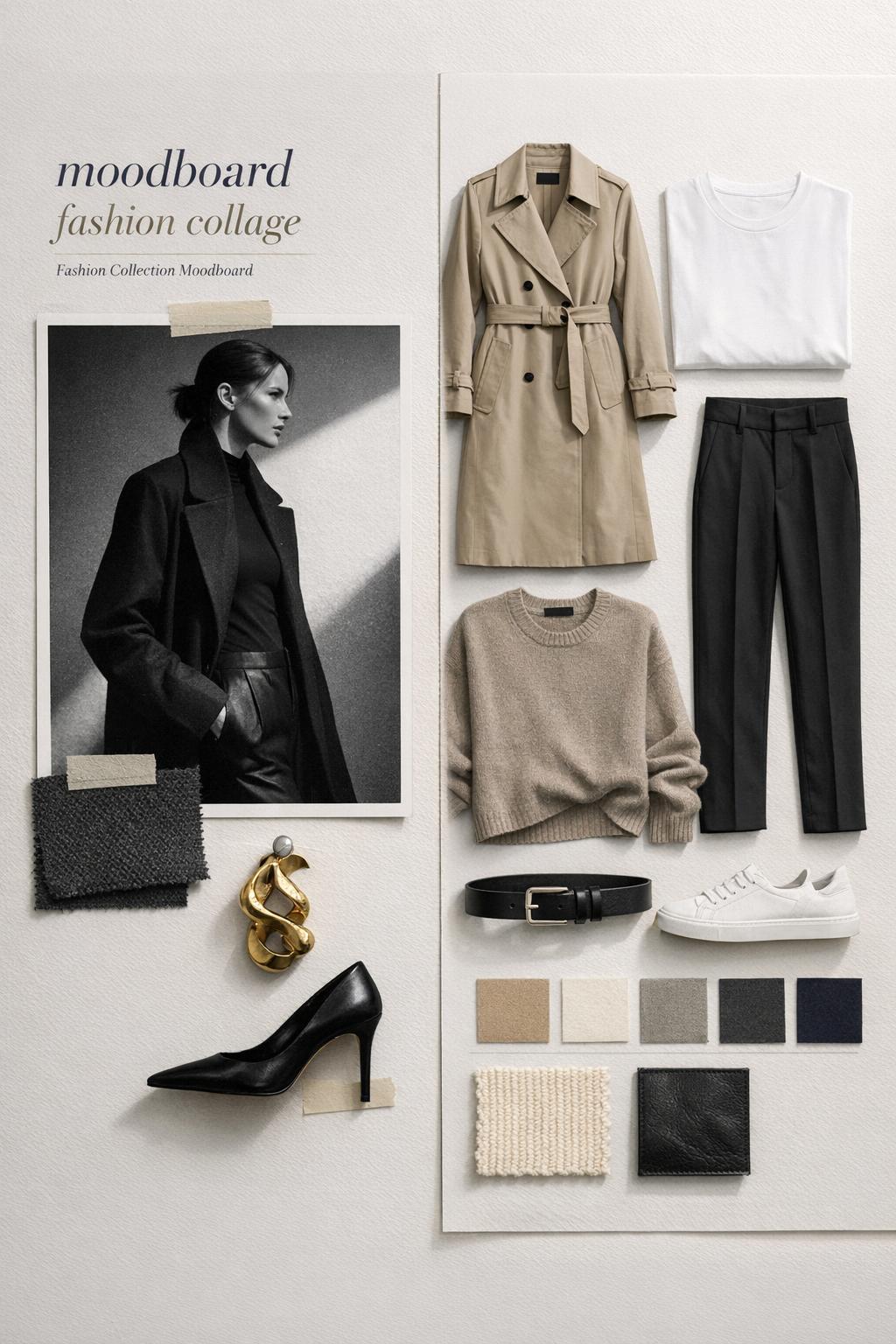
Consider this an intelligence report for your closet: what each type of board is designed to do, how to read it, when to use it, and how to combine both so your fashion moodboard inspiration turns into outfits you can actually wear.
Style overview: the editorial fashion moodboard (emotion-led collage style)
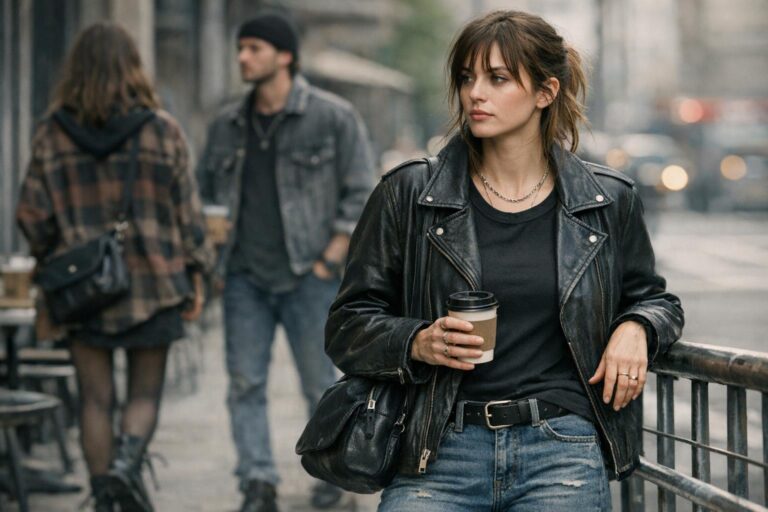
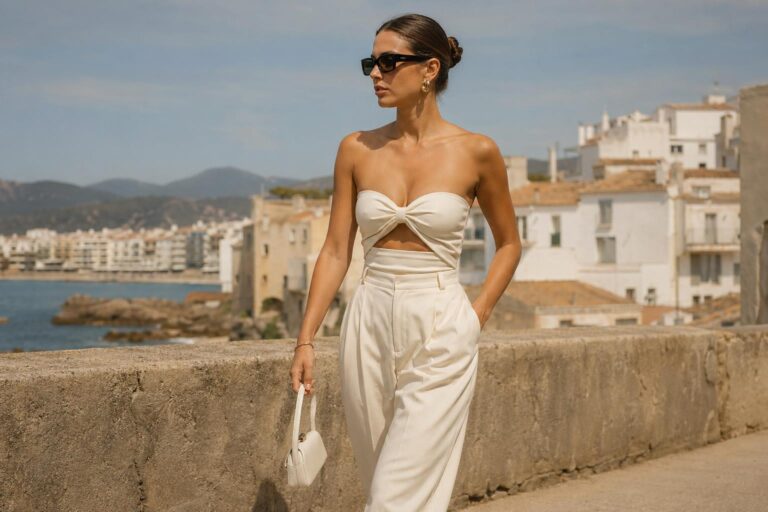
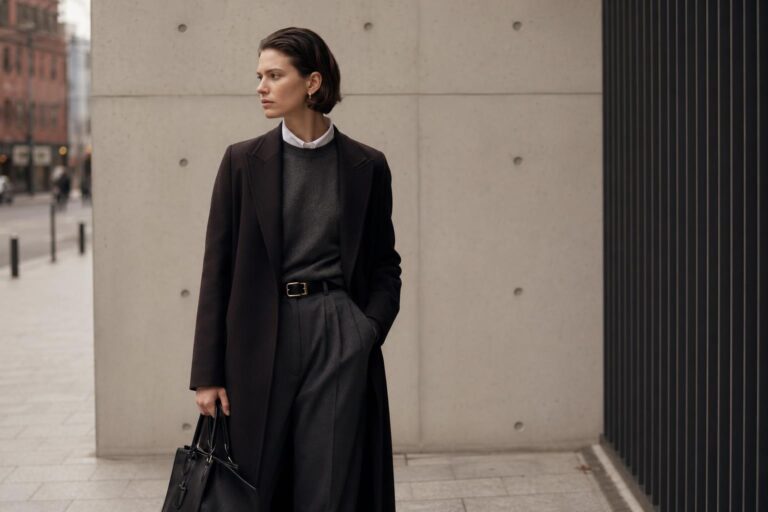
An editorial fashion moodboard is built like a magazine page: it prioritizes mood, atmosphere, and visual impact. This collage style tends to lean on model imagery, dramatic lighting, cinematic settings, beauty details, and strong composition. The point is not to list the exact items you own—it’s to define the aesthetic gravity that pulls your styling decisions in one direction.
Found the dress? Keep the rest in one place.
Zarellea brings guest details, vendors, timelines, and every next step together — so your wedding plan feels as good as your look.
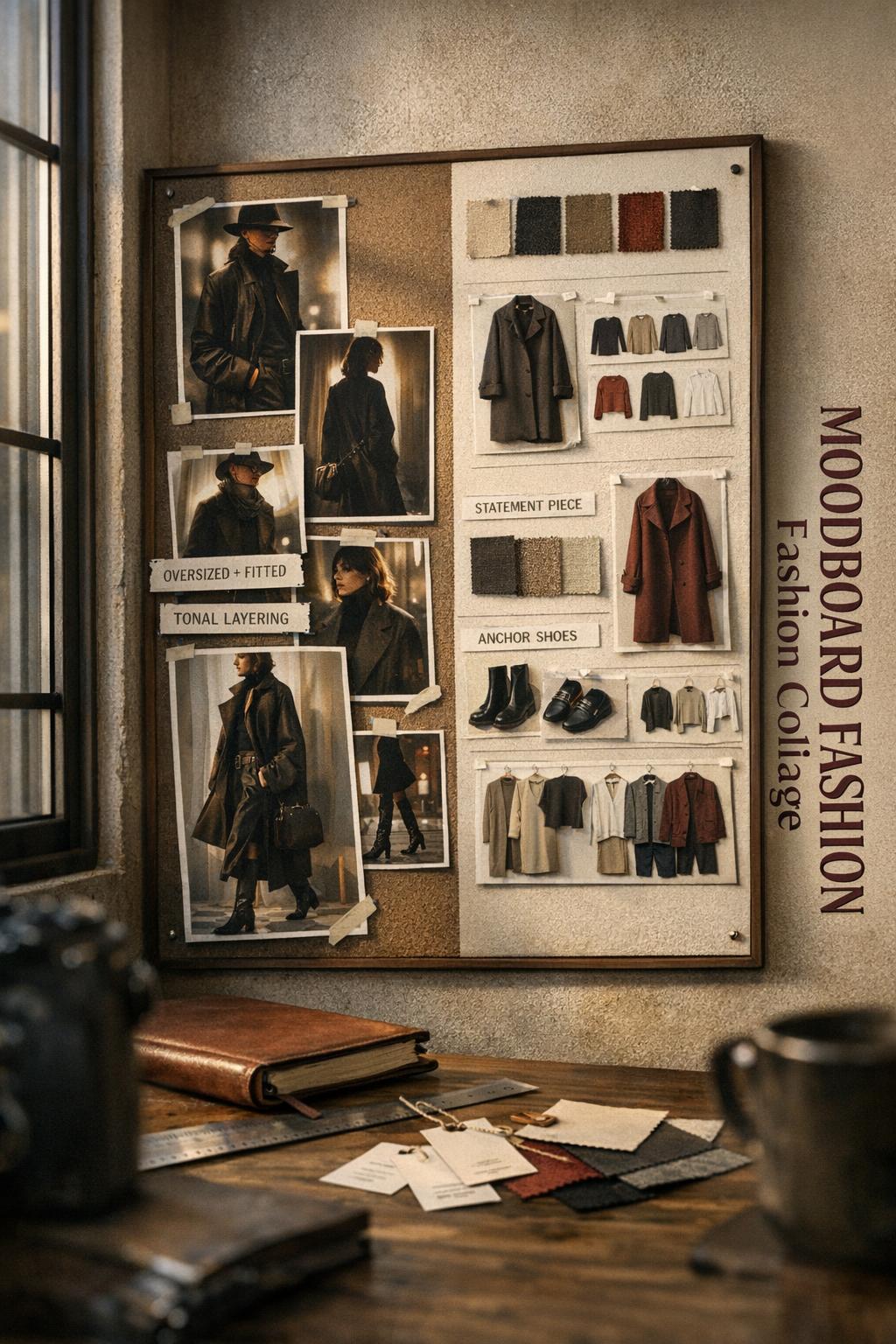
Defining characteristics are usually high-contrast references and a clear “visual thesis.” You might see repeating shapes (sharp shoulders, long lines, oversized proportions), or repeating styling cues (tonal layering, one statement piece per look, a consistent balance of structure versus softness). The board functions like a north star: it tells you what the look should feel like, even when the exact garment changes.
Silhouette cues are typically bold and simplified: the collage favors readable outlines over technical detail. Color often shows up as a controlled palette—whether that’s neutrals, saturated tones, or a seasonal palette—because an editorial board needs cohesion at a glance. Texture is communicated visually (shine vs matte, crisp vs draped) through photography rather than close-up fabric documentation.
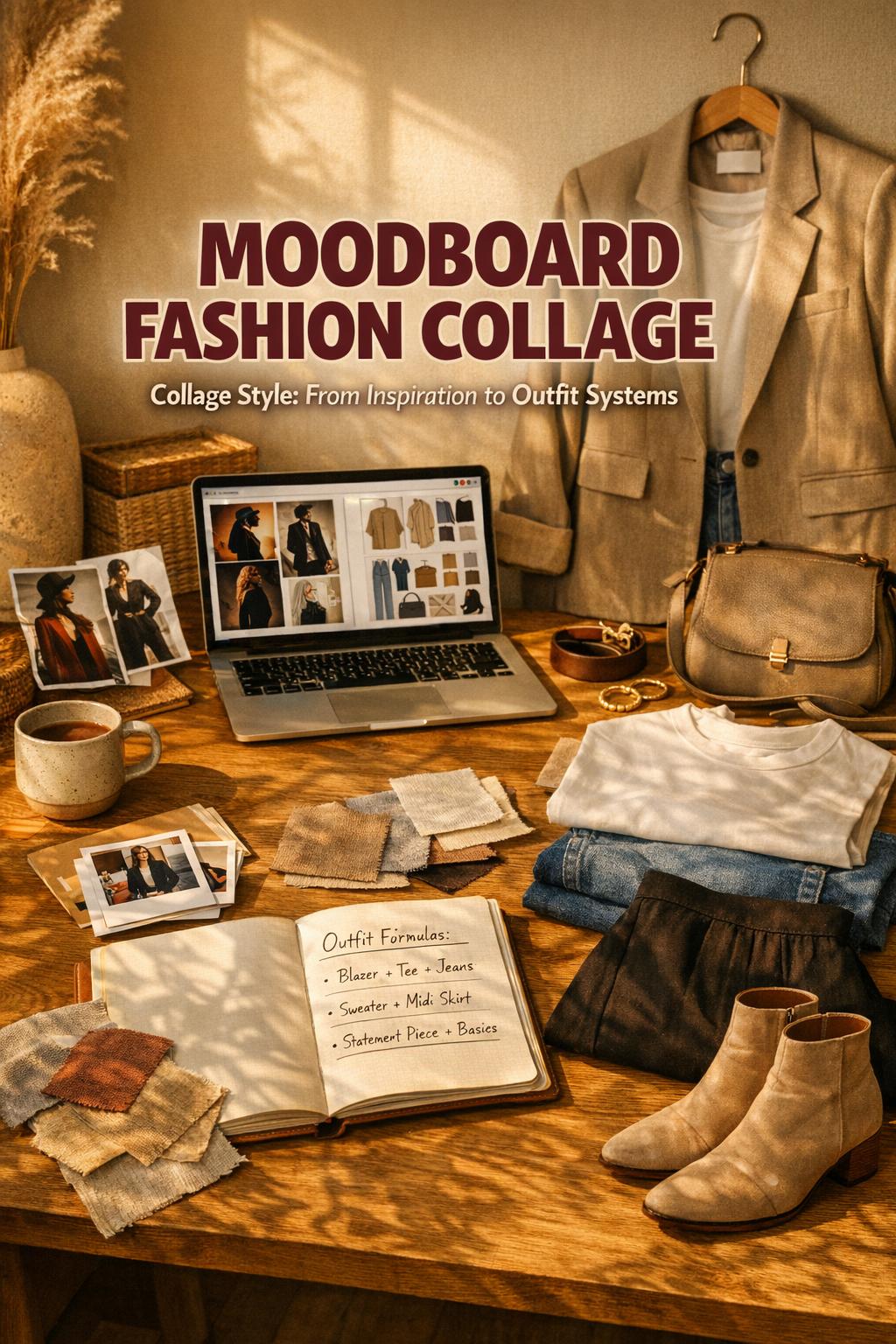
Style overview: the fashion collection moodboard (product-led wardrobe blueprint)
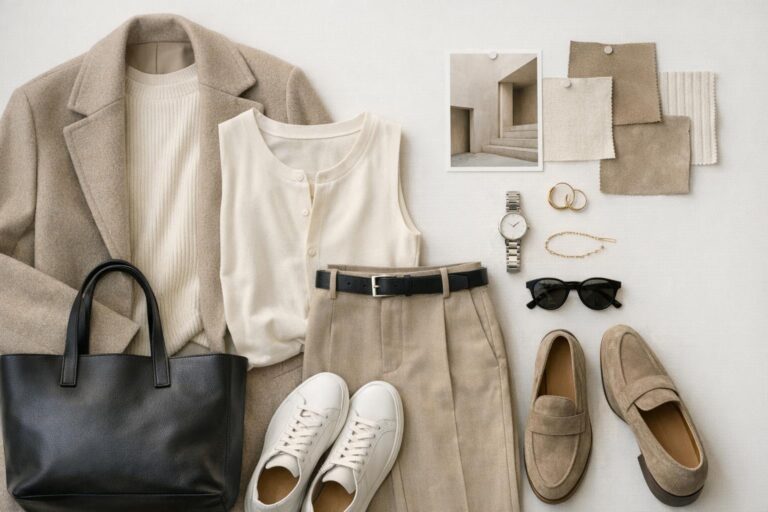
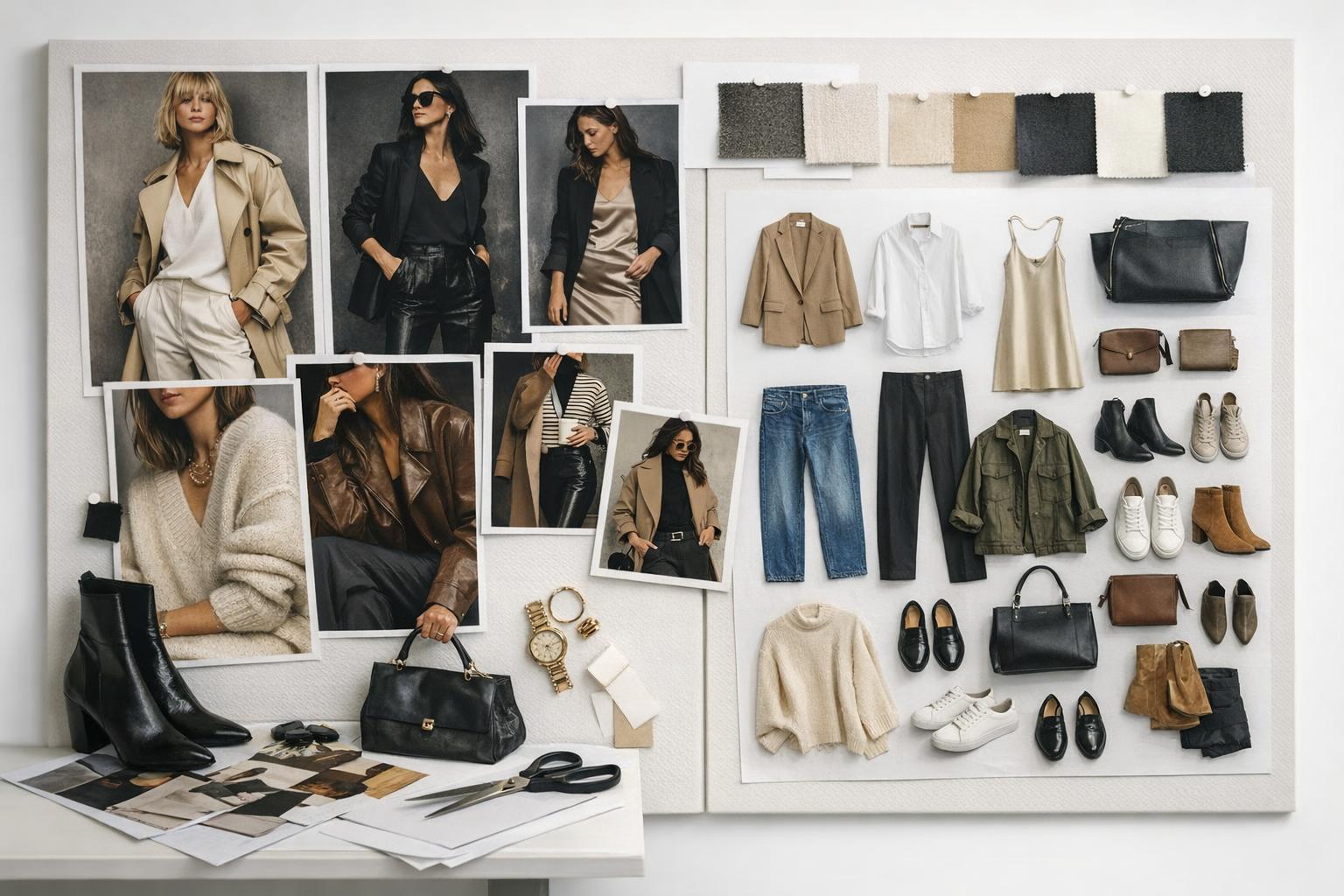
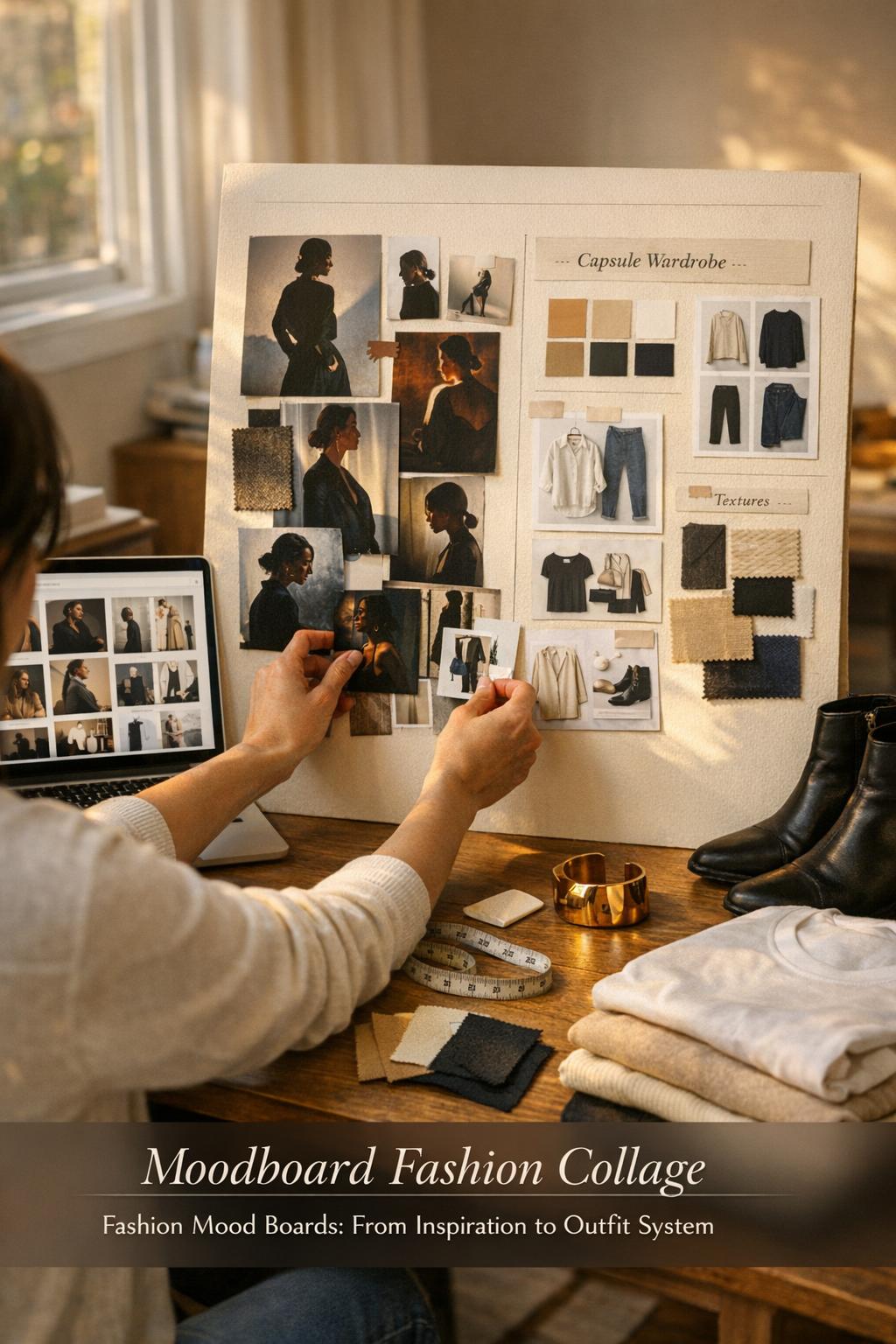
A fashion collection moodboard is built to translate. Instead of only conveying mood, it anchors the aesthetic to tangible pieces and repeatable outfit formulas. Think of it as a planning document: still visually curated, but more specific about garments, materials, and how items work together.
Defining characteristics include more product-focused imagery: clear shots of garments, accessories, footwear, and sometimes fabric textures or details that affect fit and wear. The mood still matters, but it’s routed through function—what you would actually buy, pack, tailor, or reach for on a Tuesday morning.
Silhouettes are described through categories and proportion play: straighter vs more sculpted shapes, cropped vs elongated lines, fitted vs oversized layers. Color is typically shown as an intentional capsule—fewer shades, more repeatability. Fabrics and textures are treated as decision-making tools because they determine comfort, movement, and how polished the outfit reads across a day.
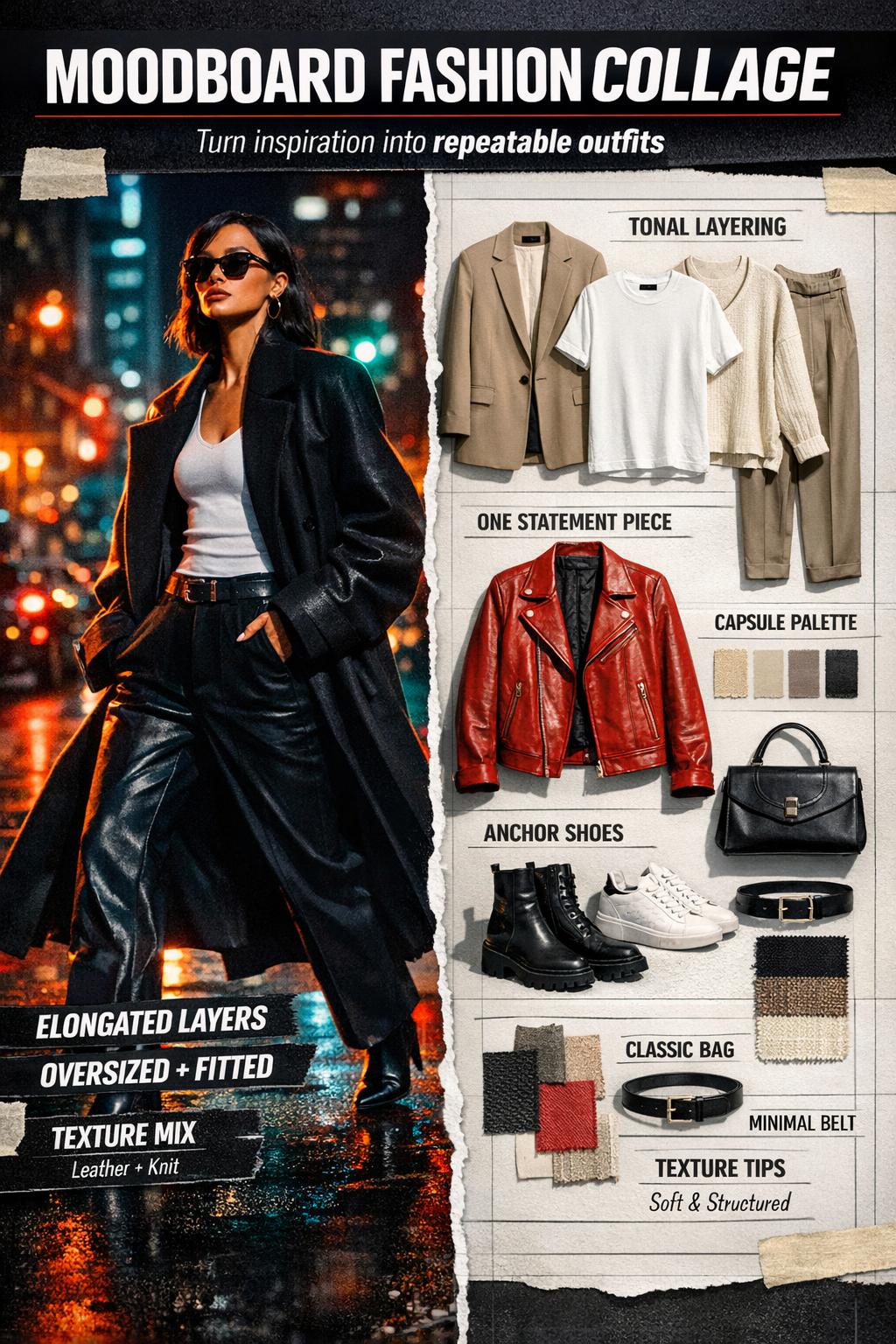
Why they get confused (and why that confusion matters)
These two approaches are constantly mixed under the same label—fashion mood boards—because both can look aesthetically “complete” on screen. Both use collage style techniques like layering images, repeating motifs, and building a palette. Both can include runway-like references and everyday outfit shots. And both can be shared as fashion moodboard inspiration even when their purpose is totally different.
The confusion becomes a real styling problem when you expect one type of board to do the job of the other. An editorial fashion moodboard may be perfect for capturing an aesthetic, but weak at telling you what to wear. A fashion collection moodboard may be excellent for outfit composition, but less effective at maintaining a clear mood if it’s built like a shopping list. Knowing which tool you’re holding saves time, reduces wardrobe impulse buys, and makes your collage actually usable.
Key differences: mood signal vs wardrobe system
1) Silhouette and structure
The editorial fashion moodboard communicates silhouette through impact: you read the outline before you read the garment. That means strong proportion cues—sharp vs soft, oversized vs fitted, elongated vs cropped—tend to dominate the collage. The board is successful if you can describe the shape language in a single sentence.
The fashion collection moodboard communicates silhouette through repeatability: it shows how certain cuts will recur across outfits. Instead of just “long and fluid,” it becomes “a long outer layer that works over slim or straight bases,” or “a structured top that anchors softer bottoms.” The structure is less cinematic, more modular.
2) Color palette discipline
Editorial boards tend to treat color as emotional temperature. They often rely on tonal layering or a strong contrast story to create a coherent atmosphere, even if the exact hues vary between images. The palette is a mood cue first.
A fashion collection moodboard treats color as a system. The palette is usually tighter because its job is to help pieces mix easily. This is where a board shifts from “inspiration” to “decision tool”: fewer colors, more combinations, fewer dead-end items.
3) Fabric, texture, and wearability
Editorial fashion moodboards show texture as a visual effect—shine, drape, crispness—because the image’s lighting and styling do much of the work. This is powerful for communicating vibe, but it can hide practical issues like wrinkles, itch, or restricted movement.
A fashion collection moodboard makes texture contrast more literal. It’s more likely to highlight how materials behave in real life—what looks sharp for work, what moves comfortably for travel, what layers without bulk. The collage is less about fantasy, more about fabric behavior and the reality of wearing the look for hours.
4) Styling philosophy
The editorial approach is narrative: it builds an aesthetic world. The styling philosophy is “does this image reinforce the mood?” Outfit logic is implied, not always spelled out.
The fashion collection moodboard is strategic: it builds a wardrobe map. The styling philosophy is “does this piece earn its place by combining well?” Outfit logic is explicit, because the board is meant to be used as a reference for real decisions.
Visual style breakdown: how each collage reads in everyday outfits
Layering approach
Editorial boards often feature layering as drama: long over short, oversized over fitted, or tonal layering that creates depth on camera. Translating this to daily wear means focusing on silhouette balance—ensuring one layer acts as the visual anchor while the rest supports it.
Fashion collection boards treat layering as function: layers that can be removed, added, or repeated across settings. The visual goal is still cohesion, but the practical goal is range—work, weekend, and travel without rebuilding the closet.
Garment proportions
In an editorial fashion moodboard, proportion play is often the headline. You’ll see extreme length, sharp cropping, or high volume. In real outfits, the most wearable translation is to keep the proportion idea but soften the extremes—one exaggerated element at a time, supported by quieter shapes.
In a fashion collection moodboard, proportions are optimized for repeat. A consistent base silhouette—straight, slim, or relaxed—makes it easier to rotate tops and layers without losing the overall aesthetic mood. The collage reads as “outfit formulas,” not just striking images.
Accessories and footwear logic
Editorial collages often use accessories as punctuation: a single statement element that completes the mood and creates a focal point. The risk is that the accessory becomes the whole look, which can make daily styling feel costume-like if the rest of the outfit isn’t grounded.
Fashion collection moodboards treat accessories and footwear as infrastructure: repeated shapes and finishes that make the wardrobe cohesive. The visual effect is quieter but more reliable. The styling logic is “repeat the same few anchors so outfits look intentional, not accidental.”
What your board is really saying: a quick diagnostic
Before you add more images, read your current moodboard fashion collage like an editor. Is it communicating a world, or building a wardrobe? Both are valid—misalignment is what creates frustration.
- If your collage is heavy on faces, lighting, and cinematic settings, it’s likely editorial (emotion-led).
- If your collage is heavy on clear garment shots, repeats of similar items, and mix-and-match potential, it’s likely a fashion collection moodboard (system-led).
- If it’s 50/50, check whether the images agree on silhouette; mixed silhouettes often signal “inspiration without direction.”
- If you can describe your palette but not your shapes, your board is color-led; if you can describe your shapes but not your palette, your board is silhouette-led.
This diagnostic matters because it changes what you should add next. An editorial board that’s failing to translate usually needs a few “bridge” images: outfit-level references with clear proportions. A fashion collection board that feels dull usually needs a few “mood amplifiers”: imagery that locks in the aesthetic mood so the system doesn’t feel purely utilitarian.
Tips: building a collage style that doesn’t fall apart off-screen
Tip 1: limit your collage to one primary silhouette story
The fastest way to make fashion mood boards unusable is mixing contradictory proportion stories in the same grid. Pick one primary silhouette direction—elongated, cropped, oversized, or sharply structured—and let everything else support it. This doesn’t reduce creativity; it increases clarity. You can still explore variety, but your outfits will have a consistent backbone.
Tip 2: use repetition on purpose, not by accident
Repetition is how a collage becomes a system. Repeat a shape, a texture contrast, or a styling cue across multiple images. When repetition is intentional, your brain starts building outfit formulas automatically: the same proportion logic, the same balance of structure vs softness, the same tonal layering approach.
Tip 3: add “reality check” images to protect wearability
Editorial fashion moodboard inspiration often ignores friction: long days, temperature shifts, movement, sitting, commuting. Insert a few images that reflect the situations you actually dress for. The board stays stylish, but your choices become grounded—especially when fabric behavior and comfort are part of the visual story.
Outfit example comparisons: translating the same situation two ways
The goal here isn’t to list a “perfect outfit.” It’s to show how each board type makes decisions—what it emphasizes, what it edits out, and how the final outfit composition changes.
Example comparison: casual day, coffee to errands
The editorial fashion moodboard approach prioritizes a clean, readable silhouette and a strong visual anchor. The outfit logic is: one dominant shape (for example, a long line or an oversized outer layer) balanced by a quieter base. The styling choices lean into tonal layering so the look reads cohesive even when it’s casual.
The fashion collection moodboard approach prioritizes repeatable components: a base you can duplicate, a layer that elevates without effort, and footwear that can handle walking. The logic is: build a reliable formula, then swap one element to adjust the mood. It’s less about dramatic impact and more about consistency across multiple wears.
Example comparison: polished work setting
The editorial approach tends to amplify structure. It will push toward sharper lines, more contrast, and a stronger “finished” impression—even if the outfit is built from simple pieces. The board’s influence shows up in silhouette balance: crisp elements act as the visual framework, and softer textures are used as controlled contrast.
The fashion collection moodboard approach focuses on reliability under real conditions: sitting, meetings, changing temperatures, long hours. It typically builds a capsule logic—pieces that coordinate without overthinking. The outfit composition is designed to look intentional from morning to evening, not just in a single photo.
Example comparison: travel day and unpredictable weather
An editorial fashion moodboard can make travel style look effortless, but the translation requires editing. The styling logic should focus on one signature element from the collage—like an elongated layer or a consistent palette—then prioritize comfort and movement so the look doesn’t collapse under real wear.
A fashion collection moodboard is naturally strong here because it’s built around modularity. The logic becomes: layers that work together, footwear that supports distance, and a palette that keeps the outfit cohesive even if you remove or add items throughout the day. The collage is effectively a packing plan.
When to choose each style (and when to combine them)
Choose an editorial fashion moodboard when you need aesthetic clarity
If your style feels scattered, an editorial board helps you define the mood you want to project. It’s especially useful when you’re drawn to many different looks but want a cohesive identity. The limitation is that it can stay in the realm of imagery unless you intentionally add bridge references that show wearable proportions.
Choose a fashion collection moodboard when you need wardrobe efficiency
If you want fewer decisions and more outfits that work, a fashion collection moodboard is the better tool. It supports shopping restraint and outfit repeatability because it forces you to see the system: palette, silhouettes, and how pieces combine. The limitation is that it can become overly practical unless you keep the aesthetic mood alive with a few high-impact references.
Combine them when you want both identity and execution
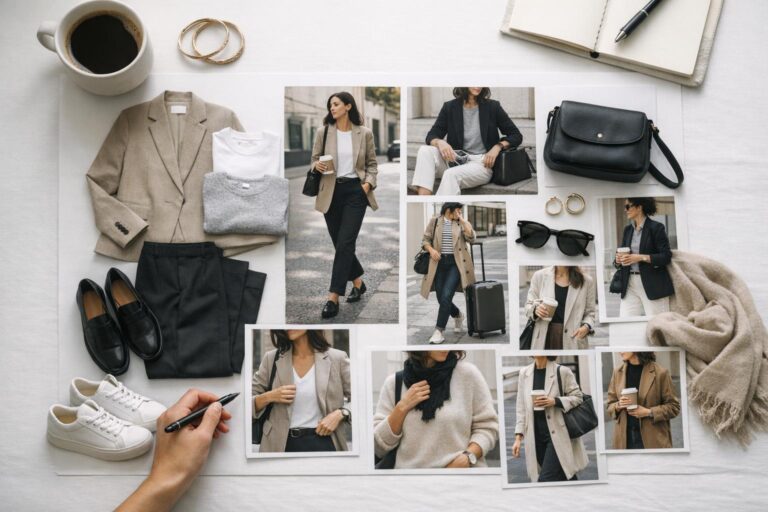
The most functional moodboard fashion collage often has two layers: an editorial top line (the “why” and the mood) and a collection layer (the “how” and the wardrobe plan). The combination is what turns fashion moodboard inspiration into daily styling behavior—your outfits stay coherent, but they also stay livable.
Common collage mistakes that dilute your style message
Mixing aesthetics without a unifying rule
It’s normal to like more than one style, but a collage needs a unifying rule to stay readable. Without one, your board becomes an inspiration dump. A unifying rule can be silhouette, palette, or a consistent texture contrast—anything that creates a through-line across images.
Overloading the palette
When a board includes too many competing colors, your eye can’t find the aesthetic center. Editorial boards can handle a little more variety because mood can be carried by lighting, but fashion collection moodboards typically perform better with a controlled palette. A smaller seasonal palette creates more outfits with fewer items.
Choosing images that don’t match your real life
A board can be beautiful and still be wrong for you. If the collage assumes a lifestyle you don’t live—constant formalwear, unrealistic layering, or all-day discomfort—your outfits won’t follow it. The fix isn’t lowering your taste; it’s adding realistic context images so the board reflects your actual days.
How stylists make fashion mood boards actionable
Professional thinking—whether you’re building a fashion moodboard for personal style or a fashion collection moodboard for a planned wardrobe—usually comes down to translation. Stylists mentally convert images into rules: proportion, palette, and anchors. This is the step that separates a pretty collage from a useful one.
- Define your anchors: the recurring items or visual elements that stabilize every look (a consistent silhouette base, a repeated shoe profile, a predictable layer).
- Identify your statement piece strategy: whether you use one hero element per outfit or prefer a quieter, tonal approach.
- Set a texture contrast rule: pair structure with softness, matte with shine, or crisp with drape so outfits look intentional.
- Create a swap system: one element changes the mood (a layer, a shoe, an accessory) while the rest stays consistent.
This is also where the collage style matters. Cropping, spacing, and repetition aren’t decoration—they’re how you train your eye. A board that repeats the same proportion across multiple images teaches you a silhouette instinct you can use in the mirror.
A U.S. reality check: building boards for climate swings and dress codes
U.S. wardrobes often face two practical pressures at once: wide climate variation and mixed dress codes. That’s where many fashion mood boards fail—especially if the collage is copied from imagery that assumes consistent weather or a single type of day. Your board becomes dramatically more useful when it accounts for these real constraints.
For an editorial fashion moodboard, climate reality means choosing mood images that still show functional layering and footwear you can move in. For a fashion collection moodboard, it means ensuring your capsule logic includes temperature control: layers that can be removed, fabrics that don’t feel punishing indoors, and a palette that still looks cohesive when outerwear enters the outfit composition.
This is also where “polished vs casual” becomes a spectrum, not a binary. A board that includes both levels—without changing the core silhouette story—helps you navigate offices with flexible dress codes, weekend plans, and travel without building separate wardrobes.
Conclusion: the core distinction to look for
The editorial fashion moodboard is a mood signal: it defines aesthetic direction through atmosphere, silhouette impact, and visual cohesion. The fashion collection moodboard is a wardrobe system: it translates that direction into repeatable outfits through palette discipline, modular pieces, and wearability.
You can identify the difference by asking one question: does this collage help me feel the style, or does it help me build the style? The strongest moodboard fashion collage usually does both—an editorial layer for identity, and a collection layer for execution—so your fashion moodboard inspiration becomes a consistent, livable way of dressing.
FAQ
What is a moodboard fashion collage, in practical terms?
A moodboard fashion collage is a curated set of images arranged to communicate a fashion direction—either by capturing an aesthetic mood (editorial fashion moodboard) or by mapping wearable components and outfit logic (fashion collection moodboard).
What’s the difference between a fashion moodboard and a fashion collection moodboard?
A fashion moodboard prioritizes atmosphere and visual identity—color temperature, silhouette impact, and overall vibe—while a fashion collection moodboard prioritizes translation into real outfits by focusing on repeatable silhouettes, a tighter palette, and wearable building blocks.
Why do my fashion mood boards look good but not help me get dressed?
Many fashion mood boards are editorial-heavy, meaning they communicate mood more than outfit decisions; adding “bridge” references—clear outfit-level images with readable proportions and consistent anchors—helps convert inspiration into a usable styling system.
How do I choose a collage style that stays cohesive?
Pick one primary silhouette story and one palette direction, then use repetition intentionally—repeat shapes, tonal layering cues, or texture contrasts across multiple images so the collage trains your eye toward consistent outfit composition.
How many images should be in a fashion moodboard?
Use enough images to make the silhouette and palette unmistakable, but not so many that the message blurs; if you can’t summarize the board’s shape language and color direction, it usually needs editing more than expansion.
Can I combine two aesthetics in one board?
Yes, but only if you set a unifying rule—shared silhouette balance, a controlled seasonal palette, or a consistent texture contrast—so the board reads as one concept rather than competing directions.
What should I add to a board to make it more wearable for travel or long days?
Add reality-check images that reflect your actual conditions—layers that can adjust to temperature changes, outfits designed for movement, and footwear logic that supports walking—so the collage includes both aesthetic mood and functional translation.
How do I know if my board is too trend-focused to be useful?
If the board relies on constant novelty rather than repeating anchors, it’s harder to translate into a stable wardrobe; shift focus toward recurring silhouettes, a consistent palette, and a statement-piece strategy that can work across many outfits.