Quiet-Luxury Spring Style for City Days and Cool Nights
Introduction
The most useful spring style isn’t built around a trend—it’s built around a problem: temperature that changes by the hour, light that looks different indoors versus outside, and a calendar that swings from errands to meetings to dinner without warning. The visual identity that wins in this season is crisp but breathable, soft but intentional: silhouettes that move, layers that edit your proportions, and a palette that reads clean in daylight.
This aesthetic sits between polished and airy. Think fluid shapes with a defined anchor—waist emphasis, a structured shoulder, a sharper shoe—so the look feels elevated rather than purely relaxed. It’s why the same mood translates so well into spring summer outfits, elevated summer style, and even summer work casual: the outfit composition stays refined while fabrics and layering adapt.
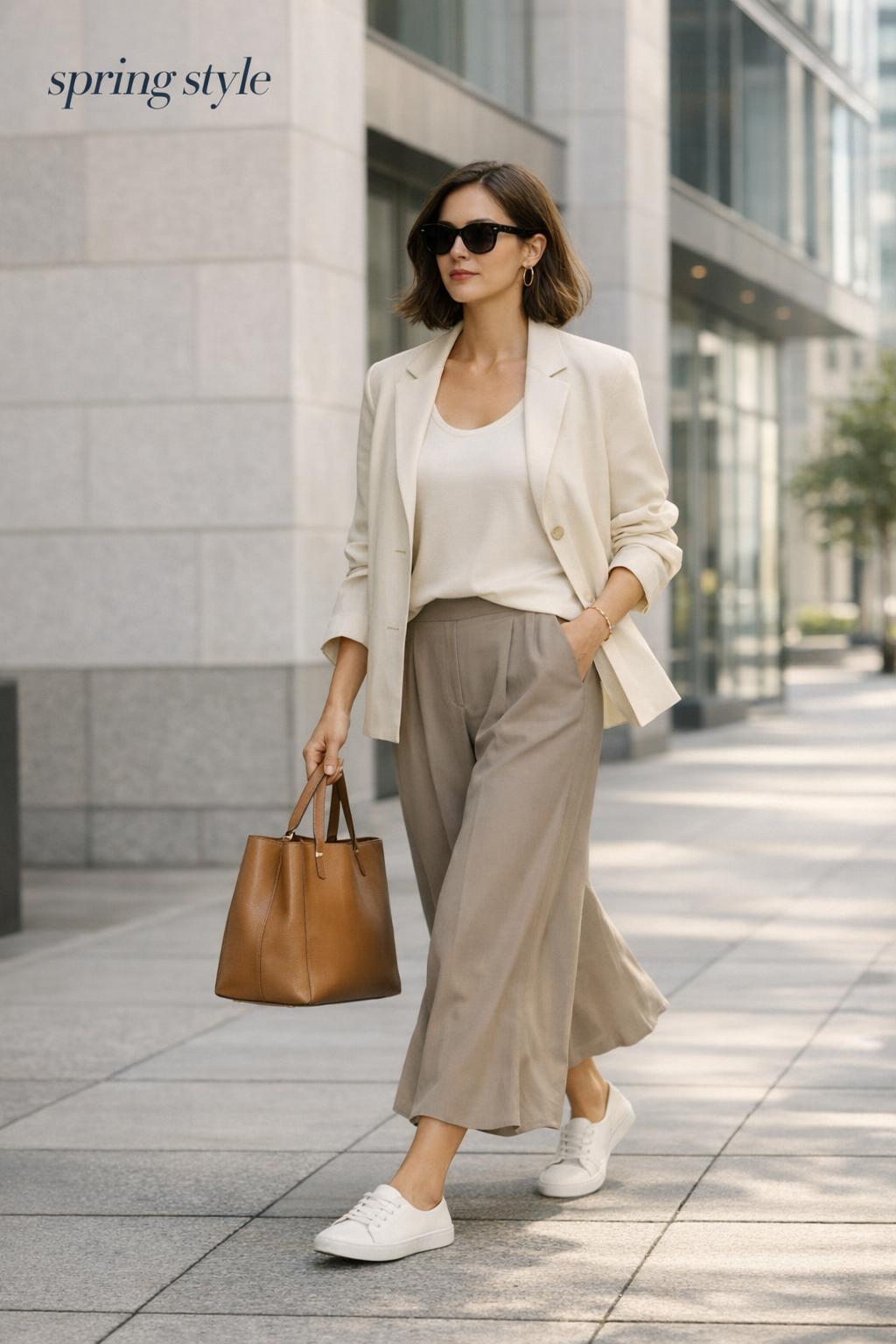
Where it’s commonly worn is exactly where spring asks the most of your wardrobe: commute-to-office, weekend city walking, outdoor brunch, and travel days when you want to look pulled together in motion. The appeal is visual clarity. The right spring style makes you look finished without looking heavy, and feminine without being fussy—especially when you lean into a flowy feminine style with smart structure.
The spring style framework: what makes the aesthetic look cohesive
Before outfit ideas, anchor the logic. A cohesive spring style relies on three decisions: a seasonal palette, proportion control, and texture contrast. The palette keeps the mood consistent (even when you change silhouettes), proportion control prevents floaty pieces from overwhelming your frame, and texture contrast adds depth without needing loud details.
Found the dress? Keep the rest in one place.
Zarellea brings guest details, vendors, timelines, and every next step together — so your wedding plan feels as good as your look.
In practice, that means pairing one “soft mover” (a fluid skirt, wide-leg trouser, or drapey dress) with one “visual anchor” (a structured layer, a defined waistband, or a sharper shoe). This is the same formula that makes women spring fashion feel current: you get ease and movement, but the look still reads intentional.
- Palette: keep it tonal or softly contrasted so the outfit photographs cleanly in bright daylight.
- Proportions: balance volume with structure—one oversized element per look.
- Texture: mix matte and subtle sheen, or smooth and lightly textured, to avoid flatness.
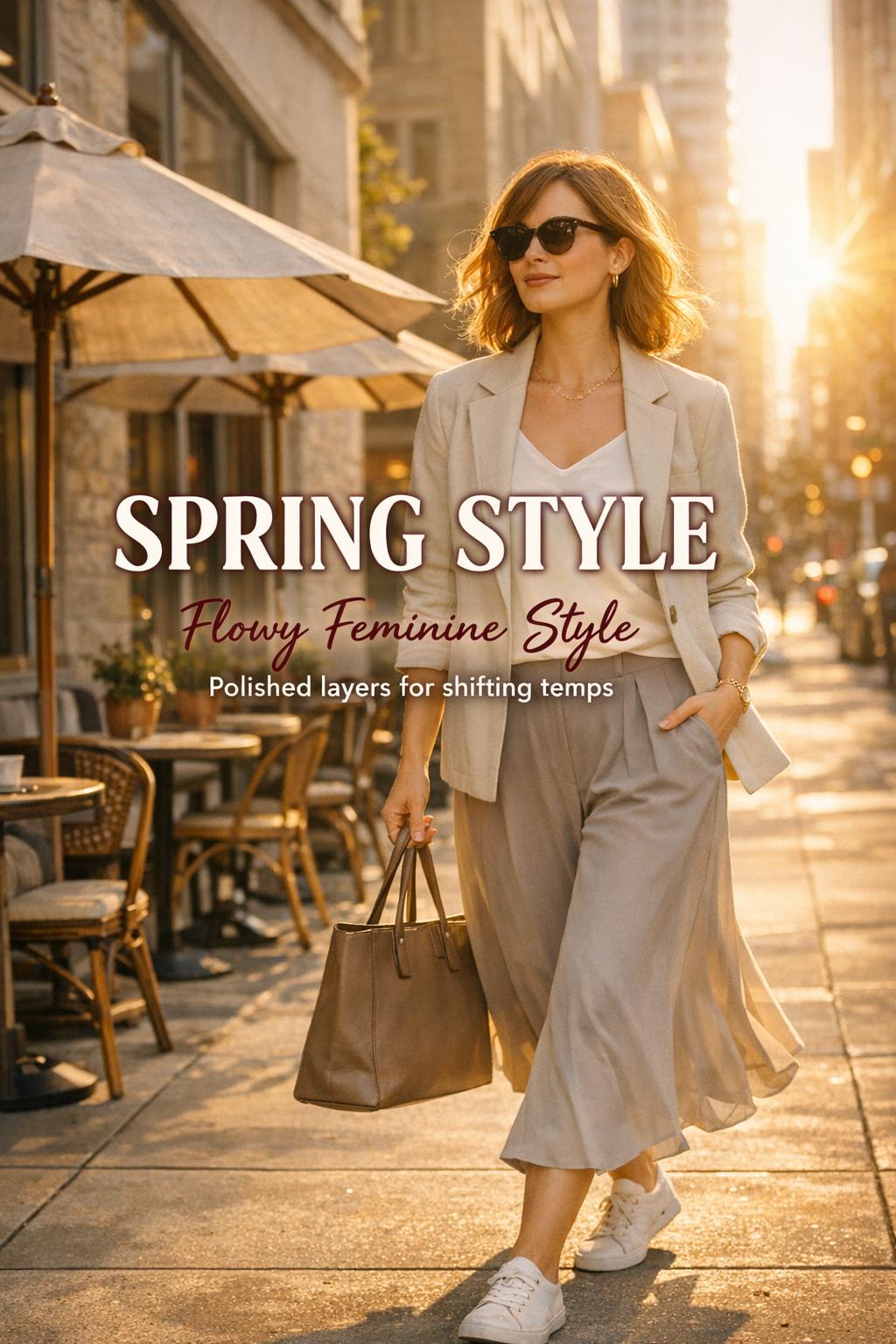
Look: relaxed minimal layers with crisp lines
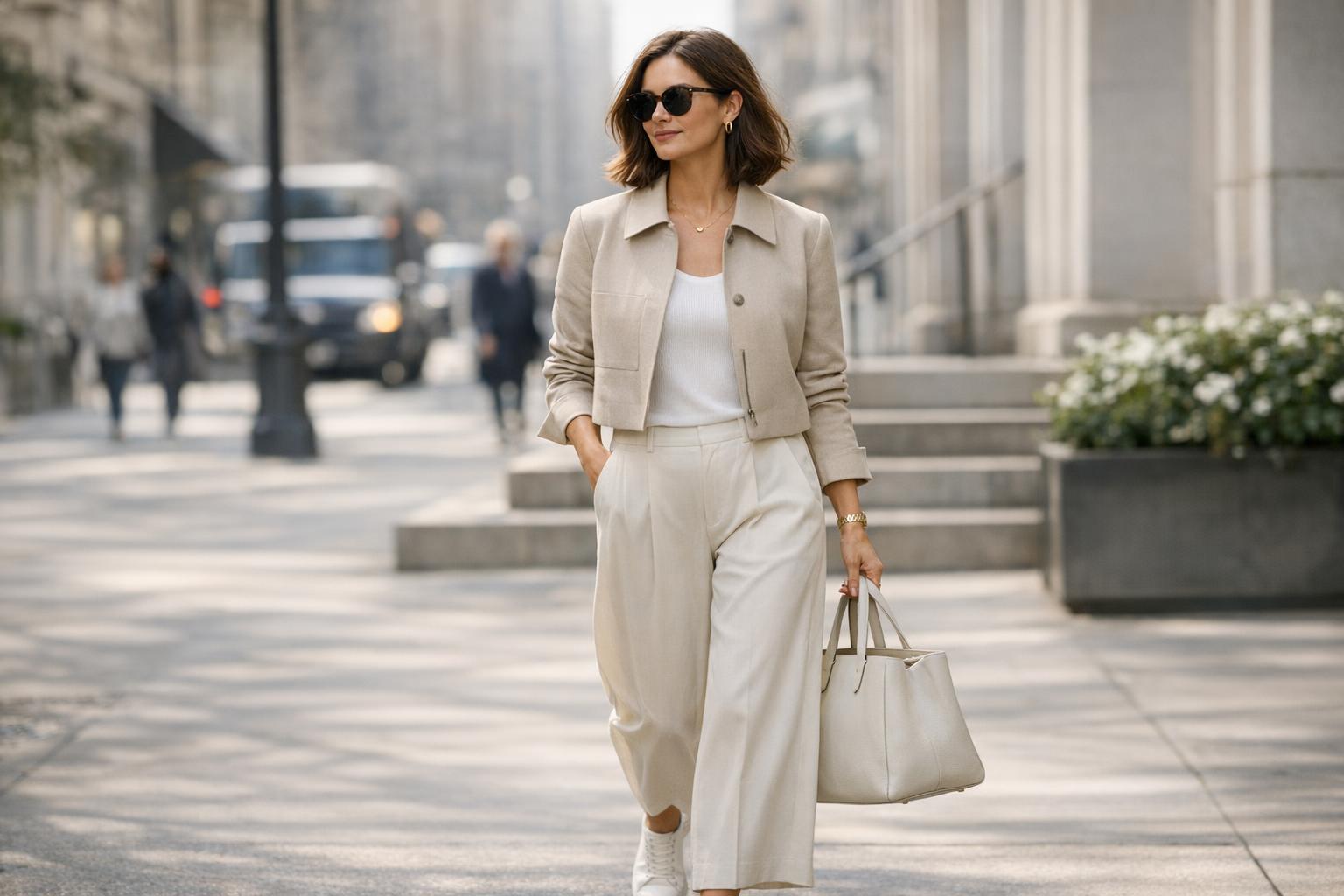
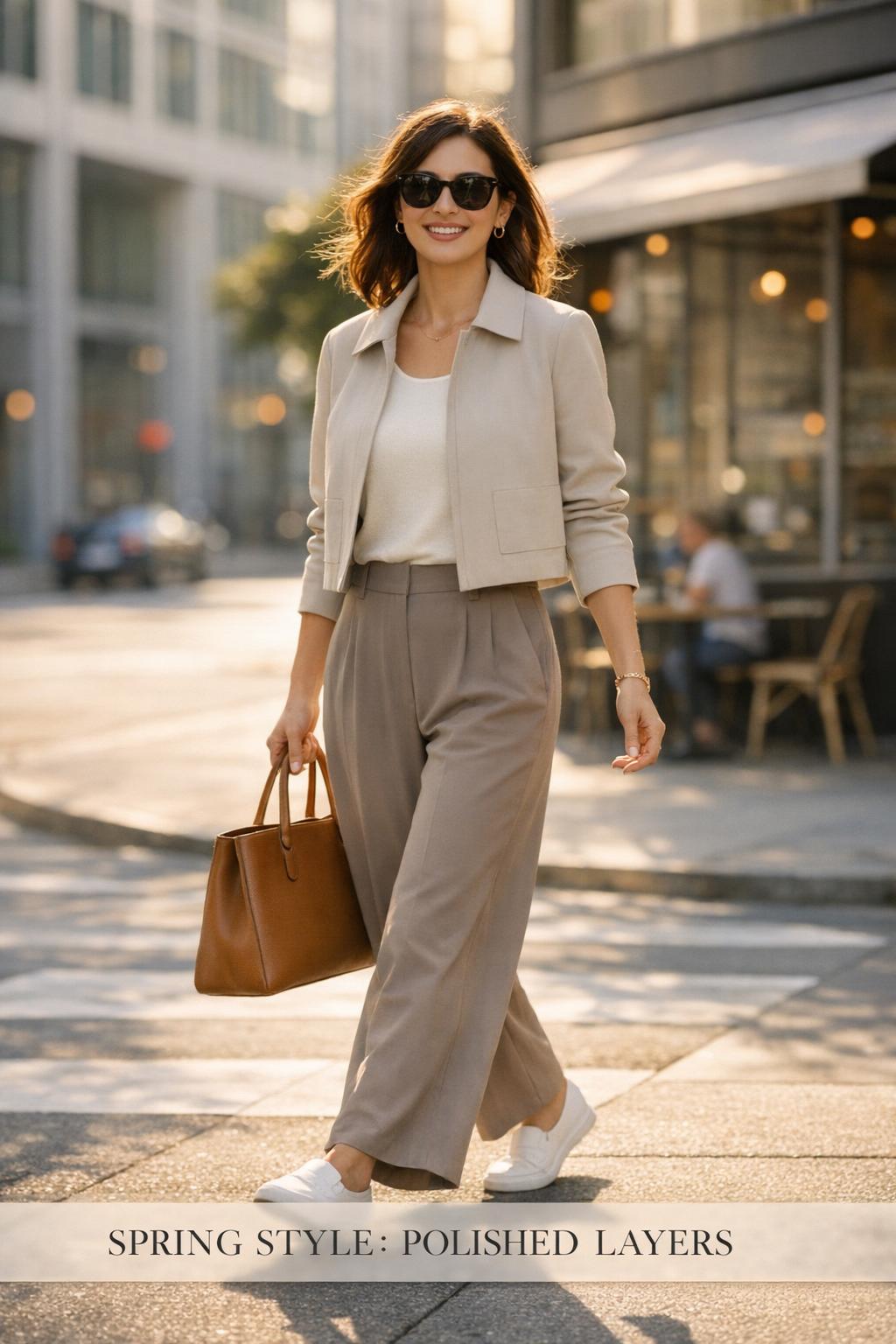
This look is spring style distilled: light layers, clean geometry, and a silhouette that feels calm rather than busy. The mood is understated and modern—ideal for the days when you want to look sharp without leaning into heavy tailoring.
Start with a streamlined base in a neutral palette, then add one structured layer to create an outline. The key is “air between pieces”—a slightly cropped jacket over a longer top, or a shorter knit over a high-rise bottom—so the outfit has dimension even when the colors stay quiet.
- Key garments: lightweight structured layer, clean-line top, high-rise bottom with subtle drape
- Footwear: refined flat or low-profile sneaker to keep the minimal mood
- Accessories: one simple metal detail (earrings or watch) as the visual punctuation
Why it works: the structure on top stabilizes the softness below, creating silhouette balance. This is one of the easiest bridges into elevated summer style, because you can remove the outer layer and keep the same polished foundation.
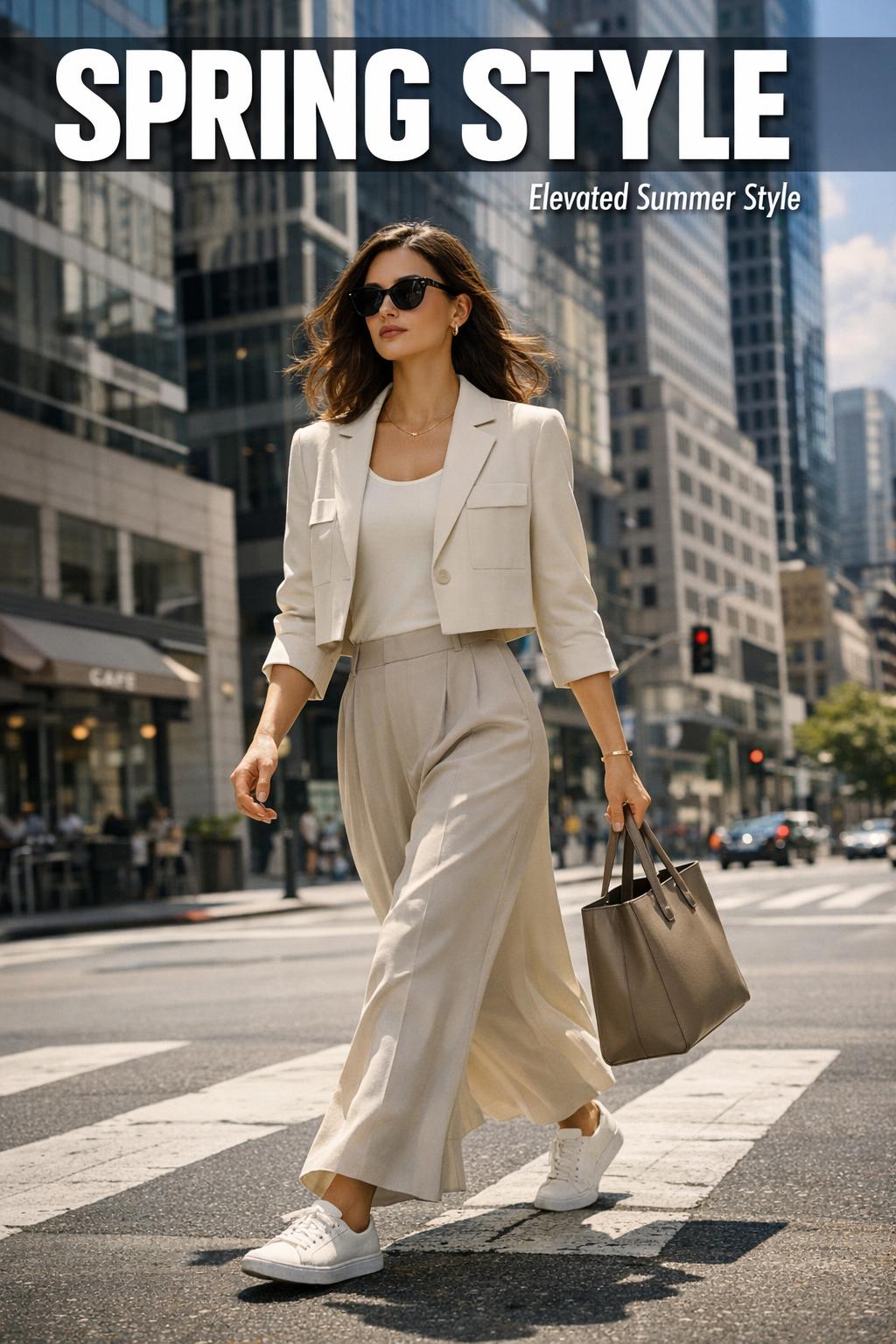
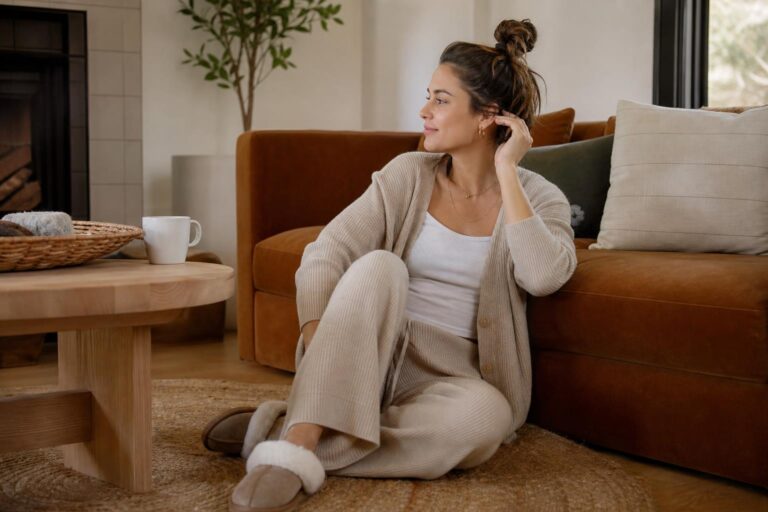
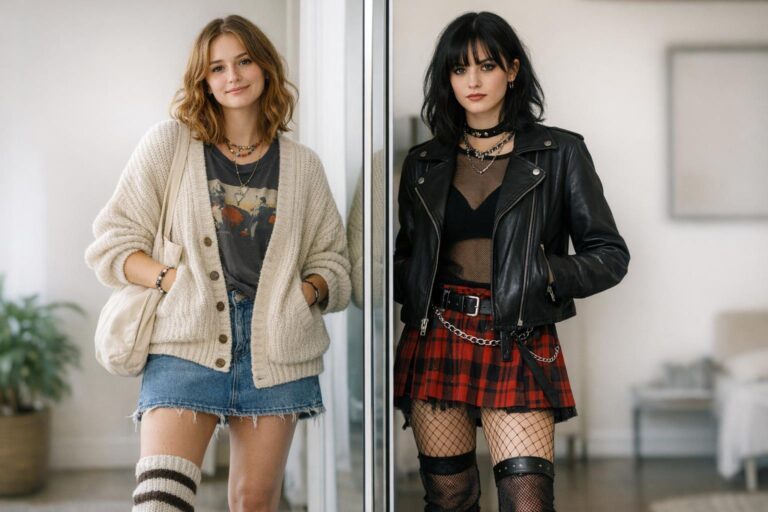
Look: soft weekend aesthetic in flowy feminine style
This is the romantic interpretation of spring style—movement, lightness, and a hint of softness that reads feminine without feeling costume-like. The silhouette should skim rather than cling, with a gentle waist definition or a controlled volume that suggests ease.
Choose one fluid hero piece—like a floaty skirt or a drapey dress—and keep everything else edited. The palette looks best when it’s cohesive: soft neutrals, light tonal layers, or a subtle color story that feels intentional in natural light. Texture is your tool here: a slightly textured fabric paired with a smoother layer gives the look depth while staying airy.
Why it works: flowy feminine style needs restraint to stay modern. When the footwear and accessories are clean and minimal, the movement of the fabric becomes the statement piece, and the look stays aligned with spring summer outfits rather than drifting into overly formal territory.
Style tip: how to keep feminine silhouettes from looking overly sweet
Use one “edge” element to neutralize sweetness: a sharper shoe shape, a more structured bag, or a layer with clean lines. The goal is contrast, not conflict—your outfit composition should still read cohesive. If everything is soft and fluttery, the look loses visual authority; if one element is crisp, the whole aesthetic becomes elevated.
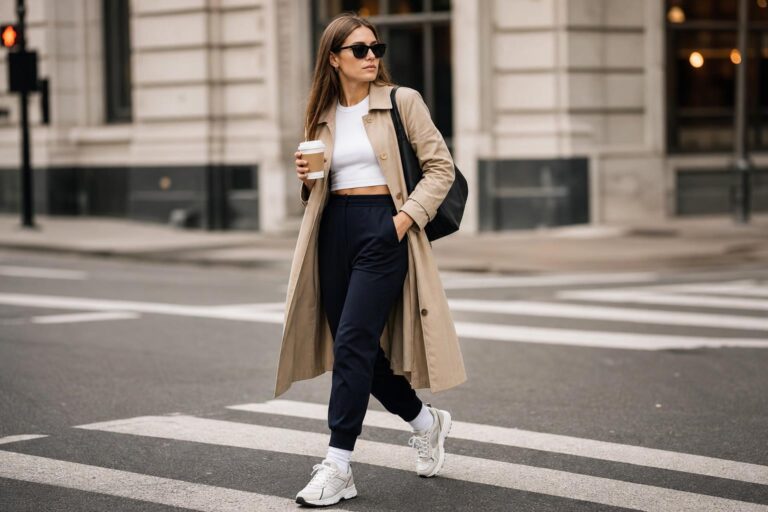
Look: neutral street style with proportion play
This variation pulls spring style into an urban, walkable direction: neutral tones, comfortable movement, and intentional volume. The mood is effortless but designed—like you planned the proportions, even if the palette is quiet.
The formula is simple: a relaxed bottom that moves (but doesn’t puddle) and a top that creates a clean frame. A slightly boxy top can work if the waistline is defined through a tuck or a high-rise bottom; alternatively, a closer top can sharpen a looser silhouette below. Keep the palette cohesive to maintain that “street style” clarity without needing loud prints.
- Key garments: relaxed-leg bottom, clean-frame top, optional light layer for temperature swings
- Footwear: sleek sneaker or minimal flat for comfort during long walks
- Accessories: sunglasses and a structured tote to add visual architecture
Why it works: proportion play creates the aesthetic. The neutral palette prevents the volume from looking chaotic, and the structured accessory acts as a visual anchor—especially useful when you’re building spring summer outfits that need to carry you through a full day.
Look: elevated summer style with a breathable polish
This is the version of spring style that transitions seamlessly into warmer days: it’s refined, but the refinement comes from fabric behavior and clean lines—not from heavy layering. The mood is “ready for anything,” with a silhouette that looks composed in motion.
Build this look around a crisp, breathable foundation. The visual difference between casual and elevated often comes down to two details: drape and finish. A fluid but controlled bottom reads more sophisticated than something overly slouchy, and a top with a clean neckline instantly raises the baseline. Keep colors within a tight range so the outfit reads intentional in bright sun.
Why it works: elevated summer style depends on clarity. When you keep the color story tight and the silhouette clean, you can wear lighter pieces without the outfit looking incomplete. This is also the most repeatable template when you need multiple spring summer outfits that feel distinct through small changes in texture and accessories.
Look: summer work casual that still reads spring
Summer work casual often fails in one of two ways: it’s either too relaxed to look professional, or too structured to feel seasonally comfortable. The spring style solution is “soft tailoring”: a look that signals competence through shape and neatness while staying breathable.
Use one structured element to establish authority—think clean shoulder lines, a defined waist, or a sharp neckline—then soften everything else with lighter textures. The palette should stay controlled and office-appropriate, but it doesn’t have to be dark. Lighter neutrals and tonal combinations can look even more polished because they emphasize clean construction and deliberate layering.
- Key garments: structured layer or refined top, tailored-yet-breathable bottom, optional lightweight knit for cold offices
- Footwear: sleek flat or low heel for all-day wear
- Accessories: minimal jewelry and a structured bag to keep the look professional
Why it works: summer work casual needs clear visual hierarchy. A single structured piece sets the tone, while softer fabrics maintain comfort. This balance is also a reliable approach to women spring fashion when your schedule includes meetings, commuting, and after-work plans.
Location-based reality check: spring style for unpredictable U.S. days
Spring style has to perform, not just look good. In many U.S. cities, the day can start cool, spike warm at midday, then drop again after sunset. That volatility rewards outfits with removable layers and fabrics that don’t trap heat.
Use layering as climate control, not decoration. A light layer that can fold into a tote keeps your outfit adaptable without forcing you into a bulky silhouette. If you’re building spring summer outfits for travel or long days out, prioritize pieces that resist wrinkling and maintain a clean line after hours of sitting, walking, and temperature changes.
Key pieces for this aesthetic (and how to choose them well)
The strongest spring style wardrobes aren’t big—they’re coherent. You want pieces that can rotate through multiple looks while keeping the same visual identity: clean, airy, intentional. Instead of chasing novelty, focus on a small set of pieces that control proportion and support texture contrast.
- A structured light layer: the piece that creates outline and polish without heaviness.
- A fluid hero bottom: something with movement that still holds shape (drape without collapse).
- A refined, breathable top: clean neckline, easy layering, and a finish that looks neat.
- A walkable “polish shoe”: comfortable enough for real days, sleek enough to elevate.
- A structured bag: the fastest way to make flowy feminine style feel modern and grounded.
Trade-off to consider: the softer and more fluid a garment is, the more it benefits from a defined counterpoint. If your bottom is very flowy, tighten the top’s structure. If your top is relaxed, choose a bottom with a clean waistline and controlled volume. This is the simplest proportion rule behind women spring fashion that looks elevated rather than accidental.
Look: tonal layering for quiet luxury energy
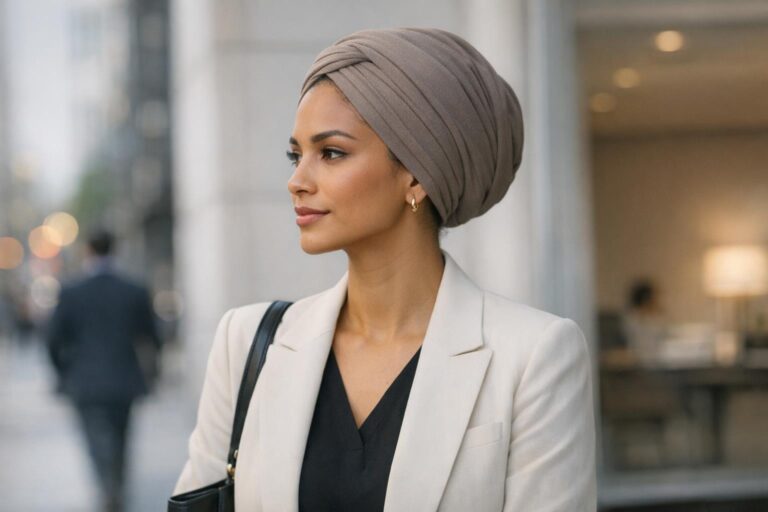
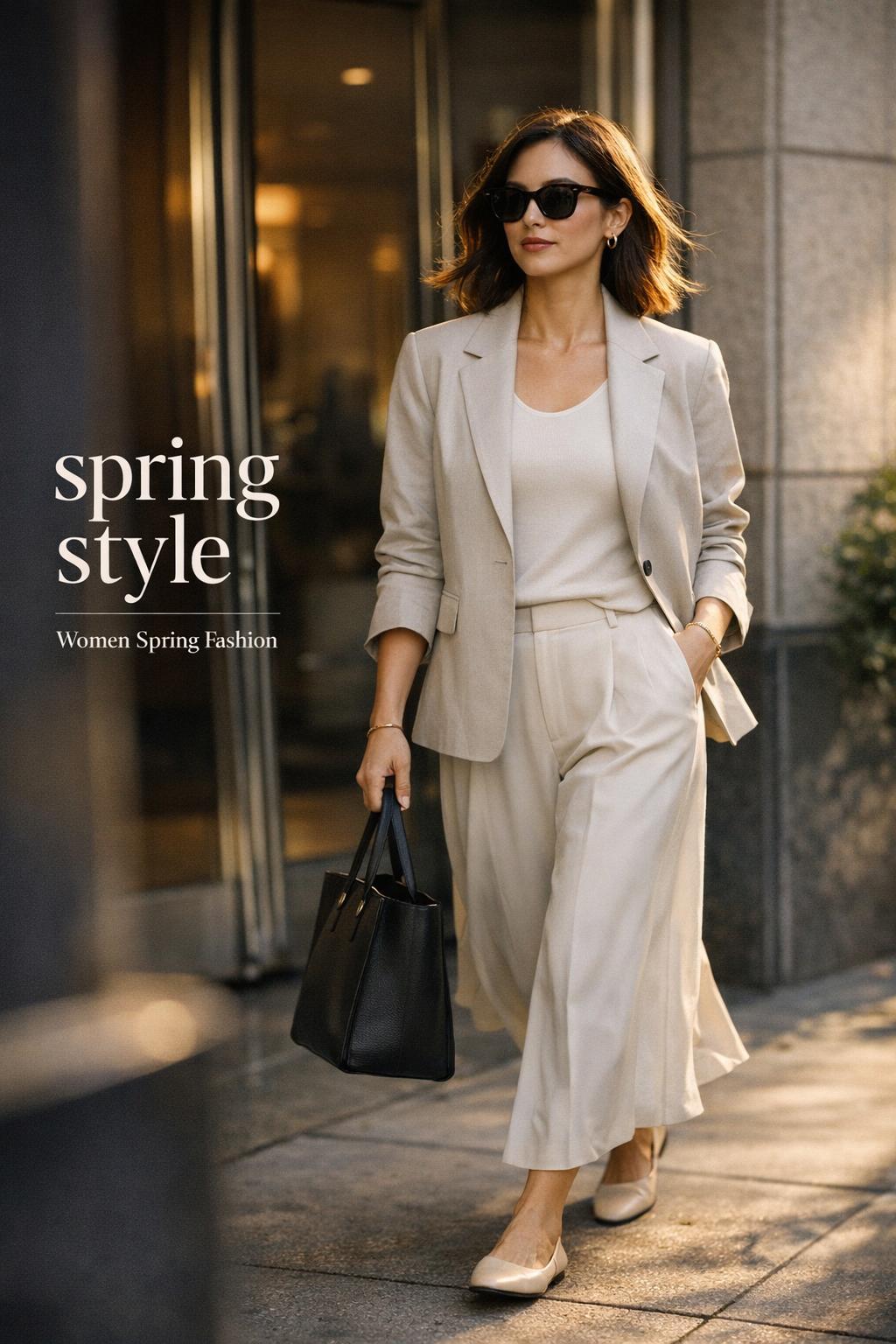
This look leans into tonal dressing to create a “quiet luxury” mood without relying on logos or loud elements. In spring style terms, tonal layering is a shortcut to elegance: the outfit reads cohesive at a glance, and the eye notices texture and silhouette instead of color contrast.
Pick one color family and build within it—light neutrals are especially effective because they amplify line and drape. The trick is to mix finishes: one matte piece, one slightly smoother or more refined texture. Keep the silhouette elongated by avoiding abrupt breaks; choose layers that overlap cleanly and maintain a continuous line through the body.
Why it works: tonal layering makes spring summer outfits look designed, even when the pieces are simple. It also supports elevated summer style because the same palette works with fewer layers as temperatures rise.
Common spring style mistakes that flatten the aesthetic
Most spring outfits fail for practical reasons, not taste. The season exposes when an outfit lacks structure, when fabrics fight each other, or when layers are chosen purely for warmth instead of line. Fixing these mistakes doesn’t require a new wardrobe—just better outfit composition.
- Too many competing volumes: oversized top plus oversized bottom often reads sloppy unless you add a strong waist definition.
- Random color jumps: a tight palette looks intentional; scattered colors can look unplanned in bright daylight.
- Over-layering for “spring”: bulky layers ruin the airy identity that makes spring style look fresh.
- Ignoring movement: if you’re walking a lot, stiff fabrics can feel restrictive; if you’re sitting all day, overly delicate pieces can lose shape.
A useful check: take a quick silhouette scan in a mirror. Identify your visual anchor (structure) and your soft mover (drape). If you can’t spot both, the outfit usually needs either a sharper layer or a more fluid piece to create balance.
How to recreate the aesthetic with what you already own
Recreating spring style is less about specific items and more about recalibrating your combinations. Start by building a controlled palette, then refine the silhouette with a single anchor. This method works whether your wardrobe leans minimal or romantic.
Begin with a base you already wear—top and bottom or a dress—then ask two questions: Where is the structure? Where is the movement? If both answers point to the same area, you need contrast. Add a structured layer over a flowy feminine style base, or soften a structured base with a drapier bottom or a lighter texture. This is the most reliable way to produce spring summer outfits that look cohesive without buying duplicates.
Look: refined off-duty for errands, brunch, and travel
This is the “real life” look—built for movement, lines, and comfort—while still reading elevated in photos. The mood is clean and airy, with an emphasis on walkability and pieces that stay neat after hours out.
Keep the base comfortable but not sloppy: a relaxed silhouette that holds its shape and doesn’t cling. Add one elevated element—either a structured bag, a clean-layer piece, or a sharper shoe—to signal intention. Use texture to keep it interesting: a smoother top against a lightly textured bottom, or vice versa.
Why it works: off-duty outfits often become forgettable because they lack a focal point. This spring style version adds a single visual anchor, which instantly shifts the look into elevated summer style territory while remaining practical enough for long walking days.
FAQ
What does “spring style” mean in practical outfit terms?
Spring style is an outfit approach built for fluctuating temperatures and brighter daylight, using light layers, breathable textures, and a balanced silhouette where one structured element anchors one softer, more fluid piece.
How do I make spring summer outfits look elevated instead of basic?
Keep the palette tight, prioritize clean lines, and add one visual anchor such as a structured layer, a defined waistline, or a sleek shoe; elevated summer style comes from clarity and proportion control more than extra details.
How can I wear a flowy feminine style without it feeling too sweet?
Balance the softness with one crisp counterpoint—structured bag, sharper shoe, or clean-lined layer—so the outfit has contrast and visual authority while the fabric movement remains the statement.
What’s the easiest way to adapt spring style for summer work casual?
Use soft tailoring: one structured piece to set a professional tone, paired with lighter, breathable fabrics and controlled drape; this keeps the look polished while staying comfortable in warm weather or cold office air.
How do I layer for spring without looking bulky?
Limit yourself to one light outer layer and keep the base streamlined; prioritize thin, breathable textures and maintain “air” between pieces so the silhouette stays clean and the outfit reads intentional.
What’s the most common proportion mistake in women spring fashion?
Wearing multiple oversized pieces without a clear waist definition or structure often flattens the look; spring outfits need either a defined anchor point or a sharper layer to keep volume controlled.
How do I choose colors that feel “spring” but still sophisticated?
Choose a cohesive, tonal palette or soft contrast rather than scattered color jumps; in bright spring light, controlled color stories highlight line, texture, and drape, which reads more refined.
How can I keep outfits looking neat through a full day of walking and temperature changes?
Build around pieces that hold shape and layer with a removable light jacket or knit that can fold into a structured tote; this maintains polish while letting you adjust to midday warmth and cooler evenings.