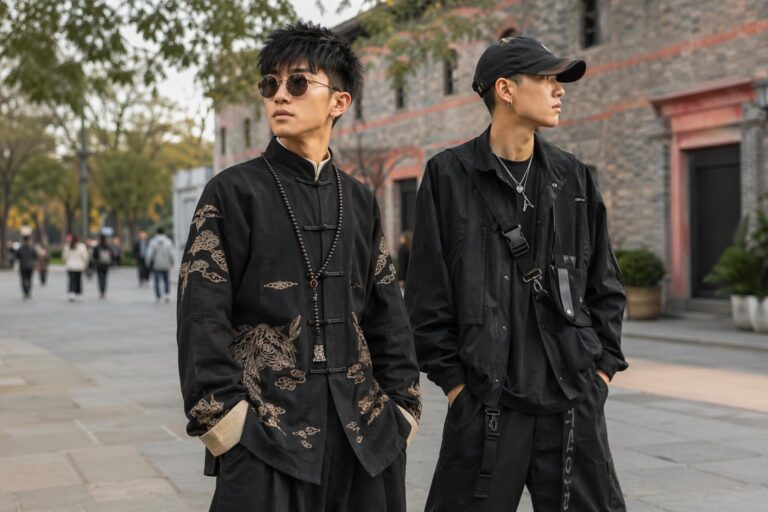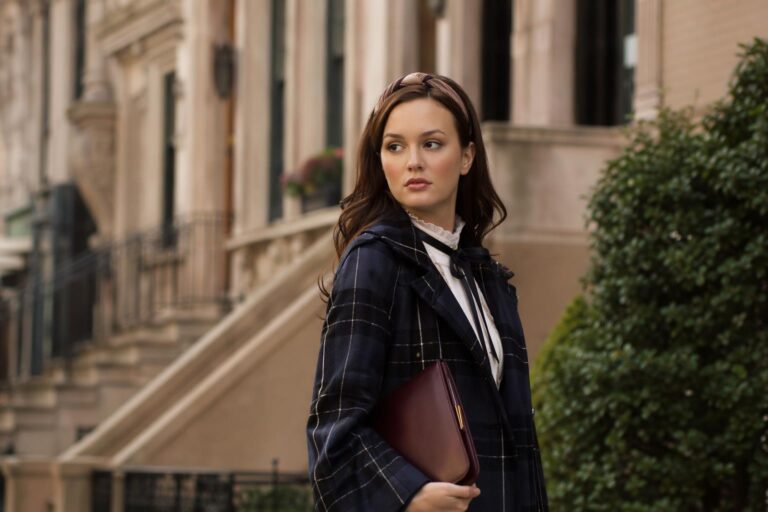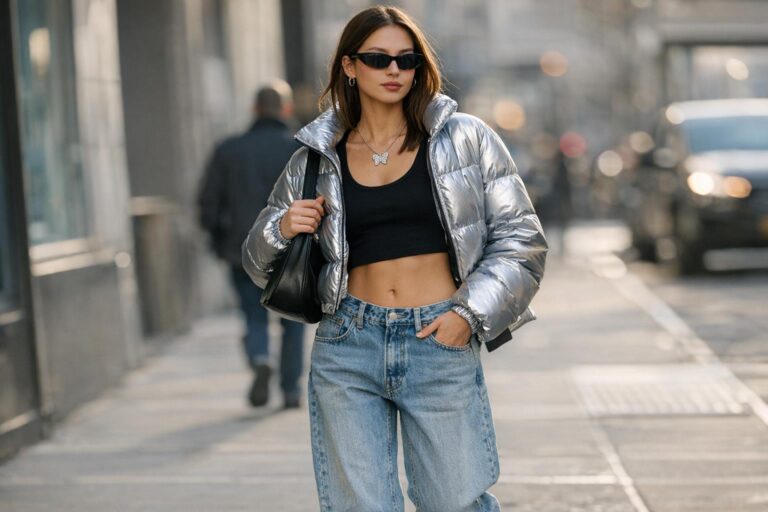

Modern Rock Style, Styled Like An Editorial—Not a Costume
Rock style is one of the few fashion languages that can read as polished, rebellious, romantic, or minimalist—depending on how you control shape, texture, and contrast. The challenge is that “rock” is often treated like a costume: all leather, all black, all hardware, no strategy. In practice, the most convincing rock wardrobes look intentional because they use clear outfit composition: a strong visual anchor (like a leather jacket or combat boot), balanced proportions (fitted with oversized, or structured with soft), and a controlled palette that lets texture do the talking. This guide breaks down rock style as a system you can actually build—whether you’re planning everyday outfits, a concert look, or even guitar-forward photo content like guitar inspo pics and guitar poses aesthetic.

Rock style, decoded: what the look communicates
At its core, rock style is built on tension: masculine tailoring against a feminine slip, rugged denim against delicate jewelry, a sharp boot under a soft dress. That tension is what gives the look its edge. Instead of chasing a single “rocker outfit,” focus on repeatable outfit logic you can apply in different settings—workdays, weekends, shows, and photoshoots.
The essential style codes (without turning it into a costume)
Rock style tends to rely on a few recognizable codes—leather, denim, black, metal hardware, band tees, and boots—but the difference between “styled” and “trying too hard” is editing. One statement piece should lead. Everything else supports that piece through tonal layering, texture contrast, and proportion play.
- Visual anchor: leather jacket, biker boot, statement belt, or a bold tee
- Texture contrast: leather + cotton, denim + silk, knit + hardware
- Silhouette balance: oversized outerwear with slim bottoms, or fitted top with wide-leg denim
- Controlled palette: mostly neutrals so details (zippers, studs, stitching) stay readable
Where rock style fits in U.S. real life
In the U.S., rock style performs especially well in everyday “in-between” moments: casual offices, city weekends, travel days, and nights out. It photographs cleanly for Pinterest because high-contrast pieces create instant clarity in a frame—useful for pics with guitar aesthetic and guitar picture ideas where the outfit needs to read quickly beside an instrument or stage-like setting.
Found the dress? Keep the rest in one place.
Zarellea brings guest details, vendors, timelines, and every next step together — so your wedding plan feels as good as your look.
Building the rock wardrobe: the pieces that do most of the work

A functional rock capsule doesn’t require a huge closet. It requires a small set of high-impact pieces that mix across seasons. Think in categories: outerwear that defines attitude, footwear that controls the silhouette from the ground up, and tops that provide cultural “signal” without overpowering the look.
Outerwear as the attitude engine
Outerwear is the fastest way to establish rock style because it sits at eye level and creates a strong outline. A leather jacket reads sharp and structured; a denim jacket reads casual and approachable. The key is to choose a cut that supports your proportion goals: cropped for a longer-leg illusion, or longer/boxier for a tougher, more street-leaning shape.
Footwear that changes the entire outfit composition
Boots are the most reliable “rock translator.” They add weight to the bottom of the look, which stabilizes floatier pieces like slip skirts or oversized shirts. Sleeker boots sharpen; chunkier boots add grit. If you’re building only one footwear lane, choose a boot that can handle long wear—concert standing, city walking, travel days—because rock style often looks best when it’s lived-in, not precious.
Tops and tees: signal without clutter
Graphic tees and dark basics both work, but they create different effects. A graphic tee brings an instant reference point; a plain black tee or tank turns the outfit into a study of silhouette and texture. If your bottoms and jacket already have a lot of detail (distressing, hardware, heavy seams), keep the top quiet to avoid visual noise.
Outfit formulas that reliably read “rock” (and why they work)

Instead of presenting endless outfits, the most practical approach is to learn a few repeatable formulas. Each one creates a specific silhouette and uses contrast strategically. These formulas can be adapted into an outfit rockero mujer direction (a more explicitly “rocker” women’s outfit) by increasing hardware, sharpening lines, or deepening the palette.
Leather jacket + straight denim + boot: the balanced classic
This formula works because it distributes structure across the body: the jacket frames the shoulders, straight denim keeps the leg line clean, and boots ground the look. It’s especially effective for U.S. climates where a light-to-midweight jacket bridges temperature swings. If you want it sharper, keep everything tonal (black jacket, dark denim, black boot). If you want it more daytime-friendly, use blue denim as the “softener” against black leather.
Band tee + blazer + dark jeans: rock, but office-aware
The blazer adds authority and structure, which prevents the tee from reading overly casual. Dark jeans keep the palette controlled and reduce the “weekend-only” vibe. This combination is a strong choice when you need an outfit that can move from daytime to evening without a full change—swap footwear (sneaker to boot) or add a belt for a clearer waist definition.
Slip skirt + chunky boot + jacket: tension that photographs well
This is classic texture contrast: a softer skirt fabric (often satin-like in appearance) against a rugged boot and structured jacket. It’s a strong option for guitar poses aesthetic content because the skirt adds motion while the boots keep the outfit grounded in-frame. For proportion play, keep the jacket slightly cropped or define the waist so the look doesn’t collapse into a single column.
All-black layering: the minimalist rock approach
All-black works when the textures are varied. If every piece is the same flat black (tee, skinny pant, flat shoe), the outfit can look unfinished rather than intentional. Mix finishes: matte cotton with shinier leather, or a ribbed knit with a smoother trouser. The goal is tonal layering that creates depth without color.
Outfit rockero mujer: a sharper take on feminine rock styling

An outfit rockero mujer direction typically leans more defined: a clearer waist, stronger boot, and bolder accessories. The styling logic is still about balance—sharp with soft, fitted with oversized—but the final effect is more intentionally “rocker” rather than simply “casual with a leather jacket.”
Silhouette strategy: where to add structure
For a feminine rock silhouette, choose one focal area: shoulders, waist, or leg line. A structured jacket creates strong shoulders; a belt defines the waist; a slim pant or short hem sharpens the leg line. Trying to emphasize everything at once often reads costume-like, especially if you also add heavy accessories.
Accessory editing: hardware should look curated
Metal details are part of the rock code, but too many competing items can flatten the outfit. If your jacket has zippers and your belt has a bold buckle, keep jewelry minimal. If your outfit is mostly clean, you can add a statement ring or layered chain effect. The goal is one clear sparkle point, not a full-body shimmer.
When this approach works best
This sharper rock styling is ideal for nights out, concerts, and any situation where you want the outfit to project confidence at a glance. It also works for photos because defined lines read well on camera—helpful when you’re capturing guitar picture ideas and need the outfit to hold its identity next to a visually strong prop like a guitar.
Guitar inspo pics: how to style rock outfits for the camera
Rock style and guitars are visually linked because they share the same design language: strong shapes, hardware details, and high contrast. For guitar inspo pics, your goal is clarity: the outfit should complement the guitar rather than compete with it. That means paying attention to silhouette, sleeve shape, and the placement of standout details.
Pics with guitar aesthetic: outfit choices that don’t fight the instrument
A guitar already adds a bold diagonal line across the body. Choose outfits that keep the torso area clean enough so that line reads intentional. Simple tops, controlled jewelry, and a jacket with minimal front clutter help. If you want a statement piece, move it away from the guitar’s centerline—like standout boots or a strong pant silhouette.
- Choose a clean neckline (crew, scoop, or simple collar) so straps and hardware don’t tangle visually
- Keep sleeve volume in check if you’ll be holding the guitar close to the body
- Use boots or a defined hemline as the outfit’s “visual anchor” when the guitar dominates the frame
Guitar picture ideas: building a frame-ready silhouette
For guitar picture ideas, think in three layers: base (top and bottom), structure (outer layer), and finishing detail (boots or belt). The outer layer matters because it shapes the shoulders and creates a strong outline, which keeps the photo from looking flat. A cropped jacket often works well because it preserves the waistline, even with a guitar positioned across the torso.
Guitar poses aesthetic: practical styling considerations
Posing with a guitar changes how clothes behave. Jackets can bunch at the elbows; short skirts can shift; stiff belts can press when seated. If you’re planning guitar poses aesthetic photos, test mobility: raise arms, sit, and angle the body as you would for a shot. You want the outfit to maintain clean lines under movement, not just while standing.
Texture and color: the quiet mechanics behind rock style
Rock style is often reduced to “wear black,” but the deeper logic is texture. Texture creates dimension in a monochrome palette and gives the look a tactile edge even from a distance. Color is still relevant—especially in how you control contrast and prevent an outfit from feeling heavy or flat.
Texture contrast: the fastest way to look intentional
Combine one smooth surface with one rugged surface. Leather (sleek, reflective) pairs naturally with cotton tees (matte) and denim (grainy). Add knitwear when you need softness or warmth; the knit acts as a “buffer” that makes hard-edged pieces feel wearable during the day.
Palette control: tonal layering vs. high contrast
Tonal layering (multiple shades of black, charcoal, and deep gray) reads modern and editorial because it emphasizes shape. High contrast (black + bright white) reads more graphic and punchy. Both are valid; the decision should be based on where you need attention in the outfit. If you want boots to stand out, keep the top half quieter. If you want a statement tee to lead, simplify the rest.
Seasonal and climate reality: making rock style wearable all year
Rock style is adaptable, but climate changes how the materials perform. Leather and heavy boots can feel unrealistic in high heat, while thin tees can look underpowered in winter. The solution is to keep the visual codes consistent and adjust fabric weight and layering.
Warm weather: keep the edge, lose the heaviness
In warm climates, the outfit should look sharp without relying on heavy layers. Swap a thick jacket for a lighter outer layer or keep the look anchored through footwear and accessories. The rock effect can come from a clean black base and a single structured element rather than full leather.
Cold weather: build structure through layering
Cold weather favors rock style because layers add visual depth. Keep the silhouette intentional: if you add bulk on top (coat, jacket, knit), keep bottoms streamlined or structured. If you want wide-leg denim, choose a more fitted top layer under the outerwear so the look doesn’t become shapeless.
Travel days and long wear: comfort that still reads sharp
For airports, road trips, or long city days, rock style works best when the “edge” comes from one or two items, not discomfort. Boots should be walkable. Jackets should allow arm movement. If you’re carrying a guitar or shooting pics with guitar aesthetic on the go, prioritize pieces that don’t restrict shoulders or pinch when seated.
Common styling mistakes that dilute rock style
Rock style looks effortless when the outfit has a clear hierarchy: one hero piece, supporting basics, and a controlled finish. Most missteps come from competing statements or unclear proportions.
Too many “loud” elements at the same time
Studded jacket, heavy belt, multiple chains, distressed jeans, and statement boots can cancel each other out. The look becomes cluttered rather than confident. Choose one dominant message—hardware, distressing, or graphic—and let the rest be clean.
Flat black with no texture variation
A head-to-toe black outfit can read premium, but only if the materials are doing work. If everything is the same matte cotton, the outfit loses depth. Add a different finish (leather, denim, knit) to create tonal layering that looks intentional.
Proportion confusion: oversized on top and bottom
Oversized silhouettes can be rock, but they need a point of control—cropped length, a defined waist, or a clean ankle line. Without that control, the outfit reads sloppy rather than styled. If your jacket is oversized, keep the bottom line more structured; if your pants are wide, keep the top layer sharper.
Tips: how to make rock style feel personal, not like a uniform
Rock style has recognizable codes, so personalization matters. The goal is to keep the core signals while adjusting the intensity to your comfort level, lifestyle, and setting.
Tip: set an “edge level” for the occasion
For a casual weekday, keep the edge level low: one rock piece (jacket or boot) with simple basics. For a concert or night out, raise the edge level by increasing contrast and structure—sharper outerwear, bolder belt, more defined silhouette. This avoids overdoing it in settings where rock styling can feel out of place.
Tip: build outfits from the ground up
Start with boots, then choose pants or a skirt that lands cleanly above them, then add the top layer. This approach prevents the most common issue in rock outfits: a strong jacket with an unconsidered bottom half. It also helps when planning guitar inspo pics, because the lower half anchors the frame while your hands and instrument create movement up top.
Tip: keep one “clean zone” for camera-friendly looks
For pics with guitar aesthetic, keep either the neckline area or the waist area relatively clean—fewer chains, fewer overlapping straps, fewer bulky pockets. A clean zone gives the eye a place to rest and makes the overall image feel editorial rather than chaotic.
Context styling: where rock style looks most convincing
Rock style isn’t limited to concerts. It performs best when the outfit matches the environment’s energy. The same leather jacket can look elevated with a tailored base or casual with denim—context is the difference between “styled” and “random.”
City weekends: sharp basics with one statement layer
Urban settings naturally support higher contrast and stronger footwear. Keep it tight: dark denim, a clean top, and a structured jacket. This is also the easiest environment for guitar picture ideas because backgrounds (brick, metal, signage) already complement the rock palette.
Casual workplaces: rock elements, refined execution
In a casual office, keep rock style in the details: dark denim, a simple tee, and a blazer or clean jacket. Boots should be sleek rather than aggressively chunky. The outcome is controlled attitude—confident but not distracting.
Concert nights: prioritize mobility and durability
Concert outfits should handle standing, heat changes, and movement. Choose boots you can wear for hours. Avoid overly stiff layers that restrict shoulders—especially if you’ll be holding a guitar or taking guitar poses aesthetic shots. The best concert rock style is functional first, editorial second.
Rock style checklist: a fast quality control before you leave
Rock outfits are often assembled quickly. A short checklist keeps the look intentional—especially when you’re dressing for photos, travel, or a tight schedule.
- Is there one clear hero piece (jacket, boot, belt, or tee)?
- Do the textures vary enough to create depth?
- Is the silhouette balanced (one fitted zone, one relaxed zone)?
- Is the hardware edited so it looks curated?
- Can you sit, walk, and lift your arms comfortably (especially for guitar poses aesthetic)?

FAQ
What defines rock style in fashion?
Rock style is defined by intentional contrast—structured pieces with softer ones, rugged textures with clean basics, and a controlled palette where one statement element leads the outfit. The look reads “rock” when proportions are balanced and hardware is edited rather than piled on.
How can I wear rock style without looking like I’m in a costume?
Use one hero piece (like a leather jacket or boots) and keep everything else simple, tonal, and well-fitted. Costume territory usually happens when multiple statement items compete—heavy distressing, lots of studs, bold graphics, and loud accessories all at once.
What’s the easiest outfit rockero mujer formula for everyday wear?
A reliable outfit rockero mujer formula is a structured jacket with dark denim and boots, finished with a clean top. It delivers edge through silhouette and texture while staying practical enough for errands, casual meetups, or city weekends.
How do I plan guitar inspo pics with a rock outfit?
Keep the torso styling relatively clean because the guitar creates a strong line across the body; then anchor the look with boots or a defined pant silhouette. Test the outfit in motion—sitting, raising arms, and holding the guitar—to ensure the lines stay polished.
What are good pics with guitar aesthetic outfit choices?
Choose a simple top, a structured outer layer that frames the shoulders, and footwear that reads clearly in a photo. Avoid excessive necklaces or bulky front details that visually tangle with the guitar strap and the instrument’s shape.
Any quick guitar picture ideas that make the outfit stand out?
Use a strong outline: a cropped jacket or structured layer paired with clean-leg denim or a skirt that moves, plus boots as a visual anchor. This creates a clear silhouette that holds its identity even when the guitar becomes the focal point.
How do I make guitar poses aesthetic shots look more editorial?
Limit competing details around the neckline and waist so the frame looks intentional, then rely on texture contrast—leather with cotton, denim with a smoother skirt—for depth. Editorial-looking shots usually come from clean zones and strong proportion control, not more accessories.
Can rock style work in warm weather?
Yes, by keeping the same visual codes while reducing fabric weight and layering. A clean dark base with one structured element and grounded footwear can read rock without heavy jackets or overly warm materials.
What’s the biggest mistake people make with all-black rock outfits?
The biggest mistake is using flat black pieces with no texture variation, which can look unfinished instead of intentional. All-black works best with tonal layering and mixed finishes so the outfit has depth and definition.