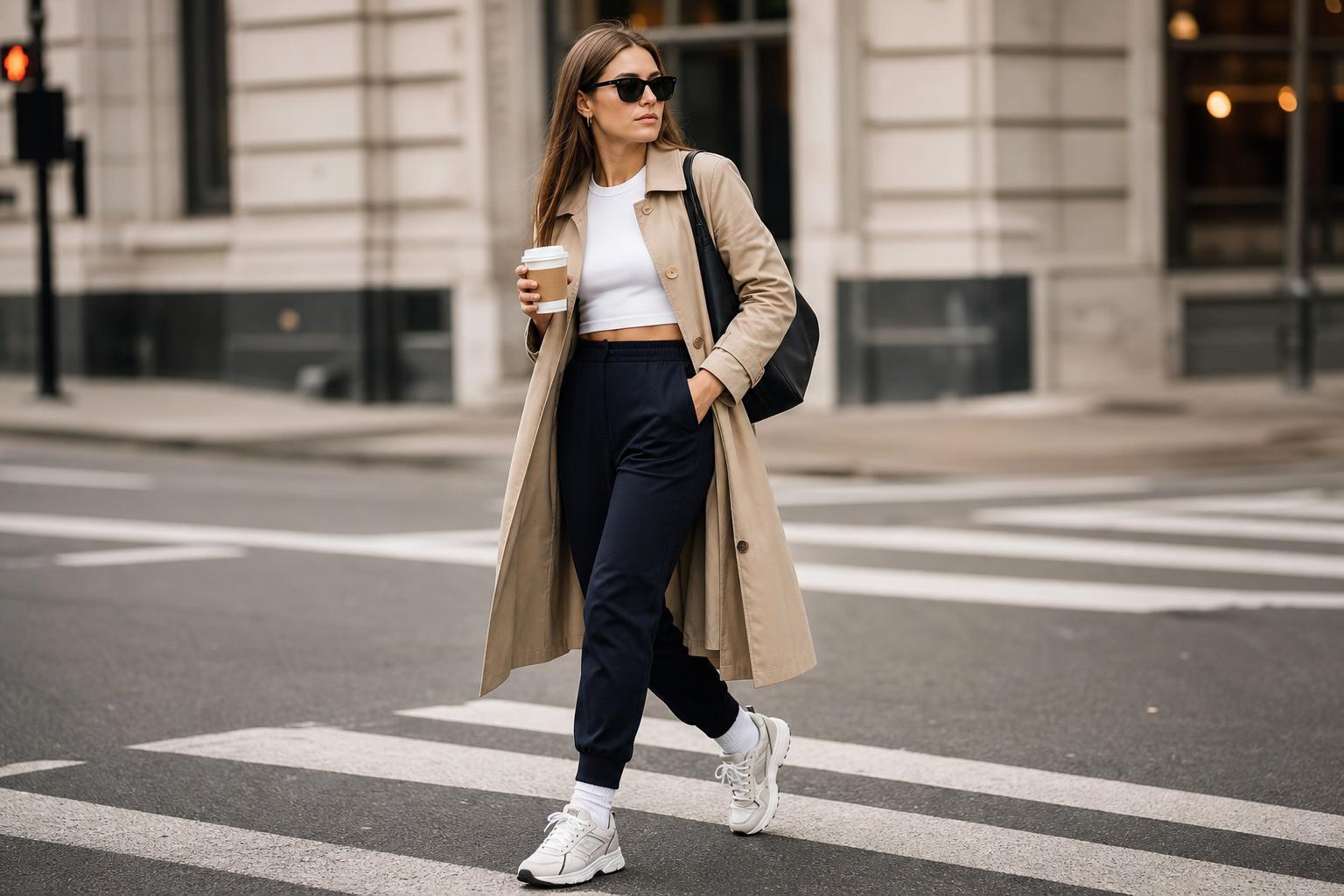
Sporty Chic Style for a Polished City Wardrobe
Airport terminals, summer city sidewalks, casual offices, and game-day crowds all reveal the same styling question: how do you look polished without abandoning comfort? That tension is exactly where sporty chic style lives. It sits between athletic ease and refined dressing, borrowing from both without becoming fully either one.
The comparison that matters most is sporty chic versus athleisure, because the two are often discussed together and regularly overlap in real wardrobes. Yet they do not create the same visual effect. One is built around performance-inspired pieces elevated by structure and elegance; the other centers comfort first and lets fashion follow. Understanding that distinction makes shopping smarter, outfit planning easier, and daily dressing more coherent.
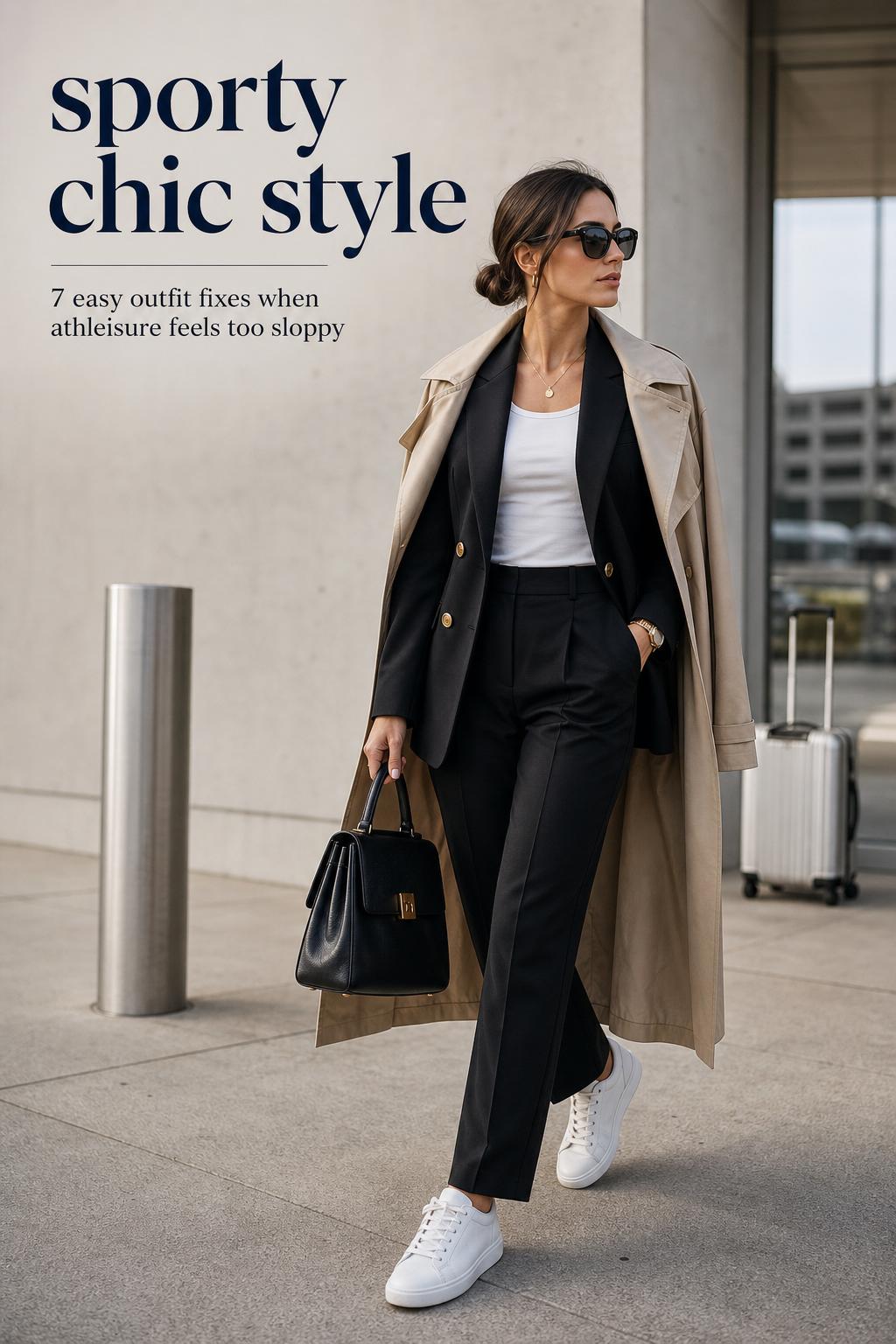
This breakdown examines how sporty chic differs from athleisure, where sub-styles like tenniscore and bike break fit into the picture, and why city dressing in places like New York City and Los Angeles has helped sharpen the look. The goal is not simply to name pieces, but to explain the styling logic behind silhouette balance, fabric contrast, and the level of polish each approach communicates.
Style overview: sporty chic
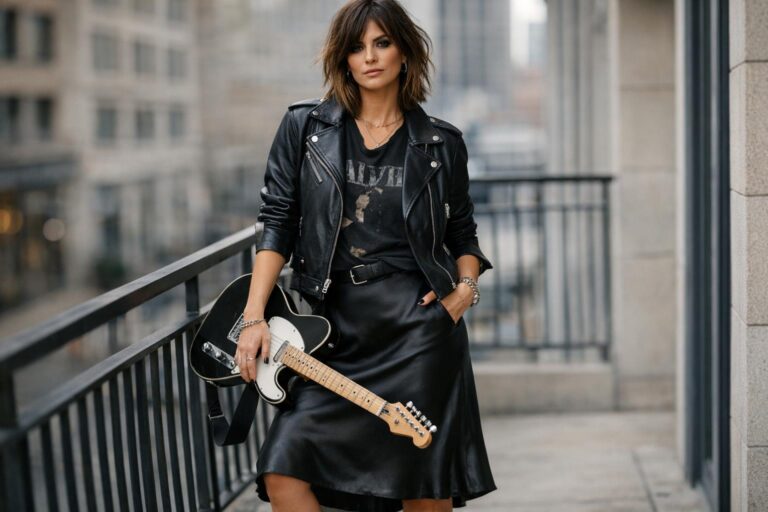
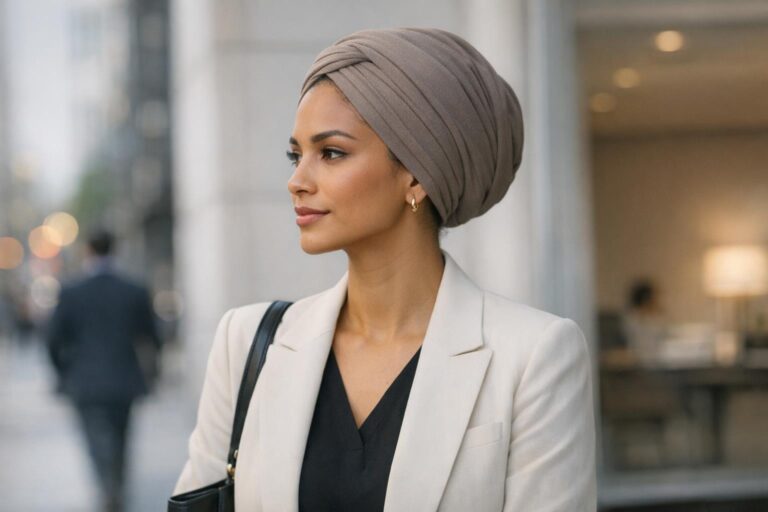
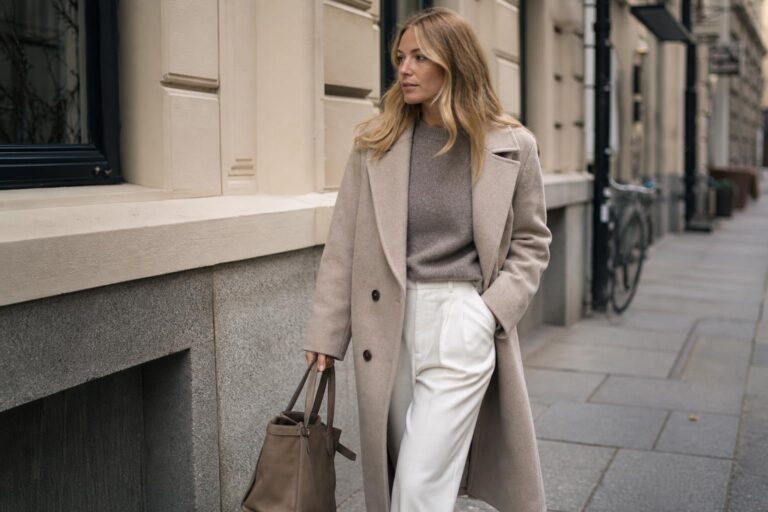
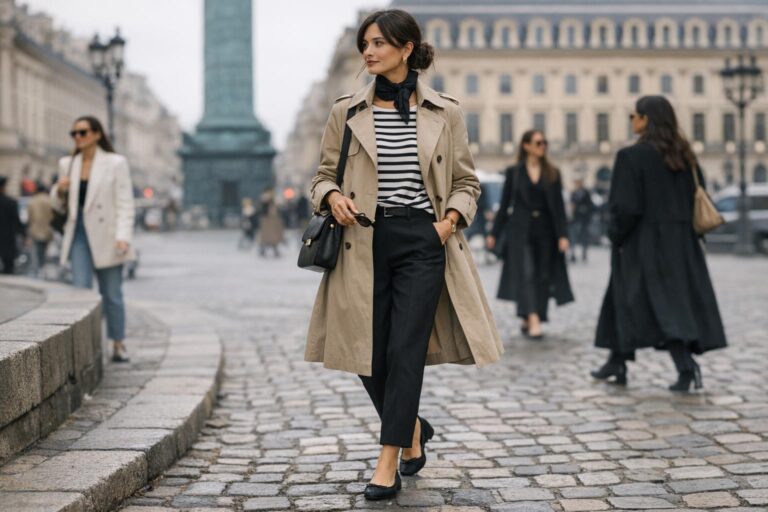
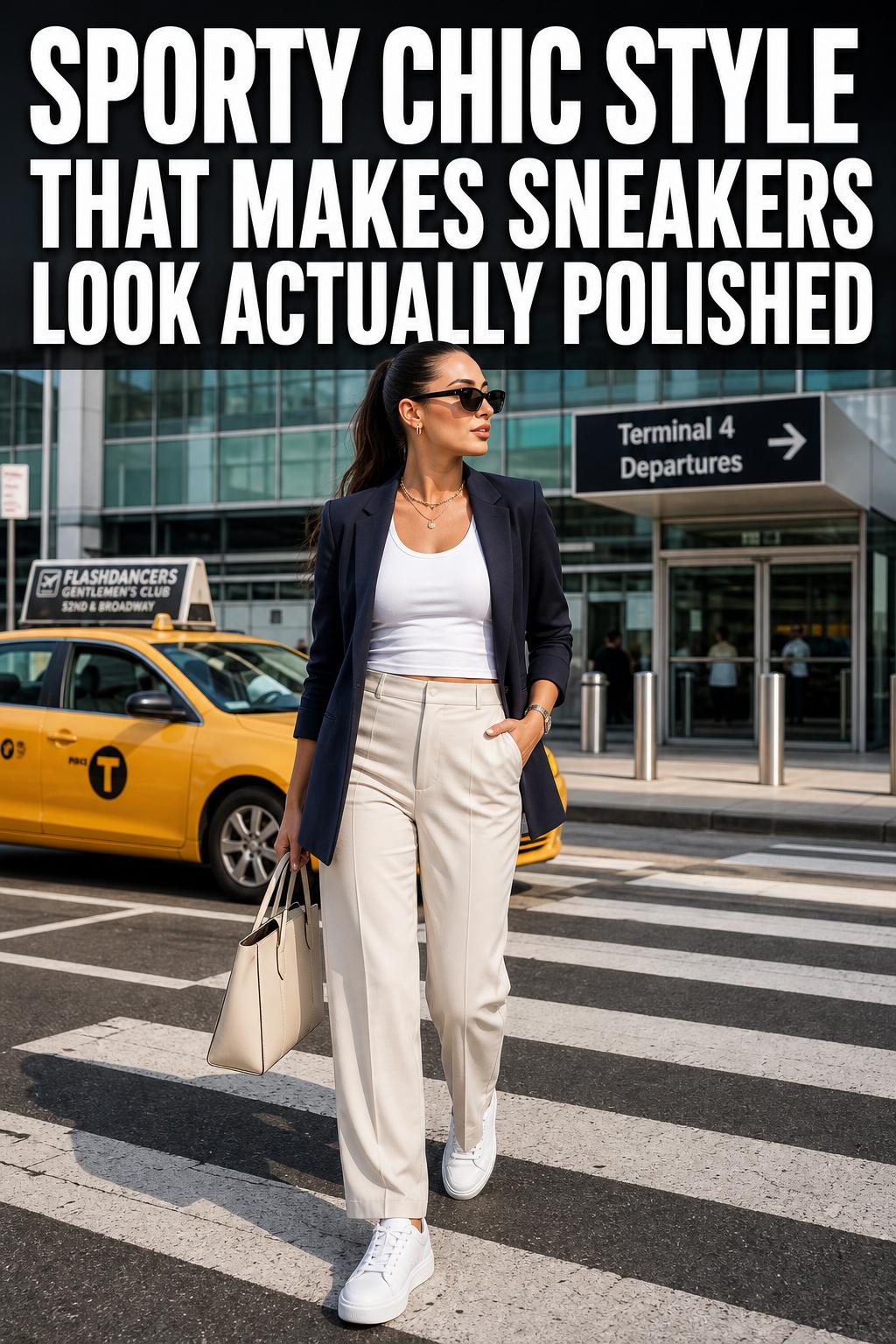
Sporty chic is a fashion fusion that blends athletic references with polished, intentional wardrobe structure. Its defining characteristic is contrast: sneakers with tailored pants, a blazer over a simple tee, a sporty jacket paired with straight-leg jeans, or leggings offset by a trench coat or tailored jacket. The look is not accidental comfort dressing. It is composed, edited, and visually anchored by at least one refined element.
Found the dress? Keep the rest in one place.
Zarellea brings guest details, vendors, timelines, and every next step together — so your wedding plan feels as good as your look.
The typical silhouette in sporty chic style is balanced rather than oversized by default. Tailored trousers, sleek sneakers, blazers, blouses, trench coats, and structured bags appear frequently because they create clean lines around softer or more casual pieces. The overall mood is practical but elevated, often close to what some editors describe as sport-luxe or sportif.
Color often stays versatile and wearable because the emphasis is usually on shape, fabric, and mix rather than loud styling tricks. Texture contrast matters more than excess detail. A polished wool-blend blazer, smooth tailored pants, denim, or a crisp trench can frame performance-inspired items in a way that reads intentional rather than purely off-duty.
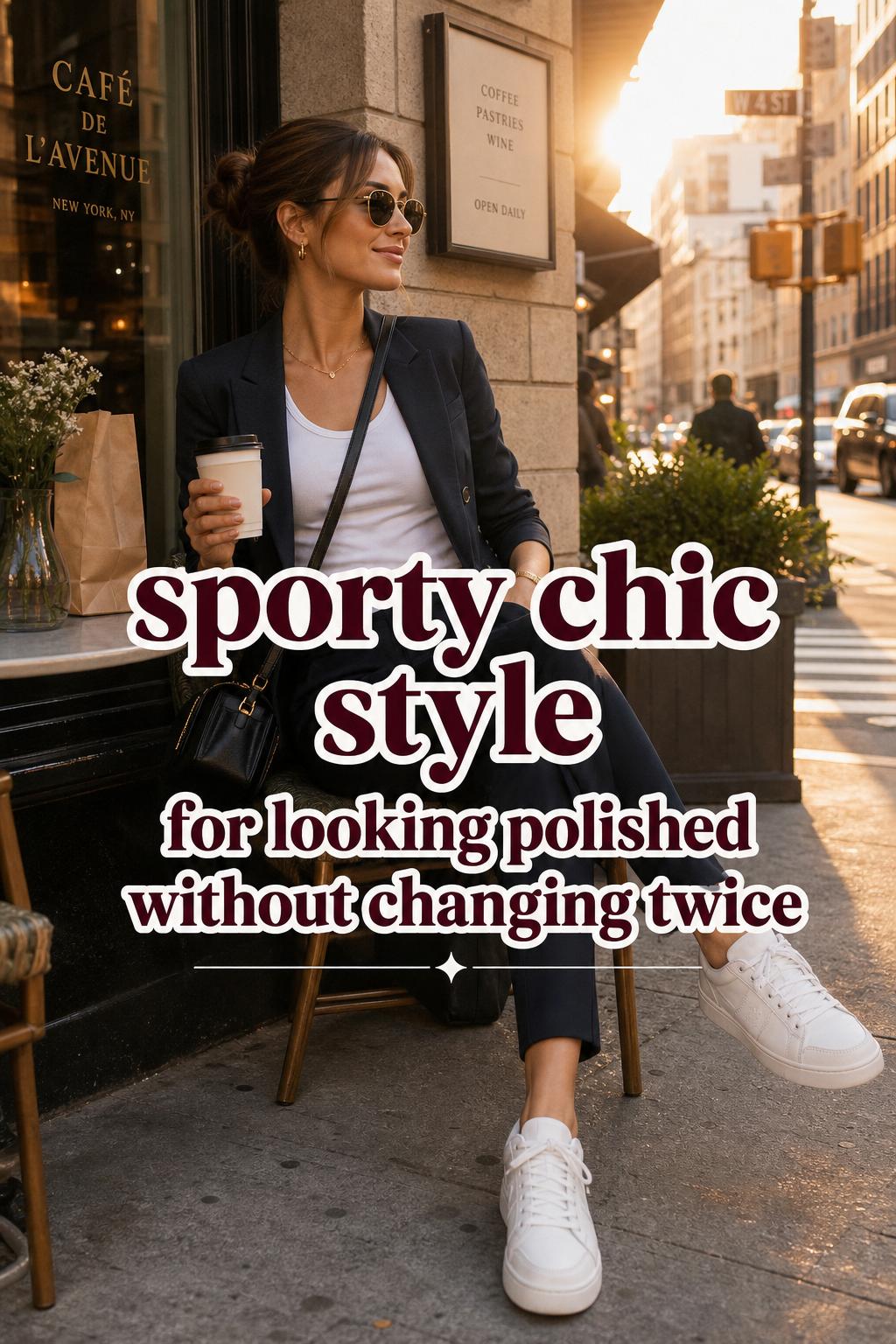
Style overview: athleisure
Athleisure shares some of the same vocabulary as sporty chic, but the philosophy is different. It grows out of athletic wear and everyday comfort, with styling often centered on ease, movement, and practicality. The look typically prioritizes soft, casual coordination rather than tension between polished and athletic elements.
Silhouettes in athleisure are generally more relaxed or performance-driven. Joggers, tracksuit-inspired separates, comfortable athletic wear, basic wardrobe staples, and knitwear often lead the outfit rather than being framed by a more formal garment. The visual result is streamlined and wearable, but usually less structured than sporty chic.
Fabrics also tell the story. Performance fabrics, moisture-wicking blends, and breathable materials are often central in athleisure because function is more visible. In sporty chic, those same materials can appear, but they are typically balanced by tailoring or classic outerwear so the outfit reads less gym-adjacent and more style-directed.
Why these two styles are so often confused
The confusion comes from shared pieces. Sneakers, leggings, sporty jackets, simple tees, and joggers all show up in both wardrobes. Brands such as Adidas, Nike, Puma, and Lululemon can sit comfortably in either category depending on what surrounds them. An Adidas Samba sneaker can read athleisure with leggings and a sweatshirt, or sporty chic with straight-leg jeans, a blazer, and a structured bag.
The overlap also reflects modern dressing habits. Many people want one wardrobe to move between errands, travel, work, and casual social plans. That creates natural crossover. But the distinction becomes clear once you look at outfit composition. Athleisure asks, “Is this comfortable and easy to wear?” Sporty chic asks, “How do I make comfort look finished?”
This is why game-day fashion, city street style, and warm-weather dressing have all embraced sporty chic. The wearer still wants mobility and relaxed energy, but also wants sharper lines, visual polish, and a stronger style identity.
The core difference in one sentence
Athleisure starts with athletic wear and stays mostly casual, while sporty chic style starts with athletic influence and deliberately elevates it through tailoring, proportion play, and refined accessories.
Where the visual split becomes obvious
Silhouette and structure
Sporty chic depends on structure. A blazer, trench coat, tailored pants, or tailored jacket often creates a clean frame around softer pieces. That structure acts as the outfit’s visual anchor. In athleisure, shape tends to stay more fluid and less formal, with comfort-led silhouettes setting the tone.
Level of formality
This is the easiest distinction to notice in real life. Sporty chic can move into office-appropriate territory, especially when blazers, blouses, or refined outerwear are involved. Athleisure rarely aims for that degree of polish. It is usually better suited to informal settings, travel, or relaxed daytime wear unless heavily restyled.
Wardrobe philosophy
Sporty chic thrives on tension between categories. It wants tailored pants with trainers, not tailored pants alone. It wants the mix. Athleisure, by contrast, is more internally consistent. Performance pieces remain close to their casual identity, even when they are styled cleanly.
Typical key pieces
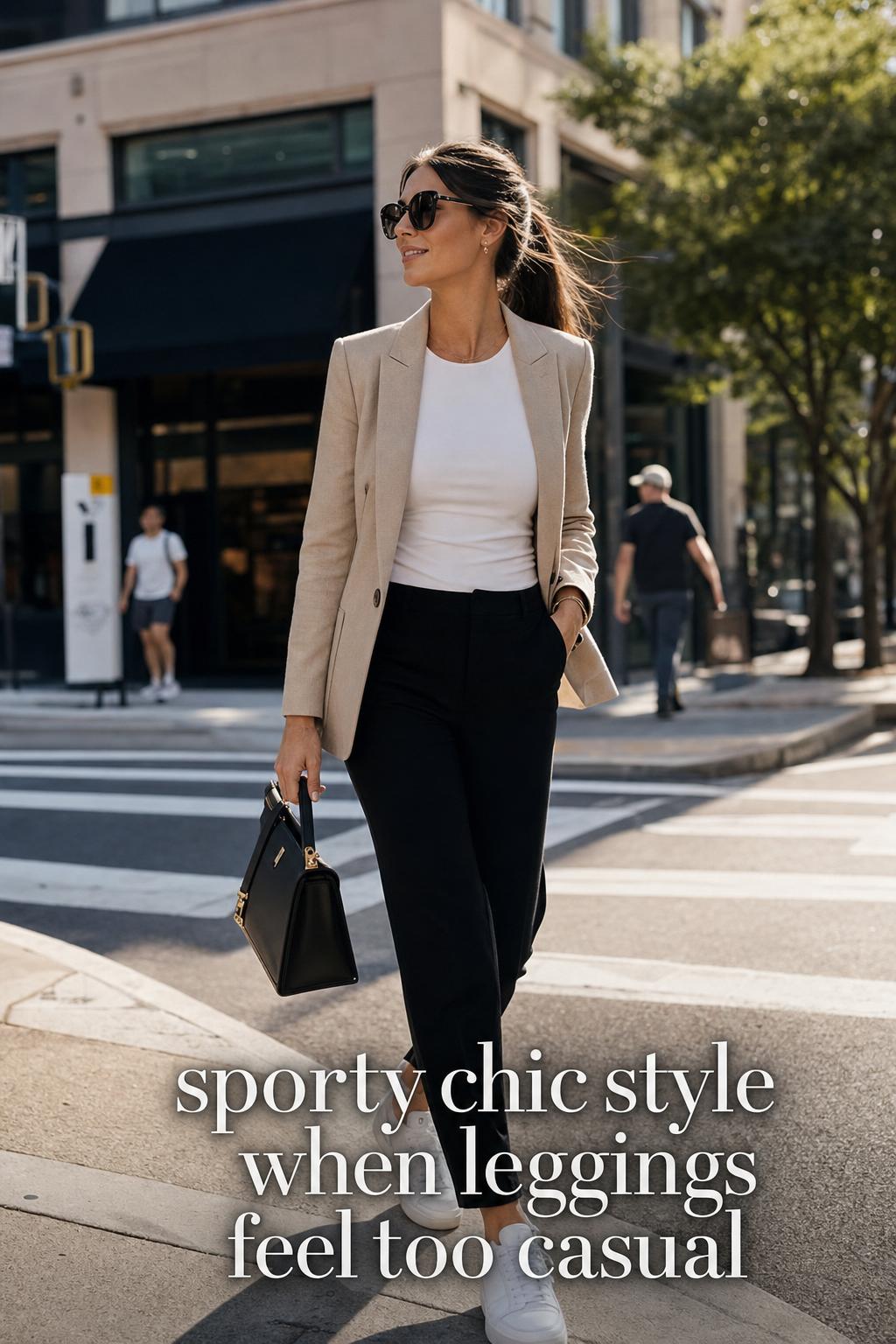
The sporty chic toolkit repeatedly returns to blazers, tailored trousers, straight-leg jeans, sleek sneakers, trench coats, structured bags, and polished layers. Athleisure leans more naturally toward joggers, tracksuit styles, soft knits, and athletic basics worn with minimal formal interruption.
Accessories and finishing
A structured bag can completely change the read of an outfit. In sporty chic, accessories often perform that finishing role. A Chanel bag, for example, can elevate otherwise sporty pieces by introducing a luxury counterpoint. In athleisure, accessories are usually more understated and function-led rather than contrast-led.
The sporty chic toolkit versus the athleisure toolkit
- Sporty chic: blazer, tailored pants, blouse, sleek sneakers, trench coat, tailored jacket, straight-leg jeans, structured bag, occasional heels for contrast
- Athleisure: leggings, joggers, tracksuit-inspired separates, knitwear, simple tees, comfortable athletic wear, trainers built primarily around ease
The important point is not that these pieces belong exclusively to one category. It is that they behave differently depending on their styling context. Leggings under a trench coat with polished sneakers can begin moving toward sporty chic. Joggers under a blazer can do the same if the fit is slim and the palette is controlled. The style category is determined by the outfit’s final composition, not by one item alone.
Sub-styles that sharpen the sporty side
Some of the clearest modern expressions of sporty chic come through sub-styles. These coded variations help explain why the look feels current without changing its core formula of comfort plus refinement.
Tenniscore
Tenniscore is one of the most recognizable sporty chic branches because it naturally combines athletic references with clean, polished lines. The appeal lies in its neatness. It carries a crisp mood that works well with sleek sneakers, simple outerwear, and structured accessories. In a U.S. wardrobe, tenniscore also translates easily into city dressing because it feels fresh rather than costume-like.
Compared with general athleisure, tenniscore is more deliberate. The lines tend to be cleaner, and the final look is rarely as relaxed as a standard athletic outfit. It is especially effective for readers who want sport influence without sacrificing elegance.
Bike break
Bike break introduces a more urban expression of sporty chic. It suggests movement, city energy, and practical layering. The difference from basic athletic wear is once again in the styling frame. A sporty element on its own can look purely functional. Add a tailored layer, considered bag, or refined footwear choice, and it shifts into style territory.
This sub-style makes the most sense in dense city environments where commuters need comfort but still want a sharp appearance. It belongs naturally in conversations around New York City, Los Angeles, and other style-driven urban settings.
City codes: how location changes the outfit balance
Sporty chic does not look identical everywhere. One reason the style feels broad is that it adapts to local rhythm. City references such as NYC and LA are useful because they show how the same idea can lean sharper or softer without leaving the category.
New York City: tailored energy
In New York City, sporty chic tends to look more structured. Think blazers, tailored trousers, sleek sneakers, and practical layering built for movement. The city’s pace favors outfits that can handle walking, commuting, and changing schedules. That makes silhouette discipline especially important. Straight-leg jeans with a sporty jacket and a structured bag read more aligned with NYC than a fully relaxed tracksuit look.
Los Angeles: ease with polish
Los Angeles usually pushes the same concept in a softer direction. The look remains elevated, but often with more casual spacing between garments and a lighter overall mood. Sneakers, simple tees, leggings, and sporty layers can still be part of a polished outfit, especially when balanced by one strong tailored or luxe element.
Chicago and climate-aware structure
Chicago makes a practical case for why outerwear matters in sporty chic style. When weather shifts quickly, trench coats and layering pieces do real visual work. They also solve a style problem: performance fabrics and athletic items can look too casual on their own, but become convincing in a city wardrobe when framed by a classic coat or structured jacket.
Regional references beyond the U.S., including Puerto Rico and Ecuador, also reinforce how sporty chic bridges urban fashion and elegant sportswear. The formula remains consistent even when climate or styling emphasis changes.
Brands as styling signals, not just shopping choices
In this category, brands matter less as status labels and more as style signals. They help communicate whether an outfit is leaning sporty, luxe, or balanced between the two.
- Adidas: often associated with sneakers, especially the Adidas Samba, which can pivot between casual and polished styling depending on the outfit.
- Nike: a strong sport reference that works best in sporty chic when grounded by tailored pants, denim, or sharper outerwear.
- Puma: useful when the outfit needs a clean athletic note without dominating the look.
- Lululemon: naturally connected to comfort and performance, more athleisure-led unless balanced by refined layers.
- Uniqlo and J.Crew: practical anchors for the polished side of the equation, especially through simple tees, outerwear, or tailored separates.
- Chanel: a high-fashion counterpoint that illustrates how luxury accessories, such as a Chanel bag, can elevate athletic elements into sporty chic.
- Macy’s and Nordstrom: useful retail references for building mixed wardrobes across different budgets and categories.
The strongest sporty chic outfits often combine these worlds rather than staying loyal to one lane. Adidas or Nike on the feet, J.Crew-level tailoring in the body of the outfit, and a structured bag to finish the composition is a classic formula because each element performs a specific visual role.
Visual style breakdown in real outfits
Layering approach
Athleisure layering is usually straightforward: soft over soft, relaxed over relaxed. Sporty chic relies on contrast layering. A trench over leggings, a blazer over a tee, or a sporty jacket paired with jeans creates a more intentional hierarchy. That hierarchy is what makes the outfit feel composed rather than merely convenient.
Garment proportions
Sporty chic generally benefits from edited proportions. If the sneaker is chunky or visibly athletic, the rest of the outfit often works best when streamlined. If the trousers are relaxed, the top layer usually needs some structure. Athleisure can handle an all-soft silhouette more easily because comfort is part of its point. Sporty chic needs proportion play to avoid visual drift.
Footwear decisions
Footwear can decide the category instantly. Trainers and sneakers belong to both styles, but their surrounding pieces determine the message. Heels are less common, yet they appear in some sporty chic interpretations specifically to emphasize contrast. That is a useful clue: sporty chic tolerates elegant disruption; athleisure usually does not seek it.
Accessory logic
A structured bag, polished outerwear, or even a simple blouse can redirect an outfit away from casual athletic dressing. In visual terms, these items create a second register in the look. Instead of one continuous comfort message, the outfit starts speaking in two tones at once: sporty and refined.
Example comparisons that make the distinction clearer
Casual daytime outfit interpretation
An athleisure version might center on leggings, a simple tee, and comfortable athletic footwear, keeping the mood easy and movement-focused. A sporty chic version of the same need would still allow leggings or sneakers, but would introduce a trench coat or tailored jacket to create structure. The practical function stays intact, but the visual finish becomes sharper.
Denim-based city outfit interpretation
Athleisure often treats denim as secondary to knitwear and active separates. Sporty chic uses straight-leg jeans more confidently because denim can bridge the sporty and polished sides of a look. Add Adidas Samba sneakers and a blazer, and the outfit reads immediately more editorial than relaxed gym-adjacent dressing.
Warm-weather outfit interpretation
For summer, athleisure tends to stay clean and functional. Sporty summer dressing, however, often introduces easy-chic staples and higher-contrast styling. Sneakers remain important, but so do blazers, bags, and polished layers that keep the outfit from feeling too literal. This is where the sporty summer look gains its appeal: it keeps the comfort of activewear references while removing the sense of being on the way to a workout.
Game-day fashion interpretation
Game-day fashion naturally leans sporty, but sporty chic adds intentionality. Instead of dressing only for team-adjacent comfort, the outfit includes stronger outfit composition through jacket choice, trouser shape, or accessories. The result still belongs in a stadium environment, yet looks viable afterward for dinner or casual city plans.
Why certain combinations work better than others
The most successful sporty chic outfits usually rely on one of three balancing strategies. First, structure against softness: a blazer with joggers, or tailored trousers with trainers. Second, luxury against utility: a Chanel bag with athletic footwear. Third, classic against technical: a trench coat layered over performance fabrics or moisture-wicking basics.
What often fails is overloading the sporty side without enough polish. If the sneakers, pants, jacket, and bag all signal athletic use, the outfit stops being sporty chic and returns to athleisure. The reverse can also happen. If the outfit is too formal with only a token sneaker, it no longer carries enough sport influence to feel true to the category.
Fabric, fit, and function: the practical side of the comparison
Performance fabrics, breathable materials, and moisture-wicking blends have a clear role in both styles, but they should be handled differently. In athleisure, they can stay visible and dominant. In sporty chic, they are most effective when integrated into a broader outfit with tailoring, denim, or classic outerwear. This prevents the technical fabric from taking over the entire read.
Fit also changes the outcome. Slim joggers create a cleaner line than wide-leg joggers when paired with a blazer. Tailored pants are easier to elevate than loose track bottoms. Leggings require a stronger balancing layer, such as a trench coat or structured jacket, because they have a highly casual athletic association. These are small choices, but they strongly affect whether the outfit lands as polished or purely relaxed.
Comfort should not be treated as the enemy of elegance here. The entire appeal of sporty chic style is that it allows movement and daily practicality while still respecting proportion, texture contrast, and finish.
Tips for building a sporty chic wardrobe without losing clarity
A common mistake is buying only sporty items and expecting the wardrobe to become sporty chic on its own. The style actually depends on the bridge pieces. Those bridge pieces create the transition from athletic inspiration to polished dressing.
- Keep a blazer in rotation because it instantly adds structure.
- Use tailored trousers as a neutral base for sneakers and sporty jackets.
- Choose one athletic focal point per outfit rather than stacking several.
- Add a structured bag when the clothing leans too casual.
- Use denim, especially straight-leg jeans, to connect sneakers with polished layers.
- Reserve all-over performance dressing for athleisure days rather than forcing it into every sporty chic outfit.
Another useful tip is to think in visual anchors. Every sporty chic outfit should have one item that sharpens the look and one item that relaxes it. Without both, the outfit loses the duality that defines the style.
When to choose sporty chic and when athleisure makes more sense
For everyday wear
Both styles work well here, but the choice depends on how polished the day needs to feel. Athleisure is ideal when comfort is the clear priority. Sporty chic is stronger when the schedule includes meetings, lunch plans, or city errands where a more finished outfit feels appropriate.
For work environments
Sporty chic is the better option because it can absorb office-appropriate pieces such as blazers, blouses, tailored pants, and structured bags. Athleisure generally struggles in this setting unless the workplace is extremely casual.
For travel
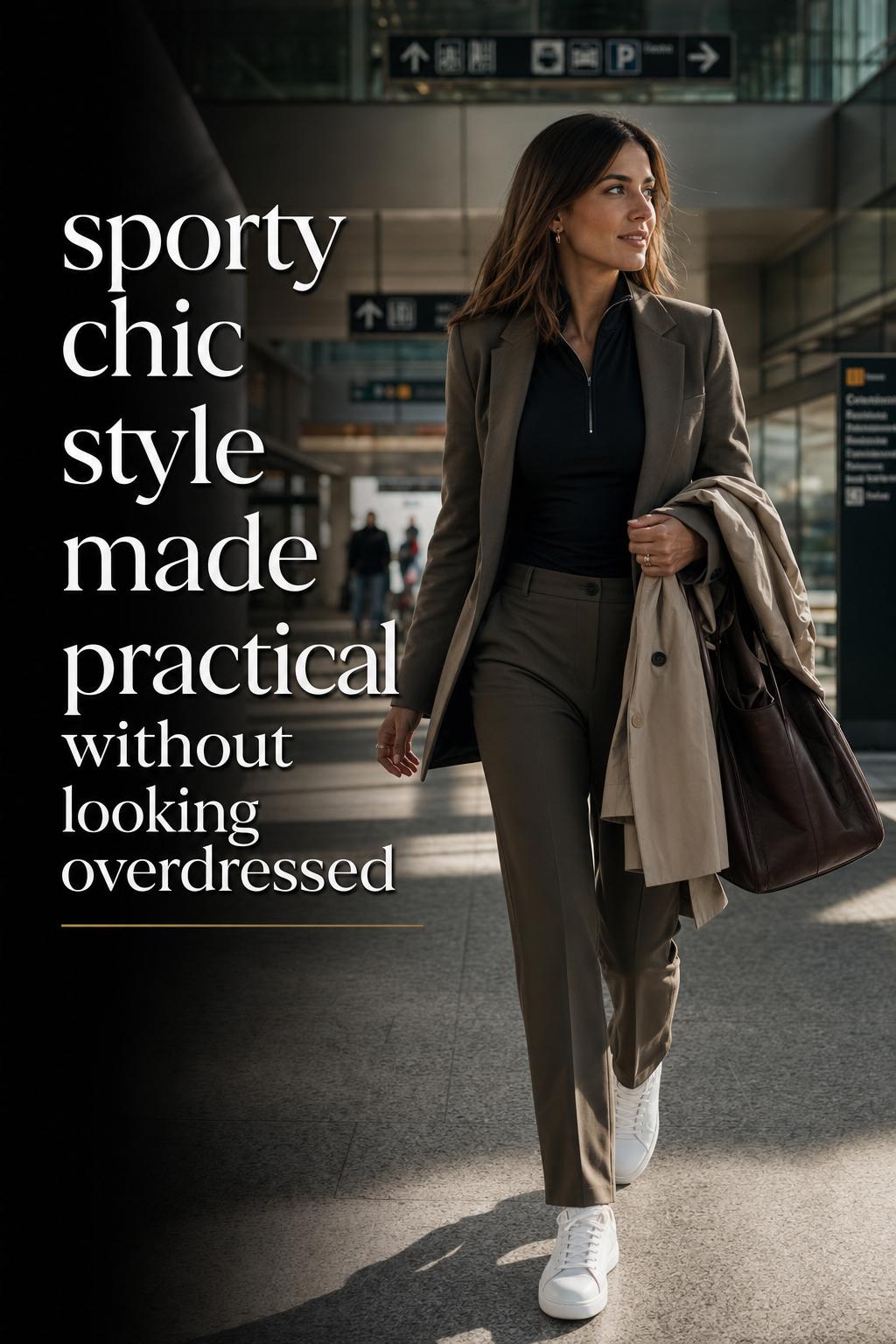
Athleisure offers obvious comfort advantages for long transit days, but sporty chic can be the smarter choice if the outfit needs to work immediately upon arrival. A trench coat, sleek sneakers, and tailored layers can still feel comfortable while looking camera-ready and city-appropriate.
For casual but polished occasions
Sporty chic has a wider range here. It fits game-day fashion, outdoor city plans, casual dinners, and trend-aware daytime events because it is neither overdressed nor too relaxed. Athleisure remains useful for low-pressure settings, but its styling ceiling is lower.
Seasonal shifts and how the comparison changes
In summer, sporty chic often leans on easy-chic staples that keep the silhouette open and clean. Sneakers, lightweight jackets, and simple denim combinations are especially effective because they preserve comfort while maintaining a sharp outline. Athleisure in summer can feel more purely functional, which is useful, but often less versatile for mixed schedules.
In cooler weather, the gap between the two styles becomes more visible. Outerwear gives sporty chic a major advantage. Trench coats, tailored jackets, and classic layers make it easier to integrate athletic basics without looking underdressed. This is also where fabric texture becomes more important. Wool blends, denim, and polished outerwear create the richness that keeps sporty elements from appearing flat.
A note on celebrity and street-style influence
The broader sporty trend has been reinforced by fashion publication coverage, city street style, and celebrity-related references linked to NYC and LA. Names such as Claudia Schiffer and Lily Collins appear in the wider conversation around sportif dressing, while major editorial outlets continue to connect sporty references with aspirational fashion framing. The key takeaway is less about copying a single public figure and more about understanding the urban styling pattern they represent: athletic ease shaped by polish.
Common styling mistakes that blur the result
Readers often know they want the sporty chic effect but miss it in execution. The issue is usually not the individual items. It is the lack of contrast or the wrong balance of finish.
- Wearing too many overtly athletic pieces at once, which turns the outfit into straight athleisure.
- Using a blazer that is too formal for the rest of the outfit, creating disconnect rather than fusion.
- Ignoring fit, especially with joggers or leggings, so the silhouette loses shape.
- Choosing accessories that are too casual when the look needs one refined anchor.
- Overcomplicating the palette when the strength of the look comes from contrast in structure, not color overload.
The correction is usually simple: remove one sporty item, sharpen one line, or add one polished finishing piece. Small edits do more here than dramatic changes.
The final comparison: sporty chic, athleisure, and sport-luxe
Sport-luxe and sportif are often used around the edges of this conversation, and they help explain nuance. Athleisure is comfort-led. Sporty chic is balance-led. Sport-luxe pushes the polished side further, often with stronger luxury cues such as a Chanel bag or more obviously elevated accessories. Sportif can function as a broader umbrella for the trend, especially in editorial language tied to city style and street fashion.
That means sporty chic is often the most wearable middle ground. It is less casual than athleisure, less formalized than full luxury interpretation, and adaptable enough for everyday U.S. wardrobes across different cities, budgets, and schedules.
Conclusion
The core distinction is simple: athleisure prioritizes athletic comfort, while sporty chic style prioritizes polished balance. Both can share sneakers, leggings, joggers, and sporty layers, but they do not communicate the same thing. One reads relaxed and functional; the other reads intentional and refined.
You can identify sporty chic by its visual tension: tailored pants with trainers, a blazer with athletic references, a trench coat over performance-minded basics, or a structured bag grounding casual pieces. You can identify athleisure by its consistency and ease. In practice, the strongest modern wardrobes use both. The difference is knowing when to stay casual and when to elevate the look through structure, accessories, and sharper outfit composition.
FAQ
What is sporty chic style?
Sporty chic style is the intentional blend of athletic-inspired pieces with polished clothing such as blazers, tailored pants, trench coats, or structured bags. The defining idea is contrast: comfort remains important, but the final outfit looks elevated rather than purely casual.
How is sporty chic different from athleisure?
Athleisure is mainly comfort-led and stays closer to activewear in feel and appearance, while sporty chic uses athletic elements as part of a more refined outfit. If the look includes clear tailoring, sharper structure, and polished accessories, it is likely sporty chic rather than standard athleisure.
Can sporty chic work for the office?
Yes, sporty chic can work in many casual or modern work environments because it allows office-friendly pieces like blazers, blouses, tailored trousers, and structured bags. The athletic portion should stay controlled, usually through sleek sneakers or one sporty layer rather than a full activewear look.
What shoes work best for sporty chic outfits?
Sleek sneakers are the most reliable choice because they preserve the sporty element while remaining easy to pair with tailored pants, straight-leg jeans, or a blazer. Adidas Samba sneakers are a strong example of footwear that can move between casual and polished styling depending on the rest of the outfit.
Is tenniscore the same as sporty chic?
No, but tenniscore is one of the clearest sub-styles within sporty chic. It uses sport references associated with tennis and translates them into clean, polished outfits that feel more refined than general athleisure.
Which brands fit a sporty chic wardrobe?
Brands such as Adidas, Nike, and Puma supply the athletic side, while labels and retailers associated with polished basics, including Uniqlo, J.Crew, Macy’s, and Nordstrom, help build the refined side. Chanel often appears as a luxury reference point because a structured designer bag can elevate sporty pieces immediately.
Can leggings be part of sporty chic style?
Yes, but leggings usually need a stronger balancing piece because they carry a strong athletic association. A trench coat, tailored jacket, or structured bag helps shift them from pure athleisure into sporty chic territory.
Is sporty chic still current?
Yes, the style remains current because it aligns with how people actually dress now: they want comfort, flexibility, and polish in the same wardrobe. Ongoing interest in sportif dressing, sporty summer looks, tenniscore, and city street style keeps the category relevant.
What is the easiest way to make an outfit look sporty chic instead of athletic?
Add one refined visual anchor. A blazer, tailored trousers, a trench coat, or a structured bag usually changes the outfit immediately because it introduces the polished counterweight that sporty chic depends on.