Tokyo-Inspired Japan Street Style for Polished Everyday Looks
Introduction
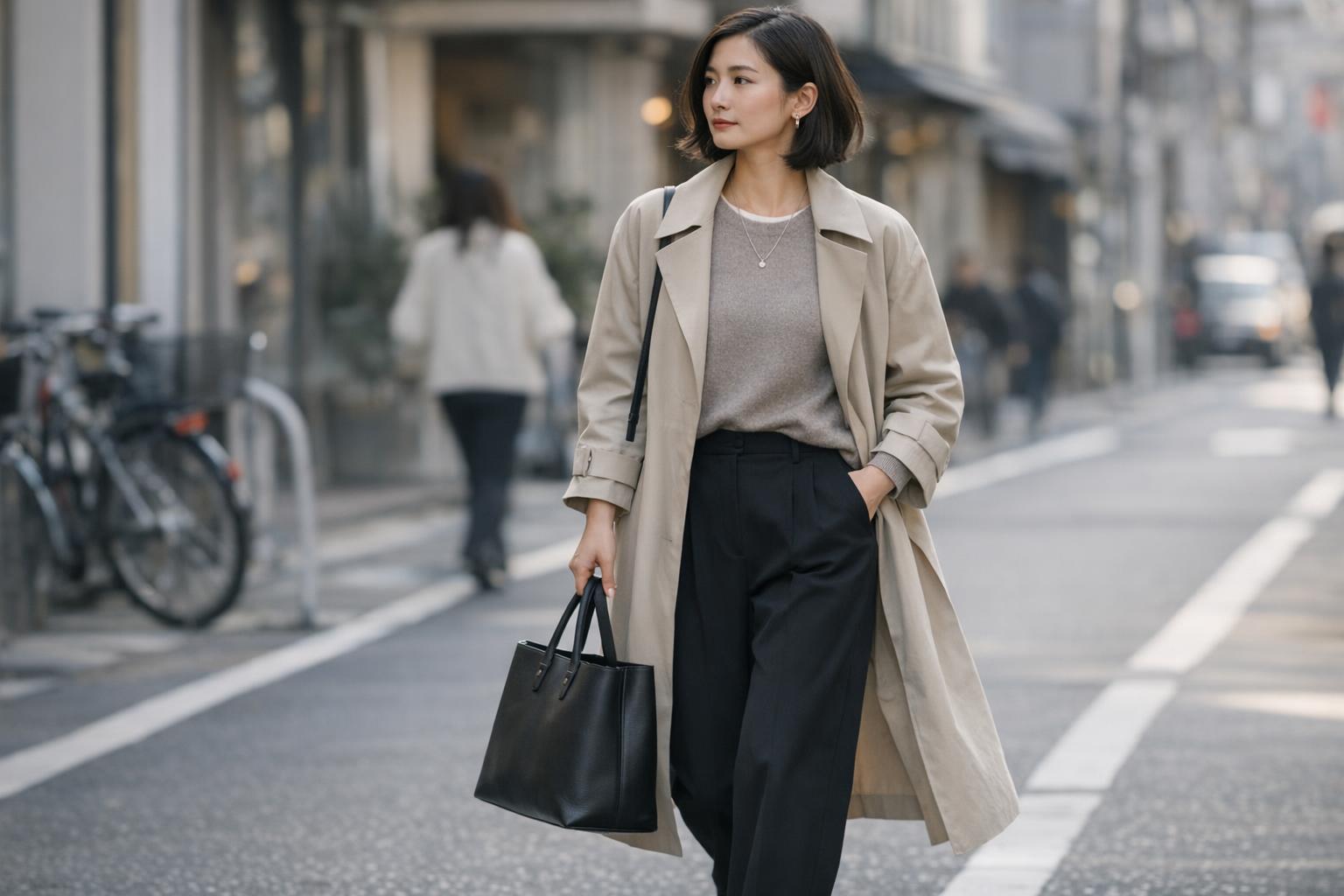
Japan street style reads like a moving moodboard: precise, intentional, and visually layered even when the palette stays quiet. The identity isn’t “dress loud” or “dress minimal” as a rule—it’s composition first. Silhouette balance, texture contrast, and proportion play do the heavy lifting, turning everyday pieces into an editorial look that feels distinctly street style Japanese without needing a single costume-like detail.
The overall mood is controlled creativity—clean lines interrupted by softness, structure broken up by drape, and styling that feels curated rather than accidental. This is the kind of Tokyo style you notice because the outfit looks complete from every angle: hems align, layers behave, and accessories feel like visual punctuation instead of decoration for decoration’s sake.
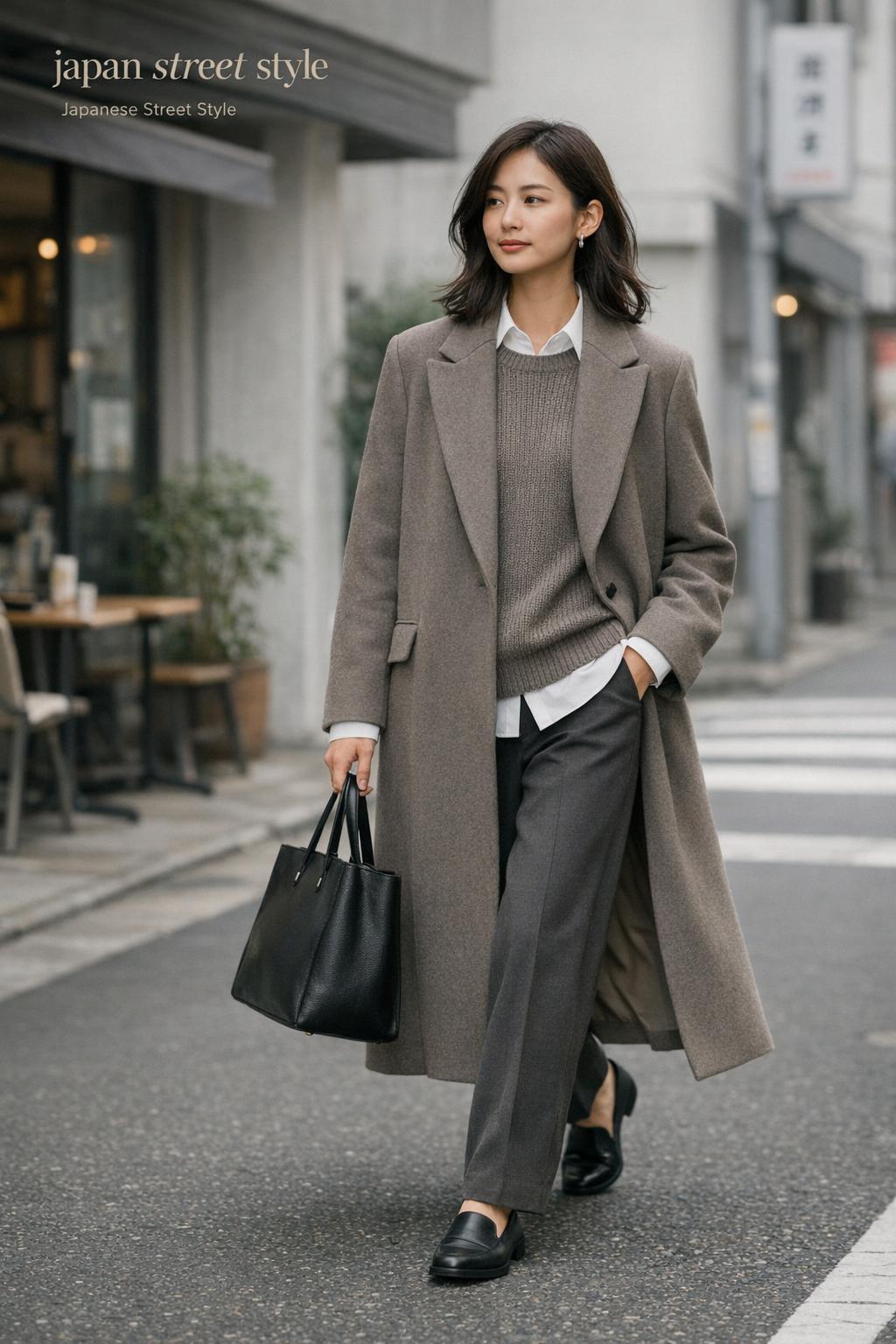
In practice, Japanese street style is commonly worn in real life settings where you’re walking a lot and being seen from multiple distances—commutes, cafés, shopping districts, and long city days that require comfort without sacrificing presence. That functional elegance is exactly why fashion in Japan remains so compelling: it makes aesthetic discipline feel wearable, not restrictive.
The aesthetic code: what makes japanese outfits street style feel “Tokyo”
Before building looks, it helps to understand the internal logic that keeps Tokyo fashion cohesive. The strongest outfits tend to follow three principles: intentional silhouette, controlled palette, and tactile variety. Even when the outfit looks effortless, the structure is usually deliberate—volume is placed strategically, and the outfit has a clear visual anchor (a coat shape, a trouser line, or a standout bag) that prevents the styling from drifting into randomness.
Found the dress? Keep the rest in one place.
Zarellea brings guest details, vendors, timelines, and every next step together — so your wedding plan feels as good as your look.
Another defining feature of street style Japanese dressing is how “quiet” elements do loud work. A slightly longer sleeve, a precisely chosen sock height, or a collar that frames the face correctly can change the entire proportion story. This is why japanese street style photographs so well: small decisions add up to a strong outline, and the look holds its shape even in motion.
- Silhouette balance: one dominant volume (wide leg, oversized outerwear, or a longline layer) paired with a calmer counter-shape.
- Tonal layering: similar shades stacked to create depth without visual clutter.
- Texture contrast: matte next to sheen, crisp next to soft, structured next to fluid.
- Functional styling: pieces that make sense for walking, weather shifts, and all-day wear.
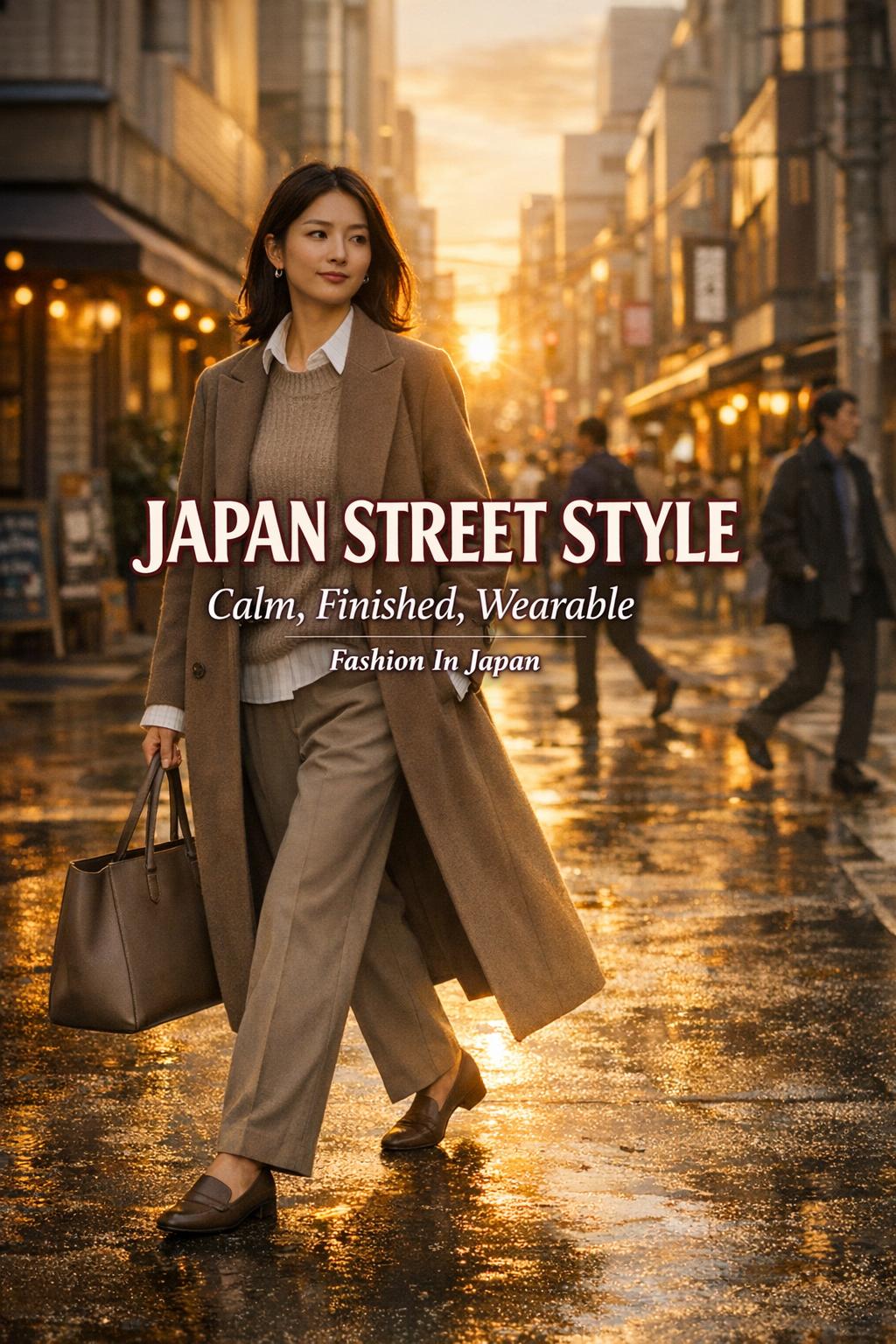
Look: relaxed minimal layers (the clean-line version of japan street style)
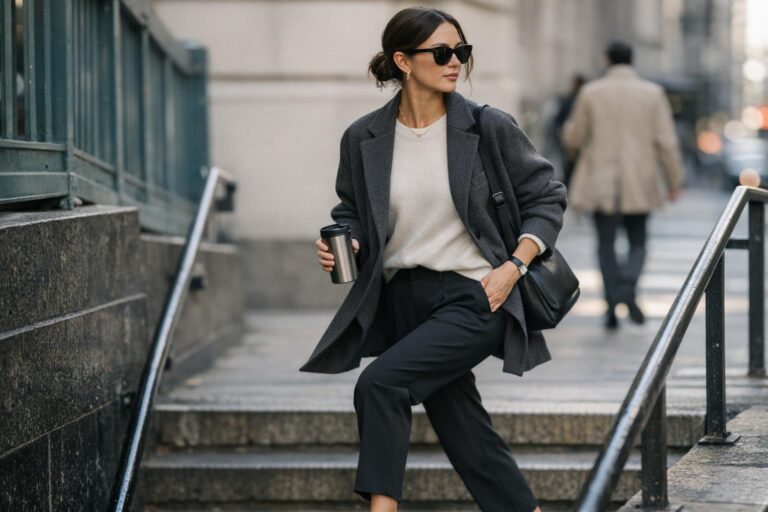
This look is built around calm proportion play: a long, relaxed top layer that skims the body and creates a straight vertical line, paired with an easy base that doesn’t compete. The mood is understated and architectural—minimal, but not flat—where the interest comes from movement and the slight separation between layers.
Start with a soft, neutral base: a lightweight knit or smooth cotton top, then add a longline outer layer in a similar tone. The palette stays in a tight range—think off-white, stone, charcoal, or muted taupe—so the silhouette reads clearly. Fabrics should behave well: knits that don’t cling, cottons that hold a clean edge, and an outer layer that drapes without collapsing.
- Key garments: longline outer layer, minimal top, straight or gently wide trousers
- Footwear: sleek low-profile sneakers or simple flats
- Accessories: a structured tote, minimal jewelry, clean socks (if visible)
Why this works as Tokyo style: the outfit’s “statement” is restraint. The long vertical line creates polish, while the soft base keeps it wearable for long city hours. It’s also a strong template for Japanese street style because it scales easily—swap the outer layer’s weight to match the season and the formula still holds.
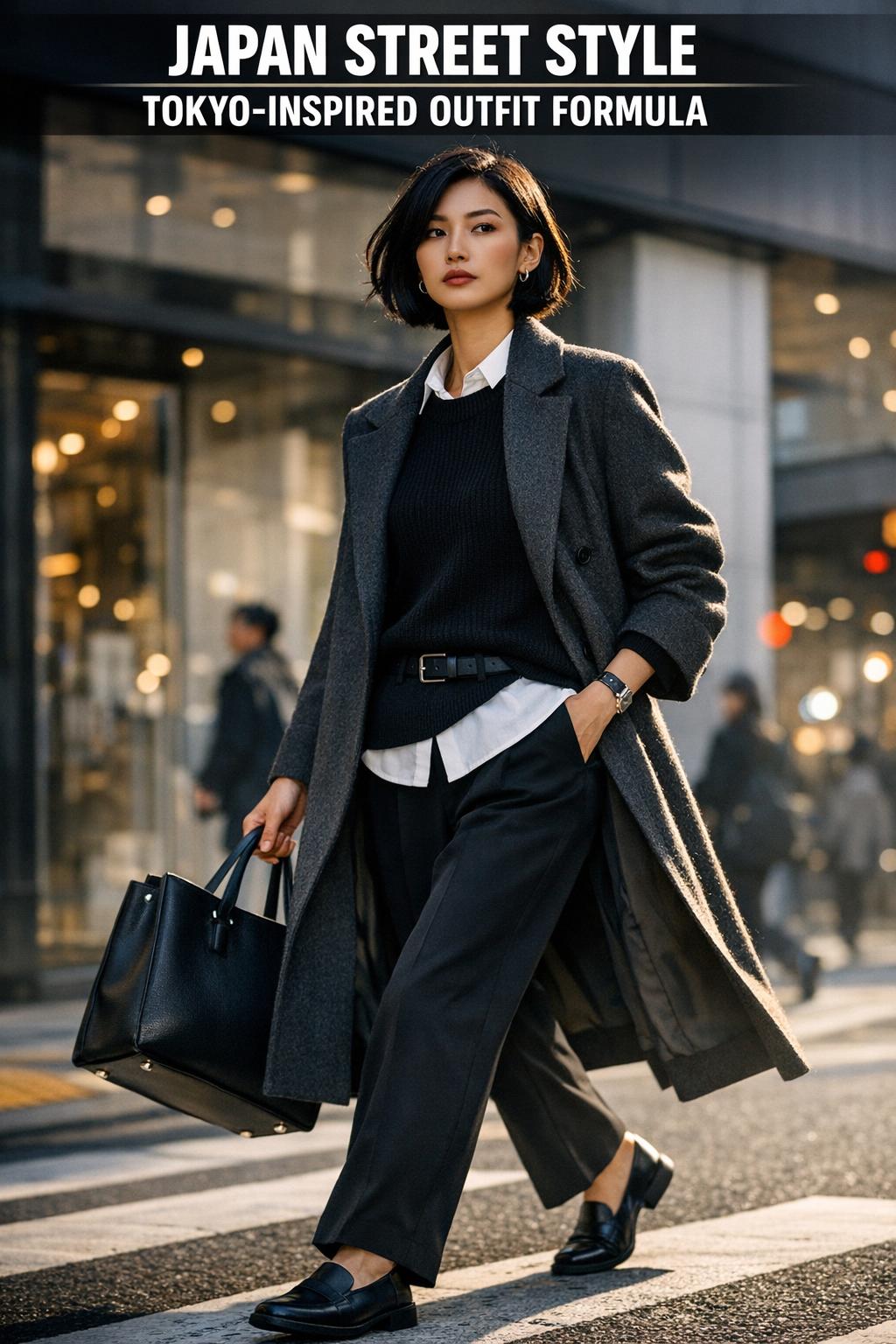
Style tip: how to keep minimal outfits from feeling blank
Minimal doesn’t mean featureless. In street style Japanese dressing, minimal looks stay interesting through micro-contrast: one crisp element (a sharper collar or cleaner trouser crease) against one soft element (a knit texture or relaxed sleeve). If everything is equally soft, the outfit can lose its visual edge; if everything is equally sharp, it can feel rigid. Balance is the entire point.
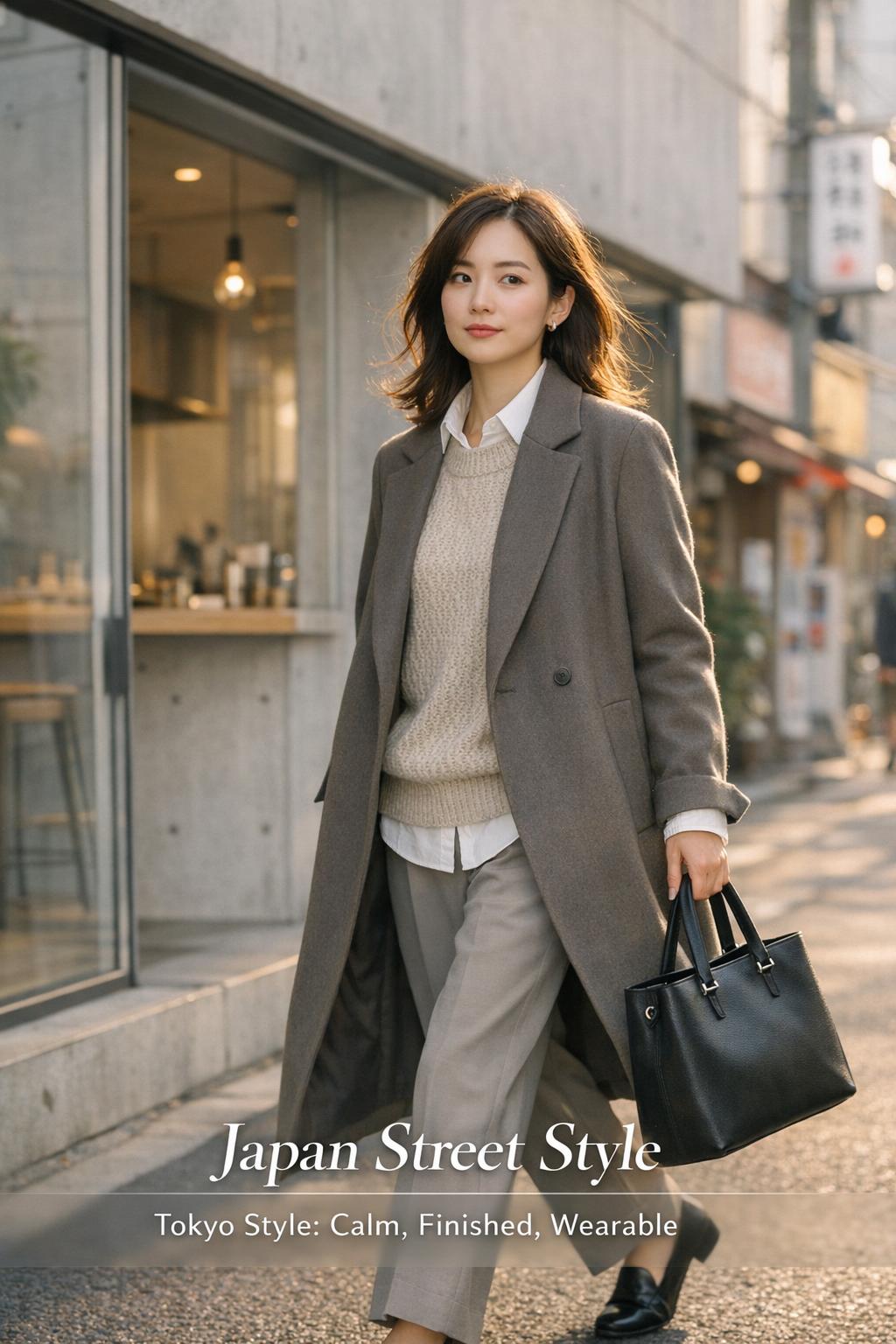
Look: neutral street style with a strong visual anchor
This version of Japanese street style keeps the palette quiet but introduces a single anchor piece that defines the outfit from a distance. The silhouette is slightly more graphic: clean lines, a clearer waist/hip structure, and a feeling of deliberate “finish” that makes it ideal for a day that moves from errands to dinner without a full change.
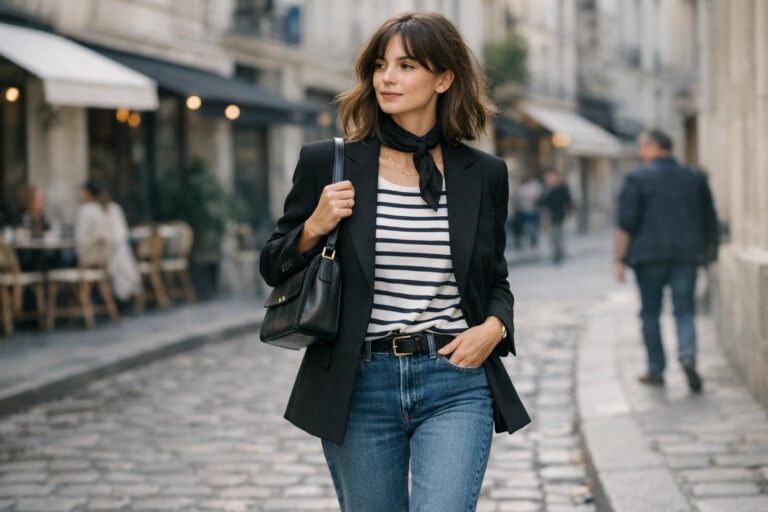
Build the base with neutrals—beige, black, gray, or cream—then choose one anchor that holds the composition in place. A structured jacket, a sharply shaped bag, or a pair of trousers with a strong line can all serve the role. The key is to let that anchor set the outfit’s posture, while the rest stays supportive through simpler textures and consistent tones.
- Key garments: structured jacket or crisp overshirt, tonal top, tailored or clean-line trousers
- Footwear: simple leather shoes or minimal sneakers
- Accessories: one structured bag, subtle metal detail (belt buckle, watch, or earrings)
Why this works for Tokyo fashion: a single strong element creates clarity. The outfit reads intentional in a fast-paced urban environment because the eye has somewhere to land. This is also a practical approach to fashion in Japan-inspired dressing—when you’re moving through crowded streets, a clean anchor keeps the look sharp even if the rest is relaxed.
Look: soft weekend aesthetic (comfort-first, still street style Japanese)
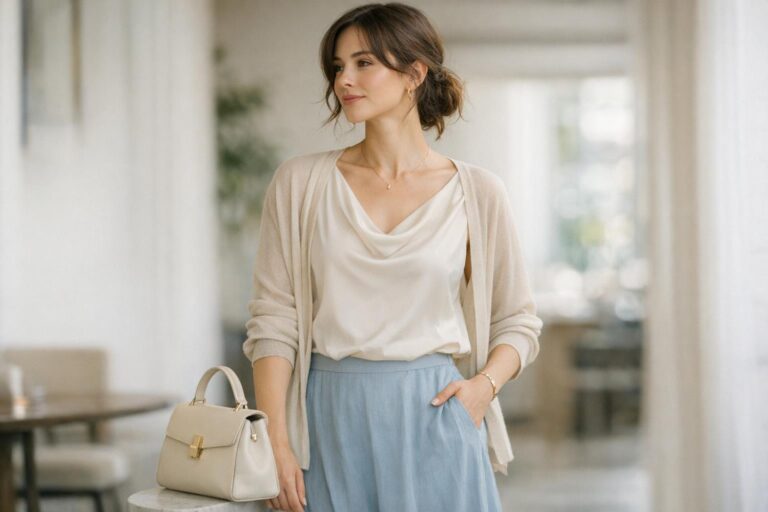
This look leans into softness—rounded shapes, gentle volume, and cozy textures—without losing structure. The mood is calm and approachable, with a silhouette designed for ease: relaxed through the torso and legs, but refined through neat hems and thoughtful layering so it doesn’t drift into “homewear.”
Choose tactile fabrics that signal comfort visually: brushed knits, soft cotton, or matte fleece-like textures, then keep the palette muted to avoid looking busy. The strongest version uses tonal layering—similar shades stacked together—so the outfit feels cohesive even with multiple pieces. A slightly cropped jacket over a longer top, or a short top over longer trousers, creates gentle proportion contrast.
Why this fits Japanese street style: it respects real life. Tokyo style isn’t only about being photographed; it’s also about walking, browsing, sitting, standing, and repeating the cycle all day. This weekend formula supports movement and comfort while still looking curated—exactly the kind of polish that makes japanese outfits street style feel elevated.
Look: polished monochrome (the “editorial in motion” Tokyo style)
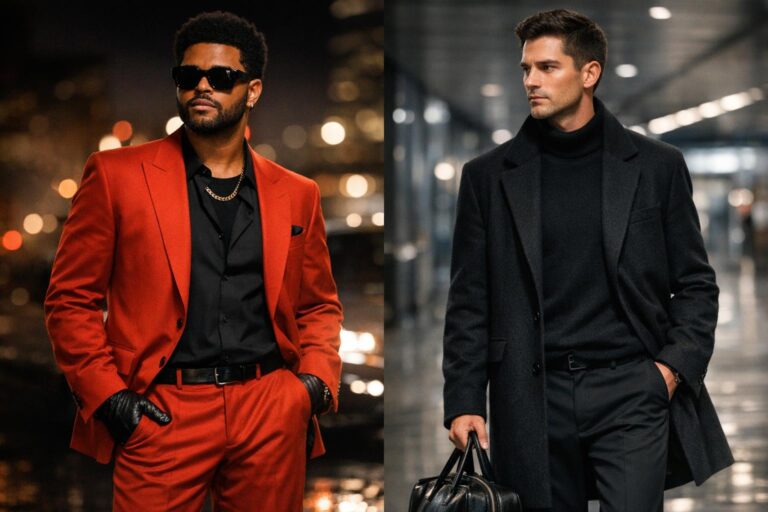
Monochrome is a classic street style Japanese move because it makes layering look intentional by default. The mood is sleek and self-possessed, with a silhouette that feels longer and cleaner. This look thrives on subtle differences—matte versus sheen, tight weave versus soft knit—so the eye stays engaged even when the color stays consistent.
Keep everything in one family—black, gray, cream, or deep navy—and then vary the surfaces. Pair a smooth, structured outer piece with a softer inner layer; add trousers with a clean drape to keep the outline sharp. The palette becomes the framework, and texture becomes the detail. This is where Tokyo fashion often feels most “designed,” because it uses discipline as a styling tool.
- Key garments: structured outer layer, knit or smooth base layer, clean-drape trousers
- Footwear: streamlined shoes that match the palette
- Accessories: minimal bag, subtle eyewear, one refined metal detail
Why this works: monochrome reduces visual noise, so proportion play becomes more visible. If the outer layer is longer, the trousers should hold a strong line; if the trousers are wider, the top should feel controlled. That push-pull keeps the outfit from becoming a single block of color.
How to recreate the japanese street style effect without overbuying
A common misconception about japan street style is that it requires a completely new wardrobe. In reality, the “Tokyo” feeling comes more from styling logic than from novelty. Start by editing: choose fewer pieces per outfit, but make each piece pull weight through silhouette or texture. Then repeat your strongest color family so your closet naturally supports tonal layering.
- Pick one core palette (black/gray, cream/taupe, or navy/charcoal) and build most outfits inside it.
- Choose one silhouette signature (wide-leg trousers, longline outerwear, or cropped structured layers) and repeat it.
- Add texture variety through knits, crisp cottons, and structured fabrics rather than loud prints.
- Make accessories functional: a bag that holds daily essentials, shoes made for walking, and layers that adapt to temperature shifts.
This approach mirrors fashion in Japan where outfits often look cohesive because the wardrobe is cohesive. When pieces naturally work together, you can dress quickly while still achieving that street style Japanese “complete” finish.
Look: statement outerwear, quiet base (Tokyo fashion with weather intelligence)
When the environment is unpredictable—wind, sudden rain, cold interiors—outerwear becomes the real outfit. This look treats the coat or jacket as the main character, while the base stays calm and minimal. The mood is urban and composed, with a silhouette designed to look strong from a distance and practical up close.
Keep the base in simple neutrals and let the outerwear carry shape: a longer length for drama, or a structured cropped form for crispness. The fabric choice matters because it determines how the silhouette holds—too soft and the outline collapses; too stiff and it can feel restrictive. Aim for a material that keeps its line while allowing movement.
Why this is such a reliable japanese street style move: it’s realistic. Tokyo style has to survive public transit, long walks, and indoor/outdoor temperature changes. A strong outer layer gives you instant presence, and the quiet base ensures you still look intentional if you take the jacket off.
Look: refined casual with proportion play (street style Japanese, not sporty)
This look sits in the sweet spot between casual and refined. The mood is easy but disciplined—relaxed shapes with a deliberate outline. The key is proportion: a slightly boxy top balanced with a cleaner leg line, or a wide trouser balanced by a shorter, more structured upper layer.
Use everyday fabrics—cotton, knit, or simple woven materials—but keep the finishing details clean. The palette can be neutral with one muted accent, as long as the overall story stays cohesive. A refined casual outfit works best when at least one piece has structure: a crisp collar, a clean waistband, or a firm hem that holds shape.
Why this reads as Tokyo fashion instead of generic casual: the outfit is “edited.” There’s no excess detail competing for attention. Each line has a job—either to lengthen, to frame, or to anchor—and that clarity is a signature of Japanese street style.
Common mistakes that dilute the japan street style look
Japanese street style is often imitated through surface-level choices—oversized pieces, monochrome palettes—without the underlying structure. That’s when outfits start to look sloppy rather than intentional. The fix is not “dress more,” but “compose better.” Focus on how layers stack, where the hem lines land, and whether the silhouette has a clear center of gravity.
- Too many focal points: when every piece is a statement, the outfit loses hierarchy.
- Volume everywhere: oversized top plus oversized bottom without structure can look heavy and unfocused.
- Flat texture: all jersey or all smooth fabric can make even a good palette look dull.
- Ignoring movement: shoes that hurt or layers that restrict arms/stride break the real-life wearability that defines Tokyo style.
Street style Japanese dressing rewards small corrections: a cleaner hem, a sharper shoulder, a more stable shoe. Those adjustments change the entire impression without changing your personal identity.
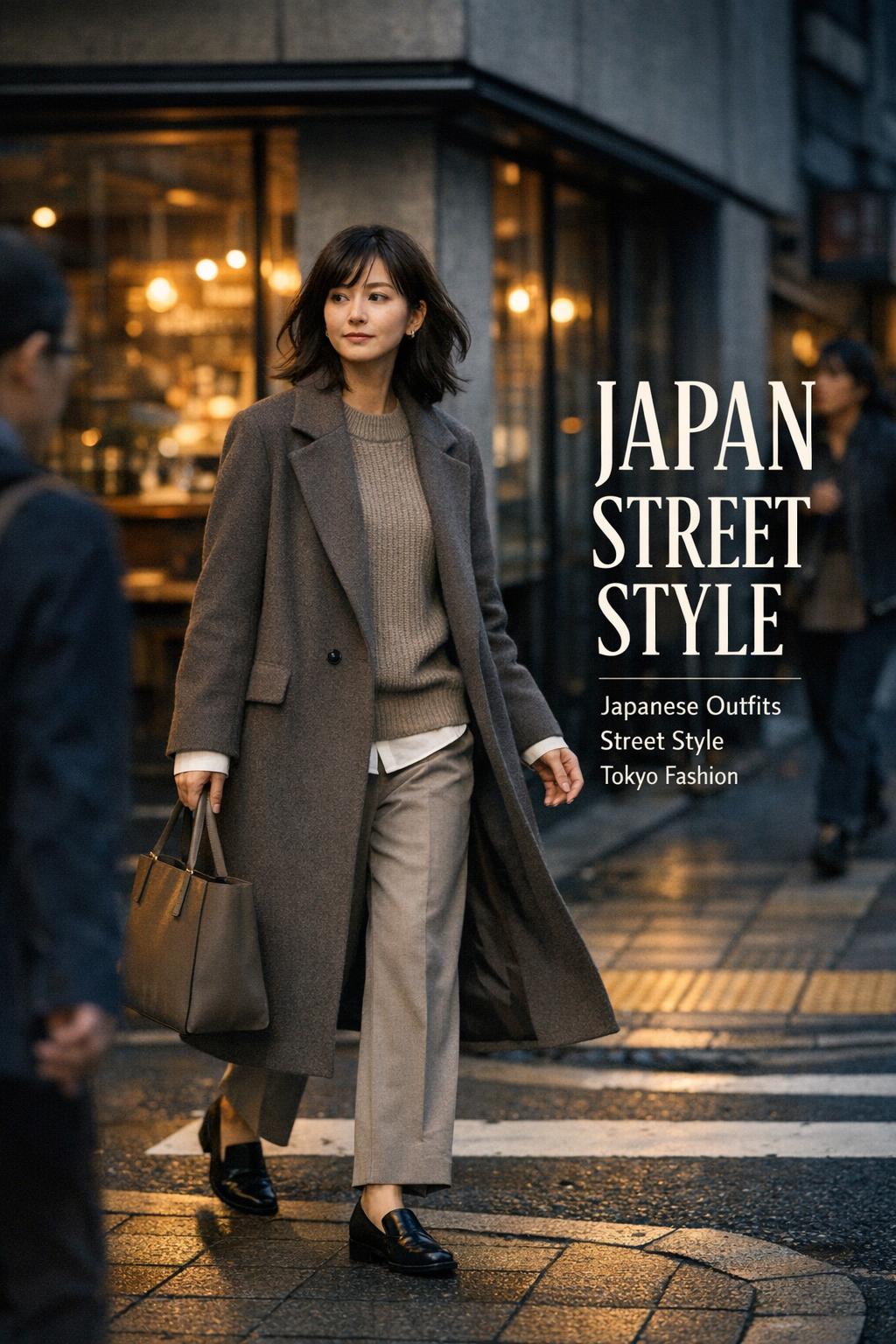
Look: tonal earth palette (Japanese street style with warmth and softness)
This variation brings warmth into the aesthetic through earth tones—still restrained, but less stark than monochrome. The mood is grounded and calm, with a silhouette that feels natural: soft layers, gentle structure, and an overall sense of visual comfort that still reads polished.
Work within a spectrum of beige, tan, brown, and muted olive, keeping the tones close so layering looks intentional. Texture is the differentiator here: mix a soft knit with a crisp cotton layer, or pair a matte outer piece with a smoother inner fabric. The outfit should feel dimensional even if it’s low contrast.
Why this belongs in Tokyo fashion: tonal earth palettes maintain the composure of Japanese street style while adding approachability. It’s a strong option for readers who want the street style Japanese effect but find black-heavy wardrobes too severe.
Key pieces that do the most work in Tokyo style wardrobes
If you want Japanese street style versatility, prioritize pieces that can anchor multiple silhouettes and palettes. The best investments aren’t trend-dependent; they’re shape-dependent. You’re buying outline and fabric behavior as much as you’re buying a garment category.
- A longline outer layer: instantly creates vertical structure and makes basics feel editorial.
- Clean-drape trousers: straight or wide-leg shapes that hold a line without clinging.
- A structured top layer: an overshirt or jacket that sharpens relaxed base pieces.
- Tactile knits: add depth to tonal outfits and soften structured layers.
- Walkable shoes: the foundation for city-day outfits and the most honest part of Tokyo fashion practicality.
These pieces support multiple interpretations—minimal, soft, monochrome, earth-toned—while keeping the overall japan street style mood consistent.
Where these looks make sense: wearing japanese outfits street style in real U.S. life
Tokyo fashion is often seen through images, but its strength is real-world utility. In U.S. contexts, these outfits translate best to days that involve movement and mixed settings: commuting, museum afternoons, coffee meetings, shopping neighborhoods, or travel days when you want to look pulled together without feeling restricted.
The main adaptation is climate. If your area runs hotter, prioritize breathable layers and keep the silhouette clean with fewer pieces. If it runs colder, focus on outerwear structure and make sure your base layers are smooth enough to move easily under heavier fabrics. The goal is the same: a controlled outline with comfort built in—core to street style Japanese dressing and the broader logic of fashion in Japan.
Conclusion
Japan street style works because it treats outfits as design: silhouette, texture, and palette are arranged with intent, then made practical for real city life. Whether you lean minimal, soft, monochrome, or earth-toned, the Tokyo style effect comes from clarity—one visual anchor, disciplined layering, and fabrics that hold the shape you’re aiming for. Build a small set of reliable pieces, repeat your strongest palette, and let proportion play do the styling work.
FAQ
What does japan street style mean in everyday terms?
Japan street style refers to a city-wear approach associated with Tokyo style where outfits feel curated through silhouette balance, tonal layering, and texture contrast, creating a composed look that remains practical for walking and daily movement.
How do I make a minimalist outfit look more street style Japanese?
Use one strong silhouette element (like a longline outer layer or clean-drape trousers), keep the palette tight, and add subtle texture contrast—such as pairing a crisp fabric with a softer knit—so the look feels intentional rather than blank.
What colors fit Tokyo fashion without looking too bold?
Neutrals and controlled tones work best: black, gray, cream, taupe, and earth shades like tan or muted olive, especially when layered tonally so depth comes from shade variation instead of high-contrast color blocking.
How can I recreate Japanese street style if I don’t want to buy new clothes?
Edit your outfits down to a clear visual anchor, repeat a consistent color family across layers, and focus on proportion—balancing volume with structure—so your existing basics look more composed and “Tokyo” through styling rather than newness.
What’s the easiest way to make japanese outfits street style feel polished for all-day wear?
Prioritize comfort as part of the design: choose walkable shoes, keep layers breathable and easy to move in, and rely on a structured outer layer or crisp piece to maintain a clean outline even after hours of walking.
Why do monochrome outfits show up so often in street style Japanese dressing?
Monochrome reduces visual noise, making silhouette and fabric behavior more noticeable; it also supports layering because different textures can create depth while the single-color framework keeps the outfit cohesive.
How do I avoid looking sloppy when wearing oversized pieces in Tokyo style?
Keep only one area dominant in volume and counterbalance it with a cleaner line elsewhere—pair wide trousers with a more controlled top or structured layer—and ensure hems and layers land intentionally to maintain a defined outline.
What makes fashion in Japan feel different from generic casual streetwear?
The difference is composition: outfits are typically “edited” with clear hierarchy, controlled palettes, and precise proportion play, so even casual pieces look deliberate and complete rather than thrown on.