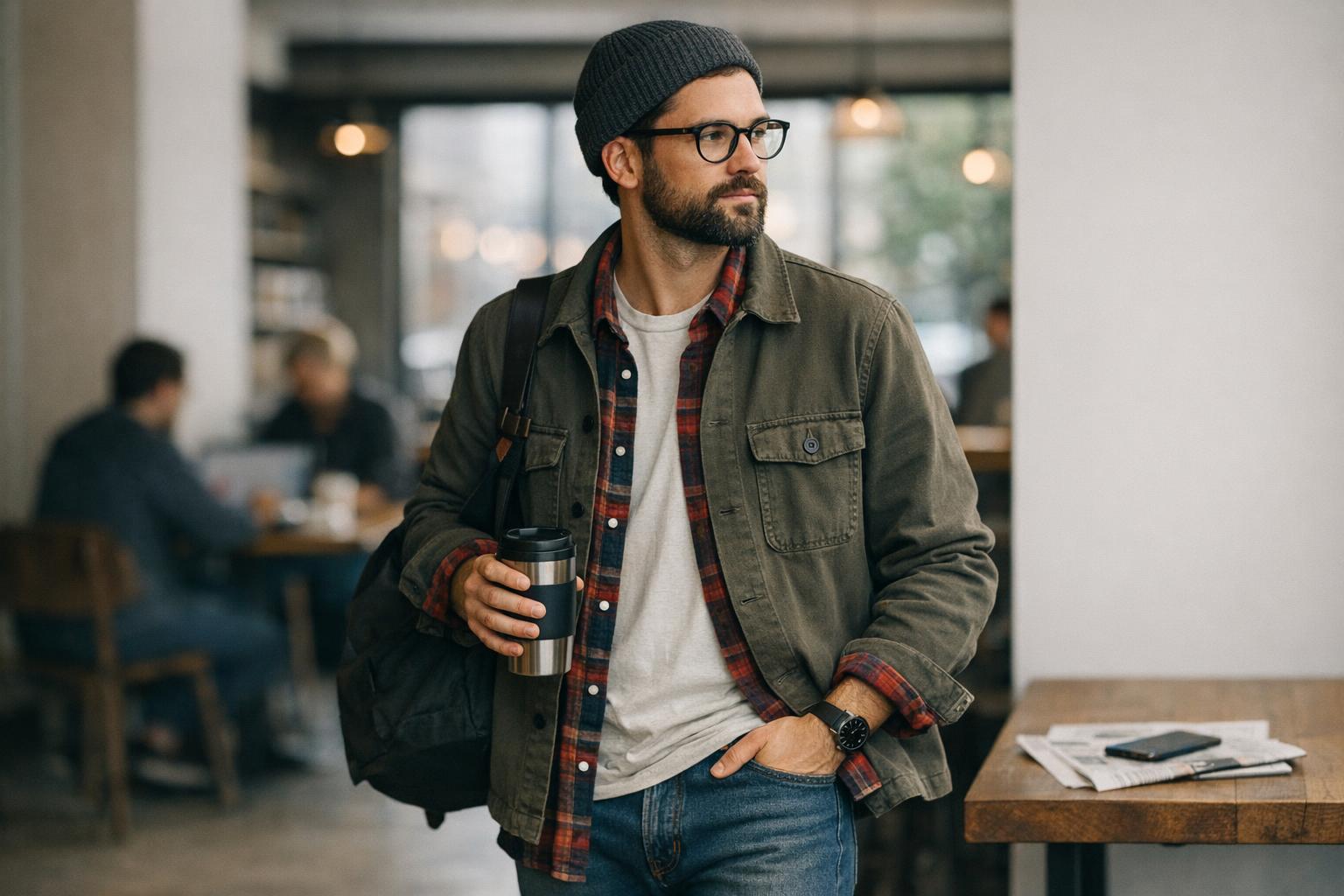
Polished Hipster Style for Commutes, Cafés, and Offices
Hipster style when you still need to look put-together: the real-world wardrobe problem
Hipster style is often described like a vibe, but most people don’t struggle with the vibe—they struggle with the logistics. The challenge shows up on ordinary days: you want a look that feels creative and individual, but you also need to be comfortable, weather-ready, and appropriate for where you’re going (office, coffee shop, museum, park, dinner, commute).
That tension is why the hipster look can feel tricky to “get right.” The pieces that signal the aesthetic—vintage denim, flannels, textured knits, boots, statement eyewear—can quickly tip into costume if the proportions are off, or into sloppy if the fabrics wrinkle, the layers overheat, or the footwear can’t handle a full day on your feet.
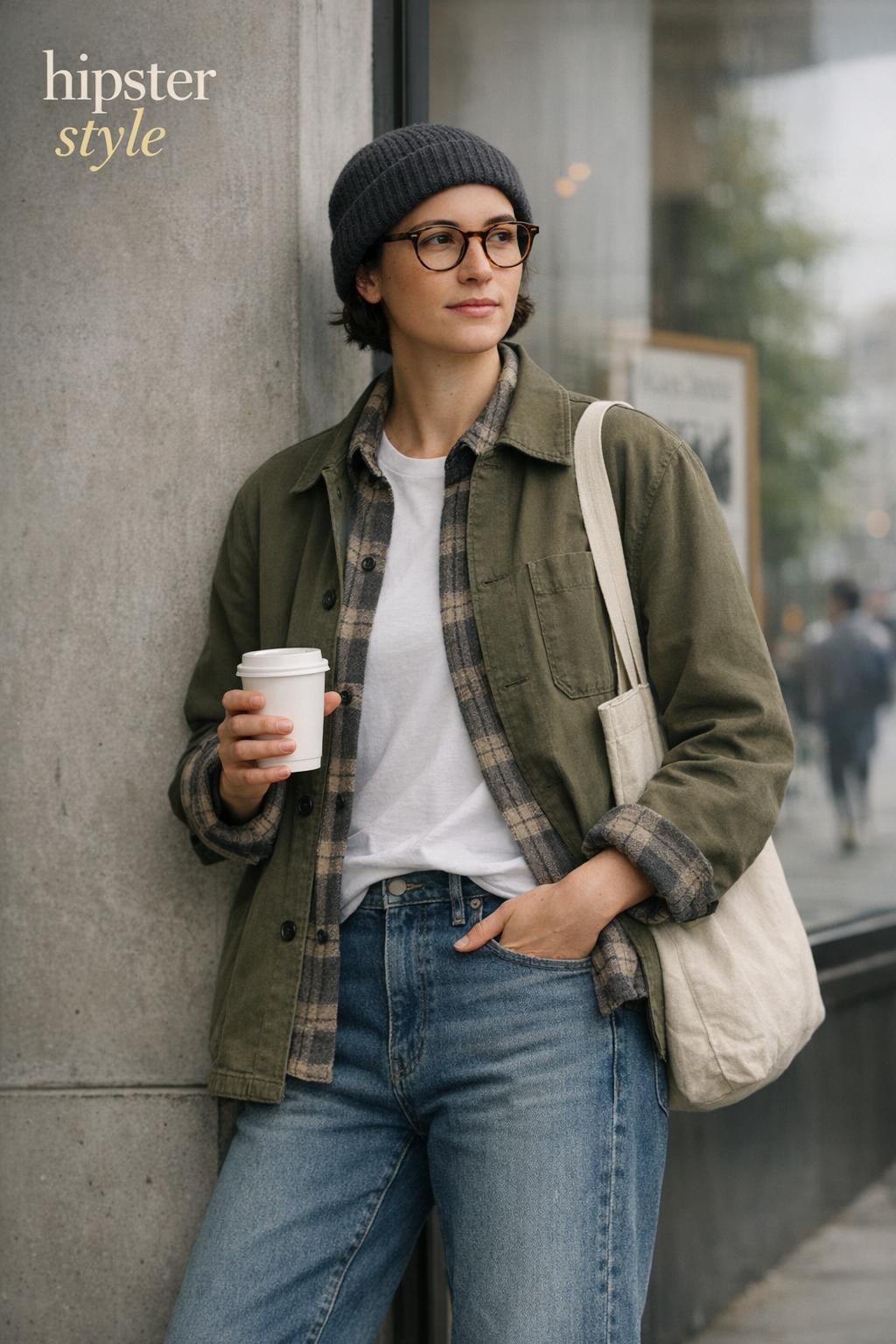
This problem-solving fashion guide breaks hipster style into decisions you can actually make: how to build a wearable base, where to add personality, and how to adapt the same wardrobe logic into masc classy outfits, aesthetic office outfits women can rely on, true vintage outfits that feel modern, and an outfit for park day that still looks intentional.
Understanding the styling challenge: why hipster outfits fail in real life
The most common failure point isn’t “not enough vintage” or “not quirky enough.” It’s misalignment between outfit composition and the day’s conditions. Hipster style leans heavily on layering, texture contrast, and thrifted pieces, which is powerful visually—but those same traits can create friction with heat, rain, long walks, or a dress code that expects polish.
Found the dress? Keep the rest in one place.
Zarellea brings guest details, vendors, timelines, and every next step together — so your wedding plan feels as good as your look.
Weather matters because many hipster staples are mid-weight: denim jackets, flannels, wool beanies, heavy boots. In warm or variable conditions, that can mean overheating, sweating through base layers, and losing the clean silhouette that makes the look feel curated. In cold conditions, the opposite happens: too many thin layers without a structured outer layer can look bulky while still feeling chilly.
Comfort matters because the aesthetic often uses rigid fabrics (denim, canvas) and structured shoes (leather boots). Without planning, you end up with tight shoulders from a vintage jacket, a waistband that pinches when you sit, or footwear that looks right but can’t handle a commute. And practicality matters because hipster style is detail-driven—rolls, cuffs, accessories, grooming—so it can unravel quickly if you don’t build in “stability pieces” that hold the look together even when you’re moving through your day.
The core formula: build a stable outfit base, then add personality in controlled doses
Hipster style becomes easy when you treat it like outfit engineering. Start with a stable base that fits well and suits the day’s function. Then add personality in a way that reads intentional: one statement texture, one heritage reference, one visual anchor accessory. This keeps the look expressive without becoming chaotic.
Principle 1: prioritize silhouette balance over “more layers”
Layering is a hipster signature, but the goal is silhouette balance—clean lines with one controlled volume point. If the top half is oversized (boxy flannel, chunky cardigan), keep the bottom half streamlined (straight or slim denim). If the pants are wide or relaxed, keep the top structured (cropped jacket, fitted tee under an open shirt). This prevents the thrifted, mixed-era vibe from reading as accidental.
Principle 2: use texture contrast to signal “curated,” not “random”
Hipster style relies on texture because texture communicates depth: denim against knit, leather against cotton, flannel against a smooth tee. The outfit looks designed when textures have a clear hierarchy—one dominant texture (like denim or corduroy) plus one secondary (like a knit), with everything else quiet.
Principle 3: keep the color story tight, then let one detail pop
A reliable approach is a muted palette: black, white, gray, navy, olive, brown, and denim blues. That palette makes true vintage outfits easier to wear because older pieces often have distinct washes or slightly faded tones. A single pop—mustard beanie, patterned sock, bold frame eyewear—reads deliberate when the base is cohesive.
Principle 4: fit is the modernizer for vintage pieces
Vintage is a cornerstone concept, but fit determines whether it looks like style or like a costume rack. A thrifted denim jacket looks current when the shoulder seam sits correctly and the sleeves can be cuffed cleanly. High-waisted jeans look intentional when the rise works with your torso length and the hem breaks neatly above the shoe. If you love the “true vintage outfits” direction, treat tailoring and hemming as part of the aesthetic rather than a separate luxury.
Principle 5: choose footwear as the day’s performance tool
Boots and classic sneakers often carry the hipster look, but the functional question is simple: can you walk, stand, and commute in them? Footwear should support your day first, then style. A good rule: if your shoes can’t handle a long walk or a transit commute, the outfit will feel wrong by noon no matter how strong it looked in the mirror.
Key pieces that make hipster style wearable (and why they work)
You don’t need a huge wardrobe. You need the right categories—pieces that anchor the look while letting you rotate personality. Think of these as modules: each one creates structure, texture, or cultural reference, which are the building blocks of the hipster look.
- Denim with a clear silhouette: straight-leg jeans or a clean vintage wash that pairs with everything and holds shape through the day.
- A flannel or workshirt layer: the open-shirt layer is a hipster staple because it adds pattern and structure without full outerwear.
- One structured jacket: a denim jacket, chore jacket, or tailored blazer to give the outfit a strong outer line.
- Textured knitwear: a beanie, cardigan, or sweater for tactile contrast and warmth management.
- Boots or classic sneakers: footwear that can handle mileage, plus socks that can add subtle pattern.
- Eyewear and a bag: frames and a practical tote or backpack act as visual anchors and add function.
Notice what’s missing: you don’t need maximal accessories, and you don’t need every piece to be “statement.” Hipster style reads best when one item does the talking and the rest supports the composition.
Outfit solutions for real situations (with styling logic)
Below are outfit solutions designed around actual constraints—temperature shifts, commuting, sitting at a desk, walking outside. Each one uses hipster style logic: controlled layering, texture contrast, and a clear silhouette.
Outfit solution: lightweight layered hipster look for temperature swings
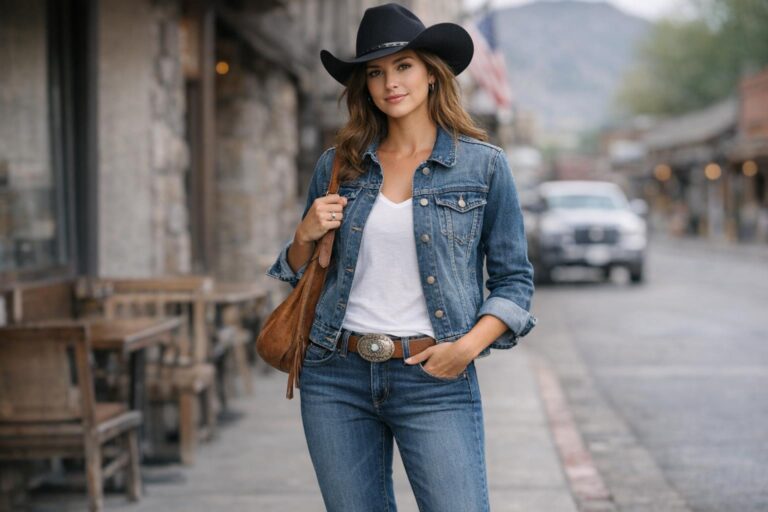
This is the “morning is cold, afternoon is warm” formula: a breathable base, an open mid-layer, and an outer piece you can remove without the outfit collapsing. Start with a fitted tee or tank in a neutral tone, add an open flannel or workshirt, then finish with a denim jacket or chore jacket. Pair with straight-leg jeans and comfortable sneakers.
Why it works: the open shirt creates vertical lines that slim the silhouette and telegraphs the hipster look without heavy outerwear. The jacket adds structure, while the base layer keeps you from overheating. If you remove the jacket, the flannel still provides texture and visual interest, so the outfit doesn’t feel unfinished.
Practical variation: if you’re walking a lot, keep the denim weight moderate and choose socks that prevent rubbing. If you’re mostly indoors, swap the jacket for a cardigan to soften the texture story.
Outfit solution: aesthetic office outfits women can wear without losing the hipster edge
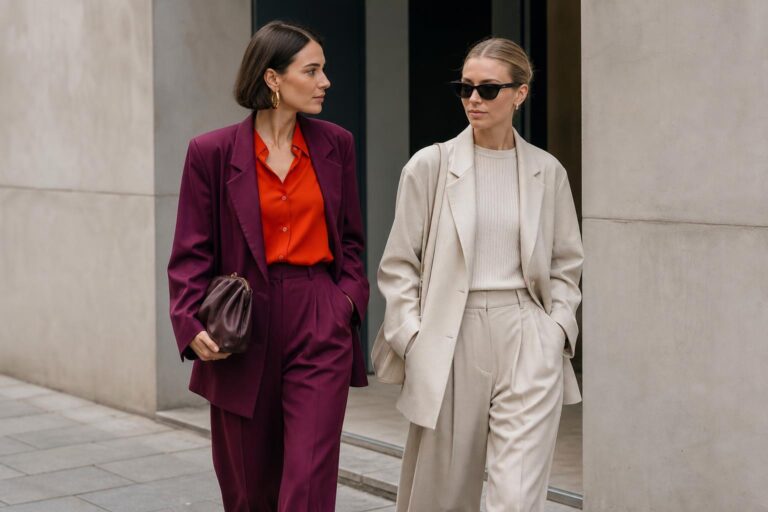
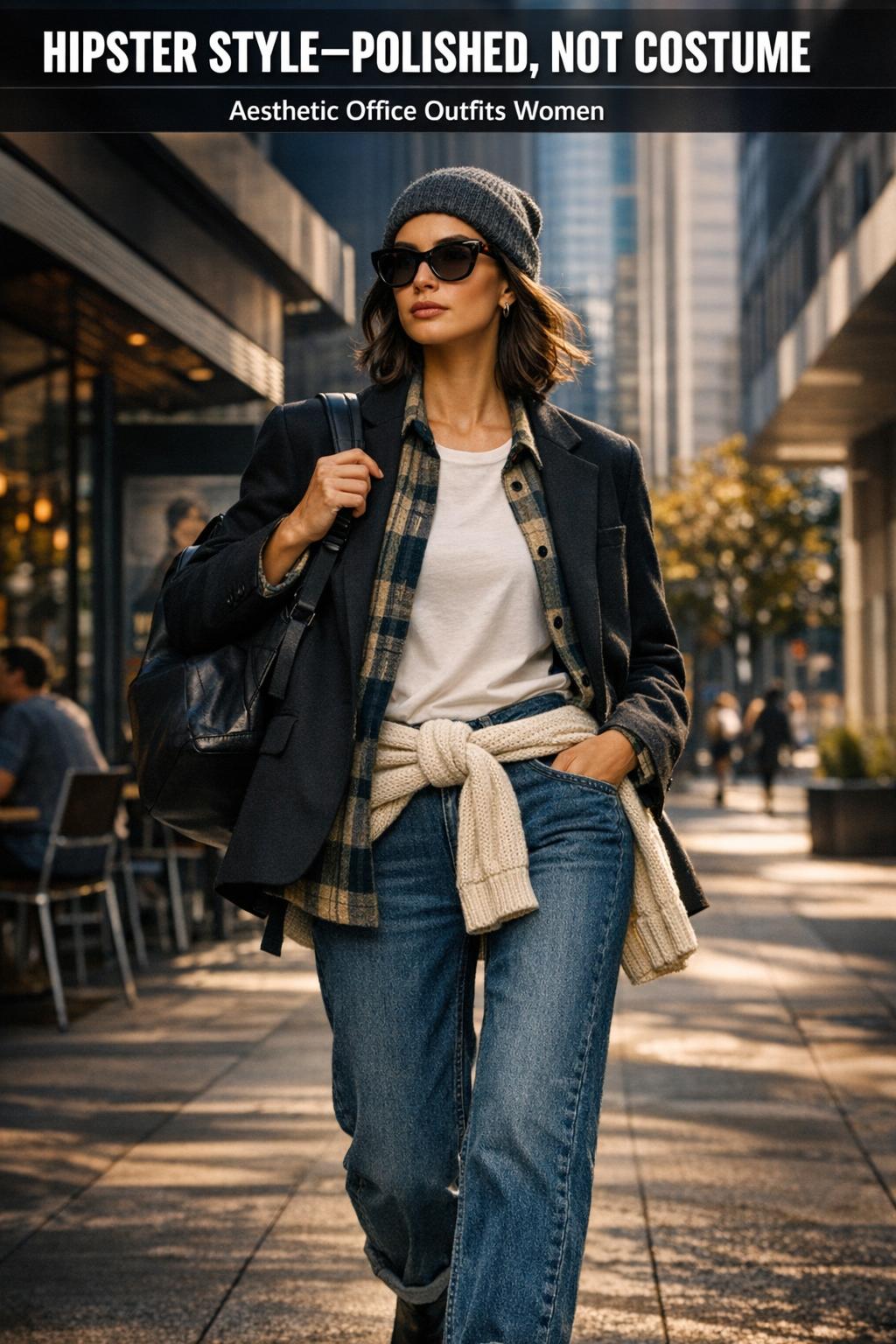
Office-friendly hipster style is about editing. Use a tailored blazer or structured jacket as the authority layer, then bring in personality through texture and small details rather than loud prints. A clean tee or lightweight knit under a blazer, straight or slim trousers (or dark denim if your office allows), and low-profile boots create a polished silhouette. Add eyewear as a visual anchor and keep jewelry minimal.
Why it works: the blazer signals professionalism immediately, while the tee-and-denim or tee-and-trouser base keeps the look relaxed. The hipster element comes from intentional texture contrast—structured outerwear against a casual knit—and from the slightly vintage-coded shapes (high-rise, straight leg, sturdy boot).
Tip for realism: keep one “desk layer” (a cardigan or overshirt) at work. It protects your outfit composition when office air-conditioning makes sleeveless or thin knits impractical.
Outfit solution: masc classy outfits with hipster structure
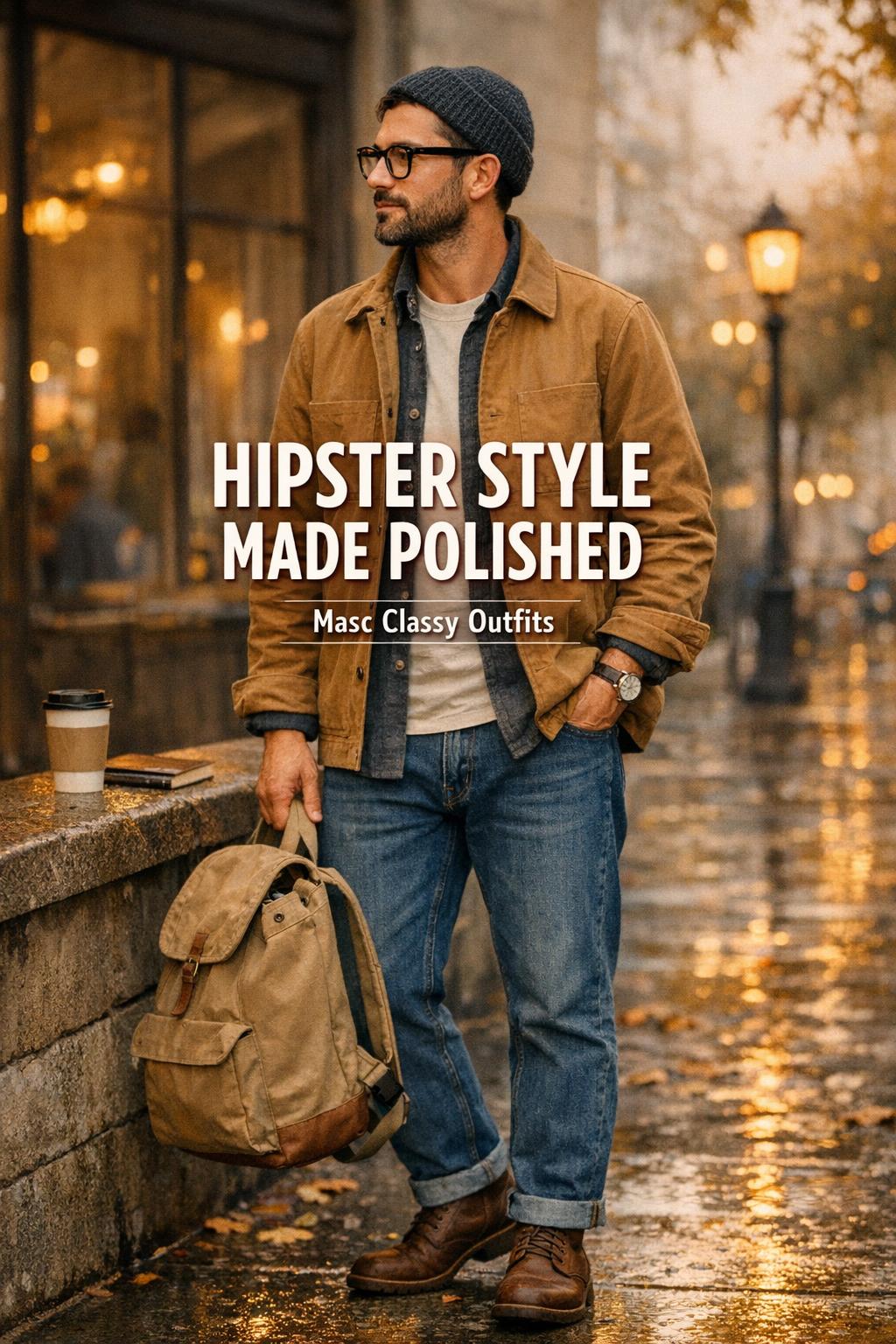
Masc classy outfits work best when the silhouette is clean and the textures do the talking. Build the look around a crisp shirt or fitted tee, add a structured jacket (blazer, chore jacket, or denim jacket), and choose straight-leg trousers or dark denim. Finish with boots and a belt that matches the shoe tone to keep the outfit grounded.
Why it works: the “classy” signal comes from structure and coherence—matching tones, clean lines, and intentional proportions. The hipster signal comes from heritage-coded pieces (workwear jacket, sturdy boots), slightly vintage shapes, and texture contrast rather than flashy branding. This is also one of the easiest ways to wear true vintage outfits in a modern setting: older jackets and shirts often look better when the rest of the outfit is simplified.
When it may not work: if the jacket is too oversized and the pants are also wide, the result can look heavy. Choose one relaxed item and keep the rest streamlined.
Outfit solution: true vintage outfits that don’t look like a costume
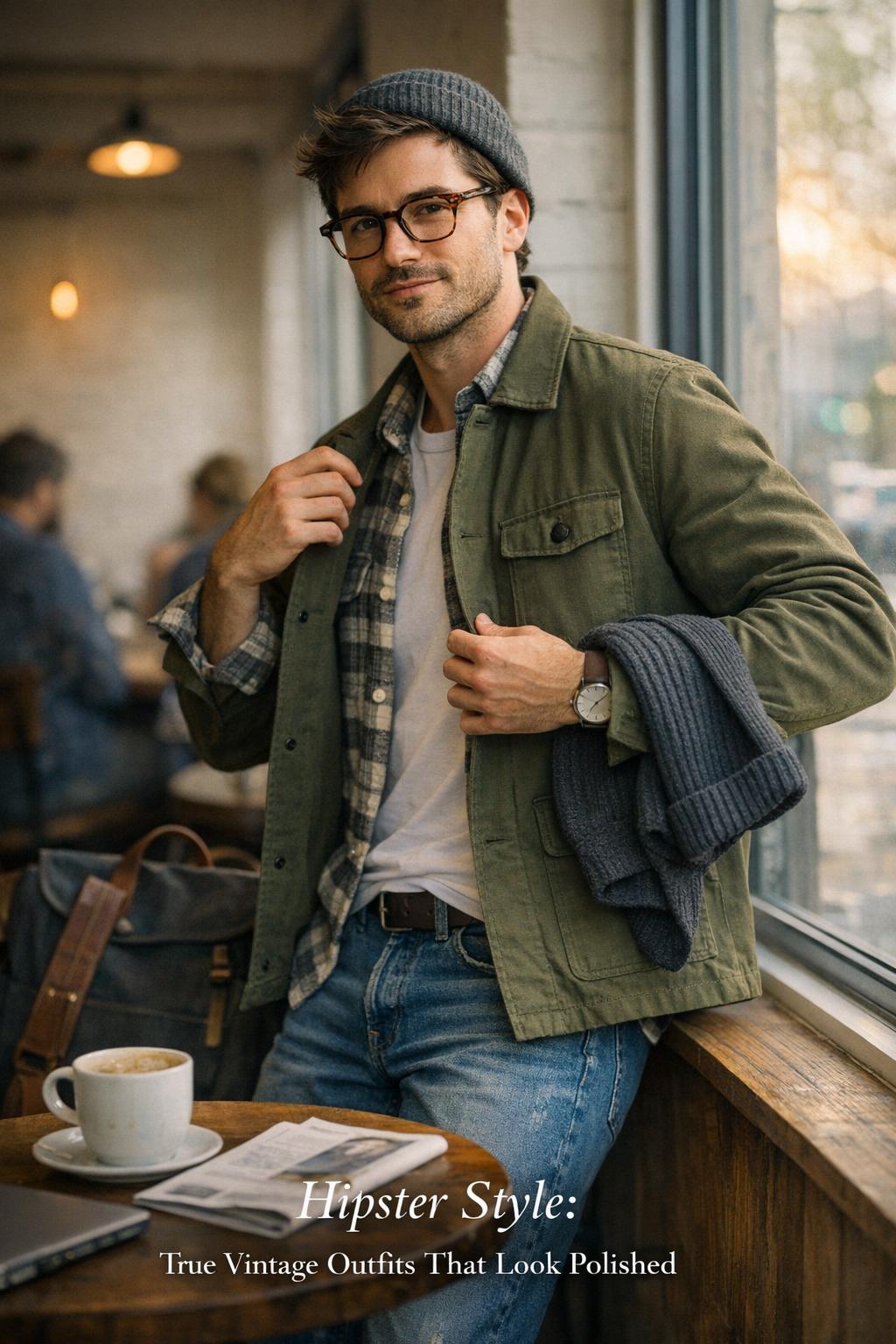
True vintage outfits succeed when you treat one vintage piece as the hero and keep everything else modern and quiet. For example: a vintage denim jacket over a plain tee and modern straight-leg jeans, or a vintage knit sweater paired with simple dark denim and boots. Keep the color palette grounded—denim blue, black, gray, brown, olive—and let the wear and patina of the vintage piece become the statement.
Why it works: costume happens when every item competes for attention (multiple loud retro references at once). A single hero piece lets the era-specific detail read intentional. Modern fit in the supporting pieces stabilizes the silhouette so the vintage item feels like a curated choice rather than a full throwback.
Practical detail: if the vintage piece has scratchy fabric or unusual seams, wear a soft base layer underneath. Comfort is part of credibility; if you look uncomfortable, the styling reads forced.
Outfit solution: outfit for park day that still looks editorial
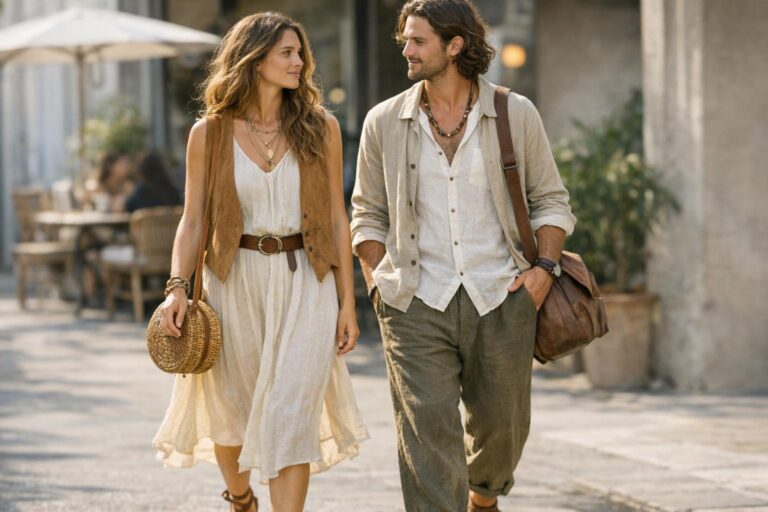
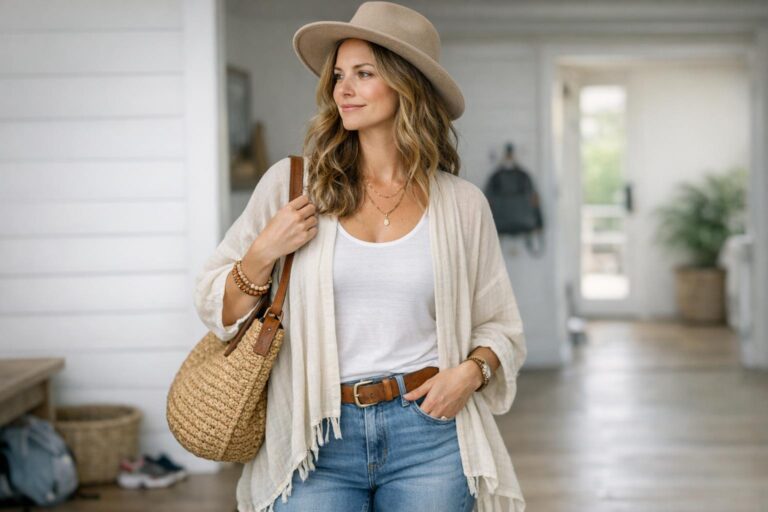
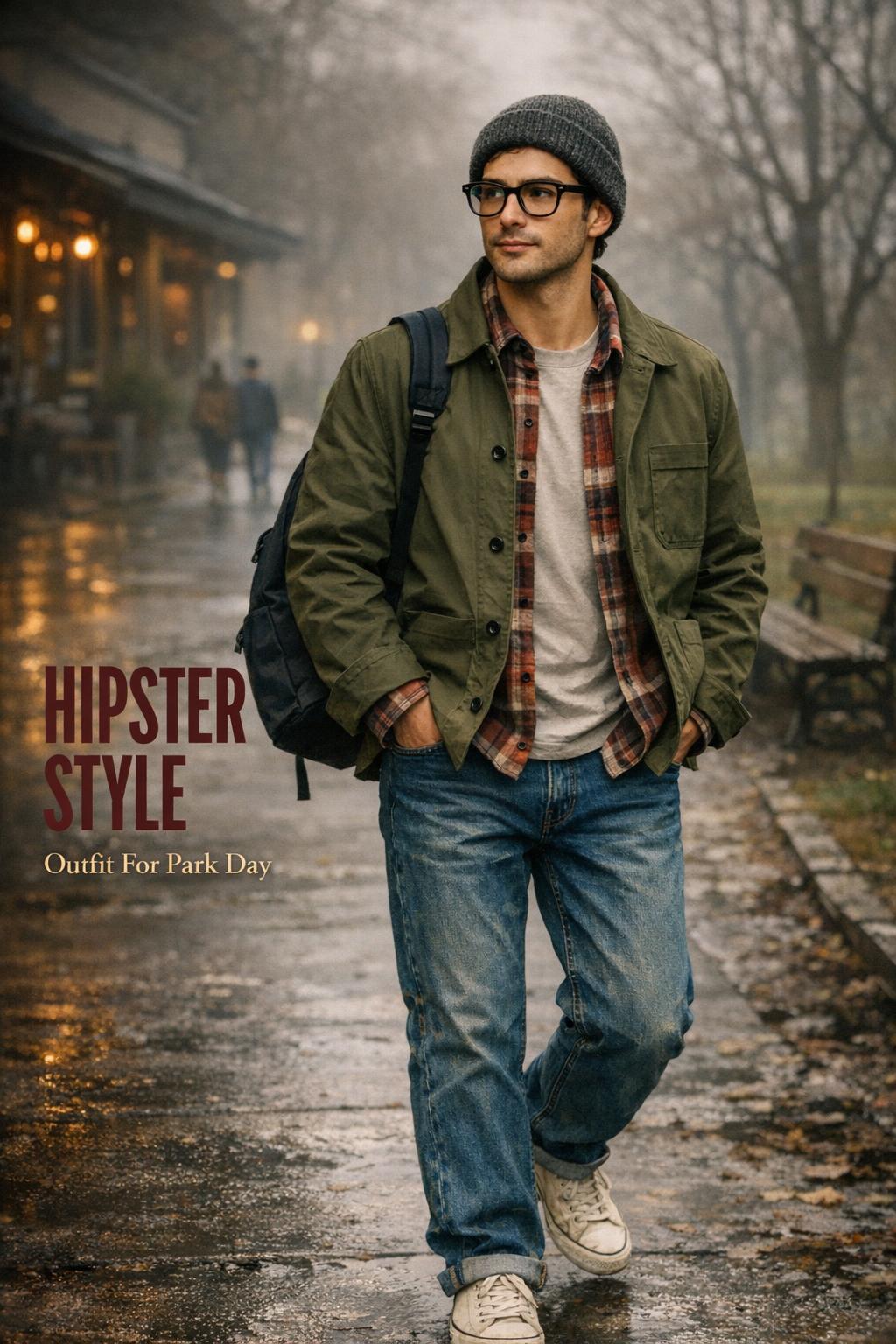
A park day outfit has a different performance requirement: you’ll sit on grass, walk on uneven paths, and deal with sun and wind. Keep hipster style intact by focusing on durable fabrics and functional layers. Start with a breathable tee, add an overshirt or light flannel, and choose relaxed straight-leg jeans or sturdy shorts depending on weather. Sneakers or comfortable boots are the right call here, plus a practical bag you can set down easily.
Why it works: the outfit is grounded in function—durable fabric, layers you can remove, shoes built for distance. The hipster look comes from workwear-adjacent styling and texture contrast. Add a beanie in cooler weather or a simple cap for sun management, and keep accessories minimal so you’re not “managing” your outfit all afternoon.
Small upgrade that changes everything: cuff the jeans to show ankle and sock, creating a clean break above the shoe. That one proportion detail makes casual park dressing read styled.
Styling logic you can reuse: how to make the hipster look feel intentional
Create one clear focal point
Every strong hipster outfit has a focal point: a jacket with texture, a vintage knit, a pair of boots, or distinctive eyewear. When everything is “interesting,” nothing is. Choose one focal point, then keep the rest calm. This is the fastest way to avoid the thrift-store-pile effect while still expressing personality.
Use proportion play to keep the outfit modern
Hipster style borrows from older silhouettes, but you can make it current with proportion play: a slightly cropped jacket with high-rise jeans, a longline overshirt with slim pants, or a boxy top with a clean straight leg. The goal is to create an intentional outline, not to recreate a period look head-to-toe.
Build “removal-proof” outfits for indoor/outdoor life
A practical hipster wardrobe assumes you’ll remove a layer—on the subway, in a heated café, at the office. Make sure the base outfit still holds up: a good-fitting tee, a clean waistband line, and shoes that look finished without the coat. This is especially important for aesthetic office outfits women wear through meetings and commutes: the look needs to survive coat removal without losing structure.
Tips that improve comfort without sacrificing the aesthetic
Hipster style rewards texture and layering, but comfort determines whether you’ll actually wear the look repeatedly. These adjustments keep the outfit functional while preserving the editorial effect.
- Choose breathable base layers: cotton tees or light knits reduce overheating under flannels and jackets.
- Use socks as a comfort tool: thicker socks prevent boot friction; patterned socks add subtle personality without clutter.
- Mind jacket mobility: vintage outerwear can restrict shoulders; size for movement, then tailor length if needed.
- Keep a compact layer in your bag: a light cardigan or overshirt protects you from aggressive air-conditioning.
- Balance stiffness with softness: if you’re wearing rigid denim, make the top soft (knit or tee) to prevent the outfit from feeling armored.
One more strategic tip: repeat your “signature” element. If your hipster look leans on boots, keep boots consistent and rotate tops. If it leans on vintage jackets, keep the base uniform. Repetition is what makes an aesthetic look like your style rather than a one-off costume.
Common mistakes that make hipster style look forced (and the fix)
Mistake: stacking too many statement pieces
This usually happens when you love multiple thrifted finds and want them all in one outfit. The result is visual noise—competing patterns, competing eras, competing proportions. Fix it by choosing one hero item and building a quiet support system around it: neutral base, clean denim, simple shoes.
Mistake: ignoring the day’s movement and terrain
A great boot can still be the wrong boot for a long walk, and a stiff jacket can still be the wrong jacket for a commute. When the outfit doesn’t match your day, you fidget, sweat, or slow down—and the look reads uncomfortable. Fix it by selecting footwear first and making sure at least one layer is breathable and flexible.
Mistake: wearing vintage without modern fit control
Vintage sizing and cuts vary, which can create pulling at the shoulders, a collapsing collar line, or pants that break awkwardly at the shoe. These details are subtle, but they’re what makes an outfit look “thrifted” instead of styled. Fix it with hemming, thoughtful cuffing, and choosing one tailored element (often the pants) to stabilize the silhouette.
Situational upgrades: how to shift one hipster base into multiple dress codes
The most efficient way to build a hipster wardrobe is to start with one base and change the authority level. This is where hipster style becomes useful: it’s modular. The same jeans-and-tee foundation can read park-ready, office-ready, or dinner-ready depending on the outer layer and shoe.
From casual to smart casual with one swap
Swap the overshirt for a structured blazer, and swap sneakers for boots. The silhouette becomes cleaner, the lines become sharper, and the outfit reads intentional without losing the creative edge. This is the simplest bridge between a weekend hipster look and a weekday requirement.
From office to after-hours without starting over
Keep the base the same and change the focal point. If your office look is blazer-forward, switch to a denim jacket or textured knit for after-hours. You maintain the color story and fit, but the vibe shifts from professional to relaxed. This also works in reverse: a strong jacket can rescue a simple tee and jeans when you need to look sharper fast.
From minimal hipster to expressive hipster with accessories
If you prefer a restrained version of the hipster look, keep accessories functional: eyewear, watch, belt, and one bag. If you want more expression, make one accessory the statement—frames, beanie, or socks—without adding multiple competing details. This gives you range while keeping outfit composition clean.
Putting it all together: a repeatable checklist for hipster style
When you’re getting dressed quickly, use a decision checklist rather than chasing inspiration. This is how you build consistency—especially if you’re trying to make masc classy outfits, aesthetic office outfits women can use weekly, and true vintage outfits feel wearable rather than occasional.
- Choose the day’s shoe based on walking and weather.
- Pick a stable base: clean tee or knit + denim or trousers with a clear silhouette.
- Add one texture layer: flannel, cardigan, overshirt.
- Select one focal point: jacket, knit, boots, or eyewear.
- Edit the extras: one accessory detail is enough.
That structure is what makes hipster style reliable. The goal is not to look “more hipster.” The goal is to look like yourself—comfortably—while the outfit communicates intention from silhouette to texture to finishing details.
FAQ
What is hipster style, in practical terms?
Hipster style is an outfit approach built on vintage influence, layered casual pieces, and texture-focused styling—typically anchored by denim, flannels or overshirts, boots or classic sneakers, and a cohesive muted palette, with one intentional detail (like eyewear or a heritage jacket) acting as the focal point.
How do I wear the hipster look without looking like I’m in a costume?
Use one vintage or statement piece as the hero and keep the rest modern, fitted, and quiet; costume happens when multiple loud retro references compete, while a stable base (clean tee, straight-leg denim, practical footwear) makes the vintage element read curated.
Can hipster style work for an office setting?
Yes—treat it like smart casual: use a structured blazer or clean jacket to create authority, keep colors grounded, and bring personality through texture contrast (knit, denim, flannel) and refined details like eyewear, which is why this formula fits aesthetic office outfits women often need.
How do I build masc classy outfits that still feel hipster?
Focus on structure and coherence: a crisp tee or shirt, a chore jacket or blazer, straight-leg trousers or dark denim, and boots; the “classy” comes from clean lines and tonal consistency, while the hipster signal comes from heritage textures and slightly vintage-coded silhouettes.
What are the easiest true vintage outfits to start with?
Start with one vintage layer—like a denim jacket, workwear-style jacket, or textured knit—paired with modern basics; this keeps fit and proportion predictable while letting the vintage piece provide the character.
What should I wear for a park day if I want a hipster vibe?
An outfit for park day works best with breathable layers and durable fabrics: a tee, a light flannel or overshirt, straight-leg jeans or sturdy shorts depending on weather, and comfortable sneakers or boots; cuffing the hem and keeping accessories minimal makes it look styled while staying practical.
How do I stop layered outfits from feeling bulky?
Limit volume to one zone: if the top layer is boxy or oversized, keep bottoms streamlined; if pants are relaxed, choose a more structured top layer, and ensure at least one layer creates clean vertical lines (like an open overshirt) to maintain silhouette balance.
What’s the fastest way to make a simple outfit look more hipster?
Add one controlled focal point—an overshirt, textured knit, heritage-style jacket, or distinctive eyewear—while keeping the rest of the outfit clean and cohesive; the hipster look comes from intentional contrast, not from adding multiple trendy elements at once.