
Polished Turban Style for Workdays, Commutes, and Events
Turban style that looks polished, feels comfortable, and actually stays put
A turban style can look effortless in photos and feel surprisingly complicated in real life. The moment you add weather, long wear, or a specific dress code, the same headwrap that looked “chic” on a mood board can start slipping, squeezing, or throwing off your outfit proportions.
This guide is built for the most common styling challenge: you want a headwrap that reads intentional and elegant, but you also need comfort, stability, and an outfit composition that makes sense from head to toe. The goal isn’t just to “wear a turban.” It’s to create a clean silhouette, a controlled color story, and a practical wrap strategy that fits your day.

Below, you’ll get styling logic, outfit solutions, and adaptable headwrap styles—from an elegant turban for formal moments to headwraps for natural hair on busy days, plus a clear approach to a hijab turban tutorial look when you need coverage with polish.
Understanding the styling challenge: why headwraps can feel tricky outside the mirror
A turban is both an accessory and a structural styling element. It changes your head-to-shoulder proportions, becomes a visual anchor, and often determines whether the outfit reads minimal, dramatic, or overly busy. That’s why the same wrap can look perfectly balanced with one neckline and strangely “top-heavy” with another.
Found the dress? Keep the rest in one place.
Zarellea brings guest details, vendors, timelines, and every next step together — so your wedding plan feels as good as your look.
Comfort is the second friction point. If the wrap is too tight, you’ll feel pressure along the hairline and ears. If it’s too loose, it migrates backward throughout the day—especially in heat, humidity, or during errands and commuting. Weather also affects fabric behavior: lighter fabrics can shift more easily, while thicker fabrics can overheat you indoors.
Finally, there’s the practicality factor. Many people want a chic turban style that works for a long day: driving, walking, sitting through meetings, or attending an event. The wrap has to keep its shape, stay aligned, and still look like a deliberate design choice—rather than something you’re constantly adjusting.

Key dressing principles that make turban style look intentional
Start with silhouette balance: your headwrap is the “top frame”
A turban adds volume and draws the eye upward. To keep the silhouette balanced, build subtle structure below it. That can be a jacket with clean lines, a crisp collar, or a neckline that creates a strong shape. Without that grounding, the headwrap can dominate the outfit and make the overall proportion feel unstable.
Use color harmony: treat the turban as either a focal point or part of a tonal set
The fastest way to make a headwrap look elevated is a controlled palette. An elegant turban typically reads “dressy” when it aligns with the outfit’s color story—either matching the base tones (tonal layering) or standing out as a single statement piece against simpler clothing. The mistake is introducing too many competing colors and prints at once, which turns the look chaotic.
Prioritize fabric behavior: stability matters more than softness
Comfort is important, but stability is what keeps a turban style looking crisp after hours of wear. A fabric that grips slightly and holds folds will maintain the turban’s architecture. A very slick or overly stretchy fabric can look beautiful initially but may shift, flatten, or twist as you move. Think of your wrap as wearable structure: it needs enough body to keep its shape.
Design for real life: friction points, long wear, and movement
Most headwrap frustration comes from ignoring how the day will actually go. If you’re driving, you’ll want a wrap that doesn’t create an uncomfortable knot at the back of the head. If you’re walking in warm weather, you’ll want breathability and a secure front that doesn’t loosen with sweat. If you’re indoors all day, you may prefer a wrap that looks substantial but isn’t overly warm.
- Long day: choose a wrap shape that distributes tension evenly rather than pulling at one point.
- Wind or outdoor time: avoid fragile folds; choose a cleaner, flatter profile at the sides.
- Dress code: coordinate the turban’s texture with the outfit’s formality (matte for understated polish, more structured for sharper tailoring).

Foundation first: set up your hair so the wrap stays stable
Whether you’re working with natural hair, straight hair, braids, or a low bun, the wrap performs best with a consistent base. The base doesn’t need to be complicated; it needs to be stable and comfortable. When the base is uneven, the turban will rotate toward the “lower” side over time, especially if you’re out for hours.
Headwraps for natural hair: build a stable shape without adding pain
Headwraps for natural hair often look best when the volume is controlled into a smooth foundation rather than piled high in a way that forces the wrap to fight the hair’s shape. A comfortable, even base creates cleaner folds, and it prevents the wrap from feeling like it’s cinching the hairline. The aim is gentle compression, not tension.
If you prefer to keep volume, place it strategically. A balanced “crown” shape supports a chic turban style, while volume pushed too far back can cause slipping—because the wrap loses friction at the front and migrates backward.
When you need coverage with polish: aligning a hijab turban tutorial look with outfit structure
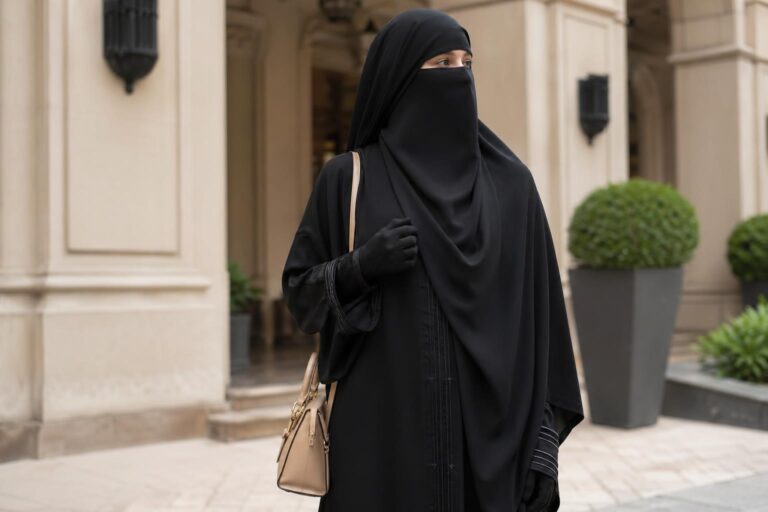
A hijab turban tutorial look often prioritizes smooth coverage and a clean front line. The styling principle stays the same: your headwrap becomes a visual frame. Pairing it with a neckline that feels intentional—like a higher neck, a crisp collar line, or clean layering—keeps the overall composition refined instead of “accessory-heavy.”
Because coverage tends to create a larger uninterrupted color block, the outfit benefits from controlled contrast: one strong neutral base, one accent tone, and minimal competing patterns.

Choosing your turban style by situation: a problem-solving lens
The most practical way to choose headwrap styles is to start with the situation, not the wrap. A coffee run, a workday, and a formal event each demand a different level of structure, different comfort priorities, and a different relationship between the wrap and the outfit.
For formal moments: the elegant turban approach
An elegant turban is less about drama and more about refinement: clean folds, controlled volume, and a deliberate match to the outfit’s texture story. The wrap should look “built,” not improvised. This is where symmetry and smoothness matter most—especially in photos and under event lighting.
For daily wear: chic turban style with stability
For everyday outfits, the winning formula is stability plus ease. A chic turban style for errands or commuting should have fewer fragile folds and a shape that stays aligned when you turn your head, put on sunglasses, or move between indoor and outdoor temperature shifts. The outfit itself should be simple enough to let the headwrap look intentional without requiring constant tweaking.
For heat, humidity, and long wear: breathable headwrap styles that don’t collapse
Warm-weather headwrap styles succeed when they manage both temperature and structure. Overly thick or layered wraps can feel oppressive and can cause the wrap to loosen once you start sweating. The solution is a wrap approach that keeps the fabric secure with fewer layers, while the rest of the outfit supports a lighter, breathable silhouette.
Outfit solutions that make a turban look like part of the outfit (not an add-on)
Each outfit solution below is designed around one core idea: the headwrap is the visual anchor, and everything else is composed to support it. That means intentional necklines, controlled volume, and a palette that doesn’t compete with the wrap.
Outfit solution: polished minimalism for an elegant turban moment
This is the formula for events, dinners, and any setting where you want the turban style to read refined. Build a clean column through the body, then let the wrap provide the focal point. The elegance comes from restraint: fewer elements, sharper alignment.
- Key pieces: a streamlined top with a clean neckline, tailored outer layer, and simple, uninterrupted bottoms.
- Why it works: the structured clothing acts as a counterweight to the headwrap volume, creating silhouette balance.
- Styling logic: keep jewelry minimal so the wrap stays the hero; choose one tonal family to maintain a calm, formal effect.
If you want the elegant turban to feel even more elevated, prioritize crisp folds and avoid excess fabric at the sides. The cleaner the side profile, the more “intentional” the styling reads—especially in photos taken from angles.
Outfit solution: smart-casual structure for a chic turban style workday
For work or meetings, the goal is professional clarity. Your wrap can still be expressive, but the outfit needs a strong framework so the overall message stays polished. Think of the turban as the statement piece, and let the clothing deliver the credibility.
Anchor the outfit with structured layers that don’t overwhelm your shoulders. A sharper shoulder line helps “hold” the look visually, preventing the headwrap from making the top half feel too heavy. Keep the palette controlled—either tonal or a clean two-color story—to maintain an editorial, composed finish.
- Best necklines: clean crew, modest V, or collared layers that create clear lines under the wrap.
- Best textures: matte fabrics that won’t fight the wrap’s texture; avoid too many shiny elements at once.
- Practical detail: choose a wrap profile that won’t press uncomfortably against a chair headrest during long sitting.
Outfit solution: comfortable city uniform with headwrap styles that stay aligned
This is for walking-heavy days, errands, travel, and any schedule that involves moving through different environments. The turban style should be secure and low-maintenance. Outfit composition should emphasize comfort without looking sloppy—clean lines, easy layers, and footwear that can handle the day.
The trick is to avoid “too much softness” everywhere. If your outfit is entirely relaxed and slouchy, the headwrap can look disconnected. Add one structured element—like a clean jacket shape or a crisp top—so the look still has a defined silhouette. This creates proportion play: soft comfort with a controlled frame.
Outfit solution: warm-weather strategy that keeps the wrap breathable and the look elevated
In heat or humidity, the headwrap styles that win are the ones that reduce bulk without sacrificing stability. Keep the wrap’s folds simple and let the outfit do the visual work through clean shapes and a seasonal palette. If the wrap is light and the clothing is also light, your silhouette can start to feel “unfinished,” so add a deliberate line somewhere—like a crisp neckline or a structured hem.
- What to avoid: thick, overly layered wraps that trap heat and loosen over time.
- What to prioritize: a stable front line, fewer layers, and fabric that holds its fold without constant re-tying.
- Visual strategy: a simple base outfit makes the headwrap look editorial instead of accidental.
Outfit solution: low-friction styling for sensitive scalps and long wear
If you’ve ever loved how a wrap looked and hated how it felt, you’re not alone. A turban style that’s too tight can ruin your day. The comfort-forward approach is to distribute tension evenly and avoid hard pressure points. That means choosing wrap shapes that don’t rely on a single tight knot, and pairing them with outfits that don’t require constant head adjustment (like heavy earrings or tight collars).
Keep the outfit simple and refined so you don’t feel the need to over-style the headwrap. When the clothing looks finished, the wrap can be more minimal—still chic, but not overbuilt. This is where a controlled color story does a lot of heavy lifting.

Headwrap styling logic: how to make the wrap look deliberate from every angle
Most people judge their turban style from the front mirror angle, then get surprised later by side photos or the back view. A more reliable approach is to think in three dimensions: front line, side profile, and back bulk. The wrap should look consistent across angles, not perfect—but composed.
Front line: clean framing changes everything
The front line is your face frame. A smooth, clean edge reads polished; an uneven edge reads rushed. If you’re aiming for an elegant turban, keep the front line crisp and symmetrical. If you want a relaxed chic turban style, you can soften it slightly, but it should still look intentional rather than accidental.
Side profile: avoid “over-wings” unless your outfit supports the volume
Too much fabric at the sides can make the head look wider than the shoulders, which throws off the silhouette. If you want dramatic side volume, the outfit needs stronger shoulder structure to match it. Otherwise, keep the side folds closer to the head for a streamlined, wearable profile.
Back bulk: comfort and posture matter more than you think
A large knot or heavy bulk at the back can be uncomfortable against chairs and car seats. It also pushes your head slightly forward, which subtly affects posture and the way clothing sits on your shoulders. For long days, aim for a flatter back shape and place bulk higher or to the side so it doesn’t become a pressure point.
Tips that make headwrap styles easier to wear in the real world
These tips are designed to reduce the two biggest frustrations: slipping and outfit mismatch. They’re small adjustments, but they significantly improve how a turban style wears over hours, not minutes.
Tip: build your outfit around one “anchor line.” If your turban is voluminous, choose a neckline or outer layer with a clear edge (collar, clean crew, structured lapel). That anchor line keeps the look crisp even if the rest of the outfit is relaxed.
Tip: keep patterns in one zone. If the headwrap has a print or strong texture, keep the outfit mostly solid. If your outfit is patterned, make the wrap a solid. This single decision is often the difference between chic turban style and visual overload.
Tip: plan for temperature transitions. Headwraps can feel warmer indoors than you expect. If you’ll be moving between outside heat and indoor air conditioning, choose lighter clothing layers you can adjust so the wrap doesn’t become the only “warm” element you’re stuck with.
Tip: don’t over-tighten for security. A stable turban style comes from fabric behavior and smart wrapping, not from pulling hard. If you’re wearing headwraps for natural hair, especially, over-tightening can lead to discomfort and a wrap that shifts as it tries to “release” tension.
Common mistakes that sabotage turban style (and what to do instead)
Mistake: treating the turban like a last-minute fix
When the headwrap is added at the end, it often clashes with the outfit’s silhouette or color story. Instead, choose the wrap first (especially for an elegant turban) and build the outfit around it: silhouette balance, controlled palette, and one clear focal point.
Mistake: too much volume with no structure below
High volume up top paired with very soft clothing can make the look feel top-heavy. Add structure through a clean neckline, a sharper layer, or a more defined shape in the outfit so the wrap looks integrated.
Mistake: chasing complexity instead of stability
Intricate folds can look beautiful but often collapse with movement. If your day involves walking, commuting, or long wear, choose headwrap styles with simpler architecture. You’ll get a cleaner look by the end of the day—and you won’t be adjusting it every hour.
Mistake: ignoring the side and back view
A wrap that looks perfect from the front can create awkward bulk at the back or excessive width at the sides. Check the profile and back shape. For a hijab turban tutorial look, this matters even more because smooth coverage highlights any unevenness in shape.
Making turban style feel like “you”: a quick personalization framework
The best turban style is one you can repeat without stress. Personalization doesn’t require constant reinvention; it requires a consistent framework you can adjust for mood, outfit, and occasion. Use these three levers: shape, texture, and palette.
- Shape: streamlined and close to the head for everyday chic; more height and symmetry for an elegant turban effect.
- Texture: matte and structured for polish; softer texture for relaxed days (as long as it still holds).
- Palette: tonal sets for sophistication; single-point contrast for statement styling without clutter.
Once you know your preferred formula, you can build a small rotation of headwrap styles that match your lifestyle: a stable daily wrap, a more elevated wrap for events, and a coverage-focused option aligned with a hijab turban tutorial approach.
Conclusion: the repeatable formula for chic, comfortable headwraps
A successful turban style is not about complicated wrapping. It’s about styling intelligence: balanced proportions, a controlled color story, and fabric choices that hold their shape through a real day. When you treat the headwrap as a visual anchor—then build structure, harmony, and comfort around it—you get a look that reads chic on purpose, not “thrown on.”
Use the principles above as your filter for any situation: assess the day’s movement and weather, choose the wrap shape that will stay stable, and compose the outfit to support the wrap’s volume and tone. That’s how an elegant turban, everyday headwraps for natural hair, and a polished hijab turban tutorial look all become repeatable, reliable style options.
FAQ
How do I keep a turban style from slipping during the day?
Build an even, stable base first, then choose a wrap approach with simpler, more secure folds rather than relying on a very tight pull; stability comes from balanced tension and fabric that holds shape, not from over-tightening.
What makes an elegant turban look formal instead of casual?
An elegant turban reads formal when the folds look clean and intentional, the volume is controlled, and the outfit underneath provides structure and a calm color story so the headwrap feels integrated rather than like an afterthought.
How can I create a chic turban style for everyday wear without looking overdressed?
Use a simpler wrap shape that stays aligned, keep the outfit minimal with one structured element for balance, and let the headwrap be the statement piece while the rest of the look stays clean and practical.
Are there specific headwrap styles that work better for long days and commuting?
Yes—choose headwrap styles with a flatter back profile for comfort against seats and fewer fragile folds that can collapse with movement, then pair them with a streamlined outfit that doesn’t require constant adjustment.
What’s the best approach to headwraps for natural hair if I want comfort?
Focus on a gentle, even base shape that prevents the wrap from gripping too tightly at the hairline, and avoid forcing excessive volume into the wrap because that often leads to tension and shifting over time.
How do I make a hijab turban tutorial look feel polished and outfit-ready?
Prioritize a smooth, clean front line and pair it with a neckline and layers that look intentional—clean lines and controlled contrast help the overall outfit composition feel refined rather than overly accessory-driven.
Why does my headwrap look good from the front but messy from the side?
Side-view issues usually come from excess fabric creating width at the sides or uneven bulk at the back, so refining the side profile and reducing back bulk will make the turban style look consistent from multiple angles.
How should I coordinate patterns and colors with a headwrap?
Keep patterns in one zone—either the wrap or the outfit—and use a controlled palette so the headwrap functions as a focal point or part of a tonal set, which prevents the overall look from feeling visually crowded.