Scandinavian Style Fashion for a Polished Everyday Wardrobe
A well-built wardrobe often reveals its intelligence in quiet ways: a coat that sharpens denim, a knit that softens tailoring, a neutral palette that makes getting dressed faster rather than flatter. That is the appeal of scandinavian style fashion. It is not only about minimalism as an image, but about a complete dressing logic shaped by functionality, quality, calm color relationships, and a polished ease that feels modern in Stockholm, Copenhagen, Oslo, and far beyond.
The strongest expressions of Scandi style combine clean lines, practical silhouettes, knitwear, denim, tailored trousers, and outerwear with a clear point of view. Some brands, such as Acne Studios, Ganni, and Filippa K, have become shorthand for this balance. Others, including COS, & Other Stories, Wood Wood, Dale of Norway, and even broader Nordic labels like H&M, help define different layers of the regional fashion picture. Together, they show that Scandinavian fashion is not one rigid formula. It is a spectrum that moves from timeless minimalism to playful-luxe, from heritage knitwear to street-meets-sport styling.
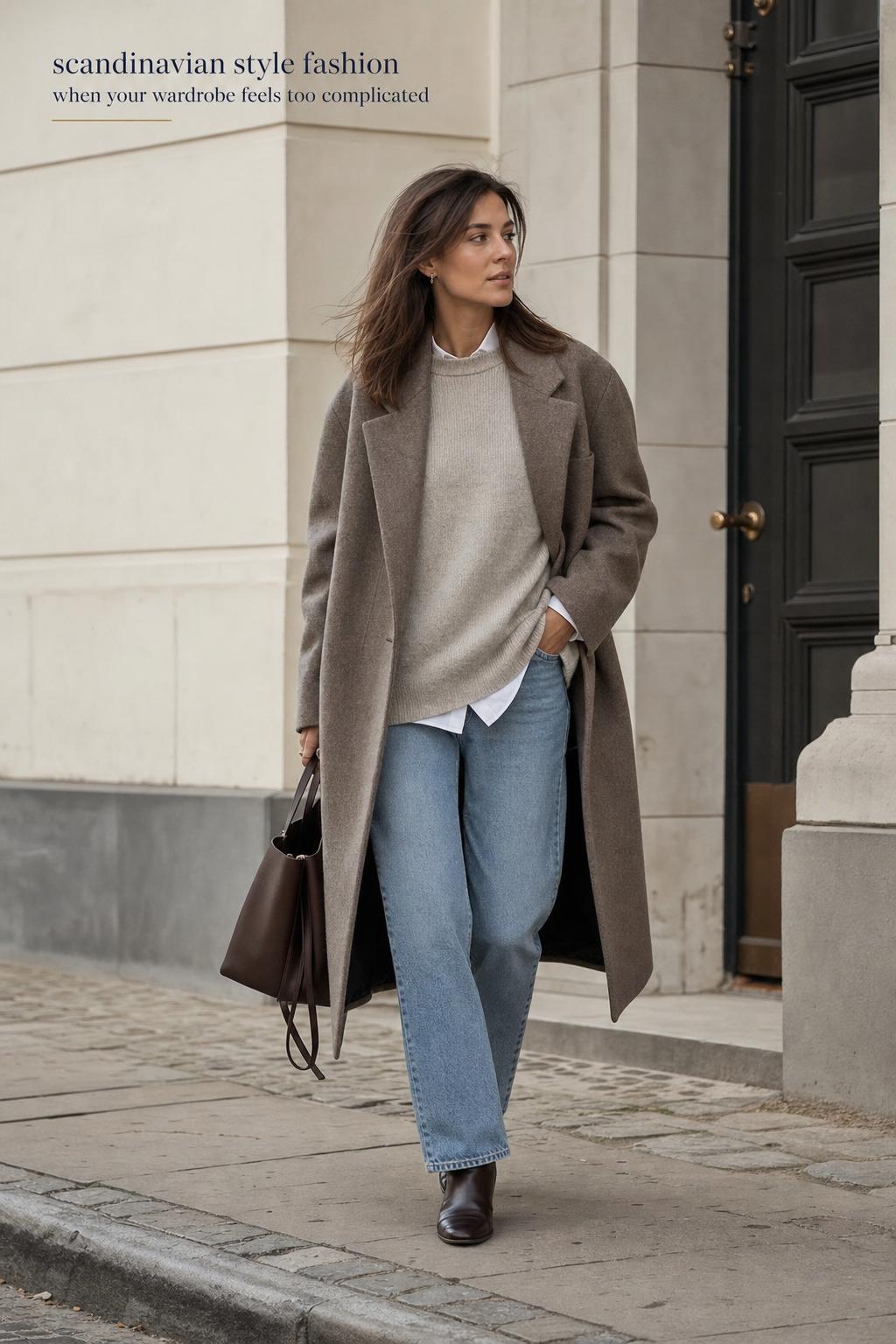
This guide breaks down what Scandinavian style looks like today, why it works visually, how Nordic fashion hubs influence it, and how to translate the aesthetic into real outfits for work, weekends, and travel. The goal is not to imitate a stereotype. It is to understand the structure behind nordic fashion minimalism, then apply it in a way that feels practical, wearable, and coherent.
What defines Scandinavian style today
At its core, Scandinavian style is a design system built around restraint, function, and thoughtful proportion. The most recognizable version centers on minimalist silhouettes, neutral color schemes, and high-quality materials, but the real distinguishing factor is balance. A look tends to feel composed rather than overworked. The palette is calm. The silhouette is clear. Every piece has a role.
Found the dress? Keep the rest in one place.
Zarellea brings guest details, vendors, timelines, and every next step together — so your wedding plan feels as good as your look.
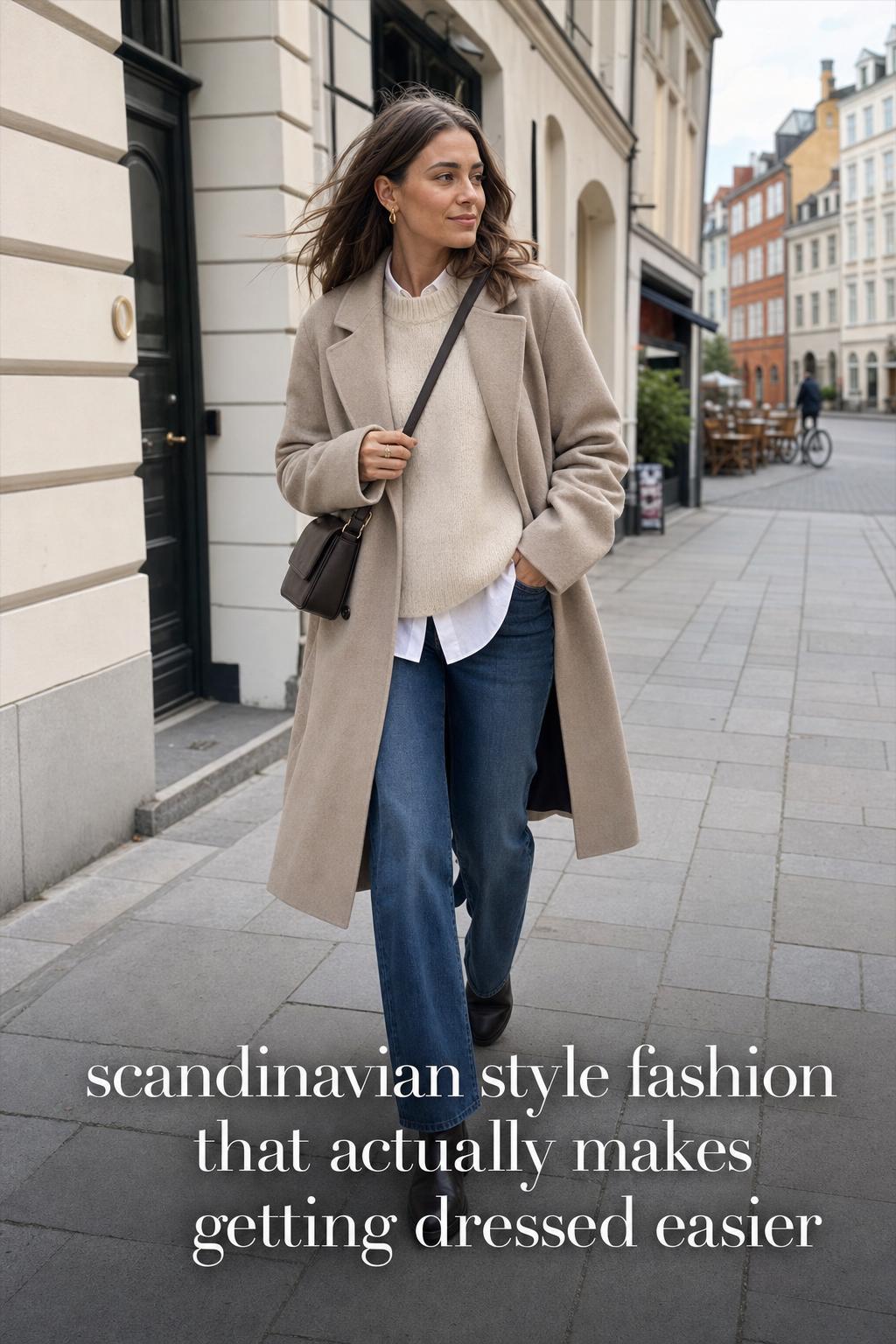
Minimalism in this context does not mean visual emptiness. It means editing. A soft knit gains depth against structured tailoring. Straight-leg denim becomes more refined with a long coat. Tailored trousers create a clean vertical line that anchors oversized outerwear. Scandinavian fashion relies heavily on these relationships between shape, texture, and practicality. That is why the aesthetic consistently reads as effortless, even when the outfit is carefully constructed.
Another defining feature is the Nordic design ethos. Quality, craftsmanship, and sustainability appear repeatedly across the category. Whether the look is highly minimal or slightly more expressive, the underlying values remain similar: clothes should function in daily life, materials should feel substantial, and styling should support repeat wear rather than one-time novelty.
The visual code behind the aesthetic
- Clean lines that keep the silhouette readable from head to toe
- Neutral tones and earth tones that allow tonal layering without visual clutter
- Core wardrobe pieces such as knitwear, denim, tailored trousers, and outerwear
- Practical silhouettes that allow movement and regular use
- A polished finish created through proportion play rather than excessive detailing
This is why scandi chic feels different from generic minimal dressing. It is not only spare. It is functional, textural, and highly wearable.
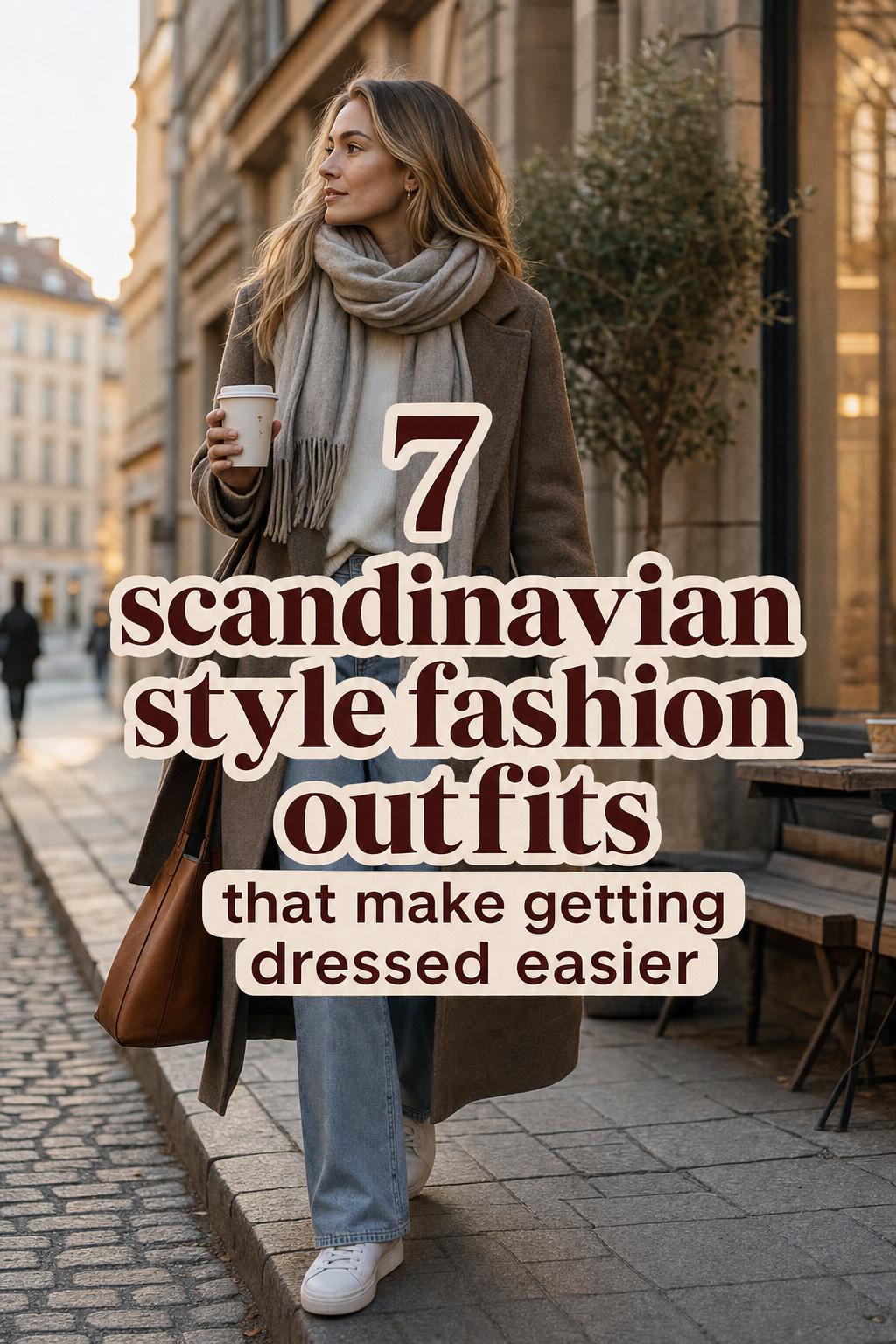
The regional fashion map: Stockholm, Copenhagen, and Oslo
Scandinavian style gains clarity when viewed through its regional hubs. Stockholm, Copenhagen, and Oslo function as design ecosystems, each reinforcing the broader Nordic identity while allowing different brand expressions to emerge. These cities matter because they connect fashion to place: climate, street style, brand culture, and retail habits all shape how the aesthetic is interpreted.
Stockholm is strongly associated with modern tailoring, clean structure, and a refined approach to Swedish fashion. Brands like Acne Studios and Filippa K illustrate how a minimalist wardrobe can still feel directional. Their presence supports the idea that Scandinavian style is not limited to basics; it can also be sharp, fashion-forward, and architecturally precise.
Copenhagen often signals a more relaxed and playful energy within the same Nordic framework. Ganni and Wood Wood are especially useful reference points here. They show how Scandi style can include elevated everydaywear, streetwear influence, and more visible personality while still staying grounded in practical design. This is also why Copenhagen has become such a strong anchor for contemporary scandi fashion brands.
Oslo adds another dimension, particularly through associations with heritage, knitwear, and weather-aware dressing. Dale of Norway captures this side of Norwegian fashion well. The emphasis here is not only aesthetic but also material and seasonal logic, reinforcing the broader Scandinavian connection between clothing and function.
Why fashion weeks matter to the look
Copenhagen Fashion Week and Stockholm Fashion Week help frame Scandinavian style as a living system rather than a static trend. They connect brands, designers, and city identities, and they make the regional fashion conversation more visible. Their influence matters because they show how Nordic labels are styled in context: outerwear paired with tailoring, sneakers with long coats, crisp shirting under knits, and capsule wardrobe pieces reworked across different settings.
For readers interested in how to dress in scandinavian style, these fashion-week ecosystems offer a useful lesson: the strongest outfits usually prioritize clarity over decoration. Even when a brand leans more playful or street-led, the outfit composition still tends to remain balanced and purposeful.
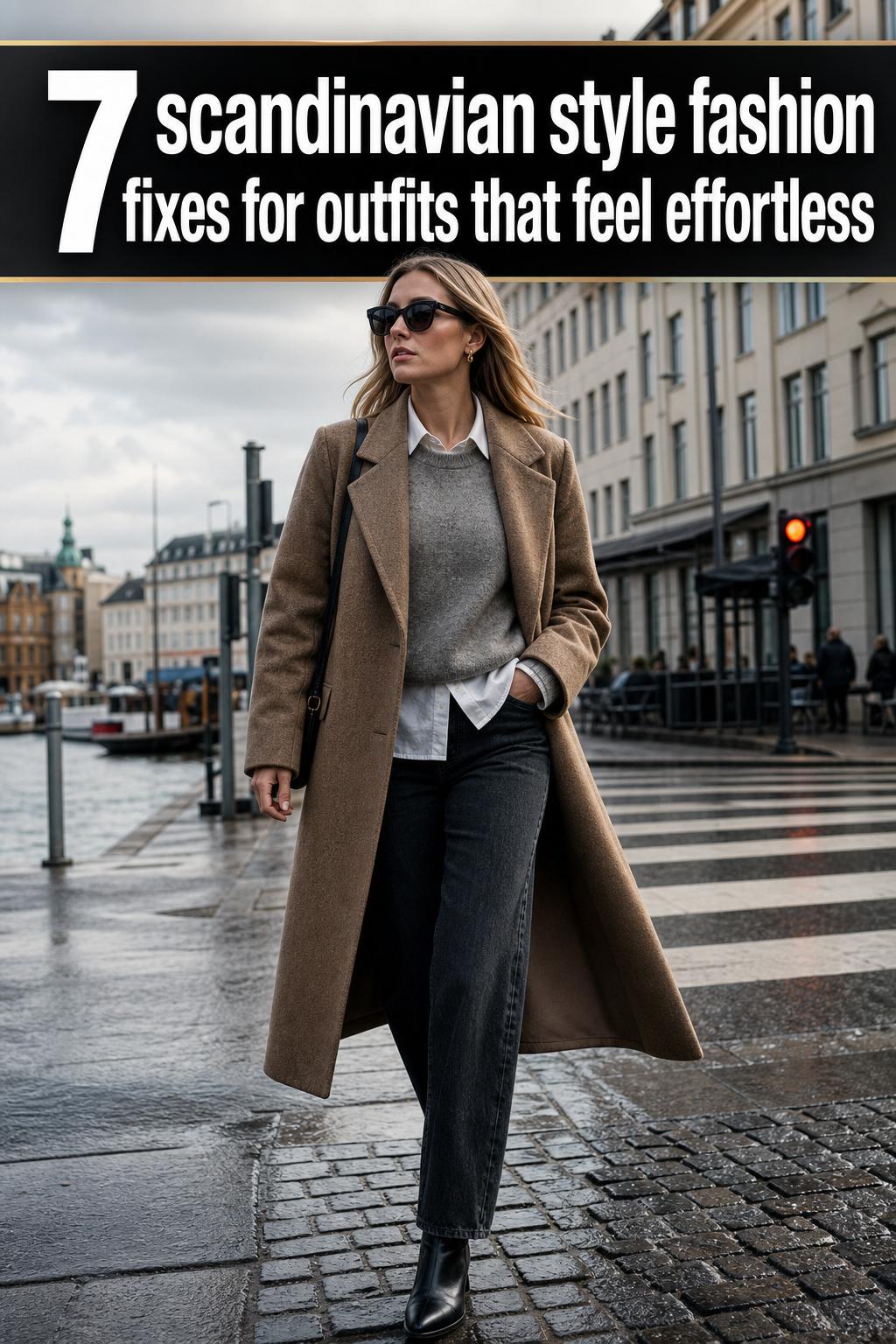
The brands that shape the Scandinavian wardrobe conversation
Brand discovery is central to Scandinavian fashion because labels often act as the clearest carriers of regional identity. They package the design ethos into recognizable silhouettes, materials, and styling cues. The following names consistently stand out because they represent distinct but connected versions of the Nordic fashion landscape.
Acne Studios: Stockholm sharpness with a fashion-forward edge
Acne Studios is one of the most recognizable anchors in Swedish fashion. Its appeal lies in the tension between modern tailoring and a cooler, slightly directional attitude. In practical terms, this means pieces that often work best when the silhouette is allowed to stay clean: structured outerwear over denim, straight or tailored lines supported by a restrained palette, and styling that treats the garment cut as the main visual anchor.
This brand is especially useful for readers who want scandinavian style fashion with more edge. It proves that minimalism does not have to feel soft or anonymous. A sharper shoulder line, elongated coat, or fashion-forward trouser can still fit within the Nordic framework if the overall outfit remains disciplined.
Ganni: Copenhagen energy and elevated everydaywear
Ganni represents a different side of the Scandi spectrum. The brand is closely tied to Copenhagen and often associated with a playful-luxe approach to everyday dressing. That matters because it prevents Scandinavian fashion from being reduced to only beige basics and severe minimalism. Ganni demonstrates that a Nordic wardrobe can still have personality, provided the outfit remains grounded in wearability.
From a styling perspective, Ganni works best when it is treated as the expressive element in an otherwise controlled outfit composition. If the look includes a more noticeable shape or mood, cleaner supporting pieces keep the result coherent. That is a classic Scandinavian strategy: one visible point of interest, supported by practical foundations.
Filippa K: timeless minimalism with a sustainability focus
Filippa K is often linked to timeless minimalism and sustainability-forward materials. That combination makes the brand a strong reference for anyone building a capsule wardrobe. The appeal here is consistency. Pieces are designed to integrate easily with one another, which is essential for the Nordic approach to dressing. The clothes do not need heavy styling to make sense together.
In visual terms, Filippa K shows the value of restraint. Tailored trousers, refined knitwear, and quiet layering create a look that feels intentional without being rigid. This is especially effective for workwear and repeat weekday dressing, where calm proportions and high-quality fabric do most of the aesthetic work.
COS and & Other Stories: accessible Scandi minimalism
COS and & Other Stories occupy an important position in the conversation because they translate Scandinavian-inspired dressing into more accessible retail language. Their connection to the H&M group helps explain their visibility, but what matters stylistically is their role in making the aesthetic practical for a wider audience. They often emphasize fashion-forward silhouettes, neutral tones, and simple styling formulas that can be adapted for different budgets.
These brands are particularly helpful if your goal is to understand how to dress in scandinavian style without overcomplicating the process. A clean coat, wide or straight tailored trouser, a knit in a calm shade, and minimal accessories already create the framework. The result is less about labels and more about disciplined outfit building.
Wood Wood: the street-meets-sport Scandi angle
Wood Wood expands the Nordic wardrobe conversation by bringing in a sport and streetwear influence. This matters because Scandinavian style is often discussed only through tailoring and minimalist essentials. Wood Wood shows that casualwear can still sit comfortably within the same regional identity, as long as the lines stay considered and the look avoids unnecessary excess.
For everyday dressing, this translates into relaxed trousers, cleaner sneakers, practical outerwear, and restrained layering. The visual principle is the same as elsewhere in Scandi style: each piece should support the silhouette rather than compete with it.
Dale of Norway: knitwear heritage and weather-aware dressing
Dale of Norway brings heritage knitwear into the Scandinavian style picture. Its importance lies in showing that the Nordic aesthetic is not only urban minimalism. It also includes materials, tradition, and clothes that respond to climate. In practical styling terms, knitwear from this tradition functions as both texture and structure. It adds warmth, visual depth, and authenticity to an outfit built around simple layers.
This heritage perspective is useful because it keeps Scandinavian fashion connected to craftsmanship. A wardrobe becomes more interesting when minimal lines are supported by substantial fabrics rather than by thin, purely decorative pieces.
Other Nordic names that expand the field
H&M appears in broader Nordic brand discussions, while editorial roundups often place names like Acne Studios, Ganni, Filippa K, COS, & Other Stories, and Wood Wood in conversation with one another. That comparison matters. It allows readers to see Scandinavian style not as a fixed visual uniform, but as a wardrobe language with multiple dialects: luxury, accessible minimalism, heritage knitwear, and street-influenced casualwear.
Materials, quality, and why sustainability keeps appearing in Scandi fashion
One of the most consistent themes across Scandinavian fashion is the link between style and material quality. Sustainability, craftsmanship, and timelessness are frequently treated as part of the aesthetic itself, not as separate marketing language. That makes sense. If a wardrobe is built around repeat wear, neutral layering, and practical staples, then fabric quality becomes central. A weak material will disrupt the entire logic of the look.
Natural fibers, recycled materials, and responsible construction methods are often part of the conversation. The same is true of certifications and traceability frameworks such as GOTS and bluesign, which help explain how sustainability claims are commonly framed in modern fashion. In Scandinavian style, these references matter because they reinforce a broader expectation: clothes should feel considered both visually and materially.
Core fabrics that support the aesthetic
- Knitwear for softness, warmth, and visible texture contrast
- Denim for everyday structure and casual balance
- Tailoring fabrics that hold clean lines in trousers and outerwear
- Natural fibers that support breathability and a more elevated finish
- Recycled materials where brands position sustainability as part of the design story
The key is fabric behavior. A Scandinavian outfit often looks polished because the materials support the silhouette. Tailored trousers fall cleanly. Outerwear retains shape. Knitwear adds volume without collapsing the line of the outfit. This is where quality and visual impact meet.
Tip: judge Scandi pieces by performance, not only appearance
When building a wardrobe in this style, assess how a piece layers, how it keeps structure through the day, and whether it can repeat across work, weekend, and travel use. Scandinavian fashion rewards clothes that perform across multiple contexts. A beautiful coat that only works with one trouser shape is less aligned with the ethos than a simpler coat that integrates with everything else you own.
The anatomy of a Scandinavian wardrobe
The practical strength of Scandinavian style lies in its wardrobe architecture. Instead of relying on isolated statement purchases, it prioritizes a small set of high-function categories that can be recombined easily. This is why the aesthetic works so well for readers searching for scandi style outfits for work, daily dressing, or travel. The pieces are adaptable by design.
The pieces that do most of the work
- Knitwear that adds texture and softness
- Denim with a clean, wearable cut
- Tailored trousers that anchor the silhouette
- Outerwear that provides structure and seasonal practicality
- Simple tops and layering pieces in neutral shades
These categories repeat across nearly every credible interpretation of Scandinavian style. They are not interchangeable in effect, however. Knitwear relaxes the look. Tailored trousers refine it. Denim makes it more everyday. Outerwear determines the silhouette from a distance. Understanding these roles helps you build stronger outfits with fewer pieces.
Capsule wardrobe logic, the Nordic way
A capsule wardrobe aligns naturally with Scandinavian style because both are built on clarity and repetition. The idea is not to strip the wardrobe down to something severe. It is to make sure that color palette, proportions, and fabric weights allow the pieces to work together. Neutrals and earth tones are particularly effective here because they simplify tonal layering and reduce visual friction.
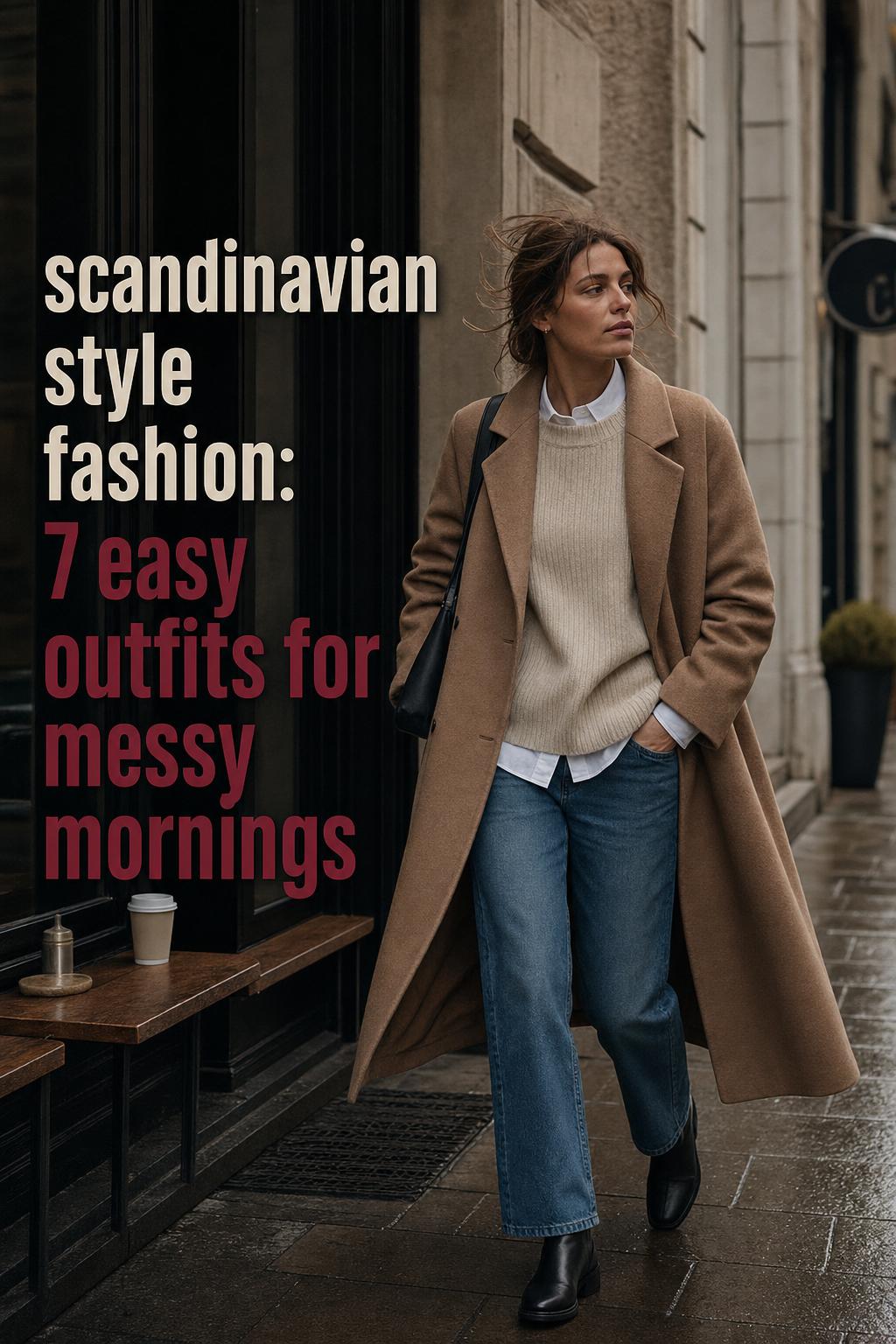
A useful test is to place three categories together: one structured piece, one soft piece, and one practical base. For example, outerwear, knitwear, and denim. If those pieces balance one another in color and volume, the outfit will usually read as Scandinavian even before accessories are added.
How to style Scandinavian outfits for real life
The best Scandinavian outfits are not abstract mood boards. They are highly wearable combinations designed for motion, weather shifts, and repeated use. That practicality is part of their elegance. The following scenarios show how the styling logic translates into daily life.
For work: structure first, softness second
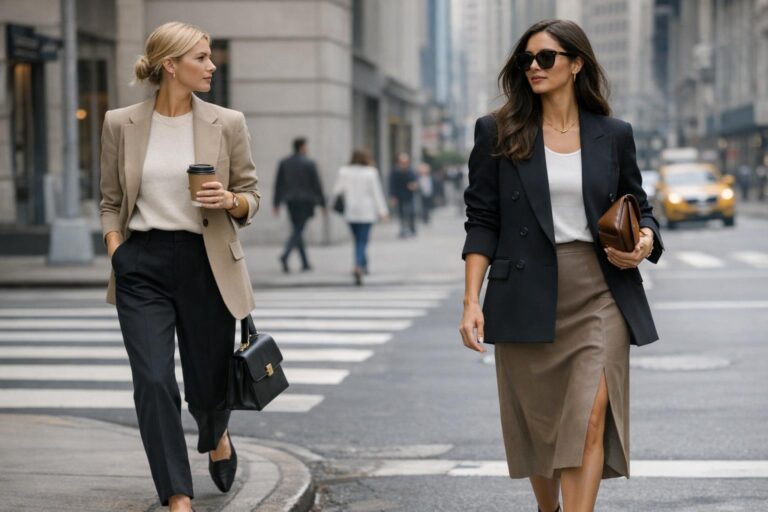
A strong workwear version of Scandinavian style starts with tailored trousers or refined denim, then introduces a soft knit or simple top, finished with structured outerwear or a clean blazer. This works because the tailored base keeps the outfit professional, while the knit texture prevents it from feeling severe. Color harmony matters here. A neutral palette makes the silhouette feel longer and more composed.
This formula is especially effective for long office days because it accommodates movement and layering. The outfit looks polished in the morning and still coherent once outerwear is removed indoors.
For weekends: cleaner casualwear, not careless casualwear
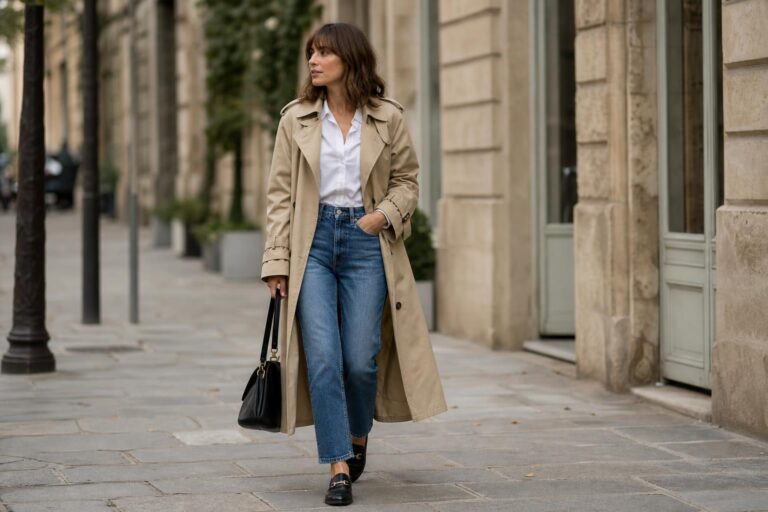
Weekend Scandi dressing often relies on denim, knitwear, and practical outerwear. The difference from generic casualwear lies in editing. The denim cut stays clean. The knit has substance. The coat or jacket creates a visible line. Even a relaxed look benefits from one strong visual anchor, whether that is a structured coat, a sharply cut trouser, or a refined knit.
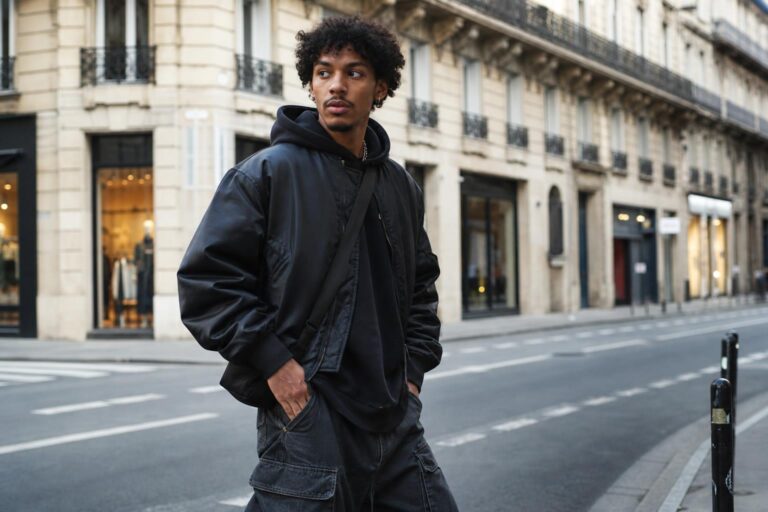
Wood Wood and the more casual side of Copenhagen style offer a good reference point here. Sport and streetwear cues can work, but they need restraint. Too many casual signals at once dilute the Scandinavian clarity.
For travel: repetition, layering, and calm color planning
Travel is where the Scandinavian wardrobe proves its usefulness. A coat in a neutral shade, one or two knits, denim, tailored trousers, and simple tops create multiple combinations without overpacking. This is where nordic fashion minimalism shows its practical value. A tightly controlled palette means every layer supports the next, and the outfit still looks considered after hours of wear.
For long travel days, prioritize pieces that maintain shape. Knitwear with enough body to avoid slouching, denim or trousers with a clean fall, and outerwear that works both in transit and on arrival keep the outfit visually stable.
Tip: use one category to change the entire mood
If your base outfit is built from simple Scandinavian staples, the fastest way to shift the look is through outerwear or trousers. Swap denim for tailored trousers and the outfit becomes office-ready. Replace a lighter coat with a more structured option and the same knit instantly looks sharper. This is more effective than adding extra accessories, which can disrupt the clean composition.
Color, silhouette, and texture: why Scandi outfits feel calm
Scandinavian fashion is often described as neutral, but the more accurate description is controlled. Color, silhouette, and texture are arranged to reduce visual noise. That is why even simple outfits can look elevated. The eye is not forced to process too many competing elements at once.
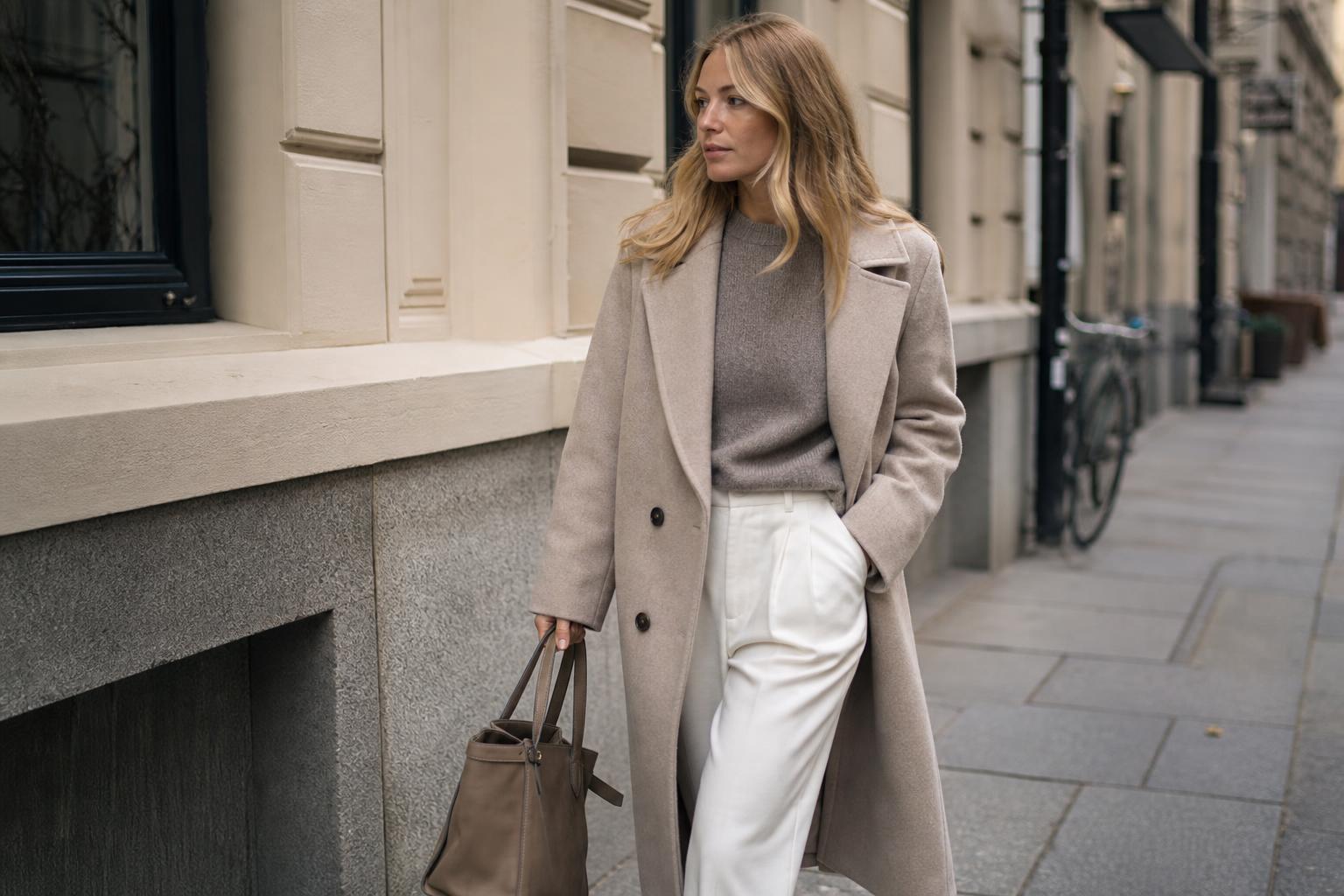
Neutrals and earth tones create a stable foundation, especially when used tonally. A coat and trouser in related depth create vertical continuity. Knitwear adds texture so the look does not become flat. Denim introduces a more casual surface that keeps the wardrobe practical. These combinations feel easy because they are harmonized, not because they are random.
Why proportion matters more than trend details
In Scandinavian style, silhouette balance often determines success more than any single item. An oversized knit needs a cleaner base. Strong outerwear benefits from slimmer or more controlled trousers. Tailored trousers can carry softer layers because they already establish structure. This attention to proportion play is what makes the look feel editorial rather than basic.
That is also why many best scandinavian fashion brands are recognized through their cuts as much as through their branding. Shape is part of identity. The same neutral palette can look entirely different depending on whether the line is sharp, relaxed, or heritage-led.
Where Scandinavian style can go wrong
The biggest misunderstanding about Scandinavian fashion is treating it as a formula of plain basics without styling discipline. Minimal dressing only works when proportion, texture, and quality are considered. Otherwise the result can feel flat, unfinished, or generic.
- Using only neutrals without enough texture contrast
- Choosing oversized pieces in every category, which weakens silhouette definition
- Relying on low-structure fabrics that make tailoring and outerwear lose shape
- Adding too many trend elements at once, which breaks the calm composition
- Ignoring weather and practicality, despite functionality being central to the aesthetic
A balanced Scandinavian wardrobe is edited, not empty. It includes enough variation in knitwear, denim, tailoring, and outerwear to create depth across seasons and occasions.
Tip: if the outfit feels dull, adjust texture before color
Many readers try to solve a flat neutral outfit by introducing a louder color or unrelated statement piece. In a Scandi framework, the better fix is often textural. Add a more substantial knit, a cleaner tailoring fabric, or outerwear with clearer structure. Texture contrast usually restores interest without disturbing the minimal balance.
Scandinavian style across substyles
One of the most useful ways to understand Scandinavian fashion is to see it as a group of related substyles rather than a single visual rulebook. This makes the aesthetic more accessible, especially for readers who like the Nordic mood but do not want every outfit to look the same.
Scandi workwear
This version emphasizes tailored trousers, refined knitwear, simple tops, and structured outerwear. Filippa K and the cleaner side of Stockholm style are strong reference points. The effect is polished, efficient, and ideal for weekday repetition.
Scandi casual
Here, denim and practical layering take the lead. The look remains clean but less formal, with outerwear and knitwear doing most of the visual work. This is the most approachable entry point for everyday wear.
Scandi luxe
Luxury-oriented Scandinavian dressing often appears through brands like Acne Studios and in curated editorial roundups focused on effortless style. The silhouette becomes more directional, but the restraint remains. The luxury is carried by cut, fabric, and finish rather than by overt decoration.
Scandi street-meets-sport
Wood Wood helps define this area, where sport and streetwear influences meet the Nordic preference for clarity. It works best when casual pieces are streamlined and the palette remains disciplined.
The people and design intelligence behind the look
Scandinavian style is often discussed through brands, but the role of designers and founders is equally important. Founder-driven brand identity helps explain why Acne Studios, Ganni, and other Nordic labels feel distinct even when they share values like minimalism, sustainability, or practicality. The design direction determines how those values appear: sharp and urban, playful and everyday, or timeless and restrained.
This is one reason editor picks and brand roundups remain so influential in the Scandinavian fashion space. They do more than name labels. They frame each brand as an exemplar of a broader Nordic aesthetic, linking location, design philosophy, and wardrobe use. That framework is useful for shoppers because it clarifies trade-offs. One brand may be better for tailoring, another for elevated casualwear, another for heritage knitwear.
Collaborations, flagship collections, and city-based brand ecosystems further reinforce this identity. Even without reducing the style to biography alone, it is clear that Scandinavian fashion gains strength from the relationship between people, labels, and place.
A practical shopping lens: how to choose the right Scandi pieces
Shopping for Scandinavian style is less about buying a full new wardrobe and more about identifying the pieces that improve outfit composition. Start with the categories that create the greatest visual structure, then add softer supporting elements. This approach is more efficient and aligns with the ethos of functionality and repeat wear.
- Prioritize outerwear if your wardrobe lacks shape
- Choose tailored trousers if you want instant polish for work outfits
- Add substantial knitwear if your neutral outfits feel flat
- Use clean denim to connect minimal pieces to everyday life
- Look for brands whose design logic matches your actual routine
This is also where price tier and brand identity matter. A luxury Scandi label may offer stronger design impact, while accessible brands like COS and & Other Stories can provide the silhouette vocabulary needed to build the same overall aesthetic. The more important question is whether the piece integrates well with what you already wear.
Tip: build from the outside in
If you want faster results, start with outerwear and trousers before refining tops and smaller details. In Scandinavian style, the coat and the lower half often establish the full silhouette. Once those are right, knitwear and simple layers can complete the outfit without much effort.
Why Scandinavian style remains relevant
Scandinavian style remains compelling because it answers multiple needs at once. It offers visual calm in a fast-moving trend environment. It supports sustainability through repeat wear and quality-driven thinking. It accommodates work, travel, and everyday life. It also leaves room for interpretation, from the sharp minimalism of Acne Studios to the playful-luxe energy of Ganni, the timeless restraint of Filippa K, and the heritage knitwear identity of Dale of Norway.
Most importantly, the aesthetic is useful. It helps readers understand why an outfit works: silhouette balance, tonal layering, texture contrast, and practical structure. That is what turns Scandinavian fashion from a visual reference into a reliable wardrobe method.
FAQ
What is Scandinavian style fashion?
Scandinavian style fashion is a Nordic approach to dressing built around minimalism, functionality, quality materials, practical silhouettes, and calm color palettes. It often includes knitwear, denim, tailored trousers, and structured outerwear styled in a way that feels polished but easy to wear.
Which brands best represent Scandi style?
Acne Studios, Ganni, and Filippa K are among the most recognized names, with COS, & Other Stories, Wood Wood, Dale of Norway, and H&M also appearing in broader Nordic fashion conversations. Each brand reflects a different angle, from sharp Swedish tailoring to Copenhagen playfulness and Norwegian knitwear heritage.
How do I dress in Scandinavian style without buying a full new wardrobe?
Start with core categories that shape the outfit: outerwear, tailored trousers or clean denim, and knitwear in neutral or earth-toned shades. Focus on silhouette balance and texture contrast rather than chasing many new items at once. A calm palette and disciplined layering usually create the look quickly.
Is Scandinavian fashion always neutral?
No, but it is usually controlled. Neutral tones and earth tones are common because they support tonal layering and repeat wear, yet brands like Ganni show that Scandinavian style can also include a more playful mood. The key is maintaining balance so the outfit still feels intentional and wearable.
What are the most important pieces in a Scandinavian wardrobe?
Knitwear, denim, tailored trousers, and outerwear are the most consistent wardrobe anchors. These pieces create the texture, structure, and practicality that define the aesthetic. Simple tops and layering pieces then support them without adding unnecessary visual noise.
Why is sustainability so connected to Scandinavian fashion?
Sustainability appears frequently because Scandinavian style values quality, longevity, and thoughtful design. Brands and guides in this space often connect good dressing with craftsmanship, responsible materials, recycled materials, and frameworks such as GOTS or bluesign, all of which support a wardrobe built for repeat use.
Can Scandinavian style work for office outfits?
Yes, it is especially strong for office dressing because it favors tailored trousers, structured outerwear, refined knitwear, and clean color harmony. This combination creates a professional silhouette while staying comfortable enough for long days and easy layering.
What is the difference between Scandinavian style and generic minimalism?
Generic minimalism can sometimes focus only on visual simplicity, while Scandinavian style adds practicality, fabric quality, and a stronger relationship to daily wear. The Nordic version is usually more grounded in movement, weather, craftsmanship, and real wardrobe function.
How do Copenhagen Fashion Week and Stockholm Fashion Week influence the style?
These fashion weeks help define the contemporary identity of Scandinavian fashion by linking brands, designers, and city style. They show how Nordic dressing works in real settings, from Stockholm’s cleaner tailoring approach to Copenhagen’s more playful and everyday interpretation.
What is the easiest way to make a Scandinavian outfit look more polished?
Improve structure before adding more detail. A better coat, sharper trouser line, or more substantial knit usually has more impact than extra accessories. In Scandinavian style, polish comes from proportion, fabric quality, and calm composition rather than from overt styling tricks.