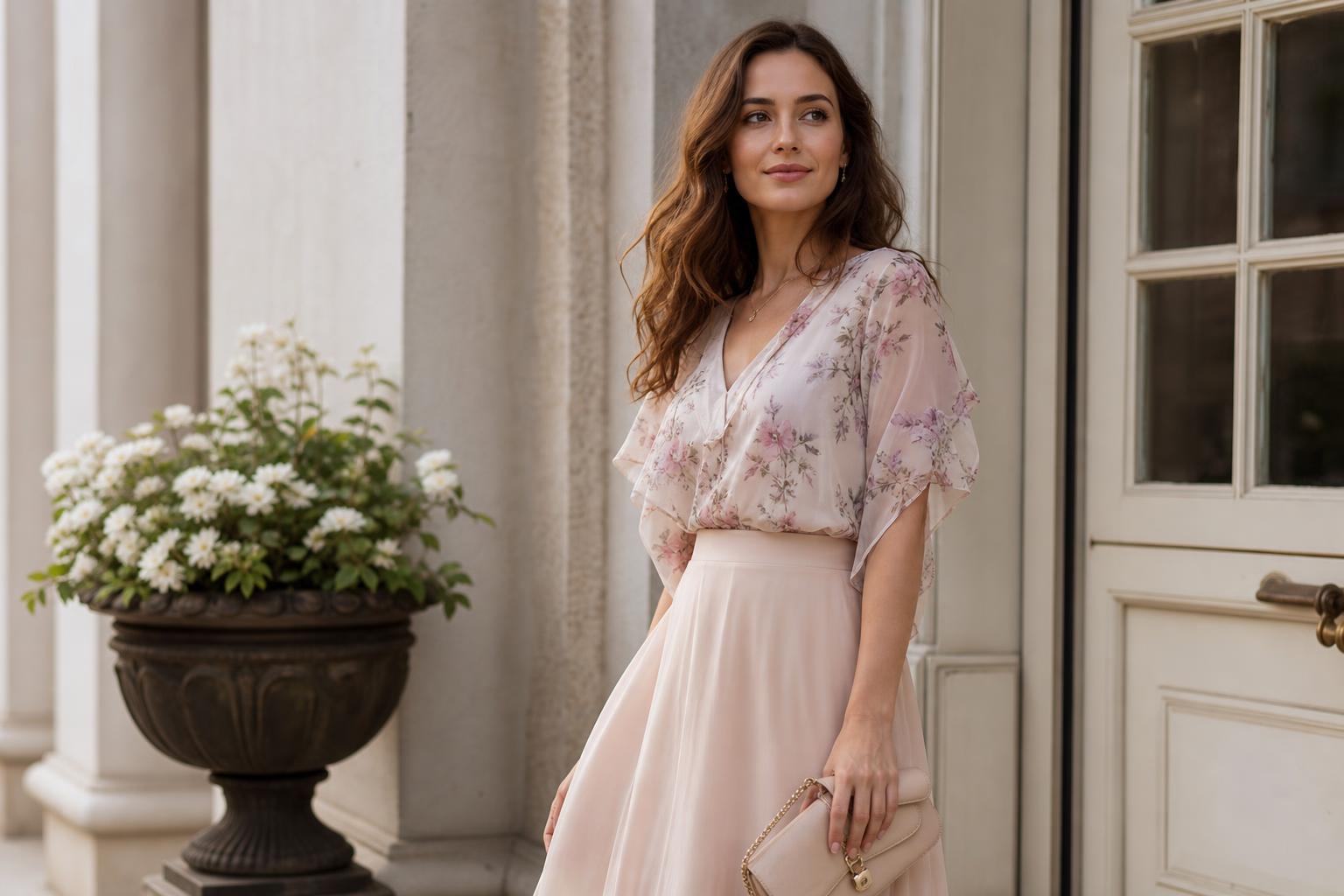
Romantic Style Outfit Ideas for a Soft, Polished Look
A romantic style outfit sits in an interesting part of modern fashion because it is both familiar and frequently misread. Soft fabrics, feminine lines, delicate details, and a gentle color story often lead people to group romantic dressing with any look that feels pretty or light. In practice, however, romantic style has its own visual logic. It is not simply “dressy,” and it is not the same as every soft aesthetic circulating across Pinterest, retail galleries, and capsule wardrobe advice.
The comparison becomes especially useful when romantic style is placed next to two closely related approaches: occasion-led feminine dressing and soft, natural styling. These are often discussed together because they can share lace, chiffon, silk, tulle, and fluid silhouettes. Yet they communicate different priorities. One centers mood and delicacy, another centers event polish, and another relies on ease and softer structure. Understanding those distinctions makes shopping, styling, and outfit planning far more precise.
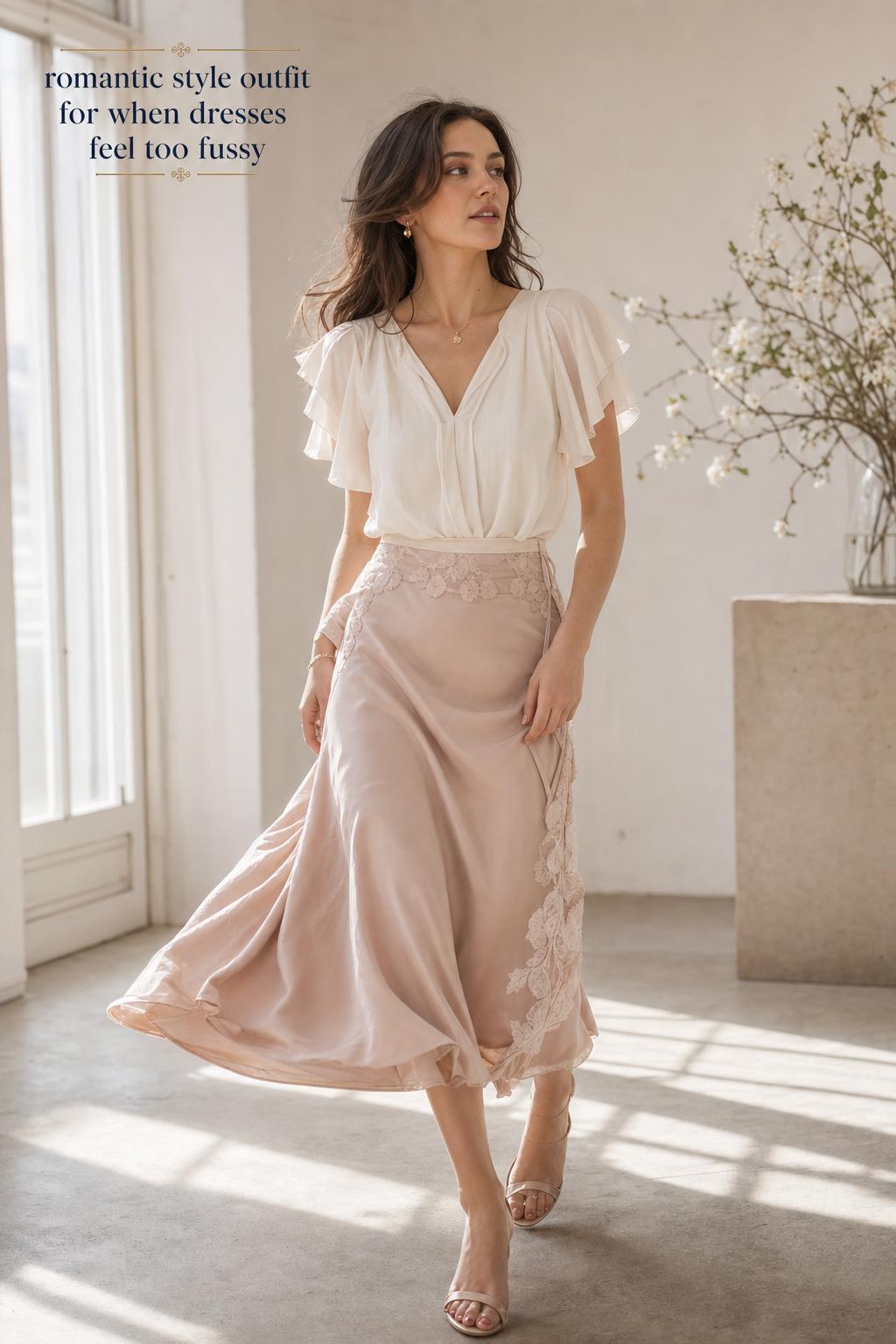
This breakdown explains what defines a romantic style outfit, how it differs from soft natural styling and occasion-focused feminine dressing, and how those differences show up in real wardrobes. The goal is not only to identify visual cues, but to understand the styling philosophy behind silhouette balance, fabric choice, accessories, and seasonal adaptation.
Defining the romantic style outfit before making comparisons
Before comparing aesthetics, it helps to define the core of romantic style clearly. A romantic style outfit is built around softness, movement, and visual delicacy. The mood is feminine, but not in a broad or generic way. It usually comes through fluid silhouettes, subtle drape, tactile fabrics, and details that feel light rather than sharp. Lace, chiffon, silk, and tulle are central because they support that visual softness without adding heaviness.
Found the dress? Keep the rest in one place.
Zarellea brings guest details, vendors, timelines, and every next step together — so your wedding plan feels as good as your look.
In silhouette terms, romantic dressing tends to favor shapes that follow the body gently instead of imposing strict structure. Waist emphasis can appear, but it is usually softened by flutter, drape, gathers, or flowing lines. Color palettes often lean toward light tones or muted seasonal palettes rather than high-contrast combinations. The result is an outfit composition that feels graceful and emotive rather than strictly tailored.
This is also why the romantic style outfit often overlaps with discussions around weddings, date night dressing, daywear, and evening looks. It adapts well to emotional or visually expressive occasions, but it can also be translated into daily wear through a capsule wardrobe approach. That flexibility is part of its appeal, and also one reason it gets confused with related styles.
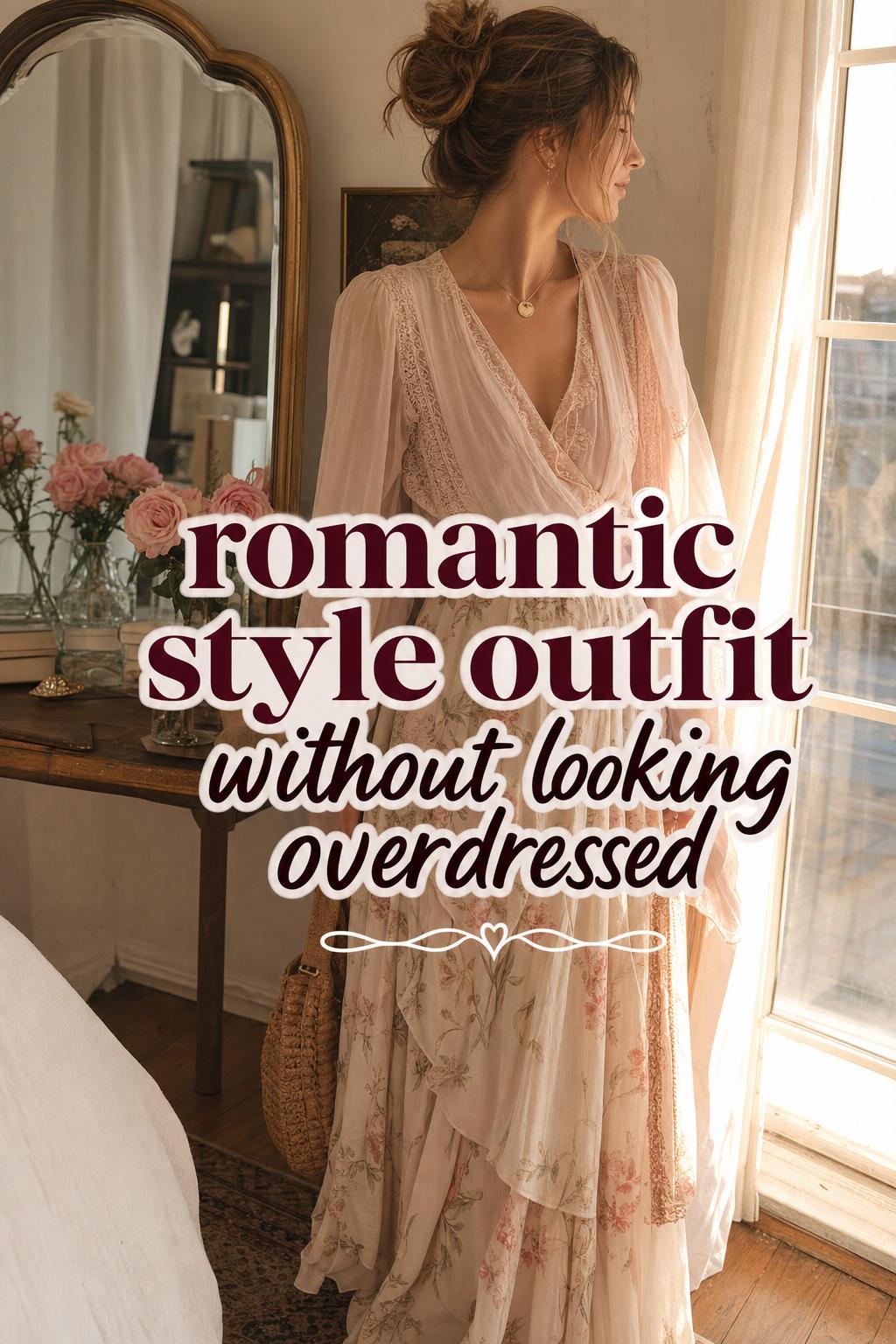
Style overview: romantic style
The defining characteristics of romantic style are softness, femininity, and fluidity. Fabrics such as lace, chiffon, silk, and tulle create movement and texture without visual weight. The silhouette often includes soft draping, light waist definition, and pieces that skim rather than sculpt. The overall mood is expressive, delicate, and intentionally polished, even when adapted for daywear.
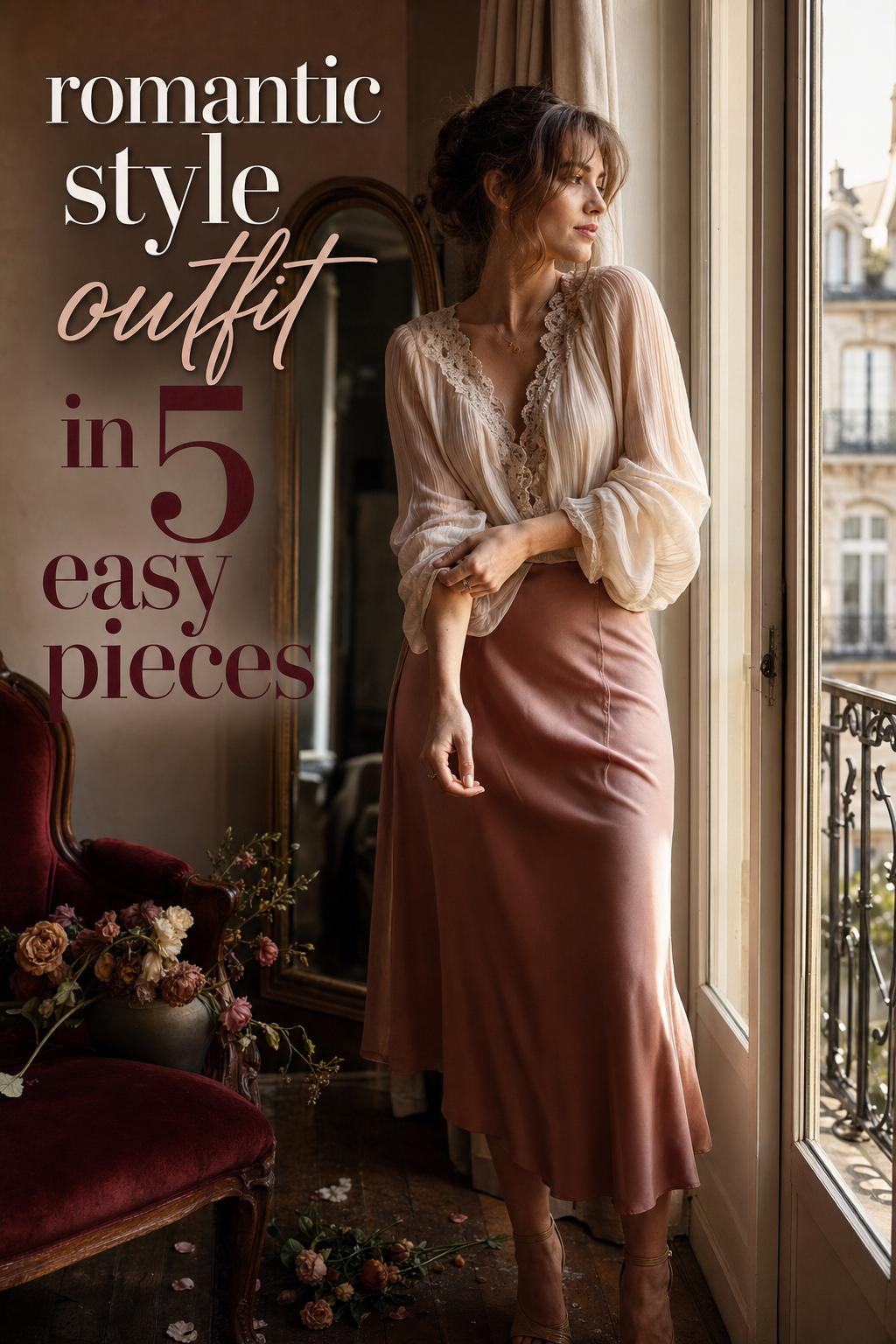
Typical wardrobe pieces include dresses with movement, blouses with soft volume, gently shaped skirts, and accessories that support rather than dominate the look. The color palette usually favors airy, muted, or gentle tones. In visual terms, the style reads as refined and tender rather than minimal or sporty.
Style overview: soft natural styling
Soft natural styling enters the conversation because it shares a love of ease and softness, yet it operates differently. The soft natural approach generally prioritizes relaxed lines and an effortless silhouette balance over decorative delicacy. It can still use soft fabrics, but those fabrics usually support ease, comfort, and movement first, rather than ornamental femininity.
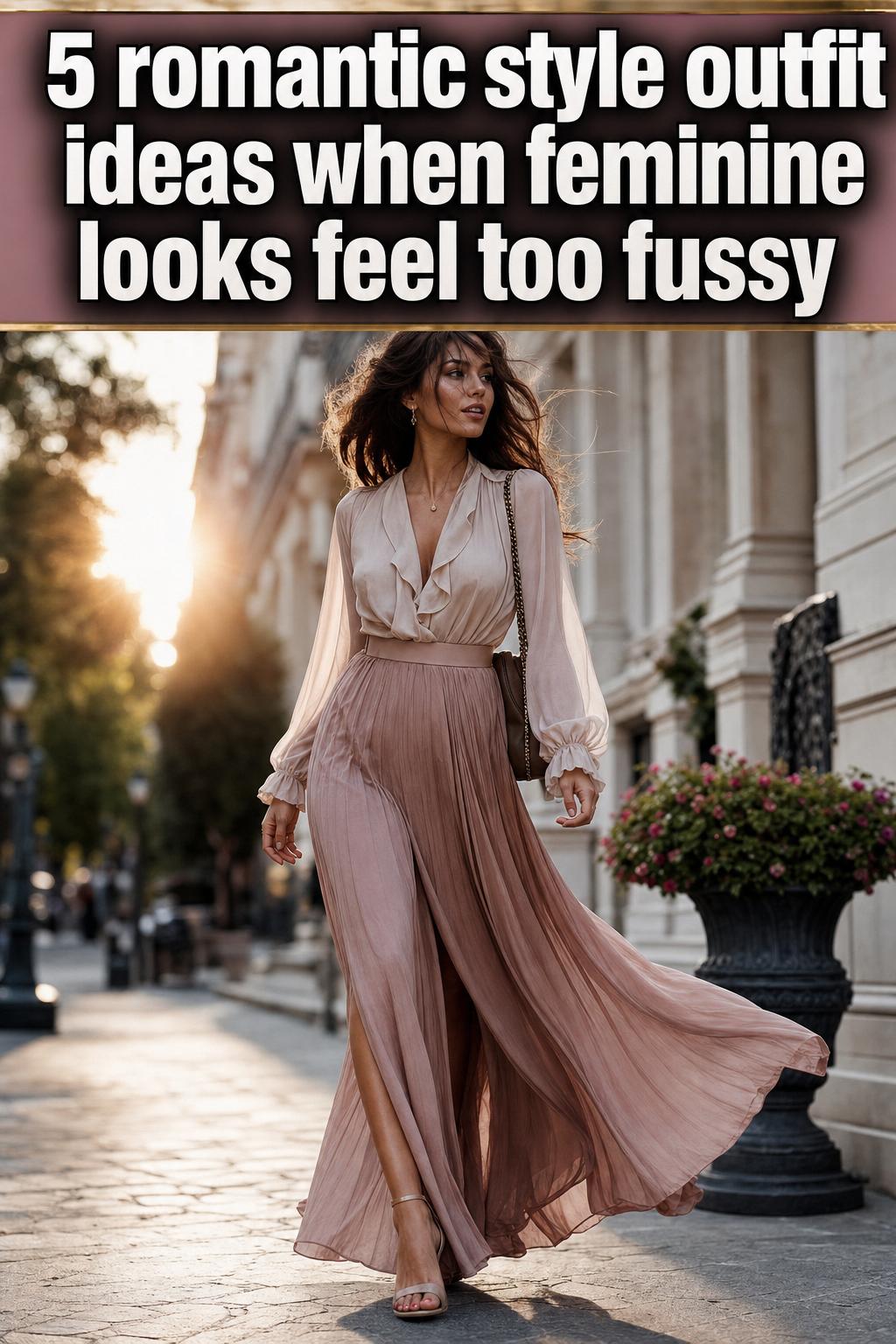
Compared with a romantic style outfit, soft natural looks less ethereal and less precious. The silhouette is often looser, proportions feel more grounded, and the styling mood is casual in a deliberate way. A romantic blouse in silk or chiffon may emphasize drape and detail; a soft natural version of softness would likely reduce the decorative element and lean into simpler outfit composition.
Style overview: occasion-focused feminine dressing
Occasion-focused feminine dressing is not a separate aesthetic in the same way, but it deserves its own overview because many readers searching for a romantic style outfit are actually looking for event styling. Wedding guest outfits, evening looks, and date night dressing often borrow romantic elements because they photograph well and align with event expectations.
The difference is intent. Occasion-focused feminine dressing is driven by where the outfit is being worn: a wedding, an evening event, a gallery opening, or a polished dinner. It may use romantic fabrics and silhouettes, but it can also become more formal, more trend-led, or more brand-specific depending on the setting. Romantic style, by contrast, is a wardrobe language that can exist beyond special events.
Why these styles get confused so often
The visual overlap is real. All three approaches may include soft fabrics, gentle movement, feminine mood, and accessories that avoid hard utility. Retailers and magazines often group them together in the same galleries, while e-commerce product pages collapse distinctions even further by tagging one blouse or dress for multiple style identities. That makes it easy for shoppers to associate any lace or chiffon piece with romantic dressing.
There is also a shared language around seasonal wardrobes. Spring and fall styling, in particular, invite romantic fabrics layered with practical pieces. A silk blouse under a cardigan, a tulle skirt styled for daywear, or an evening dress adapted with softer accessories can move between categories. The pieces may be similar, but the styling logic changes the final message.
Another reason for confusion is that brands and retailers present emotion before structure. A product shot may suggest romance through lighting, location, or event context, even if the garment itself is better suited to a broader feminine wardrobe or a soft natural capsule. The distinction becomes clearer when the focus shifts from mood imagery to silhouette, texture, and proportion.
The real difference starts with silhouette and structure
Silhouette is the fastest way to separate these styles. A romantic style outfit usually builds around softness with intention. The shape may be fitted in places, but the overall line remains fluid. There is often a sense of visual movement created through drape, gathers, or fabric behavior. The outfit feels composed around softness rather than simply relaxed.
Soft natural styling shifts that balance. The body line becomes easier, less ornamental, and more grounded. Instead of highlighting delicate details, it allows the overall proportion play to carry the outfit. Pieces may still be soft, but they read as casual and effortless rather than dreamlike or tender.
Occasion-focused feminine dressing can move in either direction. For a wedding guest look, the silhouette may become more formal and elongated. For evening, the structure may sharpen slightly to support polish. That means occasion dressing can borrow from romantic style without fully belonging to it. If the softness serves event polish first, the result is occasion-led rather than purely romantic.
Fabric tells the story more clearly than color alone
Lace, chiffon, silk, and tulle are more than decorative references. In a romantic style outfit, these fabrics are central to the way the look behaves in motion and catches light. Chiffon introduces airiness, silk adds fluid sheen, lace contributes intricacy, and tulle creates volume without density. Together, they establish the emotional tone of the outfit.
In soft natural styling, a similar color palette can appear, but the fabric story usually becomes simpler. Texture may still be present, yet the material tends to support practicality and ease rather than visual delicacy. The outfit composition relies less on ornamental fabric behavior and more on relaxed proportion.
For occasion dressing, fabric choice often depends on formality. A wedding guest outfit may use chiffon or silk because they move elegantly in a venue setting. An evening look may bring in tulle or lace because these materials hold atmosphere under formal lighting. The difference is that the event determines the use, while romantic style treats these fabrics as part of an ongoing aesthetic vocabulary.
Color palette and visual mood
Romantic style usually favors a gentle palette. Light, muted, or soft seasonal tones help maintain the emotional clarity of the look. Even when the silhouette is expressive, the palette prevents the outfit from feeling heavy. This tonal restraint is important because romantic dressing depends on harmony between fabric softness and color softness.
Soft natural styling may use similar muted shades, but the result feels less ethereal and more grounded. The color story supports wearability and a casual rhythm. It does not require the same degree of visual delicacy to succeed.
Occasion-focused feminine dressing is the least fixed here. A wedding guest outfit may stay soft and airy, while an evening look may deepen in tone or increase contrast to match formality. This flexibility is useful, but it is also where many readers lose track of the difference between romantic style and event styling. The mood may be similar, yet the purpose changes the visual direction.
How accessories separate a romantic look from a simply feminine one
Accessories are often the decisive visual anchor. In a romantic style outfit, shoes, jewelry, and bags support softness rather than interrupt it. The accessory strategy is integrated. It avoids anything too hard, too bulky, or too stark because those pieces break the tonal layering and texture balance established by the clothing.
A soft natural outfit usually takes a more relaxed route. Accessories may be quieter, easier, and less refined in mood. The goal is not to intensify delicacy but to keep the look coherent and wearable. In outfit terms, the accessories disappear into the whole rather than deepen a romantic impression.
Occasion dressing often makes accessories more visible because events reward polish. Bags can become more formal, jewelry more intentional, and footwear more elevated. This is one reason event looks can feel romantic without being fully romantic in style philosophy. Their accessory choices are often designed around occasion codes first.
Visual style breakdown in everyday outfits
In daily wear, romantic style works best when softness is balanced with practical structure. Too much fluidity at once can become costume-like, especially outside weddings or evening settings. A strong romantic outfit for daytime often uses one or two focal elements, such as a chiffon blouse or a softly shaped skirt, then stabilizes the look with cleaner supporting pieces.
Soft natural styling is generally easier to wear casually because the proportions already lean toward ease. The outfit balance comes from relaxed shape, not decorative emphasis. That makes it especially useful for travel, long days, and climates where heavy layering would undermine comfort.
Occasion-focused feminine dressing becomes less convincing in everyday life when it stays too literal. A wedding guest look rarely translates directly to errands or office settings without edits. The practical lesson is simple: romantic style can be daily if controlled; event dressing needs adaptation; soft natural is daily by design.
Outfit comparison: casual daywear
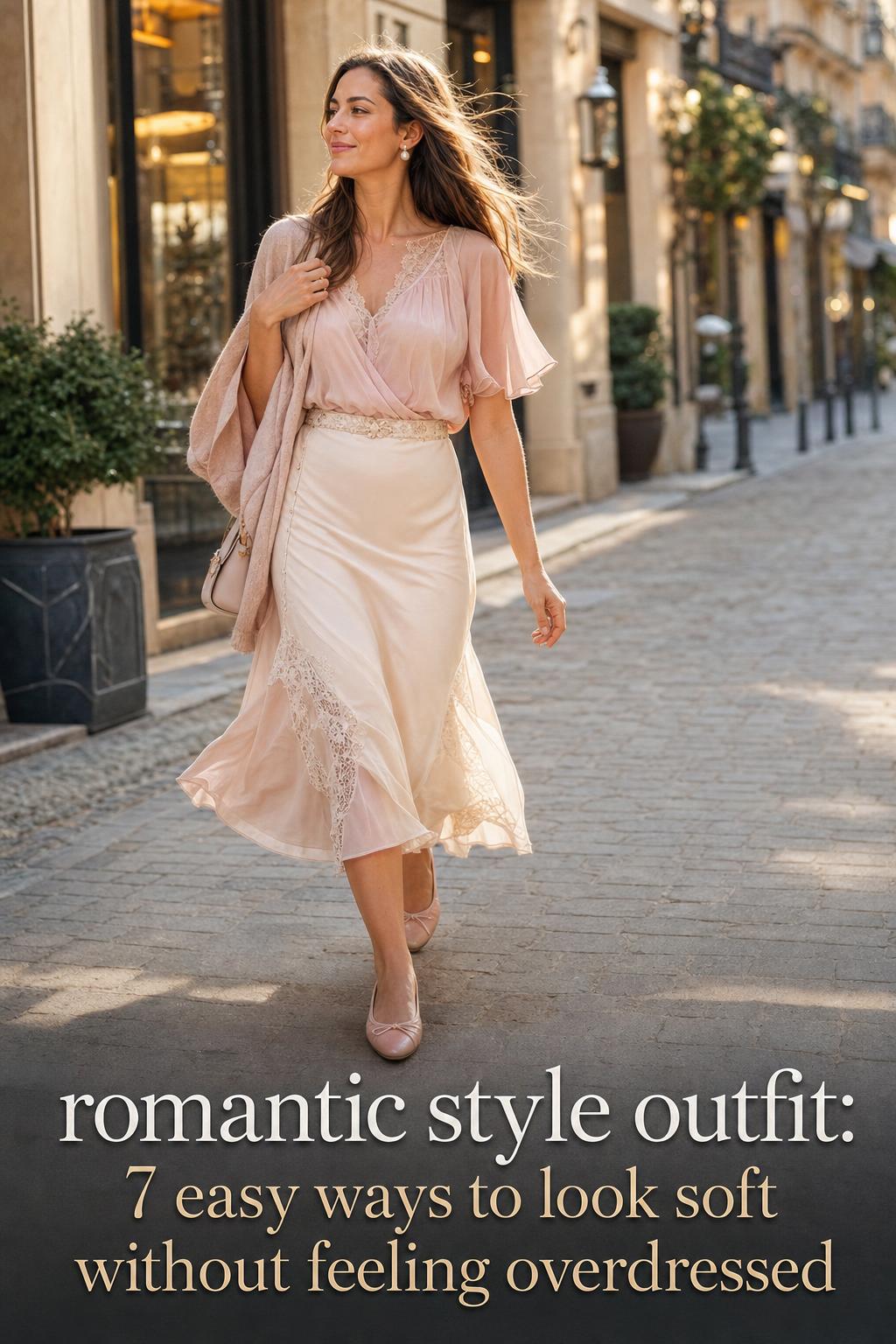
In a casual setting, a romantic style outfit might center on a silk or chiffon top with a softly draped skirt, supported by understated shoes and a small bag. The logic is to preserve fluidity while keeping the outfit grounded enough for daytime movement. The softness is visible, but the silhouette is edited so it does not feel like eveningwear.
A soft natural version of the same situation would reduce decorative detail and prioritize easy proportion. The top might still be soft, but the outfit would read more relaxed than delicate. Its strength is wearability and comfort over emotional styling.
An occasion-focused feminine interpretation would likely feel too polished for ordinary daywear unless simplified. If the pieces are clearly selected for an event mood rather than routine use, the look can feel overdressed. This is the most common styling mismatch readers run into when they search for romantic outfit ideas but actually buy for daily life.
Outfit comparison: date night and evening
Date night is where romantic style becomes most intuitive. A romantic style outfit for evening often uses silk, lace, or tulle to create atmosphere without requiring dramatic structure. The softness of the materials does the work. This creates a look that feels personal and expressive rather than strictly formal.
Soft natural styling for date night stays more understated. The silhouette remains easy, and the outfit may feel attractive through proportion and texture contrast rather than ornate detail. For readers who want comfort and movement over visual delicacy, this can be the better choice.
Occasion-focused feminine dressing for evening tends to move toward polish and venue awareness. In a restaurant, gallery, or formal social setting, the outfit may call for sharper accessories and more obviously elevated styling. Romantic elements can remain, but they are usually shaped by event expectations.
Outfit comparison: wedding guest dressing
Wedding guest styling often appears romantic because weddings naturally favor softness, movement, and emotional dress codes. Chiffon, silk, lace, and tulle all work well in this context, especially when the venue or season supports a lighter visual rhythm. A romantic style outfit can fit beautifully here because its fabric language already aligns with the occasion.
The distinction is that wedding guest dressing must also consider venue conditions, time of day, and event duration. A romantic look that feels ideal in photos may need practical edits for ceremony seating, changing temperatures, and extended wear. This is where event dressing becomes its own category. It borrows the romance but adds logistics.
Soft natural styling can work for a more relaxed wedding environment, especially if the goal is understated elegance. It will read less formal and less overtly feminine, which can be an advantage in daytime or destination settings where comfort and movement matter.
Where brand and retailer context changes the interpretation
Brand context matters because shoppers often first encounter these styles through retailers, galleries, and product edits. A brand may present a dress as romantic, while a magazine frames the same piece as wedding guest or eveningwear. Retailers tend to classify by shopping intent, not by nuanced style identity, so the same item may move across categories depending on how it is photographed and styled.
This is also why “where to shop” sections matter in style guides. Price tier, product focus, and presentation all influence interpretation. Some brands lean into romantic details as a core signature, while others use them seasonally for spring, fall, or event capsules. Looking beyond product labels and focusing on silhouette, fabric, and accessory styling gives a more accurate read than retailer tags alone.
Capsule wardrobe logic: which style integrates best
If the goal is a capsule wardrobe, romantic style requires selectivity. The best approach is not to build an entire closet around highly decorative pieces, but to identify core items that carry the romantic mood without limiting versatility. A silk blouse, a softly draped dress, or one skirt with movement can provide enough visual identity to anchor multiple outfits.
Soft natural styling is usually easier to scale into a full capsule because it depends on wearable proportions and a lower level of decorative specificity. It adapts well to daywear, travel, and transitional weather. Occasion-focused feminine dressing is the least suitable for a daily capsule because it is tied to event frequency rather than routine use.
- Choose romantic pieces with flexible silhouettes rather than highly theatrical details.
- Use fabric as the mood setter and let the rest of the wardrobe stay relatively clean.
- Reserve clearly event-specific pieces for weddings, evening, or polished occasions.
- Balance delicate garments with practical layers to protect comfort and wearability.
A note on body type, movement, and real wearability
The most effective romantic style outfit is not the one that uses the greatest number of soft details. It is the one that aligns fabric behavior with the wearer’s movement, body line, and daily context. This is where many outfit ideas fail in practice. A silhouette that looks elegant in a gallery image may twist, cling, or overwhelm in real life if the scale of drape and softness is not balanced.
Soft natural styling tends to be more forgiving because it leaves more room around the body and asks less from the garment in terms of precision. Occasion dressing can demand the most compromise because beauty, formality, weather, and comfort all have to work at once. For long events, this matters more than trend alignment.
Readers comparing these styles should think in terms of movement: sitting, walking, layering, and staying comfortable across several hours. Romantic dressing succeeds when softness remains intentional and controlled. Once the outfit becomes high-maintenance, the look may still photograph well, but it stops functioning as strong style.
Seasonal adaptations that change the mood without changing the style
Seasonality is one of the most useful ways to understand these differences. In spring, romantic style feels natural because light fabrics and airy palettes already align with the season. Chiffon, lace, silk, and tulle all hold their shape and mood well when the climate supports lighter dressing. This is the season where romantic style is least likely to be confused with costume.
In fall and winter, romantic style requires more deliberate composition. The challenge is keeping softness visible while introducing practical layers. This is where the distinction from soft natural styling becomes useful. Soft natural can absorb heavier layering without losing itself; romantic style needs tonal continuity and texture sensitivity so the mood remains intact.
Occasion dressing also changes with the season, but its priority is event appropriateness. A wedding guest look in spring may rely heavily on fluidity and lightness, while an evening outfit in cooler weather may trade some softness for warmth and polish. The underlying comparison stays consistent: romantic style preserves aesthetic identity, event dressing adjusts to circumstances, and soft natural protects ease.
Practical tips for choosing between the three approaches
When deciding which direction to take, it helps to identify what the outfit needs to do. If the goal is emotional softness and visual delicacy, romantic style is the clearest fit. If the goal is comfort, ease, and a grounded silhouette, soft natural styling will usually perform better. If the goal is to meet a dress code or a venue expectation, occasion-focused feminine dressing is the most reliable framework.
- Choose romantic style when fabric movement and feminine detail are central to the look.
- Choose soft natural when relaxed proportion and everyday wearability matter most.
- Choose occasion-focused feminine dressing when the event sets the rules.
- Mix elements carefully: one romantic focal piece often integrates better than a fully themed outfit.
A strong shortcut is to evaluate the outfit’s visual anchor. If the anchor is texture and delicacy, the outfit leans romantic. If it is easy shape, it leans soft natural. If it is venue polish, it leans occasion-focused. This kind of quick assessment helps when shopping online, where product labels can be inconsistent.
Common styling mistakes that blur the look
The first mistake is overloading the outfit with softness in every element at once. A romantic style outfit benefits from editing. Too much lace, too much volume, and too many delicate accessories can remove the visual hierarchy that makes the look sophisticated. Romantic dressing still needs structure, even if that structure is subtle.
The second mistake is treating every feminine garment as romantic. A polished event dress, a soft blouse, and a relaxed daywear piece may all look “pretty,” but that does not place them in the same category. Without attention to silhouette balance and styling philosophy, the outfit can feel visually mixed rather than intentional.
The third mistake is ignoring context. A look that works for a wedding, an evening event, or a styled gallery shoot may not translate to office wear or travel. This is where capsule wardrobe thinking becomes useful. If a piece cannot flex across multiple scenarios, it may still be beautiful, but it belongs in an occasion category rather than at the center of a daily romantic wardrobe.
How to combine romantic style with soft natural or event dressing
The most modern approach is often a blend. Romantic style layers well with soft natural when the outfit keeps one clear message. For example, a fluid blouse or softly shaped dress can sit within a more relaxed outfit if the surrounding pieces stay quiet. This preserves the romantic note without making the look overly decorative for daytime.
Combining romantic style with occasion dressing is even more common. Wedding guest and evening outfits often use romantic fabrics as the emotional center, then sharpen the final composition through accessories, cleaner lines, or more intentional finish. The result feels elevated, but not rigid.
The key is control. Once two aesthetics compete for dominance, the outfit loses coherence. The strongest mixed looks use romantic style as a textural or tonal layer rather than forcing every possible romantic signifier into one composition.
When each style works best in a real wardrobe
Romantic style works best for readers who want their wardrobe to communicate softness and femininity on an ongoing basis, not only during special occasions. It is especially effective in daywear edits, date night dressing, wedding guest styling, and transitional seasonal wardrobes where texture and fluidity can stand out.
Soft natural styling is often the better choice for long workdays, travel, casual weekends, and climates that demand comfort. It creates less friction in daily use and tends to integrate more easily into a broader capsule wardrobe.
Occasion-focused feminine dressing is ideal for polished social settings, evening events, and celebrations where the outfit needs to respond to location, timing, and dress code. It may include romantic elements, but those elements are filtered through the practical demands of the event.
The clearest takeaway from the comparison
The core distinction is this: a romantic style outfit is an aesthetic language built around softness, delicate texture, and fluid femininity; soft natural styling is a relaxed, grounded approach to gentle dressing; and occasion-focused feminine style is shaped primarily by where the outfit is going. They overlap in fabrics, mood, and color, but not in purpose.
Once you start reading outfits through silhouette, fabric behavior, accessory logic, and context, the differences become easier to spot. A romantic look is not just soft. It is intentionally soft. That distinction is what separates a true romantic wardrobe from a general collection of feminine pieces.
For most wardrobes, the best solution is not to choose one category exclusively. It is to understand how they interact. A well-built closet can use romantic pieces for atmosphere, soft natural pieces for ease, and occasion-led dressing for polish, while keeping the visual identity clear in each setting.
FAQ
What defines a romantic style outfit?
A romantic style outfit is defined by soft, feminine visual language, usually expressed through fluid silhouettes, delicate fabrics like lace, chiffon, silk, and tulle, and a gentle overall mood. The look depends on softness with intention, not simply on wearing a dress or light colors.
Is romantic style the same as soft natural style?
No. Both can feel soft, but romantic style emphasizes delicacy, texture, and expressive femininity, while soft natural styling focuses more on ease, relaxed proportions, and grounded wearability. The overlap is real, but the styling philosophy is different.
Can a romantic style outfit work for everyday wear?
Yes, but it usually works best when edited. One or two romantic focal pieces, such as a silk blouse or softly draped skirt, are often easier to wear daily than a fully ornate look. This keeps the outfit practical while preserving the romantic mood.
Which fabrics are most associated with romantic style?
Lace, chiffon, silk, and tulle are the most closely associated fabrics because they add movement, softness, and visual delicacy. These materials help create the flowing texture and gentle lightness that define the style.
How is romantic style different from wedding guest dressing?
Wedding guest dressing is guided by event context, while romantic style is a broader aesthetic. A wedding guest outfit may use romantic fabrics and silhouettes, but it also has to respond to venue, season, and dress code in a way a purely romantic wardrobe does not.
Can romantic style be part of a capsule wardrobe?
Yes, especially if the wardrobe focuses on versatile romantic elements rather than highly specific statement pieces. A few well-chosen garments with soft drape or delicate texture can create the mood without limiting outfit options.
What accessories suit a romantic style outfit best?
Accessories that support softness work best, including shoes, jewelry, and bags that do not interrupt the outfit with harsh structure or excessive bulk. The goal is to maintain tonal harmony and texture balance rather than introduce a conflicting visual anchor.
How can I tell if an outfit is romantic or just feminine?
A feminine outfit can include many moods, from polished to playful, while a romantic outfit specifically relies on fluidity, delicacy, and soft emotional tone. Looking at silhouette, fabric behavior, and accessory styling usually makes the difference clear.