Modern Street Style Aesthetic for Polished City Looks
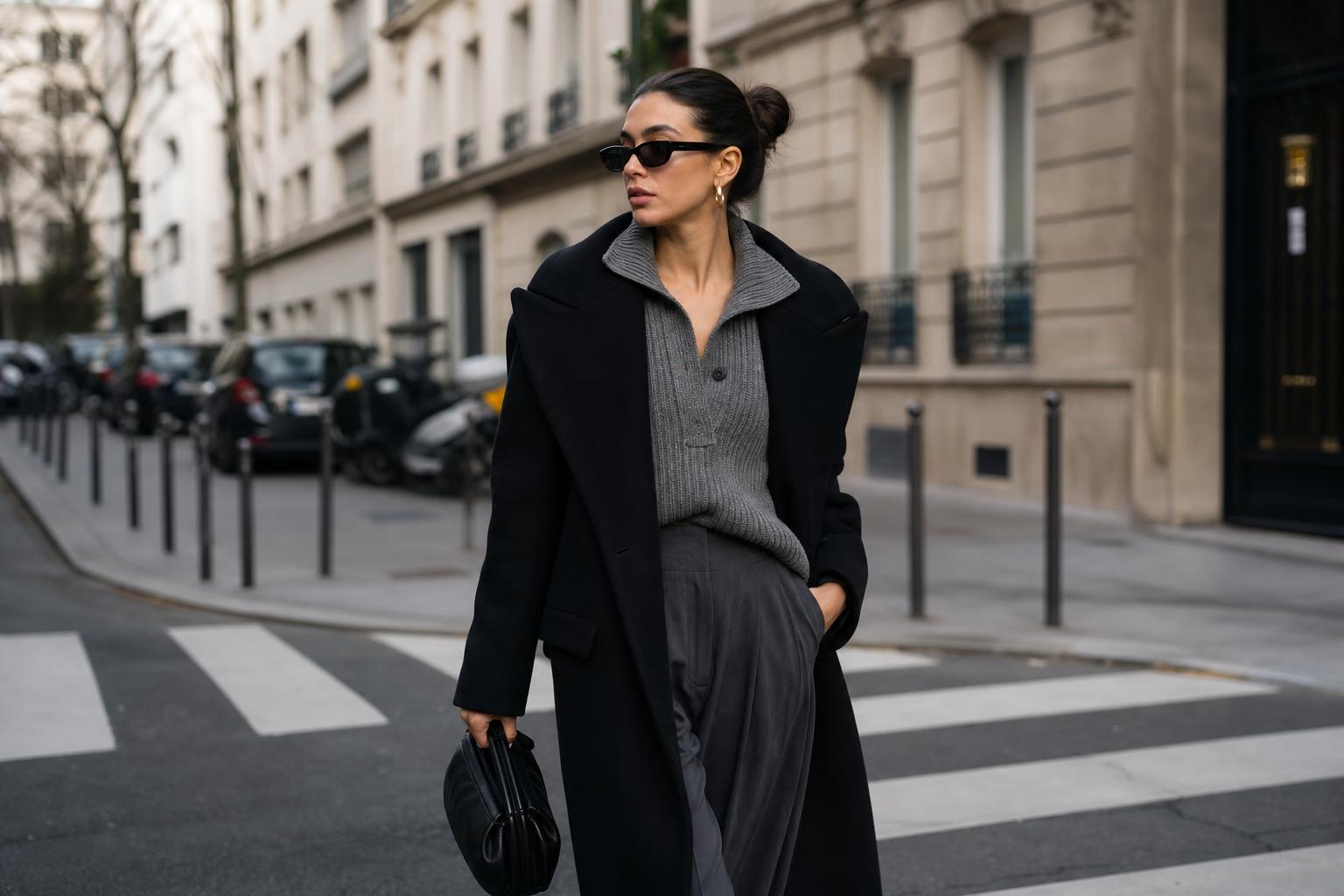
Street style aesthetic is no longer a fringe fashion phrase reserved for runway afterthoughts or image galleries from fashion month. It now describes a complete visual language built on city movement, practical dressing, and the tension between polish and spontaneity. Across New York, Milan, Paris, and other fashion capitals, the most compelling street style looks are not random. They are carefully composed around proportion play, outerwear, tailoring, accessories, and the logic of real wear. That is exactly why the best street style trends feel so influential: they translate fashion into everyday outfit decisions.
The current conversation around street style aesthetic is strongly shaped by fashion week, especially New York Fashion Week and Milan Fashion Week, where attendees turn sidewalks and show venues into live styling references. Yet the appeal goes beyond event dressing. A strong street style wardrobe can help you build city chic outfits for work, weekends, travel days, and transitional weather. The key is understanding how the pieces relate to each other: a structured coat can sharpen relaxed denim, oversized tailoring can make sneakers feel intentional, and a minimal base can support statement accessories without visual clutter.
What defines a street style aesthetic today
At its core, street style aesthetic is the art of creating outfits that feel directional without becoming costume-like. It sits between runway influence and real-life practicality. Unlike purely editorial fashion, street style must function in motion, through weather shifts, long days, and varied settings. Unlike basic casualwear, it uses composition deliberately. The result is an outfit category that feels lived-in, visually confident, and tied to urban context.
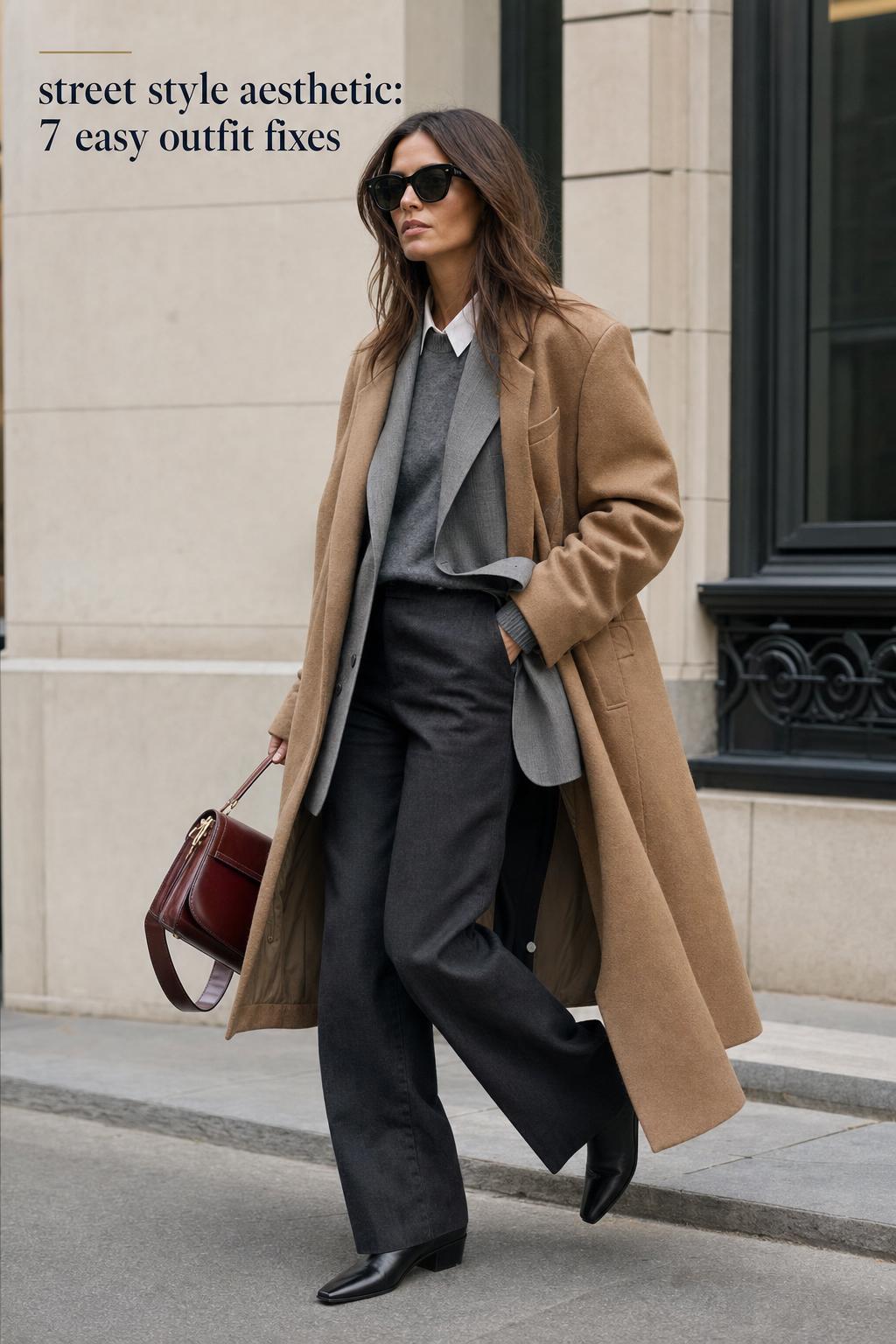
Three qualities appear repeatedly in strong street style looks. First is silhouette balance. Oversized pieces need a clean anchor, whether that is a fitted underlayer, a defined waistline, or narrow footwear. Second is texture contrast. Street style often becomes more interesting when tailoring meets denim, leather, knitwear, or tactile outerwear. Third is a visual focal point. That might be bold outerwear, a statement boot, a sharply cut blazer, or a color-blocked accessory.
Found the dress? Keep the rest in one place.
Zarellea brings guest details, vendors, timelines, and every next step together — so your wedding plan feels as good as your look.
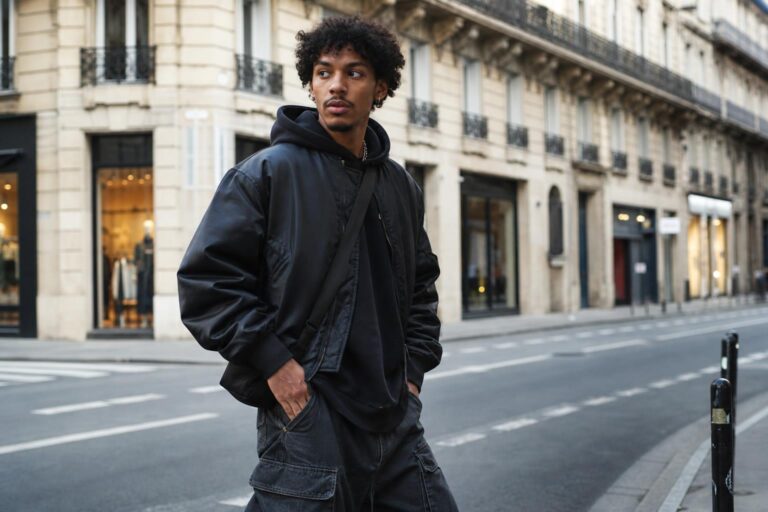
Street style also overlaps with related language such as streetwear-inflected looks, editorial street style, urban couture, and city chic. The distinctions matter. Streetwear tends to emphasize casual codes and subcultural references. Editorial street style often feels more image-led and dramatic. Street style aesthetic, by comparison, is broader. It can include tailoring with streetwear, minimalist layering, poetcore softness, or monochrome dressing with one bold interruption.
Why fashion week matters so much to this aesthetic
Fashion week remains the clearest lens for understanding street style because it compresses trends, personalities, and product choices into a highly visible public setting. During NYFW and Milan Fashion Week, city streets become evidence of what people actually wear when they want to look current. These moments reveal which silhouettes are moving from runway conversation into practical use, and which styling ideas feel compelling enough to be repeated across different wardrobes.
That is why so many current references focus on spring 2026, FW26, and SS26. Seasonal framing helps clarify the role of outerwear, fabric weight, footwear, and color use. A spring 2026 street style look may lean on lighter layering and easier movement, while FW26 street style often sharpens the look with coats, boots, and more pronounced tailoring.
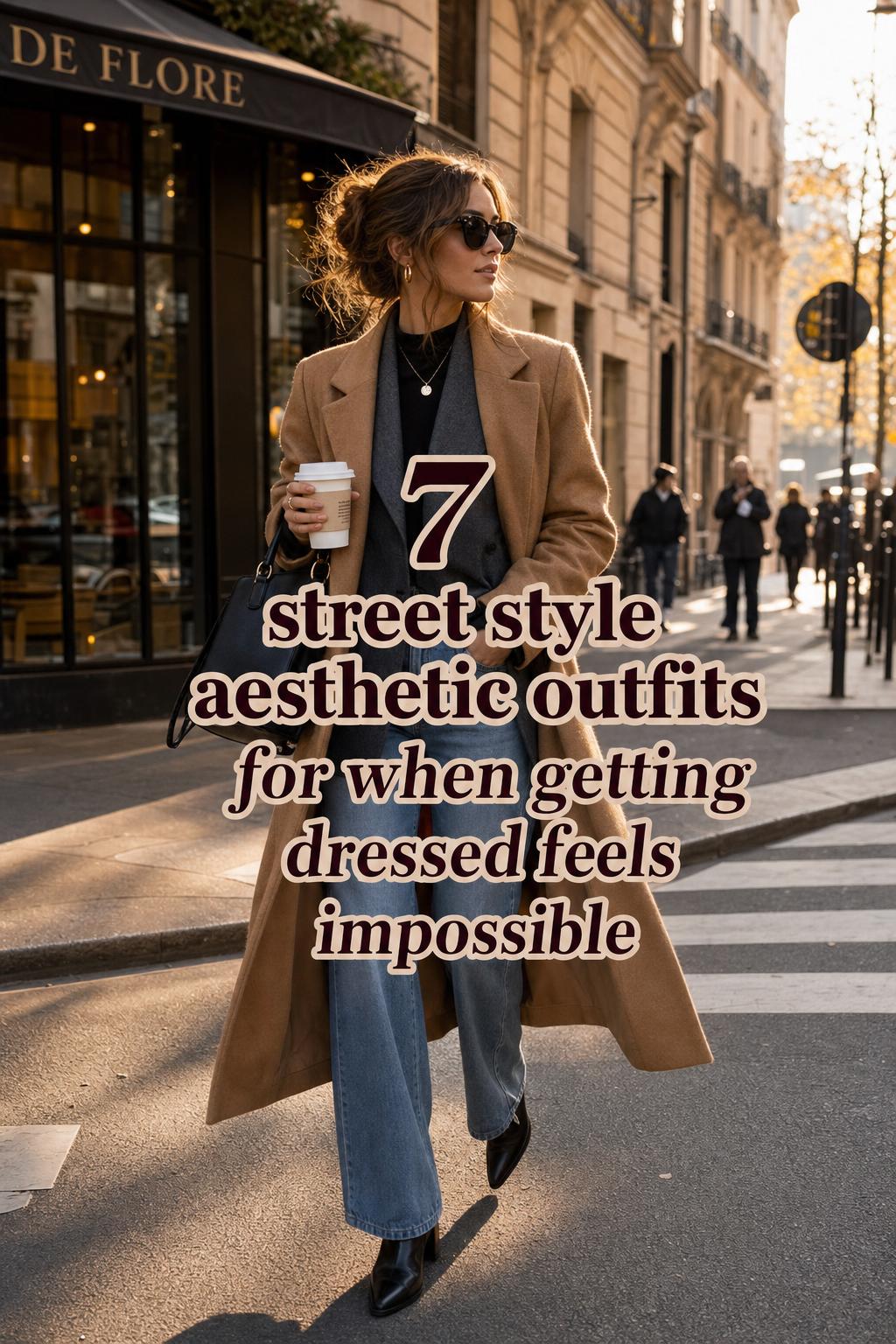
The city factor: how location shapes the look
Street style is never fully separate from place. A street style aesthetic in New York does not communicate in exactly the same way as one in Milan or Paris, even when the wardrobe categories overlap. The city provides pace, architecture, climate cues, and social context. Those factors affect how an outfit is built and how bold it can appear without losing credibility.
New York: tailored urgency with practical edge
NYC street style and NYFW street style consistently center on functional polish. Coats, boots, structured bags, denim, and tailoring appear often because they support movement while maintaining a sharp line. New York looks tend to excel at high-low balance: a blazer with relaxed jeans, a strong overcoat with simple knitwear, or polished trousers with more casual footwear. The energy is fast, efficient, and visually edited.
This makes New York one of the strongest references for anyone trying to recreate street style looks in daily life. The combinations are often easier to adapt because they prioritize wearable runway ideas rather than purely theatrical styling. If your goal is to build editor-approved street style ideas that function from morning meetings to evening plans, New York offers a useful framework.
Milan: bold proportion and richer styling contrasts
Milan street style often pushes visual contrast further. The outfits may use stronger proportion shifts, bolder layering, and more expressive accessories. Tailoring is still central, but it is often styled with more drama through color blocking, statement outerwear, or sharper accessory choices. Milan looks tend to communicate confidence through composition rather than minimal restraint.
This is especially useful if your wardrobe already includes classic pieces but feels visually flat. Milan-inspired styling shows how to increase impact without abandoning refinement. A familiar coat becomes more current when paired with unexpected volume, a more assertive boot, or an accessory that changes the rhythm of the outfit.
Paris, London, and Tokyo in the broader conversation
Paris remains part of the global fashion capital framework surrounding street style, often contributing polish and subtle elegance to the overall aesthetic conversation. London and Tokyo are also relevant in broader city-based discussions, especially when considering how street style expands beyond a single formula. Even when current trend coverage emphasizes New York and Milan most heavily, the larger point remains the same: city-specific dressing shapes the street style aesthetic through local mood, pace, and visual expectations.
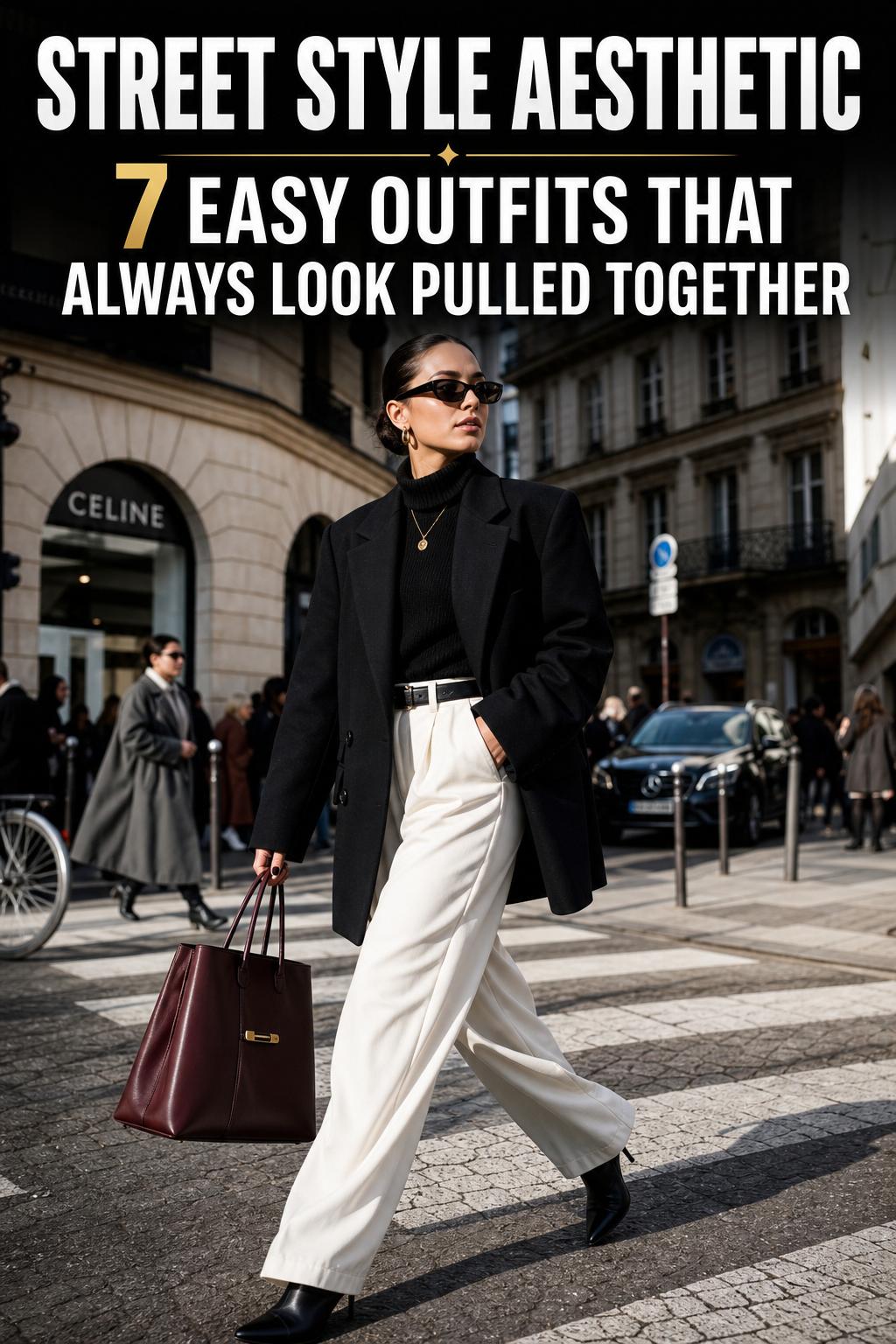
The 2026 street style trends shaping the current aesthetic
The strongest street style trends for 2026 are not isolated novelties. They are interconnected styling systems. Many of them rely on the same building blocks, just used with different emphasis. Understanding the structure behind them matters more than chasing a single viral outfit. When the logic is clear, the look becomes easier to recreate and adapt.
Tailoring with oversized silhouettes
This is one of the most consistent street style directions across fashion week coverage. Oversized blazers, roomy trousers, broad coats, and relaxed shirting create a strong architectural line. The look works because oversized tailoring feels intentional when the proportions are controlled. A clean base layer, defined shoulder, or visually streamlined shoe prevents the outfit from collapsing into bulk.
In practical terms, this trend suits city dressing because it combines comfort with authority. It is especially effective in NYC street style, where movement and polish need to coexist. If the silhouette feels too loose overall, use one tailored element as the visual anchor, such as a crisp blazer or structured trouser.
Bold outerwear and color blocking
Outerwear remains one of the most visible product categories in street style because it dominates the outfit from a distance. A strong coat or jacket can carry an otherwise minimal look. Color blocking heightens that effect by giving the eye a clear entry point. The reason this styling choice works so well on the street is simple: the silhouette reads immediately, and the statement piece creates photographic clarity.
The most wearable version pairs a bold coat with restrained underlayers. That balance keeps the outfit sharp rather than chaotic. It also allows outerwear to function as the main investment piece in a capsule street style wardrobe.
Textured fabrics and tactile contrast
Street style looks become more dimensional when texture does part of the styling work. Leather jacket evolutions, tactile knits, denim, and other textured fabrics add depth even in neutral palettes. This matters because street style is often viewed in motion and at a distance. Texture gives the outfit visual life without depending only on color.
A leather layer with tailored trousers, for example, creates a clear contrast between toughness and polish. Knitwear under sharp outerwear softens the structure. This interplay is one of the fastest ways to make simple outfits feel editorial.
Mixed masculinity and femininity
One of the defining moves within street style aesthetic is the blending of masculine tailoring and feminine softness. The pairing works because it creates tension without confusion. Sharp shoulders, straight trousers, or heavy outerwear establish structure, while softer layers, lighter fabrics, or more delicate accessories relieve severity.
This is also where many city chic looks gain sophistication. Instead of dressing entirely in one register, the outfit gains nuance through contrast. The result feels modern, not overworked.
Minimal underlayers with statement accessories
Not every memorable street style outfit is complex. Some of the strongest compositions begin with a quiet foundation: simple knitwear, clean trousers, understated denim, or a monochrome base. Accessories then carry the styling emphasis. Shoes, bags, belts, or other details become the punctuation that keeps the look visually deliberate.
This formula is practical because it scales well. It works for readers who want street style inspiration without rebuilding their entire wardrobe. It also aligns with the way many fashion week attendees dress off runway: functional core pieces, elevated by sharply chosen accents.
Vintage and upcycled pieces
Vintage and upcycled dressing stand out as an important opportunity within the broader street style conversation. They add individuality and support a more sustainable wardrobe approach without breaking the visual codes of current fashion. A vintage coat, secondhand leather jacket, or older tailored piece can often deliver more character than a brand-new item with less shape.
The styling key is integration. Vintage pieces work best when the rest of the outfit feels edited. Pairing one character-rich garment with modern staples helps the look feel intentional rather than nostalgic. This is especially useful in a street style aesthetic, where personality matters but coherence matters more.
Comfortable luxury
Comfortable luxury, including refined loungewear-adjacent dressing, reflects a major shift in how street style is interpreted. The goal is not to look casual in a careless way. The goal is to make ease appear polished. Soft pieces need a counterpart with structure, whether that is outerwear, accessories, or a tailored silhouette. Otherwise the look risks reading unfinished instead of elevated.
This trend explains why so many successful fashion week street looks feel wearable. They are not built only for photographs. They are designed for a full day of walking, standing, commuting, and changing temperatures.
Monochrome with selective color pops
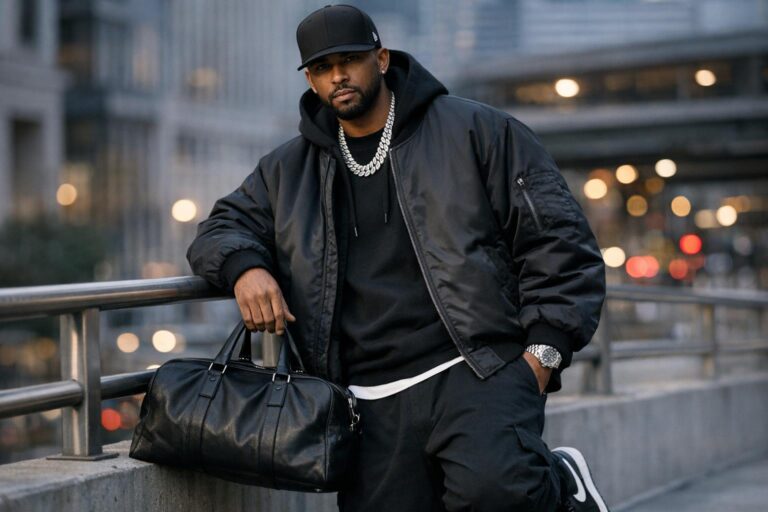
Monochrome dressing continues to perform well in editorial street style because it simplifies composition while preserving impact. A mostly tonal outfit looks sophisticated when the textures vary and the silhouette is clear. A selective color pop then prevents the styling from feeling flat. This could appear through outerwear, footwear, or a single accessory.
The reason this approach works so consistently is that it manages visual control. Instead of multiple competing statements, the eye follows one clean line. That is especially effective in city environments where the background is already visually dense.
Layered outfits and proportion play
Layering remains essential to the best street style outfits, particularly in transitional seasons like spring 2026. But effective layering is less about adding many garments and more about controlling length, volume, and reveal. Proportion play is what gives layered dressing its modern edge. A long coat over a shorter layer, wide trousers under a compact jacket, or a fluid base under a structured top layer can all change the mood of an outfit.
Poor layering creates congestion. Strong layering creates rhythm. The difference lies in editing. Every added layer should either improve silhouette balance or deepen texture contrast.
Poetcore and literary chic
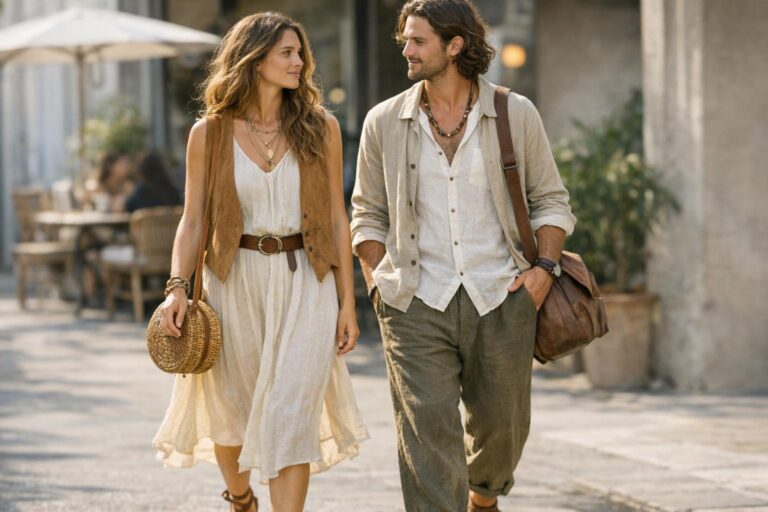
Poetcore introduces a softer, more romantic sub-aesthetic into the broader street style landscape. It leans on literary chic cues and spring styling sensibility rather than hard-edged city dressing alone. What makes poetcore relevant here is not that it replaces tailoring, but that it offers contrast to it. In a market saturated with strong coats and broad suiting, softer visual language can feel fresh.
The best poetcore street style styling keeps the look grounded. If the outfit becomes too delicate overall, it can lose the urban clarity that makes street style effective. A structured outer layer, sturdy shoe, or cleaner accessory can anchor the softness and make the aesthetic more wearable in daily city life.
Tech-inspired fabrics and functional details
Functional details and modern fabric choices are a useful extension of the current street style mindset. They support movement, comfort, and adaptability, which are all central to urban dressing. Even when the visual effect remains polished, functional construction can improve how the outfit performs over the course of a day.
This is one of the clearer bridges between fashion trends 2026 and practical dressing. Street style has always rewarded pieces that can handle real conditions while still communicating a point of view.
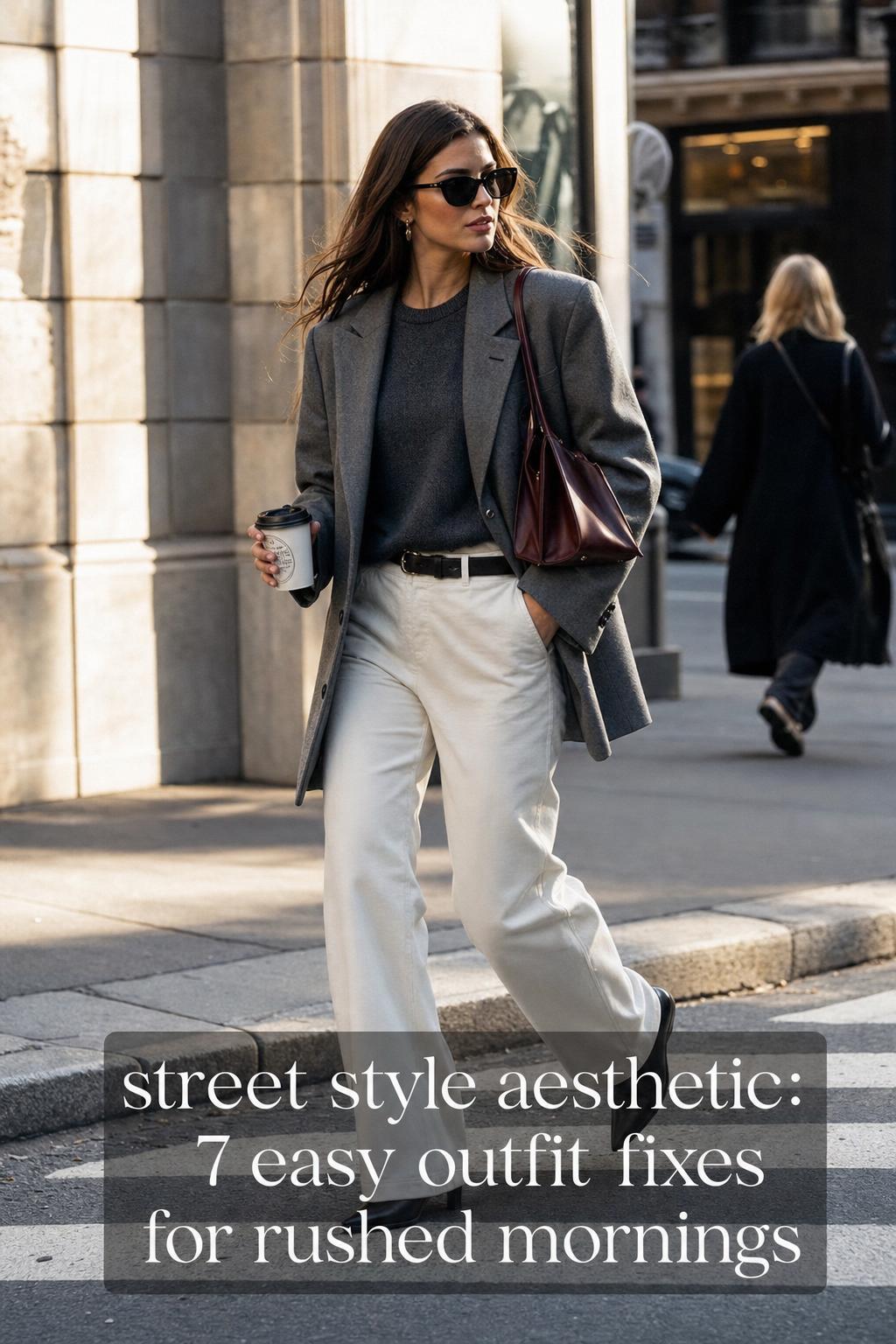
How to build a street style wardrobe without making it feel forced
A successful street style wardrobe is not built by buying isolated trend pieces. It is built through categories that work together across seasons. The most adaptable closets rely on a few high-impact product groups: outerwear, tailoring, denim, boots or strong shoes, bags, and accessories with enough personality to change the mood of an outfit.
- Start with outerwear because it controls the silhouette from the first glance.
- Add one tailoring layer that sharpens casual pieces, such as a blazer or structured trouser.
- Use denim or knitwear as everyday balancing pieces.
- Choose footwear that can support proportion, especially when oversized silhouettes are involved.
- Let accessories create distinction rather than clutter.
This approach also supports how to recreate street style looks realistically. Instead of copying a full fashion week outfit, identify its architecture. Was the look driven by a coat, by tailoring with streetwear, by texture contrast, or by one statement accessory? Once that logic is clear, the outfit becomes easier to translate with what you already own.
Tip: build from one visual anchor
If an outfit feels unfocused, it usually lacks hierarchy. Choose one visual anchor first. In colder weather, that is often outerwear. In transitional seasons, it might be a blazer, trouser shape, or shoe. Once the anchor is set, the rest of the outfit should support it rather than compete with it.
Tip: keep one element easy
The difference between a strong street style look and an overstyled one often comes down to ease. If the coat is dramatic, keep the base simple. If the accessories are bold, make the clothing more restrained. This creates confidence in the outfit composition and makes the look feel lived-in instead of staged.
Street style looks to recreate now: practical formulas
Readers searching for best street style outfits 2026 usually want more than trend names. They want formulas that work. The following outfit structures reflect recurring styling logic across current street style coverage and can be adapted for different climates, budgets, and wardrobes.
The strong coat formula
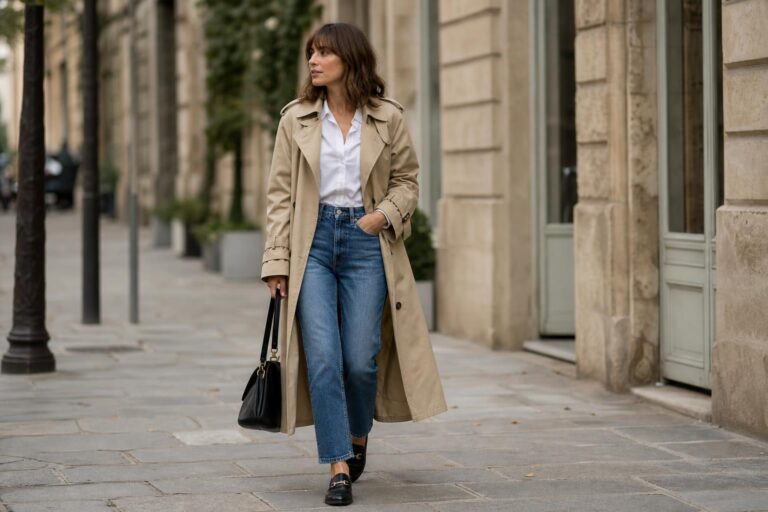
Use a bold or sharply cut coat over minimal underlayers and grounded shoes or boots. This formula works because the outerwear handles the statement role, while the base keeps the silhouette controlled. It is particularly effective for city commutes, event arrivals, and spring weather that shifts throughout the day.
The blazer and denim formula
A structured blazer with denim remains one of the clearest examples of tailoring with streetwear. The blazer introduces polish, while denim reduces stiffness and keeps the look wearable. This is a useful entry point for anyone exploring editorial street style without wanting an overly formal result.
The monochrome city formula
Build an outfit in one tonal family, then introduce a single accent through shoes, outerwear, or accessories. This works especially well in dense urban settings because it creates a clean line and avoids visual overload. Texture should carry some of the variation so the look remains dimensional.
The poetcore contrast formula
Combine a softer romantic element with one sharper piece. This could mean pairing a softer spring layer with a structured jacket or stronger footwear. The contrast is what keeps poetcore inside the street style conversation rather than drifting into costume territory.
The oversized tailoring formula
Choose one oversized tailored piece and balance it with something more visually contained. A roomy blazer with a cleaner trouser line or a wide trouser with a more compact top layer will usually read better than oversized pieces stacked without restraint. This is one of the most effective formulas for a fashion week street style look that still feels practical.
Why certain pieces appear again and again in street style
Some product categories dominate street style because they solve both visual and practical problems. Outerwear creates shape and communicates mood instantly. Tailoring adds credibility and sharpness. Boots and other strong shoes stabilize oversized proportions. Accessories provide distinction when the clothing base is simple. These are not random preferences. They are functional tools in outfit composition.
Brands and designer labels often enter the conversation through these exact categories. Whether the piece is luxury or more accessible, the role it plays in the outfit remains the same. A designer coat still needs to carry silhouette well. A contemporary blazer still needs to balance the volume around it. In strong street style, label alone never replaces styling logic.
Outerwear as the lead signal
Because so many street style moments are photographed outdoors during fashion weeks, outerwear naturally becomes the lead signal. It frames the body, sets the palette, and determines whether the look reads relaxed, sharp, or bold. This explains why coats and jackets are so prominent across spring 2026 and FW26 street style reports.
Tailoring as the stabilizer
Tailoring helps an outfit hold shape. In street style, that matters because many looks combine multiple influences at once: casual, romantic, practical, and editorial. Tailoring keeps the mix coherent. Even one structured piece can make relaxed items feel deliberate.
Accessories as the finishing strategy
Street style often rewards finishing details more than excessive layering. A strong accessory can make a simple outfit look fully considered. This is particularly useful for everyday dressing, where one bag, one shoe choice, or one standout detail may be all the styling adjustment needed.
Common street style mistakes that weaken the outfit
Trying to emulate street style without understanding its structure often leads to outfits that feel overloaded or disconnected. The goal is not to wear more pieces. The goal is to make each piece work harder.
- Too many statement elements at once, which removes visual hierarchy.
- Oversized silhouettes without any counterbalance, causing the outfit to lose shape.
- Ignoring seasonal logic, such as styling for editorial impact but not for real weather.
- Adding accessories that do not connect to the outfit’s mood or palette.
- Copying fashion week looks literally instead of adapting the styling principle behind them.
A balanced perspective matters here. Some dramatic looks are designed for image value first, especially around major fashion week moments. That does not make them useless, but it does mean they may need editing before they function in everyday life. The best street style inspiration is the kind that can survive movement, weather, and long wear without losing its visual point.
Tip: edit before you accessorize
If a look feels close but not quite right, remove one thing before adding another. Street style often looks effortless because the final edit has already happened. The cleanest outfits usually show more discipline than excess.
How social discovery changes street style inspiration
Street style no longer lives only in magazines or fashion week galleries. Social platforms such as Instagram and TikTok shape how looks are discovered, repeated, and adapted. This expands the reach of street style inspiration beyond show venues and gives more people access to trend interpretation in real time.
That shift has two effects. First, it accelerates trend recognition. A silhouette seen on New York streets can quickly become part of wider daily dressing. Second, it increases the pressure to chase image-ready outfits that may not translate well to real use. This is why the strongest approach remains analytical: identify what makes the look work, then adapt it to your own climate, pace, and wardrobe categories.
A more thoughtful direction: sustainability and longevity
One of the most useful ways to refine a street style aesthetic is to think in terms of longevity instead of novelty. Vintage and secondhand shopping, upcycled pieces, and recycled fabrics fit naturally into this approach because street style thrives on individuality. A wardrobe with strong pre-owned tailoring, distinctive outerwear, and carefully chosen accessories often feels richer than one built only around new purchases.
This does not mean every look should lean heavily vintage. It means street style benefits from pieces with character. The balance is important. A secondhand coat, for instance, often works best when paired with cleaner modern basics so the outfit reads current rather than retrospective.
Tip: prioritize pieces with repeat styling value
The best street style purchases are rarely the loudest. They are the ones that can shift across multiple formulas. A coat that works with tailoring, denim, and monochrome dressing is more valuable than a novelty item that only succeeds in one photograph.
How to interpret fashion week street style for everyday wear
Fashion week street style offers a useful archive of styling ideas, but daily wear demands stronger filtering. A look that works for a photographed arrival at NYFW or Milan Fashion Week may need practical adjustment for office hours, public transit, or all-day comfort. The solution is not to abandon the inspiration. It is to identify the transferable parts.
- Take the silhouette, not necessarily the full item count.
- Keep the statement category but simplify the supporting pieces.
- Adapt fabric weight to the season rather than copying exact layers.
- Use accessories to suggest the mood if the full look feels too dramatic.
- Translate runway-adjacent styling into city-ready combinations.
For example, if a FW26 street style look relies on a dramatic coat, tall boots, and broad tailoring, the everyday version may keep the coat shape and sharp footwear while simplifying the underlayers. If a spring 2026 outfit uses poetcore softness, the practical version may anchor it with a cleaner jacket or more grounded shoe.
The modern street style playbook
The current street style aesthetic is defined by a few consistent principles: city context matters, outerwear and tailoring remain central, proportion is more important than novelty, and the strongest outfits balance impact with wearability. Whether the reference point is New York Fashion Week, Milan street style, spring 2026 trend coverage, or a single standout look to recreate now, the same styling logic applies.
Build around shape first. Let texture and accessories deepen the composition. Use bold elements selectively. Keep one part of the look easy. And when in doubt, choose the version of the outfit that can still work after hours of movement, changing weather, and repeated wear. That is the difference between a passing image and a truly convincing street style aesthetic.
FAQ
What is a street style aesthetic?
A street style aesthetic is a fashion approach built around city-based dressing that blends practicality with visual impact. It often combines tailoring, outerwear, accessories, and trend-aware styling in a way that feels wearable rather than purely runway-driven.
How is street style different from streetwear?
Streetwear is one influence within the broader street style conversation, but street style is wider in scope. It can include oversized tailoring, city chic dressing, monochrome outfits, poetcore elements, and editorial styling, not only casual or subculture-based pieces.
What are the biggest street style trends for 2026?
Key directions include tailoring with oversized silhouettes, bold outerwear, textured fabrics, mixed masculine and feminine styling, minimal underlayers with statement accessories, vintage and upcycled pieces, comfortable luxury, monochrome dressing, layered outfits, and poetcore-inspired softness.
How can I recreate street style looks without buying a whole new wardrobe?
Start by identifying the structure of the outfit rather than copying every item. Focus on one visual anchor such as a coat, blazer, or shoe, then build around it with simple supporting pieces you already own. This keeps the look intentional and more practical.
Why do New York and Milan matter so much in street style?
New York and Milan are major fashion week hubs, so they provide visible examples of how trends appear in real settings. New York often emphasizes practical polish and tailoring, while Milan tends to push proportion, layering, and stronger visual contrast.
What pieces are essential for a street style wardrobe?
The most useful categories are outerwear, tailored pieces, denim, strong footwear such as boots, and accessories that can sharpen simple outfits. These pieces appear often because they help create silhouette balance and make outfits feel complete.
Can street style work for everyday life, not just fashion week?
Yes, and the most successful version usually does. The best everyday street style outfits use fashion week inspiration as a reference point but adapt it for movement, weather, and comfort by simplifying layers and focusing on wearable structure.
Is poetcore part of street style?
Poetcore can fit within street style when it is grounded with urban styling elements. Soft romantic pieces work best when balanced with structured outerwear, sharper accessories, or sturdier footwear so the outfit keeps a clear city-ready edge.
How do I make oversized silhouettes look polished?
Use one oversized element at a time and support it with a cleaner counterpoint. A broad blazer with a more controlled trouser line or a wide trouser with a simpler top layer usually reads more polished than wearing volume everywhere at once.
Are vintage and secondhand pieces good for street style?
Yes, especially when they bring shape, texture, or character to the outfit. Vintage outerwear, older tailoring, and secondhand leather pieces can add individuality, but they work best when paired with edited modern basics that keep the overall look current.