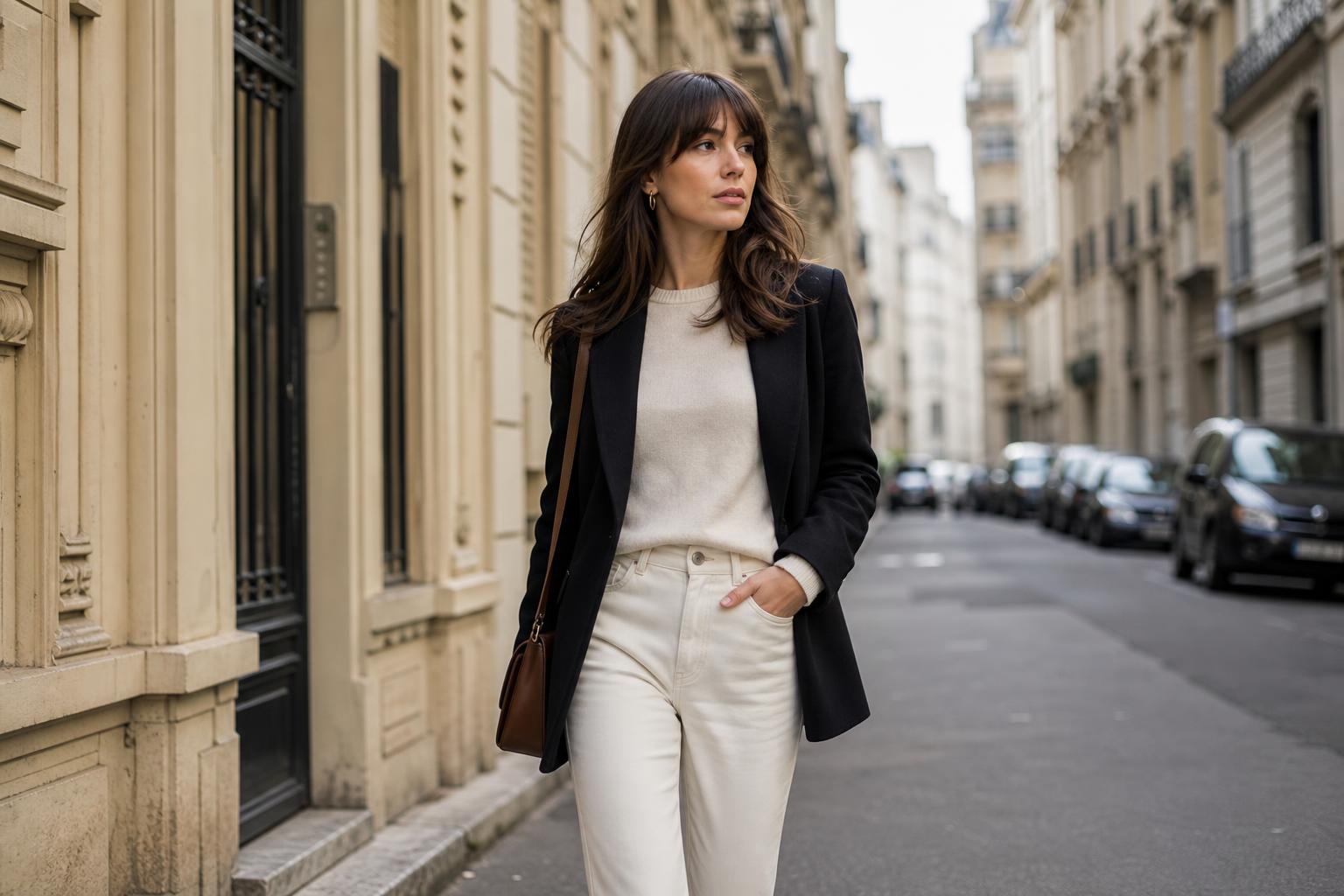
French Women Style for a Polished Everyday Wardrobe
Getting dressed with the ease associated with french women style sounds simple until you try to do it in real life. The challenge is not finding one striped top, one blazer, or one pair of straight-leg jeans. The real difficulty is creating outfit composition that feels polished without looking overworked, relaxed without reading careless, and practical enough for daily life. That tension is exactly why so many readers admire this aesthetic but struggle to apply it.
The appeal often linked to Vogue, ELLE, Glamour, and Who What Wear coverage is less about owning a long list of statement pieces and more about understanding styling logic. French women style is usually discussed through a lens of restraint, proportion, and versatility. This guide breaks that down as a real dressing solution: how to build outfits that feel intelligent, wearable, and consistently refined without making your wardrobe feel rigid or costume-like.
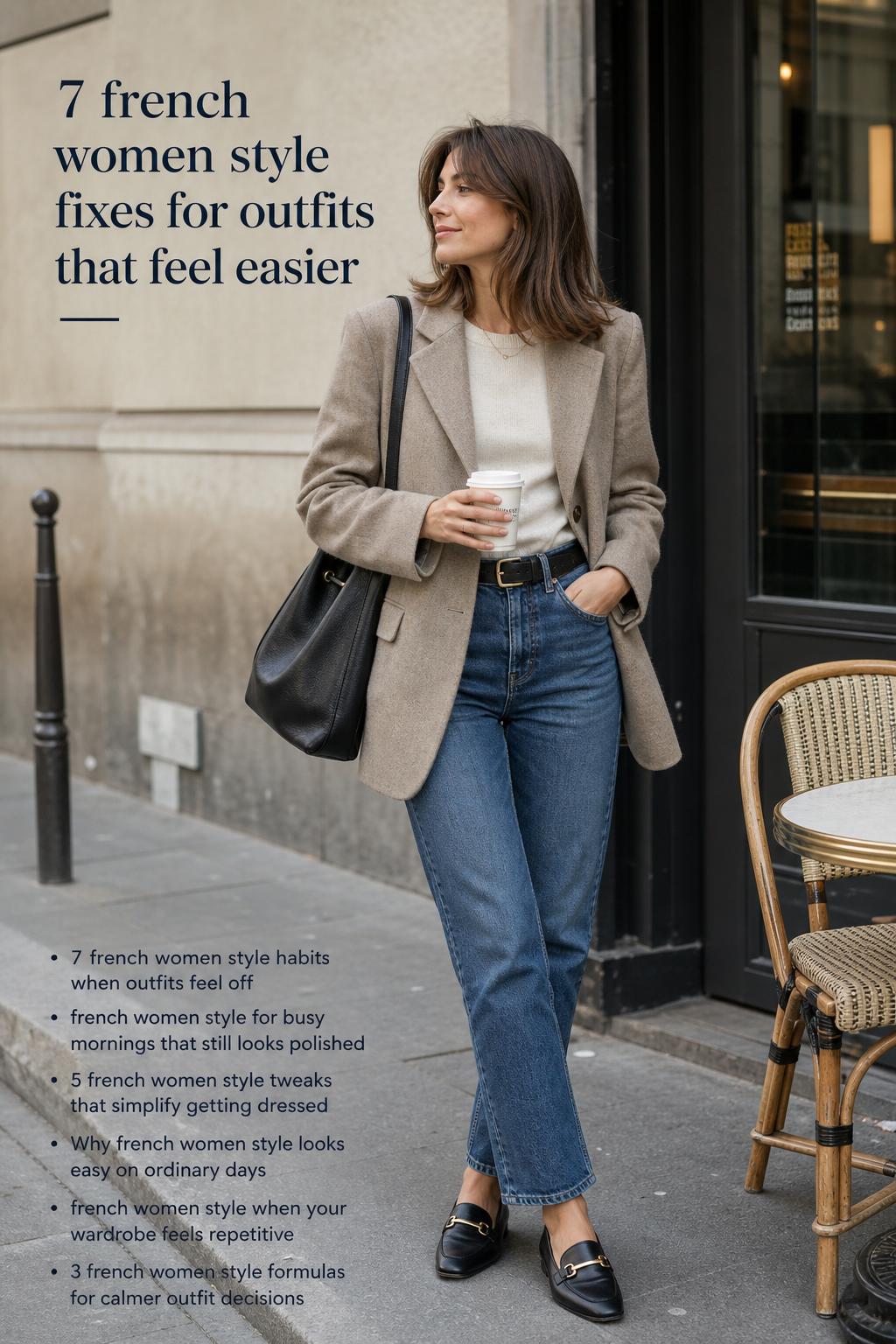
Why this style challenge feels harder than it looks
Aesthetic minimalism can be deceptive. When an outfit looks effortless, it often relies on precise balance: one tailored layer against a softer base, one visual anchor that gives shape to the silhouette, and a restrained color story that keeps the combination coherent. Without that structure, outfits intended to feel “French” can quickly drift into extremes, either too plain to feel intentional or too styled to feel natural.
Comfort and practicality also complicate the picture. Daily dressing involves movement, weather changes, long hours, commuting, and the need to transition between settings. A look that seems elegant in a photo does not always hold up across a full day. That is why the most useful interpretation of french women style is not trend imitation. It is selective dressing built around pieces that work repeatedly.
Found the dress? Keep the rest in one place.
Zarellea brings guest details, vendors, timelines, and every next step together — so your wedding plan feels as good as your look.
Another common issue is over-correction. Readers often assume the answer is to remove personality and wear only basics. In reality, the style works because basics are edited, not because they are bland. The difference lies in cut, texture contrast, tonal layering, and the ability of each piece to support the whole outfit rather than compete with it.
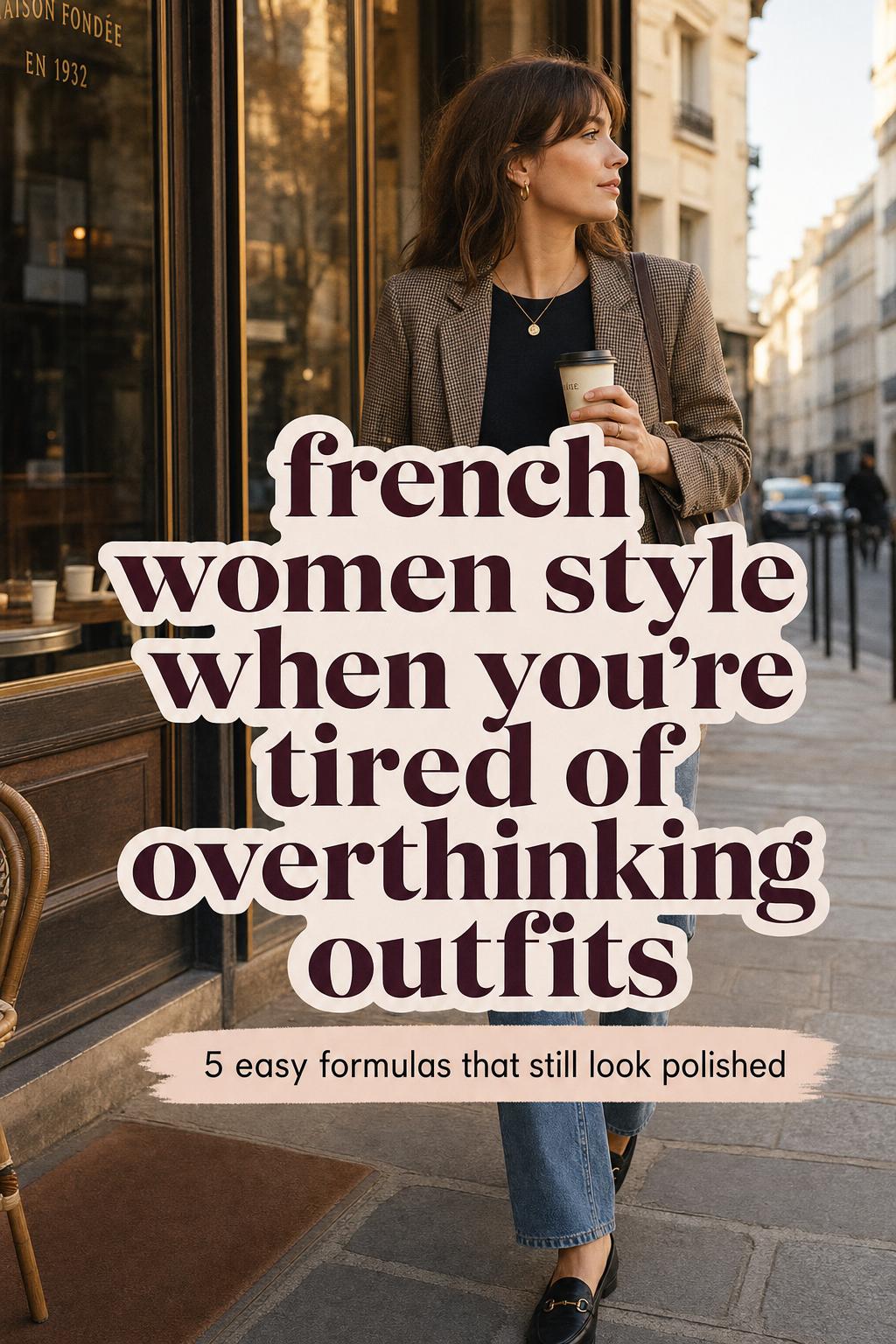
The core dressing principles behind french women style
Start with a controlled silhouette
Silhouette balance is the foundation. Instead of combining several loose pieces or several body-conscious pieces at once, use contrast. A structured blazer over a softer knit, straight-leg trousers with a fitted top, or a fluid skirt anchored by a compact jacket creates visual stability. This is one of the clearest reasons certain outfits look polished even when the palette is simple.
Let one piece act as the visual anchor
Every effective outfit needs a center of gravity. In practical terms, that can be a blazer, a clean pair of trousers, a classic knit, or sharply cut denim. Once one item defines the direction, the rest of the look can remain understated. This prevents the outfit from appearing crowded while still feeling intentional.
Keep the palette coherent
A restrained seasonal palette makes dressing faster and more effective. Tonal layering in neutrals or softly contrasting shades gives the impression of ease because the outfit reads as one idea rather than many separate decisions. This does not mean every look must be monochrome. It means colors should relate clearly to one another.
Choose versatility over novelty
The wardrobe logic often associated with french women style favors repeatable pieces over one-time fashion moments. A blazer that works with denim and trousers has more value than an item that only fits one very specific look. This approach reduces styling friction and supports the refined, consistent effect readers are usually trying to achieve.
Use texture to replace excess detail
When an outfit avoids heavy embellishment, fabric behavior becomes more important. Knitwear, cotton shirting, crisp tailoring, denim, and soft wool create subtle variation that keeps the look sophisticated. Texture contrast is often what makes a minimal outfit feel complete instead of flat.
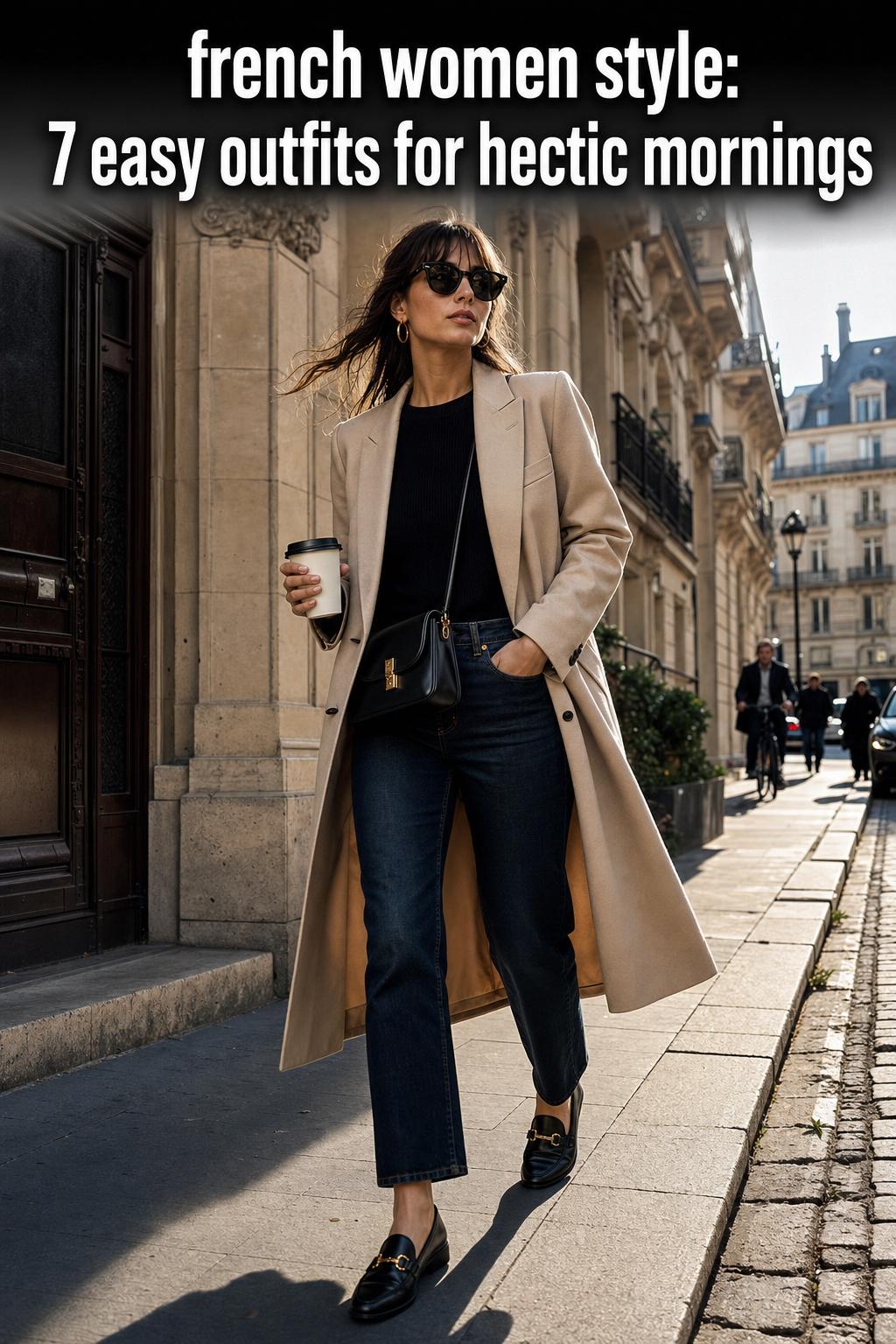
What to build first instead of chasing a full makeover
One reason people struggle with this style is trying to transform everything at once. A better approach is to establish a small framework of pieces that interact well. Reputable fashion coverage across outlets such as Vogue, ELLE, Glamour, and Who What Wear frequently returns to a similar idea: clothes become more useful when they are easier to recombine.
- A structured blazer that sharpens softer outfits
- Straight-leg or clean-line trousers that provide shape
- Well-cut denim for everyday balance
- A knit or fine-gauge sweater for soft texture
- A simple top or shirt that layers smoothly
- Shoes that support walking and all-day wear
This kind of wardrobe architecture solves the real issue behind the aesthetic: not lack of inspiration, but lack of cohesion. When these pieces work together, the outfit feels calm and finished with less effort.
Reading the difference between effortless and unfinished
The line between relaxed dressing and underdressing is narrow. French women style is often admired because it appears natural, but natural is not the same as accidental. The best outfits still show editing. Sleeves are proportionate to the jacket, trousers break cleanly at the shoe, and the bag or shoe choice reinforces the level of polish needed for the day.
This is where many wardrobes lose precision. If every item is casual, the result can feel vague. If every item is formal, the look loses the ease people associate with this mode of dressing. The strongest combinations sit in the middle: elevated basics, tailored foundations, and one or two softening elements that keep the outfit approachable.
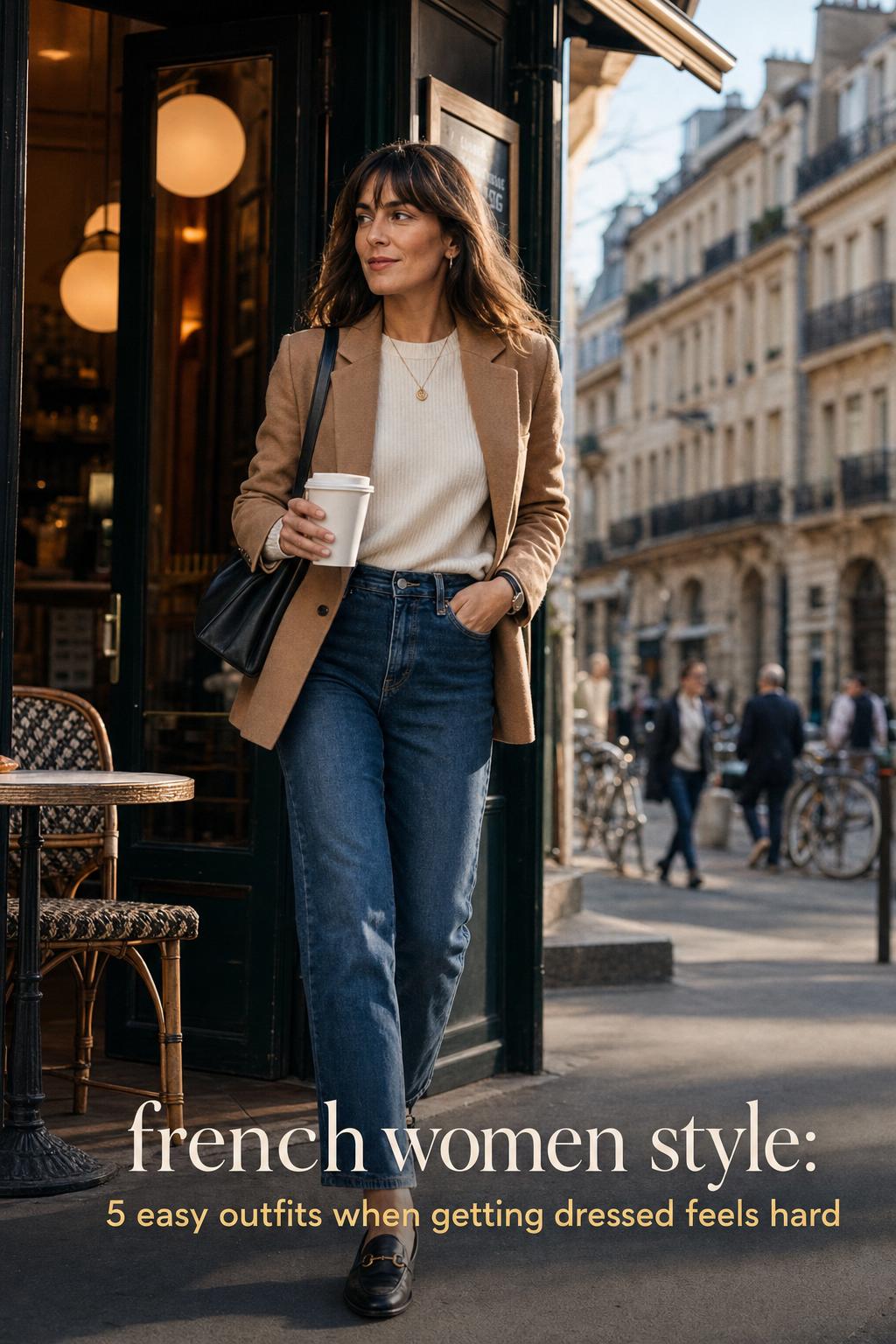
Outfit solution: the city uniform that always looks considered
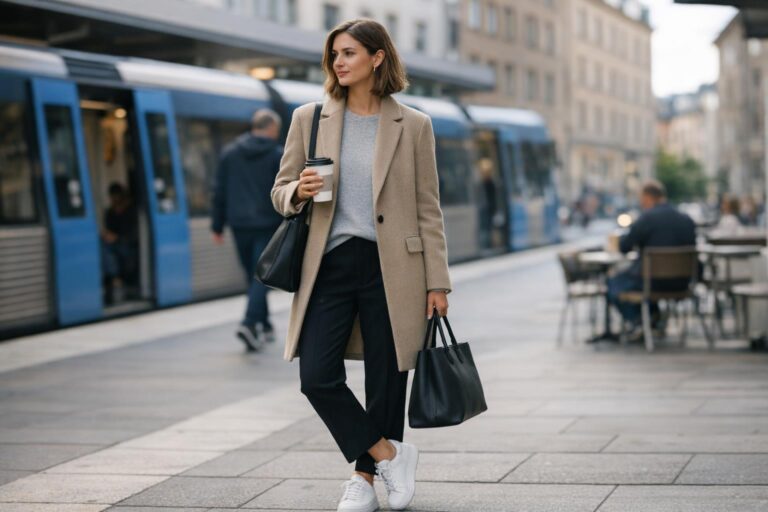
A city-ready formula is one of the easiest ways to translate french women style into daily life. Start with straight-leg jeans or clean trousers, add a fitted knit or simple top, and finish with a blazer. This outfit works because the structure of the jacket defines the silhouette while the denim or relaxed trouser base prevents the look from feeling stiff.
The composition is especially effective for days that involve movement: commuting, coffee meetings, errands, or a lunch that turns into a longer afternoon out. The blazer functions as the visual anchor, and the lower half keeps the look grounded in practicality. If the palette stays neutral or softly tonal, the result feels polished without becoming severe.
For readers who admire looks featured in Who What Wear or ELLE but feel those outfits can seem inaccessible, this formula offers a realistic adaptation. The value lies in the ratio of structure to ease. The blazer refines. The jeans relax. The knit softens. Together they produce balance.
Why this outfit works
- The blazer creates vertical line and instant polish
- Denim or straight trousers make the outfit wearable all day
- A close-to-the-body top prevents excess volume
- The overall shape feels intentional but not rigid
Outfit solution: the soft-tailored combination for transitional weather
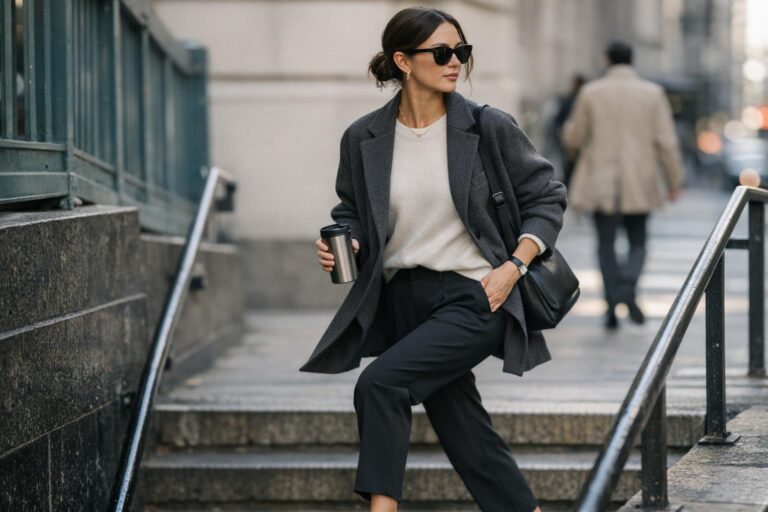
Transitional weather exposes weak styling decisions quickly. Too much layering feels bulky; too little feels unfinished and impractical. A soft-tailored combination solves this by pairing a light knit or fine sweater with tailored trousers and a structured outer layer that can be removed indoors. This is where tonal layering becomes especially useful.
The strength of this outfit is adaptability. A soft knit offers comfort and temperature control, while tailored trousers maintain a clean line that keeps the silhouette from collapsing. The outer layer, whether blazer-like in structure or simply sharp in cut, provides the kind of finish often associated with french women style without requiring ornate styling.
In editorial terms, this look succeeds through proportion play. The softer upper texture introduces ease, while the sharper lower half and tailored layer create discipline. The result is practical enough for real weather shifts and polished enough for settings that call for more than basic casualwear.
Best use cases for this look
- Office days with changing indoor and outdoor temperatures
- Travel days when comfort and appearance both matter
- Lunch meetings or gallery-style daytime plans
- Any situation where you need to look composed for hours
Outfit solution: the elevated casual formula for weekends
Weekend dressing often becomes too informal, which is why this aesthetic can be useful. The goal is not to be overdressed for a casual day. The goal is to maintain shape and polish with minimal effort. A simple knit, high-quality denim, and one structured layer or refined accessory create enough definition to keep the outfit from looking purely functional.
This combination solves a common problem: wanting to feel comfortable while still looking pulled together in public spaces. The answer is not more pieces. It is better hierarchy. Let denim serve as the casual base, let a knit add texture, and let one tailored element elevate the entire outfit composition.
Glamour and Vogue-style fashion coverage often makes this category look deceptively easy because the individual pieces are familiar. What matters is the finish. Clean lines, measured proportions, and a restrained palette turn ordinary pieces into a coherent look.
Outfit solution: a polished evening look without overstyling
One of the most useful lessons from french women style is that evening dressing does not need heavy complication to feel elegant. Instead of adding multiple trend elements, keep the silhouette streamlined and let texture or tailoring provide depth. A well-cut jacket over a refined top and clean trousers can deliver more sophistication than an outfit overloaded with competing details.
This approach is particularly effective for dinners, casual events, or settings that call for understated confidence. The styling logic is simple: sharper lines at night create presence, while minimal excess keeps the look modern. If daytime dressing relies on balance, evening dressing relies on precision.
The reason this works is visual clarity. Every piece supports the same message. There is no need for the outfit to announce itself loudly when the cut, fit, and tonal control already communicate polish.
How to keep it evening-appropriate
- Choose a stronger fabric contrast than you would for daytime
- Keep the silhouette leaner and more defined
- Use fewer pieces, but make each one cleaner in line
- Let the jacket or trouser shape carry the sophistication
Paris-inspired does not mean impractical
Location-based style references can create unrealistic expectations. The idea of Paris often functions as shorthand for polish, simplicity, and confidence, but those qualities only matter if the clothes work in motion. A useful wardrobe should support walking, layering, sitting comfortably, and repeating outfits across different parts of the week. That practicality is not separate from the aesthetic. It is part of it.
This matters especially for U.S. readers adapting inspiration into different routines. Long commutes, driving, variable climates, and more casual dress codes change how pieces need to perform. A style idea that appears refined in editorial imagery becomes truly valuable only when it translates to your daily structure. That is why the focus should stay on silhouette, fabric, and versatility rather than trying to replicate a fantasy version of Paris.
How fashion editors make simple outfits look stronger
There is a reason fashion outlets like Vogue, ELLE, Glamour, and Who What Wear repeatedly return to straightforward wardrobe foundations. Simplicity makes room for editing. Editors understand that a clean outfit can look more intelligent than a complicated one when the composition is exact. A blazer with a strong shoulder line changes posture visually. A fine knit softens tailoring. A straight trouser leg stabilizes the proportion of the entire look.
Readers can apply the same method by evaluating each outfit through three questions: What is the visual anchor? Where is the softness? Where is the structure? If those three elements are present, the look usually feels more complete. This framework is more useful than copying a specific image because it teaches repeatable styling judgment.
Practical styling adjustments that make the biggest difference
Small refinements often matter more than adding new pieces. French women style is closely tied to the idea of restraint, so subtle adjustments can dramatically improve the final effect.
- Choose tops that sit cleanly under a blazer rather than bunching at the waist or shoulder
- Prioritize trousers and denim with a straightforward line instead of overly distressed or exaggerated shapes
- Use knitwear to introduce softness when tailoring feels too severe
- Keep the color story tight so the outfit reads as one composed idea
- Repeat your strongest combinations instead of treating outfit repetition as a problem
These adjustments improve comfort as well as aesthetics. Better layering reduces friction across the day, and cleaner lines make even practical outfits appear more intentional.
Where readers usually go wrong
Confusing minimal with plain
Removing detail without replacing it with fit, texture, or structure leads to flat outfits. Minimal dressing still needs shape and visual interest. Texture contrast and proportion are what keep the look alive.
Adding too many “French” signifiers at once
When every piece tries to communicate the same aesthetic message, the outfit loses authenticity. A more effective approach is to let one or two elements set the tone while the rest stay functional and understated.
Ignoring daily practicality
An outfit cannot feel effortless if it requires constant adjustment. Clothes that pull, bunch, overheat, or limit movement undermine the effect immediately. Functional ease is part of polished dressing.
Using trends instead of framework
Trends can refresh a wardrobe, but they do not replace styling logic. Without a coherent base, trend pieces rarely deliver the kind of consistency people associate with this look. The framework matters first.
Tips for adapting french women style to real wardrobes
Tips often become more useful when they are specific. Instead of trying to “dress more French,” focus on repeatable, observable adjustments that strengthen outfit composition.
Tip: Build around one structured piece per outfit. This could be a blazer, sharp trouser, or jacket with clear line. It immediately gives the look a focal point and reduces the need for extra styling.
Tip: Use knitwear strategically. A knit is not just a basic layer. It softens tailoring, adds texture variation, and helps transitional outfits feel complete without becoming bulky.
Tip: Let shoes support the silhouette rather than interrupt it. Clean footwear usually works better than styles that feel visually heavy or disconnected from the rest of the outfit.
Tip: Rewear combinations that already work. This aesthetic depends on confidence and consistency more than constant novelty. Repetition is often a sign of wardrobe clarity, not limitation.
A realistic weekly approach to dressing with more polish
One of the easiest ways to apply french women style is to think in formulas rather than isolated outfits. Keep a small number of combinations that can shift between casual and polished settings. For example, one blazer can move across denim, tailored trousers, and a more refined evening base. One knit can be worn under outer layers or on its own with sharper bottoms.
This approach reduces decision fatigue and supports a wardrobe with stronger internal logic. It also reflects how practical style actually works. Most people do not need endless outfit invention. They need reliable combinations that fit their schedule, climate, and comfort requirements while still looking refined.
That is the most useful takeaway from the fashion intelligence often associated with French dressing. The goal is not image construction for a single moment. It is building a repeatable visual language that communicates ease, clarity, and control across ordinary days.
The lasting appeal of restraint
French women style continues to resonate because it solves a modern wardrobe problem: how to look polished without appearing overdone. Its power comes from editing, not excess. A controlled silhouette, coherent palette, selective texture contrast, and realistic versatility create the kind of outfit that works in motion and photographs well because it is structurally sound.
Once you understand that logic, the aesthetic becomes easier to apply. You do not need a costume version of Paris, a wardrobe full of new purchases, or a perfectly curated fashion identity. You need clear proportions, practical pieces, and the discipline to let simple outfits stay simple. That is what makes the style feel modern, intelligent, and repeatable.
FAQ
What defines french women style in practical terms?
In practical terms, french women style is defined by restraint, clear silhouette balance, and versatile wardrobe foundations. It usually relies on structured pieces such as blazers or tailored trousers, softened by knits, denim, or simple tops, with a coherent palette that keeps the outfit polished rather than busy.
How can I make my outfits look effortless instead of unfinished?
The key is editing rather than adding more. Choose one visual anchor like a blazer or sharp trouser, keep the palette controlled, and make sure the fit of each piece supports the overall line. Effortless outfits still need structure, clean proportions, and enough texture contrast to feel intentional.
Do I need a minimalist wardrobe to dress in this style?
No, but you do need wardrobe cohesion. The style works best when your core pieces combine easily and do not compete with each other. A smaller group of reliable, well-cut items is usually more effective than a larger wardrobe filled with disconnected trend pieces.
Which pieces should I buy first if I want this look?
Start with pieces that create repeatable outfits: a structured blazer, straight-leg trousers or clean denim, a knit, and simple layering tops. These items help establish the balance of polish and ease that defines the aesthetic, and they can be worn across casual, work, and evening settings.
Can french women style work for casual U.S. lifestyles?
Yes, as long as you adapt the logic rather than copy a fantasy version of the look. For most U.S. lifestyles, that means focusing on practical layers, comfortable shoes, weather-appropriate fabrics, and outfit formulas that can handle commuting, errands, and long days without losing shape.
Why do simple outfits from Vogue, ELLE, Glamour, and Who What Wear often look more polished?
They tend to rely on strong outfit composition rather than excess detail. A simple outfit looks elevated when the silhouette is clear, the textures are varied in a subtle way, and each piece supports the same overall direction. Polish usually comes from precision, not complexity.
How do I avoid looking too styled?
Limit the number of strong fashion signals in one outfit. Let one element set the tone, such as tailoring, and keep the rest clean and functional. When every piece tries to stand out, the result feels forced rather than relaxed.
Is this style only about neutrals?
No, but the palette usually feels cohesive and controlled. Neutrals are common because they simplify layering and make outfits easier to repeat, but the main principle is color harmony. The shades should work together clearly rather than compete for attention.
What is the biggest mistake people make when trying this aesthetic?
The biggest mistake is confusing simplicity with lack of intention. Wearing basics alone does not create polish. The look depends on fit, proportion, texture, and the presence of at least one structured element that gives the outfit shape.