
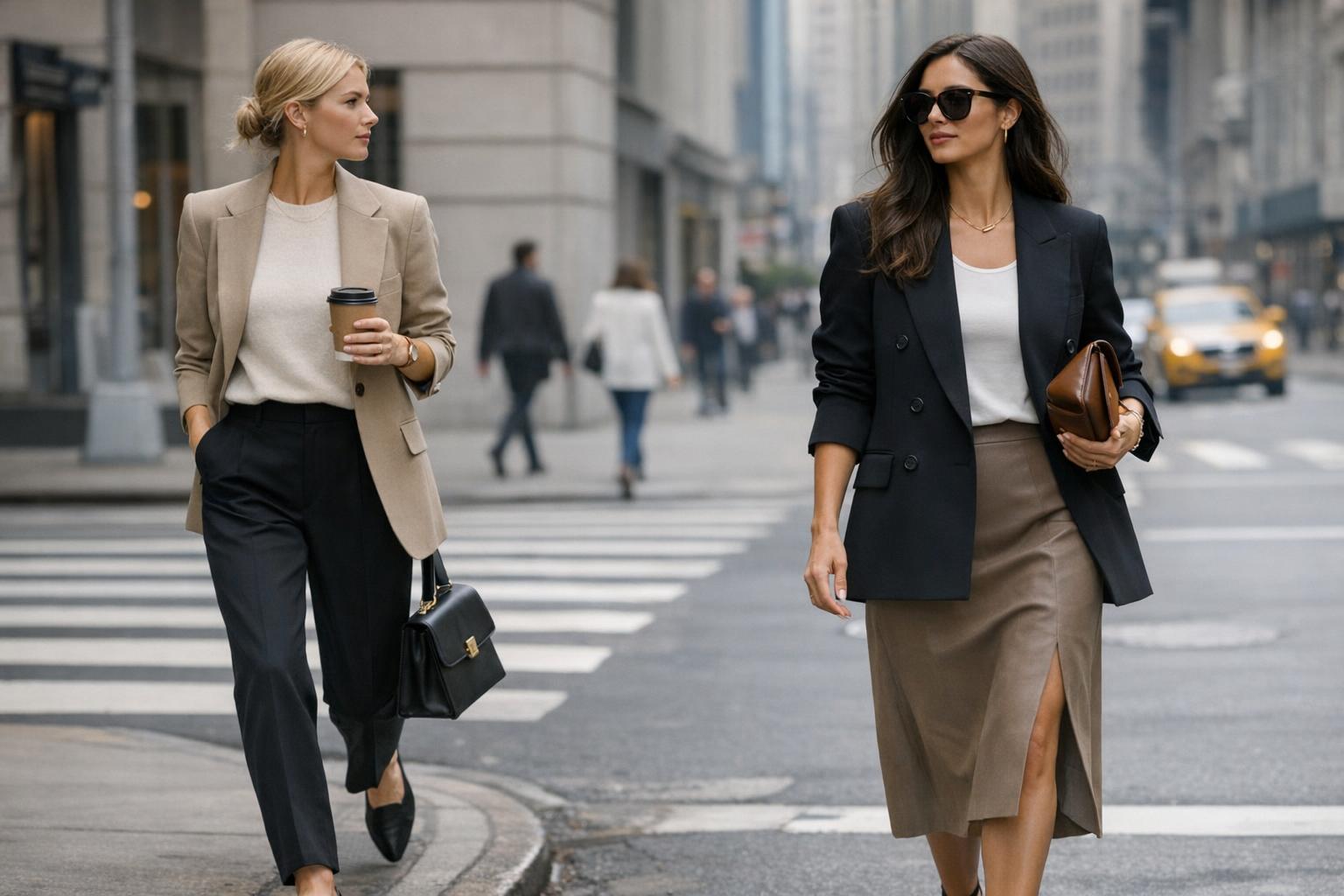
City-Ready Classic Style Outfits With Polished Outfit Logic
Classic style outfits in 2026: why “classic,” “old money,” and “city chic” keep colliding
A familiar style problem plays out in real life: you’re getting dressed for a day that includes a commute, a few meetings, and dinner in a modern city—yet you don’t want to look “trendy,” and you also don’t want to look like you’re in a costume. That’s where classic style outfits enter the conversation, and it’s also where confusion starts. On social feeds, “classic,” “casual old money style,” and “street style chic” often appear side by side, even though they’re built on different styling philosophies.
This breakdown compares three aesthetics that are constantly discussed together: classic style (the wardrobe logic of timeless structure), casual old money style (quiet polish and heritage signaling, but dialed down), and street style chic (city-forward contrast, proportion play, and visible styling decisions). You’ll learn how to recognize each one at a glance, how they behave in everyday outfit composition, and how to choose the right approach for casual work outfits, travel days, and evenings—without losing the “classic” foundation that makes outfits feel reliable.
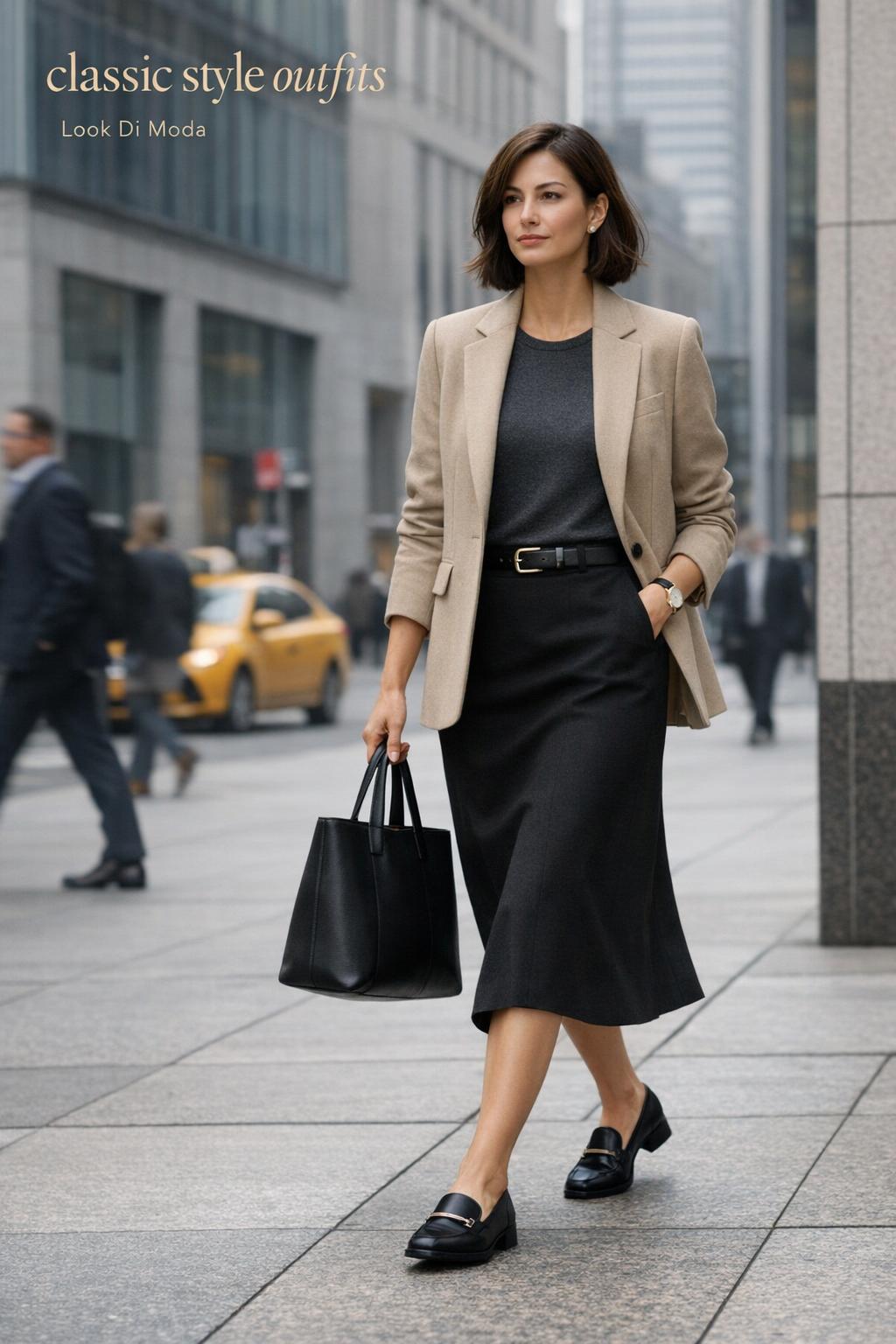
Consider this an editorial analysis in the spirit of Look di moda: not a list of items to buy, but a style logic guide—silhouette balance, texture contrast, and outfit architecture—so your choices look intentional in real life.
Style overview: classic style (timeless structure, controlled simplicity)
Classic style is defined by restraint and repeatability. The goal isn’t novelty; it’s a consistent visual identity built on clean lines, balanced proportions, and pieces that hold their shape. The most recognizable classic style outfits rely on structure as the visual anchor—tailored layers, refined basics, and uncomplicated outfit composition.
Found the dress? Keep the rest in one place.
Zarellea brings guest details, vendors, timelines, and every next step together — so your wedding plan feels as good as your look.
Defining characteristics include crisp silhouettes, minimal visual noise, and an emphasis on fit and fabrication. The styling mood reads polished and dependable rather than performative.
Typical silhouettes are streamlined: straight-leg or tapered trousers, knee-length or midi skirts, neat knitwear, and outerwear that frames the body cleanly rather than swallowing it. The outfit “works” even without accessories because the shape is doing the heavy lifting.
Color palette tends toward controlled neutrals and classic contrasts. The intention is color harmony—tones that layer easily and don’t date quickly.
Fabrics and textures are chosen for how they behave over time: smooth knits, structured cottons, wools, and materials that keep a crisp line. Texture is used quietly—more “depth” than “statement.”
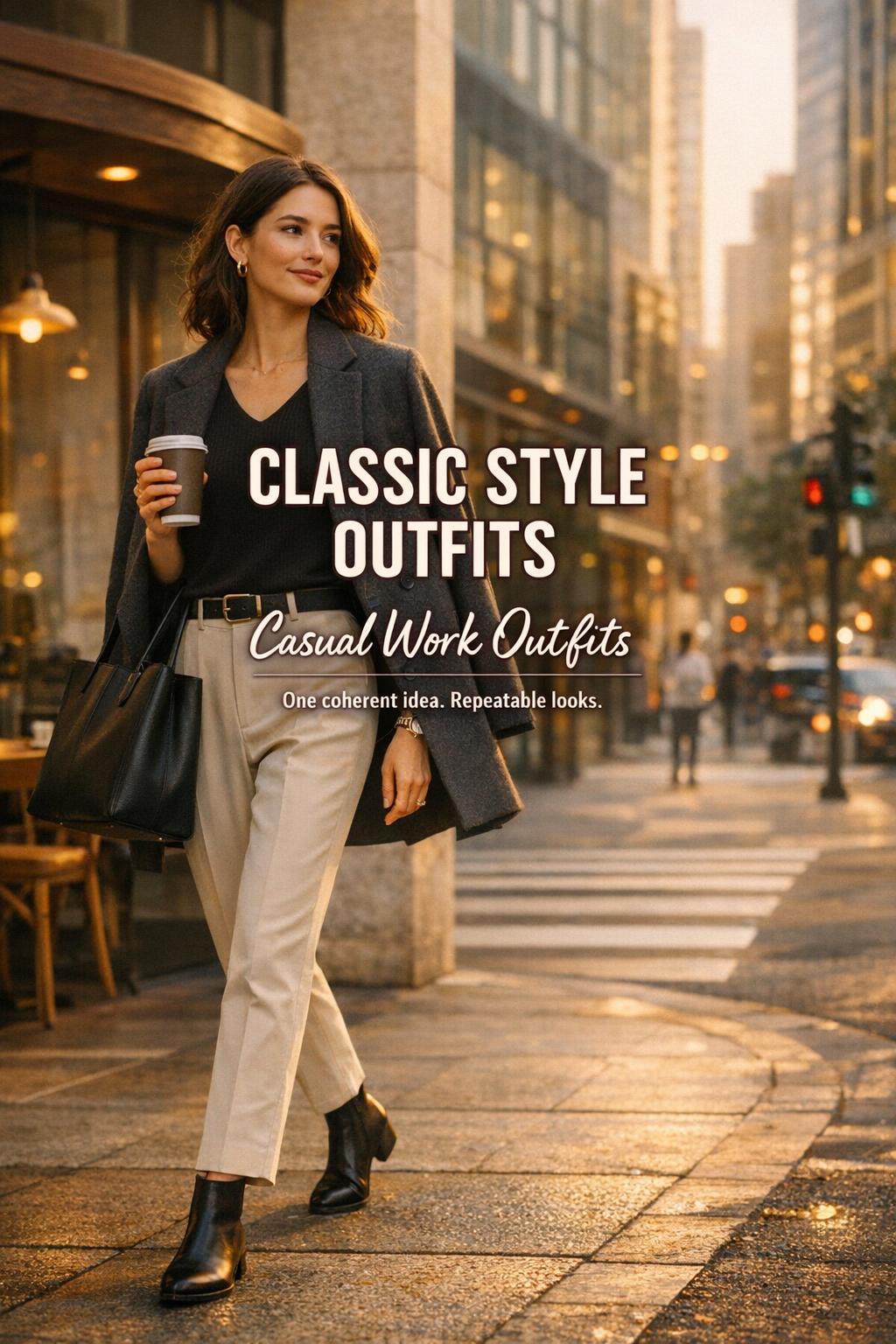
Style overview: casual old money style (quiet luxury cues, softened for daily life)
Casual old money style sits close to classic style but has a different point of view. It’s not just “timeless”—it’s coded. The mood signals heritage polish and understated affluence, expressed through refined grooming, subtle coordination, and pieces that imply longevity. In practice, it often looks like classic style outfits with a more relaxed posture and a more lifestyle-led uniform.
Defining characteristics include tonal layering, low-contrast combinations, and an emphasis on looking “effortless” while still clearly intentional. The styling is quiet, not empty—details are simply less loud.
Typical silhouettes are easy but composed: soft tailoring, relaxed trousers that still skim cleanly, knits that drape rather than cling, and outerwear that looks expensive because it falls correctly and stays in place.
Color palette stays largely neutral and tonal: creams, navies, blacks, grays, browns, and muted shades that blend rather than contrast. The outfit reads cohesive from a distance.
Fabrics and textures lean into touchable refinement: knit textures, brushed finishes, smooth leather-like surfaces, and materials that suggest quality through surface and weight rather than logos.
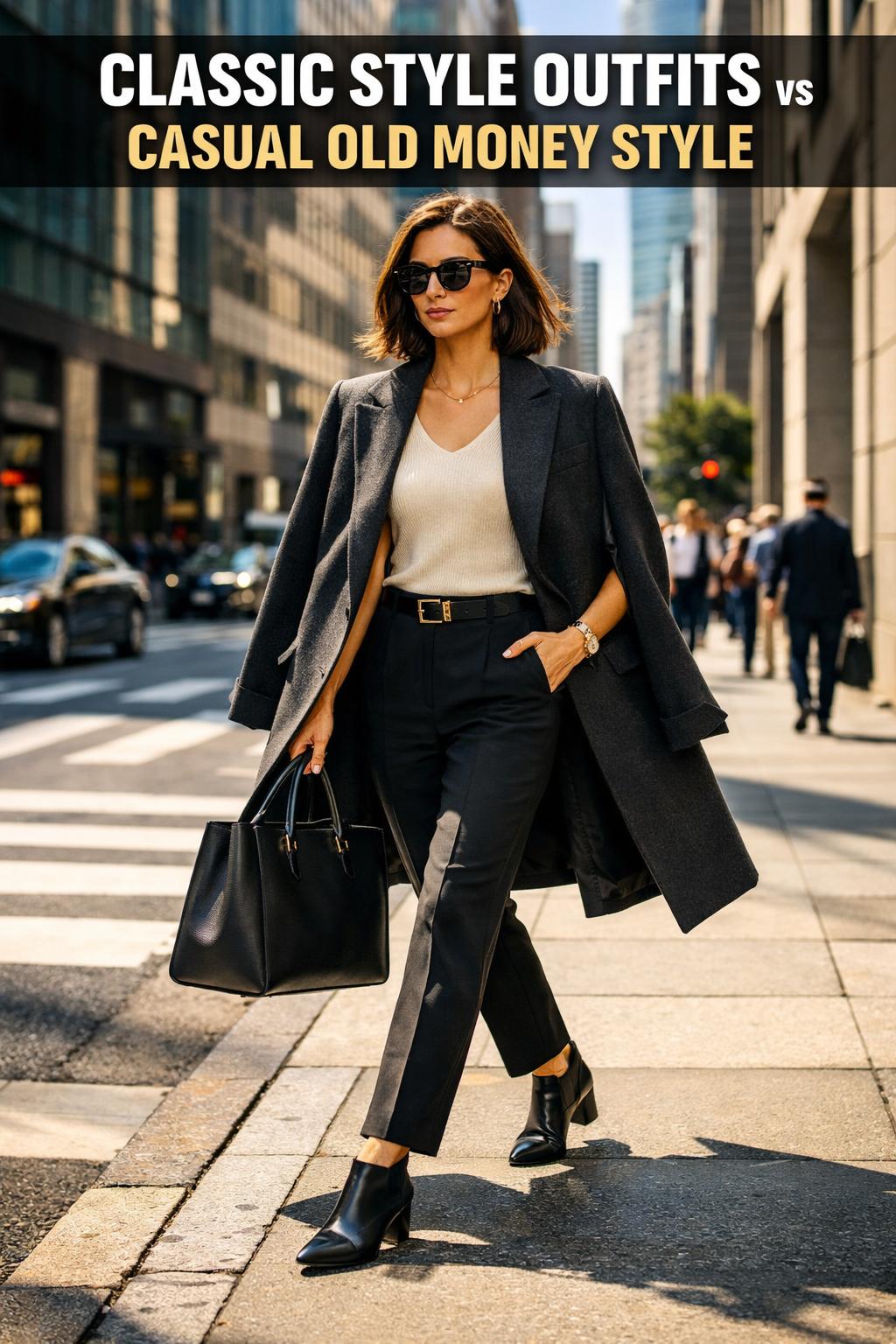
Style overview: street style chic (visible styling decisions, modern city energy)
Street style chic is the most “current” of the three, but it isn’t defined by a single trend. It’s defined by styling behavior: contrast, proportion play, and outfit composition that looks curated for movement through a modern city. Where classic aims for continuity and casual old money style aims for quiet consistency, street style chic aims for visual impact—often through unexpected pairing.
Defining characteristics include high-low mixing (polished with casual), deliberate accessories, and silhouette experimentation. The outfit is meant to be noticed as an outfit.
Typical silhouettes vary widely, but the through-line is intentional proportion: oversized outerwear with slim underlayers, wide-leg volume balanced with a compact top, or crisp tailoring disrupted by a casual element.
Color palette can be neutral or bold, but it often relies on sharper contrast: black-and-white, strong tonal blocks, or one accent that acts as a statement piece.
Fabrics and textures are used for visible contrast—smooth with chunky, matte with sheen, structured with fluid—so the outfit reads dimensional even in a quick glance.
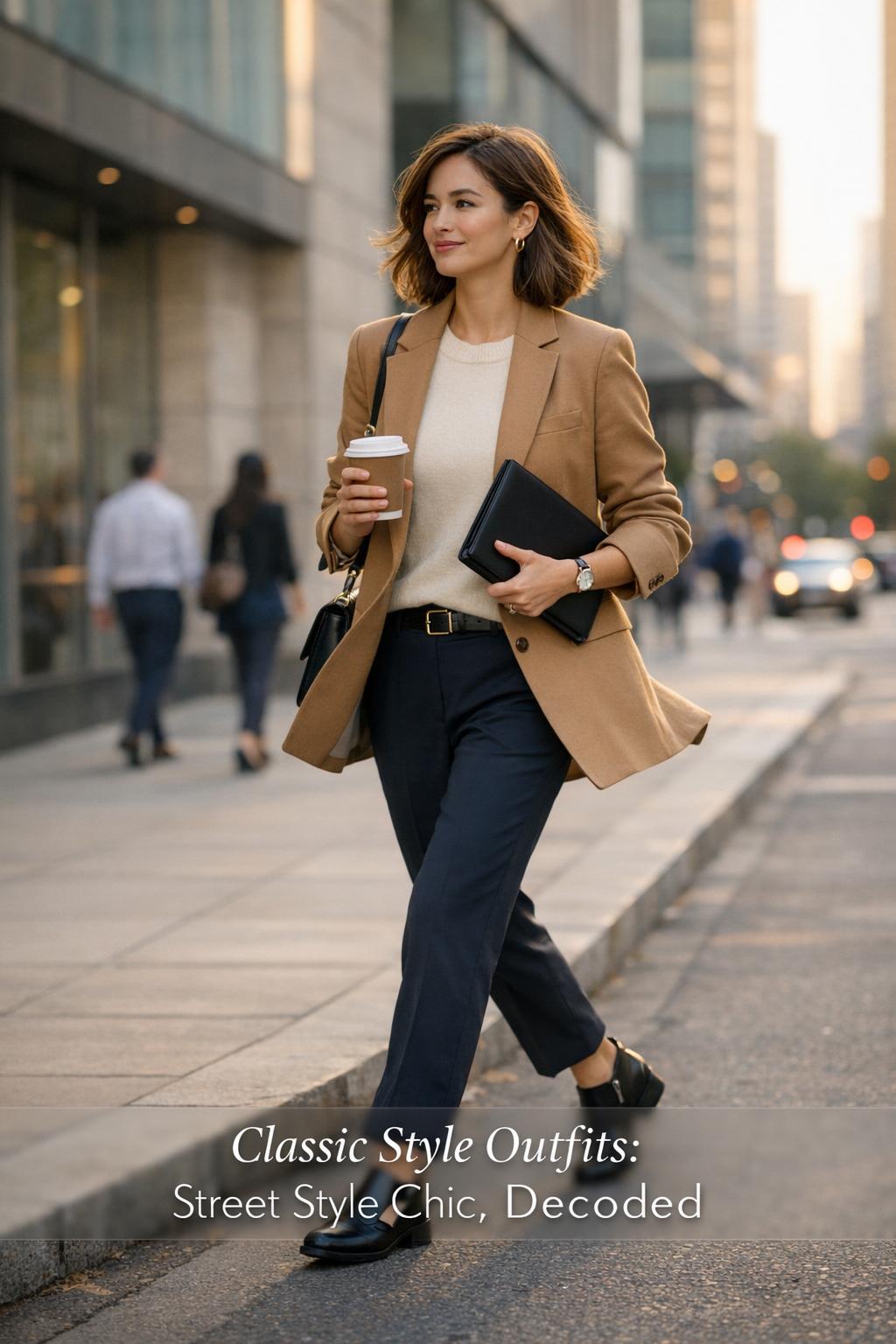
The core confusion: they can share pieces, but not the same styling logic
These aesthetics get blended because they often use overlapping wardrobe building blocks. A blazer, straight-leg trousers, a clean knit, and simple shoes can appear in all three. The difference is how the outfit is engineered: what’s meant to be the visual anchor, how contrast is used, and whether the “message” is timeless reliability, quiet refinement, or modern city edge.
Think of it as three different briefing documents for the same closet. Classic style outfits are drafted for longevity and repeat wear. Casual old money style is drafted for understated cohesion and lifestyle polish. Street style chic is drafted for impact through composition—even when the pieces are simple.
Key differences that matter in real outfits
Silhouette and structure: controlled tailoring vs relaxed refinement vs proportion play
Classic style prioritizes clean structure: shoulders that sit correctly, waistlines that don’t fight the garment, hems that look intentional. Casual old money style relaxes that structure—still tailored, but softer—so it feels “lived in” rather than sharp. Street style chic treats silhouette as the main creative tool: volume and compression, long-over-short layering, and purposeful imbalance that still resolves as flattering.
Color approach: contrast discipline vs tonal harmony vs graphic punch
Classic style outfits often rely on controlled contrast: crisp neutrals, clean pairings, and palettes that don’t distract from silhouette. Casual old money style goes more tonal—similar shades layered together to feel seamless. Street style chic uses contrast more aggressively, either through bolder color blocks or stark neutrals that read graphic in a modern city environment.
Formality level: “polished” isn’t one setting
Classic style is polished by default, especially when the fabrics are structured and the lines are crisp. Casual old money style is polished in a quieter way—less “office,” more “effortless,” which makes it adaptable for daytime and travel. Street style chic can swing from casual to elevated quickly, but it reads styled even when it’s comfortable because the contrast choices are obvious.
Styling philosophy: invisibility, subtle signaling, or statement composition
Classic style outfits aim to feel almost invisible in the best way: nothing competes, nothing shouts. Casual old money style signals through restraint—cohesion, understated textures, and a “quiet luxury” mood. Street style chic signals through composition: the outfit is the point, and details like footwear and accessories often carry the concept.
Visual style breakdown: how each aesthetic behaves from head to toe
Layering approach: the architecture test
In classic style, layering is architectural: each layer is slim enough to sit neatly, with clean edges that don’t bunch. In casual old money style, layering is tonal and tactile: layers blend, and the interest comes from surface variation and softness. In street style chic, layering is a design move: you’ll see longer lengths under shorter jackets, or bulkier outerwear used to create a deliberate silhouette statement.
Garment proportions: where the waistline sits, and why it changes the whole mood
Classic style outfits often keep proportions traditional and predictable: balanced top-to-bottom, with the waistline acting as the compositional center. Casual old money style may drop the waist or soften the line with drape, prioritizing ease. Street style chic frequently shifts the proportion point—cropped tops with wide legs, oversized jackets with streamlined layers—to create modern city energy.
Accessories: minimal punctuation vs quiet refinement vs intentional emphasis
Classic style accessories function as punctuation: simple, consistent, not distracting. Casual old money style uses accessories to reinforce restraint—pieces that look refined but don’t dominate. Street style chic treats accessories as a strategic emphasis tool: a belt, a structured bag shape, or a strong shoe choice often becomes the visual anchor.
Footwear: the fastest way to shift the message
Footwear is where these styles separate quickly. Classic style outfits pair best with clean, streamlined shoes that mirror the outfit’s structure. Casual old money style leans toward refined comfort—shoes that feel practical but elevated. Street style chic can pivot into bolder shapes or sharper contrast, using shoes to underline the outfit as a styled look rather than a uniform.
Outfit comparisons: same situation, three different solutions
Instead of treating outfits like checklists, the most useful comparison is scenario-based. The situation stays the same; the styling logic changes. This is how you learn to build classic style outfits that still feel personal—especially if you’re balancing casual work outfits with city life and social plans.
Example comparison: casual work outfits that still look intentional
Classic style approach: Build around one structured layer as the visual anchor and keep everything else clean. The outfit works because the silhouette is stable: straight lines, refined fit, and minimal surface distraction. This reads competent and polished in most work environments.
Casual old money style approach: Use softer structure and tonal harmony. The outfit works because nothing competes; the palette blends, and texture does the talking. It’s particularly effective when your workplace is casual but you still want authority without “corporate” sharpness.
Street style chic approach: Keep the base simple but add one proportion shift—an oversized outer layer, a more dramatic trouser shape, or a sharper accessory. The outfit works because the contrast creates a deliberate point of view that fits a modern city commute and meetings that aren’t overly formal.
Example comparison: weekend errands in a modern city (comfort without looking unfinished)
Classic style approach: Prioritize clean lines and tidy layering. The outfit reads “put together” because there’s no excess volume and no chaotic color. Even if the pieces are casual, the fit and restraint keep it classic.
Casual old money style approach: Go tonal and relaxed. The outfit reads elevated because it looks cohesive from a distance—quiet polish without feeling overdressed. This is the sweet spot for casual old money style: effortless visual calm.
Street style chic approach: Treat errands like an outfit opportunity, but keep it wearable. The outfit reads chic because a single statement decision—contrast footwear, a sharper outer layer, or a defined accessory—turns basics into street style chic rather than “just dressed.”
Example comparison: dinner plans right after work (day-to-night without a full change)
Classic style approach: Swap one element to sharpen the silhouette—often the outer layer or shoe choice. The outfit works because classic style outfits are already structured; small edits carry a lot of impact.
Casual old money style approach: Deepen the tonal story. The outfit works because a slightly richer tone or a smoother texture immediately reads more evening-appropriate while staying understated.
Street style chic approach: Emphasize contrast. The outfit works because dinner dressing in a modern city often rewards a clearer style “headline”—one visible styling decision that signals nighttime energy.
Where each style wins (and where it can fall flat)
Classic style outfits: best for clarity, but can look overly conservative
Classic style is a reliable choice for workplaces, events where you don’t want to stand out for the wrong reasons, and any situation where polish matters. The limitation is that it can read conservative or generic if the fit is slightly off, if the palette is too flat, or if the outfit lacks a visual anchor. Classic only looks expensive and intentional when the silhouette is precise.
Casual old money style: best for understated refinement, but can drift into “bland”
Casual old money style is strongest when you want quiet confidence—especially for daywear, travel, and casual work outfits in relaxed offices. The risk is that tonal dressing without texture contrast can become visually empty. This style needs surface interest (knit, weave, or subtle sheen) and clean grooming to avoid looking like you simply wore neutrals.
Street style chic: best for modern city presence, but can feel try-hard if overbuilt
Street style chic thrives in environments where outfits are part of the culture—cities, creative workplaces, and social plans where individuality matters. The trade-off is practicality: exaggerated proportions can feel cumbersome on long days, and too many “statements” compete. The most wearable street style chic looks are built around one clear idea, not five.
Tips: building a classic foundation that still supports street style chic and casual old money style
The easiest way to navigate these aesthetics is to treat classic style as the base operating system. Once you can build a clean outfit with strong silhouette balance, you can shift the same core pieces toward casual old money style (tonal, soft, refined) or toward street style chic (contrast, proportion, emphasis) without starting over.
- Use one visual anchor per outfit: structure (classic), texture (casual old money style), or contrast (street style chic).
- Control the palette before you add details: when colors fight, no accessory can save the composition.
- Let fit do the work: classic style outfits collapse when hems drag, shoulders pull, or waistlines sit inconsistently.
- Choose comfort strategically: if you’re walking all day in a modern city, prioritize footwear and outerwear function first, then style the rest around it.
In Look di moda terms, this is the difference between owning “nice pieces” and having outfit repeatability. You’re building a system, not chasing a vibe.
The “modern city” factor: how environment changes what looks classic
Classic is not fixed; it’s contextual. In a modern city, outfits are viewed in motion—on sidewalks, in transit, under harsh daylight and indoor lighting. That changes what reads refined. Heavy structure can look too stiff when everyone around you is in relaxed silhouettes, while overly relaxed looks can read unfinished when the city’s baseline is polished.
Use this practical lens: if your day includes walking, stairs, or long hours, classic style outfits need comfort engineering. Choose silhouettes that move, layers that don’t require constant adjustment, and shoes that match your pace. Street style chic can still work here, but it should be edited for mobility—proportion play without the burden.
Weather and movement: the silent determinants of “chic”
Even the most elegant outfit fails if you’re tugging at it all day. Classic style outfits succeed when the fabric holds a clean line while walking and sitting. Casual old money style succeeds when layers stay aligned and don’t twist. Street style chic succeeds when statement proportions still allow you to carry a bag, climb into a car, and move through crowds without constant fuss.
Common styling mistakes that blur these aesthetics (and how to correct them)
Mistake: assuming “neutral” automatically means classic
Neutrals are a tool, not a guarantee. A neutral outfit can look classic, casual old money style, or street style chic depending on structure, proportion, and finish. Correction: decide your anchor first—clean tailoring for classic, tonal texture for casual old money style, or sharp contrast/proportion for street style chic.
Mistake: over-accessorizing to “fix” a weak silhouette
Accessories cannot compensate for garments that don’t sit well on the body. Correction: fix the silhouette balance first—hem length, shoulder alignment, and waist placement—then add one intentional accessory. This is especially important if your goal is classic style outfits, where the outfit should hold up without extra decoration.
Mistake: mixing too many style messages in one look
A single outfit can combine elements, but it still needs one dominant logic. If you add street style chic contrast, casual old money style tonality, and classic sharpness all at once, the result often reads confused. Correction: choose a primary aesthetic and let the others appear as supporting notes.
How to blend them on purpose: a controlled mix, not a random mash-up
Blending is where personal style becomes visible. The most natural way to combine these aesthetics is to keep classic style outfits as the skeleton, borrow softness from casual old money style, and add one modern city cue from street style chic. The goal is coherence: one outfit, one story.
A practical formula: classic structure + tonal refinement + a single emphasis point. The emphasis point can be a sharper contrast, a deliberate proportion shift, or a more directional accessory. This keeps the look modern without sacrificing repeatability.
Tips: a quick self-check before you leave the house
- Distance test: step back—does the outfit read as one cohesive idea?
- Movement test: sit, walk, reach—do layers stay in place without adjusting?
- Anchor test: can you name the outfit’s focal point in one sentence?
- Context test: does it fit your day’s setting—office, commute, dinner, travel?
Choosing your lane: when to wear each style
Most people don’t need a full-time aesthetic; they need the right tool for the day. Use classic style outfits when you want authority, clarity, and easy polish. Use casual old money style when you want understated refinement that still feels relaxed. Use street style chic when you want a visible point of view that fits modern city life.
Everyday wear
Classic style is the easiest to repeat without fatigue. Casual old money style is ideal when you want comfort but don’t want to look casual. Street style chic is best when your daily routine is social, creative, or highly visual—where outfit composition is part of your presence.
Work environments and casual work outfits
For traditional workplaces, classic style outfits communicate competence with minimal explanation. For relaxed offices, casual old money style reads professional without stiffness. Street style chic can work in creative environments, but it should be edited—one statement element, not a full editorial stack.
Travel and long days
Casual old money style often performs best here because it balances comfort with polish through tonal layering and refined ease. Classic style can work if you prioritize movement-friendly tailoring. Street style chic can travel well when it’s built around comfort first—then elevated through one visible styling decision.
Casual vs polished occasions
Classic style outfits can be dressed down through softer textures and lower contrast. Casual old money style can be dressed up by tightening silhouette and sharpening finish. Street style chic can move in either direction quickly, but it requires a strong edit to avoid looking like you tried too hard for a low-key event.
Conclusion: the fastest way to identify (and master) each aesthetic
The distinction is simple once you know what to look for. Classic style outfits are defined by structure and repeatable polish. Casual old money style is defined by tonal harmony, refined ease, and quiet signaling. Street style chic is defined by visible styling decisions—contrast, proportion play, and modern city energy.
To identify them quickly, focus on the outfit’s anchor: tailoring (classic), tonal texture (casual old money style), or compositional contrast (street style chic). To combine them, keep the classic foundation and add only one directional note at a time. That’s how Look di moda styling stays elegant: controlled, intentional, and built for real days—not just photos.
FAQ
What defines classic style outfits compared to trendy outfits?
Classic style outfits prioritize timeless silhouette balance, clean structure, and controlled color harmony so the outfit remains wearable across seasons, while trendy outfits are often driven by highly specific proportions or statement details that can feel dated once the trend cycle shifts.
Is casual old money style the same as classic style?
No—casual old money style overlaps with classic pieces, but it leans more heavily on tonal layering, relaxed refinement, and subtle “quiet luxury” cues, whereas classic style is more directly anchored in crisp structure and straightforward polish.
How do I make classic style outfits feel modern in a modern city?
Keep the classic structure but update the composition with one modern choice—either a slightly more directional proportion, a sharper contrast point, or a deliberate accessory—so the look stays polished while matching modern city visual energy.
What’s the easiest way to create casual work outfits that still look classic?
Start with a clean, structured anchor layer and keep everything else simple and well-fitted; the “classic” effect comes from tidy lines, consistent proportions, and a controlled palette rather than from adding more pieces.
How can I tell if my outfit is street style chic or just casual?
Street style chic looks “styled” because there’s a visible decision—contrast, proportion play, or a clear emphasis point—while a casual outfit often lacks a defined anchor and relies mainly on comfort without deliberate composition.
Can I mix street style chic with classic style outfits without looking messy?
Yes—use classic structure as the base and add only one street style chic element at a time, such as a proportion shift or a higher-contrast accessory, so the outfit keeps one cohesive message instead of multiple competing statements.
Why do tonal outfits sometimes look flat instead of “casual old money style”?
Tonal dressing needs texture contrast and clean finishing to look intentional; without variation in fabric surface or a clear silhouette, neutrals can read visually empty rather than refined.
What’s the most common mistake people make with classic style outfits?
The most common issue is relying on “nice basics” while ignoring fit and structure—classic style outfits depend on precise proportions, clean hems, and stable layering, and they lose impact quickly when garments pull, bunch, or sit awkwardly.