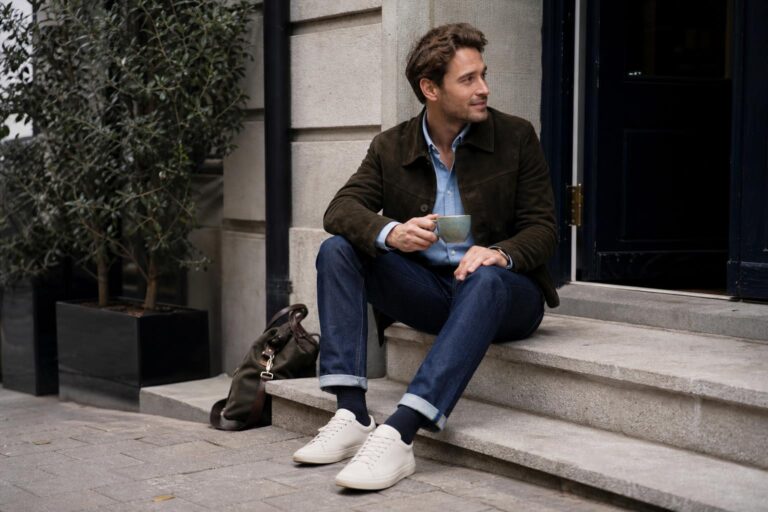
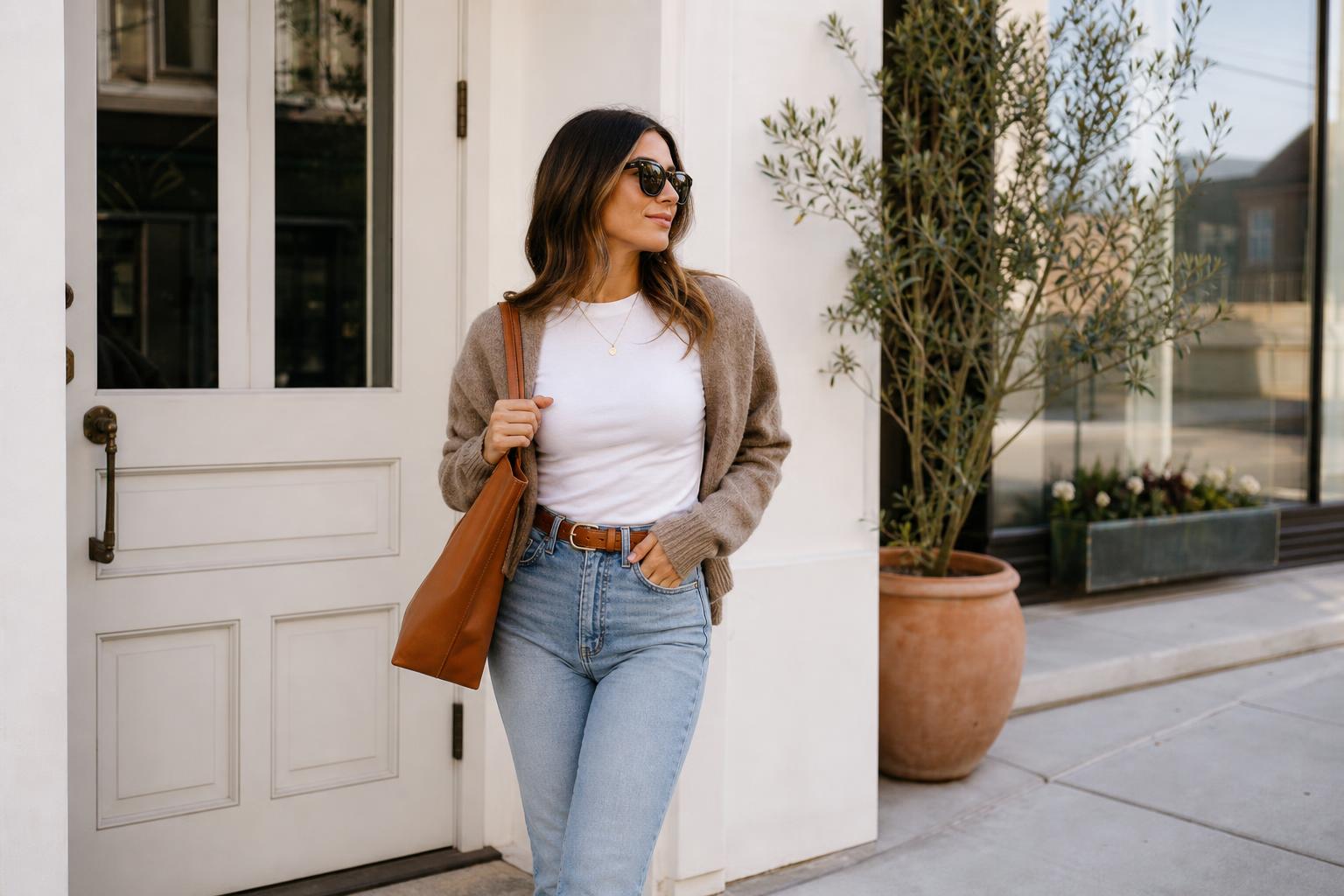
Spring Cute Basic Outfits That Feel Polished and Modern
Getting dressed should be easy when your closet is full of basics, yet that is exactly where many wardrobes start to feel flat. A white tee, jeans, a cardigan, a blazer, sneakers, a simple dress—these pieces are practical, familiar, and endlessly repeated in everyday life across the United States. The problem is not a lack of clothing. It is that basic outfits often stop at functional, while readers still want them to feel cute, intentional, and current.
This is why cute basic outfits matter. They solve a modern wardrobe challenge: how to look polished without overcomplicating your morning, overspending on trend pieces, or building looks that only work in photos. Whether the day involves commuting, school, college, weekend plans, or a casual office setting, the strongest outfits usually come from wardrobe staples styled with better proportion, smarter layering, and a few strategic accessories.
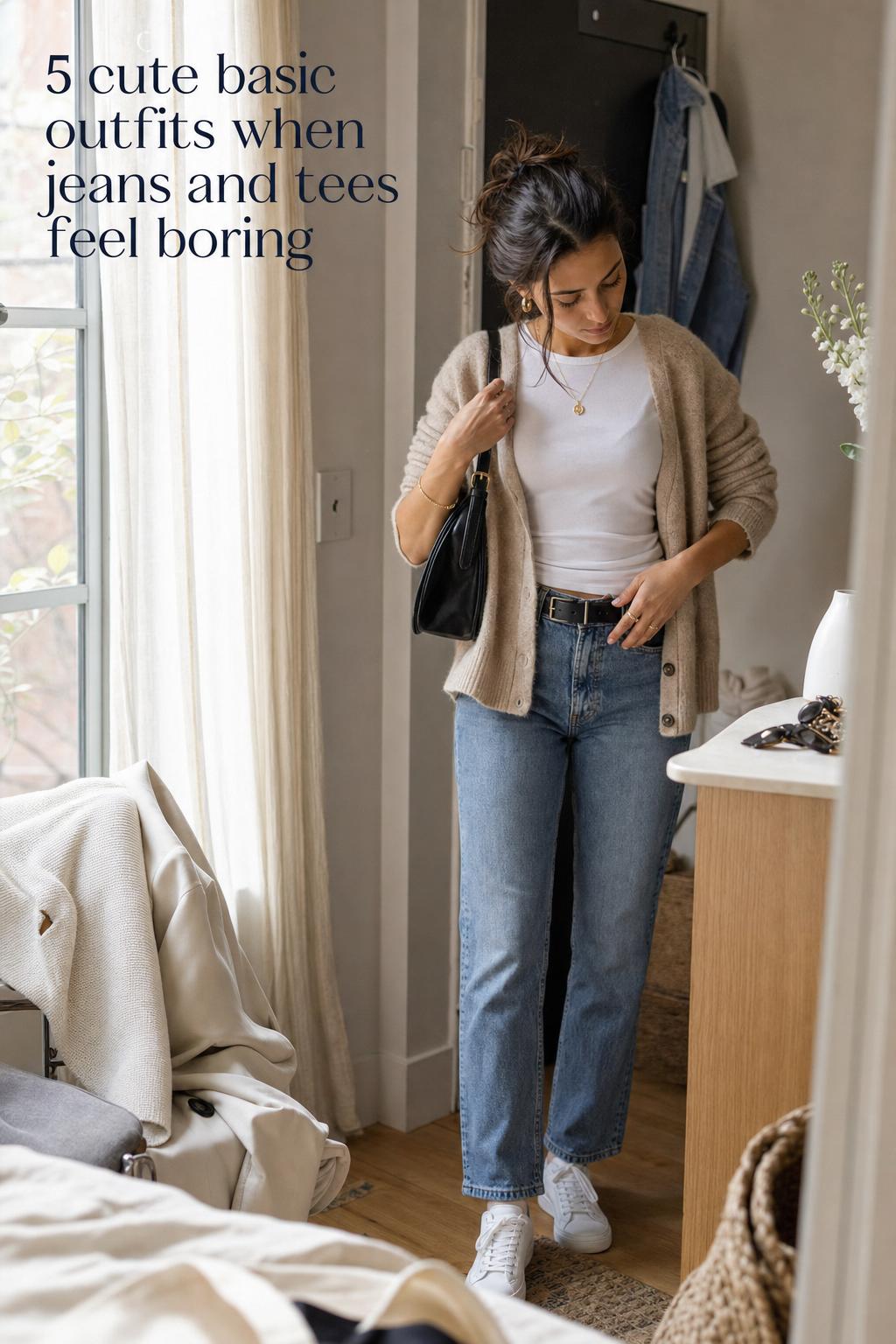
The difference between a forgettable basic outfit and one that feels elevated is rarely dramatic. It is often a matter of silhouette balance, fabric contrast, tonal coordination, or the choice between a structured bag and a slouchy one. Fashion editors, style blogs, and outfit galleries consistently circle back to the same truth: basics work best when they are reworked with intention.
What follows is a practical fashion guide to cute basic outfits that actually function in real life. The goal is not to chase novelty. It is to help you turn simple outfit ideas into wearable, versatile looks that feel modern, comfortable, and easy to recreate from pieces you may already own.
Found the dress? Keep the rest in one place.
Zarellea brings guest details, vendors, timelines, and every next step together — so your wedding plan feels as good as your look.
Why basic outfits often feel harder to style than they should
Basics are supposed to simplify getting dressed, but their simplicity creates its own styling pressure. Because the pieces are familiar—tees, denim, trousers, skirts, dresses, button-downs, cardigans, and lightweight jackets—there is nowhere for weak outfit composition to hide. If the proportions feel off, the entire look reads unfinished. If the fabrics are too flat, the outfit can feel dull. If the layering is too heavy, even a casual chic outfit loses ease.
Weather is another major reason simple outfits become complicated. Spring basics need flexibility for shifting temperatures, while school and college outfits often need to move from chilly classrooms to warmer afternoons. Daily wear also has to account for sitting, commuting, walking, and carrying real-life essentials. An outfit may look balanced on a hanger but fail once movement, comfort, and temperature changes are added to the equation.
There is also the issue of expectation. Many people want basic outfits for women that feel appropriate across multiple settings: casual enough for daytime, polished enough for lunch, presentable enough for workwear-adjacent moments, and relaxed enough for weekend wear. That demand for versatility is exactly why capsule wardrobe thinking has become so useful. It shifts the goal from building many separate looks to creating a smaller system of pieces that can be recombined with ease.
From a styling perspective, the challenge is not finding more items. It is understanding how wardrobe staples interact. A ribbed tank behaves differently than a drapey blouse. Straight-leg jeans create a different line than wide-leg pants. A blazer adds structure where a cardigan adds softness. Once you understand those relationships, cute basic outfits become much easier to build.
What makes cute basic outfits actually work
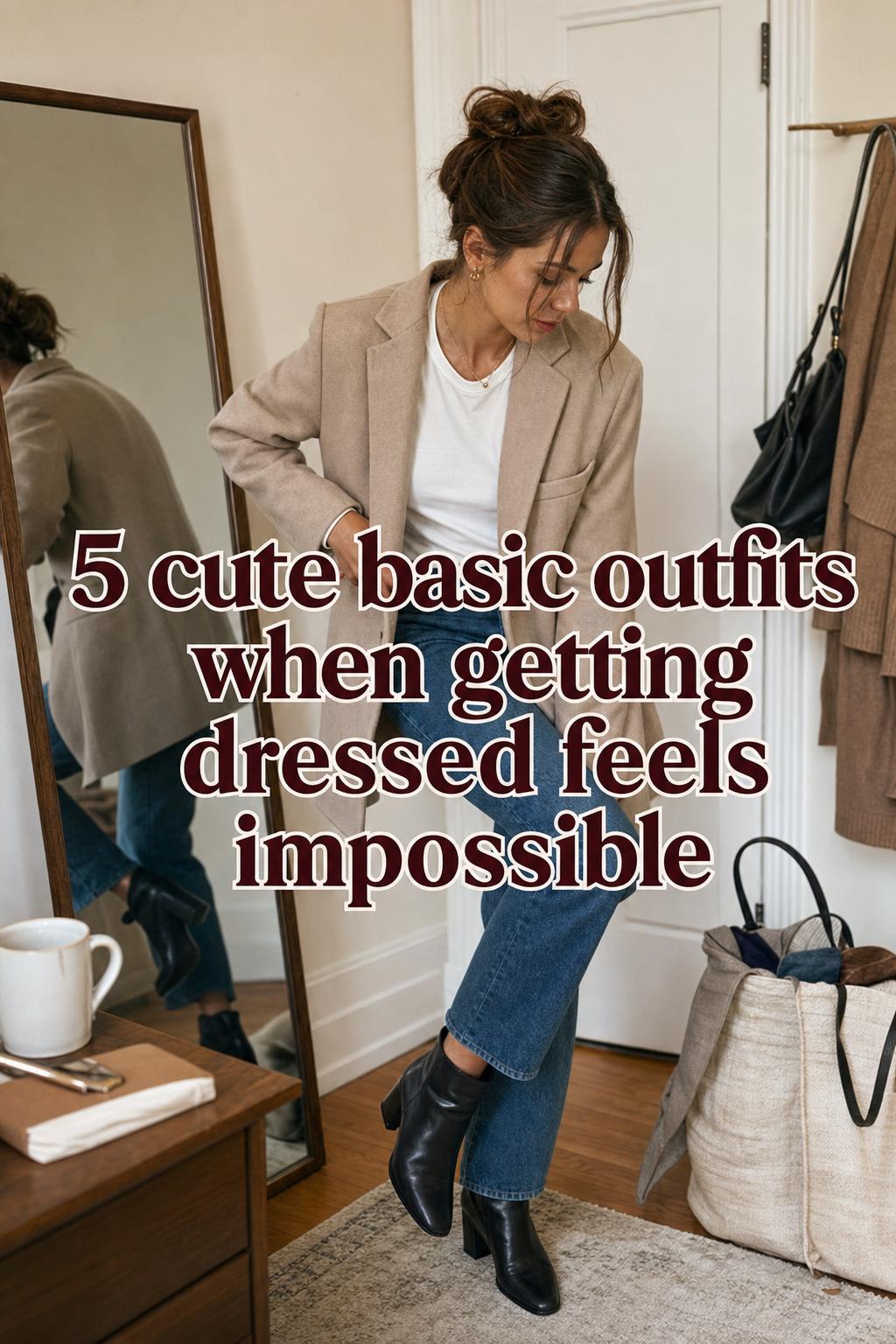
At their best, cute basic outfits combine three things: clarity, contrast, and function. Clarity means the outfit has a visible point of structure. Contrast means there is some difference in texture, shape, or accessory choice that keeps the look from feeling one-note. Function means the outfit supports your day rather than restricting it.
A white tee with blue jeans and sneakers works because it is visually clean, but it becomes more polished when there is a deliberate shape elsewhere in the look—a straight-leg jean rather than a collapsed hem, a blazer rather than an oversized hoodie, or a belt and bag that create a visual anchor. In the same way, a midi dress with ankle boots works because the outfit is easy, but it becomes more convincing when the dress fabric, boot shape, and outerwear weight make sense together.
Color coordination also matters. Neutral palettes are popular in simple outfit ideas because they reduce visual noise and make layering easier. Tonal dressing with white, cream, gray, navy, black, or denim shades often looks more refined than combining too many competing colors at once. Accent colors can still work, but they tend to look strongest when the basics underneath remain grounded.
Texture is another overlooked styling tool. Cotton tees, jersey dresses, denim, knits, linen blends, and modal-style soft basics all create slightly different visual effects. Even when a palette is simple, texture contrast can give the outfit depth. That is often the missing factor in everyday outfits that feel practical but not memorable.
Quick principles to keep in mind
- Balance one relaxed shape with one cleaner, more defined shape.
- Use layering pieces to add structure, not just warmth.
- Let footwear support the mood of the outfit rather than interrupt it.
- Keep accessories purposeful: a belt, bag, or simple jewelry can shift the entire outfit composition.
- Build around staples that move easily across school, work, weekends, and transitional weather.
The core wardrobe staples behind the best everyday outfits
The strongest cute simple outfits are usually built from a compact group of essentials rather than an oversized closet. This is the logic behind the capsule wardrobe approach seen across college fashion, school style, spring basics, and casual weekend dressing. These pieces repeat because they are versatile, easy to layer, and adaptable across routines.
Tops that create flexibility
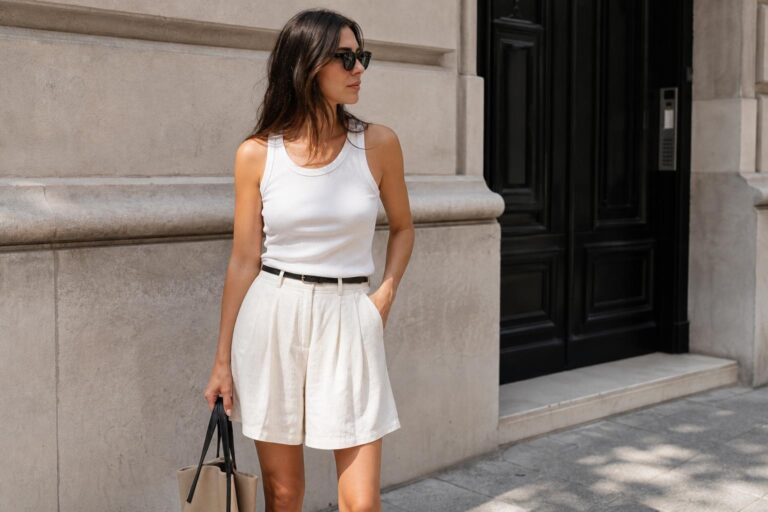
A white tee remains the most reliable starting point because it works with denim, skirts, trousers, and layering pieces without dictating the whole outfit. Ribbed tanks are similarly useful when you want a cleaner line under cardigans, blazers, or lightweight jackets. Button-down shirts and simple blouses can shift the same wardrobe into a more polished direction, while knits add softness during cooler weather.
Bottoms that define the silhouette
Denim is central in nearly every variation of basic outfits. Straight-leg jeans offer an easy, current line. Wide-leg pants create more volume and can look especially strong with fitted tops. Skirts bring variation to simple outfits without requiring extra effort, and trousers make basics feel more intentional with minimal change elsewhere.
One-piece shortcuts
Dresses and jumpsuits simplify decision-making because they complete most of the outfit in one move. A shirt dress, slip dress, or everyday midi dress can be worn with sneakers for daytime ease or boots for added structure. These pieces are especially useful when you want a cute outfit that still respects time, comfort, and movement.
Layering pieces that do the real style work
Cardigans, blazers, denim jackets, lightweight jackets, hoodies, and coats each change the message of an outfit. A cardigan softens. A blazer sharpens. A denim jacket adds casual energy. A coat can bring visual polish in colder weather. Layering pieces are not just practical additions; they are often the reason a look feels thoughtfully styled rather than merely assembled.
Relaxed layers that still feel polished
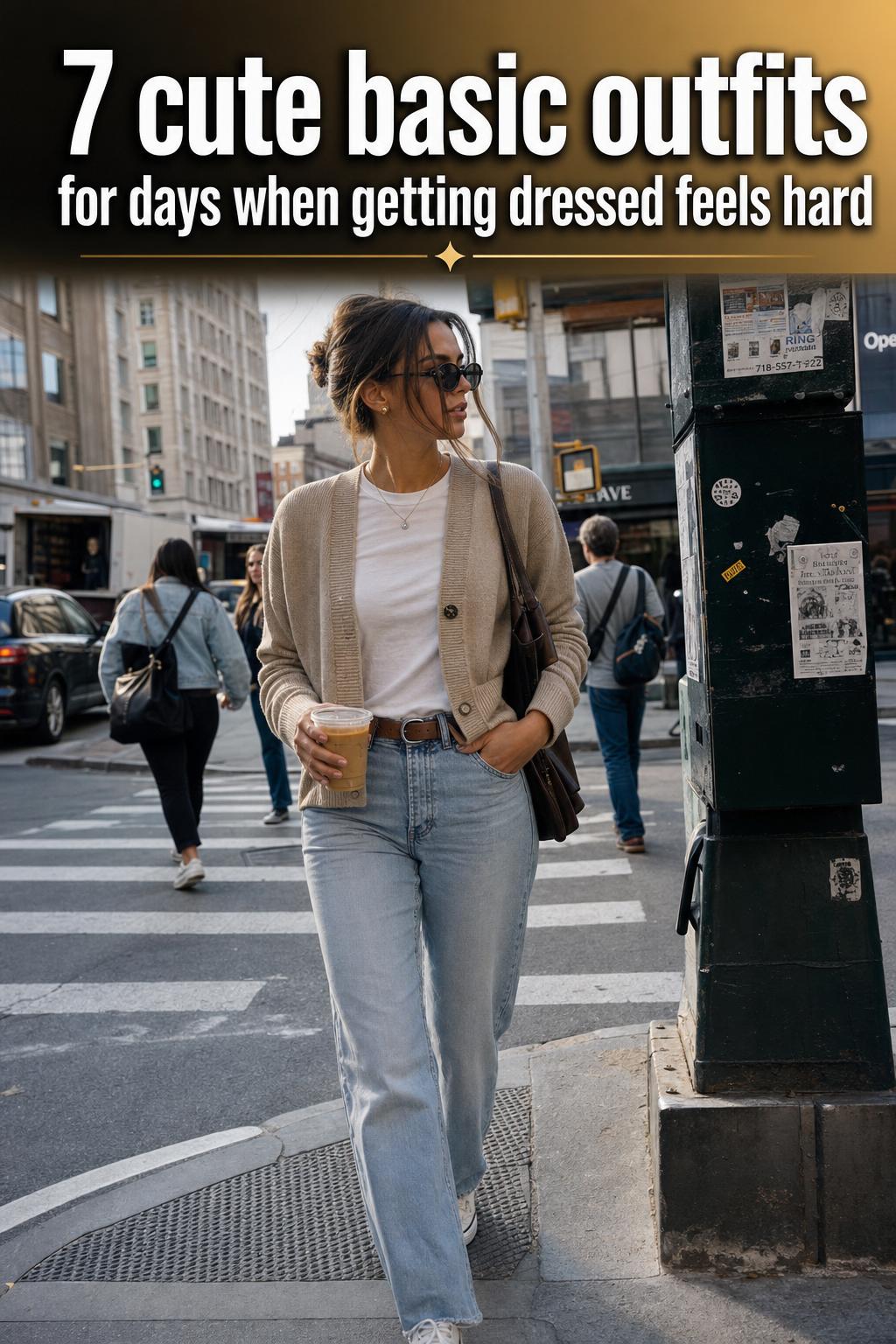
One of the easiest outfit formulas for everyday wear is a tee, denim, and a layering piece with enough structure to frame the look. This combination appears repeatedly for good reason. It is comfortable, familiar, and adaptable across spring, school, errands, and weekends. The styling challenge is making it feel intentional instead of default.
Start with a white tee or fitted tank and pair it with straight-leg jeans. Add a cardigan if you want softness or a blazer if you want cleaner lines. Finish with sneakers for movement and ease. The key here is proportion play: if the jeans have volume, keep the top closer to the body; if the top is looser, choose denim with a more defined shape. This keeps the outfit from feeling bulky or visually unfocused.
Why this outfit works
The tee keeps the look accessible, the denim grounds it, and the outer layer creates the elevated effect. This is also one of the most realistic simple outfits for everyday wear because each piece can be removed or adjusted through the day. In a U.S. spring climate, that flexibility matters.
Best shoe pairing
Basic sneakers are the most practical option because they support walking, commuting, and long hours on your feet. If you need a sharper finish, ankle boots can replace sneakers, but the rest of the outfit should stay streamlined so the footwear does not make the look feel too heavy.
Easy ways to recreate the look
- Swap the blazer for a denim jacket on weekends.
- Use a ribbed tank instead of a tee for warmer afternoons.
- Add a belt and structured bag if the outfit feels too plain.
- Choose lighter knits for spring basics and heavier cardigans for fall.
Lightweight styling for unpredictable weather
Spring dressing sounds easy until the day starts cool, turns warm at noon, and ends windy. Cute casual outfits for spring work best when they are built around removable, low-bulk layers. That means avoiding overly thick fabrics that trap heat early in the day and avoiding fragile outfit combinations that only work at one exact temperature.
A strong formula here is a simple dress with a cardigan or lightweight jacket and sneakers. The dress gives the outfit a complete visual line, which prevents layering from looking random. The cardigan adds softness and comfort, while a denim jacket brings more shape and casual structure. If the dress is flowy, a shorter outer layer keeps the silhouette balanced. If the dress is more fitted, a slightly longer cardigan can work without overwhelming the frame.
Fabric insight
Basic outfits become more practical when fabrics support temperature shifts. Cotton and jersey-style dresses are useful because they layer well and remain comfortable through movement. Linen blends can also create a lighter spring feel, especially when the overall palette stays soft and neutral.
Transitional weather tip
Keep the base layer visually complete on its own. That way, if the cardigan or jacket comes off indoors, the outfit still feels intentional. This is one of the most reliable strategies for spring basics and college outfits alike.
Comfortable city outfits with structure
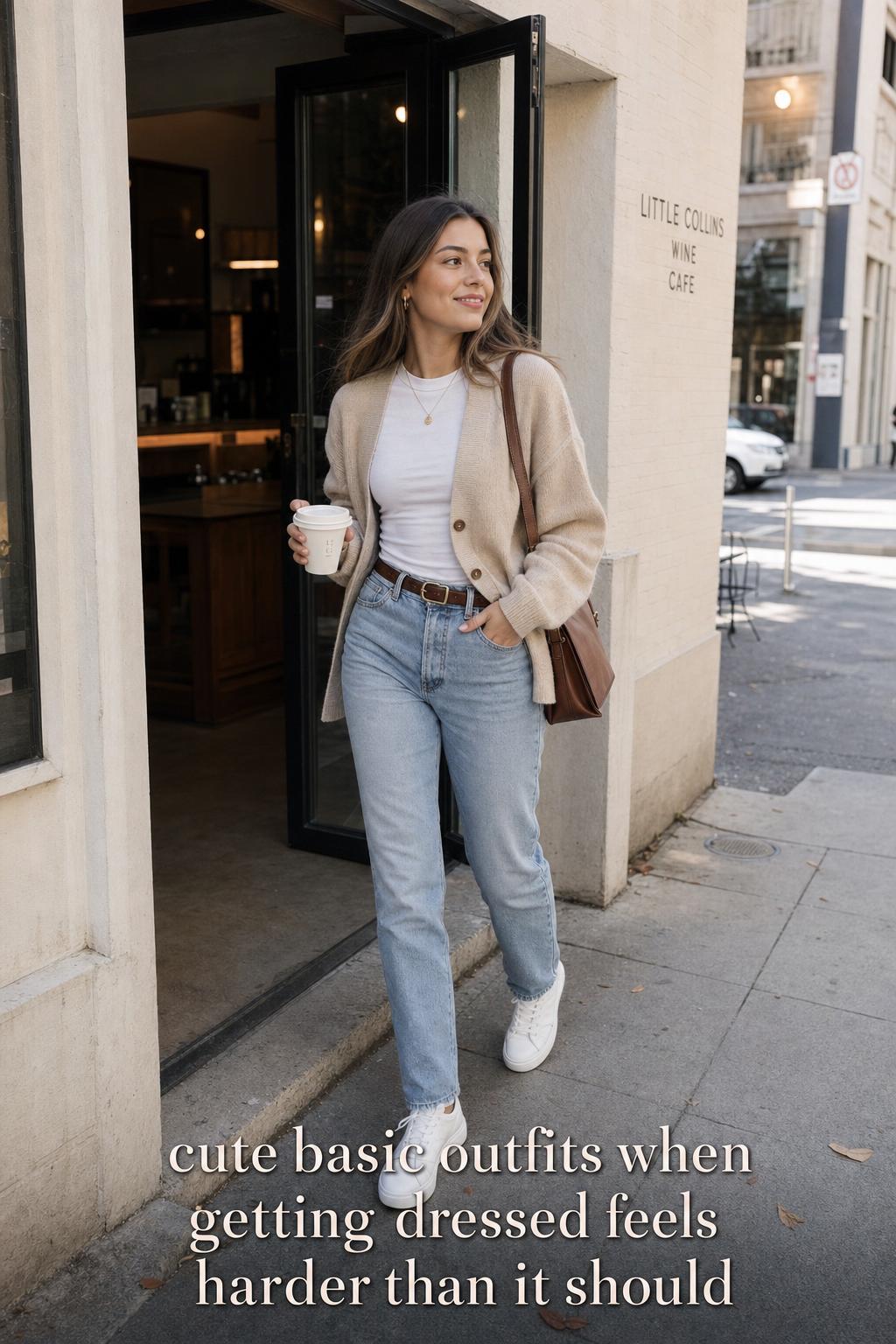
Some days call for more polish without requiring formal workwear. This is where trousers, blouses, and blazers become especially effective. They preserve the simplicity of basics while introducing a more refined line. The goal is not to make the outfit corporate. The goal is to create a calm, composed silhouette that can move through meetings, lunch, errands, or a casual office environment.
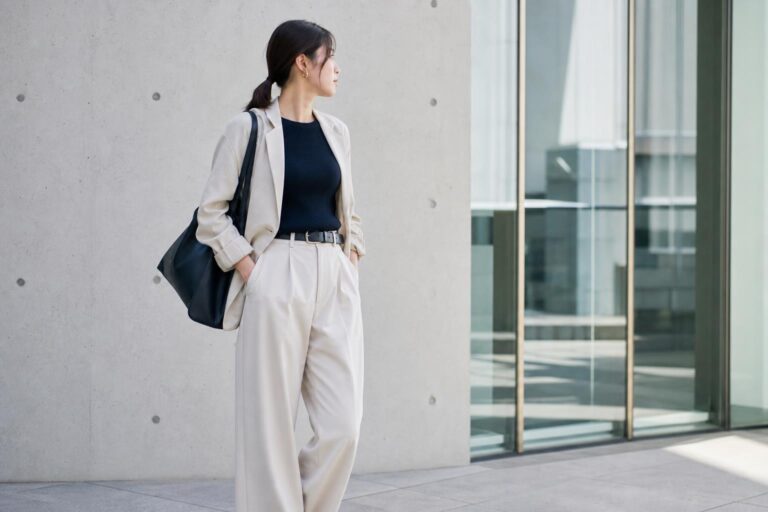
Try wide-leg pants or streamlined trousers with a tucked-in tee, simple blouse, or ribbed knit top. Add a blazer and a clean bag. This combination works because the trousers create length, the tucked or semi-tucked top defines the waist area, and the blazer acts as the visual frame. If the blazer is removed, the outfit still functions. That is an important sign of a well-built basic outfit.
Most versatile piece
The blazer does the most styling work here. It instantly elevates a tee-and-pants combination, but it also pairs with skirts, denim, and dresses. In a capsule wardrobe, that level of crossover makes it one of the most valuable layering pieces.
Common comfort mistake
Choosing a stiff blazer with equally stiff trousers can make the outfit feel restrictive. Better results often come from mixing one structured piece with one softer element, such as a jersey tee, lightweight knit, or relaxed pant fabric.
Soft layering without added bulk
Many simple outfits fail because of over-layering. Too many pieces stacked together can make basics look heavy and can also make the day physically uncomfortable. Soft layering is about using fewer, smarter pieces that still create depth.
A useful formula is a ribbed tank or fitted tee, a cardigan, and a skirt or jeans. The fitted base keeps the outfit clean underneath the knit. The cardigan creates texture and warmth without forcing a bulky shape. A skirt can make the outfit feel lighter and more feminine, while jeans add everyday practicality. This is one of the easiest ways to build cute outfits from pieces that already exist in many closets.
How to make the outfit feel more elevated
Use accessories with purpose rather than volume. A belt can sharpen the silhouette, a bag can introduce structure, and simple jewelry can bring polish without making the outfit feel overdressed. This is often enough to move the look from casual to quietly refined.
Denim-based formulas that never feel lazy
Denim and a tee may be the most repeated formula in basic outfits, but it does not have to feel repetitive. The key is changing the supporting elements around that pairing. A white tee with blue jeans can look minimal, sporty, polished, or softly feminine depending on the third and fourth pieces added to it.
For a minimal direction, keep the palette neutral and add a blazer, sneakers, and a clean bag. For a softer casual chic effect, replace the blazer with a cardigan and switch to a skirt-friendly accessory language such as a belt or understated jewelry. For a more current spring outfit, add a lightweight jacket and let texture do the work through denim, jersey, and knit contrast.
Tips for making denim look intentional
- Choose a jean shape that supports the top rather than competes with it.
- If the denim is wide or relaxed, keep the upper half cleaner.
- Use one accessory as a visual anchor instead of adding many small distractions.
- Keep hemlines and shoe choice aligned so the outfit looks finished.
This is also where quiet luxury styling often enters the conversation. The effect is less about labels and more about restraint. Clean lines, useful fabrics, and a simple palette can make the most ordinary staples look more expensive and more composed.
Easy one-piece outfits that solve rushed mornings
When time is limited, dresses and jumpsuits become some of the best tools in a basic wardrobe. They reduce decision fatigue and create an instant outfit line, which is why they show up so often in easy outfit ideas using basics. The advantage is not just speed. It is also visual cohesion.
A midi dress with sneakers is one of the most dependable cute basic outfits because it balances ease with polish. The sneakers keep the look grounded and functional for movement, while the dress creates a more complete silhouette than separates often do. Add a cardigan for softness, a denim jacket for casual structure, or ankle boots when you want slightly more edge.
When this works best
This formula is especially useful for college outfits, weekend wear, lunch plans, and transitional weather. It is also helpful when you want to feel put-together without spending time perfecting layers. The only caveat is balance: heavier boots or coats can overpower an otherwise light dress if the textures are not aligned.
School and college basics that balance comfort with style
School outfits and college capsule wardrobes ask a lot from basics. They need to be comfortable for long days, appropriate in a shared environment, practical for walking or sitting through classes, and still cute enough to feel expressive. This is exactly where wardrobe staples perform best, because they can be mixed repeatedly without looking identical every time.
A hoodie with jeans or a skirt can work, but the rest of the outfit needs some structure so it does not feel too informal. A cardigan over a tank and straight-leg jeans often creates a better classroom balance because it feels relaxed yet composed. Tees, skirts, hoodies, cardigans, and sneakers all belong in this conversation, but they work best when the silhouette remains clear and not oversized in every direction at once.
Practical campus styling notes
- Choose layers that can be removed easily between indoor and outdoor spaces.
- Keep bags functional enough for daily essentials so the outfit supports real life.
- Use sneakers when the day includes walking across campus or standing for long periods.
- Rely on a small capsule of tees, jeans, skirts, cardigans, and one jacket for easy mix-and-match dressing.
For students, repeat wear is not a failure of creativity. It is often the smartest path to effortless style. The outfit looks fresher when proportions shift slightly from day to day than when every look depends on completely new pieces.
Capsule wardrobe thinking makes basics look better
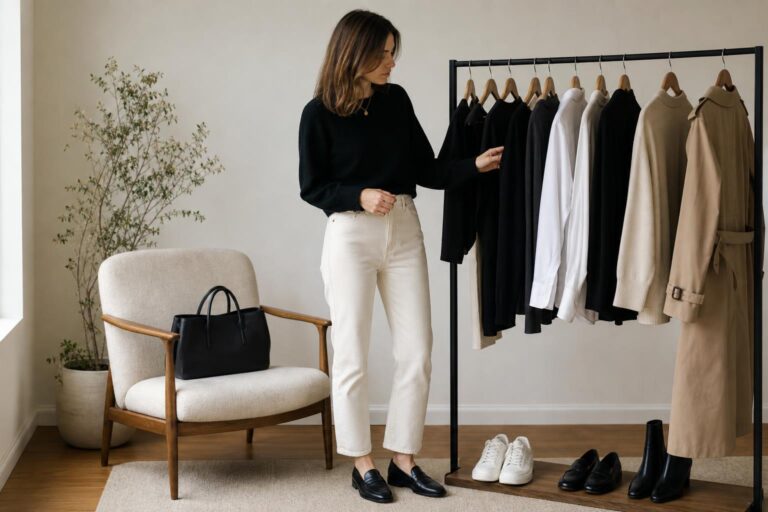
The capsule wardrobe concept appears so often in discussions of cute basic outfits because it solves the exact problem basics are meant to address: too many options, not enough cohesion. A capsule is not about limiting style. It is about making sure your tees, denim, skirts, dresses, blazers, hoodies, cardigans, and jackets can speak to each other.
When the core pieces share a compatible palette and silhouette language, outfit building becomes faster and more consistent. Your white tee works with jeans, trousers, and skirts. Your blazer layers over dresses and knits. Your sneakers support denim, dresses, and casual trousers. That interconnectedness is what creates effortless chic rather than random assembly.
A practical starter framework
- Everyday tops: white tee, fitted tank, simple blouse, knit
- Bottoms: jeans, trousers, skirt
- One-pieces: dress or jumpsuit
- Layers: cardigan, blazer, denim jacket, hoodie or coat depending on season
- Shoes: sneakers plus one dressier option such as ankle boots
- Accessories: belt, bag, simple jewelry, scarf when needed
This kind of structure also makes wardrobe audits easier. If a piece does not pair naturally with multiple staples, it may be less useful than it first appears. Practical style often comes from editing, not adding.
How accessories change the entire outfit composition
Accessories are often described as finishing touches, but in basic outfits they do more than finish. They direct the mood. Because the clothing itself is simple, belts, bags, scarves, jewelry, and even the choice of shoe become especially visible. They can sharpen, soften, modernize, or casualize an outfit within seconds.
A belt can define shape in a dress or anchor a tee-and-jeans combination. A structured bag can make a relaxed outfit feel more deliberate. Scarves add seasonal layering without requiring heavy outerwear. Jewelry works best when it supports the outfit composition rather than competing with it. In simple outfits, over-accessorizing often creates tension instead of polish.
Quick styling adjustment
If a basic outfit feels unfinished, change only one accessory category first. Add a belt, swap the bag, or adjust the shoes before layering on more clothing. Often the issue is not the outfit itself, but the lack of a visual anchor.
Common styling traps that make basics feel less cute
Even good staples can produce weak outfits when the styling logic is off. The goal is not perfection, but awareness. Once you know the usual traps, simple outfits become much easier to correct.
Over-layering without purpose
Adding a cardigan, jacket, scarf, and oversized bag to one basic outfit can quickly create visual heaviness. Better styling usually comes from one main layer and one or two intentional accessories.
Ignoring silhouette balance
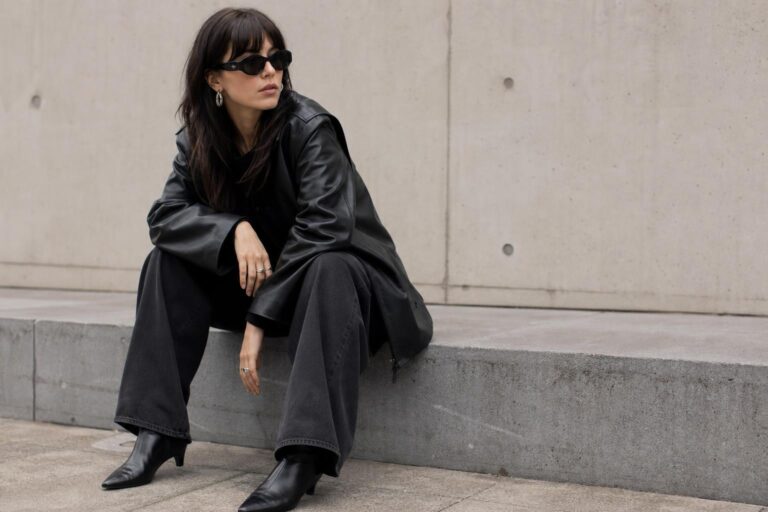
When every piece is loose, the look can lose shape. When every piece is tight, the outfit can feel rigid. Most wearable casual chic outfits rely on contrast between relaxed and defined elements.
Choosing shoes that fight the outfit
Shoes affect proportion more than many people realize. Heavy boots can overwhelm light spring basics. Delicate shoes can look disconnected under heavier denim or outerwear. The best shoe pairing usually echoes the outfit’s visual weight.
Prioritizing novelty over versatility
If a piece only works with one exact outfit, it contributes less to a strong basics wardrobe. Cute basic outfits become easier when the closet is full of cooperative pieces, not isolated statements.
Adapting basic outfits to your routine instead of forcing one formula
The most useful style advice is flexible. A look that works for school may need more comfort and easy layering. A weekend outfit can lean softer and more relaxed. A workwear-adjacent day may need cleaner structure through trousers, a blazer, or a button-down. Cute outfits are not one formula repeated blindly; they are variations built from the same reliable components.
This is also where body type and personal comfort matter. Different readers will prefer different levels of shape, drape, and layering. A fitted tank under a cardigan may feel cleaner for one person, while another may prefer a button-down over a tee for more coverage and structure. The principle stays the same: create balance, preserve movement, and let the outfit support your day.
Budget matters too. Recreating simple outfit ideas does not require buying an entirely new wardrobe. Start by identifying the staples already in heavy rotation—tees, jeans, a dress, sneakers, a cardigan, a blazer—and then adjust styling through proportion, layering, and accessories. That is often enough to make a closet feel more functional and more current.
Tips for building better cute basic outfits from what you already own
Improving basic outfits is usually a matter of editing and pairing rather than replacing everything. Small, strategic shifts create the biggest difference.
- Start with one anchor piece, such as jeans, trousers, or a dress, then build around it.
- Keep your base layer simple enough to stand alone if the weather changes.
- Use cardigans and blazers differently: cardigans soften, blazers sharpen.
- Repeat a neutral palette when you want the outfit to feel calmer and more elevated.
- Let one accessory carry the visual interest instead of adding many competing details.
- Rotate shoe options based on activity, not just appearance.
- Audit your wardrobe by checking which staples pair with at least three other pieces.
Fashion insiders and editors often make basics look better not because they wear radically different clothes, but because their outfit composition is more deliberate. They understand that richer fabrics, better layering, and unexpected accessories can completely change how common staples read.
FAQ
What are cute basic outfits?
Cute basic outfits are everyday looks built from wardrobe staples like tees, jeans, skirts, dresses, cardigans, blazers, and sneakers, styled in a way that feels polished, balanced, and wearable rather than plain or rushed.
How do I make a basic outfit look more elevated?
The easiest way is to improve the outfit composition: add one structured layer such as a blazer or denim jacket, balance the silhouette, keep the color palette cohesive, and use one or two purposeful accessories like a belt or bag to create a stronger visual anchor.
What are the best wardrobe staples for simple outfits?
The most versatile staples include a white tee, fitted tank, jeans, trousers, a skirt, a simple dress, a cardigan, a blazer, a lightweight jacket, sneakers, and ankle boots, because these pieces mix easily across work, school, weekends, and seasonal transitions.
Are cute basic outfits good for school or college?
Yes, because they prioritize comfort, repeat wear, and easy layering while still looking put-together. Tees, jeans, skirts, cardigans, hoodies, dresses, and sneakers are especially useful for school and college when combined with clear proportions and practical layers.
How can I dress in basics for spring weather?
Build spring basics around removable layers and complete base outfits. A dress with a cardigan and sneakers, or a tee with jeans and a lightweight jacket, works well because the outfit still looks intentional if a layer comes off as the temperature changes.
What shoes work best with basic outfits?
Basic sneakers are the most versatile option for everyday wear because they support comfort and movement, while ankle boots can add more structure when the rest of the outfit is simple and balanced. The best choice depends on the outfit’s visual weight and the demands of the day.
How do I avoid looking boring in a white tee and jeans?
Focus on the supporting details: choose a flattering jean shape, add a cardigan, blazer, or denim jacket, keep the fit intentional, and use a belt, bag, or jewelry to give the outfit a finished point of view without overcomplicating it.
What is the benefit of a capsule wardrobe for basic outfits?
A capsule wardrobe makes outfit building easier because the core pieces are selected to work together. That means less decision fatigue, more repeatable combinations, and a closet where tees, denim, dresses, layers, and shoes can be mixed into multiple cute outfits with minimal effort.
Can basic outfits work for both weekends and casual workwear?
Yes, as long as you adjust the structure. The same tee and trousers can feel weekend-ready with sneakers and a cardigan, or more polished for casual workwear with a blazer, cleaner accessories, and a more refined silhouette.
Do I need to buy new clothes to create better basic outfits?
No. Most people can improve their basic outfits by reassessing the staples they already own, focusing on proportion, layering, and accessories, and building more intentional combinations from tees, denim, dresses, skirts, jackets, and shoes already in rotation.