Old Money Spring Outfits for a Seasonal Wardrobe
Some spring wardrobes signal ease; others signal discipline. old money spring outfits sit in a very specific space between the two. They are not loud, not trend-hungry, and not dependent on a single statement item. The effect comes from control: a measured silhouette, a calm palette, fabrics that feel seasonal without looking fragile, and accessories that support the outfit instead of competing with it.
That is also why this aesthetic is often confused with quiet luxury, Parisian chic, classic preppy dressing, and even modern minimalism. They overlap in surface details, but the visual intention is different. Quiet luxury leans on understatement as a status language. Parisian-inspired dressing often feels more relaxed and intuitive. Old money styling, especially in spring, has a slightly more inherited quality. It looks established rather than curated for attention.
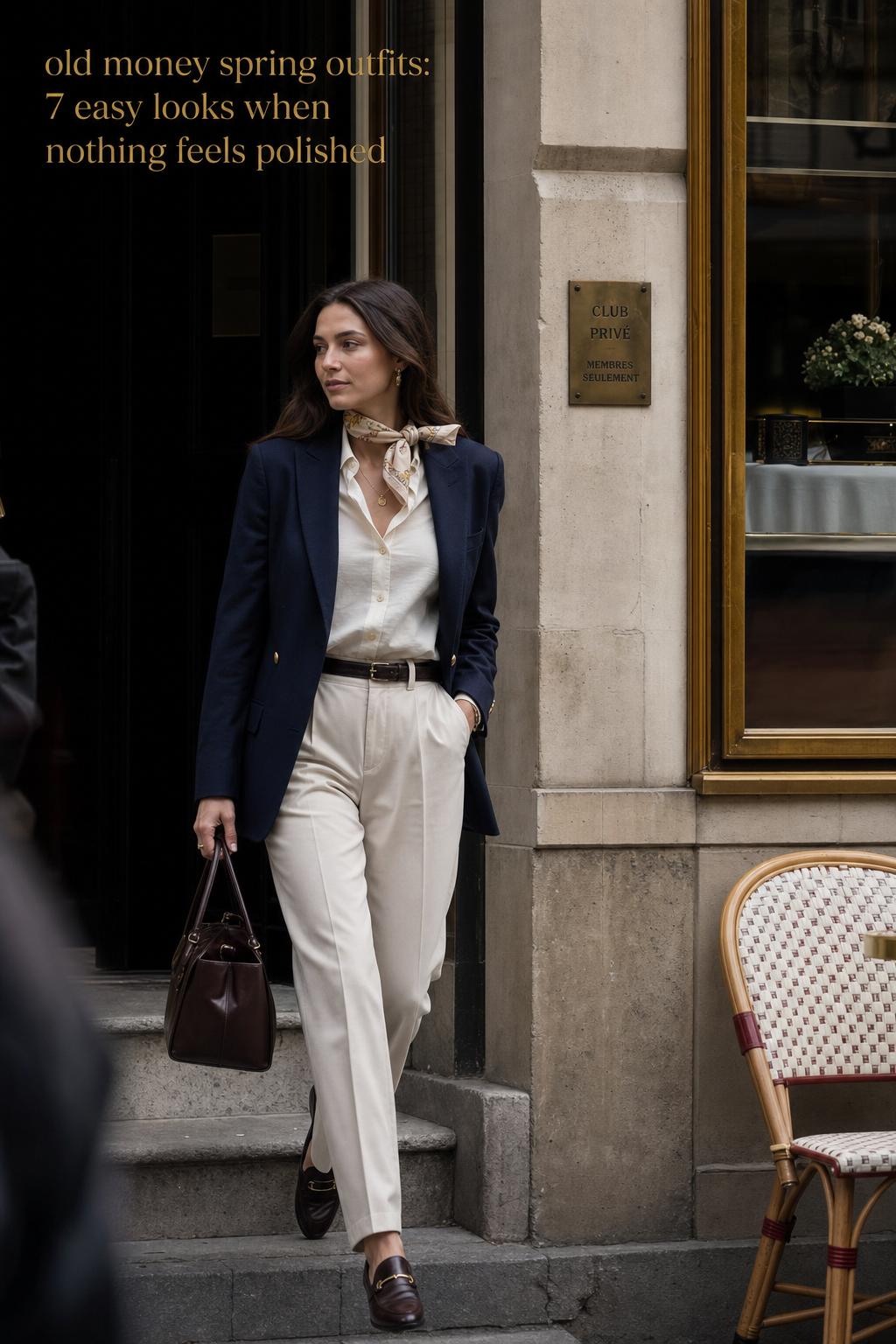
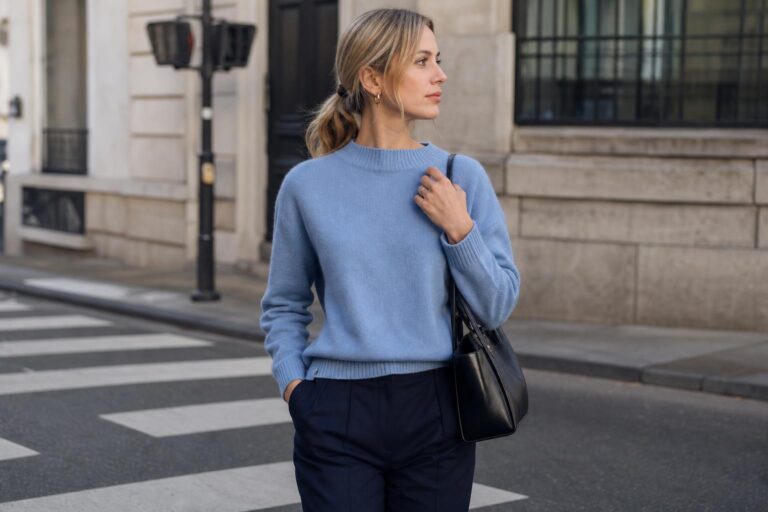
The appeal is obvious in a season built on transition. Spring asks for layers, but not winter heaviness. It rewards polished practicality: a trench over a knit, loafers with tailored trousers, a navy midi dress that looks composed from morning through dinner. The old money version of spring style understands this balance instinctively.
What makes the topic worth examining is not simply how to dress in the aesthetic, but why the outfits read the way they do. The difference between looking timeless and looking costume-like is almost always in proportion, restraint, and fabric behavior. That is where old money dressing becomes less about imitation and more about wardrobe intelligence.
Found the dress? Keep the rest in one place.
Zarellea brings guest details, vendors, timelines, and every next step together — so your wedding plan feels as good as your look.
The controlled elegance of old money styling in spring
Old money style in spring is built around visual stability. Even when the weather shifts, the outfit does not appear reactive. A tailored blazer over a simple shirt and tailored trousers looks intentional because the structure is doing most of the work. The same is true of a cardigan over a dress or a trench with loafers. These are not random combinations. They are outfit formulas designed to communicate consistency, discretion, and ease without visible effort.
The emotional mood is important. This aesthetic does not chase novelty. It suggests routine, polished habits, and a wardrobe made of pieces that return every year: creams, navies, camel, ivory, soft taupe, and occasional sage. In visual terms, the palette creates calm. In practical terms, it creates repeatability. A wardrobe anchored in these tones lets layering feel seamless instead of busy.
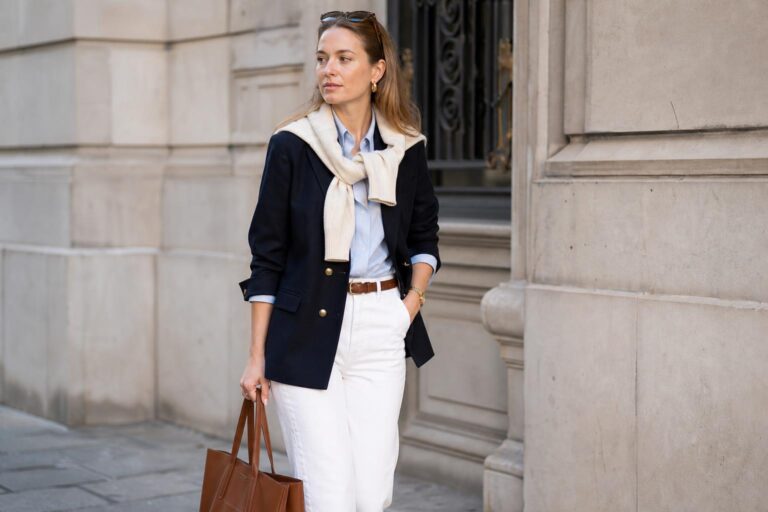
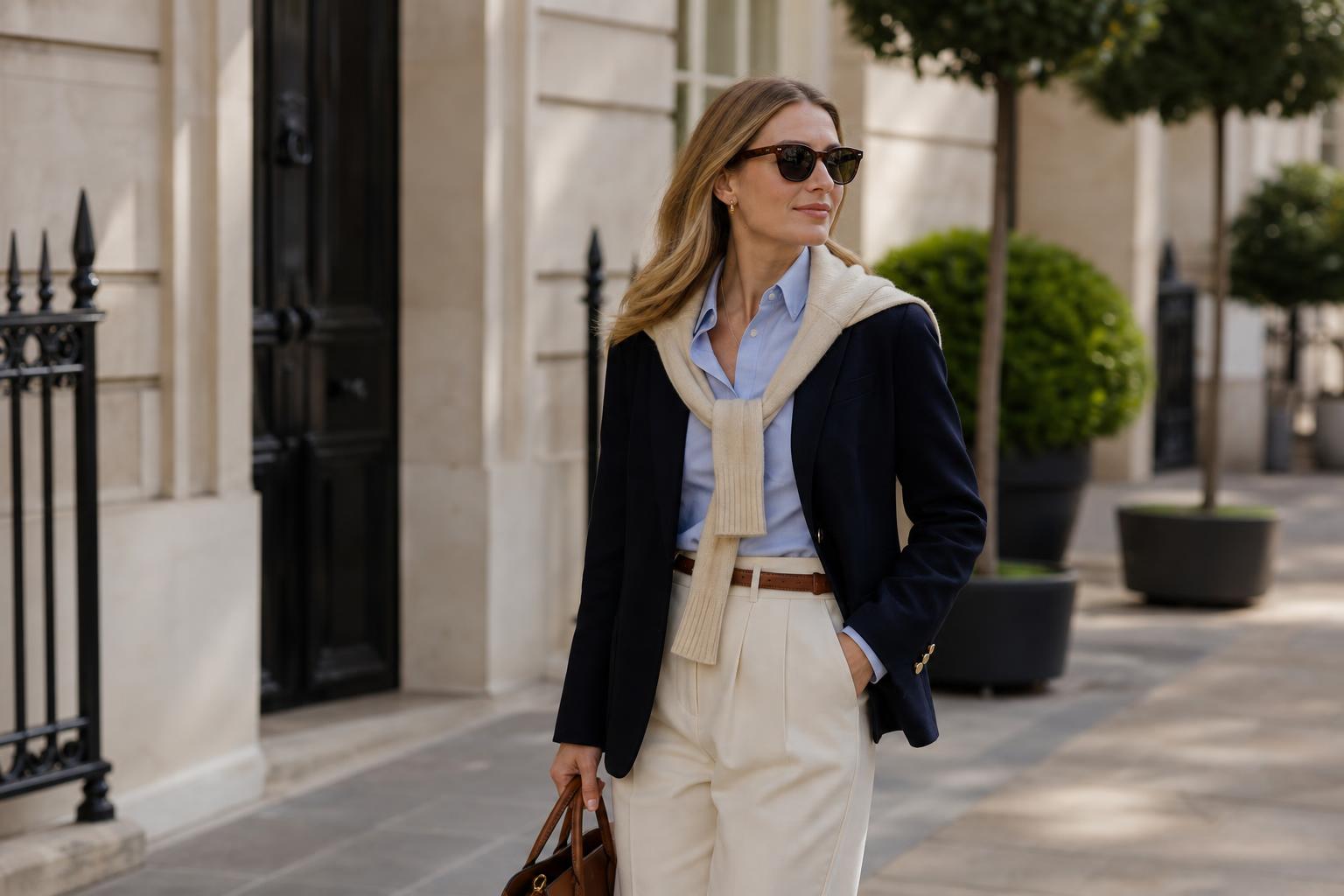
Quiet luxury often sits close to this world, and in many spring outfits the two are nearly inseparable. The distinction is subtle. Quiet luxury tends to emphasize refined understatement across modern luxury dressing. Old money styling adds heritage cues: Ivy League prep, equestrian references, nautical undertones, and club-adjacent polish. That is why a navy blazer, loafers, and a crisp button-down can read more old money than a sleek monochrome look in the same price range.
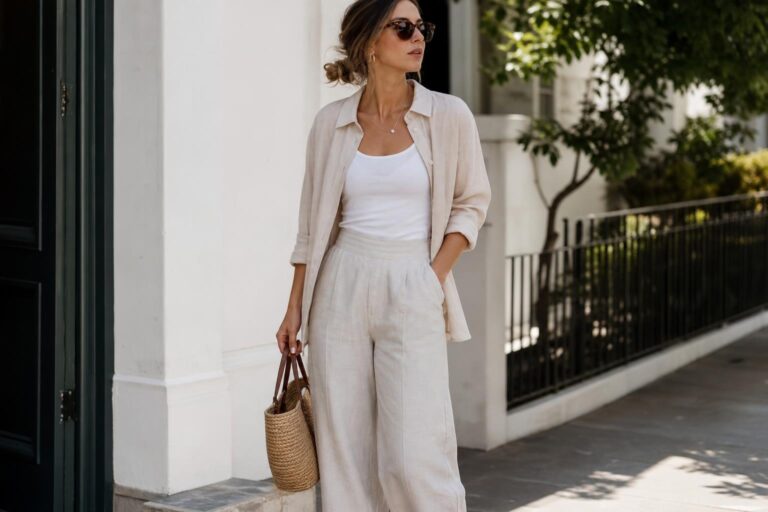
Spring also softens the aesthetic. In colder months, old money dressing can skew heavy through tweed, wool coats, and darker layers. In spring, the same language is translated through linen, cotton, light wool, cashmere blends, silk blouses, and lighter trench coats. The silhouette stays composed, but the texture becomes more breathable and the movement more fluid.
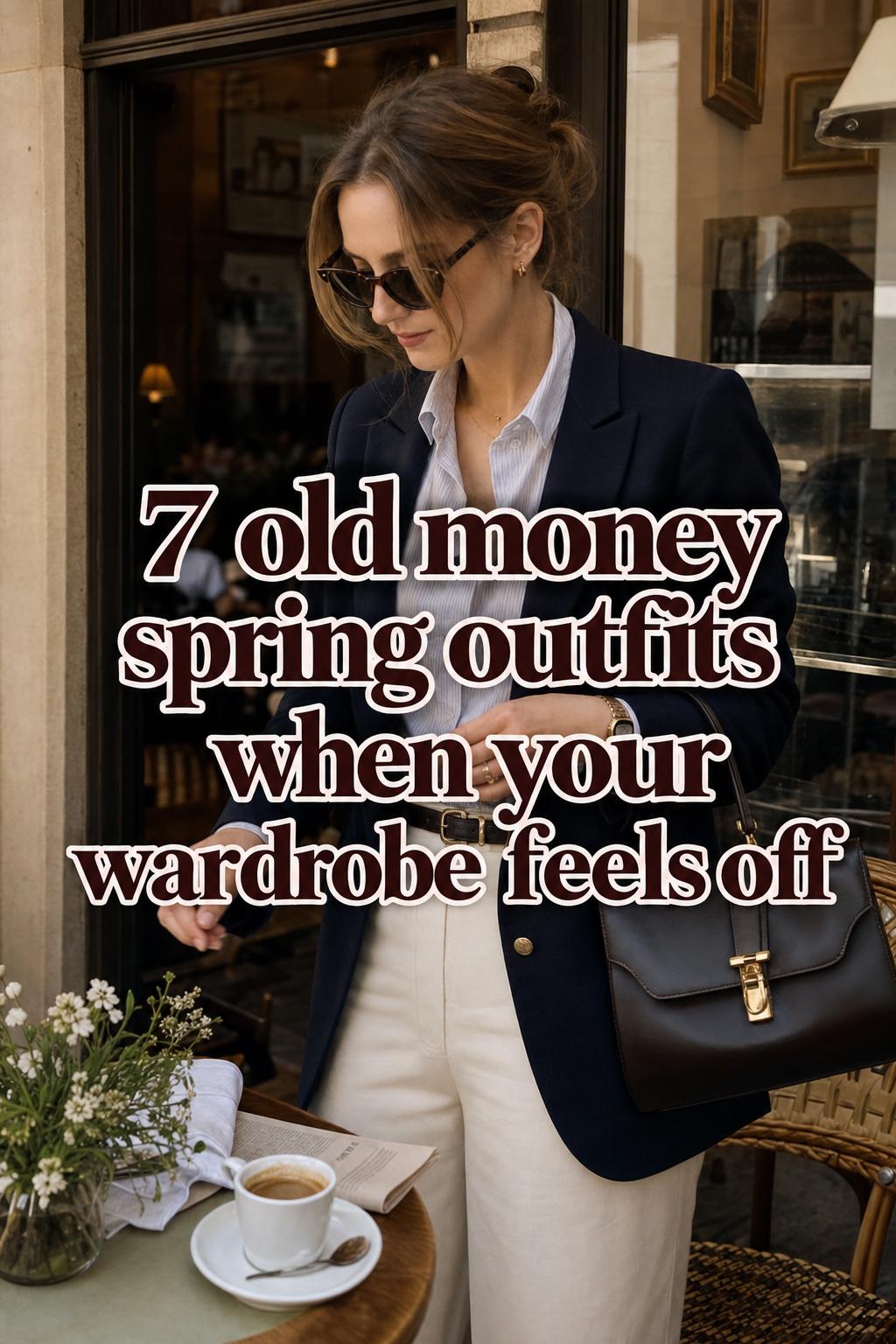
Why it gets confused with quiet luxury, Parisian chic, and preppy fashion
These aesthetics share several visual anchors, which is why they blur together online. All of them favor clean lines, low-logo dressing, and restraint in accessories. A cream cardigan, loafers, and a structured leather handbag could easily belong to a quiet luxury outfit, a Parisian-inspired look, or an old money spring wardrobe. The difference shows up in the outfit composition.
Parisian chic usually introduces a touch more nonchalance. The shirt may be slightly looser, the styling a little undone, the contrast more instinctive than formal. Old money styling keeps more control in the silhouette. The shirt is cleaner, the trouser line more precise, the layering more symmetrical. It is less about accidental elegance and more about managed refinement.
Preppy fashion is another close relative, especially through Ivy League heritage. But not every preppy spring outfit reads old money. Bright collegiate references or overtly playful styling can pull the look away from understated luxury. Old money dressing uses prep selectively: a navy blazer, a striped shirt, loafers, or a trench. The mood remains polished, not youthful or novelty-driven.
Quiet luxury overlaps most directly because both aesthetics reject obvious branding. A look inspired by Chanel or Burberry cues may rely on classic tailoring and expensive-looking restraint rather than visible logos. In old money styling, those cues feel woven into a broader lifestyle image: country club neatness, heritage dressing, and a wardrobe that seems accumulated rather than recently purchased.
The key visual difference
If quiet luxury is modern understatement, old money spring dressing is inherited understatement. The first can feel sleek and contemporary; the second feels rooted, preppy, and culturally familiar. That distinction matters when choosing between a sharp minimalist trouser outfit and one softened by a trench, loafers, and a silk scarf.
The spring capsule that makes the aesthetic believable
The reason some old money-inspired outfits look convincing while others feel costume-like is simple: the strongest versions rely on a capsule wardrobe, not isolated hero pieces. A wardrobe of repeatable staples gives the aesthetic credibility because the same blazer can move across multiple settings, and the same loafers can ground dresses, skirts, or trousers without looking overstyled.
Spring is the ideal season for this approach because it depends on layering and interchangeability. The best pieces are not dramatic. They are visually dependable. A trench coat gives movement and light structure. A cardigan softens a dress without interrupting the line. Tailored trousers create proportion and visual order. A midi dress provides one-step elegance when the weather is mild but unpredictable.
- Tailored blazer in navy, cream, or camel
- Tailored trousers with a clean line and easy drape
- Button-down shirt or simple shirt for layering
- Knit vest or cardigan for transitional weather
- Midi dress in a restrained solid tone
- Trench coat or camel coat for light outerwear
- Loafers or similarly refined flat footwear
- Leather handbag with minimal hardware
- Simple gold jewelry and a silk scarf
This wardrobe works because each piece has a role in silhouette balance. The blazer sharpens. The cardigan softens. The trench lengthens. The loafers stabilize. The trousers keep the line elongated. Even accessories behave in service of the outfit rather than as separate statements.
Most versatile pieces
If you are building this wardrobe selectively, start with a navy blazer, tailored trousers, loafers, and a trench coat. These four items create the broadest range of old money spring outfits because they handle temperature shifts, casual daytime dressing, and more polished situations with minimal adjustment.
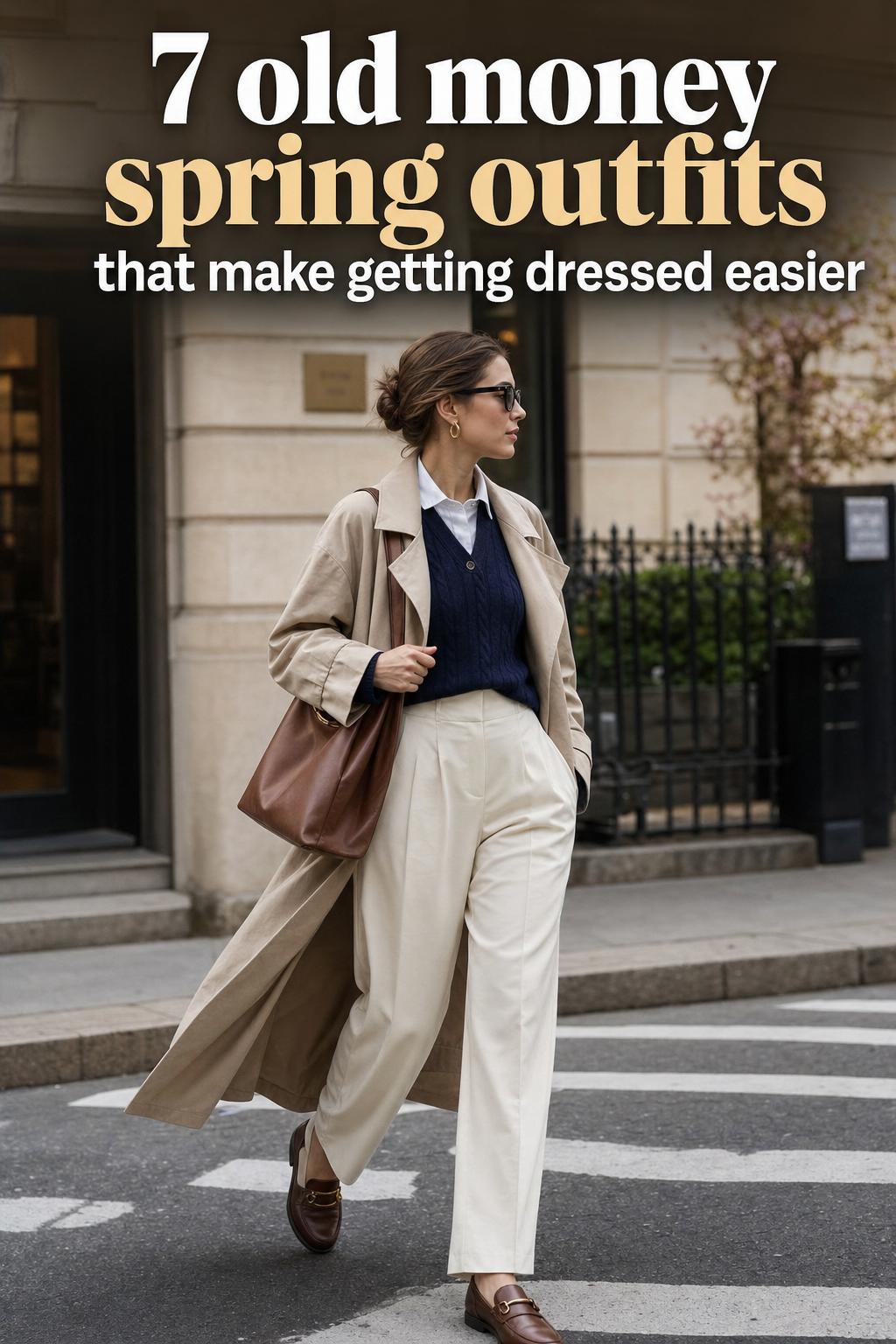
How old money spring outfits handle silhouette and proportion
What gives this aesthetic its polished effect is not merely the item list but the proportion play. Old money dressing prefers controlled lines over extremes. Trousers are tailored rather than skin-tight. Dresses often fall at midi length because the line feels composed and mature. Blazers frame the shoulders but rarely appear aggressively oversized. The silhouette should feel settled.
This is where wearability enters the conversation. A spring outfit that looks elegant in a still image can fail in real life if the layering is stiff or the proportions are too theatrical. The old money approach tends to avoid that problem by favoring garments that move cleanly. A linen skirt, a silk blouse, and loafers create softness without losing shape. A knit vest over a shirt adds dimension while preserving order.
For body types and fit, the aesthetic rewards tailoring. Alterations matter because the look relies on precision, not decoration. Even a simple pair of trousers can shift the entire outfit if the hem is right and the waist sits cleanly. The same applies to blazers and trench coats. Fit is what makes a restrained outfit feel expensive, regardless of whether it was bought new, secondhand, or through consignment.
Tip: use one structured piece as the visual anchor
In practical styling terms, every strong old money spring look needs one item that organizes the silhouette. Usually that is a blazer, trench, tailored trouser, or coat. Once that anchor is set, softer elements like cashmere, linen, or silk can create depth without making the outfit feel vague.
Fabrics that carry the aesthetic through changing weather
Fabric is one of the clearest differences between an outfit that looks visually expensive and one that feels flat. Spring old money dressing depends heavily on fabric behavior because the season itself is transitional. You need materials that layer without bulk and hold a neat shape through fluctuating temperatures.
Linen is central because it introduces ease while still reading refined when cut well. Cotton keeps shirts and dresses crisp. Light wool and wool blends support blazers and trousers when mornings are cool. Cashmere and cashmere blends add softness and status without visual heaviness. Tweed belongs more selectively in spring, usually in lighter-weight jackets or heritage-inspired pieces rather than dense winter versions.
Silk blouses and silk scarves serve a different purpose. They are not structural; they create polish through texture contrast. Against a navy blazer or trench coat, silk immediately sharpens the visual language of the outfit. The same is true of a leather handbag with minimal hardware. Materials often communicate more than color in this aesthetic.
- Linen works best in dresses, skirts, and relaxed tailoring
- Cashmere is ideal for cardigans, lightweight sweaters, and shoulder layering
- Light wool supports trousers and blazers when structure is needed
- Cotton keeps button-downs and shirts crisp
- Silk adds polish in blouses and accessories
- Tweed is strongest in moderation, especially in spring-weight jackets
Why texture contrast matters
A blazer with too much smoothness can look severe. A knit-only outfit can look soft but undefined. The old money formula often balances one structured texture with one soft texture. Think tailored trousers with cashmere, or a trench layered over a silk blouse. This creates dimension without relying on bright color or visible branding.
The seasonal palette and why it feels expensive
Color in old money spring dressing is less about trend and more about controlled harmony. Cream, ivory, navy, camel, taupe, and soft neutrals dominate because they are easy to layer and difficult to date. These shades create tonal continuity, which is one of the simplest ways to make an outfit look considered.
Navy deserves special attention because it anchors the aesthetic more effectively than black in many spring outfits. A navy midi dress, navy blazer, or navy knit introduces authority without the harshness that black can bring in daylight. Camel and cream soften the palette, while sage and pastel neutrals can appear in small doses to keep the outfit seasonal.
The reason this palette works psychologically is that it reduces visual noise. A look built around cream trousers, a striped or simple shirt, loafers, and a trench coat lets proportion and texture carry the styling. Nothing needs to shout. This is also why logos tend to disrupt the effect. Old money dressing depends on the eye noticing silhouette first.
Real-life outfit logic, not just inspiration images
The strongest old money spring outfits are easy to live in. They move from coffee to meetings to lunch to evening plans with only minor adjustments. This is one reason the aesthetic remains so attractive: it gives the impression of being prepared, even when the outfit itself is uncomplicated.
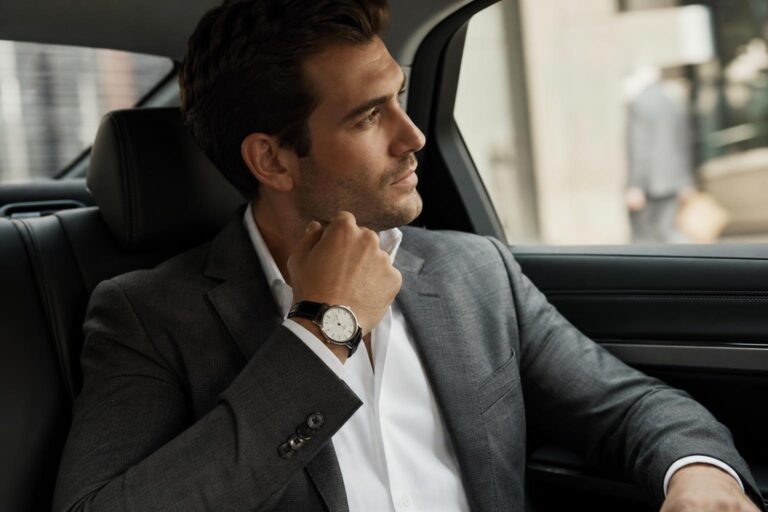
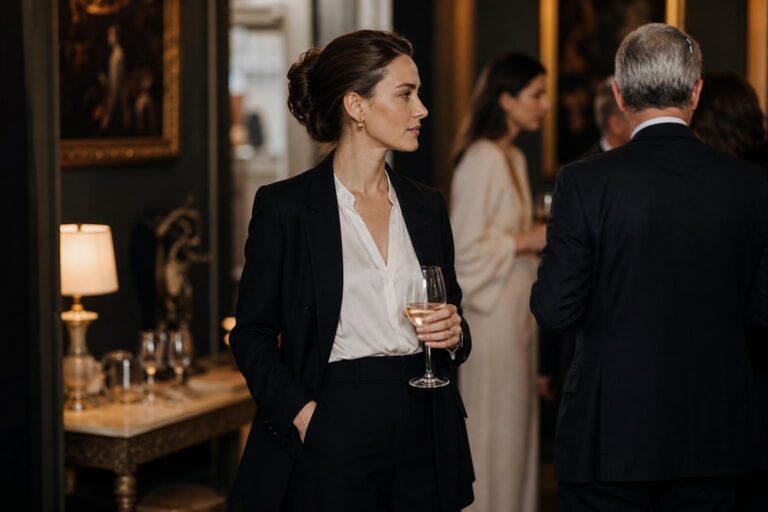
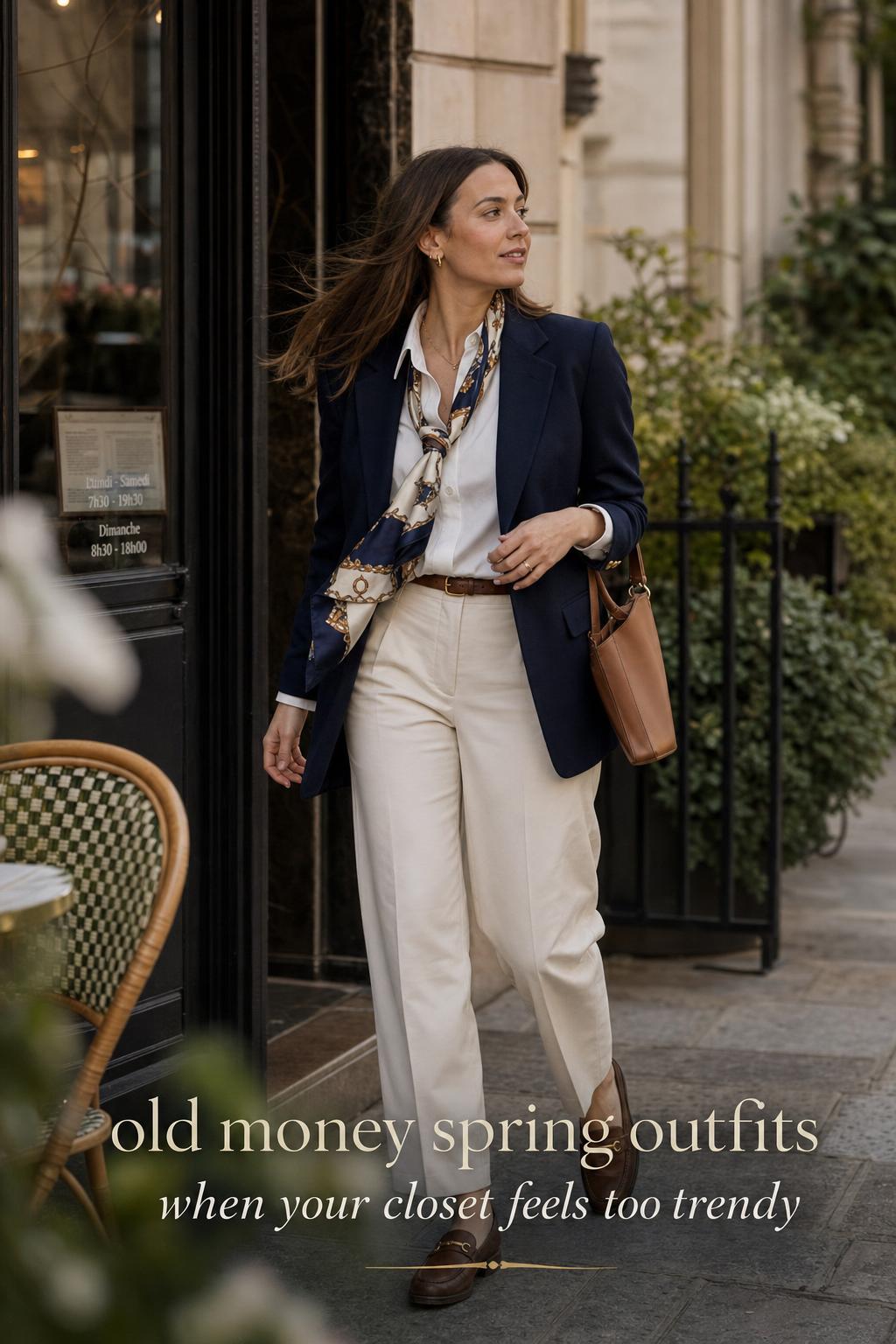
A workday version: blazer, shirt, tailored trousers, loafers
This combination succeeds because the silhouette is immediately legible. The blazer provides shape, the shirt keeps the neckline clean, and the tailored trousers extend the line without looking rigid. Loafers prevent the outfit from becoming too formal. In real life, this works across business casual environments, city movement, and changing spring temperatures. A leather tote or structured handbag completes the look without breaking the restraint.
An off-duty version: cardigan, midi dress, simple jewelry
This outfit reads softer but still unmistakably old money when the dress is clean-lined and the cardigan sits neatly over the shoulders or closes close to the body. The midi length is key because it gives movement while maintaining control. Add minimal gold jewelry and understated footwear, and the result feels polished rather than precious.
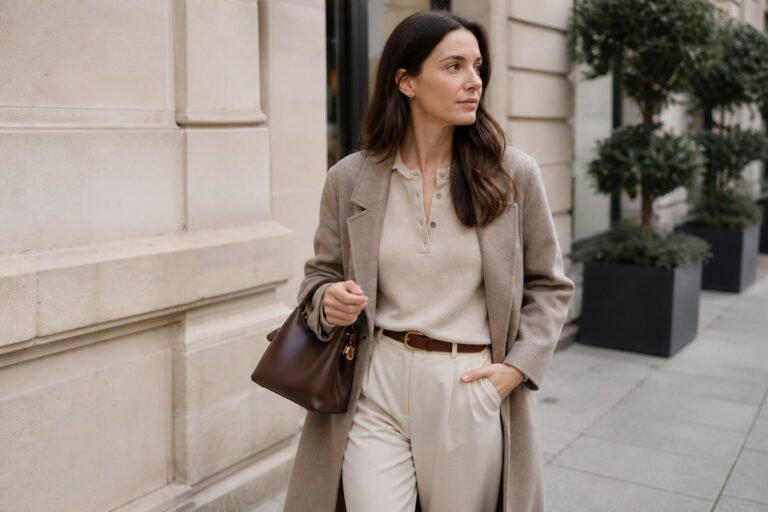
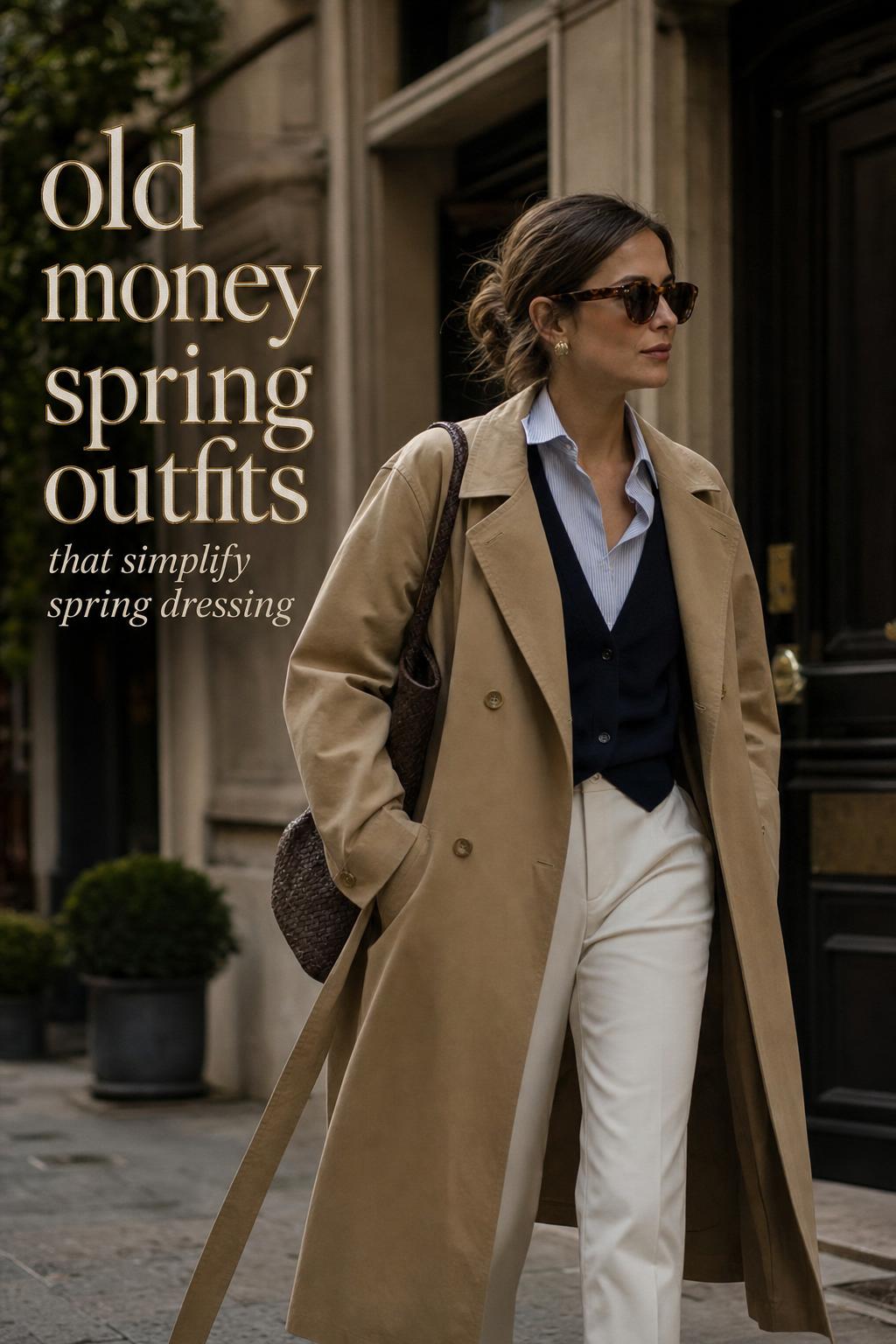
A transitional weather version: trench, knit vest, shirt, trousers
This is one of the most useful formulas because it handles spring instability so well. The shirt keeps the look crisp, the knit vest adds warmth and texture, and the trench creates outer structure without winter heaviness. The outfit looks intelligent because every layer has a function. It is not styling for styling’s sake.
A lunch or garden-party version: linen dress, blazer, loafers or flats
This is where the aesthetic intersects with seasonal ease. Linen introduces movement and breathability, while the blazer keeps the outfit from feeling too relaxed. The result is elegant without evening formality. A silk scarf or classic handbag can sharpen the look, but restraint is still the point. Too many accessories can quickly shift the mood away from inherited refinement and toward deliberate performance.
The role of accessories in making the outfit feel intentional
Accessories are rarely the headline in old money styling, but they often decide whether the outfit feels believable. The best choices are quiet visual finishers: a leather handbag, simple gold jewelry, a silk scarf, a classic tote, or understated loafers. Their purpose is to support the line of the outfit and reinforce the quality-over-logos mindset.
This is also where many attempts at the aesthetic go wrong. A strong blazer and trouser combination can lose its composure if paired with accessories that are too trend-dependent, too branded, or too decorative. The old money approach prefers items that look durable and familiar, not seasonal novelties.
Brand cues can matter here, but subtly. Ralph Lauren, Burberry, and Chanel are useful reference points because they embody recognizable heritage language tied to prep, trench-coat tradition, and polished classic dressing. Prada-style cues appear in some modern interpretations, especially through clean loafers and minimalist polish. Still, the effect should come from styling logic more than brand visibility.
Tip: keep accessories in the same visual register
If the outfit is based on a navy blazer and cream trousers, a structured leather bag and restrained jewelry maintain tonal discipline. Introducing multiple statement elements at once weakens the composition. The old money principle is consistency across finish, not quantity of detail.
US-focused shopping logic: heritage, budget, and resale
One of the biggest misunderstandings around this aesthetic is that it requires an unlimited budget. In practice, the look depends more on fabric, fit, and wardrobe discipline than constant spending. Shopping strategy matters. A thoughtful mix of retailers, selective luxury, and secondhand sourcing often creates a more convincing old money wardrobe than buying an entire trend-based haul at once.
For U.S. shoppers, department stores and curated luxury platforms provide different functions. Nordstrom and Bloomingdale’s are useful for comparing classic categories like blazers, trousers, loafers, and trench coats across price points. Net-a-Porter serves as a high-end visual benchmark for the aesthetic, especially when studying silhouette, styling, and brand language. For resale and consignment, TheRealReal and Poshmark align with the old money mindset because they support wardrobe building through vintage, secondhand, and authentication-aware shopping.
This matters because old money dressing often looks strongest when pieces do not appear freshly assembled from one source. A slightly older blazer, a well-kept leather bag, and carefully hemmed trousers can create more visual credibility than an all-new wardrobe that feels too coordinated. Consignment and resale also support the idea of accumulation, which sits naturally within this aesthetic.
- Use luxury retail sites as reference points for silhouette and styling direction
- Shop department stores for practical comparison across quality tiers
- Use resale platforms for classic bags, blazers, and heritage-style outerwear
- Prioritize tailoring over adding more pieces
- Build the wardrobe in categories, not impulse purchases
Budget reality
The easiest way to recreate the look affordably is to spend selectively on the items that determine structure: the blazer, coat, shoes, and bag. Softer supporting pieces like shirts, knitwear, and dresses can be more flexible, as long as the fabric and fit still hold up visually. This is one of the few aesthetics where restraint can actually save money, because the wardrobe works best when it stays edited.
Regional style cues: how the aesthetic shifts across the U.S.
Old money spring outfits are not completely uniform. The core language stays the same, but the mood can shift depending on regional style habits. This is where the aesthetic becomes more interesting and more wearable, because it can adapt without losing its identity.
In the Northeast, the look often leans most directly into prep and Ivy League heritage: navy blazers, button-downs, trench coats, loafers, and disciplined layering. There is a sharper edge to the silhouette, with more emphasis on structure and cool-weather practicality.
On the West Coast, the same old money vocabulary can soften into cleaner minimalism. The palette remains neutral, but linen, relaxed tailoring, and lighter layering create a more understated, effortless mood. In Southern and resort-influenced settings, nautical and preppy references may become more visible through dresses, lighter knits, and easy polished separates that handle warmth more naturally.
These differences matter because they prevent the aesthetic from becoming too rigid. A trench and cashmere may be perfect in one place, while a linen dress with a cardigan carries the same visual values more realistically elsewhere. The style works best when climate and lifestyle guide the exact formula.
Where fit, tailoring, and body type quietly change everything
Because the aesthetic is so restrained, fit becomes highly visible. There is very little distraction in an old money outfit, which means every hem, shoulder line, and waist placement matters more. This is not about chasing a single body ideal. It is about ensuring the garment supports the body clearly enough to keep the outfit composed.
For some, a straight tailored trouser creates the cleanest line; for others, a softer drape does more for balance. A blazer with too much volume can overpower a petite frame, while one that is too fitted can make the outfit feel dated rather than timeless. Midi dresses are often reliable because they create vertical continuity, but their exact hem point still affects proportion and movement.
Inclusive sizing matters here as much as any other wardrobe category. The aesthetic should not depend on exclusion or on forcing the body into a rigid template. It depends on choosing silhouettes that create visual harmony. Tailoring and alteration services are especially useful because a simple adjustment can turn a generic piece into one that feels polished and intentional.
Styling mistakes to avoid
- Overloading the outfit with logos or obvious status signals
- Choosing stiff fabrics that do not move well in spring
- Layering too many “classic” pieces at once until the look feels theatrical
- Ignoring hem length and shoulder fit
- Using bright accent colors that interrupt the calm palette
- Confusing expensive-looking with overly formal
Historical cues and why they still shape the mood
The cultural references behind old money dressing help explain why the aesthetic still feels recognizable even when the clothes themselves are simple. Ivy League prep contributes the navy blazer, button-down shirt, and collegiate polish. Equestrian influences add tailored discipline and a preference for practical refinement. Nautical references bring in stripes, crisp shirting, and clean outerwear. Club and yacht culture contribute the sense of leisure without informality.
These references matter because they create context. Without them, the outfit could just read as classic minimalism. With them, the look gains social and visual texture. It begins to suggest inherited codes rather than a generic neutral wardrobe. That is also why heritage houses such as Ralph Lauren, Burberry, and Chanel function as aesthetic anchors. They are not mandatory, but they help define the visual world that old money spring outfits tend to inhabit.
At the same time, the modern interpretation should not feel trapped in costume. The strongest styling uses these references lightly. A trench can nod to Burberry tradition without looking historical. A blazer can suggest prep without becoming collegiate. The point is heritage influence, not literal re-creation.
Easy ways to blend old money with adjacent aesthetics
Many readers are not trying to live inside one pure aesthetic. They want to borrow the polish of old money dressing while keeping pieces that feel personal, modern, or regionally appropriate. That is a smart approach. This aesthetic blends well with quiet luxury, capsule wardrobe minimalism, and selective Parisian-inspired dressing because they share a respect for proportion and restraint.
The easiest bridge is through wardrobe staples. If you already wear neutral trousers, loafers, cardigans, or simple dresses, the shift is mostly in styling energy. Add more structure. Reduce visible branding. Choose cleaner lines. Let one heritage-coded piece, such as a trench or navy blazer, steer the look without overloading it.
This is also useful for people who find the full old money image too rigid or too polished for daily life. A linen dress with loafers and a structured tote can carry the spirit of the aesthetic while still feeling modern and easy. Likewise, tailored trousers with a soft knit and understated jewelry can sit comfortably between quiet luxury and classic preppy dressing.
Tip: blend through mood, not just pieces
Wearing loafers does not automatically create the old money effect. What matters is the overall mood of the outfit: calm palette, balanced silhouette, and polished restraint. Blend aesthetics by preserving that mood, even if individual pieces come from different style traditions.
Which aesthetic feels more wearable for different lifestyles?
Old money spring dressing is especially wearable for people who value repeat outfits, polished basics, and easy transitions between settings. If your week includes office hours, lunches, events that require subtle formality, or a generally neat visual presence, this aesthetic is extremely practical. It removes decision fatigue because the formulas are stable.
Quiet luxury may feel more wearable if your taste is cleaner, more modern, and less tied to prep or heritage references. Parisian chic may feel more natural if you prefer fluidity and a more effortless finish. But for readers who want a wardrobe that looks composed with minimal reinvention, old money styling often offers the clearest structure.
The best choice is usually not ideological. It is based on your environment, your tolerance for tailoring, and how much visual polish you want on an average day. Someone in a city with shifting spring weather may rely heavily on trench coats, blazers, and loafers. Someone in a softer climate may get more use from linen dresses, cardigans, and light tailoring. Both can still belong to the same aesthetic family.
FAQ
What defines old money style in spring?
Old money style in spring is defined by quiet luxury, timeless silhouettes, quality fabrics, and a restrained palette built around creams, navy, camel, ivory, and soft neutrals. The look relies on tailored separates, midi dresses, loafers, trench coats, and minimal accessories rather than visible logos or trend-driven styling.
What are the most important pieces for old money spring outfits?
The strongest foundation includes a tailored blazer, tailored trousers, a button-down or simple shirt, a cardigan or knit vest, a trench coat, loafers, a midi dress, a leather handbag, and simple gold jewelry. These pieces create repeatable outfit formulas and make the wardrobe feel consistent rather than overly styled.
How is old money style different from quiet luxury?
Both aesthetics favor understatement and refined dressing, but old money style usually carries more heritage influence through prep, Ivy League references, equestrian polish, and classic outerwear like trench coats and navy blazers. Quiet luxury often feels more modern and streamlined, while old money styling feels more rooted and inherited.
Can you create old money spring outfits on a budget?
Yes, because the aesthetic depends more on fit, fabric, and restraint than on buying everything new or luxury. A budget-conscious approach works best when you prioritize structured pieces such as a blazer, trench, shoes, and bag, then use resale or consignment platforms like TheRealReal and Poshmark for classic items that benefit from tailoring.
Which fabrics work best for spring?
Linen, cotton, light wool, cashmere blends, silk, and lighter tweed are the most useful spring fabrics for this aesthetic. They allow layering without winter bulk, hold shape well, and create the polished texture contrast that gives old money outfits their refined appearance.
What shoes look most appropriate with this aesthetic?
Loafers are the clearest footwear anchor because they support both tailored and dress-based outfits without feeling too casual or too formal. Other refined flat options can work, but the overall effect should remain clean, understated, and aligned with the structure of the outfit.
Where can U.S. shoppers buy pieces for this look?
Nordstrom and Bloomingdale’s are useful for comparing classic wardrobe staples across price levels, while Net-a-Porter offers a high-end reference point for styling and silhouette. For secondhand and consignment, TheRealReal and Poshmark are especially relevant because they align with the aesthetic’s focus on classic pieces and wardrobe longevity.
Do old money spring outfits have to be neutral?
Neutral shades are the foundation because they create tonal harmony and make the wardrobe easier to layer, but the palette does not have to be limited to beige. Navy is especially important, and soft additions like sage or pastel neutrals can work when they do not disrupt the calm, polished mood of the outfit.
How can I make the look feel natural instead of costume-like?
The key is to focus on outfit logic rather than collecting symbols of the aesthetic. Use one structured anchor piece, keep the palette controlled, avoid excessive logos, and make sure the fit is precise. When the proportions are clean and the textures are balanced, the outfit feels believable instead of overly deliberate.