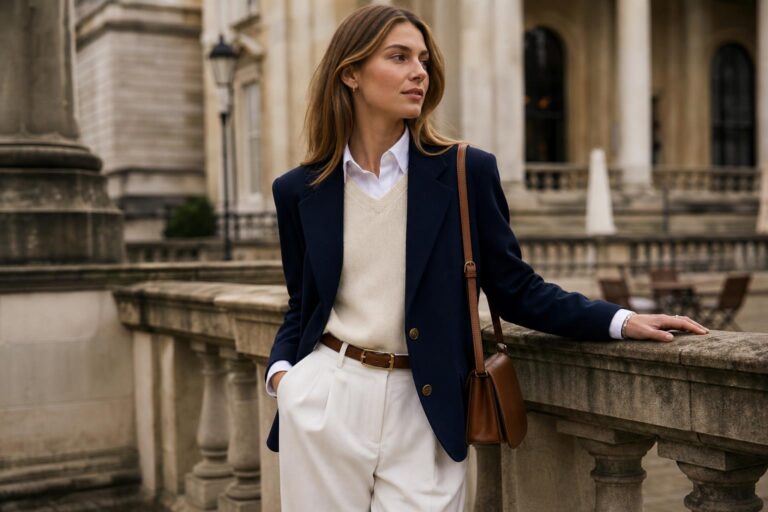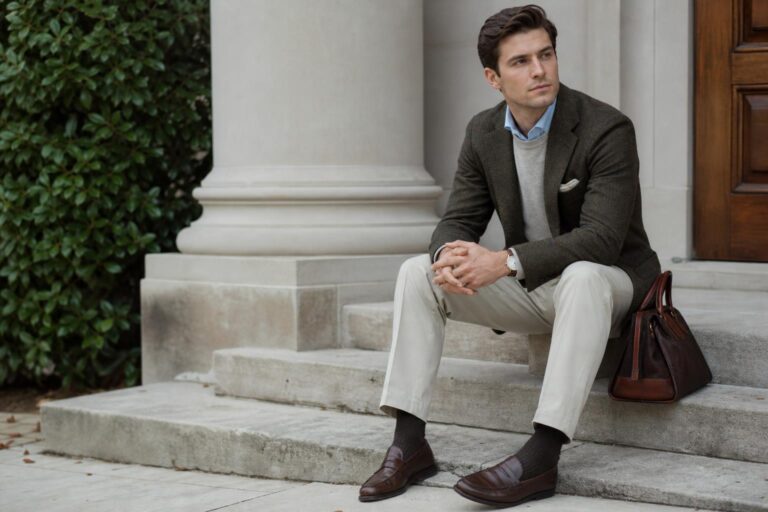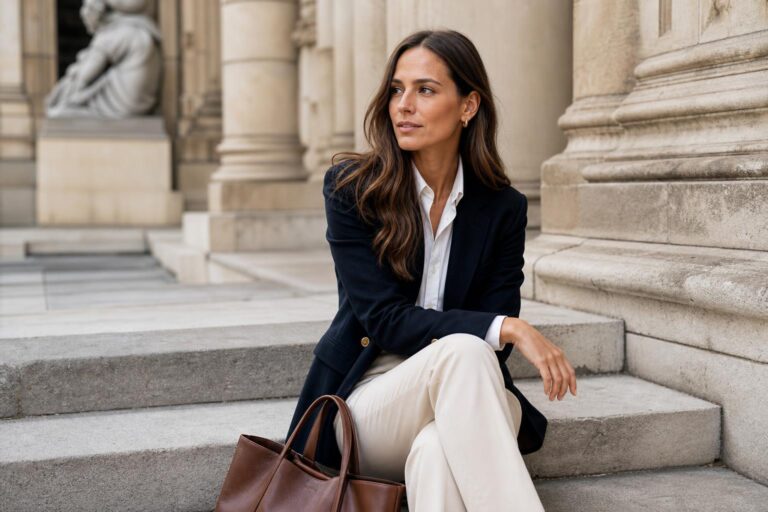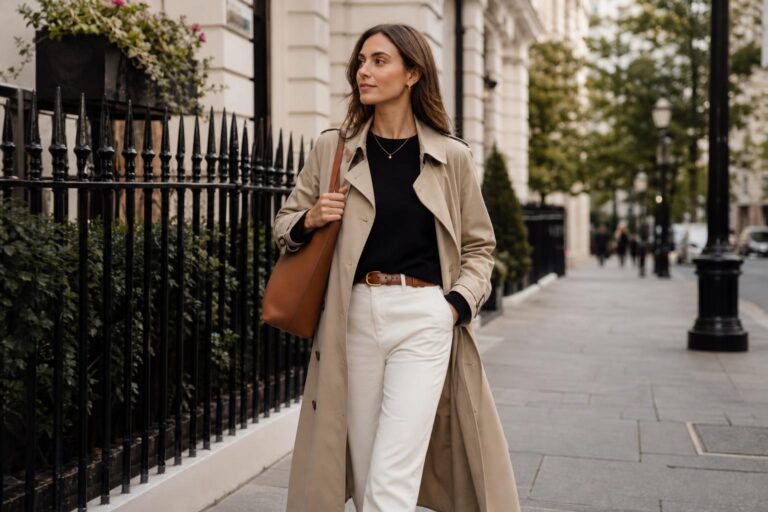
Old Money Autumn Outfits With Polish
There is a reason old money autumn outfits continue to hold attention even in a fashion cycle crowded with louder aesthetics. In fall, the idea sharpens. Texture becomes more visible, tailoring becomes more important, and the difference between looking expensive and looking overstated often comes down to fabric, proportion, and restraint rather than novelty.
What makes this aesthetic so compelling is that it is often confused with several adjacent worlds: quiet luxury, Ivy League prep, equestrian dressing, and English country style. They overlap, but they do not communicate in exactly the same way. Old money styling is less about trend awareness and more about cultivated consistency. It favors visual calm, polished layering, and clothes that imply history, not urgency.
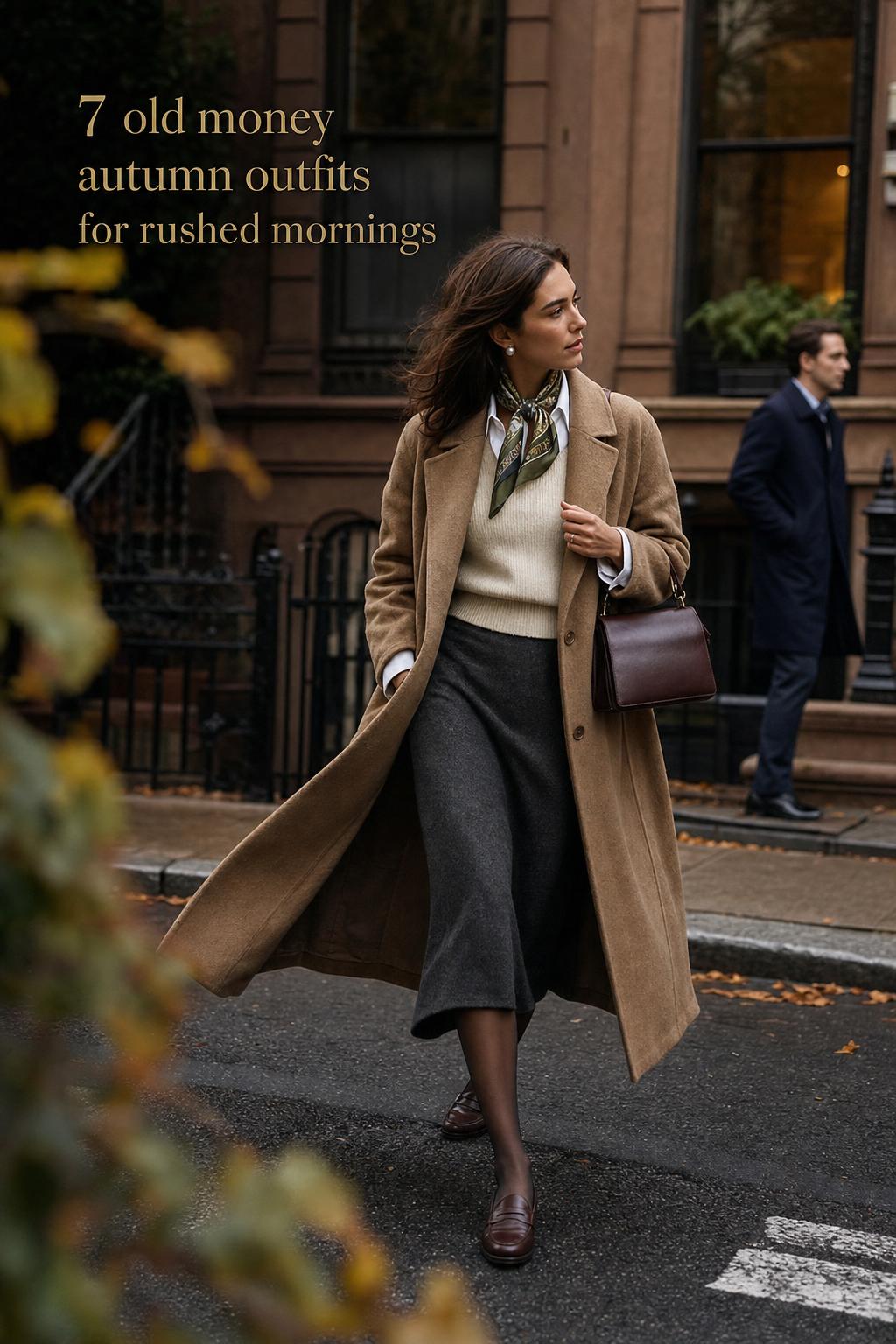
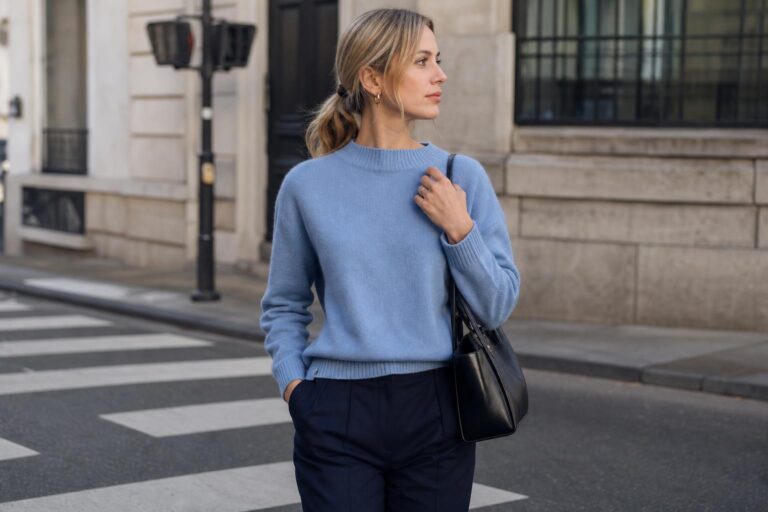
That is why old money autumn outfits feel especially relevant now. They answer a modern question many people have when dressing for real life: how do you look refined without looking like you tried too hard? The answer usually sits in a navy overcoat, a camel coat, wool trousers, cashmere knitwear, loafers, silk scarves, pearl jewelry, and a color palette that trusts cream, grey, burgundy, olive, and navy to do the work.
Seen closely, this is not just a wardrobe formula. It is a visual identity built on heritage fabrics, classic tailoring, and subtle accessories. The appeal lies in how wearable it is when interpreted well, and how instantly off it can feel when the balance of texture, fit, and mood is lost.
Found the dress? Keep the rest in one place.
Zarellea brings guest details, vendors, timelines, and every next step together — so your wedding plan feels as good as your look.
The controlled elegance of old money fall styling
Old money style in autumn is built around restraint, craftsmanship, and continuity. That sounds abstract until you see how it works on the body. The silhouette is usually clean but not severe, structured but not rigid. Coats skim rather than cling. Knitwear softens the frame without collapsing it. Tailoring gives shape, but the overall effect remains quiet.
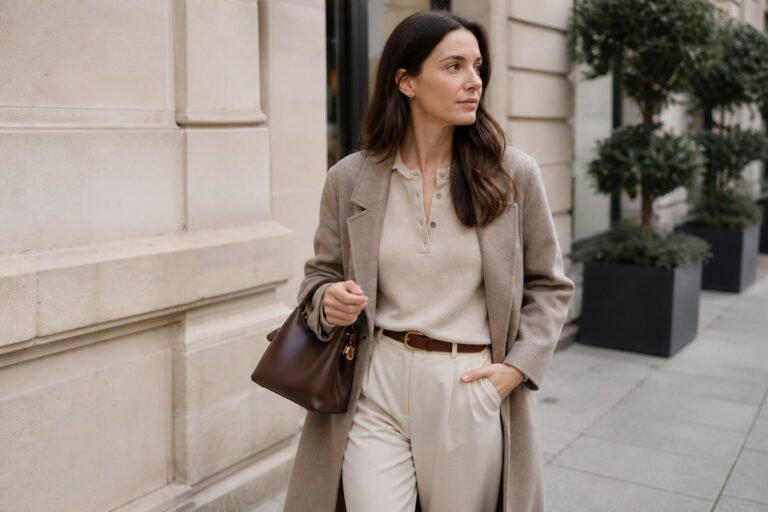
This is where old money differs from a more generic luxury look. The goal is not to broadcast expense. The goal is to create the impression that quality is normal, that the wardrobe has been assembled over time, and that logos are unnecessary. In practice, that means a tweed blazer communicates more effectively than a heavily branded item, and a cream cashmere sweater under a camel coat often feels more convincing than anything overtly fashion-led.
The emotional mood is important. Old money styling tends to feel settled, assured, and composed. It suggests familiarity with certain dress codes: office polish, countryside weekends, dinner events, and transitional weather where layering matters. That is also why the aesthetic often leans toward Ivy League references, English countryside cues, and equestrian elements. These are not random decorations; they reinforce a visual language of heritage, routine, and understated privilege.
What visually signals the aesthetic
- Heritage fabrics such as wool, cashmere, tweed, and corduroy
- Classic outerwear including a camel coat, navy overcoat, or trench
- Tailored foundations like wool trousers, blazers, midi silhouettes, and structured layers
- Accessories that feel refined rather than attention-seeking, including pearl earrings, silk scarves, leather goods, and loafers
- A palette anchored in camel, cream, ivory, navy, grey, olive, burgundy, and stone
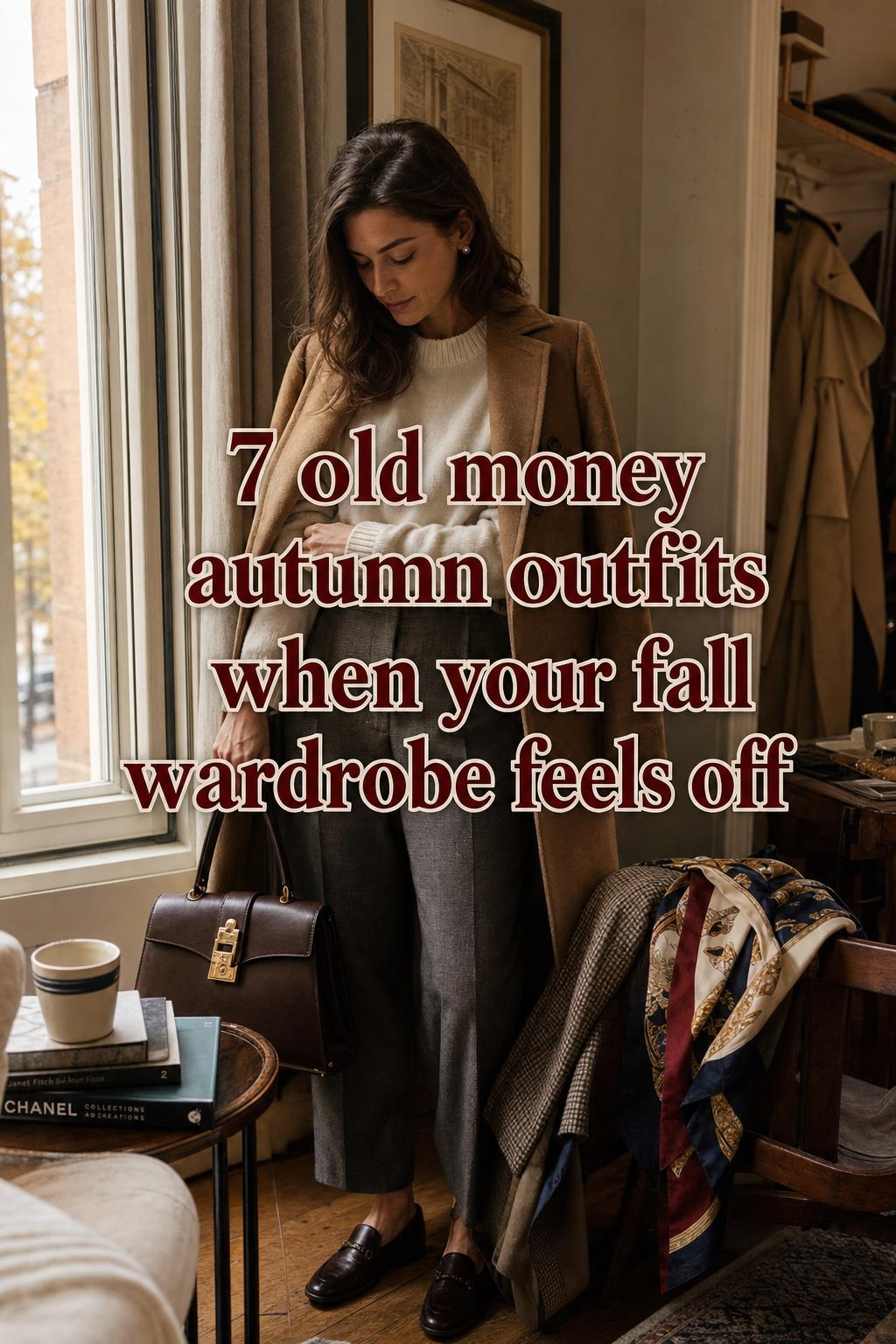
The relaxed structure behind quiet luxury
Quiet luxury is often discussed as if it were identical to old money style, but the difference is worth noticing. Quiet luxury is a broader modern fashion mood. It shares the same preference for understated branding, clean lines, and premium materials, yet it can feel more intentionally minimalist and less rooted in inherited dress codes. Old money style is one branch of that world, but it carries more heritage references and more social context.
In autumn, quiet luxury can become sleeker: a smooth cashmere knit, a sharply cut coat, a pared-back grey or camel palette. Old money autumn dressing, by contrast, is often richer in texture and slightly more traditional in shape. Tweed, flannel, argyle, riding boots, silk scarves, and pearl studs all add depth. The look feels less modernist and more established.
This distinction matters because it helps explain why some outfits feel polished but not specifically old money. A monochrome neutral outfit may read quiet luxury. Add a Harris Tweed jacket, leather loafers, and an oxford shirt, and the look shifts toward old money because the references become more heritage-based. Add a riding jacket and the equestrian influence becomes clearer. Add a trench with English country energy and the mood changes again.
The key visual difference
Quiet luxury is usually cleaner and more pared back. Old money style is cleaner than most trends, but not sterile. It welcomes patina, familiar classics, and visible fabric character. That is why corduroy, tweed, suede, wool flannel, and camel hair feel so effective in autumn. They create depth without creating noise.
Why autumn is the ideal season for this aesthetic
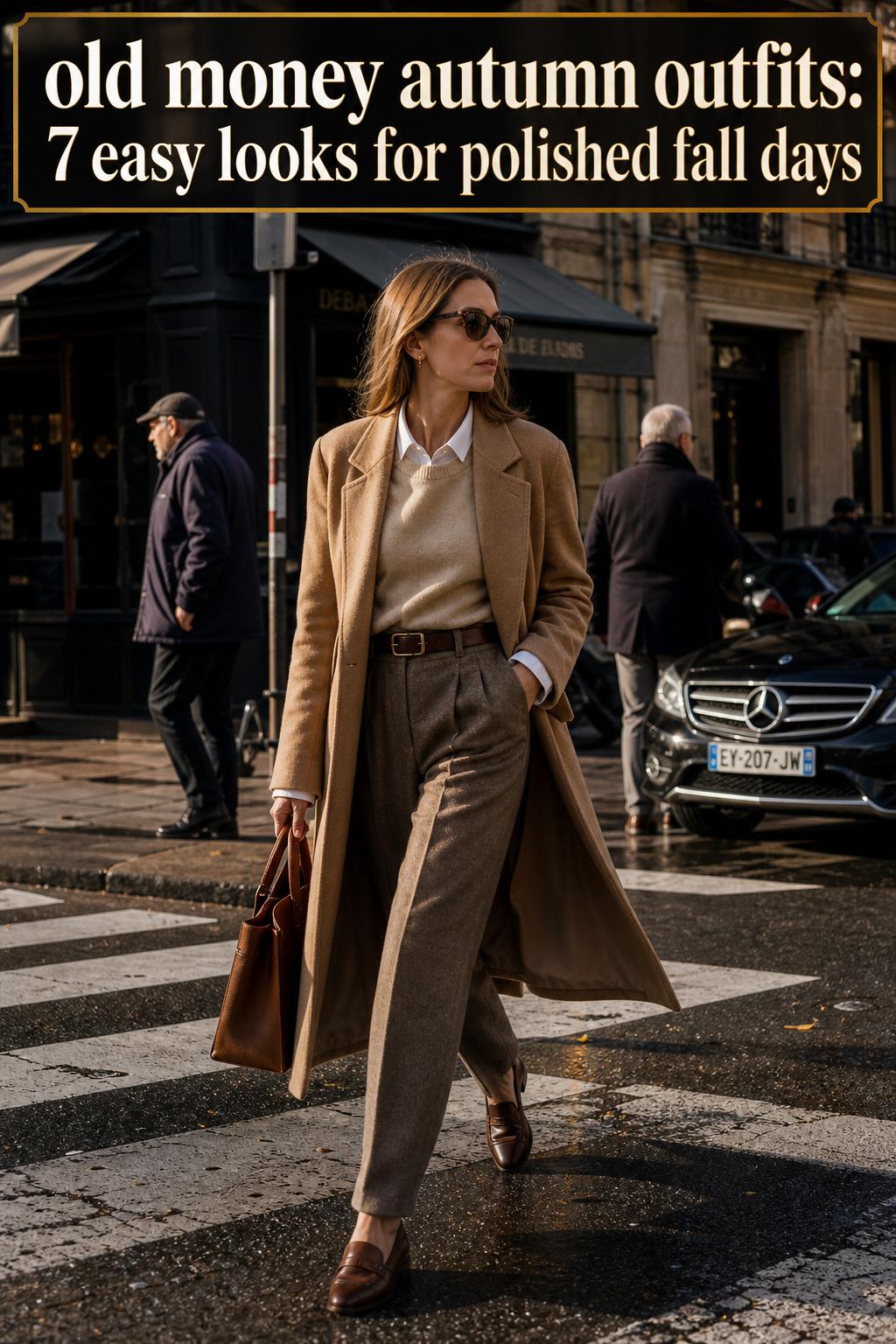
Fall gives old money styling its best conditions. Summer can flatten the wardrobe because lighter clothing leaves less room for texture and layering. Autumn restores the elements this aesthetic depends on: coats, knitwear, scarves, polished leather shoes, and tonal combinations that move from cream to camel to olive to burgundy without strain.
The season also supports the practical side of the look. A navy overcoat is not just visually authoritative; it is useful. A cashmere crewneck layered over an oxford shirt offers warmth and shape. Wool trousers drape better than many lightweight alternatives and instantly make an outfit feel intentional. For women, a camel coat over a midi dress or a cream turtleneck reads elegant while remaining functional for office days, dinners, and weekend plans.
Autumn clothing also benefits from movement. As coats open, scarves shift, and knit layers reveal collars or cuffs, the outfit develops complexity. This is one of the reasons old money dressing photographs well and feels convincing in motion. The aesthetic relies on proportion and surface, not just individual pieces.
The fabric library that makes the look believable
If there is one place where old money autumn outfits either succeed or fail, it is fabric. The look depends less on novelty and more on the authority of materials. Wool, cashmere, tweed, and corduroy appear repeatedly for good reason: they provide warmth, drape, and texture, but they also carry the heritage associations this style needs.
Wool and cashmere: the soft foundation of polish
Wool is the structural backbone of the autumn wardrobe. It shapes overcoats, wool trousers, blazers, and knitwear without making the outfit feel harsh. Cashmere softens the picture. A cashmere sweater or cardigan introduces quiet luxury in the most literal way: not through branding, but through feel, density, and visual smoothness. Together, wool and cashmere create a hierarchy of texture that looks refined from a distance and luxurious up close.
Tweed and corduroy: where heritage becomes visible
Tweed and corduroy are especially important when the goal is not only elegance but old-world credibility. A Harris Tweed jacket, for example, immediately adds heritage weight to an outfit. Corduroy trousers or a blazer create depth that flat cotton often cannot. These fabrics make the aesthetic more grounded, more seasonal, and more visually connected to English country style, Ivy League dressing, and countryside weekend wear.
Silk, satin, suede, and refined accents
Supporting textures matter too. Silk scarves, silk blouses, satin-like finishes in small doses, and suede outerwear or accessories act as elevated accents. They should not overwhelm the outfit. Their role is to add polish and contrast. In women’s styling especially, a silk scarf or silk blouse can lighten the visual density of wool and tweed. In men’s styling, a polished leather belt or smooth loafer tempers the ruggedness of textured tailoring.
Tip: let one texture lead
The easiest way to avoid a costume effect is to choose one dominant texture and let everything else support it. If the coat is tweed, keep the knitwear smoother. If the trousers are corduroy, pair them with a fine cashmere sweater and structured outerwear. Too many visibly heritage textures at once can feel theatrical rather than composed.
The color palette that reads expensive without trying
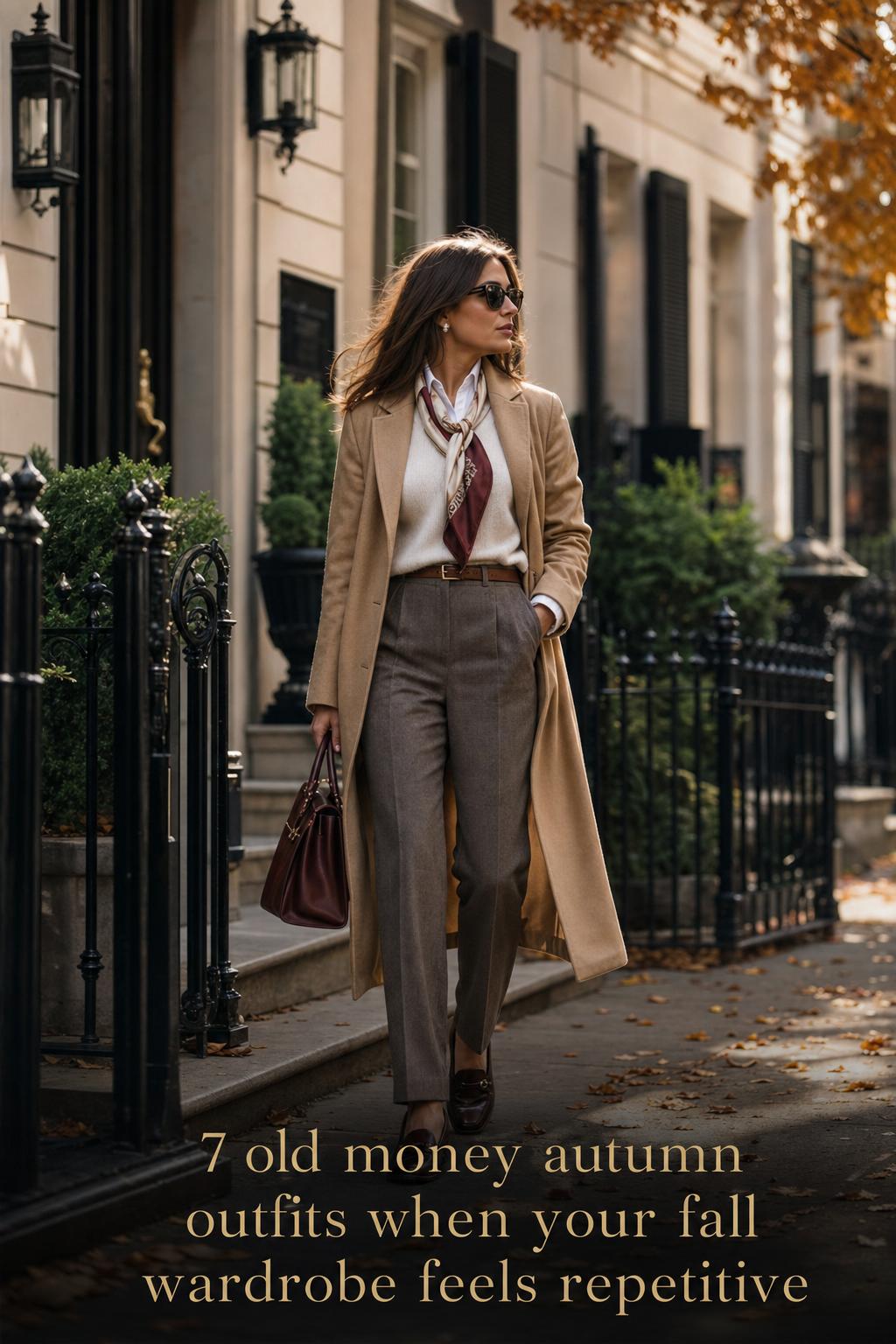
Color in old money autumn dressing is less about bold contrast and more about tonal intelligence. Camel, cream, ivory, navy, and grey create the neutral framework. Olive, burgundy, and stone introduce seasonal variation. White appears most effectively in shirts and soft layering pieces where it can sharpen the surrounding tones.
The power of this palette lies in its ability to make quality more visible. Bright, attention-seeking color often competes with texture and tailoring. These quieter shades do the opposite. They allow the line of a coat, the softness of cashmere, or the depth of tweed to stand out. That is one reason a camel coat has become such a defining piece. It reflects light well, layers easily over cream or navy, and immediately signals subtle wealth when the cut is right.
How the palette changes the mood
- Camel and cream feel warm, soft, and socially polished
- Navy and grey feel more formal, urban, and office-ready
- Olive and burgundy introduce countryside and equestrian energy
- Ivory and white brighten heavier fall textures without breaking the restraint of the outfit
Mixing neutrals effectively is not about matching everything exactly. It is about keeping the undertones calm and ensuring there is enough contrast between pieces for the silhouette to remain clear. Cream with camel works because the tones are close but not identical. Grey with navy works because both are grounded and structured. Burgundy works best as an accent rather than a full statement.
How men’s old money autumn outfits build authority
In men’s dressing, the old money look is often strongest when it leans into tailored simplicity. The visual logic starts with outerwear and moves inward. A navy wool overcoat, camel topcoat, or trench sets the tone immediately. Underneath, cashmere crewnecks, argyle sweaters, oxford shirts, and flannel or wool trousers create the layered depth that makes the outfit feel established.
The fit should be intentional rather than fashion-forward. Overly slim tailoring tends to make the aesthetic feel dated. Overly oversized proportions push it into a more trend-led territory that does not align with the controlled feel of old money styling. The strongest silhouette usually allows some room through the coat and trousers while preserving shoulder structure and trouser drape.
What the men’s capsule does well
A compact men’s fall capsule is powerful because the pieces repeat naturally. One blazer can move between office dressing and weekend wear. Wool trousers can pair with loafers and an oxford shirt one day, then with a cashmere crewneck and overcoat the next. The visual consistency creates that impression of effortless refinement, even when the wardrobe itself is relatively small.
- Outerwear: navy overcoat, camel topcoat, trench, Barbour-style coat
- Upper layers: cashmere crewneck, cardigan, argyle sweater, oxford shirt
- Tailoring base: wool trousers, flannel trousers, tweed blazer
- Footwear and finish: leather loafers, polished leather accessories, silk scarf when appropriate
A wearable men’s formula
A navy blazer with grey wool trousers, a white oxford shirt, and loafers creates one of the clearest old money signals because every piece supports the same message: structure, heritage, and understatement. Replace the blazer with a camel overcoat and add a cashmere sweater as a mid-layer, and the look becomes more autumnal without losing clarity.
How women’s old money autumn outfits create softness with structure
Women’s styling in this aesthetic often balances softness and control. The silhouette is not severe, but it is guided. Camel coats, navy trench coats, knee-length skirts, midi dresses, and cashmere cardigans build a refined line. Silk scarves, pearl earrings, structured handbags, and riding boots add detail without making the outfit busy.
The most successful outfits usually avoid extremes. If the coat is strongly tailored, the knitwear or dress underneath can be softer. If the base look is simple, an equestrian-inspired accessory or tweed piece can introduce depth. The point is not to pile on heritage references, but to create the impression that elegance is habitual.
Why accessories matter more in women’s looks
Accessories often carry more of the mood in women’s old money styling. Pearl studs or pearl earrings bring classic restraint. A silk scarf near the face adds color and polish without requiring bold clothing. A structured handbag stabilizes softer fabrics like cashmere or silk. Riding boots or pumps can change the whole tone of the outfit: one leans equestrian and countryside, the other leans formal and city-ready.
A wearable women’s formula
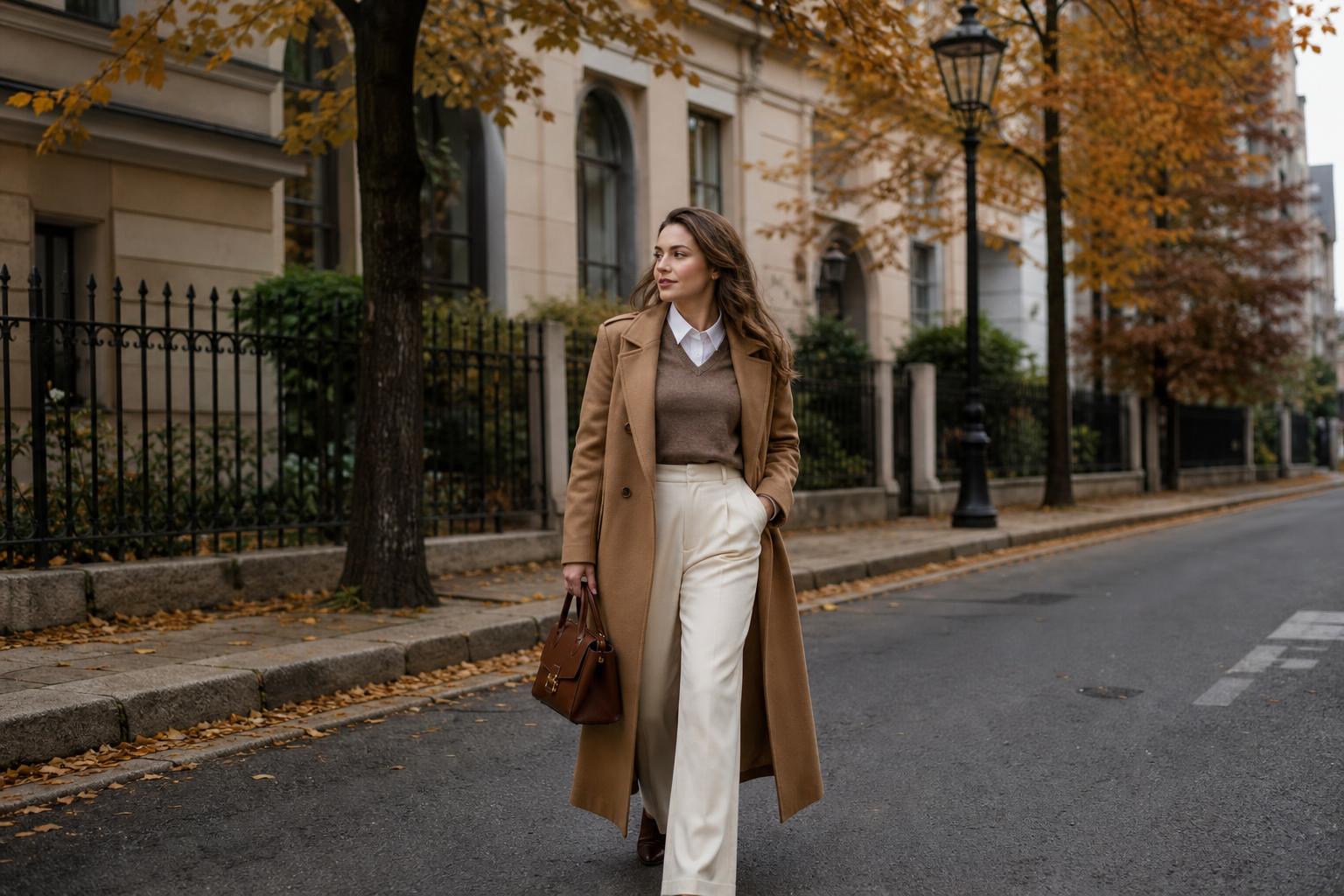
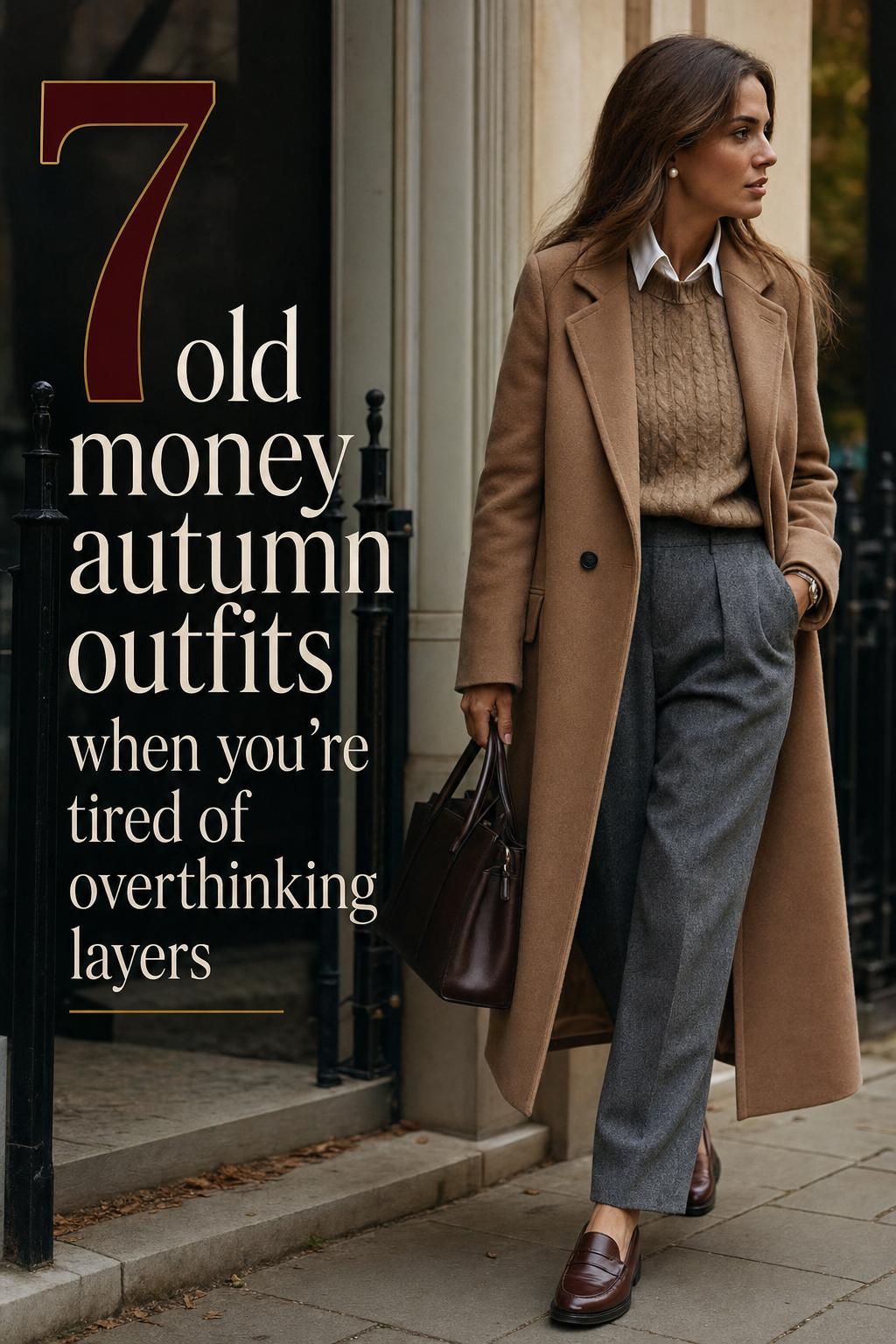
A camel coat over a cream turtleneck and a midi skirt creates an immediately legible old money silhouette because the layers build vertically and the tones remain serene. Add pearl jewelry and a silk scarf, and the look feels finished rather than decorated. For a sharper version, a navy trench over a silk blouse and tailored skirt reads more office-oriented while staying within the same aesthetic family.
Different ways this aesthetic handles layering
Layering is one of the clearest distinctions between an outfit that merely uses classic pieces and one that truly looks old money. This style does not layer for volume. It layers for order. Each garment should have a defined role: shirt for crispness, knitwear for softness, coat for structure, scarf for finish. When every layer competes equally, the outfit loses its calm.
Good layering also protects the silhouette. A fine knit under a tailored coat keeps the frame clean. A heavier sweater under an already bulky coat can distort proportion and make the outfit feel less polished. This matters especially for shorter frames or for anyone trying to create vertical length. Streamlined mid-layers and clear waist or shoulder lines help the look remain elegant.
Layering logic in real life
For office settings, smoother fabrics and narrower texture contrast usually work better because they maintain formality. For weekend country house dressing, tweed, corduroy, riding boots, and a Barbour-style coat can be more relaxed and atmospheric. For dinner events, a camel or navy coat over cashmere and polished shoes keeps the outfit elevated without looking event-specific.
Tips for proportion and balance
- Keep the bulkiest layer on the outside, not in the middle of the outfit
- Use a white or ivory shirt to separate darker outerwear from knit layers
- Let trousers or skirts maintain a clean line so the coat remains the visual anchor
- Choose scarves that support the palette instead of interrupting it
- If the footwear is heavy, keep the upper half cleaner and more tailored
Where Ivy League, equestrian, and English country cues enter the picture
Part of the fascination with old money autumn outfits comes from how they absorb adjacent style codes without fully becoming them. Ivy League style contributes oxford shirts, loafers, blazers, argyle sweaters, and a preppy sense of discipline. Equestrian style contributes riding jackets, riding boots, fitted outerwear, and a functional elegance tied to movement and outdoor settings. English country style contributes tweed, trench coats, wool layers, and countryside texture.
These references matter because they give old money dressing its social and cultural depth. Without them, the look risks becoming generic neutral dressing. With them, it gains identity. The key is to use them in moderation. A single riding-inspired element can be effective. A full costume of equestrian pieces can become too literal. The same is true of Ivy League dressing: one argyle sweater or loafer-led outfit works better than turning every look into a campus stereotype.
Why this combination works
All three influences share a preference for durability, discipline, and traditional shape. That common ground allows them to blend easily within the old money framework. A navy blazer and grey wool trousers feel Ivy League. Add a camel overcoat and silk scarf, and the look becomes more quietly luxurious. Swap loafers for riding boots in a women’s outfit with a structured coat, and the equestrian note becomes visible without disrupting the overall polish.
The role of accessories in shaping the final mood
Accessories are often where readers either overdo the look or finally understand it. In old money styling, accessories should complete the composition, not announce themselves separately. Pearl jewelry, a silk scarf, leather gloves, a structured handbag, polished belts, and classic eyewear all work because they echo the restraint of the clothes.
Footwear deserves particular attention. Leather loafers on men sharpen the line of wool trousers and immediately place the look within a classic masculine wardrobe. Riding boots add heritage depth to women’s looks, especially when paired with a coat, midi silhouette, or tweed element. Pumps can work in more formal or office-driven interpretations, but they slightly reduce the countryside and equestrian mood.
Care also matters. Even the right loafers or leather bag can undermine the outfit if they appear neglected. Old money dressing depends on polish in the literal sense as much as in the visual sense. Because the palette is subdued, wear and finish are more visible.
Most versatile accessories
- Pearl studs or simple pearl earrings
- A silk scarf in cream, burgundy, navy, or olive accents
- Leather loafers with a clean finish
- A structured handbag rather than a slouchy statement bag
- Leather gloves for colder weather and stronger seasonal texture
Designer spotlight and heritage signals
One area where many interpretations of this aesthetic stay vague is brand reference. Yet heritage signals can deepen the look when handled intelligently. Burberry trench coats, Loro Piana cashmere, and Harris Tweed jackets are useful reference points because they connect the outfit to craftsmanship, textile identity, and the kind of long-term value this style implies.
Geography also supports the visual story. Italy, Scotland, and England are meaningful because they are associated with tailoring, cashmere, and woven heritage fabrics within the broader luxury conversation around fall dressing. These references do not need to dominate the outfit. They simply help clarify why certain materials and silhouettes feel more authentic in this world than trend-led alternatives.
Heritage American brands and English tailoring houses also fit naturally into this discussion, particularly when the goal is to anchor the look in quality basics rather than conspicuous labels. The principle stays the same: choose pieces for fabric, cut, and longevity, not for obvious branding.
Real-world styling scenarios that reveal the difference
The office version
For work, old money autumn outfits are strongest when the structure is clear and the palette is stable. A navy trench or grey blazer with wool trousers, a white shirt, and loafers reads capable and refined. For women, a silk blouse under a tailored coat with a structured handbag and pumps or refined boots creates authority without looking severe. In this setting, the old money mood should feel disciplined rather than romantic.
The weekend country house version
This is where tweed, corduroy, riding boots, and Barbour-style outerwear become more natural. The palette can lean more olive, burgundy, camel, and cream. Texture can become more visible because the environment supports it. The same person who looks very city-polished in navy and grey during the week may look more authentic in a tweed blazer and soft knitwear on the weekend.
The dinner-event version
For evening plans, the formula becomes sleeker without abandoning heritage cues. Cashmere, silk, and polished outerwear replace heavier daytime textures. A camel coat over a cream knit and tailored skirt or wool trousers works because it feels elevated but not theatrical. The message here is social ease, not performance.
Styling psychology: why some people look natural in this aesthetic
Old money style resonates most with people who prefer calm visual communication. It suits those who like consistency, repeatable wardrobe formulas, and clothes that move easily across office, weekend, and social settings. Because the aesthetic depends on discipline, it can feel natural for someone who already gravitates toward neutral palettes, structured coats, classic footwear, and subtle accessories.
It may feel less convincing on someone who prefers expressive styling, heavy contrast, novelty-led silhouettes, or statement-driven accessorizing. That does not mean they cannot borrow from the look. It simply means the full old money wardrobe may feel restrictive unless adapted. Often the best approach is selective adoption: perhaps the coat and knitwear come from old money styling, while the rest of the wardrobe remains more modern or minimal.
Easy ways to blend old money style with modern wearability
The smartest approach is often not pure imitation but controlled blending. Many people want the refinement of old money autumn outfits without looking overly traditional. That balance is possible when classic anchors are paired with cleaner, simpler surrounding pieces.
- Use one heritage piece per outfit, such as a tweed blazer, camel coat, or silk scarf
- Keep the rest of the outfit streamlined in cream, navy, grey, or black-adjacent neutrals
- Prioritize fit and fabric before adding equestrian or preppy details
- Let accessories remain subtle so the outfit feels intentional rather than costume-like
- Build around versatile pieces that can work for office, dinner, and weekend wear
This approach also makes the aesthetic more affordable to recreate. Outerwear, knitwear, and wool trousers tend to deliver more visual impact than trying to buy every reference item at once. One excellent coat and one strong knit often do more for the wardrobe than multiple thematic accessories.
Common styling mistakes that weaken the effect
The most common mistake is over-communicating the theme. Too many equestrian references, too much tweed, too many pearls, or too much coordination can turn a refined look into a costume. The second mistake is ignoring fit. Even beautiful wool or cashmere loses authority if the coat pulls awkwardly, the trousers break poorly, or the layers bunch at the waist and shoulders.
Another issue is misunderstanding restraint as blandness. Old money style is not lifeless. It depends on tonal layering, texture contrast, and small but deliberate finishing choices. A cream sweater, grey trousers, and a camel coat work because each surface and shape contributes something different. Remove that contrast and the outfit can become flat.
Tips to keep the look intentional
- Choose quality-looking textures over overt decoration
- Use color repetition softly, not rigidly
- Keep logos understated or absent
- Balance structured pieces with softer ones
- Edit accessories before leaving the house
Which pieces age best in an old money fall wardrobe
The pieces that age best are usually the ones closest to the aesthetic’s core: a navy overcoat, a camel coat, a trench, wool trousers, a cashmere sweater, a tweed blazer, loafers, and a silk scarf. These are not just visually stable; they are flexible across settings and years. They also support a repeat-wear mindset, which is part of what makes the style credible.
More niche elements such as cape coats, cape dresses, argyle-heavy styling, or very literal equestrian details can be beautiful, but they require more care to keep them from feeling overly themed. They work best as personality pieces layered into a stable wardrobe foundation rather than as the core of every outfit.
How to build an old money autumn capsule without overbuying
A strong capsule begins with visual anchors, not endless options. Start with outerwear, because coats define the silhouette immediately. Then add knitwear and trousers or skirts that support the palette and can repeat easily. Accessories come last, once the wardrobe has enough structure to carry them.
- One coat in camel or navy
- One secondary outerwear piece such as a trench or tweed blazer
- Two to three knitwear pieces in cream, grey, or navy, ideally in wool or cashmere
- Two tailored bottoms such as wool trousers, flannel trousers, or a polished midi skirt
- One classic shirt or silk blouse
- One reliable shoe category, such as loafers or riding boots
- A restrained set of finishing pieces, including a silk scarf, pearl jewelry, or a structured leather bag
This kind of capsule works because each item supports several settings. It also mirrors the underlying philosophy of old money style: fewer, better, calmer, and more consistent choices.
FAQ
What colors signal old money style best in autumn?
The strongest fall palette is built around camel, cream, ivory, navy, and grey, with olive, burgundy, and stone as supporting accents. These tones allow tailoring and texture to stand out, which is why they feel more refined than louder seasonal colors.
What fabrics matter most for old money autumn outfits?
Wool, cashmere, tweed, and corduroy are the most important because they combine warmth, texture, and heritage appeal. Silk and suede also work well as accent materials, especially in scarves, blouses, or accessories that add polish without dominating the outfit.
How is old money style different from quiet luxury in fall?
Quiet luxury is broader and often cleaner or more minimalist, while old money style usually includes stronger heritage references such as tweed, loafers, riding boots, oxford shirts, and countryside or Ivy League cues. Both avoid loud branding, but old money tends to feel more traditional and culturally rooted.
What are the most useful pieces to buy first?
A camel coat or navy overcoat, a cashmere sweater, wool trousers, and loafers are the most effective starting points. For women, a structured handbag, silk scarf, or pearl earrings can also add immediate clarity once the core clothing is in place.
Can old money autumn outfits work for everyday life, not just fashion inspiration?
Yes, especially because the aesthetic is built on repeatable pieces that move easily across office wear, weekend dressing, and dinner plans. The key is choosing practical versions of the look, such as wool coats, knitwear, trousers, and understated accessories that fit your routine and climate.
Do logos ruin the old money look?
Visible logos usually weaken the effect because the style depends on restraint and confidence in quality rather than overt status signals. Subtle branding is less disruptive, but the overall impression should still come from fabric, fit, and finish, not from labels.
How do I keep old money outfits from looking dated?
Focus on clean fit, moderate proportions, and selective heritage references. Avoid making every element overly traditional at once. A classic coat, smooth knitwear, and tailored base often look fresher than combining too many nostalgic details in one outfit.
Which accessories work best for this aesthetic?
Pearl jewelry, silk scarves, structured leather bags, leather gloves, and polished loafers are the most reliable options. They support the refined mood without distracting from the clothing, which is exactly what old money styling asks accessories to do.
Is this style easier to build for men or women?
It can work well for both, but the pathways differ. Men often rely more heavily on tailoring, coats, and loafers, while women often use accessories and softer layering to shape the mood. In both cases, the wardrobe becomes easiest to build when outerwear, knitwear, and a stable neutral palette come first.
Can I mix old money elements with a more modern wardrobe?
Yes, and that is often the most wearable approach. A single heritage piece such as a camel coat, tweed blazer, or silk scarf can bring the old money mood into a more modern wardrobe, as long as the overall outfit stays balanced and does not turn into a costume.