
Autumn Outfits In Korea That Feel Refined
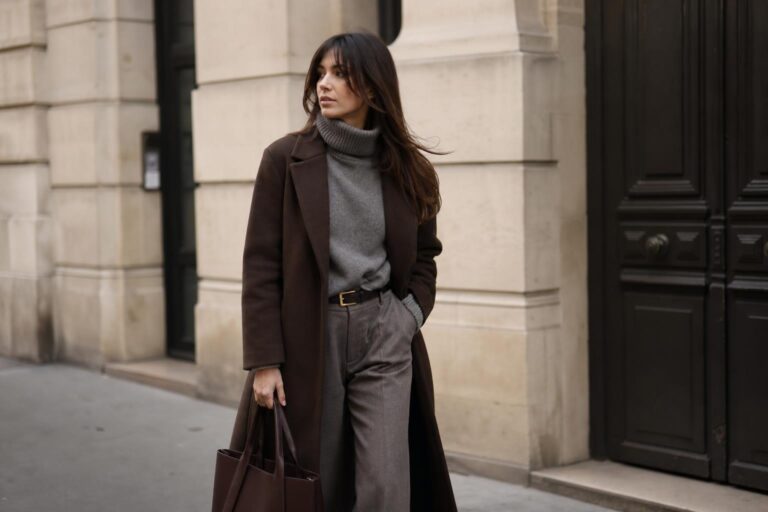
By the time autumn arrives in Korea, getting dressed becomes less about one hero piece and more about smart composition. Temperatures shift across September, October, and November, city style changes from district to district, and the most wearable autumn outfits in korea usually rely on one principle above all: layering with intention. A cardigan under a trench, a knit balanced by wide-leg pants, loafers or boots chosen for walking, and a palette grounded in earthy neutrals all make more sense here than overly complicated trend dressing. The goal is not to copy a single street-style image. It is to build outfits that can handle Seoul mornings, café afternoons in Hongdae, polished evenings in Gangnam, or a more relaxed travel day in Busan or Jeju.
The strongest Korean autumn outfits also have structure. Outerwear acts as a visual anchor, knitwear softens the silhouette, and accessories finish the look without adding clutter. That is why trench coats, wool coats, cardigans, sweaters, scarves, boots, and tailored trousers appear again and again in practical fall wardrobes. Once you understand how climate, location, fabrics, and proportion work together, recreating the look becomes much easier, whether your budget is focused on affordable basics from places like Uniqlo and 8Seconds or on a tighter capsule you can wear repeatedly.

Why Korean autumn style feels so wearable
Korean autumn dressing stands out because it blends practicality with visual clarity. Instead of relying on loud statement pieces, many outfits are built from functional layers that still look deliberate. A coat creates shape, knitwear adds texture, and a clean base such as straight trousers or a skirt keeps the outfit readable. This makes the style particularly useful for real life. You can move through transit, walk all day, and still look polished in photos.
Another reason these outfits work is silhouette balance. Oversized silhouettes appear in Seoul street fashion, but they are usually offset with a more streamlined element. If the coat is roomy, the inner layer is simpler. If the knit is chunky, the bottom half stays clean. This is an important lesson for anyone trying to recreate Korean fall outfits without looking overwhelmed by fabric.
Found the dress? Keep the rest in one place.
Zarellea brings guest details, vendors, timelines, and every next step together — so your wedding plan feels as good as your look.
For everyday wear, this approach is especially useful across different body types. Petite dressers often benefit from keeping one line of the outfit more fitted so the layering does not shorten the frame. Taller readers can handle more volume in coats and wider trousers without losing proportion. Curvy body types tend to look strongest when the outfit defines shape through drape and structure rather than tightness, such as a long cardigan over a smooth knit top and straight-leg pants.

The climate logic behind autumn outfits in Korea
Korean autumn weather is one of the main reasons layering dominates. Early autumn often allows lighter combinations, while late autumn calls for more substantial outerwear and denser fabrics. That shift matters because the best wardrobe decisions come from choosing pieces that can be added or removed without disrupting the entire outfit.
Seoul, Busan, Jeju, and regional differences
Seoul is the reference point for much of what people picture as Korean fall fashion: polished streetwear, oversized outerwear, cardigans, boots, and layered neutral looks. But regional nuance matters. Jeju calls for transitional dressing with lighter layers and practical sun- and rain-protection. Busan can also feel different in mood and outfit weight, so packing only heavy wool pieces for every destination is rarely the smartest move. Gangwon and later-season trips generally justify warmer layers more quickly.
This is where a capsule wardrobe becomes useful. Rather than packing separate outfits for every possible forecast, choose modular pieces that work across locations. A trench coat, two knit tops, one cardigan, one pair of wide-leg pants, one skirt, and versatile footwear can create multiple combinations without overpacking.
Early autumn versus late autumn
In early autumn, lighter cardigans, cotton-blend tops, and trench coats usually make more sense than heavy coats. By late autumn, wool blends, thicker knitwear, scarves, and more protective outerwear become more practical. The mistake many people make is dressing for a Pinterest image instead of the point in the season. A sleeveless layering concept may photograph well, but it will not serve you during a long day outdoors in November.
A simple rule helps: build from the skin outward. Start with a comfortable base layer, add a knit or shirt layer, then finish with outerwear. This keeps the outfit adaptable for indoor heating, subway commutes, and changing daylight temperatures.

The capsule that makes most Korean fall outfits possible
If you want maximum versatility, buy the pieces that repeatedly appear across Korean autumn street style and travel wardrobes. These items are easier to recreate than highly specific trend pieces, and they carry the most styling value per wear.
- A trench coat for early to mid-autumn layering
- A wool coat for late autumn polish
- A cardigan that can function as both mid-layer and top layer
- One or two sweaters or turtlenecks in neutral shades
- Wide-leg pants or straight trousers
- A skirt that works with boots and coats
- Light outerwear or a puffer option for colder days
- Loafers for milder weather and boots for later autumn
- A scarf to add warmth and color depth
- A practical bag that works on foot and on transit
If your budget is limited, invest first in outerwear and footwear. Those are the pieces that make the outfit feel complete and seasonally correct. Knitwear can be more affordable as long as the texture looks clean and the fit is intentional. Cheap-looking fabric pills quickly and weakens the whole composition, so even lower-cost sweaters should be chosen carefully.
The most versatile colors are usually muted warm neutrals and earth tones. These blend easily with the Korean autumn palette and make outfit repetition less obvious. A camel coat, charcoal knit, cream cardigan, brown boots, and black or grey trousers can rotate through many combinations without feeling repetitive.
What to buy first if you are building from scratch
Start with one coat, one knit, one bottom, and one shoe that can work together immediately. A trench coat or wool coat, a cardigan or sweater, straight or wide-leg trousers, and loafers or ankle boots give you an instant autumn formula. Add a scarf next. Then expand into a skirt, second knit, and a second outerwear option. This staged approach is far more effective than buying many trend-led tops with no outerwear framework.
Outerwear first: the real visual anchor of the season
In Korean fall fashion, coats and jackets often do the heaviest styling work. They shape the silhouette, set the mood of the outfit, and communicate whether the look reads casual, polished, or travel-ready. That is why outerwear is worth more thought than a single novelty item.
Trench coats for transition months
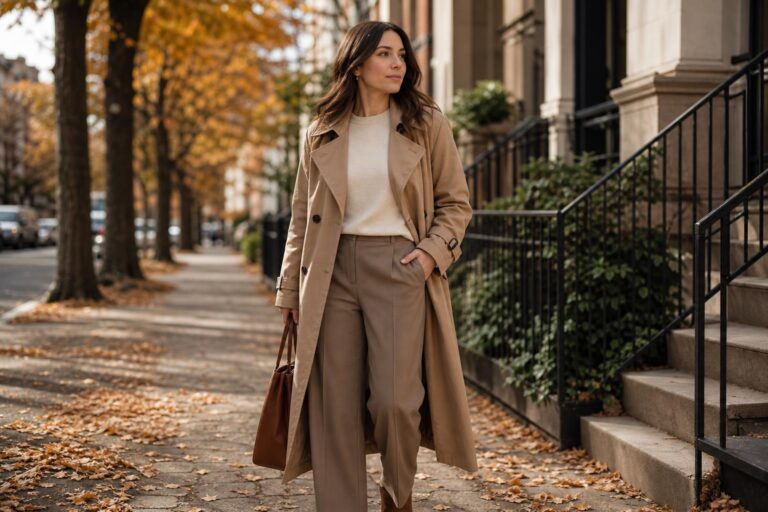
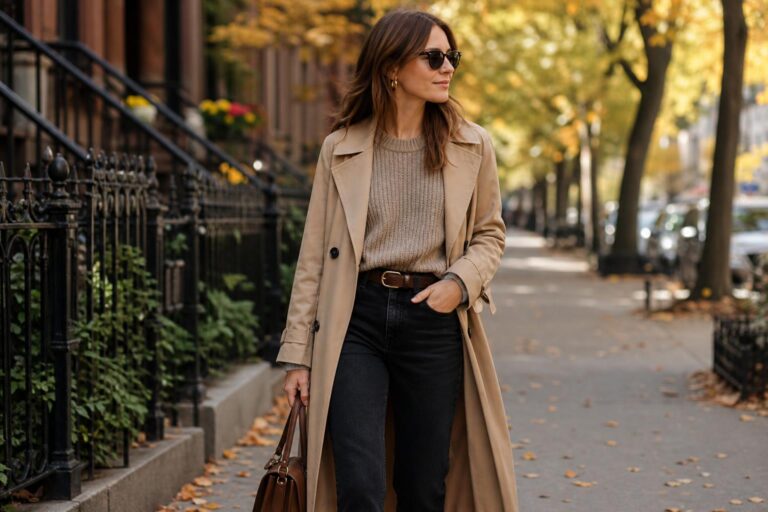
A trench coat works because it adds structure without excess bulk. It is especially useful in Seoul and Jeju during earlier autumn when you want coverage but not full winter weight. For petite frames, a trench that falls below the knee but does not swallow the ankle usually creates the best line. Taller readers can handle longer versions more easily. To keep the trench from looking flat, pair it with a textured inner layer such as ribbed knitwear.
Wool coats for late-autumn refinement
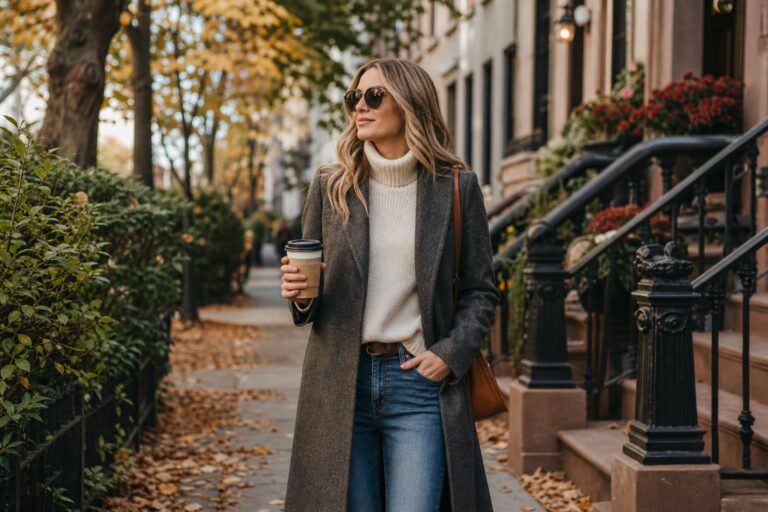
Wool blends and cashmere-blend styles make more sense as temperatures drop. A wool coat instantly elevates simple basics, which is why it is one of the best investments in a Korean autumn capsule. It works over sweaters, turtlenecks, skirt-and-boot combinations, and wide trousers. If you want the outfit to look more expensive, prioritize a coat with clean lapels, minimal hardware, and a smooth shoulder line.
Oversized outerwear without losing shape
Oversized silhouettes are a visible part of Seoul street style, but the key is controlled volume. If your coat is oversized, keep the trousers straight or softly wide rather than dramatically baggy. If both top and bottom are voluminous, define the outfit with a tucked knit, a visible neckline, or a more compact bag. This is especially important for shorter dressers, who can quickly lose visual definition under too many broad layers.
Tip: if you are recreating this look on a budget, it is usually better to buy a simpler coat in a strong neutral than a trend-forward shape in a weak fabric. Structure reads better than novelty.

Knitwear, cardigans, and the layering system that actually works
Knitwear is the bridge between comfort and visual texture in autumn outfits in korea. Cardigans, sweaters, and turtlenecks soften tailored pieces and make street-style looks feel approachable rather than overly formal. But the real advantage is flexibility. These pieces let you adjust warmth without changing the overall outfit identity.
Cardigans as a capsule workhorse
A cardigan is one of the easiest pieces to recreate and one of the most versatile. It can be worn buttoned as a top, open over a base layer, or under a trench or wool coat. In practical terms, this means one cardigan can function across café days, office-casual settings, and travel. Cream, grey, brown, or muted green usually integrate best with autumn wardrobes.
For curvier figures, a cardigan with gentle drape often works better than one that clings. For petites, cropped or hip-length cardigans can maintain leg line more effectively than long, heavy versions. If the cardigan is chunky, pair it with cleaner bottoms so the look remains balanced.
Turtlenecks and sweaters as base structure
A fitted turtleneck under outerwear creates one of the cleanest Korean autumn silhouettes. It provides warmth while keeping the neckline neat, which helps coats and scarves sit properly. Sweaters offer a softer effect and are often easier for casual wear. If you tend to overheat indoors, thinner knitwear is more practical than a very bulky sweater under a heavy coat.
Material matters here. Wool and cashmere blends generally offer better seasonal performance than flimsy synthetics, but even synthetic blends can work if the knit texture looks dense rather than shiny. The best approach is to choose pieces that hold shape and layer cleanly under outerwear.
Bottoms and footwear that keep the outfit grounded
Autumn styling often succeeds or fails at the bottom half. Korean fall outfits may look effortless, but they are usually carefully grounded with the right trouser width, skirt length, and shoe weight. This is where proportion play becomes practical rather than theoretical.
Wide-leg pants and straight trousers
Wide-leg pants are a strong match for autumn layering because they balance coats and knitwear without feeling stiff. They also work across casual and more polished situations. For a cleaner line, keep the hem controlled and pair them with loafers or boots that can support the visual weight. Straight trousers are often the safer option if you are petite or if your outerwear is already oversized.
For travel, darker trousers usually offer more flexibility and less maintenance. They hide wear better during long days and combine well with repeated outerwear. If you are packing light, black, charcoal, or brown trousers will earn more use than a highly trend-driven color.
Skirts with coats and knitwear
A skirt-and-coat combination works well in Korean autumn style because it creates contrast between movement and structure. The coat provides a clean frame while the skirt softens the outfit. This combination is especially effective for date-night dressing or polished daytime looks in Gangnam. The easiest version to recreate is a simple knit top, longer coat, skirt, and boots.
Loafers, boots, and weather-aware shoe choices
Loafers suit early autumn and smart-casual outfits. Boots become more important later in the season, especially when outerwear gets heavier. Weatherproof options are especially practical because autumn travel can involve long walking days and variable conditions. If you only buy one pair, choose boots with a clean shape that work with trousers and skirts rather than a highly specific trend boot that limits styling options.
Tip: footwear should echo the weight of the outfit. Light shoes under a heavy wool coat can make the look feel unfinished. As coats get denser, shoes generally need more visual presence.
District-by-district style cues: Seoul and beyond
One of the smartest ways to understand Korean autumn dressing is to think in neighborhoods rather than generic trends. Style in Seoul is not one single look. Myeongdong, Hongdae, and Gangnam suggest different outfit priorities, and this helps you choose clothing that feels more context-appropriate.
Hongdae: relaxed layering and streetwear ease
Hongdae styling leans casual and expressive, which is why oversized garments, layered knits, practical outerwear, and relaxed bottoms make sense here. This is a good setting for trying a roomier silhouette, but the strongest outfits still need one visual anchor. A long coat, a structured bag, or a cleaner shoe can keep the outfit from looking too loose.
Myeongdong: accessible trend translation
Myeongdong is useful for readers who want the easiest, most wearable version of Korean fall fashion. Think cardigans, simple coats, knitwear, skirts, trousers, and accessories that can move from shopping to casual dining. If you are building a wardrobe with accessible brands such as Uniqlo or 8Seconds, this is the style direction that is easiest to recreate without overspending.
Gangnam: sleeker tailoring and polished silhouettes
Gangnam chic is usually more refined. Tailoring, cleaner lines, smoother fabrics, and more controlled proportions dominate. A wool coat over a fitted knit and tailored trousers works well because the silhouette reads intentional from every angle. If your goal is to make basics look elevated, this is the reference point to study. Keep the palette restrained and let cut, fabric, and outerwear shape carry the outfit.
Busan and Jeju: travel-aware adaptation
For Busan and Jeju, function becomes more visible in the outfit. Lighter layers, practical outerwear, and adaptable footwear matter more than overly delicate styling. Jeju in particular benefits from transitional dressing that accounts for movement, changing conditions, and the need for comfortable layers that still look composed in photos.
Color, texture, and the Korean autumn palette
Color does a lot of quiet work in Korean fall outfits. The most successful combinations often reflect the season without becoming costume-like. Earth tones, muted warm shades, charcoal, cream, soft brown, olive, and understated checks or patterns all align naturally with autumn dressing. This creates harmony with the season and makes layering feel calmer and more expensive.
Korean autumn aesthetics are also closely tied to seasonal scenery, especially ginkgo yellows and maple reds. That does not mean your whole wardrobe needs to mirror those tones. It means one warm accent, like a rust scarf, brown boot, or camel coat, can make a neutral outfit feel seasonally grounded. The most wearable approach is tonal layering rather than sharp color contrast.
Fabric contrast is what gives depth
A good autumn outfit rarely relies on color alone. Texture contrast is what creates visual depth. Wool against smoother trousers, a cashmere-blend cardigan under a trench, or a tweed-like surface paired with a simple knit can make an otherwise basic outfit feel intentional. This is especially helpful if you prefer minimalist dressing. When the palette is restrained, texture becomes the statement piece.
Avoid combining too many similar mid-weight textures with no contrast, because the outfit can look heavy and flat. One soft knit, one structured layer, and one smoother grounding piece usually creates the strongest balance.
How to build practical outfits for real situations
Most readers do not need twelve dramatic looks. They need a few reliable outfit formulas that can adapt to daily life. The following combinations work because they are easy to wear, easy to repeat, and easy to personalize.
For everyday city walking in Seoul
Choose a cardigan or sweater, straight or wide-leg trousers, and loafers or boots, then add a trench coat. This works because the coat sharpens the outfit while the knit keeps it approachable. It suits long walking days, coffee runs, shopping in Myeongdong, and casual museum visits. If you are petite, keep the trousers slightly straighter and avoid a cardigan that extends too far below the hip.
For a polished dinner or date-night look
Use a fitted knit or turtleneck, a skirt or tailored trousers, boots, and a wool coat. The cleaner base gives the coat more authority, and boots help the outfit feel seasonally complete. This composition works particularly well in Gangnam because it balances softness and structure. On a budget, the coat matters more than an expensive top here.
For travel days, trains, and changing temperatures
Start with a thin base top, add a cardigan, then use light outerwear or a trench depending on the month. Pair with comfortable trousers and practical shoes. This layering system is functional because pieces can come off during indoor transit and go back on outside without the outfit collapsing. A scarf in your bag gives you one extra warmth layer without taking up much packing space.
For casual street-style dressing with oversized silhouettes
Choose one oversized element only as the main statement. That could be an oversized coat, roomy sweater, or wider trouser. Keep the other pieces cleaner. This prevents the look from becoming shapeless and helps the proportions feel more aligned with Seoul street fashion rather than simply overlarge clothing.
Shopping strategy: where affordability and style meet
Recreating Korean autumn outfits does not require a full designer wardrobe. In fact, the look often depends more on styling logic than on labels. Accessible brands such as Uniqlo and 8Seconds can cover many of the practical basics, especially knitwear, layering pieces, and simple outerwear. Nike may enter the mix when the outfit leans more sporty or travel-oriented, but for most classic Korean fall looks, the focus remains on coats, trousers, knitwear, and boots.
The smartest budget split is usually this: spend more on outerwear and shoes, spend moderately on trousers, and save on inner layers if the fabric still reads well. Cardigans and sweaters can be affordable, but they should not look flimsy under a good coat. A weak inner texture can lower the impact of the whole outfit.
- Best items to invest in: trench coat, wool coat, boots
- Best items to buy affordably: base knits, simple cardigans, scarves
- Most versatile colors to shop first: camel, cream, charcoal, black, brown, muted olive
- Most reusable outfit foundation: knit top + tailored bottom + coat + practical shoe
If you are shopping by district in Seoul, use the location to guide your choices. Hongdae is a reference for more relaxed streetwear cues. Gangnam is a better reference for sleeker tailoring. Myeongdong is useful when you want accessible, wearable trend translation rather than experimental styling.
Common mistakes that weaken autumn outfits in Korea
Many Korean autumn outfits look effortless, but they are usually carefully edited. Most styling mistakes come from adding too much, choosing the wrong weight, or ignoring proportion.
- Wearing heavy coats with shoes that are too light visually
- Layering multiple oversized pieces without any shape control
- Choosing trendy colors that do not integrate with the rest of the wardrobe
- Buying too many tops before securing strong outerwear
- Ignoring fabric quality, especially in knitwear
- Packing separate outfits instead of a capsule that mixes easily
Another common issue is styling for images rather than movement. Korean autumn fashion often looks polished because it anticipates walking, transit, and changing temperatures. If an outfit only works for standing still, it is not a strong real-life autumn outfit.
Tip: before buying any piece, ask whether it works with at least three existing items in your wardrobe. This is one of the fastest ways to prevent waste and make your autumn capsule more functional.
Subtle cultural style cues worth noticing
Beyond the better-known coat-and-knit formulas, there is room for more nuanced interpretation. Hanbok-inspired styling is not a mainstream requirement for everyday autumn dressing, but the idea of soft layering, cleaner lines, and modern reinterpretations can be useful. The influence is less about wearing a literal traditional piece and more about appreciating balance, drape, and quiet elegance in outfit composition.
That same logic appears in the way many Korean fall outfits avoid unnecessary decoration. The emphasis is often on fabric, cut, layering sequence, and palette discipline. Readers trying to recreate the look will usually get better results from refining proportion and texture than from chasing too many accessories.
Chuseok also sits within the broader autumn context, which means the season carries cultural significance beyond weather alone. For travelers, this reinforces the importance of choosing outfits that feel presentable, comfortable, and adaptable rather than overly casual or impractical.
Making one outfit work for different body types and occasions
The best thing about Korean autumn dressing is that most outfit formulas are adaptable. You do not need a new concept for every body shape. You need to adjust line, volume, and length.
For petite proportions
Keep your visual line clear. Choose cropped or hip-length knitwear under longer coats, opt for straighter trousers if the coat is oversized, and avoid pairing very chunky tops with very wide bottoms. A monochrome or tonal base can also lengthen the frame under outerwear.
For curvy proportions
Use structure rather than cling. A coat with shape, a smooth knit, and straight or softly wide trousers often create a more balanced silhouette than very tight layers. Cardigans with drape, not bulk, usually work better. Let the coat frame the body instead of forcing definition through tightness.
For taller frames
Long coats, oversized silhouettes, and wider trousers can look especially natural on a taller frame. The key is still balance. If you add length in the coat, use texture or a scarf to keep the upper body visually engaged so the outfit does not read too vertical and plain.
For work, keep the palette more controlled and lean into Gangnam-inspired tailoring. For casual weekends, add a softer cardigan or roomier outerwear with Hongdae influence. For travel, prioritize layers that can shift between indoors and outdoors without requiring a full outfit change.
A compact packing plan for a Korea autumn trip
If your goal is to travel light while still dressing well, a small but coordinated autumn capsule will outperform a suitcase full of disconnected pieces. Build around one or two outerwear options, two to three knit layers, two bottoms, one versatile shoe plus one backup, and accessories that add warmth without bulk.
- 1 trench coat or wool coat depending on timing
- 1 cardigan
- 2 knit tops or sweaters
- 1 pair of trousers
- 1 skirt or second pair of trousers
- 1 pair of boots or loafers
- 1 scarf
- 1 practical daily bag
This formula works because everything can layer with everything else. It also supports the way many travelers actually move through Korea: on foot, through stations, into cafés, shops, and evening plans. A capsule like this reduces packing stress and increases outfit coherence in photos.
If you are unsure between packing a heavier piece or a lighter one, choose the piece that layers best. Layering capacity usually beats single-item warmth because it gives you more control throughout the day.

FAQ
What should I wear in Korea in October versus November?
October usually supports lighter layering such as cardigans, sweaters, trench coats, and loafers or lighter boots, while November often calls for denser knitwear, wool coats, scarves, and more protective footwear. The practical difference is outerwear weight and fabric density rather than a completely different wardrobe.
Are oversized clothes necessary for Korean autumn style?
No. Oversized silhouettes are visible in Seoul street fashion, especially around areas like Hongdae, but they are only one part of the look. Korean autumn outfits work best when volume is balanced, so a cleaner coat, straight trouser, or fitted knit can look just as aligned with the style direction.
What are the most versatile pieces to buy first for autumn outfits in Korea?
The strongest first purchases are a trench coat or wool coat, a cardigan or sweater, tailored trousers, and boots or loafers. These pieces create the core structure of most Korean fall outfits and can be mixed repeatedly across casual, polished, and travel-focused looks.
Can I recreate Korean autumn outfits on a budget?
Yes, as long as you prioritize the right categories. Spend more on outerwear and shoes, then use affordable basics for base layers and simple knitwear. Brands like Uniqlo and 8Seconds are useful references for accessible layering pieces, while styling logic matters more than chasing expensive labels.
Which colors work best for Korean fall outfits?
Earth tones, muted warm shades, charcoal, cream, brown, and soft olive are the easiest to wear because they layer smoothly and suit the season. Accent tones inspired by ginkgo yellows or maple reds can work well in scarves, knitwear, or accessories without overwhelming the outfit.
What shoes are most practical for autumn in Korea?
Loafers are useful in early autumn for cleaner city outfits, while boots become more practical later in the season and pair better with heavier coats. If you only want one option, choose boots with a simple shape that work with both trousers and skirts and can handle long walking days.
How do I dress for Seoul versus Jeju in autumn?
Seoul outfits can lean more into polished streetwear, layering, and structured outerwear, especially in districts like Myeongdong, Hongdae, and Gangnam. Jeju benefits from lighter transitional layers and practical weather-aware pieces, so comfort and flexibility usually matter more than a heavily styled city look.
What is the biggest mistake people make with Korean autumn fashion?
The most common mistake is focusing on trend images without considering fabric weight, proportion, and real-life wearability. Strong Korean autumn outfits are usually built around smart layering, balanced silhouettes, and outerwear that fits the season rather than a single dramatic item.