Elegant Winter Outfits: 4 Ways to Wear the Season
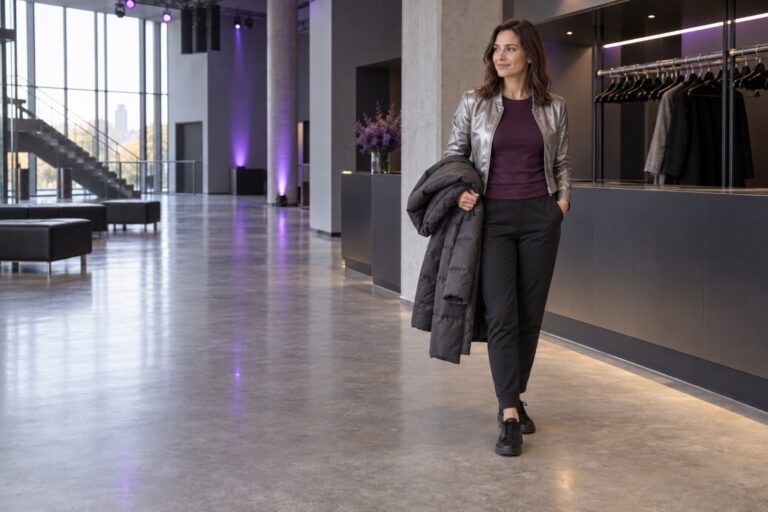
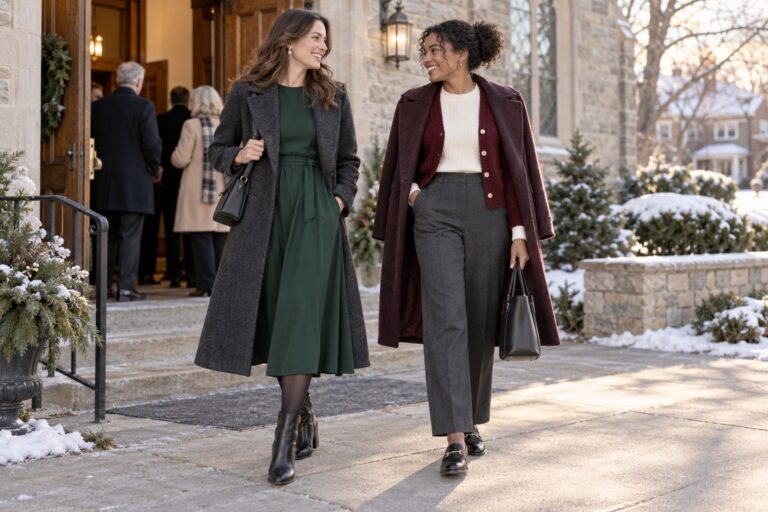
Elegant winter outfits do not have to look like a copied runway image or a formal uniform. The most interesting cold-weather looks often begin with familiar pieces, then introduce one detail that feels current: a softer tone, a tactile finish, a changed neckline, or an expressive accessory. The key is deciding how much attention that detail should receive.
Recent fashion coverage offers a useful mix of ideas, from tonal espresso dressing and scarf-knit details to faux-fur accents and animal-print accessories. Instead of treating these as a checklist, read them as styling signals. A single signal can refresh a coat-and-trouser combination while leaving the rest of your wardrobe recognizable. This guide looks at what is changing, why proportion matters, and how to make the idea feel like your own.
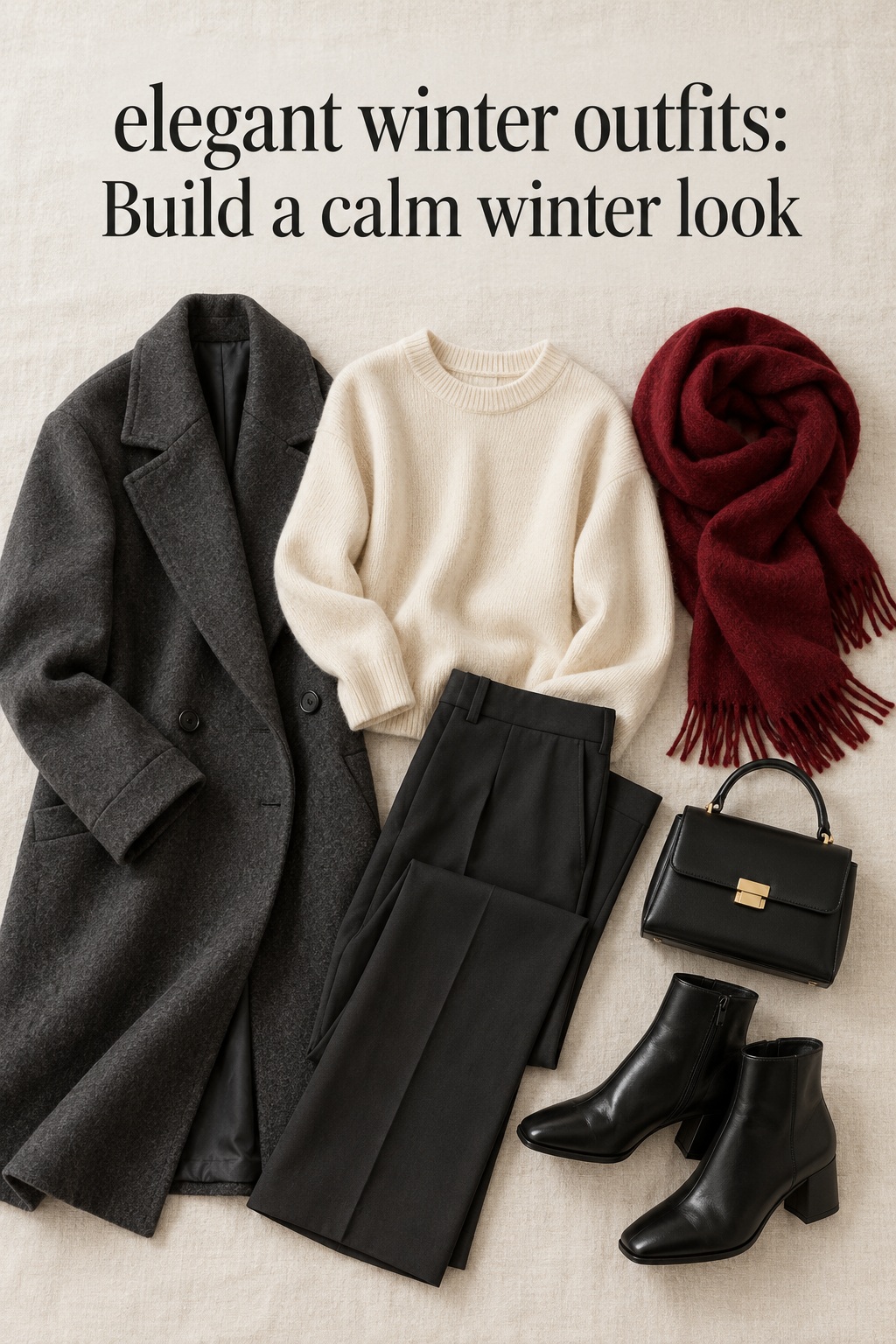
Elegant winter outfits are getting a more personal update
Winter style has always relied on a few dependable shapes: a coat over knitwear, a skirt with boots, trousers with a sweater, or a dress with an additional layer. What changes from season to season is often the emphasis. Current editorial styling puts more attention on how a familiar base is finished: a contrasting texture near the face, a richer brown instead of the expected black, or a small printed accessory against a quiet outfit. One recent roundup, for example, pairs classic winter foundations with details such as a scarf knit and faux-fur texture, while another highlights tonal espresso and animal print as ways to change the mood of a look.
That shift matters because a head-to-toe trend can feel difficult to adapt. A full look may depend on pieces, proportions, or styling choices that do not match what you already wear. A detail is more flexible. It lets you test an idea at the scale that feels comfortable: perhaps the whole coat is a new color, or perhaps only a scarf, bag, collar, or shoe carries the seasonal note. The outfit remains yours because its foundation still comes from your ordinary wardrobe.
Found the dress? Keep the rest in one place.
Zarellea brings guest details, vendors, timelines, and every next step together — so your wedding plan feels as good as your look.
Think of elegance here as visual intention, not a dress code or a price point. The eye can follow the line of a long coat, notice the difference between a smooth trouser and a textured knit, or land on one carefully chosen accent. Those are styling choices rather than rules. You can prefer relaxed shapes, vivid color, or very simple layers and still create a coherent result. The useful question is not whether a look is objectively elegant. Ask whether its most noticeable element seems connected to the rest.
This also explains why current inspiration can work for people who do not want to rebuild a wardrobe. You can borrow a proportion, texture, or color relationship without buying the exact pieces in a photograph. If the source image uses a dramatic coat, perhaps your version is a familiar blazer or cardigan with a similar shape. If it layers several accessories, choose only the one detail that feels natural to you. Adaptation is the point, not imitation.
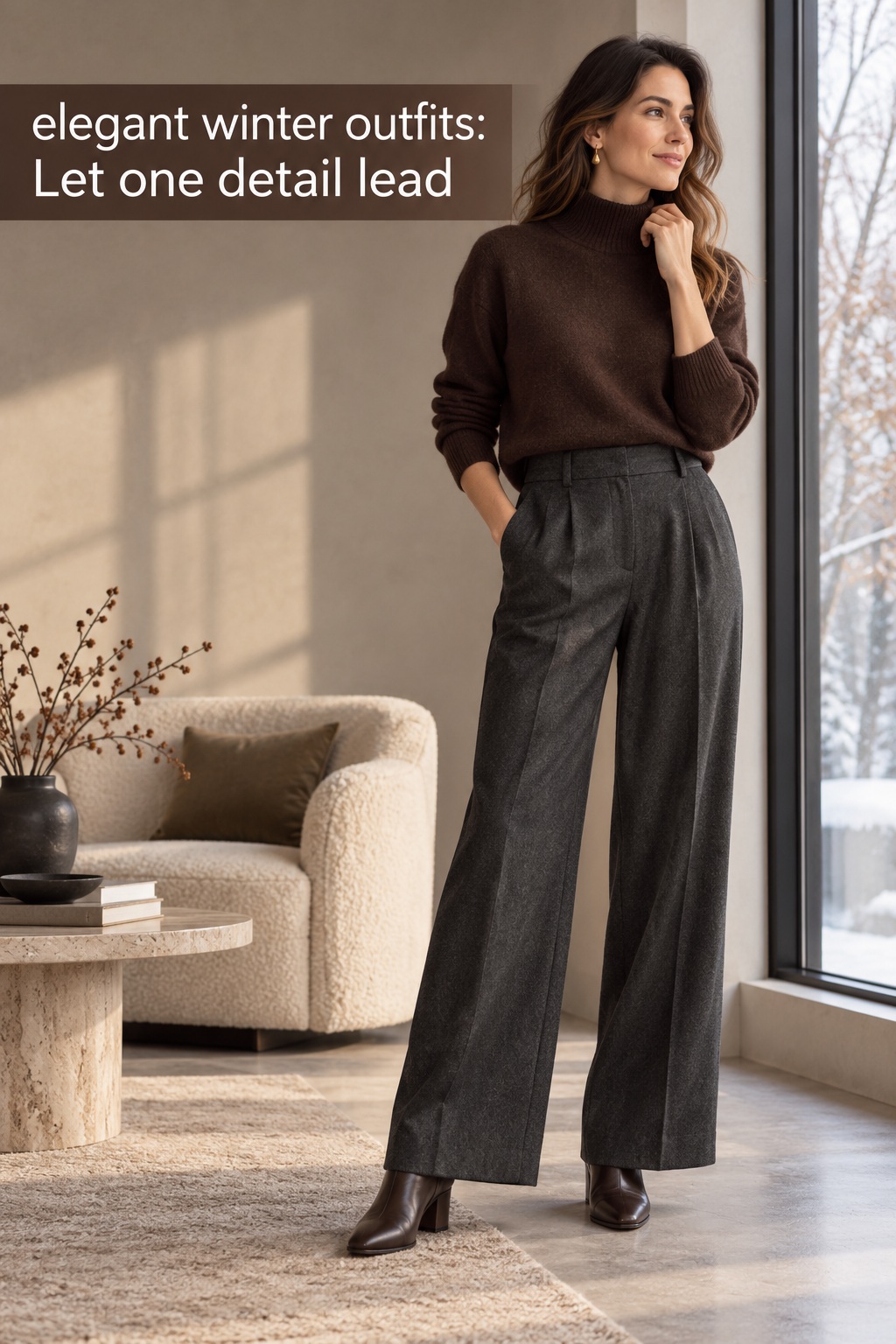
What changes when one seasonal detail enters a classic base
Start by separating the outfit into two parts: the base and the signal. The base is the combination you already understand, such as straight jeans and a knit, tailored trousers and a shirt, or a simple dress with boots. The signal is the element that changes the impression: a new texture, a distinct shade, a more sculptural neckline, or an unexpected accessory. This is not a formula that guarantees elegance. It is a way to see where the outfit’s visual energy is going.
Scale determines how loudly the detail speaks. A narrow scarf, a slim belt, or a small printed bag makes a quieter change than a full faux-fur collar or a boldly colored coat. Neither scale is automatically better. If you want the outfit to feel understated, choose one small accent and keep the remaining pieces simple. If you enjoy expressive dressing, make the larger detail the clear subject and reduce competing elements around it.
Placement affects what people notice first. A detail at the neckline draws attention toward the face. A belt creates a visible break at the waist. A shoe or bag carries interest lower in the look. Before adding an accent, consider where the outfit already feels busy. If the sweater has a prominent collar or pattern, a second statement at the neck may compete. A quieter shoe or bag might complete the look more naturally.
Contrast gives an outfit definition. It can come from color, finish, shape, or texture. A soft knit beside a smoother trouser is one example; a relaxed layer over a crisp shirt is another. You do not need strong color contrast to create visual distinction. A tonal outfit can still contain differences in shape and surface. Conversely, a colorful accessory may be enough to enliven a neutral base without adding more pattern or shine.
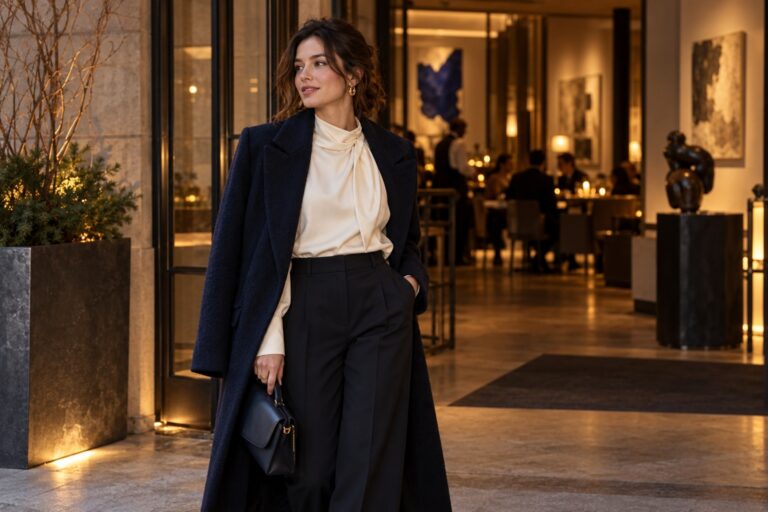
Proportion decides whether the pieces feel balanced together. If a jacket is boxy, a straighter or more defined line elsewhere can make the silhouette easier to read. If the lower half is wide, a shorter layer or a visible neckline may give the outfit a sense of direction. These are options, not body-shape instructions. The best proportion is the one that lets you move comfortably and makes the clothes feel deliberate to you.
When something feels off, remove or soften one competing element before adding another. Try opening the collar, simplifying the bag, changing the tuck, or letting the featured texture stand alone. A useful edit often makes the relationship between pieces clearer. The aim is not to strip the outfit of personality. It is to help the chosen detail read as a choice instead of visual noise.
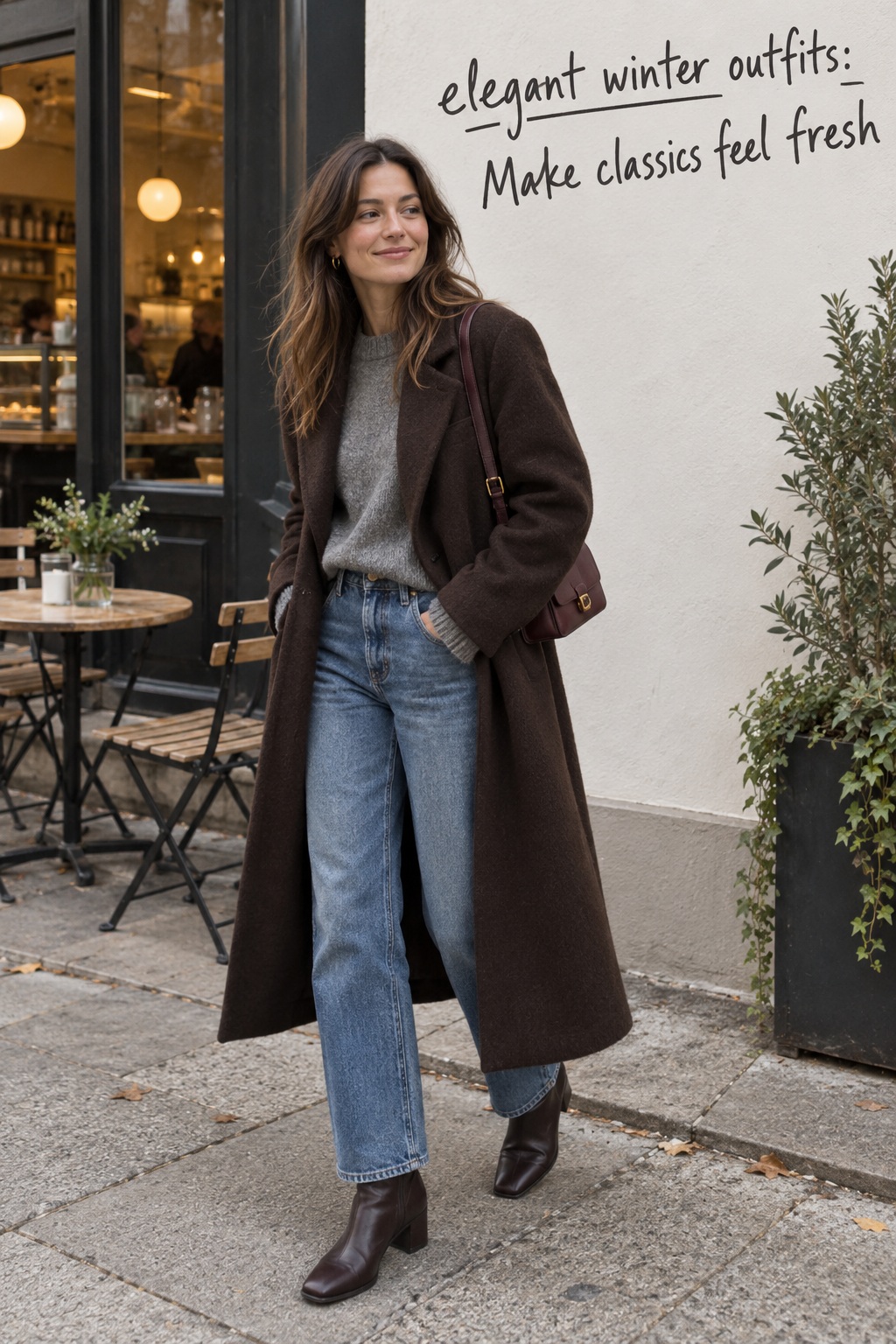
Four ways to translate current cues into wearable looks
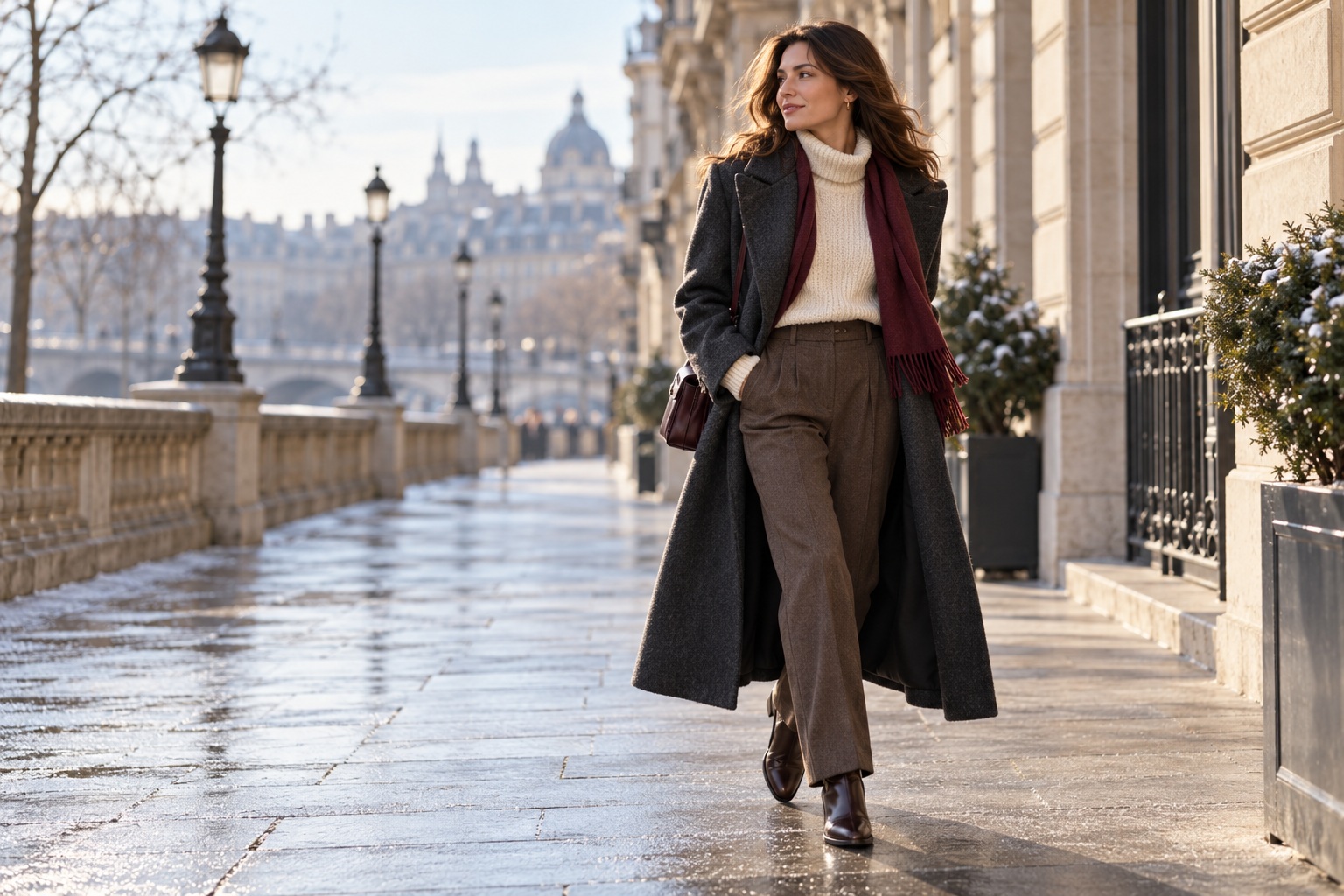
1. Try tonal brown as a bridge, not a uniform. Recent winter styling coverage shows espresso and other deep browns alongside familiar tailoring. If you already wear dark trousers or a dark coat, you can bring brown in through one layer or accessory rather than matching every piece. For example, combine a charcoal knit with brown trousers and a dark coat, or wear a brown scarf over a navy or black outfit. The relationship between the shades creates the update; the pieces do not have to match exactly. If head-to-toe tonal dressing feels too composed for your taste, leave one familiar color visible.
2. Let one tactile detail do the talking. Faux-fur trim and soft, brushed surfaces appear in current seasonal inspiration. You can interpret that idea with a single textured scarf, collar, or bag against a smooth coat and simple knit. Keep the silhouette uncomplicated so the texture remains legible. If a fuzzy or plush detail does not suit your style, use a ribbed knit, suede-like surface, or another noticeable texture you already own. The aim is a visible difference in finish, not a specific material or a claim about warmth.
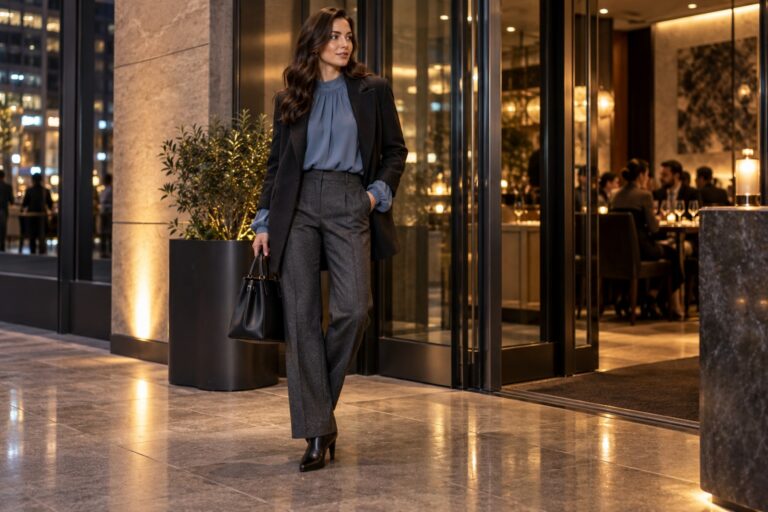
3. Use the neckline as the focal point. A scarf-knit sweater or a sharply framed collar changes the upper part of a familiar outfit. Try it with straight trousers or a simple skirt, then decide whether an additional necklace, scarf, or lapel is needed. Often, one clear neckline is enough. A blazer over a fine knit can create a similarly considered frame without making the outfit feel like formal officewear. If you prefer softer shapes, leave the layer open and let the knit show rather than forcing a crisp line.
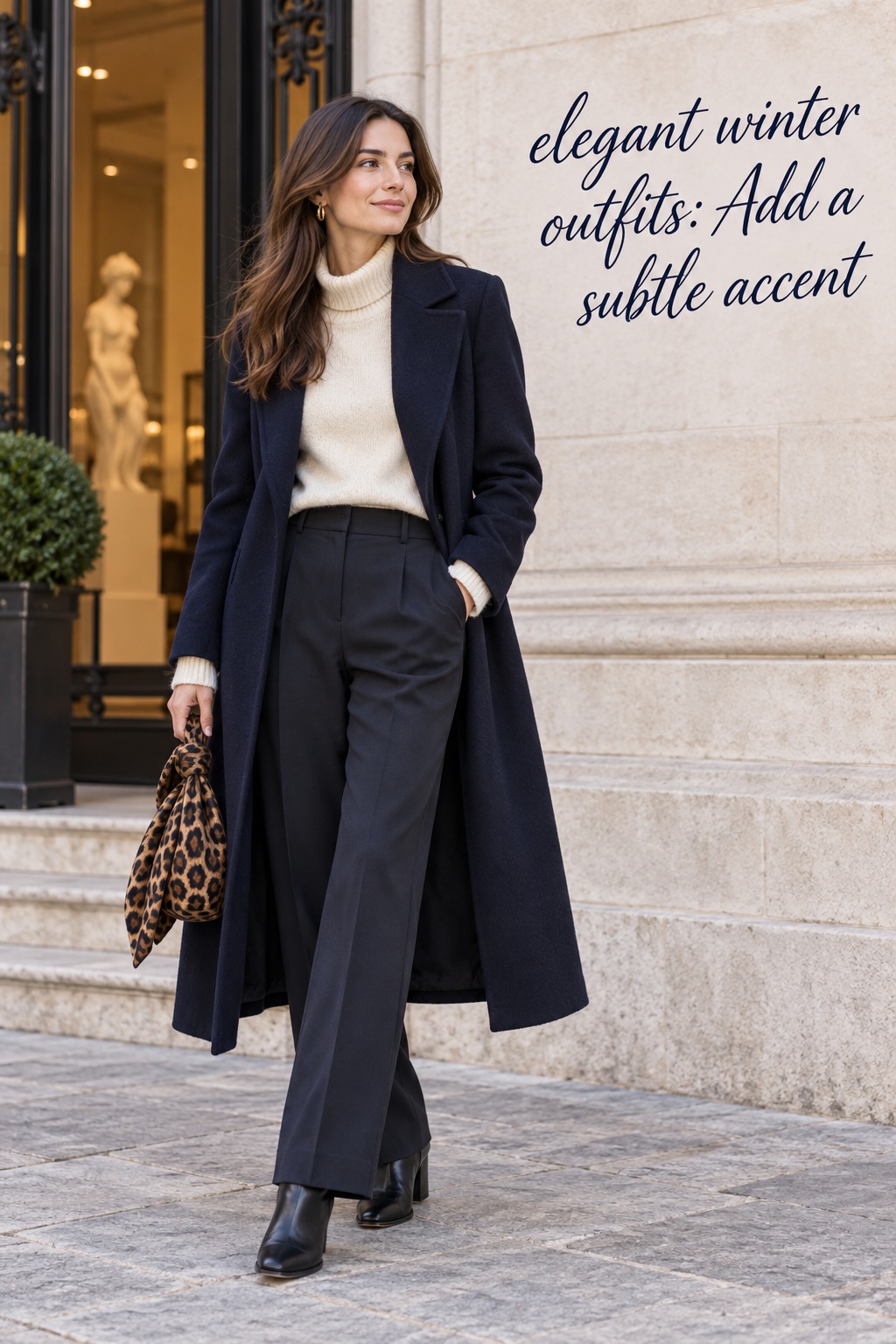
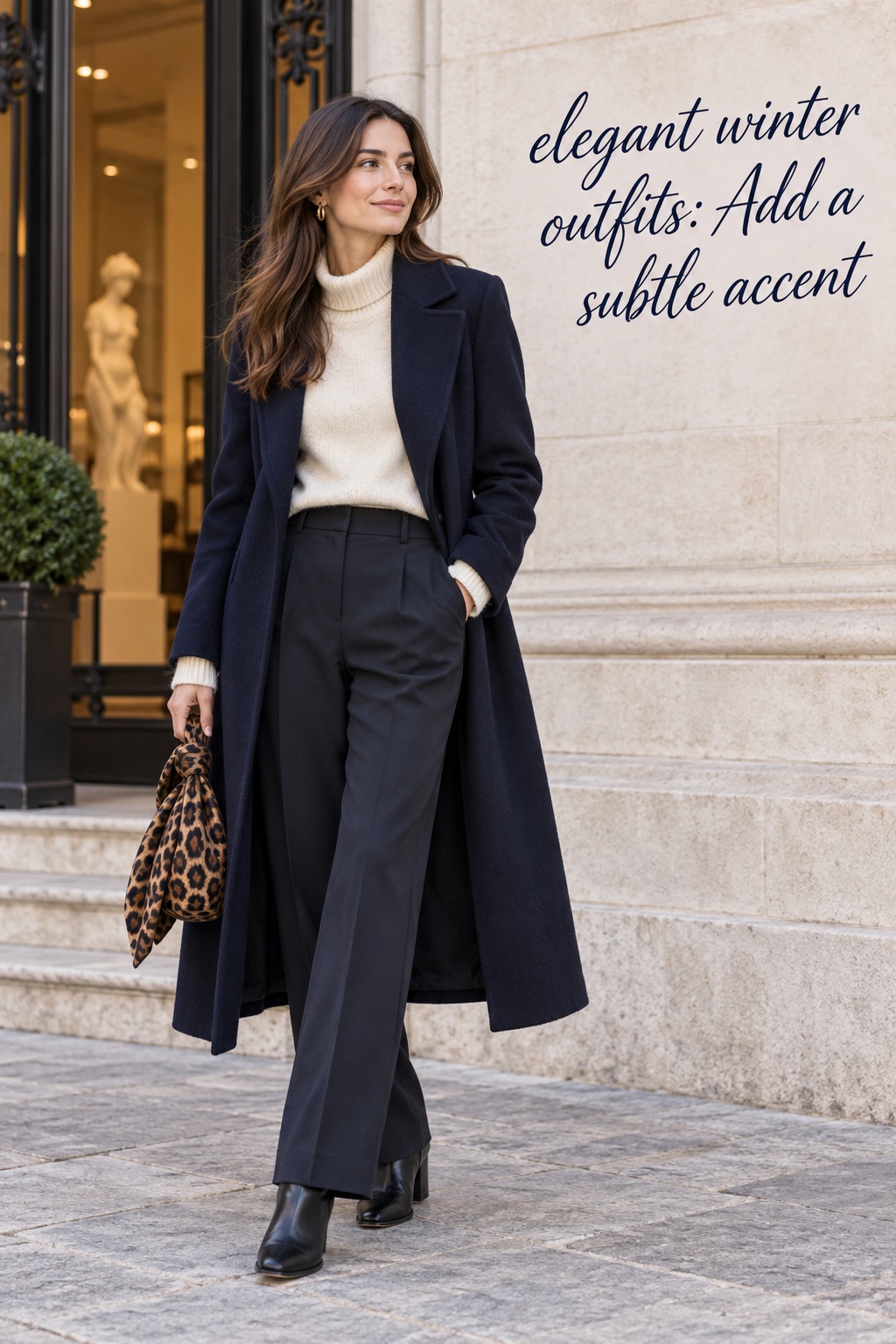
4. Add a small print to an otherwise quiet outfit. Editorial winter looks have used animal-print accessories as an accent against basics. The practical translation is to make the print a single note: a belt, shoe, or compact bag beside a plain sweater and trousers. Choose the item that already fits how you dress. If the print feels too conspicuous, borrow its idea of contrast through a striped scarf or a small patterned detail in colors you already wear. Keep other accessories simple so the focal point does not have to compete.
In all four examples, the current cue is optional. You might use a brown tone one day and return to black the next. You might like texture but not print, or a strong neckline but not a statement coat. The editorial image is a starting point for noticing a relationship, such as soft against smooth or quiet against expressive. Once you can name that relationship, you can recreate the effect with different garments.
For readers who prefer a very classic look, keep the seasonal signal small and let the cut of familiar pieces lead. For a more expressive style, allow two details to share attention if they connect through a repeated color or texture. For a relaxed outfit, try one sharper element, such as a cleaner collar or a more defined bag shape. These are not separate dress codes. They are different ways to control emphasis.
When saving inspiration, look past the label attached to a trend and notice the visual construction. Is the look mostly one tone? Is the accessory the only print? Does the outfit combine a soft surface with a crisp edge? This makes inspiration more useful because you can apply the same construction to pieces that are already in your closet. It also helps you skip a trend that relies on an item or silhouette you would not reach for.
Adjust the same idea for casual, polished, or expressive style
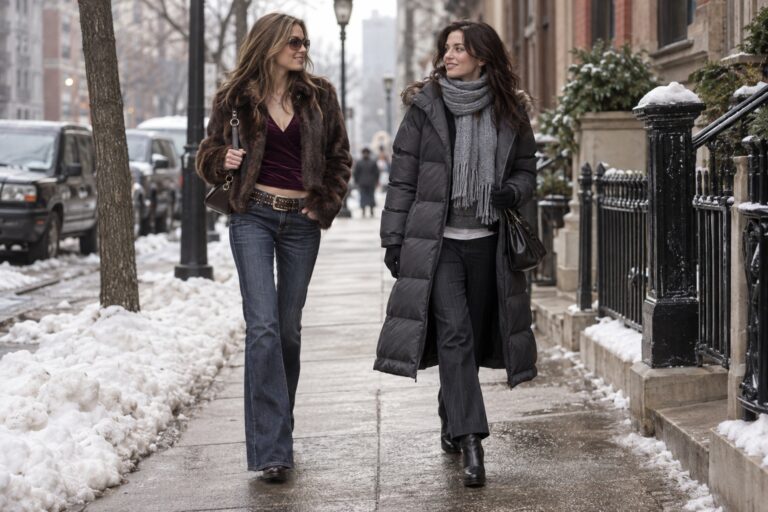
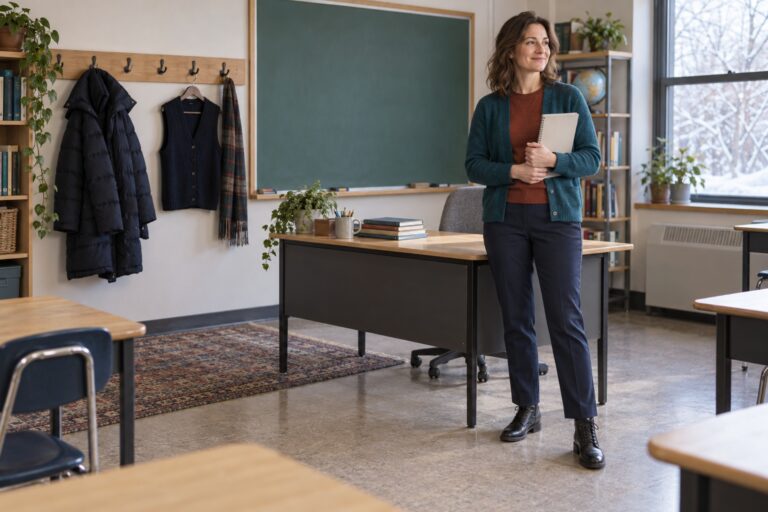
A casual version can begin with a knit and jeans. Add one considered detail, such as a structured outer layer, a scarf with a clear pattern, or a boot shape that repeats the outfit’s clean line. Keep the rest comfortable. Elegance does not require replacing relaxed clothes with dressy pieces; it can come from the way one item gives the combination a focal point.
A more polished version might use tailored trousers, a fine knit, and a coat or blazer. Here, the seasonal update can be subtle: a brown shade, a noticeable texture, or a distinct collar. Because tailoring already provides a defined outline, you may not need a strong accessory as well. A recent blazer guide also points to the role of layering a jacket over a light knit and jeans, including the neckline as a visible detail. The useful lesson is about framing, not a requirement to own a particular blazer.
An expressive version can combine a bolder detail with a simple foundation. A vivid knit under a dark coat, a printed accessory beside plain separates, or a plush collar over a streamlined base can give the outfit personality without making every piece compete. If you enjoy mixing pattern and texture, repeat one color or shape so the combination still has a point of connection. If the result feels too busy, remove the smallest competing element first.
You can also change the balance based on what you want the outfit to communicate. A neat collar and defined shoe can feel more composed. A loose scarf and relaxed trouser can feel softer. A stronger contrast or oversized detail can feel more fashion-forward. None is the universally correct version of elegance. Choose the one that matches your own comfort and the setting you are dressing for.
Consider the complete silhouette when the outer layer is on, since that may be the version people see most often outdoors. Then check the outfit without the coat, so the base still feels intentional on its own. This is a simple visual review, not a weather system or a layering checklist. It helps you avoid relying on an outer layer to make an outfit feel finished if you will spend much of the day inside.
A final edit for visual balance
Before heading out, identify the outfit’s focal point. It could be the coat, the knit texture, the neckline, the color relationship, or a small accessory. If you cannot decide which element leads, the look may have several details asking for equal attention. Remove one, simplify it, or let one piece carry more visual weight. If the outfit looks plain, add one clear contrast rather than several unrelated accents.
Next, look at the silhouette from a little distance. Do the coat and the layers beneath it appear to belong to the same outfit? Is there a visible shape or line that connects the upper and lower half? Adjusting a cuff, opening a button, or changing a tuck can make more difference than another accessory. There is no need to make every edge precise. The goal is for the overall shape to feel considered.
Then check the mix of surfaces. Smooth, fluffy, ribbed, matte, or subtly glossy details can all coexist, but multiple strong textures may obscure each other. Let one texture stand out, or repeat it in a smaller way elsewhere. Likewise, a print usually reads most clearly when its colors have some relationship to the rest of the outfit. If the accessory already has pattern, plain layers can give it room.
Finally, ask whether the seasonal detail still feels like you. If it does, keep it, even if your outfit is not a close copy of the inspiration image. If it feels borrowed, scale it down or choose a different cue. A useful trend should offer an idea you can adapt, not pressure to replace a familiar style. Elegant winter outfits can be classic, relaxed, or vivid, as long as the choices feel connected and comfortable for the person wearing them.
Sources and methodology
This article interprets recent editorial styling examples from Who What Wear’s winter outfit coverage and Marie Claire’s blazer styling guide. They are used as examples of published styling cues, not as evidence that a trend is universal or a forecast. The outfit adaptations and balance checks are subjective styling suggestions.
FAQ
What makes winter outfits look elegant?
Elegance is personal, but a clear silhouette and one intentional focal point can help an outfit feel connected. That focal point might be a color, a texture, a neckline, or an accessory. You do not need formal clothes or matching pieces to create that sense of intention.
How can I make a winter outfit look current without buying a new wardrobe?
Choose one styling idea from current inspiration and adapt it to a piece you already wear. You could try a tonal color relationship, a stronger texture, a defined neckline, or a printed accent. Keep the rest of the outfit familiar so the change stays manageable and personal.
Can neutral colors still make elegant winter outfits interesting?
Yes. Neutrals can feel distinct when the outfit combines different shapes, textures, or depths of color. A smooth layer beside a ribbed knit, or charcoal beside espresso brown, can add contrast without introducing a bright shade. Choose the amount of contrast that suits your style.
How many statement accessories should I wear at once?
There is no fixed number. If you want one piece to stand out, let it be the clearest focal point and keep nearby details quieter. If you prefer a more expressive mix, repeat a color or texture so the accessories feel related. A mirror check can tell you whether the pieces complement or compete.
How do I wear a trend without looking like I copied an outfit photo?
Borrow the visual idea rather than the exact clothes. Notice whether the image uses tonal color, texture contrast, or one unexpected accessory, then recreate that relationship with pieces that fit your preferences. The result can be different from the reference and still carry the same styling idea.
Can a casual outfit still look elegant in winter?
Absolutely. Comfortable basics can look considered when their shapes relate and one detail gives the outfit direction. Try a simple knit and trousers with a clear outer layer or a textured scarf. Keep footwear and accessories suited to how you will actually spend the day.
How do I keep a winter outfit from feeling visually bulky?
Look at the proportions rather than adding more pieces. If one layer is roomy, a straighter line elsewhere can make the full shape easier to read. You might also open a layer, adjust a tuck, or reduce competing texture. Choose the version that remains comfortable and feels like your style.
Do elegant winter outfits have to be monochrome?
No. A single-color outfit is one option, but elegance can come from many color combinations. You might repeat one shade in two places, pair a neutral base with a small accent, or mix tones with different depths. The useful principle is connection, not a specific palette.