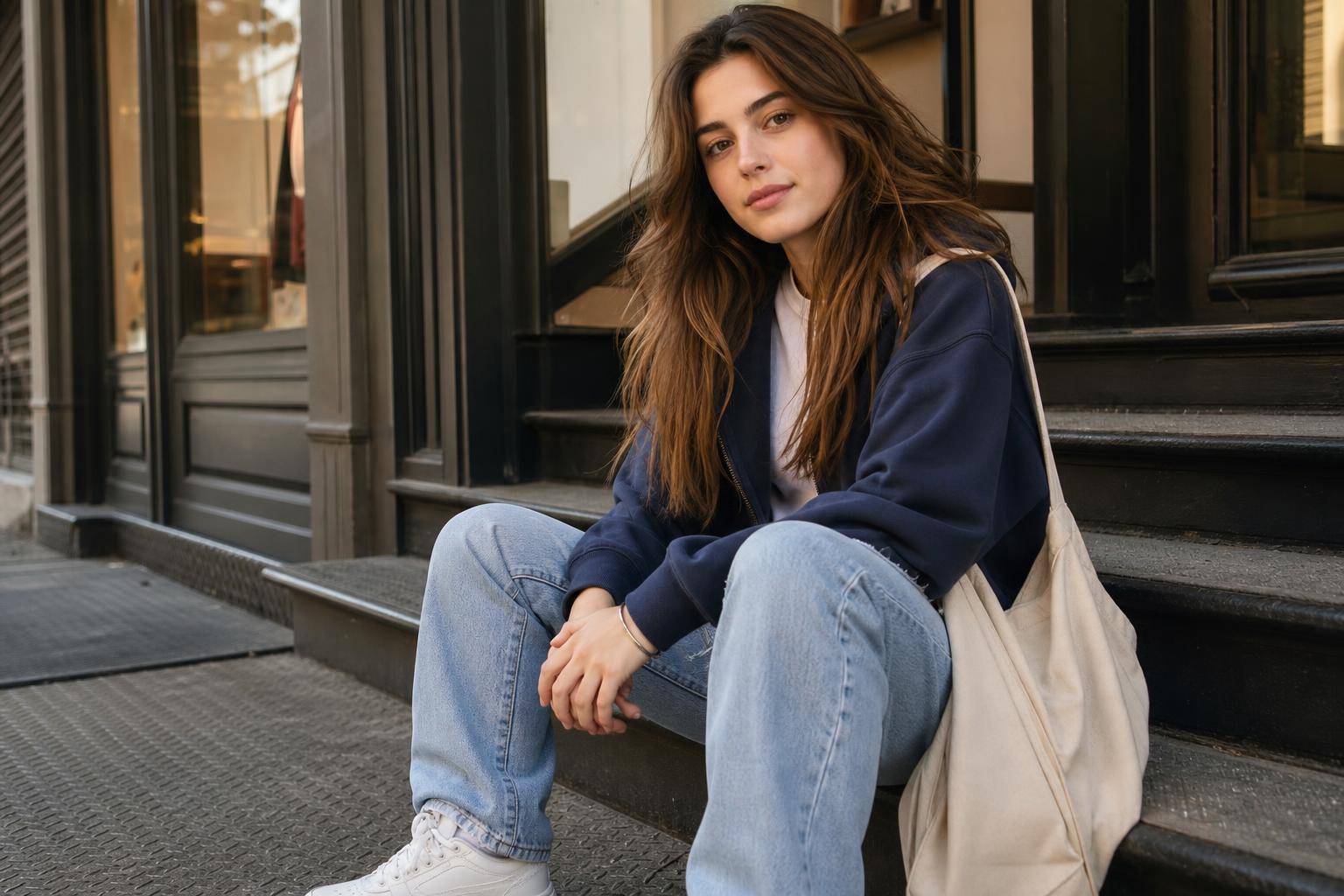
Teen Style That Feels Fresh, Polished, and Personal
The visual language of teen style right now
Teen style works best when it feels immediate, expressive, and easy to move in. The strongest version of this aesthetic is not one fixed uniform but a visual identity built through proportion, layering, and mood. Relaxed denim, soft knits, graphic basics, sneakers, and simple accessories create a wardrobe that feels current without looking overworked. The appeal comes from that balance: polished enough for photos, casual enough for everyday wear, and adaptable enough for school, weekends, and social plans.
The mood sits between comfort and self-definition. Some interpretations lean minimal, with clean lines and neutral palettes. Others introduce more streetwear energy through oversized silhouettes, sporty details, and statement outerwear. In both cases, teen style remains rooted in practicality. These are clothes meant for real schedules, changing weather, and long days that move from class to after-school plans without a full outfit change.
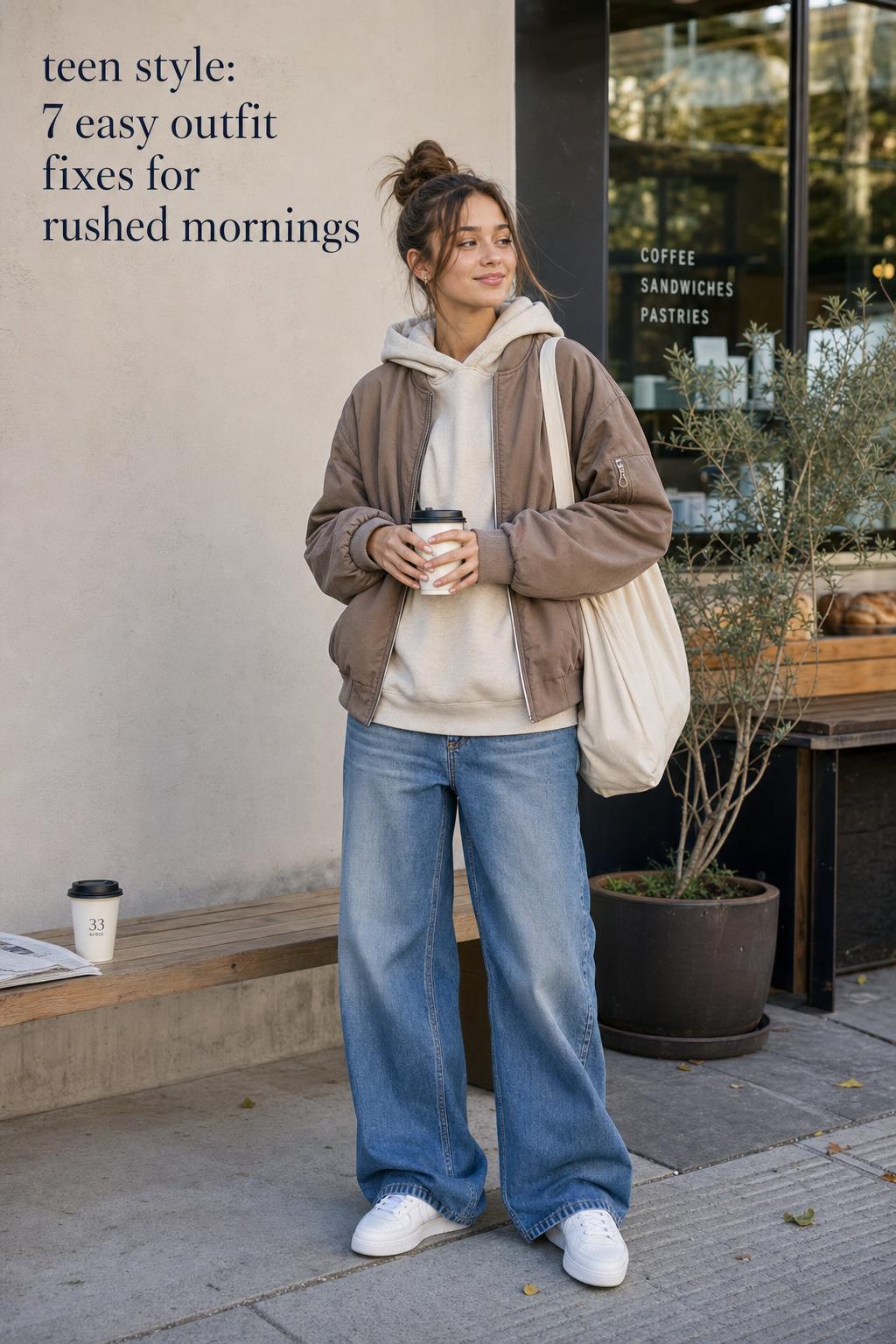
What keeps the aesthetic relevant is its flexibility. It can shift toward soft, understated dressing or into sharper street style depending on color, fabric, and accessories. That range makes it especially wearable in the U.S., where outfits often need to function across school settings, city errands, weekend gatherings, and casual events. The most successful looks understand that visual impact matters, but comfort and authenticity matter just as much.
Why this aesthetic feels current
The defining strength of teen style is outfit composition rather than any single garment. A look feels modern when the silhouette has intention: an oversized top with a more fitted base, a wide-leg pant with a cropped layer, or a structured jacket over a soft knit. That proportion play creates shape without forcing formality. It also allows basic pieces to read as styled rather than random.
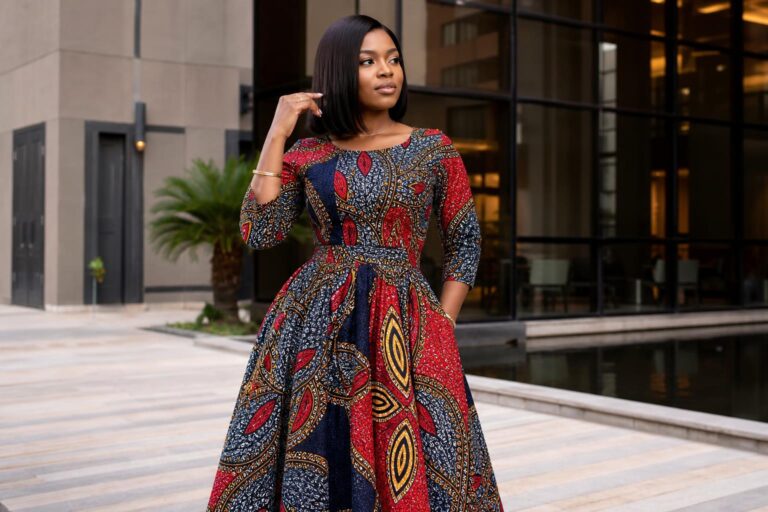
Found the dress? Keep the rest in one place.
Zarellea brings guest details, vendors, timelines, and every next step together — so your wedding plan feels as good as your look.
Color harmony matters just as much. Neutral wardrobes rely on black, white, gray, cream, navy, and denim washes to create tonal layering. A more expressive approach may still stay cohesive by choosing one visual anchor, such as a bold sneaker, a statement hoodie, or a patterned skirt, and letting the surrounding pieces support it. This is why teen style photographs well: the eye can immediately identify the focal point.
Texture contrast is another reason the aesthetic works. Fleece against denim, ribbed knit beside smooth cotton, or a structured blazer over a T-shirt gives depth to simple outfits. Even when the palette remains understated, texture prevents the look from feeling flat. In practical terms, these combinations also make everyday dressing easier because they rely on common wardrobe pieces styled with more intention.
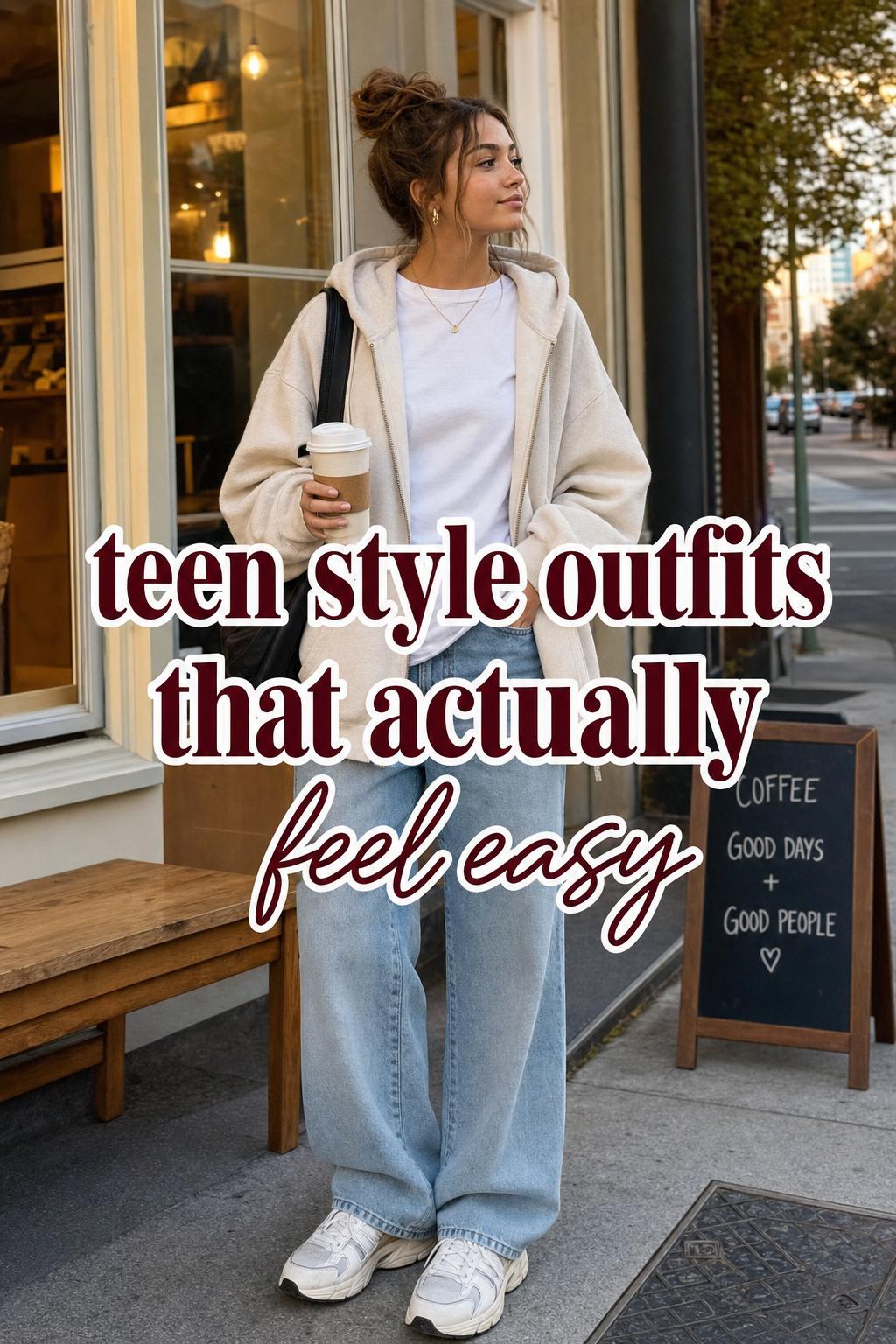
Look: relaxed campus layers
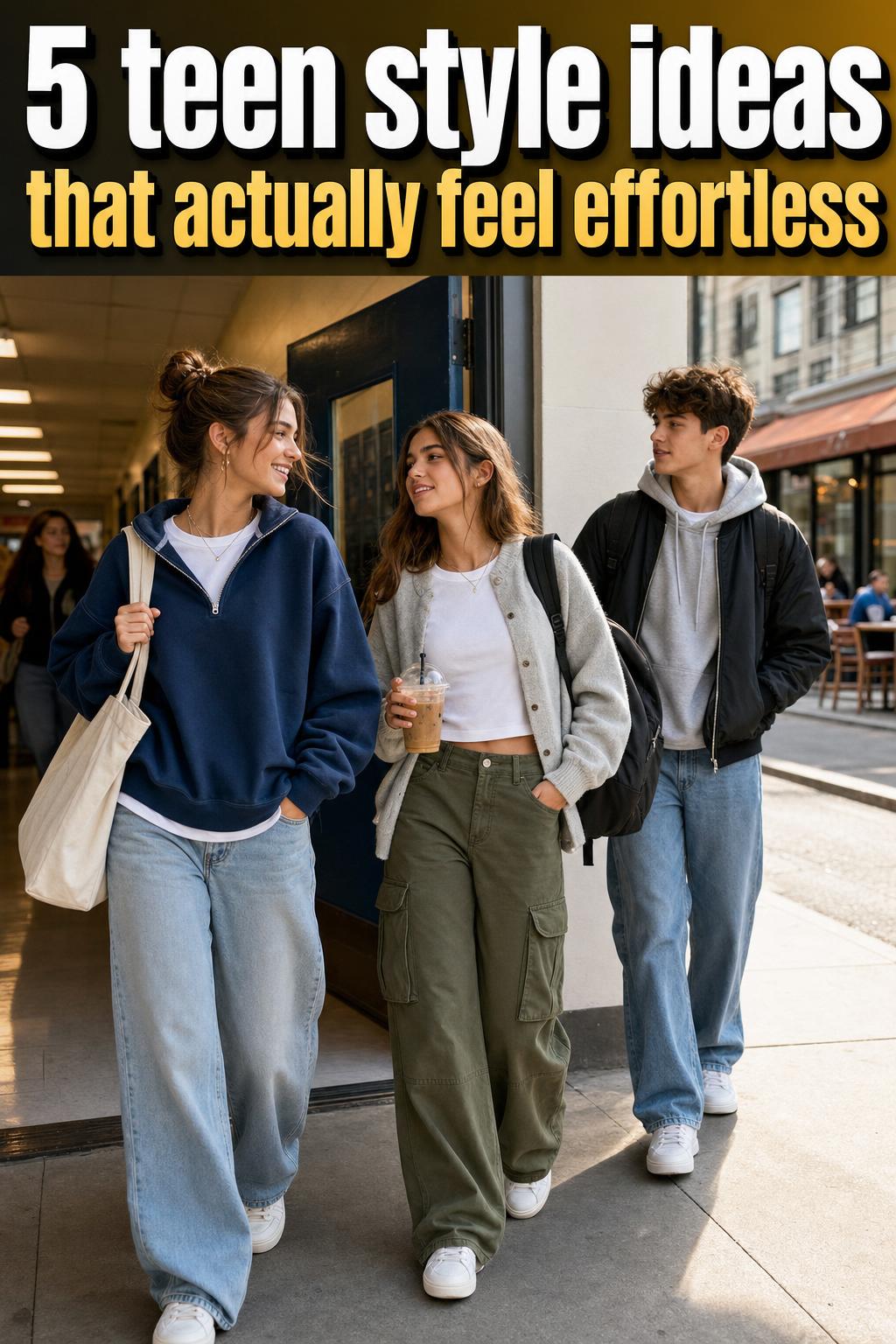
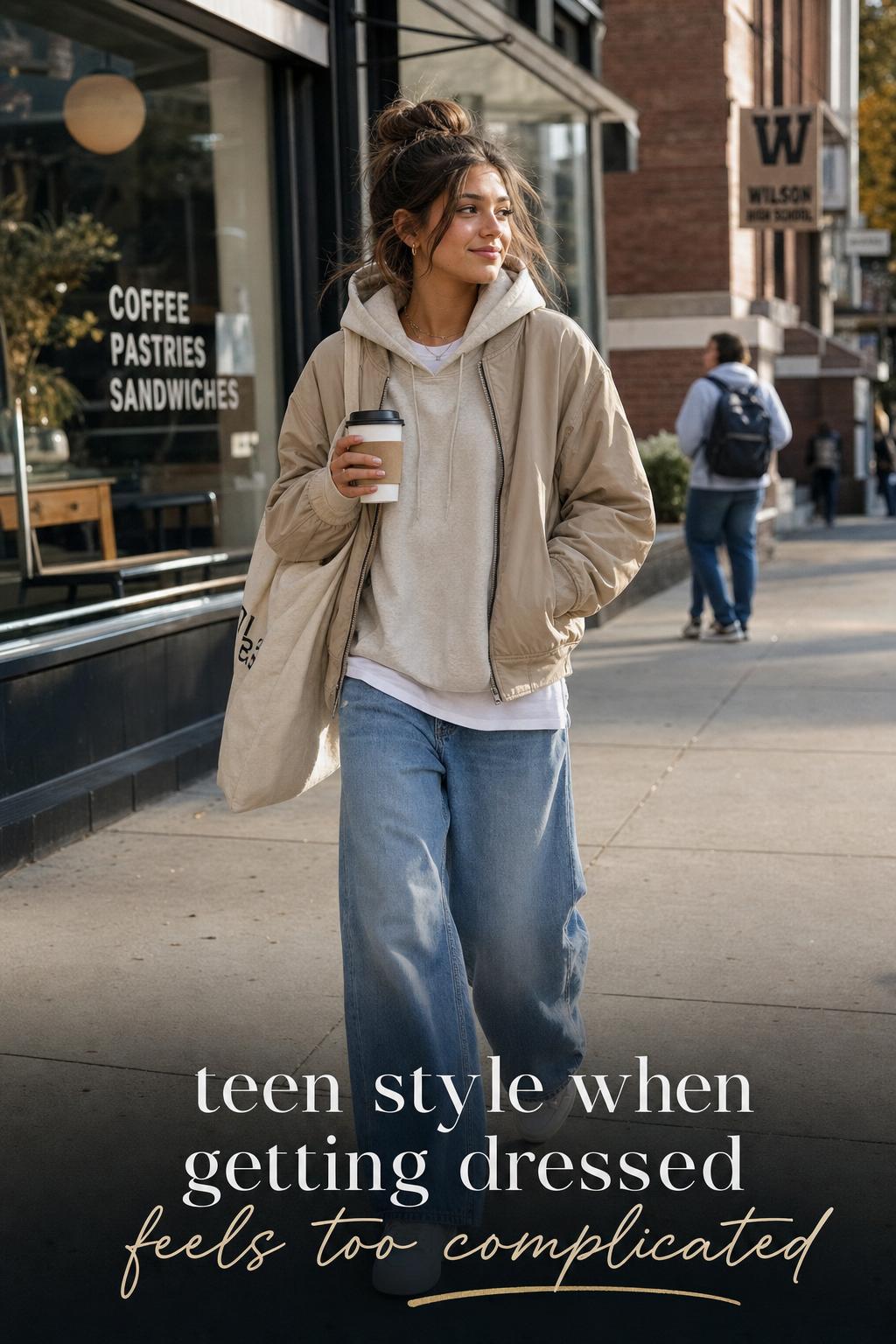
This interpretation of teen style centers on an easy, slightly oversized silhouette that feels effortless rather than sloppy. The overall mood is casual and grounded, with enough structure to look considered in a school hallway, coffee stop, or weekend study session. The shape is built through loose layers that skim the body and create movement, which is especially useful for long days when comfort is non-negotiable.
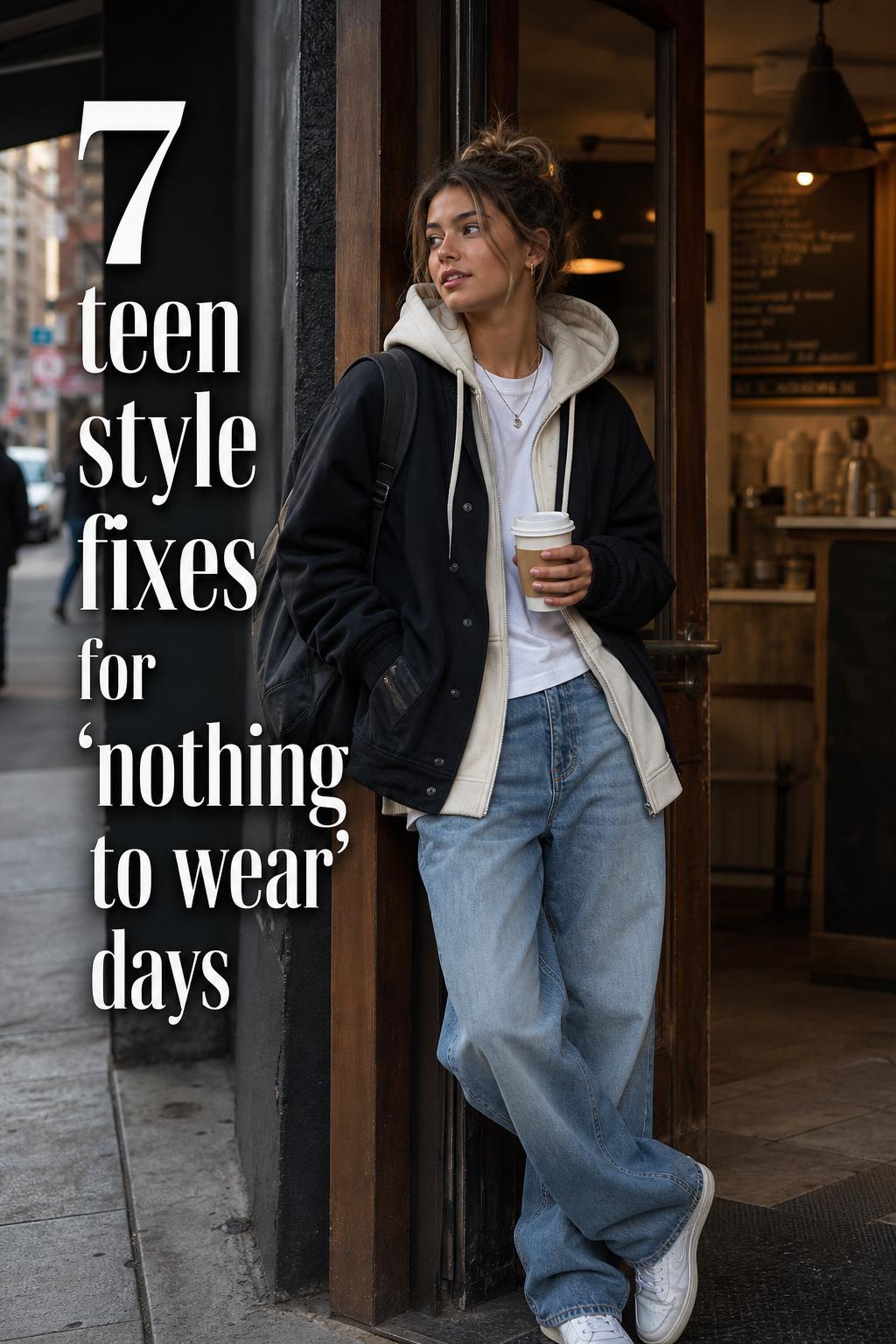
A heavyweight hoodie or crewneck sweatshirt works as the visual base, paired with straight-leg or loose denim in a medium wash. A simple white T-shirt peeking underneath adds depth and keeps the layering intentional. Sneakers anchor the outfit and reinforce the youthful streetwear edge, while a canvas tote or backpack supports the practical side of the aesthetic. Gray, navy, washed black, and soft blue form a reliable seasonal palette here.
- Key garments: oversized hoodie, white tee, relaxed jeans
- Footwear: classic sneakers
- Accessories: backpack, tote, minimal jewelry
This look works because the volume is distributed evenly without losing shape. The denim provides structure, while the sweatshirt softens the outfit composition. For everyday teen style, this is one of the most functional formulas because it feels natural in motion and transitions easily between indoor and outdoor settings.
Style tip: keep the layers visible
A visible hem from the T-shirt under the sweatshirt creates a cleaner layered effect than a single heavy top worn alone. That small detail introduces contrast and makes basic pieces feel more styled.
Look: neutral street style with clean lines
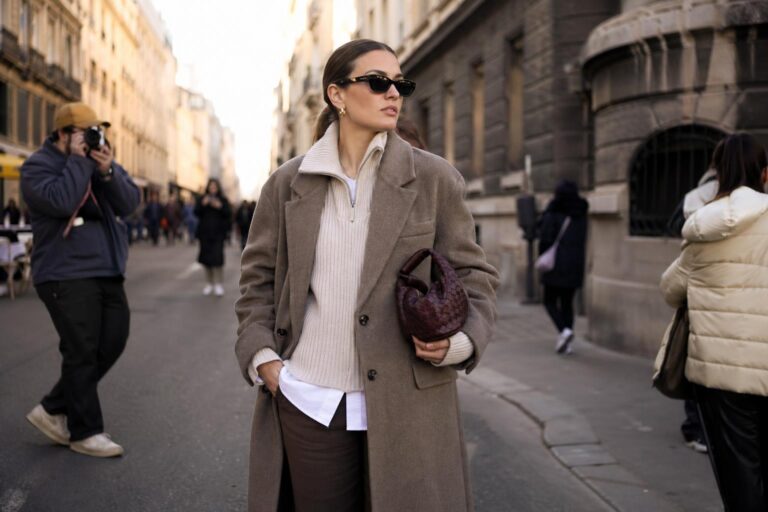
For a sharper version of teen style, neutral street style brings in a more edited silhouette. The mood is calm and modern, with understated confidence rather than loud trend-chasing. This look suits city settings particularly well because it relies on crisp proportions and tonal dressing instead of overt decoration. It feels polished without reading formal.
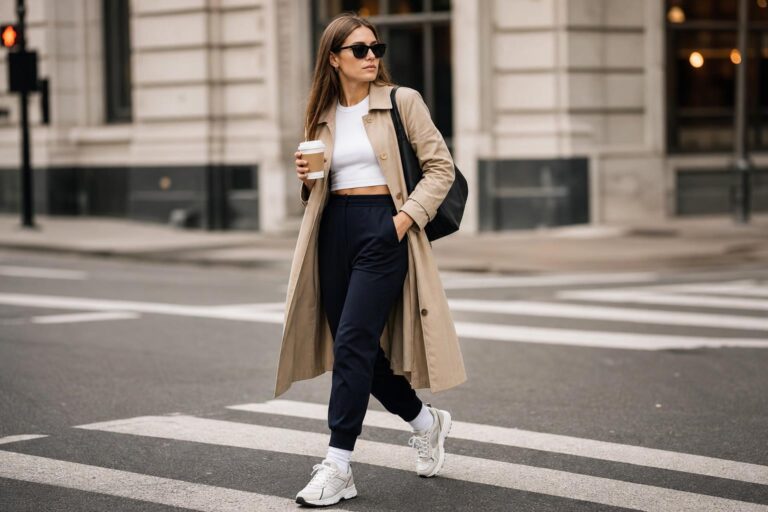
Start with wide-leg trousers or tailored cargo-inspired pants in black, stone, or charcoal. Add a fitted tank, compact knit, or clean crewneck top as the base layer. A structured blazer, bomber, or minimal jacket creates the top line of the outfit and gives the composition a strong visual frame. White sneakers or sleek low-profile shoes maintain the youthful edge, while a shoulder bag and simple hoops or rings complete the look without clutter.
This combination works because it balances relaxed streetwear codes with a more intentional outer layer. The trousers introduce length and sophistication, while the fitted top prevents the silhouette from becoming heavy. For readers drawn to teen style but wanting something more elevated, this is the most effective direction.
Look: soft weekend aesthetic
Not every version of teen style needs strong streetwear contrast. The softer weekend interpretation leans into comfort, warmth, and approachable femininity while staying practical. The silhouette is gentler, often built around cozy textures, lighter tones, and pieces that feel relaxed enough for brunch, casual shopping, or a family outing.
A cardigan, fine knit sweater, or cropped pullover paired with high-rise jeans or an easy midi skirt creates this softer outfit composition. The palette can move through cream, dusty blue, light gray, blush, or beige, keeping the look visually quiet. Low sneakers, ballet-inspired flats, or simple boots can all fit depending on the weather. Accessories stay minimal: a small shoulder bag, hair clips, and delicate jewelry are enough.
The reason this aesthetic holds together is tonal layering. When colors remain within the same visual family, the outfit feels cohesive even if the silhouettes are mixed. This also makes the look easy to adapt across seasons, since the same base can shift with a heavier knit in colder months or a lighter cotton layer in warmer weather.
How to recreate the look without overstyling it
Choose one soft focal piece, such as the cardigan or knit, and keep the rest of the outfit grounded. Too many decorative details can dilute the clean mood. Teen style often looks strongest when the styling feels edited rather than crowded.
Look: denim-led everyday cool
Denim is one of the clearest visual anchors in teen style because it supports both casual and fashion-forward dressing. In this version, the silhouette revolves around denim as the central statement piece, whether that means loose jeans, a denim jacket, or a coordinated layered look. The mood is classic, slightly retro, and highly wearable.
Light-wash or vintage-inspired denim creates a relaxed base. Pair it with a striped top, a compact knit, or a simple graphic tee depending on how directional or understated you want the outfit to feel. A denim jacket can work over the top, but keeping one denim piece dominant prevents the outfit from becoming visually heavy. White sneakers, Converse-style shoes, or ankle boots can all support the look, while a belt provides a subtle structural detail.
- Best color pairings: light denim with white, gray, navy, or muted red
- Most useful layers: denim jacket, ribbed knit, cotton tee
- Easy accessory choices: belt, tote, simple necklace
This outfit direction works because denim naturally combines durability with visual ease. It handles movement, weather changes, and repeated wear well, which makes it ideal for school and weekend rotation. For teen style, denim often acts as the bridge between classic basics and trend-driven updates.
Where teen style is commonly worn and how that changes the outfit
Setting changes the success of an outfit more than many people realize. A school day requires movement, layers that can adapt to indoor temperatures, and footwear that stays comfortable over several hours. In that context, hoodies, denim, sneakers, and practical bags make sense because they support real use, not just appearance. The styling logic should always begin there.
Weekend plans allow more visual experimentation. A slightly stronger accessory, a wider-leg pant, or a more fashion-forward outer layer can work because the day usually demands less strict practicality. Street style versions of teen fashion often become more visible here, especially when the look is intended for shopping, social outings, or photos. The same wardrobe pieces can still be used, but the proportion play can be pushed further.
Location also matters. In a city environment, neutral layers, structured jackets, and cleaner sneakers often feel more natural. In suburban or campus settings, athletic influences and softer casualwear may look more integrated. Understanding that context helps refine teen style so it feels appropriate rather than performative.
Look: sporty streetwear energy
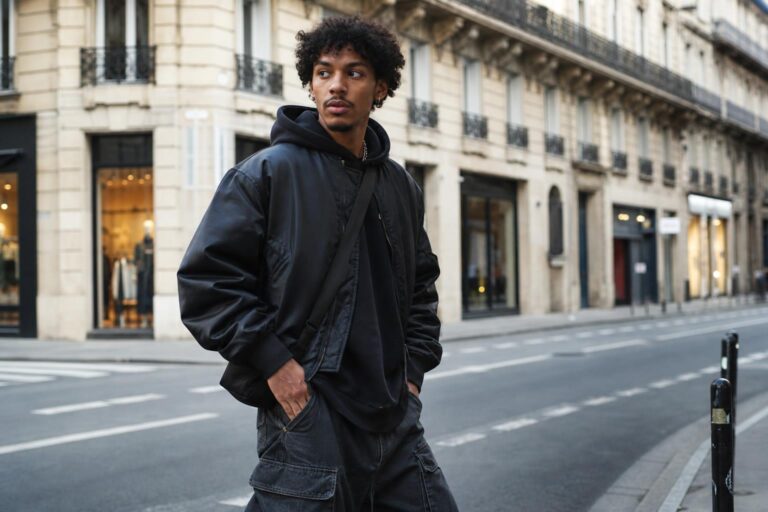
This version of teen style draws from athletic references without becoming full gym wear. The mood is dynamic, casual, and visually confident, built around oversized shapes and strong comfort cues. It works especially well for transitional weather because the pieces layer easily and hold their structure throughout the day.
Think track-inspired pants, relaxed joggers, or loose cargos paired with a cropped sweatshirt, boxy tee, or zip-up hoodie. A puffer vest, bomber, or lightweight jacket adds dimension and sharpens the top half of the silhouette. Sneakers are essential here because they maintain the athletic line of the outfit. Black, heather gray, forest green, navy, and off-white create a grounded palette that keeps the sporty references polished.
The styling logic is simple: contrast volume with a clear visual break. If the pants are wide, the top should either be shorter or more structured. If the jacket is bulky, the base layers should remain streamlined. That silhouette balance prevents sporty teen style from looking shapeless.
Key pieces for this aesthetic
- Relaxed track pants or cargos
- Boxy T-shirt or cropped sweatshirt
- Bomber, puffer vest, or zip hoodie
- Everyday sneakers with a clean profile
Look: polished casual for events that are still informal
Teen style also needs an answer for situations that are not fully dressy but still call for more refinement: a casual dinner, a school event, a birthday gathering, or a photo-heavy social plan. The right approach is not to abandon the aesthetic, but to streamline it. This look keeps the youthful ease while refining color and fit.
A fitted knit top, clean blouse, or compact mock-neck paired with tailored pants, dark denim, or a simple skirt creates the right base. Add a structured jacket or blazer for definition. Footwear can shift from sneakers to loafers, low boots, or sleek flats depending on the setting. Jewelry becomes slightly more visible here, but still restrained enough to preserve the overall clarity of the outfit.
The reason this works is that the silhouette remains rooted in familiar wardrobe pieces. Nothing feels costume-like or too mature. Instead, the outfit composition introduces sharper lines and more deliberate texture choices, which allows teen style to adapt to occasions that require polish without losing authenticity.
The color palettes that keep the aesthetic cohesive
A strong teen style wardrobe rarely depends on constant novelty. It depends on a color system that makes mixing easier. Neutral palettes are the most versatile because they allow denim, knitwear, and outerwear to combine without visual conflict. Black, white, gray, cream, and navy create a reliable foundation for school, errands, and everyday dressing.
Softer palettes work when the goal is a more delicate weekend mood. Light blue, blush, beige, and pale gray create a calm surface that feels cohesive in photos and natural in daylight. A bolder palette can also work, but it needs one dominant direction. A single saturated accent against basics usually reads more modern than several competing bright pieces.
This is where wardrobe planning becomes useful. If most bottoms stay neutral, tops and outer layers can shift the personality of the outfit without making coordination difficult. The result is a teen style wardrobe that feels expressive but still efficient.
Look: layered transitional-weather dressing
One of the most practical versions of teen style appears during seasonal transitions, when mornings are cool, afternoons warm up, and indoor temperatures vary. The visual mood here is layered and adaptive. Instead of one heavy piece, the outfit is built through lighter components that can be adjusted throughout the day.
Start with a cotton tee, tank, or thin knit as the base. Add an overshirt, cardigan, zip hoodie, or denim jacket depending on the temperature range. Pair that with straight jeans, relaxed trousers, or a midi skirt balanced by more grounded footwear. The palette can remain neutral, or it can include one accent shade for energy. A scarf, tote, or baseball cap can add function without disturbing the silhouette.
This outfit approach succeeds because it respects fabric behavior. Thin base layers prevent overheating indoors, while the outer layer provides structure and warmth outside. For real daily wear, this kind of modular styling is one of the smartest ways to make teen style look intentional while still being practical.
Practical tip: avoid all-heavy fabrics at once
If every layer is thick, the outfit can feel bulky and lose shape. Combine a lighter base with one substantial outer layer instead. That gives the look dimension without sacrificing comfort.
What often makes teen style look less effective
The most common issue is visual overload. Too many trend-led elements in one outfit can weaken the overall aesthetic because the eye has no clear focal point. If the jacket is oversized, the sneakers are bold, the bag is highly detailed, and the jewelry is heavy, the look may feel crowded instead of expressive. Strong styling usually comes from one statement piece supported by quieter essentials.
A second issue is poor proportion. Oversized dressing works, but only when there is silhouette control. If both top and bottom are extremely loose without any structure, the outfit can appear unfinished. A cropped layer, tucked hem, visible waistline, or more streamlined shoe often resolves that problem quickly.
The third mistake is choosing pieces that photograph well but do not function in real life. Teen style is worn through long hours, changing temperatures, and active movement. If an outfit constantly needs adjustment, the styling logic is incomplete. The most reliable looks are the ones that maintain their shape and comfort over time.
Look: graphic basics with a strong visual anchor
For readers who want a little more edge, graphic basics offer a useful middle ground. The mood is youthful and expressive, but the overall outfit can still remain controlled. This look depends on one standout surface element, such as a graphic tee, printed sweatshirt, or logo-driven layer, while the rest of the outfit keeps the composition balanced.
Pair the graphic piece with straight or loose jeans, simple cargos, or a dark mini or midi skirt depending on the direction you want. A bomber, denim jacket, or open shirt can layer on top without hiding the focal point. Footwear should stay relatively clean, since the upper half already carries visual interest. Black, white, faded red, charcoal, and vintage denim tones work particularly well in this setup.
This works because the graphic element acts as the statement piece and gives the outfit identity. The supporting basics stop the look from becoming chaotic. In teen style, that kind of hierarchy is essential; every strong outfit needs a clear visual anchor.
How to build a workable teen style wardrobe
A good wardrobe for this aesthetic is built from repeatable foundations rather than isolated statement pieces. The goal is to create enough variety through layering, color shifts, and accessory changes so the wardrobe feels expressive without requiring constant shopping. This approach supports both personal style and practical daily use.
- Core tops: white T-shirts, fitted tanks, compact knits, sweatshirts
- Core bottoms: straight jeans, loose denim, relaxed trousers, simple skirts
- Outer layers: denim jacket, bomber, cardigan, blazer, zip hoodie
- Footwear: everyday sneakers, boots, flats or loafers for dressed-up variation
- Accessories: tote or backpack, simple jewelry, belt, cap, small shoulder bag
This kind of structure allows multiple style identities to exist within the same wardrobe. A blazer changes the tone of jeans instantly. A cardigan softens trousers. A hoodie makes a tailored pant feel younger. That adaptability is a major reason teen style remains so appealing: the same essentials can shift mood without losing coherence.
Wardrobe insight: buy for outfit combinations, not single moments
The most useful purchase is the piece that creates several outfit compositions across school, weekends, and casual events. A jacket or pair of jeans that works three different ways usually has more long-term value than a highly specific trend item.
Adapting the aesthetic across seasons
Teen style changes with weather, but the core principles stay consistent. In colder months, the focus shifts toward heavier textures and stronger outerwear. Knitwear, layered sweatshirts, denim jackets under coats, and boots all support the same youthful silhouette while adding insulation. The palette often deepens as well, with more charcoal, navy, black, and forest tones.
In warmer months, the same aesthetic becomes lighter through fabric choice and shorter layers. Cotton tees, tanks, loose shirts, lightweight skirts, and airy denim carry the look without excessive bulk. Sneakers still work, but open footwear or lighter flats may suit certain settings. The key is to preserve the visual identity through proportion and color balance, even when the layers change.
Seasonal dressing matters because comfort directly affects whether an outfit feels convincing. When the clothing is appropriate for the temperature, the posture and movement look more natural. That practical realism is part of what makes teen style successful in everyday life.
Look: understated evening casual
There is a quieter version of teen style that works especially well for evening plans that stay casual. The visual mood is darker, cleaner, and a little more refined than daytime looks. Instead of relying on extra layers, it creates impact through sharper contrast and a more concise outfit composition.
Dark jeans or black trousers paired with a fitted knit, simple long-sleeve top, or sleek tank form the foundation. A leather-look or structured jacket can add definition if the setting allows. Footwear stays streamlined: clean sneakers, ankle boots, or loafers all fit. Jewelry should remain selective, used to echo the outfit rather than dominate it.
This version works because it narrows the palette and simplifies the silhouette. Teen style does not need extra embellishment to feel elevated. Often, clarity of line and a stronger tonal story are enough to shift a look into evening-appropriate territory.
Making the aesthetic personal without losing cohesion
Personal style enters through emphasis. Some people prefer softer layering and lighter palettes; others lean into streetwear volume, denim, and darker neutrals. Both can still fall clearly within teen style because the underlying framework remains the same: practical pieces, visible silhouette balance, and a wardrobe that supports real daily movement.
The easiest way to personalize the aesthetic is through one repeatable signature. That could be always wearing wide-leg jeans, choosing only clean neutrals, relying on cardigans, favoring sporty jackets, or building every outfit around sneakers. A consistent styling signature makes the wardrobe feel more intentional and helps separate personal expression from random trend adoption.
That balance between individuality and structure is what gives teen style long-term value. It leaves room for experimentation, but it also provides enough clarity that outfits feel cohesive from one day to the next.
FAQ
What defines teen style in a practical wardrobe?
Teen style is typically defined by comfortable, current pieces styled with clear proportion and layering logic. Common foundations include denim, knitwear, hoodies, sneakers, simple jackets, and easy accessories, all combined in a way that feels expressive but still functional for school, weekends, and casual events.
How can teen style look polished without feeling too formal?
The most effective approach is to keep the outfit rooted in casual essentials and introduce one refined element, such as tailored trousers, a blazer, darker denim, or a cleaner shoe. That combination preserves the ease of the aesthetic while adding structure and sharper lines.
What colors work best for teen style?
Neutral colors are the easiest base because they support repeat styling and tonal layering. Black, white, gray, cream, navy, and denim shades create strong outfit combinations, while softer tones like blush, beige, and light blue can shift the mood into a gentler aesthetic.
How do you keep oversized outfits from looking shapeless?
The key is silhouette balance. If one part of the outfit is oversized, introduce structure elsewhere through a fitted base layer, a visible waistline, a cropped jacket, or a cleaner shoe shape. The goal is not to reduce volume completely, but to control where that volume sits.
Are sneakers essential to teen style?
Sneakers are one of the most versatile footwear choices in this aesthetic because they support comfort, movement, and a youthful visual line. That said, boots, flats, or loafers can also work well when the outfit calls for a more polished or seasonal variation.
What is the easiest way to make basic clothes look more styled?
Focus on layering and texture contrast. A white T-shirt under a sweatshirt, a cardigan over a fitted top, or a structured jacket with denim instantly makes simple pieces feel more intentional. Small details like a belt, bag, or visible hem can also improve the overall outfit composition.
How can teen style work across different seasons?
The aesthetic adapts through fabric weight and outerwear rather than a complete style change. Heavier knits, jackets, and boots support colder months, while cotton tops, lighter denim, and breathable layers suit warmer weather. The same proportion and palette principles still apply.
What should a beginner buy first for a teen style wardrobe?
Start with a small set of foundations: one pair of great jeans, a white T-shirt, a sweatshirt or hoodie, a simple knit, a versatile jacket, and everyday sneakers. These pieces create enough structure for multiple looks and make it easier to identify which direction of the aesthetic feels most personal.
Why do some teen style outfits look effortless while others feel overdone?
Effortless outfits usually have one clear focal point and a balanced silhouette. Overdone outfits often combine too many competing statement elements at once. Keeping the palette controlled and letting one piece lead the look creates a more cohesive result.
Can teen style be both trendy and timeless?
Yes, when trends are layered onto strong basics instead of replacing them. Denim, knitwear, simple jackets, and clean footwear give the wardrobe stability, while one current silhouette, accessory, or color update keeps the overall look fresh without making it feel short-lived.