
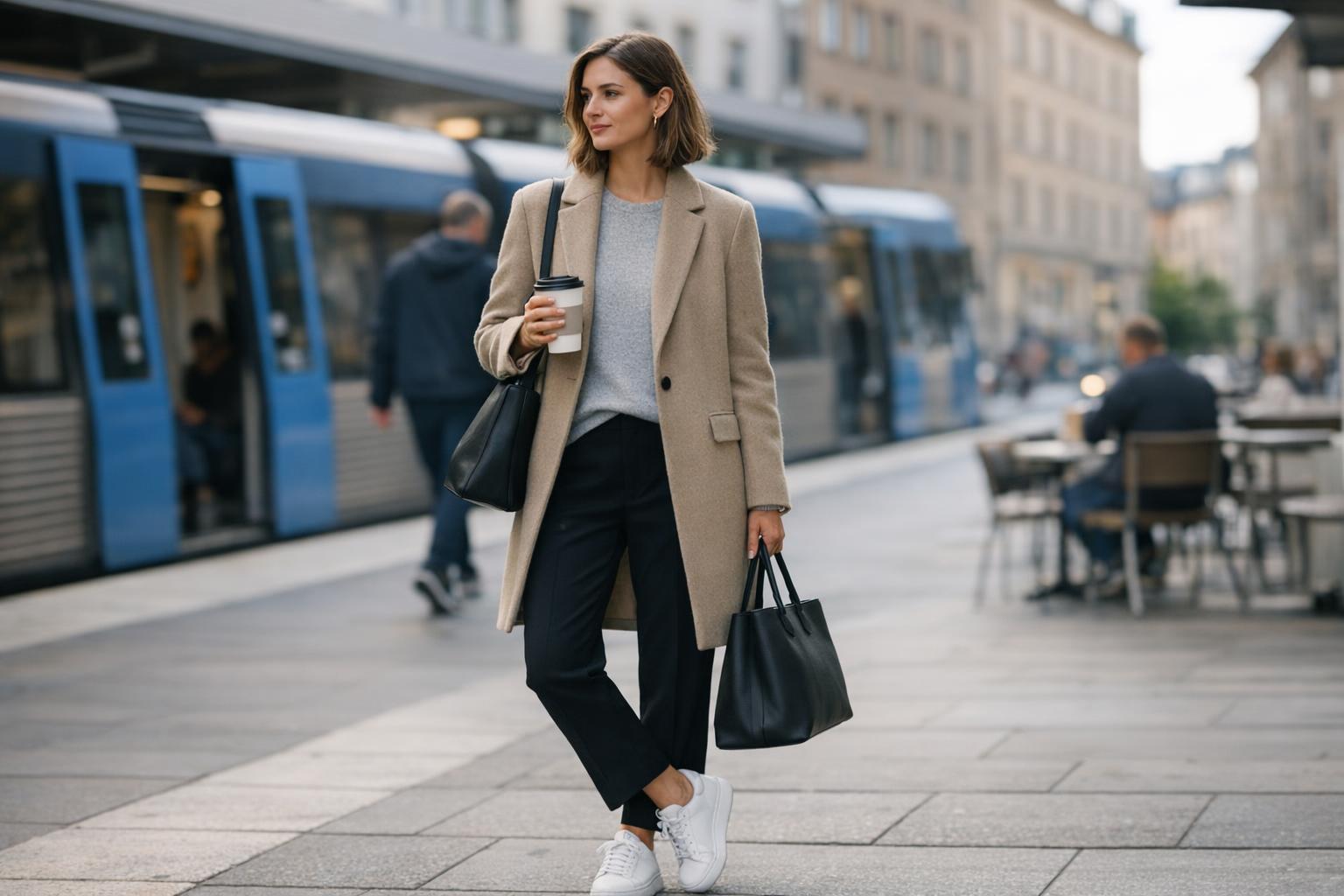
Stockholm Style Outfits: a Real-Life Uniform for City Days
Stockholm style outfits, decoded for real life (not just photos)
You know the feeling: you want stockholm style outfits that look clean, modern, and effortless—but your actual day includes walking, commuting, temperature swings, and the need to feel like yourself for more than a single mirror moment. The styling challenge isn’t “What’s trendy?” It’s how to build outfits that read intentional while staying comfortable and practical.
That difficulty is exactly why stockholm fashion is so frequently searched for as a blueprint. People aren’t just looking for a look; they’re looking for a system—stockholm style inspo that makes everyday dressing easier, especially when you want outfit inspo casual options that still feel elevated.
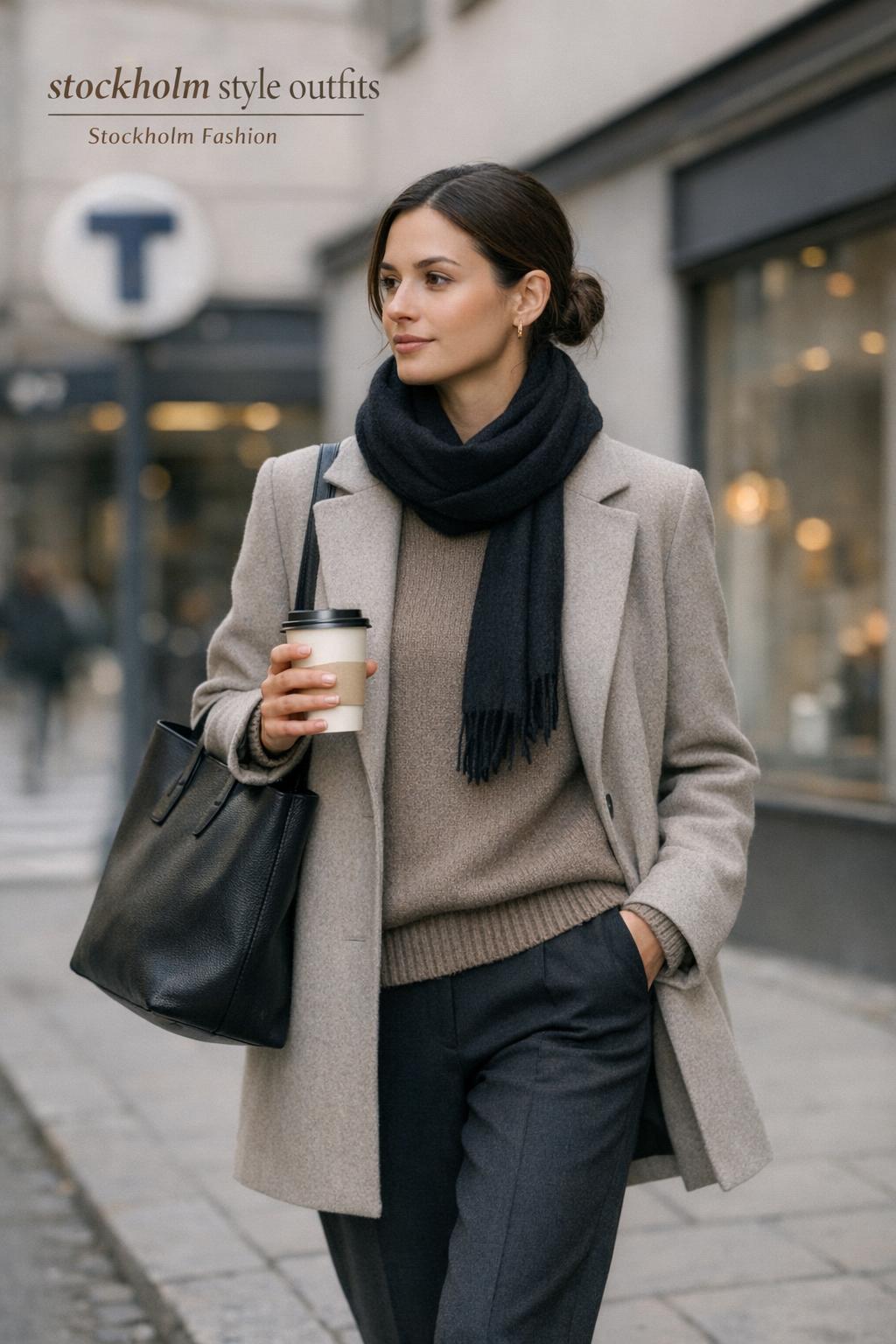
This guide is structured like a problem-solving fashion report: it breaks down the styling friction points, clarifies the logic behind the aesthetic, and then gives you adaptable outfit solutions—from cute everyday outfits to polished basic outfits—so you can build a wardrobe that performs in real conditions.
Understanding the styling challenge: why “effortless” is hard to execute
The core challenge behind stockholm style outfits is balancing restraint and impact. “Minimal” outfits can look flat if they’re only basics with no structure, texture, or proportion strategy. Meanwhile, “fashion” outfits can look forced if they sacrifice comfort or feel costume-like for an ordinary day.
Found the dress? Keep the rest in one place.
Zarellea brings guest details, vendors, timelines, and every next step together — so your wedding plan feels as good as your look.
Most people run into three practical constraints at once: shifting temperatures (indoor vs. outdoor), long wear time (a full day in the same look), and movement (walking, carrying a bag, sitting, commuting). The result is a common frustration: outfits that look good standing still, but not in motion—or outfits that feel comfortable but read unfinished.
Stockholm fashion, as a styling idea, is often treated as “simple.” In practice, it’s closer to strategic simplicity: using controlled color, smart layering, and clean lines to create an outfit composition that stays sharp through a normal day.
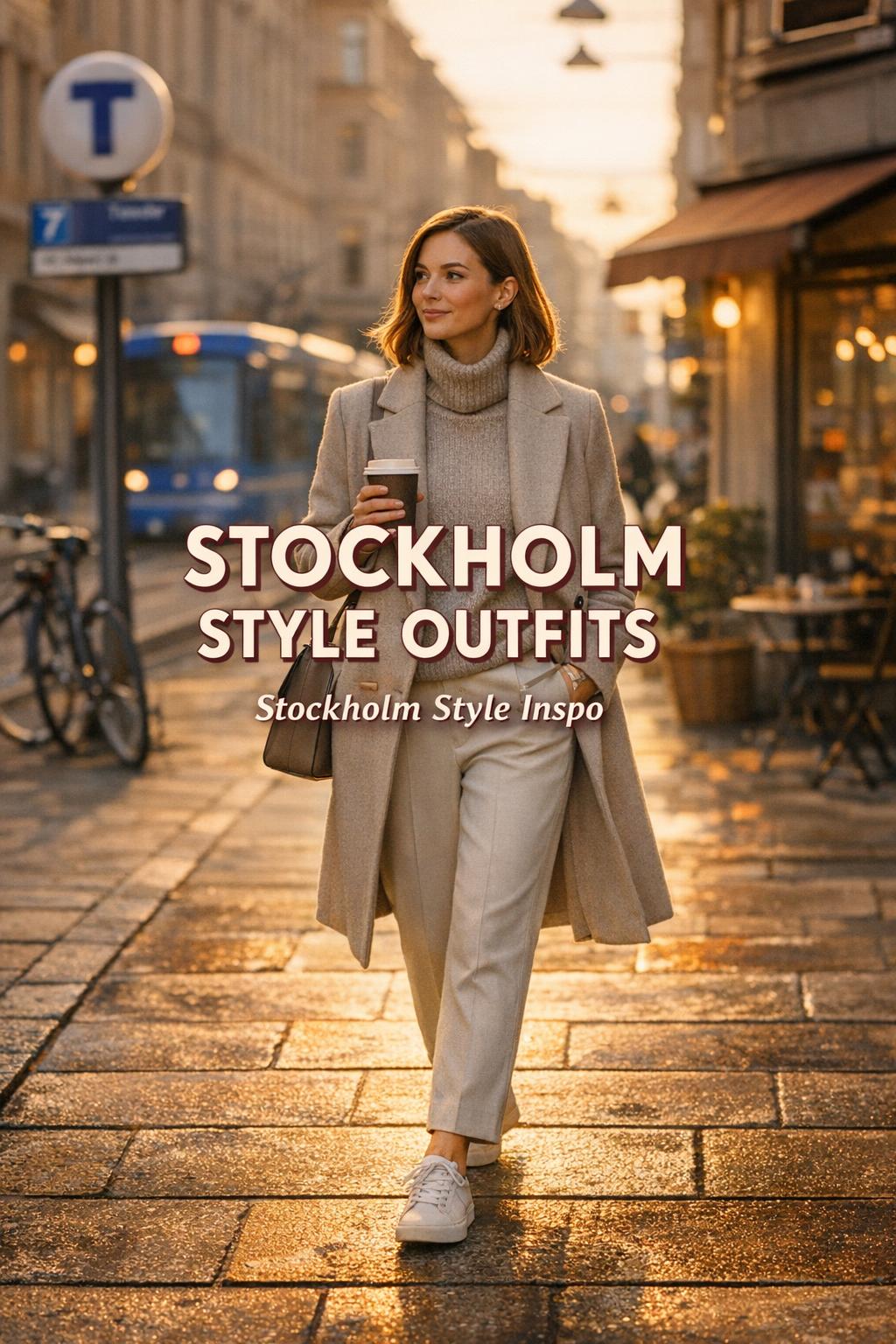
Key dressing principles that make stockholm fashion work
Principle 1: Build a visual anchor, then keep the rest quiet
“Effortless” outfits typically have one element that leads—your visual anchor. That can be a structured outer layer, a crisp pant shape, or a single standout texture. The rest of the outfit supports it with calm, minimal components. This is a major reason stockholm style inspo translates well into cute everyday outfits: you don’t need many statement items, you just need one clear focal point.
Principle 2: Use proportion play to avoid the “basic” trap
Basic outfits become stockholm style outfits when the proportions are intentional. If your top is slim, your bottom can be more relaxed; if your outerwear is oversized, keep the base layer more streamlined. The goal is silhouette balance—creating a shape that looks designed rather than accidental.
Principle 3: Layering is a function tool first, a style tool second
Layering solves temperature swings and extends wearability across a full day. The stockholm fashion approach treats layers as modular: a base that stands alone indoors, plus an outer layer that adds structure and weather resilience when you step outside. The style benefit is automatic—tonal layering and texture contrast read polished without requiring loud styling.
Principle 4: Keep the palette controlled, then add depth through texture
Controlled color makes outfits look expensive and composed, especially for outfit inspo casual looks. But a controlled palette needs dimension to avoid looking flat. That dimension comes from texture contrast—mixing crisp with soft, matte with slightly lustrous, smooth with ribbed or knit-like surfaces.
A quick framework for choosing pieces (so you don’t overthink)
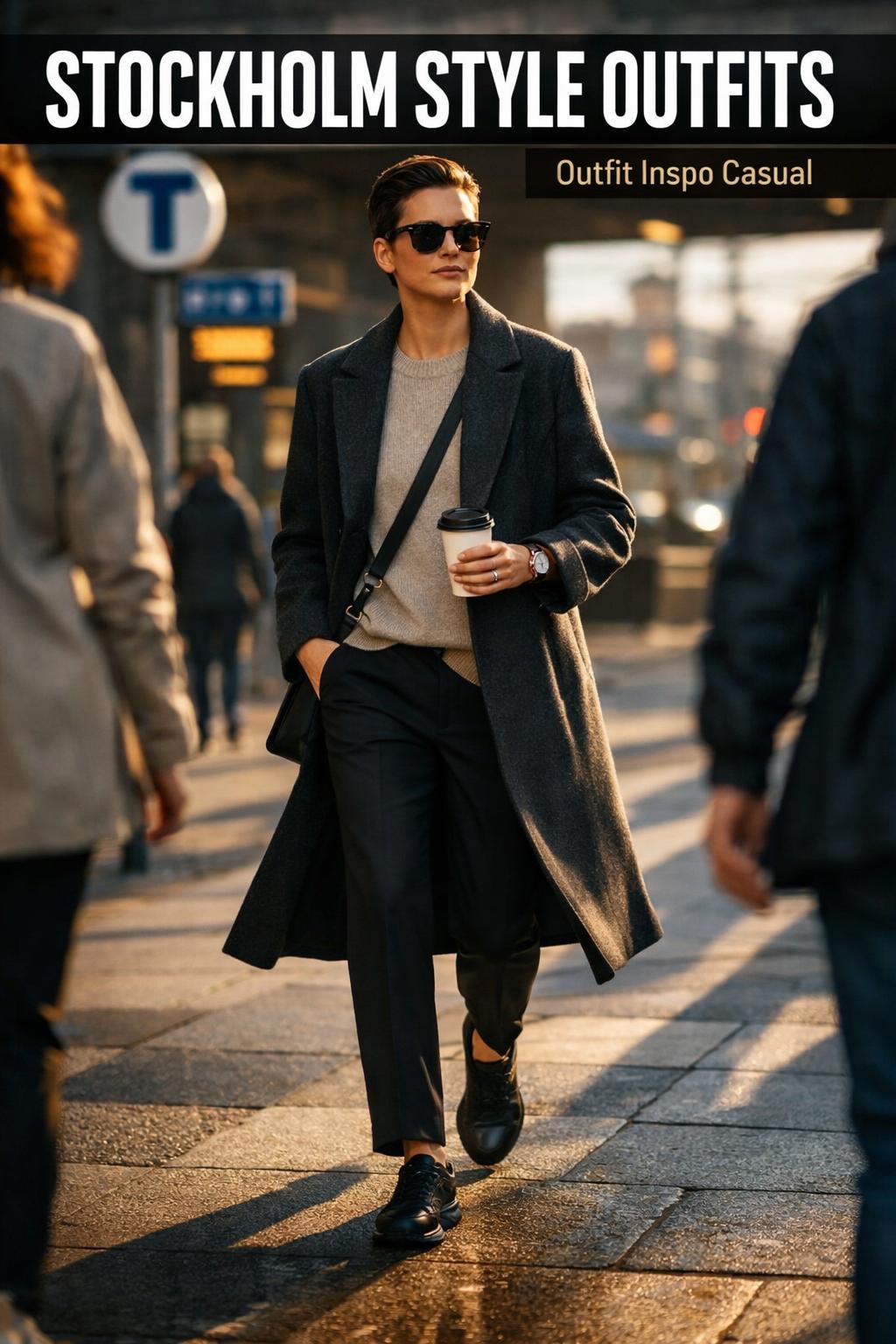
If you want stockholm style outfits to be repeatable, use a simple decision framework: start with one structured piece, add one comfort piece, then finish with one refinement detail. This keeps the look grounded in real life while maintaining the clean “Stockholm” impression.
- Structured piece: outerwear or a sharply shaped bottom that creates the outfit’s lines
- Comfort piece: a soft base layer you can wear for hours without fuss
- Refinement detail: a deliberate finish—clean footwear, a neat bag shape, or a purposeful accessory choice
Think of this as stockholm style inspo translated into a system. It prevents the two most common outcomes: outfits that are comfortable but forgettable, or outfits that are stylish but exhausting.
Outfit solutions that solve the real-world problem
Below are outfit solutions designed for everyday conditions: long wear time, walking, and the need to look put together without constant adjusting. Each one is built to function as outfit inspo casual while still aligning with the clean logic people associate with stockholm fashion.
Outfit solution: tonal layering for a “quietly sharp” everyday uniform
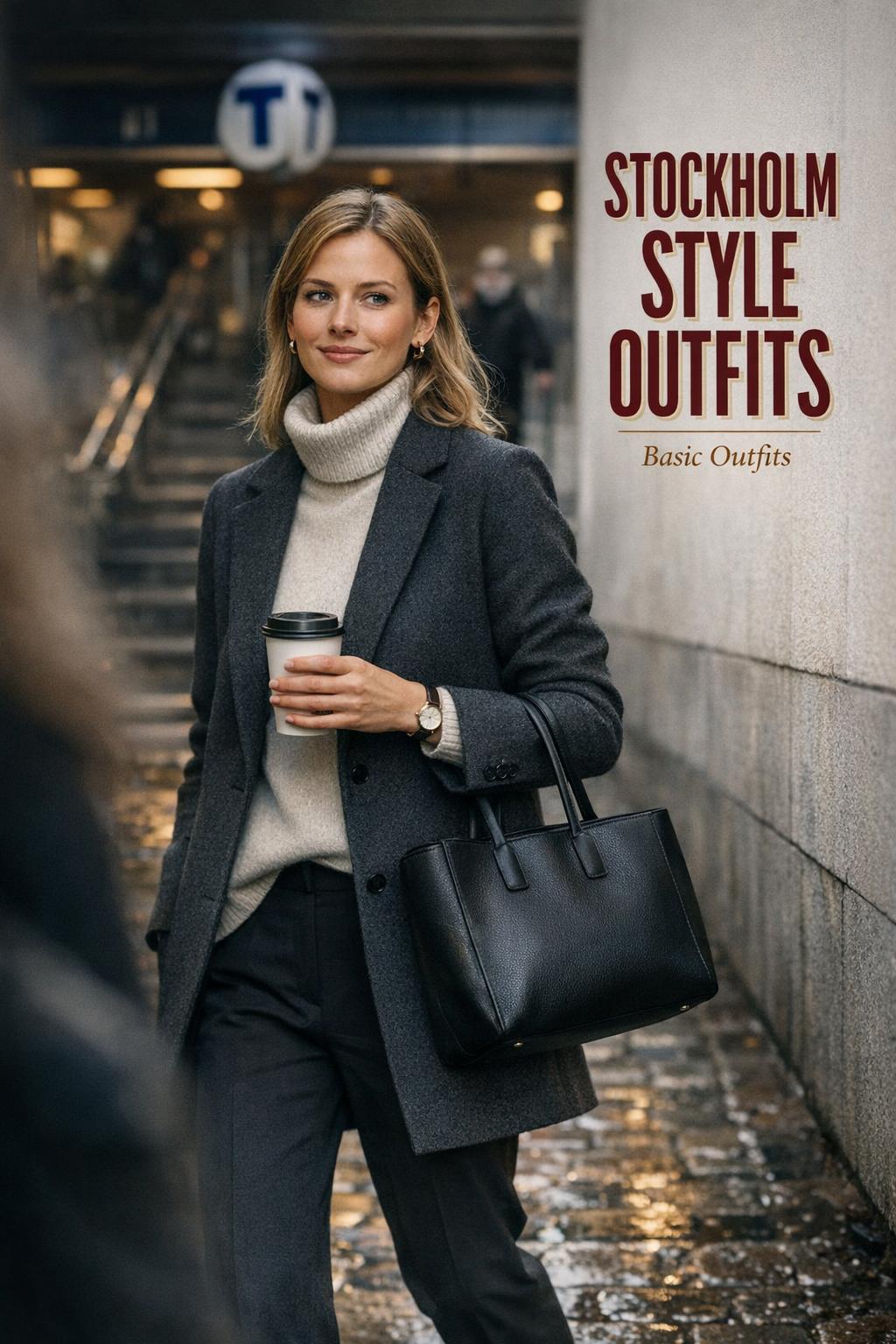
This is the backbone of many stockholm style outfits: a controlled palette, minimal contrast, and crisp silhouette lines. Tonal layering works because it reduces visual noise; the eye reads the full look as one streamlined column, which instantly feels modern.
- Base: a simple top in a neutral tone
- Bottom: straight or relaxed trousers in a similar family of neutrals
- Layer: a clean outer layer that adds structure and keeps the look intentional
Why it works: the limited palette creates cohesion, while the outer layer provides a visual frame. It’s an efficient route to cute everyday outfits that don’t rely on trendy details.
Practical advantage: you can remove the layer indoors without the outfit falling apart, because the base reads complete. This is the “modular outfit” idea—high utility, low effort.
Outfit solution: smart casual balance for days that shift from errands to meetings
Many people look for stockholm style inspo when they need a middle ground: not fully formal, not purely casual. The solution is to mix one polished element with relaxed basics so the final outfit composition lands in smart casual territory.
- Polished element: a structured top layer or a tailored-feeling bottom
- Relaxed base: a comfortable, simple top that doesn’t require constant adjustment
- Finish: clean footwear that feels intentional rather than sporty-by-default
Why it works: the structured piece provides authority; the relaxed base keeps the outfit wearable for hours. This is stockholm fashion as problem-solving: looking composed without feeling restricted.
When to wear it: office-lite environments, coffee meetings, travel days where you still want to look pulled together, or any day where you need outfit inspo casual but not sloppy.
Outfit solution: comfortable city outfit built for walking (without looking “athleisure”)
One of the hardest styling problems: you’ll be on your feet, but you don’t want the default gym-adjacent look. The stockholm style outfits approach keeps comfort through fit and layering, not through overtly sporty signals.
Key pieces: a relaxed-but-neat bottom, a clean base layer, and a practical outer layer that adds structure. The outfit should allow stride and movement without pulling, riding up, or requiring constant straightening.
Why it works: the silhouette is calm and functional. Instead of relying on sporty branding, the look reads “city” through restraint, proportion, and clean finishing.
Styling variation: if you want the same foundation to become “sharper,” change only the top layer. The base stays the same, which is exactly how basic outfits become a repeatable wardrobe formula.
Outfit solution: the elevated basic outfit for “nothing to wear” mornings
Stockholm fashion often appeals on high-friction mornings—when you want to look good, but decision fatigue is real. The trick is building an elevated base uniform, then rotating one element to keep it fresh.
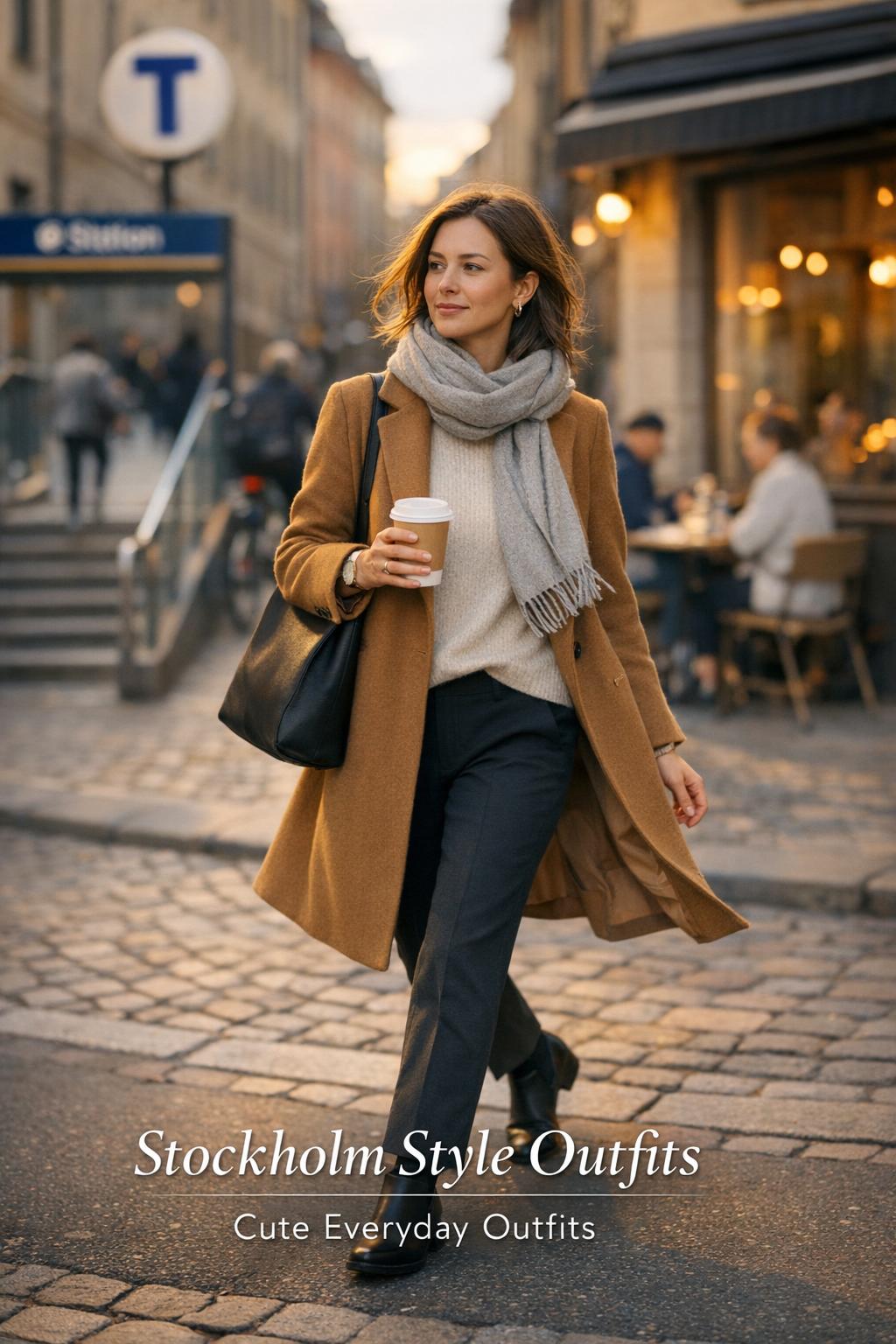
Key pieces: a dependable base top, a consistent bottom silhouette that flatters you, and a reliable layer that always works with your shoes and bag. The outfit should be repeatable without feeling repetitive.
Why it works: repeatable structure reduces styling time, while a single swap (layer, footwear, or accessory) delivers variation. This is the most realistic way to turn stockholm style inspo into cute everyday outfits you actually wear.
Outfit solution: texture contrast for depth without loud color
When people try to recreate stockholm style outfits, they often focus only on color—then wonder why the result feels plain. The missing lever is texture. Texture contrast creates depth while staying minimal, which is ideal when you want stockholm fashion energy but you prefer a quiet palette.
- Pair a smooth, clean base with a visibly textured layer to create dimension
- Keep shapes simple so the textures do the visual work
- Use one texture as the statement piece, not three competing ones
Why it works: the outfit reads intentional up close and cohesive from a distance. It solves the “basic outfits look too basic” problem without forcing you into brighter colors or trend pieces.
Stockholm style inspo for specific situations (where most outfits fail)
Situation: indoor/outdoor temperature swings
This is where stockholm style outfits are most functional: the aesthetic rewards layering, and the lifestyle reality demands it. Build a base you’re comfortable wearing indoors, then add a structured layer that handles outdoor conditions without overwhelming the silhouette.
Tip: if you regularly move between warm interiors and cooler streets, prioritize layers that are easy to put on and take off without ruining your hair, makeup, or collar line. The most wearable stockholm fashion looks are the ones you can adjust quickly.
Situation: long walking days and commuting
For outfit inspo casual that still reads sharp, the success metric is “stays composed in motion.” Choose pieces that don’t twist, cling, or require constant tugging. The outfit should maintain its line when you sit, stand, climb stairs, and carry a bag.
Tip: a comfortable city outfit isn’t only about shoes. It’s also about waistbands, sleeve mobility, and layers that don’t bind at the shoulders. When the outfit moves with you, it looks more expensive and more intentional.
Situation: looking put together without feeling overdressed
Many people chase stockholm style inspo because it hits the “appropriately dressed” sweet spot. The solution is a refined base with one structured element—so the look reads considered, but not formal. This is where stockholm fashion becomes a social tool: it signals taste without demanding attention.
Additional styling tips that make the look feel finished
Tip: use clean finishing to upgrade basic outfits instantly
When you’re working with basics, the finishing details carry more weight. If the outfit is minimal, any “almost” element becomes visible—wrinkling, awkward layering lines, or mismatched tones. Stockholm style outfits depend on neatness because the design language is quiet.
Tip: keep your outfit’s “visual temperature” consistent
Even with neutral palettes, tones can clash if one item reads cool and another reads warm. For stockholm fashion to look cohesive, keep the overall visual temperature aligned—either consistently cool-leaning or warm-leaning—so the outfit composition feels intentional rather than assembled.
Tip: choose a bag and shoe strategy before you choose the top
For outfit inspo casual, shoes and a daily bag are often the non-negotiables. Build upward from them. This prevents the common mistake of creating a great outfit in theory, then realizing it doesn’t work with what you’ll actually carry or walk in. Stockholm style inspo is most useful when it’s built around real constraints.
Common mistakes that block the stockholm style effect
Mistake: copying “minimal” without adding structure
Wearing only basics doesn’t automatically create stockholm style outfits. Without a structured element—an outer layer, a strong shoulder line, or a deliberate trouser shape—the look can read unfinished. Fix it by adding one piece that creates clear lines and a defined silhouette.
Mistake: over-layering until the silhouette loses clarity
Layering is essential, but too many layers can create bulk and visual confusion. The stockholm fashion approach is controlled layering: each layer should have a purpose (warmth, structure, or texture), and the outfit should still have a readable shape.
Mistake: relying on trends instead of repeatable formulas
Stockholm style inspo is useful because it’s systematic. If you chase trend items without a base formula, you’ll end up with outfits that don’t mix well and don’t feel like “you.” Build a repeatable base first, then rotate accents. That’s how cute everyday outfits stay wearable beyond a single season.
How to build a small “Stockholm-ready” outfit kit from what you already own
You don’t need a brand-new wardrobe to wear stockholm style outfits. You need a tight kit of mixable components that prioritize clean lines, controlled color, and functional layering. Think in categories rather than items: one reliable layer, one consistent bottom shape, one dependable base top, and one refined finishing set.
- Layer category: one outer piece that adds structure and works with most outfits
- Bottom category: one go-to silhouette you can wear repeatedly without discomfort
- Base category: simple tops that layer smoothly and stand alone indoors
- Finishing category: clean shoes and a daily bag that fit your real routine
This “kit thinking” is what turns stockholm fashion from an aesthetic into a daily tool. It’s also the fastest route to outfit inspo casual options that still look intentional.
Conclusion: use stockholm fashion as a strategy, not a costume
The most wearable stockholm style outfits aren’t about chasing a specific look; they’re about solving everyday dressing with structure, controlled palette, and functional layering. When you build around a visual anchor, manage proportions deliberately, and use texture for depth, your basic outfits stop feeling plain and start feeling designed.
Use stockholm style inspo as a repeatable framework: a modular base for comfort, plus a structured layer for polish, plus clean finishing to keep the full outfit composed. That formula scales—across seasons, across schedules, and across the reality of your day.
FAQ
What defines stockholm style outfits in everyday terms?
In everyday terms, stockholm style outfits prioritize controlled color, clean silhouettes, and functional layering that keeps you comfortable through real-life movement and temperature changes while still looking composed.
How do I make basic outfits look more like stockholm fashion?
Add one structured element (like a crisp outer layer or a clearly shaped bottom), keep the palette cohesive, and create depth through texture contrast so the outfit reads intentional rather than simply “plain.”
What’s the easiest way to get outfit inspo casual without looking sloppy?
Use a smart casual balance: pair one polished piece with a comfortable base, then finish with clean, refined details so the outfit maintains structure even when the overall vibe is relaxed.
How can I adapt stockholm style inspo for long walking days?
Choose pieces that stay stable in motion—comfortable waist and shoulder mobility, a silhouette that doesn’t require constant adjusting, and layers you can remove easily—so the outfit remains composed from morning commute to evening plans.
Why do my “minimal” outfits sometimes look flat?
They often lack either structure or texture; minimal color needs dimension from silhouette lines and material contrast, otherwise the look can read unfinished instead of intentionally understated.
How do I keep cute everyday outfits practical when temperatures change?
Build a complete indoor base outfit first, then add a structured outer layer that you can put on or take off quickly; this keeps you comfortable while maintaining the clean, modular look associated with stockholm fashion.
What’s a simple formula I can repeat for stockholm style outfits?
Use a three-part system: one structured piece for sharp lines, one comfort piece for all-day wear, and one refinement detail for a finished look, then rotate only one element to create variety without overthinking.