Why The Miu Miu Moodboard Feels So Polished Right Now
Miu miu moodboard: building a clear visual direction when the source material is limited
A miu miu moodboard usually begins as a visual exercise, but its real value comes from definition. A board only becomes useful when it helps narrow a style direction, clarify proportions, and organize color choices into a coherent point of view. In this case, the available source material is unusually limited, which changes the task. Rather than overstate details, the smarter approach is to treat the board as a framework for interpretation, using disciplined curation instead of assumption. That mindset is especially important when readers are searching for references tied to the miumiu aesthetic, the miu miu aesthetic, and related ideas such as a miu miu color palette or miu miu brand colors.
The strongest moodboards do not rely on excess. They rely on visual logic: what belongs together, what creates contrast, what acts as the statement piece, and what anchors the composition. For a fashion-facing board connected to Miu Miu, that means focusing on how imagery, palette, texture, and styling direction support one another without forcing unsupported themes. It also means recognizing that some search variations, including mui mui aesthetic, reflect the same user intent even when the wording shifts.
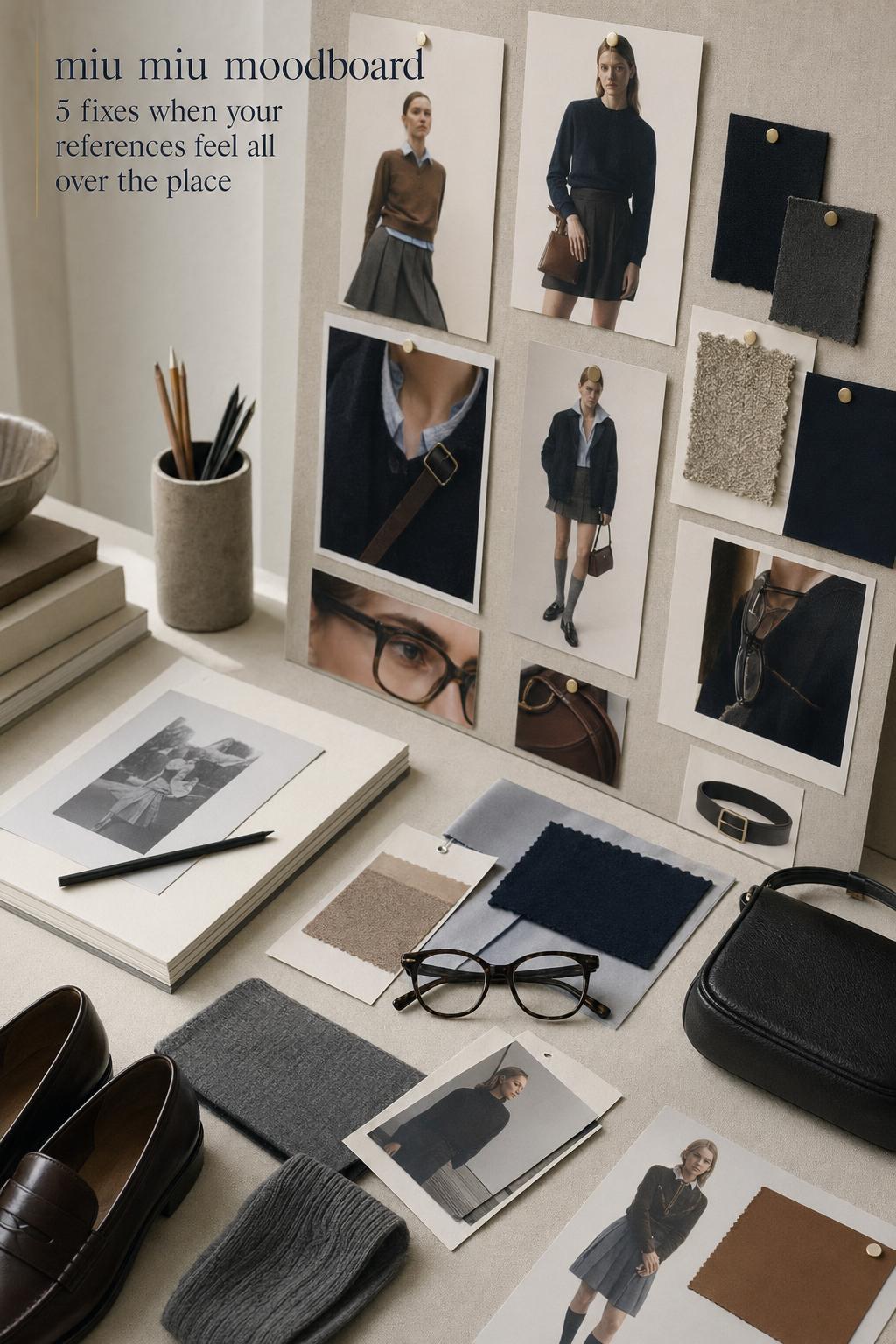
This article approaches the subject with editorial restraint. Instead of inventing a fully defined visual world where the source does not support one, it maps out how to create a complete, practical, and visually intelligent board around the idea of a Miu Miu-inspired reference system. The result is a guide to building moodboards that are organized, usable, and visually persuasive.
What a fashion moodboard needs to do
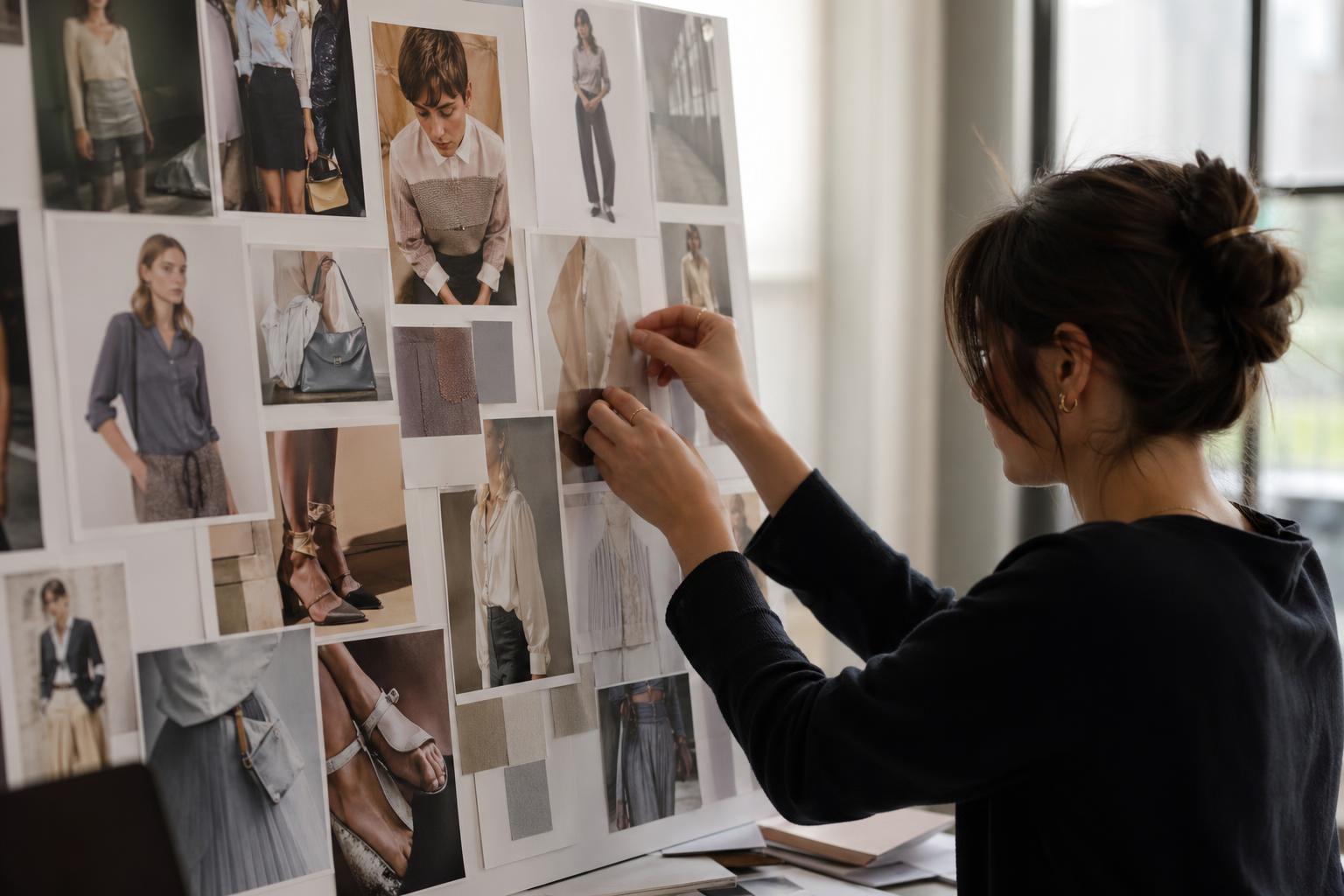
A moodboard is not just an image collage. In fashion terms, it is a decision-making tool. It helps translate a broad aesthetic interest into specific visual cues that can guide styling, shopping, content direction, creative shoots, or wardrobe planning. When the target is a miu miu moodboard, the board should move beyond admiration and become a system for selecting shapes, tones, and styling priorities.
Found the dress? Keep the rest in one place.
Zarellea brings guest details, vendors, timelines, and every next step together — so your wedding plan feels as good as your look.
That distinction matters because many boards fail at the composition stage. They may look attractive on Pinterest, but they offer no clear styling logic. An effective board should answer practical questions: Is the silhouette sharp or relaxed? Is the palette tonal or contrasting? Are accessories acting as punctuation or as the central visual anchor? Even a highly aesthetic board needs internal structure.
For readers interested in the miumiu aesthetic, this is where visual editing becomes essential. The board should not attempt to represent every possible interpretation at once. It should isolate a specific atmosphere and support it with repetition, consistency, and proportion play.
The difference between inspiration and direction
Inspiration is broad. Direction is selective. If a board includes too many unrelated references, it loses authority. A tighter board works better because each image reinforces the next. In practical terms, that means choosing imagery that supports one another through color harmony, texture contrast, or silhouette balance rather than collecting whatever seems fashionable in isolation.
This is especially useful for searches around the miu miu aesthetic, where users often want something more specific than admiration for a brand name. They want visual translation: what the board should feel like, how to style from it, and which elements carry the strongest identity.
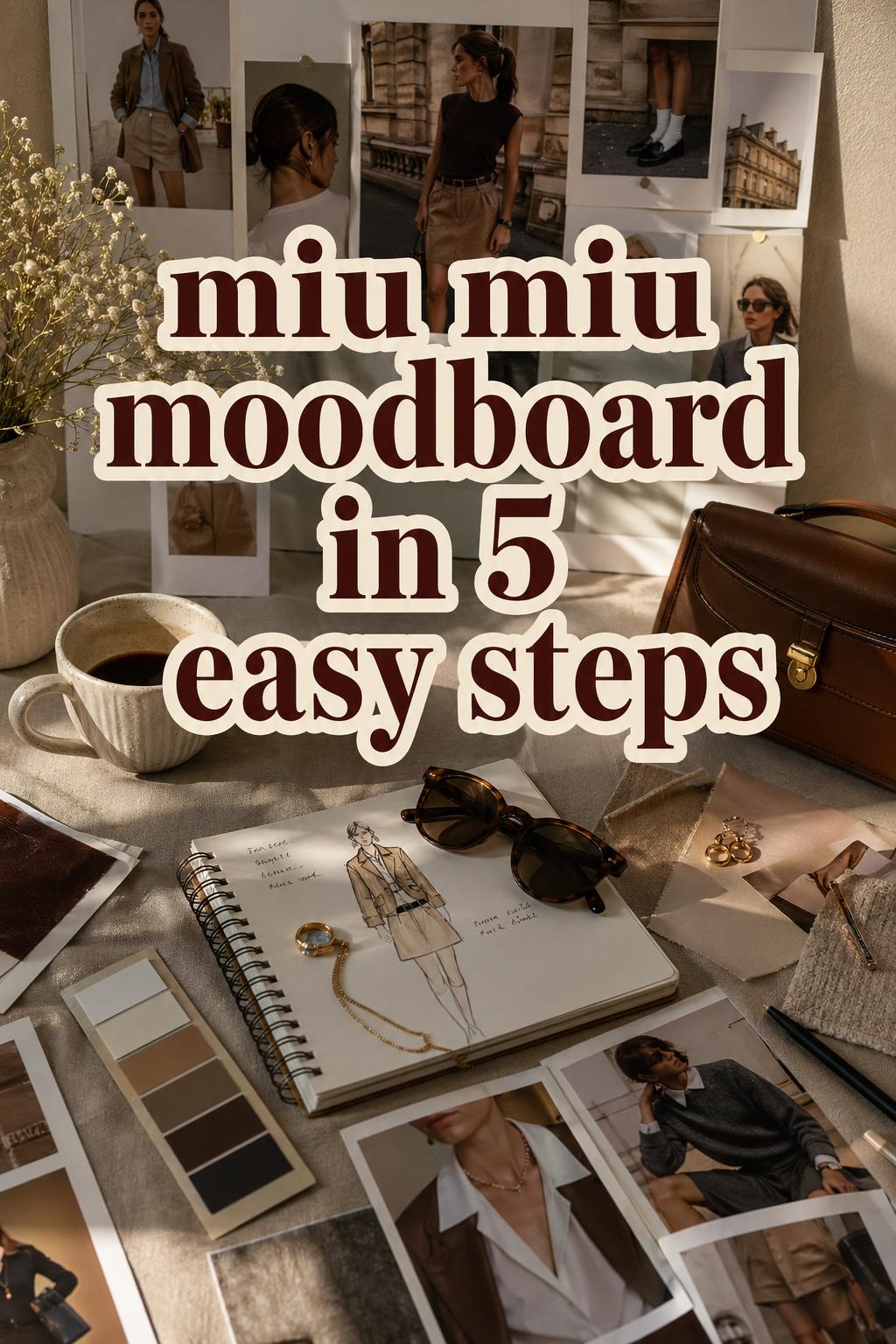
How to structure a miu miu moodboard with editorial clarity
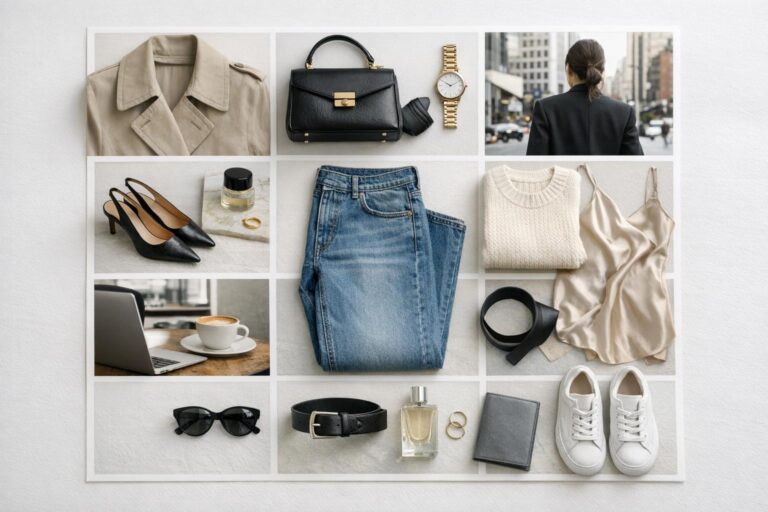
The cleanest way to build a board is to think in layers. Each layer serves a different purpose, and together they create visual coherence. This is where fashion analysis matters more than decoration. The board should not only look polished. It should explain itself visually.
- Base layer: core images that define the overall aesthetic mood
- Color layer: swatches or tonal references linked to the miu miu color palette
- Texture layer: materials or surface finishes that affect visual depth
- Detail layer: accessories, trims, or close-ups that sharpen the theme
- Styling layer: full looks or outfit compositions that show how the mood functions in practice
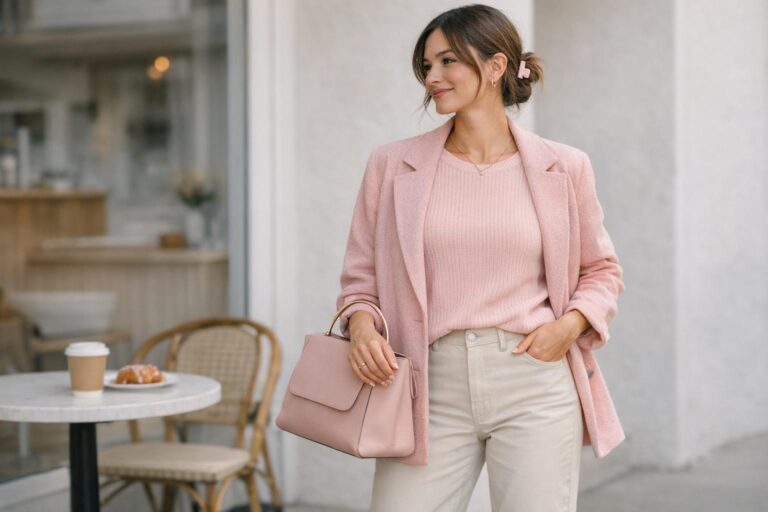
Used together, these layers prevent the board from becoming visually flat. A board made entirely of runway-style or campaign-style images can feel repetitive. By contrast, combining full looks with close detail references and color studies creates stronger visual rhythm.
Why visual rhythm matters
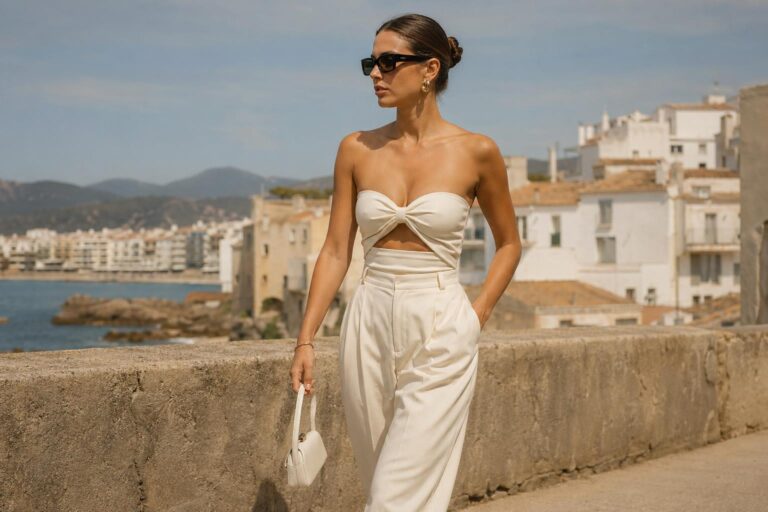
Fashion imagery communicates through contrast as much as consistency. A board with all close-up images lacks proportion context. A board with all full-body images may miss detail intelligence. Visual rhythm comes from alternating scale, density, and focal point. One image may establish the silhouette. Another may define the color story. A third may reveal the finish of a shoe, bag, collar, or knit texture. That interplay makes the board more functional for styling decisions.
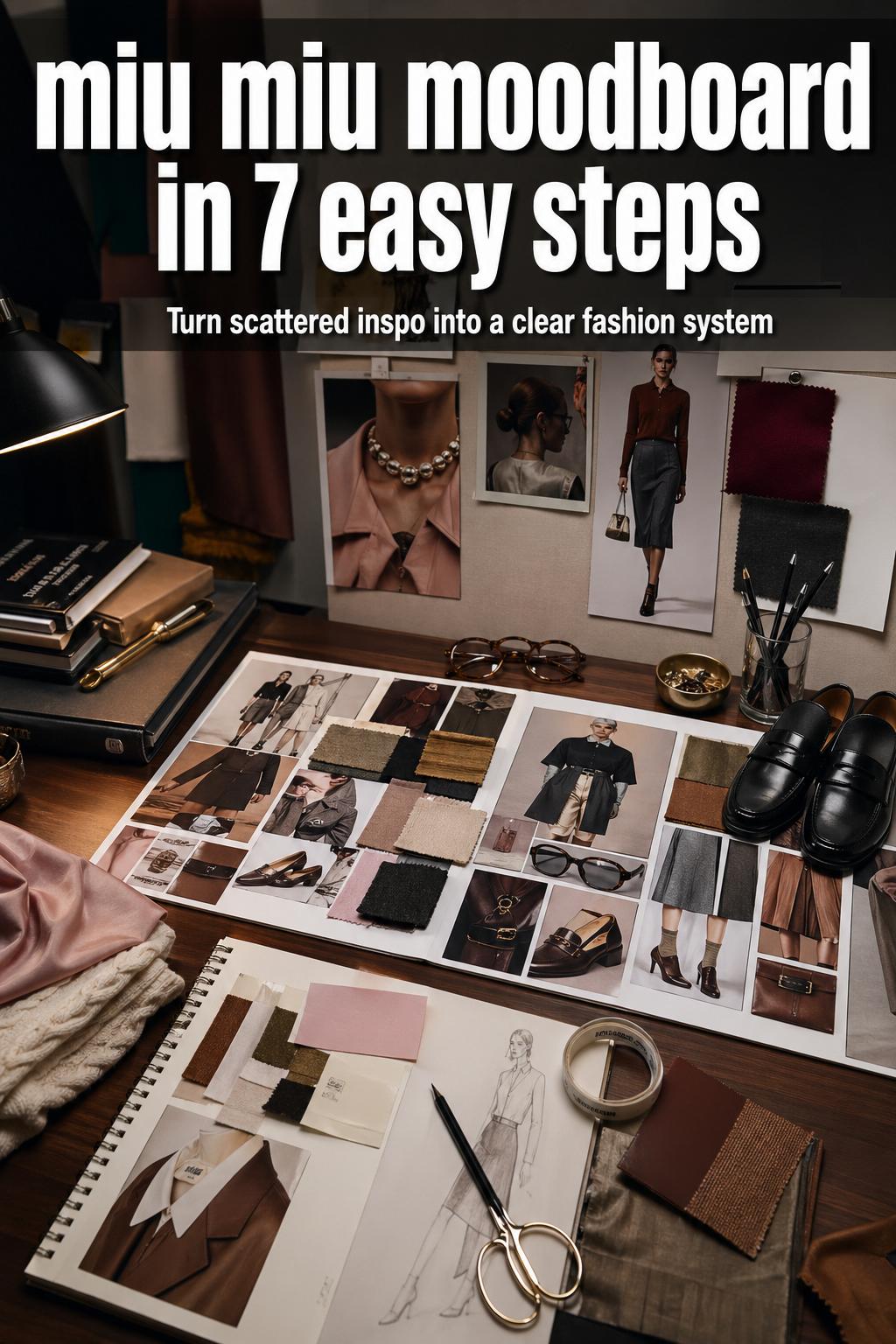
Reading the miumiu aesthetic through palette, proportion, and polish
When people search for the miumiu aesthetic, they are often looking for a recognizable mix of fashion intelligence and visual identity. A moodboard should therefore translate the aesthetic into observable categories rather than vague impressions. The strongest categories to work with are palette, proportion, finish, and styling tension.
Palette determines emotional tone. Proportion determines silhouette impact. Finish determines whether the board feels crisp, soft, glossy, matte, minimal, or highly styled. Styling tension is what prevents the board from looking generic. It is the visual friction between polished and undone, delicate and structured, classic and directional. Even when the source information is narrow, these categories offer a disciplined way to shape the board without inventing unsupported details.
For readers exploring the miu miu aesthetic or even alternate phrasing like mui mui aesthetic, this analytical framework is useful because it turns a broad style search into a workable editing method.
Using proportion as the visual anchor
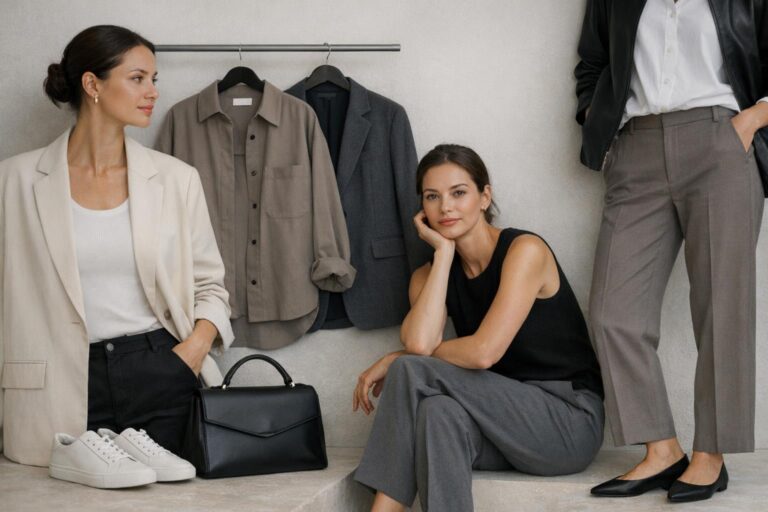
One of the easiest mistakes in fashion moodboarding is prioritizing mood over shape. But silhouette balance is often what makes a board feel distinct. If every image has a similar line, the board can become monotonous. If the proportions vary too widely, the message becomes diluted. A stronger approach is to select images that share a proportional language, then introduce slight shifts for movement. That keeps the board cohesive while preserving editorial interest.
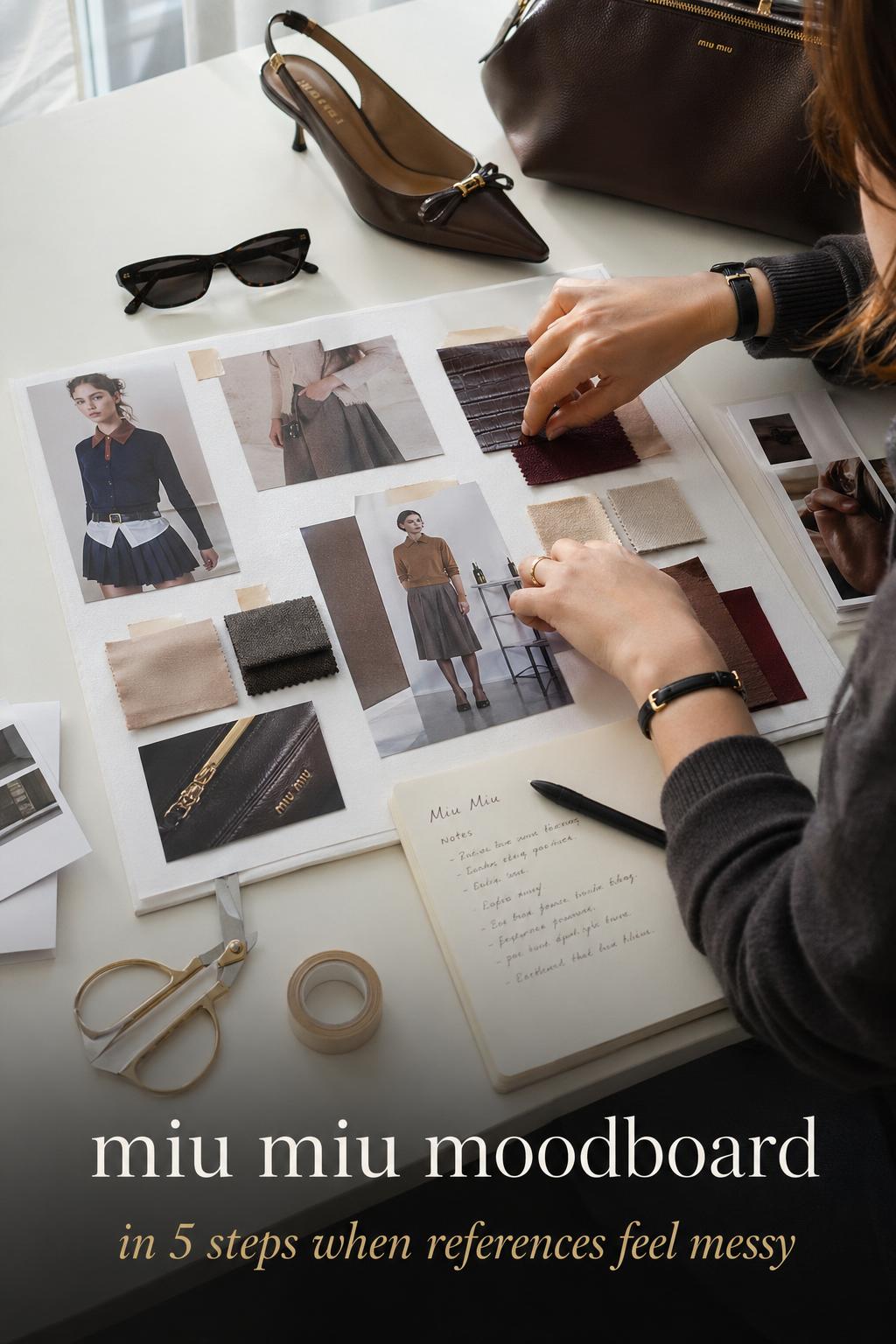
Miu miu color palette: turning abstract taste into something usable
The phrase miu miu color palette suggests more than simple color preference. It implies a system of tones that can be repeated across imagery, clothing choices, and overall visual branding. Even without a fully verified palette map, the principle remains the same: a useful board needs color hierarchy. Not every shade should carry equal weight.
In practical moodboard building, color hierarchy usually works best when one family acts as the base, another creates contrast, and a third appears only in smaller accents. This prevents the collage from looking visually noisy. It also improves translation into real-world styling, where too many competing colors often weaken the outfit composition.
A board built around a miu miu color palette should therefore include more than inspirational images. It should also include simple tonal references, fabric swatches, product close-ups, or cropped visual samples that make the color logic visible at a glance.
How to handle miu miu brand colors without becoming too literal
Miu miu brand colors can inform a board, but they should not overpower it. Literal brand interpretation often results in a board that feels promotional instead of editorial. A better method is to treat brand colors as tonal cues rather than fixed boundaries. That creates a more sophisticated moodboard, one that references a visual identity while leaving room for styling nuance, texture contrast, and tonal layering.
This distinction is important for readers who want a board they can actually use for outfits, creative direction, or content planning. A board that copies surface branding too directly may look obvious. A board that abstracts color into a more complete composition feels sharper and more adaptable.
What to include on the board besides outfits
One of the most effective ways to elevate a miu miu moodboard is to stop treating it as an outfit-only exercise. Full looks matter, but they are only one layer of visual meaning. A richer board includes objects and details that shape the atmosphere around the clothing. This creates the editorial density that many Pinterest-style boards lack.
- Fabric close-ups for texture contrast
- Accessory crops to create sharper focal points
- Color blocks or swatch-style rectangles to stabilize the palette
- Typographic fragments or layout references for visual structure
- Beauty or grooming references only if they support the same styling direction
The key is restraint. Every additional element should clarify the mood, not distract from it. If a beauty image introduces a conflicting tone, remove it. If an accessory close-up says more about the board than a full outfit image, keep it. The strongest boards are edited, not crowded.
Why detail shots often carry more identity than full looks
In many fashion boards, close-up references do more work than expected. A collar shape, a shoe finish, or the way a textile catches light can define the board’s tone with more precision than a complete outfit. Full looks establish direction, but details often create memorability. That is why an editorially strong moodboard mixes macro and micro references instead of relying on one image type.
A smarter approach to Pinterest-style curation
Pinterest encourages collecting, but a polished board requires filtering. The platform’s endless-scroll format can make every saved image feel equally relevant, even when the visual language is inconsistent. For a Miu Miu-inspired board, the more useful method is to edit as you collect. Save fewer images, compare them side by side, and remove anything that weakens the board’s internal logic.
This process matters because moodboards are not measured by quantity. They are measured by coherence. A board with twelve disciplined references is often stronger than one with fifty loosely related ones. Tight visual editing creates a more legible statement and makes the board easier to apply in real styling scenarios.
Tips for keeping the board visually disciplined
- Limit the board to one dominant mood and one secondary variation
- Repeat at least two elements across multiple images, such as palette and silhouette line
- Remove images that are beautiful on their own but unrelated to the board’s structure
- Use negative space if the layout starts to feel visually congested
- Check the board in grayscale to test whether shape and contrast still hold up
These steps improve not only aesthetics but usability. A board that remains clear in grayscale often has stronger compositional integrity, because it relies on proportion and contrast rather than color alone.
From inspiration board to wardrobe filter
A common reason people create a miu miu moodboard is to guide wardrobe decisions. That shift from imagery to clothing is where many boards become impractical. To avoid that, the board should act as a filter. It should help determine what belongs in the wardrobe, what does not, and which pieces will do the most visual work.
In a fashion intelligence context, this means identifying the recurring elements across the board and translating them into clothing categories. If the board consistently favors a certain line, color balance, or textural tension, those become the selection criteria for shopping and styling. The board stops being decorative and starts functioning as a decision framework.
This is also where users searching for the miumiu aesthetic often need the most clarity. Admiring an aesthetic is easy. Building a wardrobe around it requires editing, repetition, and realistic proportion choices that suit daily life.
How to test whether your board is actually wearable
Ask a simple question: can the visual language of the board be expressed through a small group of repeatable pieces? If not, the board may be too abstract. A wearable board usually points toward a manageable set of categories, with enough flexibility for styling variations. If every image depends on a completely different silhouette, color story, or styling mood, the board may inspire but it will not guide.
Where boards often go wrong
Even strong visual taste can produce a weak moodboard if the editing logic is unclear. The most frequent problem is overcollection. The second is inconsistency. The third is confusing a recognizable fashion reference with a finished styling plan. A board should support decisions, not create more uncertainty.
- Too many unrelated references dilute the concept
- Overly literal branding can flatten the editorial quality
- No visible palette hierarchy makes the board feel chaotic
- Ignoring texture results in a flat, one-note composition
- Relying only on trend imagery can shorten the board’s usefulness
These issues are especially noticeable in boards attempting to capture the miu miu aesthetic. Without a clear internal system, the result can feel like a collection of attractive images rather than a defined visual argument. The fix is not more content. It is stronger selection.
Editorial insight: the board should survive outside the platform
A useful test is whether the board still makes sense when removed from the app where it was assembled. If you printed it, sent it to a stylist, or used it to brief a shoot, would the direction remain clear? If the answer is no, the board likely depends too heavily on surrounding platform context and not enough on its own composition. A good moodboard can stand alone.
Using the miu miu aesthetic for different creative purposes
A single board can support different outcomes, but only if it is organized with those outcomes in mind. A board for outfit planning is not built the same way as a board for a content shoot or a visual presentation. The mood may be similar, yet the image selection changes based on practical needs.
For wardrobe use, repeatable styling references matter most. For creative direction, composition and atmosphere carry more weight. For shopping, product-level details become more useful than wide editorial imagery. This is why strong boards often have a core version and a working version. The core version captures the visual thesis. The working version adds utility.
Three practical use cases
- A closet edit: use the board to identify which existing pieces support the intended visual direction and which ones interrupt it
- A shopping plan: compare candidate pieces against the board’s palette, finish, and silhouette language before buying
- A creative brief: use the board to align styling references, accessory emphasis, and visual tone for a shoot or campaign deck
In each case, the board works best when it is specific enough to guide selection and flexible enough to allow interpretation.
The role of texture and finish in a high-impact board
Texture is often underused in digital moodboards because screens flatten material differences. But in fashion analysis, texture is one of the clearest ways to communicate sophistication. It affects how color is perceived, how light interacts with the image, and how polished or relaxed the final impression feels.
A board connected to the miumiu aesthetic benefits from visible variation in finish. Matte against shine, soft against structured, smooth against tactile—these pairings create editorial tension and visual depth. Without texture contrast, even a good palette can look static.
That is why detail crops matter. They reveal surface character and make the board more useful for real decision-making, especially when translating a digital aesthetic into tangible wardrobe pieces.
Tip: use texture to organize the board, not just decorate it
If the board feels too soft, introduce a more structured or crisp reference. If it feels too severe, add an image with more tactile warmth. Texture should balance the visual temperature of the board. It is not only a finishing touch. It is part of the composition strategy.
How to make a board feel current without losing longevity
A strong fashion board should feel timely, but it should not collapse once the moment changes. This is where balance matters. If every image depends on a narrow trend signal, the board may look dated quickly. If the references are too generic, it loses distinctiveness. The best solution is to combine directional images with foundational visual principles such as palette discipline, proportion consistency, and clear focal points.
This approach is particularly relevant for readers building a miu miu moodboard for ongoing use rather than a one-time post. A board with longevity can continue guiding styling choices even as details evolve. That makes it more valuable as a fashion tool.
Tip: identify the non-negotiables
Every strong board has a few stable elements that define it. These may be tonal, proportional, or textural. Once those non-negotiables are clear, trend-led details can be swapped in and out without losing the board’s identity. This keeps the visual direction recognizable while allowing it to stay current.
Layout choices that strengthen the final board
Layout is not a minor technical step. It changes how the board is read. A dense grid suggests discipline and control. A looser layout can feel more atmospheric. Neither is automatically better. The right choice depends on whether the board is meant to guide practical styling or evoke a broader visual mood.
For a board focused on the miu miu color palette or miu miu brand colors, a more structured layout often helps because it makes tonal relationships easier to read. For a board centered on broader aesthetic interpretation, a freer composition can create more emotion. The strongest result usually sits between the two: enough structure to communicate clearly, enough looseness to preserve editorial character.
Simple layout principles that improve clarity
- Place the strongest image first to establish the board’s visual anchor
- Group similar tones together so the palette reads intentionally
- Separate detail shots from full looks to avoid visual clutter
- Use one or two contrast images only if they sharpen the main idea
- Leave breathing room if the board starts competing with itself
These choices may appear technical, but they directly affect the board’s impact. A good layout makes the aesthetic easier to understand in seconds.
Why restraint creates a more luxurious result
In fashion image-making, luxury often reads through precision rather than excess. The same principle applies to a moodboard. A restrained board feels more self-assured because every reference appears chosen, not accumulated. It communicates confidence through editing.
This is one of the clearest ways to refine a board built around the miumiu aesthetic or miu miu aesthetic. Remove duplicate messages. Cut anything that repeats without adding nuance. Keep the references that define the board most efficiently. That tighter structure creates a more elevated final result and makes the board easier to use in practical contexts.
A final editing pass that improves almost every board
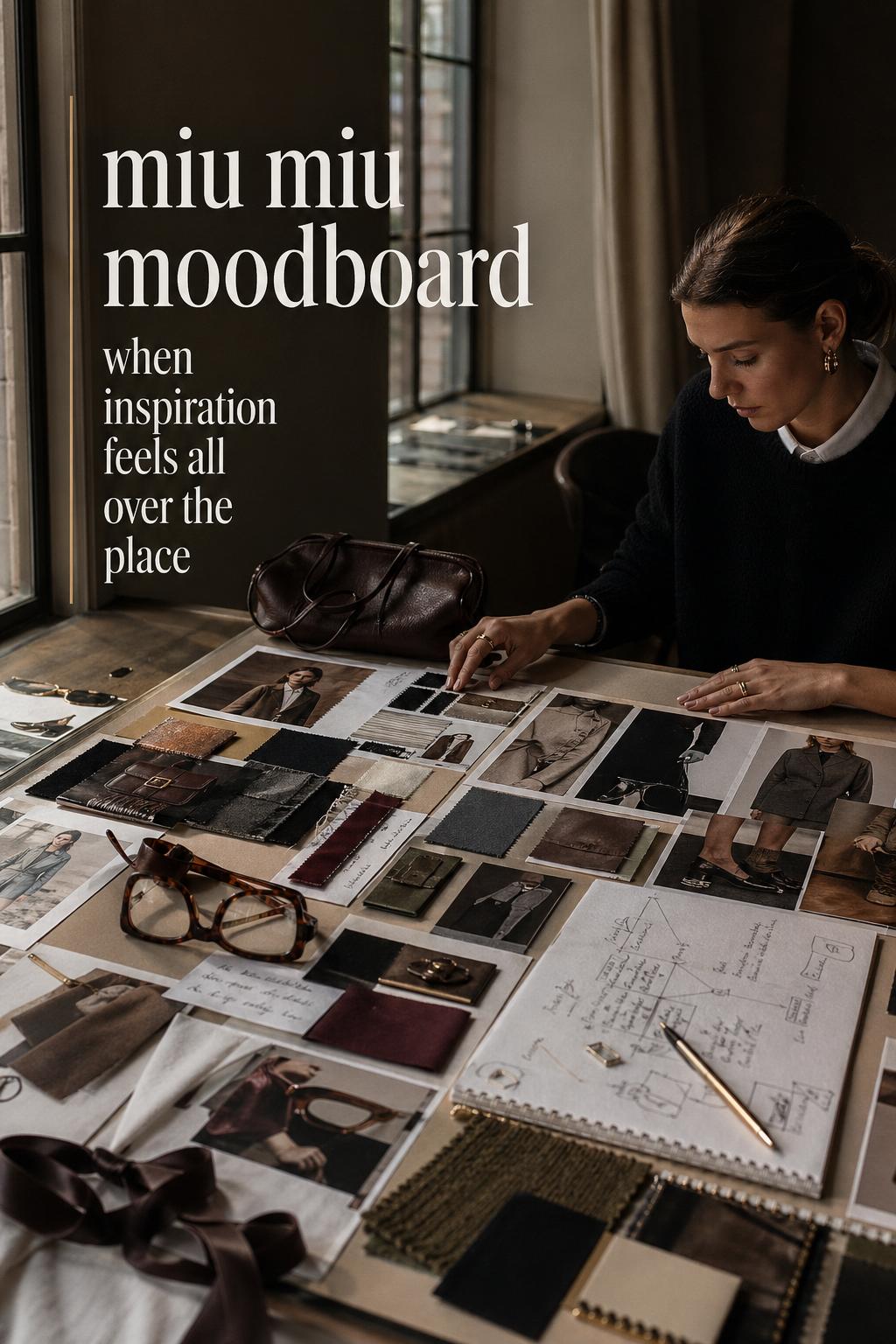
Step back and review the board for imbalance. Is one color dominating too heavily? Are the images all cropped the same way? Does one reference look compelling on its own but unrelated in the larger composition? The last edit should focus on subtraction. In most cases, removing two or three weaker elements improves the board more than adding new ones.
FAQ
What is a miu miu moodboard?
A miu miu moodboard is a curated visual board built to capture and organize a Miu Miu-inspired fashion direction through imagery, color, texture, silhouette, and styling references. Its purpose is not only to look appealing but to create a usable visual framework for outfits, shopping, or creative planning.
How is a moodboard different from a Pinterest collage?
A Pinterest collage often collects images based on immediate appeal, while a proper moodboard is edited around a clear visual logic. It uses repetition, contrast, palette hierarchy, and proportion to communicate a defined style direction rather than a loose set of attractive references.
What should be included in a miumiu aesthetic board?
A strong miumiu aesthetic board should include a mix of full styling references, detail crops, tonal references linked to the miu miu color palette, and texture images that support the same mood. The goal is to combine atmosphere with enough specificity to guide real styling decisions.
How do I use a miu miu color palette in a practical way?
Use the palette as a hierarchy rather than a list of equal colors. Choose one dominant tone family, one supporting contrast, and a smaller accent range. This makes the board more cohesive and helps translate the visual idea into outfits, shopping choices, or content styling.
Should miu miu brand colors be copied exactly on a moodboard?
Not necessarily. A more editorial approach is to let miu miu brand colors inform the tonal direction without forcing a literal interpretation. That keeps the board visually sophisticated and prevents it from feeling too rigid or overtly promotional.
How many images should a fashion moodboard include?
There is no fixed number, but fewer well-edited images usually create a stronger result than a crowded collage. The ideal amount is enough to show silhouette, palette, texture, and detail clearly without repeating the same message too many times.
Why does my board look attractive but still feel unclear?
This usually happens when the images are individually strong but do not share a consistent visual language. The fix is to review the board for repeated palette cues, proportional consistency, and clear focal points, then remove anything that disrupts those relationships.
Can a mui mui aesthetic search still lead to the same style idea?
Yes. Variations like mui mui aesthetic often reflect the same intention: finding visual references tied to a Miu Miu-inspired mood. What matters most is the styling direction, color structure, and overall composition of the board rather than the exact spelling used in the search.
How can I turn a moodboard into a wearable wardrobe plan?
Look for the most repeated visual signals across the board, then translate them into repeatable clothing categories, colors, and finishes. If the board can be expressed through a manageable set of pieces with consistent styling logic, it is ready to function as a wardrobe filter rather than just an inspiration file.