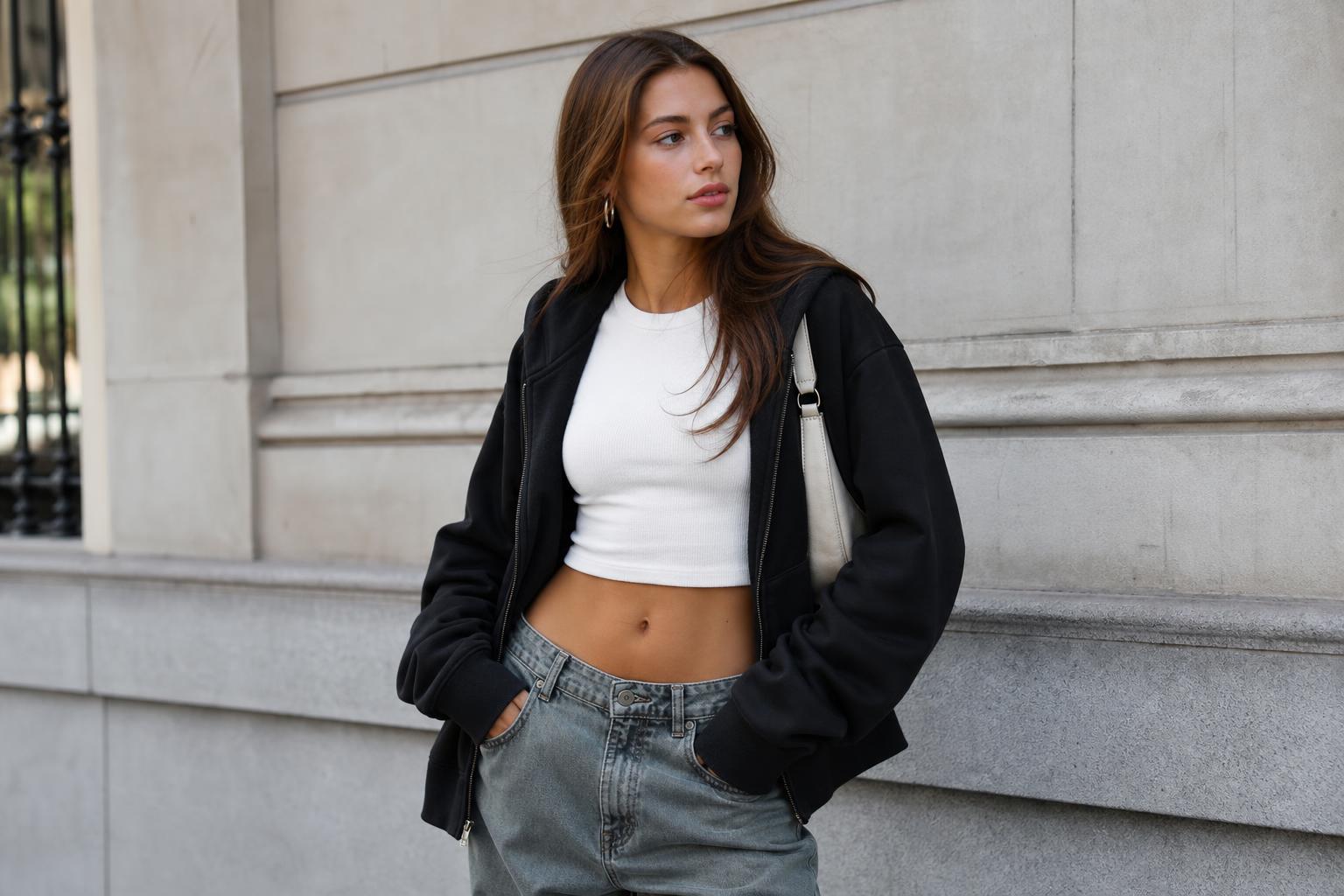
TikTok Style That Feels Fresh, Wearable, and Current
Scroll through fashion content for even a few minutes and one pattern becomes obvious: tiktok style is not one single look. It is a fast-moving visual language built from aesthetics, subcultures, celebrity cues, and platform-native presentation. That is why readers often see e-boy, e-girl, that girl, beige aesthetic, alt fashion, and celebrity-led dressing discussed together. They all sit under the same cultural umbrella, yet they communicate very different ideas through silhouette, palette, texture, and attitude.
This comparison breaks those styles apart so they are easier to identify and easier to wear. Instead of treating tiktok fashion as one trend, the article maps how major tribes and aesthetics differ, where they overlap, how movement and short-form video shape styling decisions, and when each approach works best in real wardrobes. The result is a practical style breakdown rather than a vague mood board.
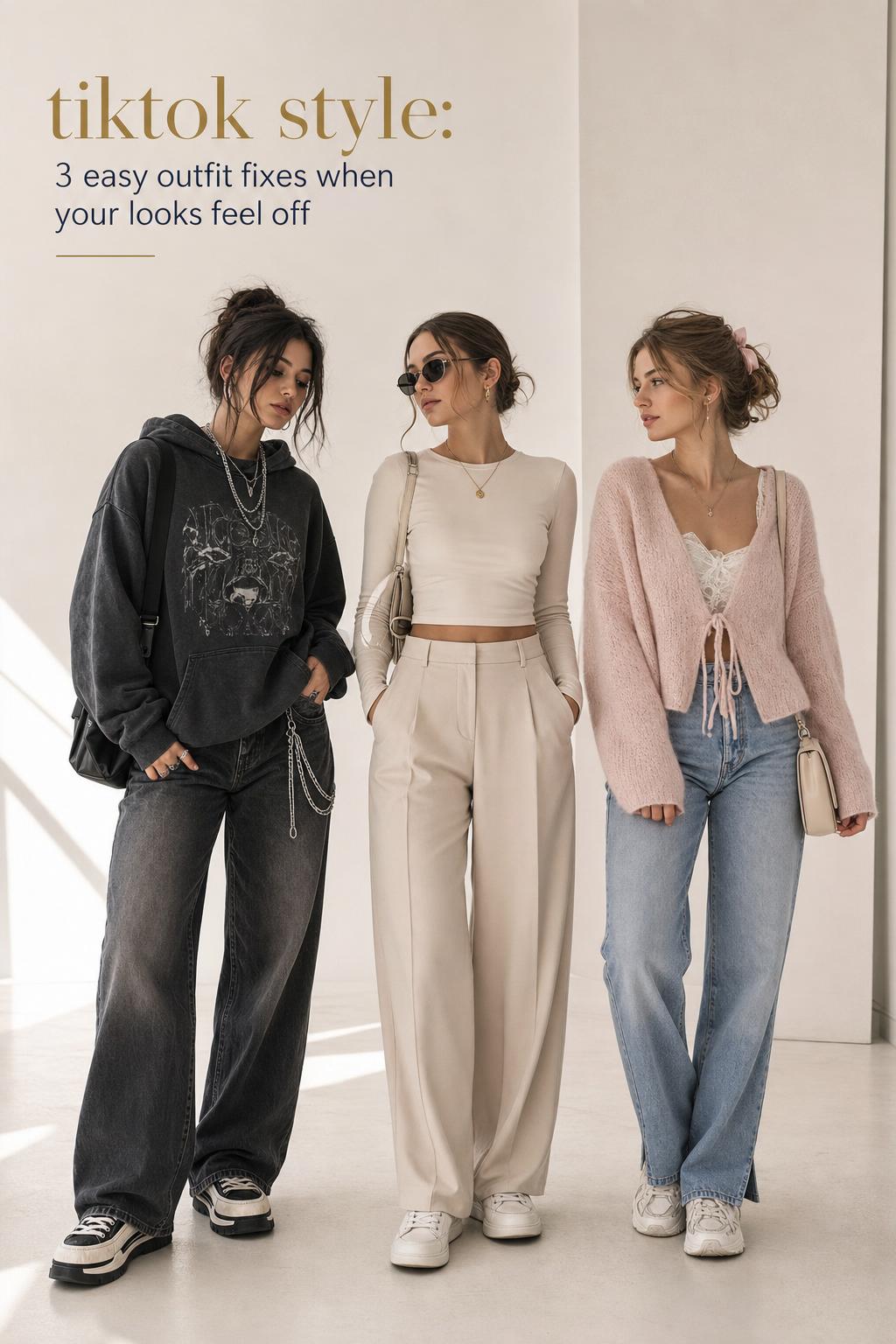
Why “tiktok style” feels unified even when the aesthetics are different
The unifying factor is the platform itself. TikTok, created by ByteDance, made short-form video central to style discovery, so clothes are often chosen not only for how they look in still images but for how they move, layer, and read instantly on screen. That is why oversized hoodies, crop tops, jeans, athleisure pieces, and visually clear color stories appear across very different style categories.
Another reason these looks are grouped together is cultural cross-pollination. Vogue emphasized style signatures and movement-friendly outfits, while GQ framed the app as a home for style tribes. Time highlighted palette-driven aesthetics such as beige aesthetic and that girl, and shopping editorials connected celebrity wardrobes to wearable outfit cues. In practice, this means tiktok aesthetics are both tribal and fluid: a reader may borrow the palette of one trend, the silhouette of another, and the polish of a celebrity reference.
Found the dress? Keep the rest in one place.
Zarellea brings guest details, vendors, timelines, and every next step together — so your wedding plan feels as good as your look.
The most useful way to understand the category is by comparison. Once you can see how that girl differs from e-girl, or how beige aesthetic differs from alt tiktok, building outfits becomes more intentional and less imitative.
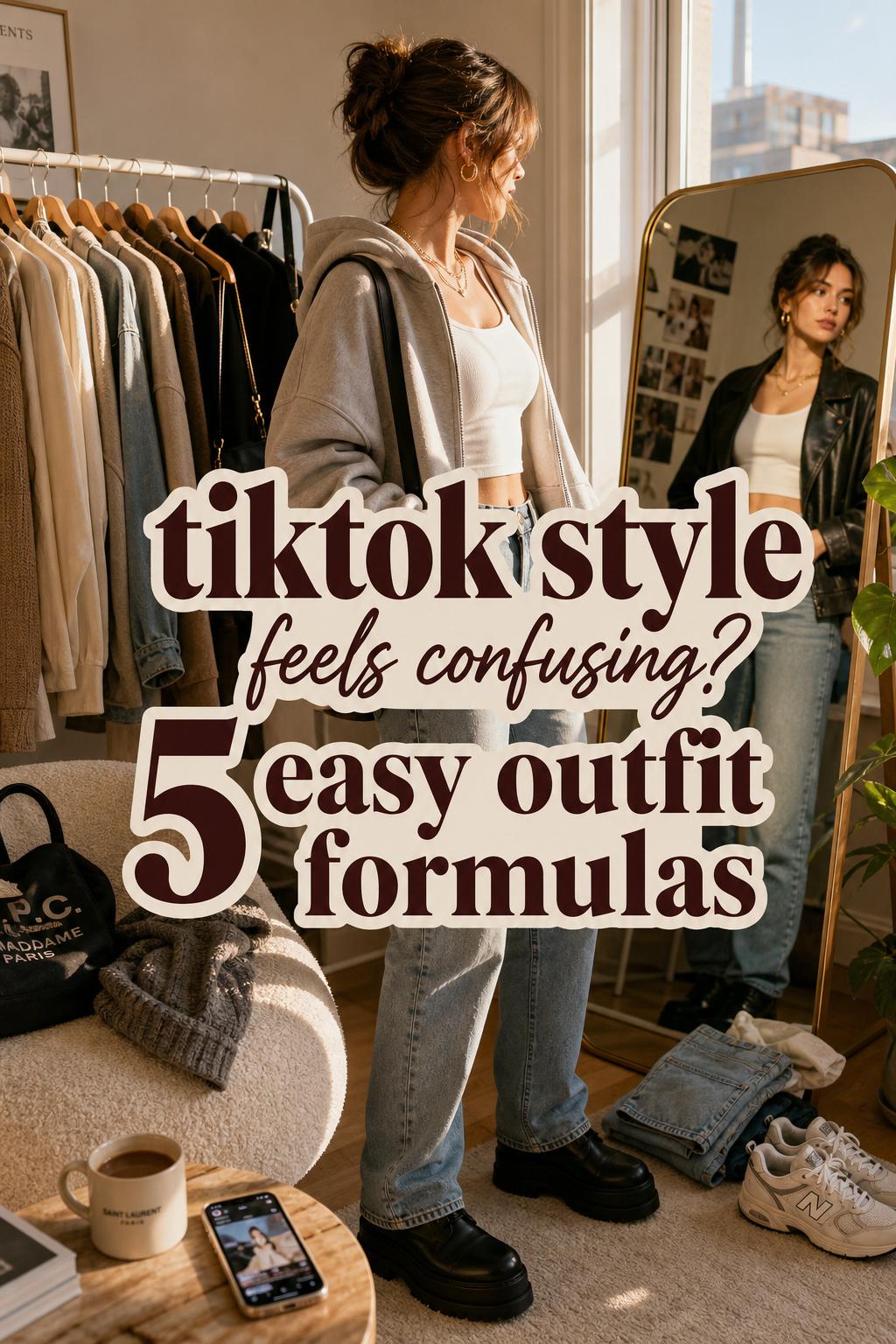
Style overview: e-boy and e-girl
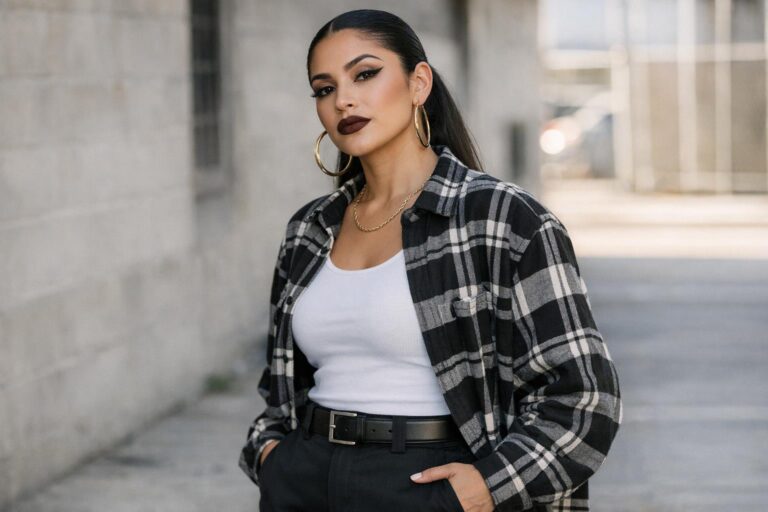
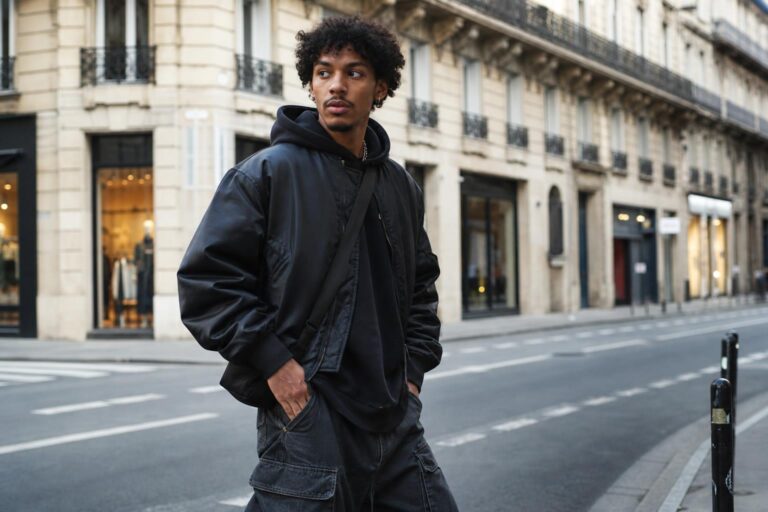
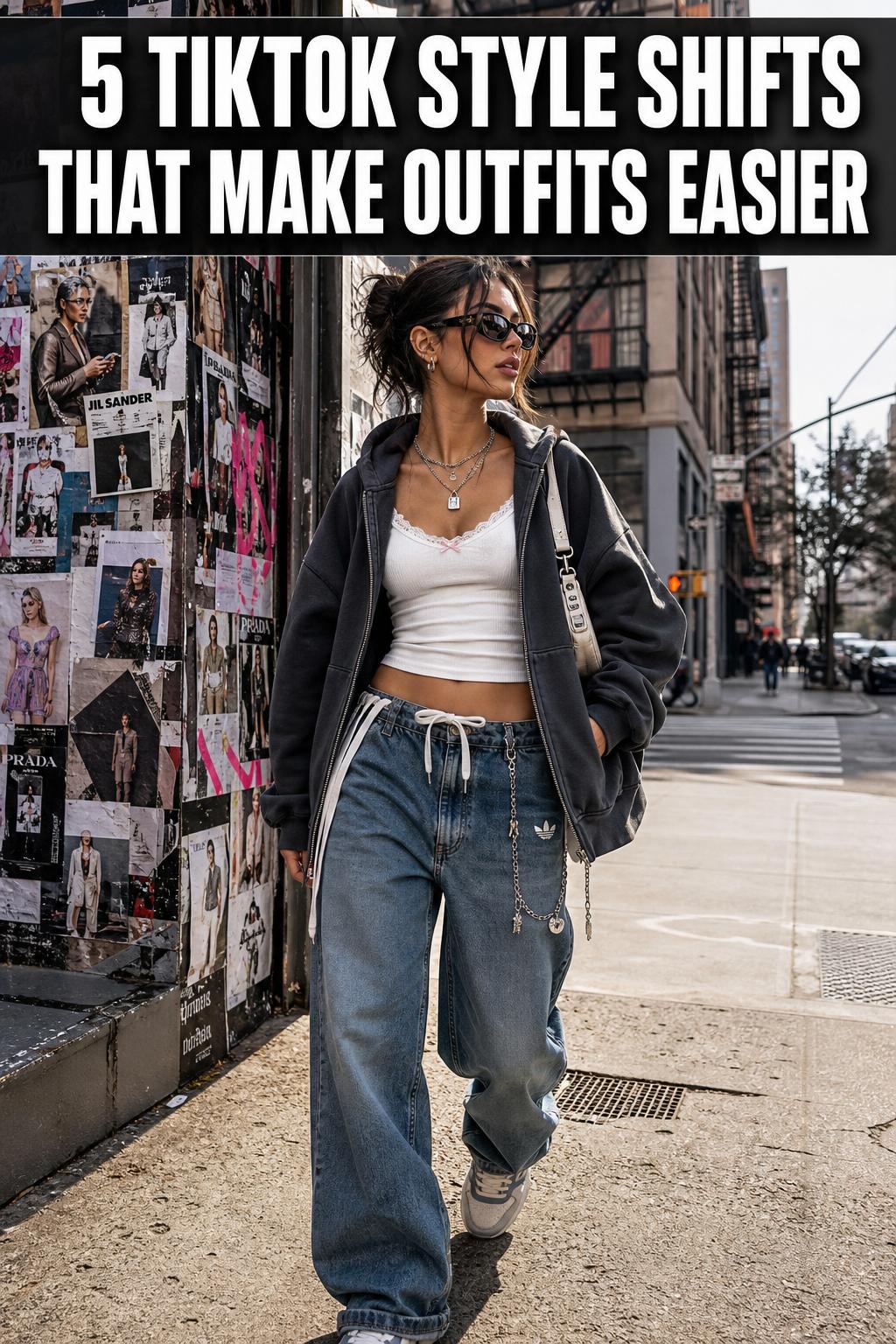
E-boy and e-girl remain foundational tiktok fashion tribes because they turned internet-coded dressing into a recognizable wardrobe system. Their defining characteristics sit close to dark grunge, streetwear hybridity, and alternative fashion. The silhouette often relies on proportion play: oversized hoodies against slimmer layers, fitted crop tops against looser jeans, or compact upper-body styling offset by relaxed bottoms.
The palette usually runs darker than other tiktok style categories. Black, charcoal, and deeper tones create the visual anchor, while contrast comes from graphic details, layered pieces, and styling attitude rather than soft tonal harmony. Texture matters here. Denim, jersey, and other casual fabrics support a lived-in finish instead of a polished one.
The overall mood is expressive, slightly rebellious, and visually coded for subculture recognition. Vogue connected creators such as Noen Eubanks to these style signatures, while GQ treated the look as part of a broader network of fashion tribes that shaped mainstream adoption of alternative dressing.
Style overview: that girl and beige aesthetic
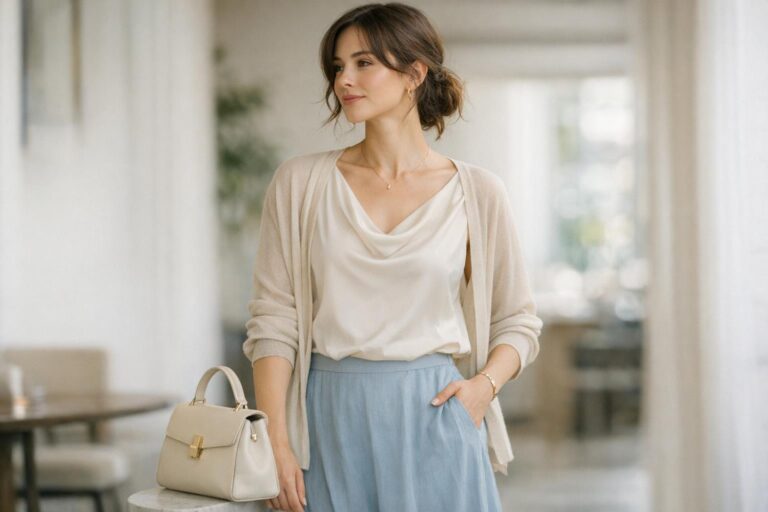
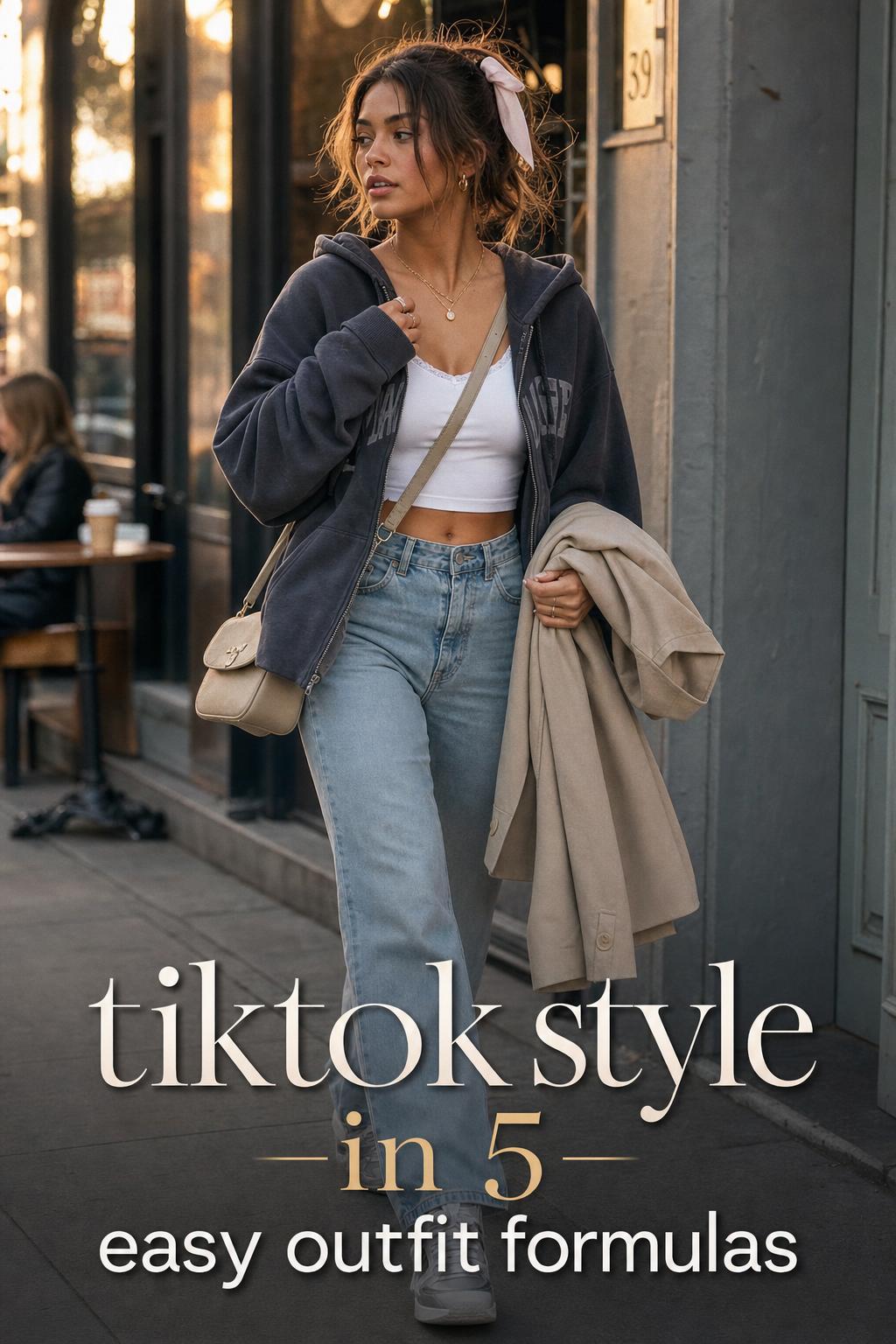
That girl and beige aesthetic are often grouped together because both rely on visual calm, neutral tones, and an edited presentation. Time’s framing of beige aesthetic made color central: neutral tones become the main device for recognition. Instead of building interest through graphic contrast, these looks build coherence through tonal layering and restraint.
The silhouette is cleaner and less chaotic than e-boy or e-girl styling. Minimalist lines, fewer statement interruptions, and controlled proportions define the outfit composition. Even casual pieces read more considered. Athleisure can appear here too, but the effect is smoother and less overtly subcultural.
The mood is disciplined, visually quiet, and lifestyle-oriented. That girl works not only as a clothing concept but as an image system: clothes, palette, and overall presentation align. Kaeli Mae appeared in the broader discussion around aesthetic-driven TikTok content, reinforcing how creators can become shorthand for a visual category.
Style overview: alt tiktok, coquette, and cottagecore
Alt tiktok functions more like an umbrella than a single wardrobe formula. It absorbs alternative fashion references and gives them a platform-native speed. Within that space, coquette and cottagecore stand out as softer branches that still feel distinct from beige minimalism. They are relevant because they expand the conversation beyond the dominant e-boy versus that girl binary.
Coquette tends to read more delicate and intentionally styled, while cottagecore leans into a softer, more romantic direction. Compared with e-boy and e-girl, both are less dependent on dark grunge cues. Compared with beige aesthetic, they are less strictly neutral and more driven by atmosphere. Their silhouettes tend to feel gentler, and their styling logic often prioritizes mood over sharp minimal structure.
These aesthetics matter in any serious tiktok style breakdown because they show how the platform rewards recognizable visual narratives. A look does not need to be loud to be legible. It simply needs a clear internal system.
Style overview: celebrity-led tiktok style
Celebrity-led tiktok style differs from tribe-based dressing because it translates a recognizable personal image into shopping cues. Charli D’Amelio, Bella Hadid, Justin Bieber, Hailey Bieber, and Alexa Chung all function as style anchors in this ecosystem, but the logic is not identical. Some names connect to athleisure or movement-friendly casualwear, while others act as references for a more polished or icon-driven wardrobe.
Who What Wear’s focus on Alexa Chung showed how a celebrity wardrobe can become a tiktok styling framework: identify the key silhouette, isolate the repeat pieces, and make the look shoppable. Vogue’s references to Charli D’Amelio and associated brands such as Urban Outfitters and Brandy Melville worked similarly, tying creators and stores to concrete outfit formulas.
The mood here is less about belonging to one tribe and more about selective borrowing. A reader may not want to dress fully e-girl or fully beige aesthetic, but may want Charli D’Amelio’s casual ease or Alexa Chung’s directional polish. This is one reason celebrity influence remains so strong in tiktok fashion trends.
The central comparison: e-boy/e-girl vs that girl/beige aesthetic
These styles are discussed together because they are easy to recognize and widely circulated, yet they are almost opposite in styling philosophy. One builds identity through contrast, visible subculture, and expressive layering. The other builds identity through reduction, tonal consistency, and visual calm. Understanding this contrast is the fastest route to decoding tiktok style tribes explained in practical terms.
Silhouette and structure
E-boy and e-girl dressing often rely on deliberate imbalance. Oversized hoodies, looser outer layers, fitted inner pieces, and casual denim create a shape that feels intentionally undone. That girl and beige aesthetic are more controlled. The silhouette reads cleaner, with fewer abrupt shifts in volume and a stronger preference for streamlined proportion.
Color palette
This is where the distinction becomes immediate. E-boy and e-girl wardrobes typically use darker tones and stronger contrast. Beige aesthetic and that girl wardrobes lean into neutrals, soft palettes, and tonal harmony. Time’s emphasis on neutral tones is especially useful here: beige is not merely a color choice but the organizing principle of the look.
Level of formality
Neither category is formally traditional, but they carry different levels of polish. E-boy and e-girl styling often reads casual and subcultural first. That girl can still be casual, especially through athleisure, but the finish appears more edited and therefore slightly more polished in everyday settings.
Styling philosophy
E-boy and e-girl prioritize visual identity. The outfit announces affiliation with alt fashion or internet-born style tribes. That girl and beige aesthetic prioritize consistency. The outfit supports a broader lifestyle image and aims for cohesion rather than contrast. One style wants edge; the other wants ease.
Typical wardrobe pieces
Oversized hoodies, crop tops, jeans, and layered casual separates fit naturally into e-boy and e-girl wardrobes. That girl and beige aesthetic often use similarly accessible basics, but the selection is stricter: cleaner lines, fewer visual interruptions, and pieces that work within a controlled neutral story. The garments may overlap, but the styling outcome does not.
Where alt tiktok separates itself from both
Alt tiktok sits between fixed tribe dressing and fluid experimentation. It can borrow from e-boy darkness, from coquette softness, or from broader subculture references without committing to one stable formula. That flexibility is why it often gets confused with e-girl, yet alt tiktok is usually broader in spirit. It is less a uniform and more a shifting mood board.
Compared with that girl or beige aesthetic, alt tiktok is less invested in visual serenity. Compared with classic e-boy and e-girl looks, it may be less rigidly coded. The practical benefit is freedom. The limitation is that without a clear visual anchor, the outfit can lose definition. On a platform built for quick recognition, too much ambiguity weakens the effect.
For readers trying to dress in tiktok style without looking costumed, alt tiktok is often the easiest entry point. It allows selective experimentation while preserving personal taste.
Visual style breakdown in real outfits
The easiest way to spot differences in tiktok aesthetics is to look at how each style handles outfit composition in motion. Since TikTok rewards instant readability, the balance of layers, color blocks, and movement-friendly fabrics becomes crucial.
Layering approach
E-boy and e-girl outfits often depend on visible layering. Pieces are stacked to create attitude and dimension. That girl and beige aesthetic use layering more quietly, often through tonal buildup rather than obvious contrast. Coquette and cottagecore use layering to produce softness and mood, not edge.
Garment proportions
Subcultural styles frequently use stronger proportion play. Oversized on top, fitted beneath, or the reverse, creates a dynamic silhouette that reads well on camera. Minimal aesthetic dressing usually narrows that contrast. Proportions still matter, but they are calibrated to look smooth rather than disruptive.
Accessories and visual anchors
In celebrity-led dressing, the visual anchor may be the familiar wardrobe code itself. Alexa Chung-inspired styling, for example, works because the outfit has an identifiable point of view. In tribe-based dressing, the anchor is more likely to be the overall aesthetic system. The accessory question is not about quantity alone but about whether each piece supports the intended mood.
Footwear and finish
The available source material emphasizes product categories less than silhouette and palette, so the more reliable distinction is finish rather than exact shoe type. E-boy and e-girl styling tends to support a heavier, more grounded finish. That girl and beige aesthetic typically favor a cleaner base that keeps the outfit visually light and uninterrupted.
Overall outfit balance
If an outfit feels built from contrast, subculture references, and attitude, it likely belongs closer to e-boy, e-girl, or alt tiktok. If it feels built from tonal consistency, simplicity, and a polished casual mood, it likely belongs closer to that girl or beige aesthetic. This is the fastest real-life identification method.
How celebrities and brands change the comparison
Celebrity references often blur the distinctions between style tribes because public figures translate internet-born aesthetics into mainstream wardrobes. Charli D’Amelio helped normalize casual movement-friendly dressing connected to dance content. Bella Hadid, Justin Bieber, and Hailey Bieber appear as adjacent reference points that connect youth-driven style to wider fashion recognition. Alexa Chung shows how a personality-led wardrobe can move through TikTok as an instantly readable set of styling cues.
Brands sharpen those signals. Urban Outfitters and Brandy Melville align naturally with younger, trend-responsive casualwear. Céline appears as a higher-fashion reference that gives the conversation editorial range. Together, these names reveal an important distinction within tiktok fashion influencers and brands: some labels support accessibility and speed, while others support aspiration and image authority.
This matters when comparing styles because the same silhouette can read differently depending on the brand context. A hoodie-and-jeans formula linked to dance-friendly content does not carry the same cultural message as a celebrity-styled, polished editorial interpretation.
Practical outfit comparisons for everyday situations
Style comparison becomes more useful when it is tied to real wardrobe decisions. The same setting can produce radically different outfits depending on whether the goal is edge, calm, softness, or celebrity-coded polish.
Example comparison: casual day outfit
An e-boy or e-girl interpretation would likely emphasize oversized layers, jeans, and a stronger contrast-driven finish. The styling logic is identity-first: the outfit should read immediately, even in a fast scroll. A that girl or beige aesthetic version would use a cleaner line, softer palette, and more tonal cohesion. The logic here is clarity and ease rather than disruption.
Example comparison: movement-focused content outfit
For dance or movement-heavy video, both styles may use athleisure, but the treatment changes. A Charli D’Amelio-adjacent look leans functional and camera-friendly, with pieces that move cleanly. An alt or e-girl variation might keep mobility but add more visible styling cues. The difference is not comfort alone. It is whether movement serves polish or personality.
Example comparison: polished casual outfit
An Alexa Chung-inspired approach would make polished casual dressing feel editorial through proportion discipline and identifiable wardrobe signals. A beige aesthetic version would move in the same polished direction but remain more neutral and lifestyle-coded. The Chung-inspired look has stronger authorial character. The beige aesthetic look has stronger visual quiet.
Example comparison: soft romantic interpretation
Coquette and cottagecore both offer alternatives when e-boy feels too hard and beige aesthetic feels too restrained. Coquette would create a more intentionally styled softness, while cottagecore would push further into gentle mood and narrative. Both stand apart from that girl because they prioritize atmosphere over clean minimal control.
Palette, texture, and fabric logic across tiktok fashion trends
Color and fabric are often more useful than labels when building an outfit. Beige aesthetic outfits on TikTok rely on palette discipline. Earthy and neutral tones reduce visual noise and make even simple pieces feel intentional. That is why this category often appears elevated without relying on overtly formal clothing.
E-boy and e-girl dressing depend more on texture contrast and silhouette attitude. Denim, jersey, and oversized casual fabrics contribute to the subcultural read. Athleisure is especially important across the wider tiktok style category because movement-friendly clothing performs well on video, whether the result is sporty, minimal, or youthfully casual.
The practical takeaway is simple: if the outfit feels incomplete, check the fabric logic before adding more pieces. A neutral palette in mismatched textures can lose its calm effect. A subcultural outfit in flat, overly tidy fabrics can lose its edge. Fabric behavior is part of the message.
A city lens: how major U.S. fashion hubs fit the mood
Tiktok style does not emerge in a vacuum, and major U.S. fashion hubs provide useful context. New York and Los Angeles are the clearest reference points for how styles circulate and become legible across fashion media and creators. Atlanta, Chicago, and San Francisco also matter as part of broader regional diffusion, even when a single look is not tied to one city in strict terms.
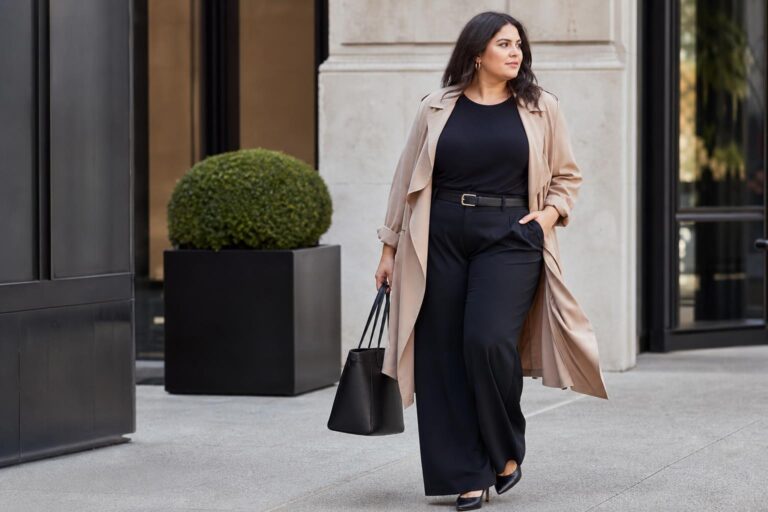
In practical wardrobe terms, city context affects how sharply you style the same aesthetic. A cleaner, more polished version of that girl or Alexa Chung-inspired dressing may feel especially at home in urban environments where compact wardrobes and repeatable outfit formulas matter. More expressive tribe-based dressing can also thrive in those spaces because style visibility is part of the appeal. The useful point is not that one city owns one aesthetic, but that location can influence how intensely the aesthetic is worn.
Seattle appears in creator-based aesthetic discussion as an example of how these trends are not limited to one fashion capital. TikTok turns local style expression into a national visual system, which is one reason tiktok style narratives spread so quickly.
When each style works best in a real wardrobe
The strongest wardrobes are not built around trend labels alone. They are built around use. Choosing between styles becomes much easier when you evaluate environment, movement, repeat wear, and how much visual expression you want on a given day.
- For everyday wear: that girl and beige aesthetic usually offer the easiest repeatability because the palettes are controlled and the silhouettes are clean.
- For expressive casual dressing: e-boy, e-girl, and alt tiktok are stronger when personal identity matters more than visual quiet.
- For movement-heavy days: athleisure-driven tiktok fashion works best, especially when comfort and camera-friendly shape both matter.
- For polished casual settings: celebrity-led styling, especially Alexa Chung-inspired outfit logic, creates stronger definition without requiring full commitment to a tribe.
- For mood-driven dressing: coquette and cottagecore work well when softness and atmosphere are more important than minimal structure.
No style category is universally better. The trade-off is always between clarity and flexibility. The more specific the aesthetic, the more recognizable the outfit. The more adaptable the wardrobe, the less instantly coded it may become.
Common mistakes when trying to dress in tiktok style
The most common styling problem is mixing signals without a hierarchy. Readers often combine dark alt layers, beige minimal basics, and celebrity-inspired polish in one outfit without deciding which element should lead. The result is not hybrid style. It is visual confusion.
A second mistake is focusing only on products and ignoring presentation. TikTok style is shaped by more than clothing. Platform-native cues such as editing, transitions, and typography influence how style is perceived. Tools such as CapCut and Splice are relevant because they affect the rhythm and finish of fashion content. Even the mention of TikTok Sans points to a wider truth: visual language on the platform extends beyond garments.
A third mistake is copying aesthetics literally. The stronger approach is to identify the underlying system: palette, silhouette balance, texture contrast, and overall mood. Once those are clear, the wardrobe feels intentional rather than borrowed.
Tips for building a tiktok-style wardrobe without losing personal identity
A good wardrobe strategy starts with classification. Decide whether you are drawn most to subculture, minimal palette, romantic mood, or celebrity reference. That single decision immediately narrows the styling field and prevents impulsive overlap.
- Choose one visual anchor per outfit: a palette, a silhouette, or a recognizable style reference.
- Use brands such as Urban Outfitters or Brandy Melville as directional cues, not mandatory rules.
- Borrow from celebrities selectively. Charli D’Amelio may guide movement-friendly casualwear, while Alexa Chung may guide polished casual structure.
- If you prefer beige aesthetic, maintain tonal layering before adding contrast pieces.
- If you prefer e-boy or e-girl, prioritize proportion and attitude over excessive item accumulation.
Tip: if an outfit feels overly styled in the mirror, remove the piece that does not support the core message. In most cases, the problem is not that the look is too simple. It is that the visual system has become inconsistent.
The tech and design layer that shapes the look
Any serious analysis of tiktok style has to include design tools and interface cues. TikTok Sans and related typography discussions matter because text on screen influences the fashion read. A minimal outfit paired with clean typography feels different from the same outfit presented with more chaotic visual treatment.
CapCut and Splice matter for a similar reason. They are not clothing brands, but they shape how outfits are understood. Fast transitions can heighten an alt tiktok mood. Cleaner edits support beige aesthetic clarity. This does not mean editing replaces styling. It means platform presentation amplifies it. In short-form video fashion, clothes and framing operate together.
This also explains why some aesthetics spread faster than others. The styles that translate clearly through movement, text overlays, and quick cuts become easier to replicate and easier to recognize.
A balanced way to combine styles
The most wearable approach for many readers is not strict loyalty to one tribe but controlled blending. A neutral, that girl base can be sharpened with one alt fashion element. A celebrity-inspired polished look can be relaxed with movement-friendly athleisure. A coquette or cottagecore softness can be grounded through cleaner proportions.
The key is preserving one dominant logic. If the palette is minimal, let the silhouette carry the variation. If the silhouette is dramatic, keep the color story tighter. If the celebrity reference is strong, avoid piling on unrelated trend signals. Hybrid dressing works best when contrast is deliberate, not accidental.
That principle also makes shopping easier. Instead of asking how to buy an entire aesthetic, ask which element will deliver the most visual impact in your existing wardrobe: darker layers, neutral tones, oversized proportions, or a more polished celebrity-coded finish.
Final style read
The core distinction inside tiktok style is not simply trend versus trend. It is expressive contrast versus controlled cohesion. E-boy, e-girl, and alt tiktok communicate through visible attitude and subcultural codes. That girl and beige aesthetic communicate through restraint, tonal harmony, and edited casual polish. Coquette, cottagecore, and celebrity-led dressing add further branches, each with its own styling logic.
Once you identify the silhouette strategy, the palette system, and the mood the outfit is trying to project, these aesthetics become easy to separate. They can also be combined intelligently. The strongest outfits borrow with purpose, maintain a clear visual anchor, and respect the logic of the style rather than copying surface details alone.
FAQ
What defines tiktok style today?
Tiktok style is best understood as a visual system shaped by short-form video, fast trend circulation, and clear aesthetic coding. It includes fashion tribes such as e-boy and e-girl, palette-based aesthetics such as beige aesthetic and that girl, celebrity-led dressing, and presentation elements influenced by movement, editing, and platform-native visuals.
What is the difference between e-girl style and that girl style?
E-girl style relies more on alt fashion cues, darker contrast, expressive layering, and stronger subcultural identity. That girl style is cleaner, more neutral, and more lifestyle-oriented, with a focus on tonal cohesion, polished casual dressing, and visual simplicity rather than dramatic contrast.
Are beige aesthetic and that girl the same thing?
They overlap but are not identical. Beige aesthetic is primarily organized around neutral tones and a soft, controlled palette. That girl includes some of that same visual restraint but functions more broadly as a polished, edited lifestyle aesthetic, often extending beyond color into the overall tone of presentation.
Which celebrities are most associated with tiktok fashion references?
Charli D’Amelio is a strong reference for movement-friendly casualwear and youth-driven tiktok fashion. Alexa Chung represents a more polished, shop-friendly style reference. Bella Hadid, Justin Bieber, and Hailey Bieber also appear as recognizable style anchors within the broader conversation around platform-influenced fashion.
How do brands like Urban Outfitters and Brandy Melville fit into tiktok style?
These brands function as practical shopping cues for younger, trend-responsive wardrobes. They are often associated with casual pieces such as hoodies, crop tops, jeans, and easy separates that can be adapted to multiple tiktok aesthetics, especially creator-led and everyday trend dressing.
Why does athleisure appear so often in tiktok style?
Athleisure works well because TikTok favors movement, and movement-friendly clothing reads clearly on camera. It supports dancing, transitions, and everyday styling while remaining adaptable across multiple aesthetics, from polished casual dressing to more relaxed creator-inspired looks.
What role do CapCut, Splice, and TikTok Sans play in style content?
They shape the presentation layer of fashion content. CapCut and Splice influence pacing, transitions, and visual emphasis, while TikTok Sans and related typography choices affect how the style is framed on screen. These tools do not replace clothing choices, but they influence how quickly and clearly an aesthetic is understood.
Which tiktok style works best for everyday wear?
That girl and beige aesthetic are often the easiest for everyday wardrobes because they rely on controlled palettes, repeatable outfit formulas, and cleaner silhouettes. Alt tiktok can also work well if approached selectively, but highly coded subcultural looks may require more deliberate styling to feel practical day after day.
Can different tiktok aesthetics be combined in one outfit?
Yes, but the combination works best when one element leads. A neutral palette can support a slightly alt silhouette, or a polished celebrity-inspired base can absorb one softer coquette detail. The outfit becomes confusing only when multiple aesthetics compete equally without a clear visual anchor.