French Style Outfits for an Effortlessly Polished Wardrobe
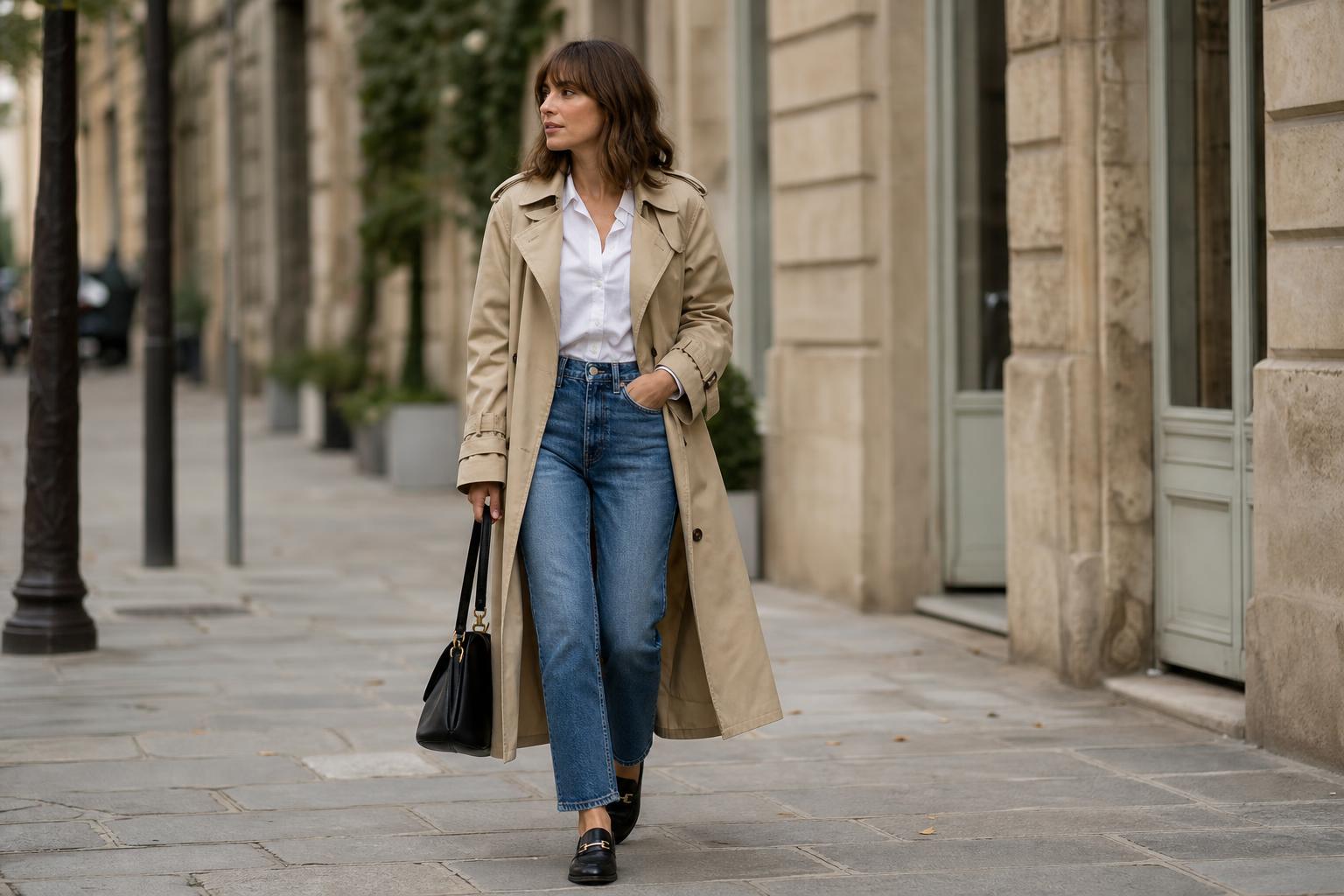
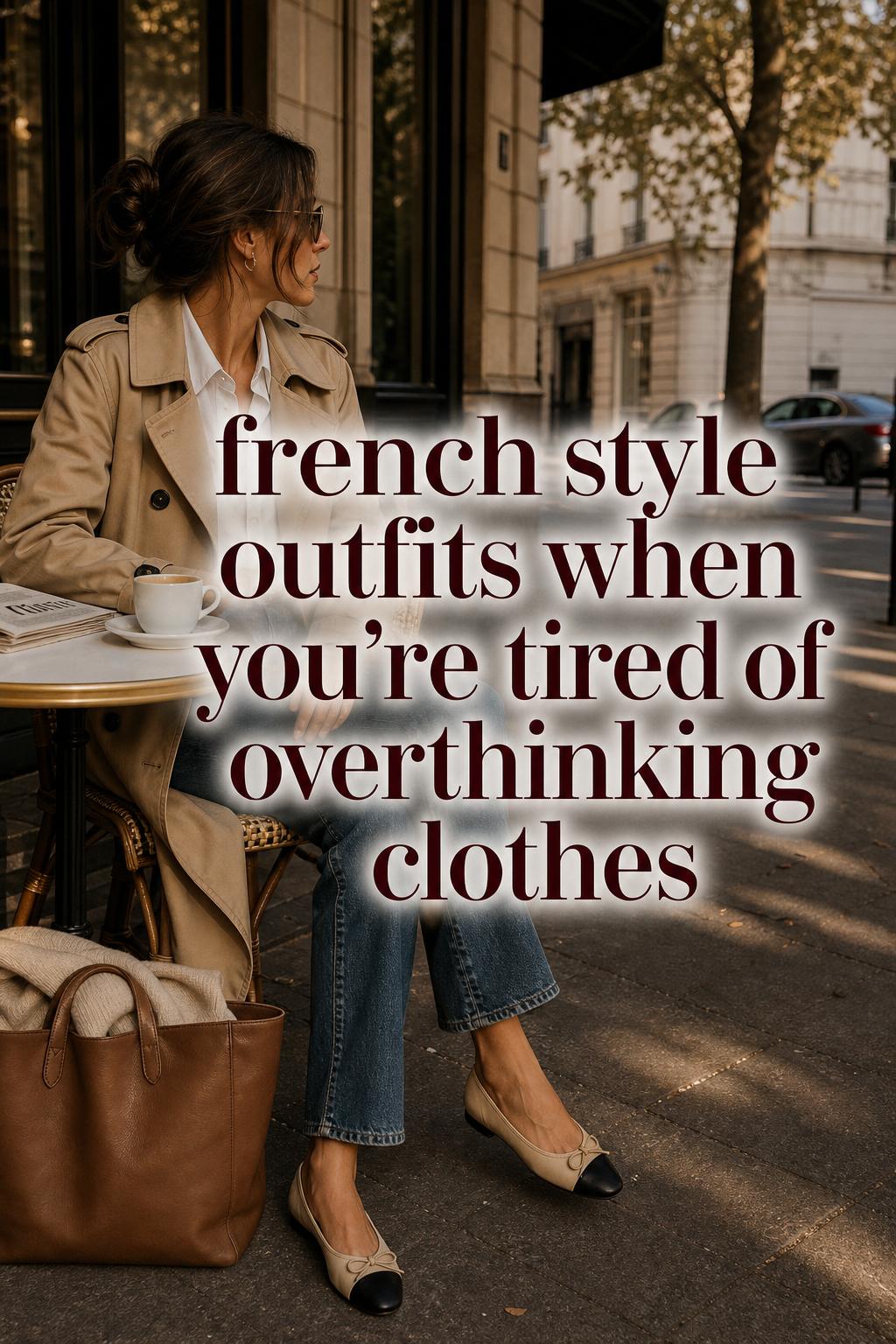
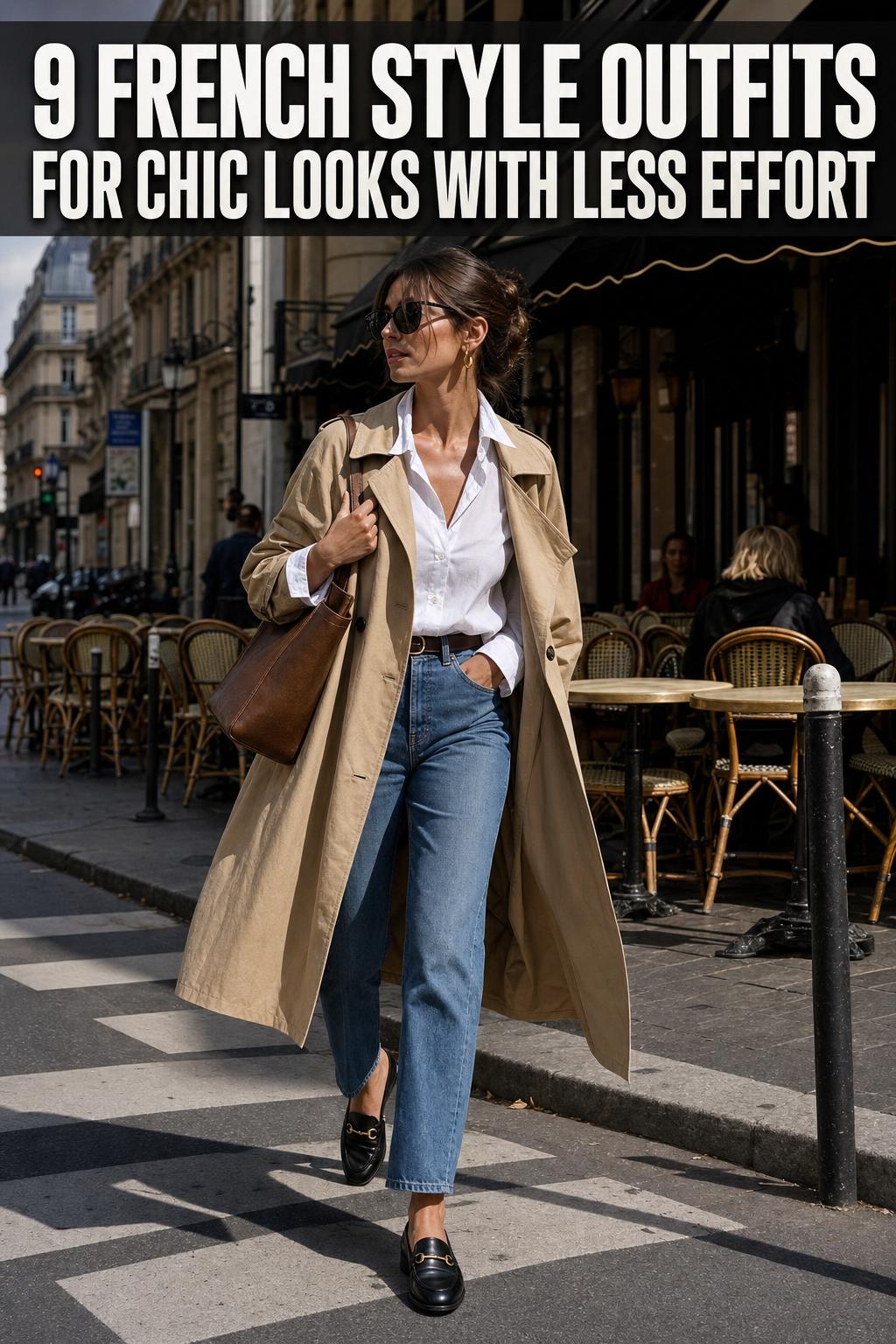
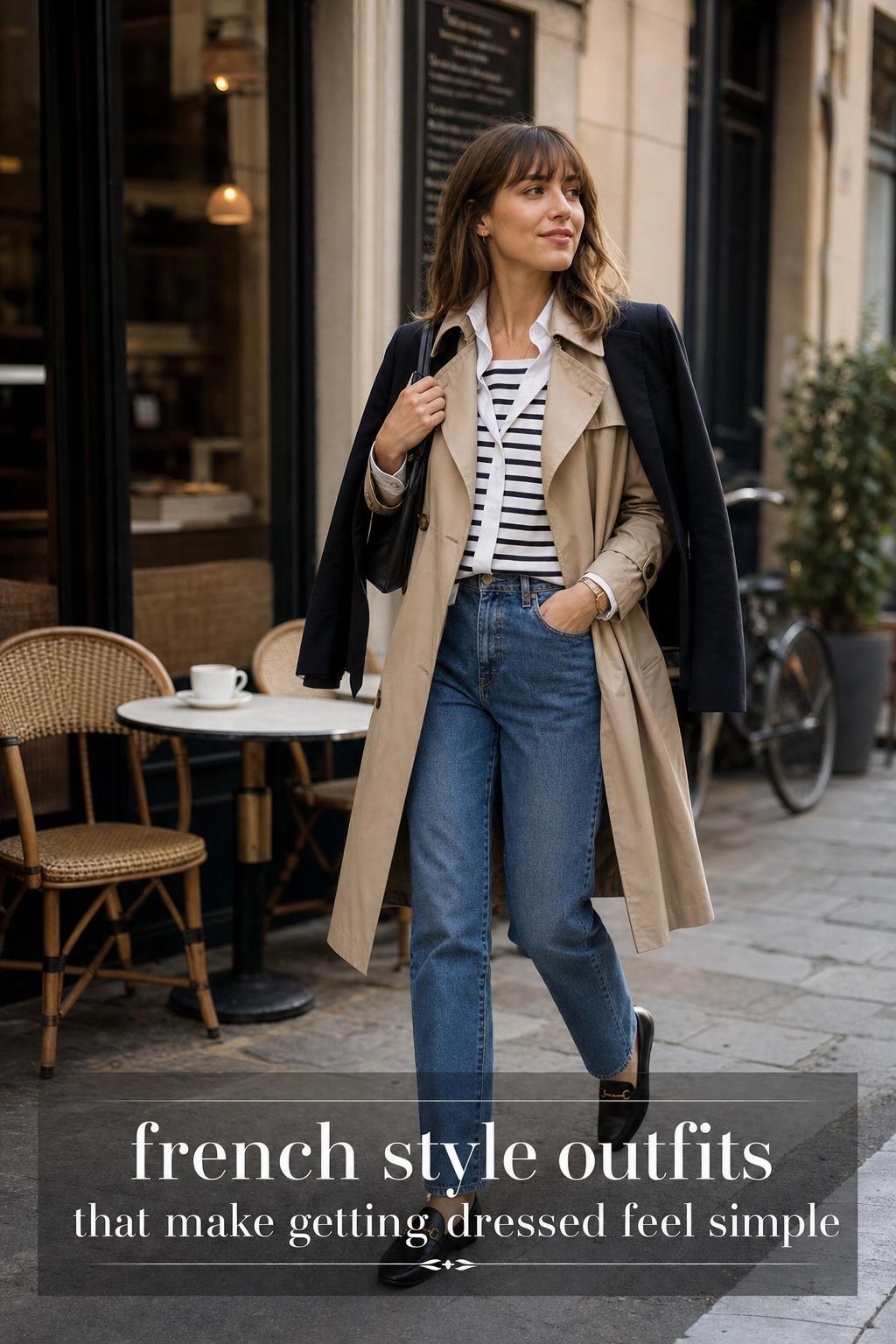
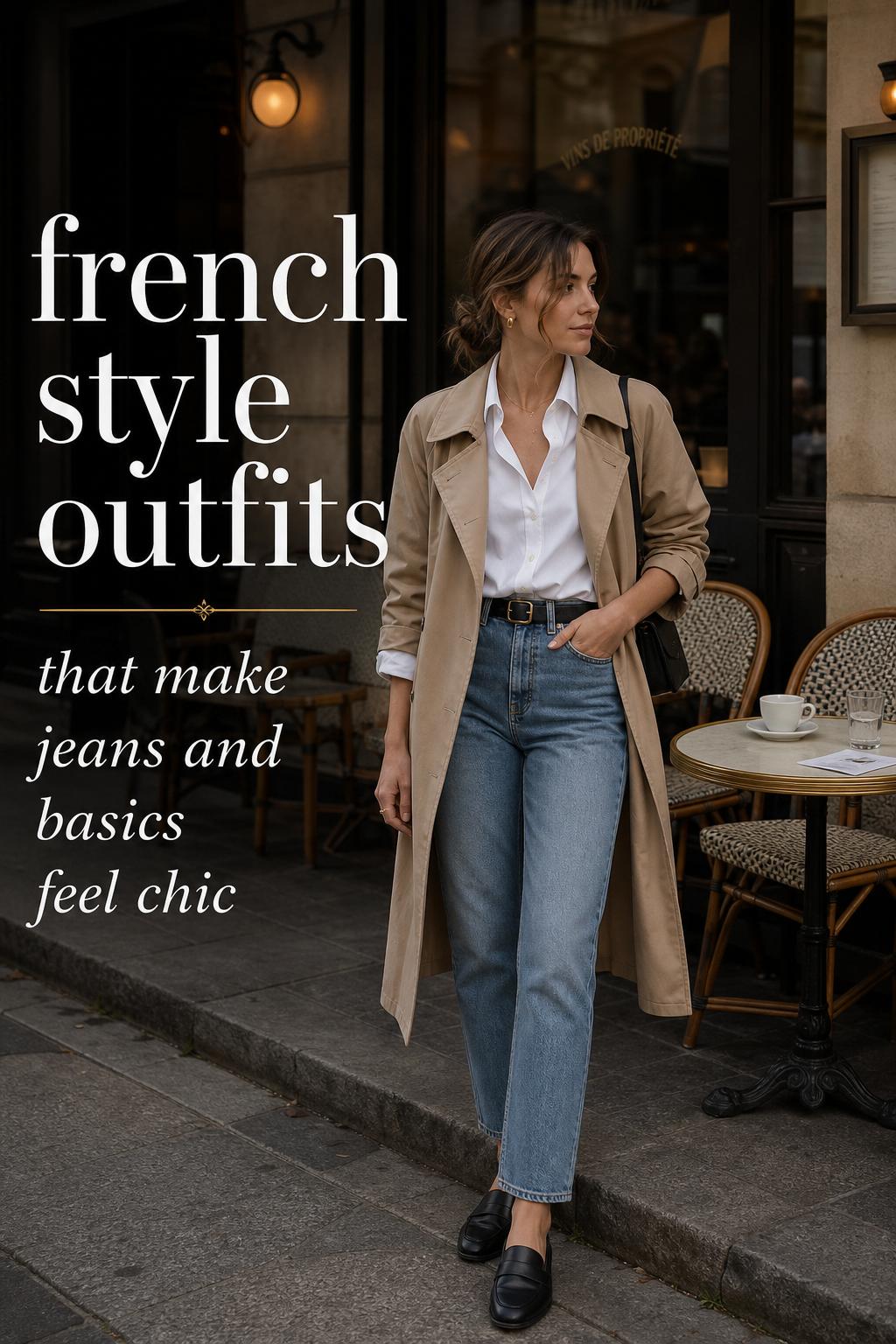
A polished trench over straight-leg denim, a striped Breton top, loafers, and almost no visible effort: that is the visual shorthand most readers have in mind when they search for french style outfits. The appeal is not only aesthetic. It is structural. French-inspired dressing consistently returns to a narrow set of wardrobe foundations, then recombines them through proportion, restraint, and fabric choice. The result is a style language that reads timeless rather than trend-dependent, practical rather than costume-like, and refined without looking overworked.
Across parisian style, classic french outfits, and french girl style, the same logic appears again and again: quality basics carry the look, silhouettes stay clean, and accessories support rather than dominate. A white tee or white shirt creates clarity, denim adds ease, a trench coat or blazer introduces structure, and ballet flats or loafers finish the outfit without disrupting the line. That consistency is exactly why french outfits remain so wearable in real life, whether the goal is an everyday uniform, a compact capsule wardrobe, or a more elevated wardrobe reset.
The visual code behind french style
French style is best understood as an approach to outfit composition rather than a rigid list of pieces. The core principles are minimalism, quality over trend, and timeless silhouettes. Minimalism here does not mean severe dressing. It means reducing visual noise so that fit, texture, and proportion become the focus. A striped top looks intentional when paired with blue jeans and a structured jacket because there is a clear visual anchor and no competing statement piece.
Parisian chic also relies on balance. If one element is relaxed, another tends to be tailored. Straight or slim denim becomes sharper with a blazer. A soft knit gains definition with a midi skirt that holds shape. A trench coat in a clean line can make even a simple white tee feel complete. This is why french minimalist style often appears effortless: the pieces are basic, but the outfit logic is disciplined.
Found the dress? Keep the rest in one place.
Zarellea brings guest details, vendors, timelines, and every next step together — so your wedding plan feels as good as your look.
Location matters conceptually, too. Paris and France function as aesthetic anchors in this category, and many of the most recognizable cues point back to parisian style: neutral palettes, unfussy layering, and staples that can move from weekday to weekend without a full outfit change. The “french girl” idea used across fashion media is less about one person and more about a recurring formula of casual polish.
The wardrobe foundations that appear in almost every strong look
The strongest french style outfits are built from repeat pieces, not endless novelty. These staples show up across timeless french outfits for women, french capsule wardrobe guides, and retailer styling pages because they solve multiple outfit needs at once.
- Breton top or striped tee
- White shirt or white tee
- Trench coat
- Blazer
- Blue jeans or other clean denim
- Midi skirt
- Knit layering pieces
- Loafers or ballet flats
- Simple scarf
- Minimal accessories in a neutral palette
Each of these items works because it is flexible. The Breton striped top brings immediate French identity to an outfit without needing extra styling. A white button-down sharpens denim or softens a skirt depending on fit. A trench coat creates vertical structure and movement. Ballet flats and loafers finish an outfit in a way that feels practical for everyday wear, which is essential to the french style image.
Breton stripes and white tops as visual anchors
Striped tops, especially Breton-inspired versions, appear so often because they do several jobs at once. They introduce pattern without overwhelming the outfit, connect directly to the nautical stripe tradition associated with French dressing, and pair easily with denim, skirts, and jackets. The same is true of the white tee and white shirt. These pieces clean up the palette and make outerwear or footwear stand out more clearly.
In practical terms, these tops also reduce styling friction. On rushed mornings, a striped top plus jeans plus loafers already feels intentional. A white shirt plus tailored trousers plus a blazer reads more polished but follows the same formula. This repeatability is one reason french fashion basics are so often discussed within the capsule wardrobe framework.
Trench coats, blazers, and the role of structure
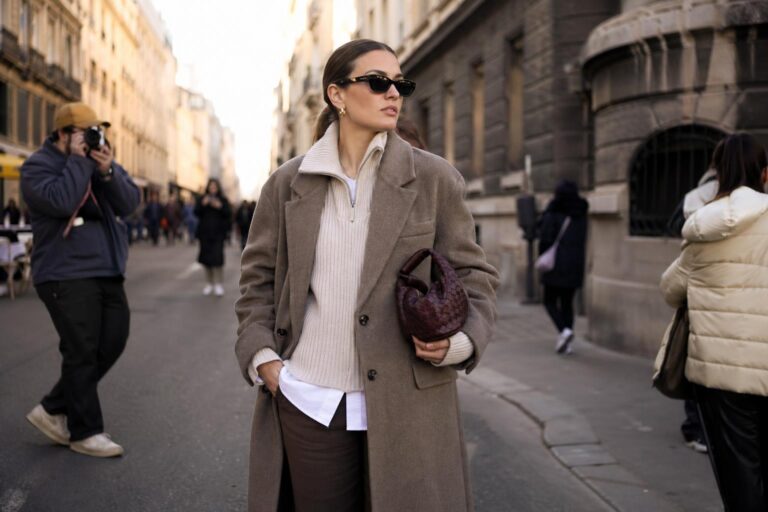
Outerwear is where many french outfits gain authority. A trench coat is associated with timeless french outfits because it lengthens the silhouette and creates movement without bulk. A blazer provides sharper structure and is especially useful when the rest of the outfit is soft or casual. White tee and blue jeans can feel ordinary on their own; add a blazer and the outfit shifts immediately toward parisian chic.
Fabric matters here. Research around the category highlights gabardine, cotton, and wool blends as useful reference points because fabric weight changes how polished an outfit appears. A trench in gabardine or a blazer in a stable wool blend tends to hold shape better, which supports the clean lines central to french style.
Denim, midi skirts, and practical versatility
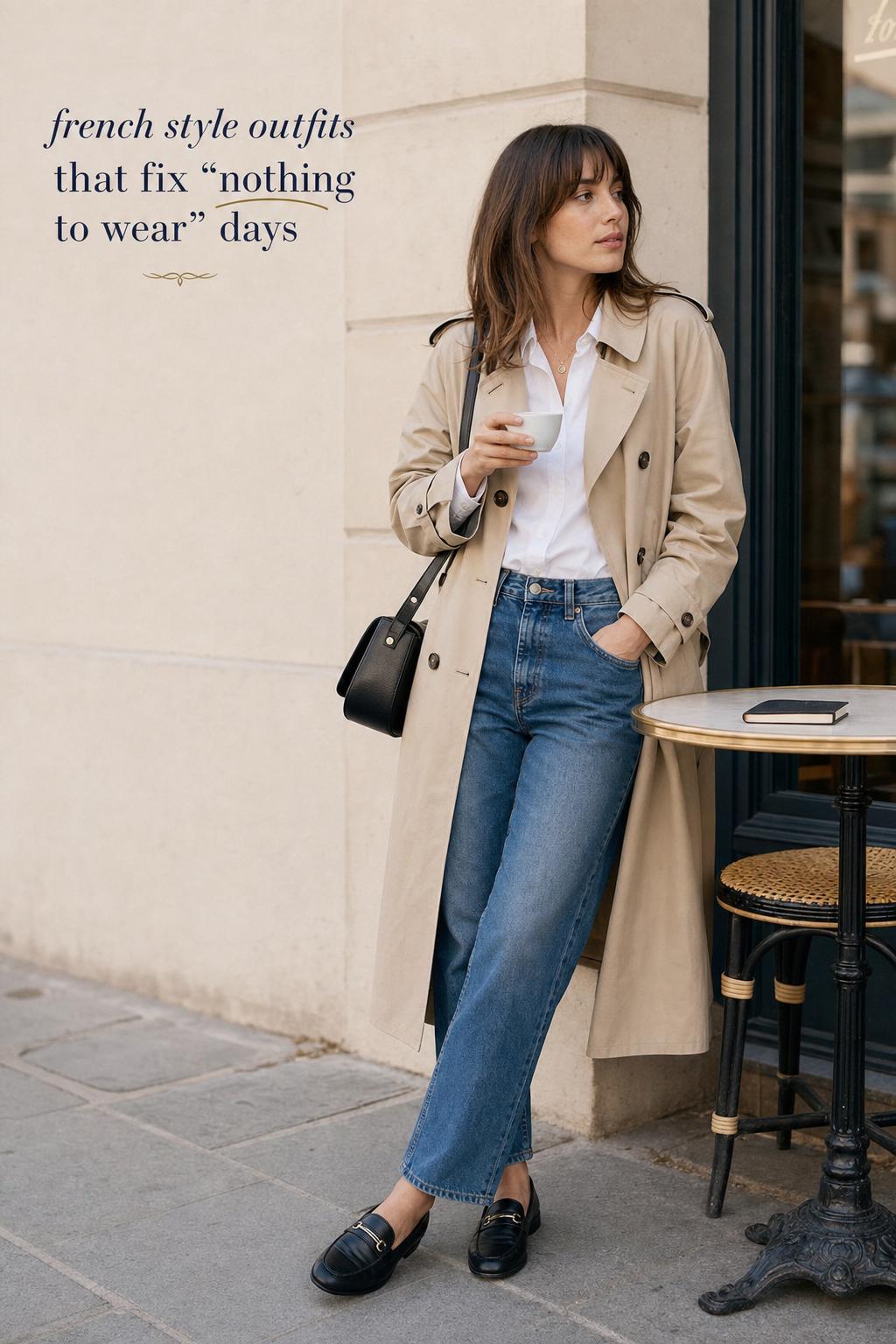
Denim is one of the most repeated product entities in this style space for good reason. It brings ease and keeps french girl outfits from becoming too formal. Straight or slim jeans work particularly well because they create a stable base for striped tops, white shirts, and tailored jackets. Jeans-centric formulas also dominate casual content because they are the easiest entry point for readers trying to adapt french style outfits to daily life.
The midi skirt plays a different role. It softens the outfit and adds movement, especially when paired with knits, blazers, or a striped top. For readers who want a more feminine line without leaving the world of minimalism, the midi skirt is often the bridge. It keeps the outfit classic, not overly delicate, and remains easy to adapt across seasons.
How outfit formulas make french dressing easier
The strongest way to understand french style outfits is through formulas rather than isolated pieces. A formula gives structure: one anchor item, one balancing layer, one uncomplicated shoe, and accessories kept in check. This is why so many top fashion pages use gallery-style outfit ideas and list-based examples. Readers are not only looking for inspiration. They want repeatable dressing systems.
The trench, Breton top, and jeans combination
This is one of the clearest examples of classic french outfits trench blazer denim logic, even without a blazer in the final look. The Breton top supplies pattern, denim grounds the outfit, and the trench coat adds polish. Loafers make the combination feel slightly sharper, while ballet flats create a lighter finish. The formula works because every piece has a clear role and none of them compete for attention.
For real-life use, this combination performs well in transitional weather and travel contexts. The trench handles temperature shifts, jeans remain practical for movement, and the striped top keeps the look visually distinct in photographs without requiring complicated styling. It is one of the easiest ways to achieve parisian chic outfit ideas neutrals while still including pattern.
White shirt, tailored blazer, and trousers
This formula leans more polished and works especially well for workwear or daytime meetings. The white shirt brings clarity, the tailored blazer introduces structure, and trousers maintain the refined line. Compared with denim-based outfits, this composition feels slightly more formal but still unmistakably french in its restraint. It avoids excess detail and depends instead on clean tailoring and proportion play.
If the shirt is crisp and the blazer is structured, the outfit already has enough presence. Extra accessories are rarely necessary. This is the sort of composition that illustrates why quality basics are repeatedly emphasized in French-inspired wardrobes. The silhouette does the work.
Striped top, skirt, and minimal accessories
When readers want french style outfit ideas 2026 with a classic foundation, this combination remains useful because it can shift in mood depending on the skirt and shoe. A midi skirt creates softness and fluidity, while the striped top prevents the look from becoming too dressy. Minimal accessories are important here. Over-accessorizing weakens the controlled simplicity that makes the outfit read French rather than generic.
A scarf can work as the single accent because it adds movement near the face without disrupting the outfit’s clean composition. That restraint is one of the easiest style rules to miss. The more decorative pieces added, the less convincing the overall effect becomes.
Knitwear with a midi skirt and ankle boots
This formula is especially strong for cooler months. The knit adds softness and texture, the midi skirt preserves elegance, and ankle boots provide seasonal practicality. The combination works through texture contrast: a smoother skirt surface against a more tactile knit keeps the look dimensional even within a neutral palette.
It is also a useful reminder that french outfits are not limited to stripes, denim, and trenches. The broader principle is always the same: one stable silhouette, one tactile or visual point of interest, and no unnecessary complication.
Seasonal shifts without losing the french aesthetic
One reason french style remains practical is that it adapts well across spring, summer, fall, and winter. The core pieces change in fabric weight and layering depth, but the outfit logic remains consistent. This continuity is central to the capsule wardrobe concept and explains why french style is often discussed as an all-year system rather than a seasonal trend.
Spring and summer: lighter layers, cleaner lines
In warmer months, white shirts, striped tees, denim, and skirts become more dominant while heavy structure recedes. A trench may still work for cool mornings, but the overall composition should feel lighter. Neutrals remain useful because they keep the look coherent, but strategic accents can prevent the wardrobe from feeling flat. The key is not to abandon the palette, only to loosen it.
The pleated top trend discussed within french-girl style content fits here because it offers a current variation without breaking the minimalist framework. Paired with jeans or a skirt, the pleated surface brings texture and movement while staying aligned with a clean, understated outfit composition.
Fall and winter: layering depth and fabric discipline
In cooler seasons, blazers, knits, structured coats, and ankle boots create the necessary warmth while preserving line and proportion. Wool blends and heavier cottons become more useful, and gabardine remains relevant for trench coats in variable weather. The challenge in winter is bulk. French-inspired layering works best when each layer has a purpose and the silhouette remains visible.
For example, a fine knit under a blazer with jeans and loafers usually reads more polished than adding multiple bulky layers with no clear shape. Texture contrast can replace color complexity here. A wool-blend blazer, soft knit, and rigid denim create visual richness without disrupting the neutral palette.
Color palettes: why neutrals dominate and how accents fit in
Parisian-chic dressing often returns to neutrals because they create immediate harmony. White, blue denim, beige trench tones, black footwear, and simple jacket colors are easy to combine and make repeating pieces feel intentional rather than repetitive. This is one of the strongest practical lessons in french style outfits: the wardrobe becomes more effective when the palette is limited enough to allow frequent recombination.
That does not mean all color should disappear. The research around current content points to room for strategic accents beyond neutrals, as long as the overall look remains coherent. A scarf, a pleated top, or a single accessory can introduce variation. The principle is control. In French-inspired dressing, accents support the base rather than compete with it.
Where accessories help and where they usually hurt
Accessories in french style are rarely the main event. They are supporting elements used to sharpen or personalize the outfit. Loafers and ballet flats are especially important because they reinforce the low-effort, polished tone. A scarf can add signature character. A beret or nautical reference can work as a historical nod, but these details are strongest when used selectively rather than all at once.
Some of the underused but relevant accessory ideas in this style space include basket bags and more specific loafer variations. These details can fit well within the french style framework because they maintain practicality while adding texture or shape. The caution is simple: once too many recognizable “French” markers appear in one outfit, the result can feel styled for effect rather than naturally composed.
Tips for accessory restraint
- Choose one visible accent, not three competing ones.
- Let shoes finish the outfit instead of trying to become the focal point.
- Use a scarf to add softness if the outfit feels too sharp.
- Keep jewelry and other details minimal when stripes or tailoring already carry the look.
- If adding a beret or nautical cue, simplify everything else.
Named brands and designer references that shape the aesthetic
Although many top pages focus more on product categories than specific labels, brand references still help define the French-inspired visual world. Chanel and Saint Laurent appear as luxury archetypes, while Burberry often functions as an outerwear reference point. More directly, named French brands such as Sézane, Maje, and Sandro are useful case-study anchors for readers trying to understand how contemporary parisian style translates into real wardrobes.
These brands matter less as shopping instructions and more as aesthetic shorthand. Sézane connects easily to polished basics and wearable Parisian styling. Maje and Sandro fit the conversation around refined but current French dressing. Chanel and Saint Laurent signal the aspirational end of timeless structure, while Burberry aligns with the trench coat tradition that appears so frequently in french outfits for women.
The practical lesson is not that a successful outfit requires a luxury label. It is that the wardrobe pieces associated with these houses tend to follow the same rules already visible in the strongest everyday French-inspired formulas: strong outerwear, controlled palettes, and silhouettes that survive seasonal shifts.
A modern capsule wardrobe approach to french style
The capsule wardrobe concept is especially effective here because french style already depends on repetition. Instead of pursuing endless outfit variety through more items, the goal is to build a compact edit of pieces that work together. That is why staples like the Breton top, white shirt, trench coat, blazer, jeans, and midi skirt recur so often. They produce a high number of combinations without diluting the aesthetic.
For a reader building from scratch, the smartest approach is to start with categories, not trends. Secure a strong top layer, a reliable neutral top, a striped option, one polished bottom, one casual bottom, and one practical shoe. Once those pieces are working together, additional layering pieces and seasonal variations can be introduced without losing cohesion.
Tips for building a french capsule wardrobe
- Start with a neutral palette so pieces can rotate easily.
- Choose one or two striped or textural items instead of multiple statement tops.
- Prioritize fit in blazers, trench coats, and jeans before adding trend pieces.
- Use midi skirts and knits to expand the wardrobe across seasons.
- Repeat successful formulas rather than rebuilding your outfit logic every week.
Occasion dressing: how french style shifts from everyday to polished
One of the clearer content gaps in this category is occasion-specific guidance, even though it is highly practical. French-inspired dressing translates well to workwear, travel, and more formal settings because the foundation is already streamlined. The adjustment usually comes through fabric, footwear, and how tailored the silhouette becomes.
For workwear
A white shirt, tailored blazer, and trousers offer the cleanest route. The outfit reads professional because structure leads the composition. If the workplace is more relaxed, jeans can replace trousers as long as the blazer and shoes maintain polish. This is where loafers become especially useful: they reinforce discipline without feeling stiff.
For travel days
The trench, Breton top, and jeans formula is ideal because it handles movement, layering, and changing temperatures. A scarf adds functionality as well as style. Travel is also the clearest proof that french style is rooted in practicality. If an outfit cannot move, layer, and repeat well, it usually falls outside the true spirit of the category.
For formal or elevated plans
A midi skirt, refined top, and structured outer layer keep the look elegant without over-decoration. Ballet flats can work for a softer finish, while a more polished loafer or ankle boot adds authority depending on season. The key shift is fabric and line, not excess. French-inspired formal dressing still relies on restraint.
The fabric conversation often overlooked in french style
Fabric is one of the most useful advanced lenses for understanding why some French-inspired outfits look expensive and others do not. The research around content gaps points to gabardine, twill, wool blends, linen, and cotton as under-discussed but important factors. These materials affect drape, sharpness, breathability, and longevity. A trench coat in a stable fabric holds line better. A blazer in a suitable wool blend looks more intentional. A crisp cotton shirt brings visual freshness to denim and skirts.
Care also matters because this style depends so heavily on basics. When your wardrobe is built around a smaller set of repeating essentials, fabric maintenance becomes part of the aesthetic outcome. Pieces that lose shape quickly or wear poorly undermine the quiet polish associated with french style. That is why durable fabrics and long-term wear are a natural fit with the wider conversation around wardrobe longevity.
Sustainability and longevity in a french-inspired wardrobe
French style aligns naturally with sustainability because it values repeat wear, durable staples, and a smaller number of versatile pieces. A trench coat worn across multiple seasons, a blazer used for work and weekends, or a striped top rotated through different combinations all support a longer-life wardrobe model. This does not require moralizing. It is simply a practical consequence of dressing around quality basics instead of constant turnover.
The sustainability angle also strengthens the case for buying with intention. If a wardrobe centers on denim, white shirts, striped tops, outerwear, and classic footwear, each purchase should expand the system rather than duplicate it without purpose. Circular thinking fits well here: the more durable and adaptable the item, the more value it adds to a French-inspired capsule.
Common styling mistakes that weaken french style outfits
French-inspired dressing is often described as effortless, but the most common mistakes come from misunderstanding what that means. Effortless does not mean random. It means edited. When the outfit loses its line, the visual clarity disappears.
- Adding too many recognizable “French” cues at once, such as stripes, a beret, scarf, and strong accessories in the same look
- Choosing oversized or shapeless layers that erase silhouette balance
- Relying on trend pieces that overpower the wardrobe basics
- Ignoring fabric quality, which makes minimal outfits look flat rather than polished
- Using too many colors when the outfit works better with a restrained palette
A useful test is simple: remove one item and ask whether the outfit becomes clearer. In many cases, the stronger French-style version is the more edited one.
A practical gallery mindset for everyday dressing
The popularity of outfit galleries and lookbooks in this category reflects how people actually use fashion content. They want to see multiple combinations built from the same pieces. That visual repetition is not redundancy; it is evidence of a successful wardrobe system. A trench can move across denim, trousers, and skirts. A Breton top can shift between loafers and ballet flats. A blazer can sharpen a white tee as easily as it finishes a button-down.
For everyday use, it helps to think in mini lookbooks rather than isolated outfits. Build three reliable combinations around denim, two around a skirt, and two around tailored separates. Once those are established, trend-led pieces such as a pleated top can enter the wardrobe without disrupting its logic. This is the balance between inspiration and function that defines the strongest french style outfits.
FAQ
What defines french style outfits?
French style outfits are defined by minimalism, quality basics, and timeless silhouettes. Common elements include a Breton top, white shirt or white tee, trench coat, blazer, denim, midi skirt, and understated footwear such as loafers or ballet flats. The focus is on balance and restraint rather than heavy styling.
What is the difference between french style and parisian chic?
They overlap heavily, but parisian chic is often used to describe the polished, city-centered version of French-inspired dressing. French style is broader, while parisian chic emphasizes clean tailoring, neutral palettes, and refined everyday combinations associated with Paris.
What are the best starter pieces for a french capsule wardrobe?
The most effective starting point is a trench coat, a blazer, a striped Breton top, a white shirt or white tee, blue jeans, a midi skirt, and simple loafers or ballet flats. These pieces create multiple outfit formulas and make it easier to build a wardrobe around repeatable combinations.
Can jeans be part of authentic french girl style?
Yes. Jeans are one of the most consistent elements in french girl style and appear across many classic outfit formulas. They work especially well with a Breton top, white shirt, blazer, trench coat, loafers, or ballet flats because they keep the outfit relaxed while the other pieces provide polish.
Are stripes essential for french outfits?
Stripes are highly recognizable and very useful, especially in the form of a Breton top, but they are not mandatory. White shirts, white tees, blazers, trench coats, denim, and midi skirts can all create a French-inspired look without stripes. The larger principle is clean composition and controlled styling.
How do you make french style work in winter?
Use layering pieces with clear structure, such as a blazer, trench coat, or knit in appropriate fabric weights like wool blends or heavier cottons. The goal is to add warmth without losing silhouette definition. A knit with a midi skirt and ankle boots or a blazer with jeans and loafers keeps the look polished in cooler weather.
Which shoes work best with french style outfits?
Loafers and ballet flats are the most common options because they support the polished but practical tone of french outfits. Ankle boots also fit well in cooler seasons. The best choice depends on the outfit’s structure, but all three work because they finish the look without overwhelming it.
Do french style outfits have to stay neutral?
No, but neutrals dominate because they make a wardrobe easier to mix and repeat. White, denim blue, beige, and black create a stable base. Strategic accents can still work, especially through scarves, textural tops, or seasonal pieces, as long as the overall palette remains coherent.
How can you make french style look polished without buying luxury brands?
The most important factors are fit, fabric, and outfit editing rather than the label. A well-cut blazer, a stable trench coat, clean denim, a crisp white shirt, and simple loafers will usually look more convincing than a trend-heavy outfit with recognizable branding. French-inspired style depends on composition more than logos.