Creative Style Outfits With a Modern Minimalist Twist
A modern wardrobe rarely fits into one neat label. The appeal of creative style outfits comes from that tension: the desire to look expressive without losing structure, and the need to feel individual while still dressing for real life. That is why certain aesthetics are constantly discussed together, especially maximalism and minimalism, editorial styling and practical dressing, Scandi restraint and color-block boldness, or polished creative agency looks versus unusual clothing combinations.
These styles overlap because they often use the same building blocks—tailoring, layering, statement accessories, texture contrast, and a strong point of view—but they organize those elements differently. A La Veste-inspired outfit shaped by Blanca Miró operates through playful visual energy, while a Scandi style outfit relies on calm proportion and controlled simplicity. Both can look creative. The distinction lies in styling philosophy, silhouette balance, and how the outfit directs attention.
This comparison breaks down the major approaches behind creative style outfits and shows how to tell them apart. It also explains when each works best, how capsule wardrobe thinking supports both, and how to adapt these aesthetics for travel, creative workplaces, day-to-night dressing, and seasonal changes without losing clarity.
The two creative style families most people mix up
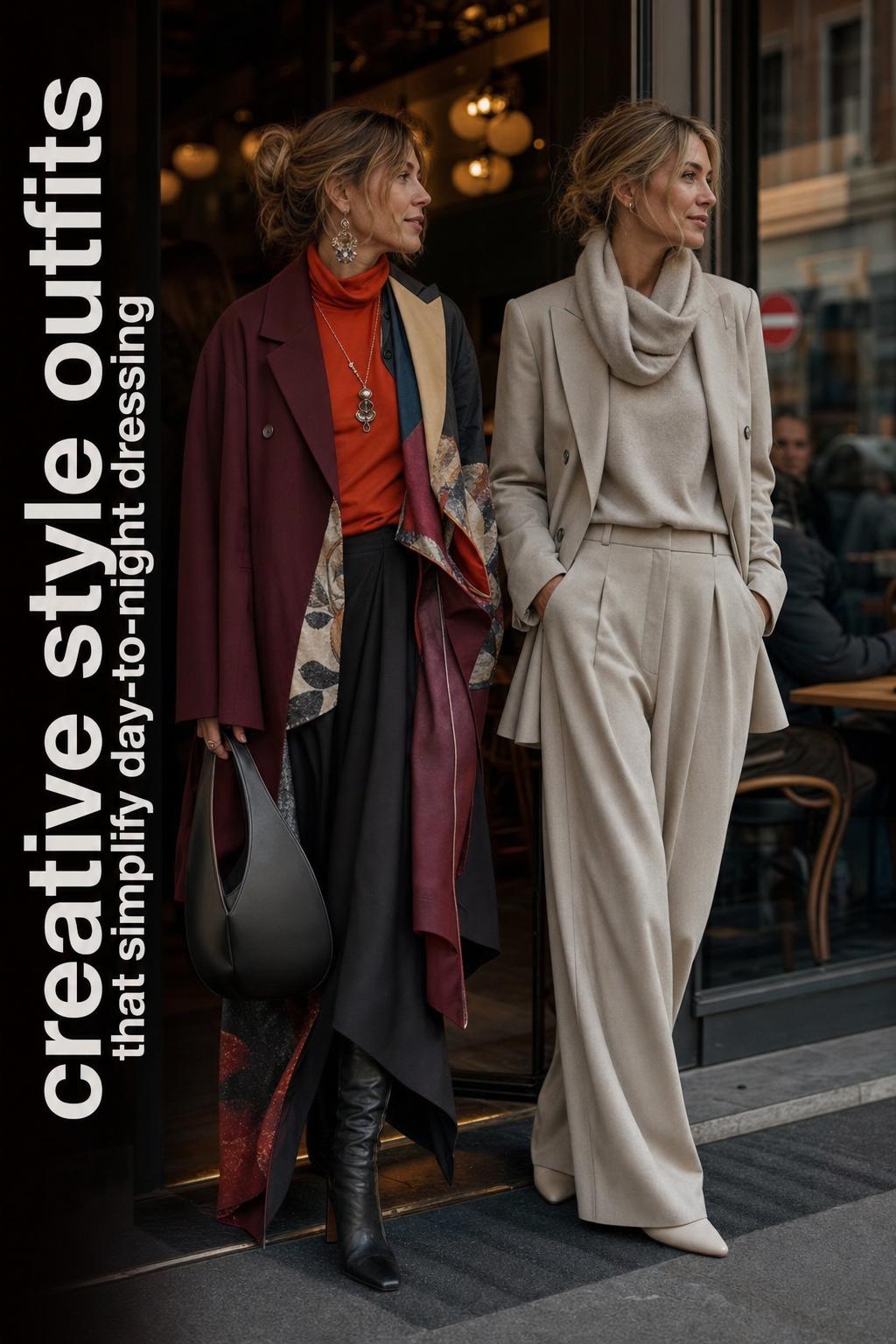
In practice, most creative wardrobes fall into two broad families. The first is expressive creative dressing: color-blocking, unusual combinations, layered textures, boho-leaning composition, asymmetry, and editorial fashion references. The second is refined creative dressing: monochrome palettes, practical layering, modern essentials, capsule wardrobe logic, and cleaner silhouettes often associated with Scandinavian influence or polished brand-led styling such as J.Crew.
Found the dress? Keep the rest in one place.
Zarellea brings guest details, vendors, timelines, and every next step together — so your wedding plan feels as good as your look.
They are often confused because both reject flat, generic dressing. Both can include a blazer, knitwear, midi dresses, statement accessories, and strong proportion play. Both can also feel fashion-forward. The difference is visual intensity. Expressive styling builds interest through contrast and surprise. Refined styling builds interest through restraint, fabric choice, and sharp outfit composition.
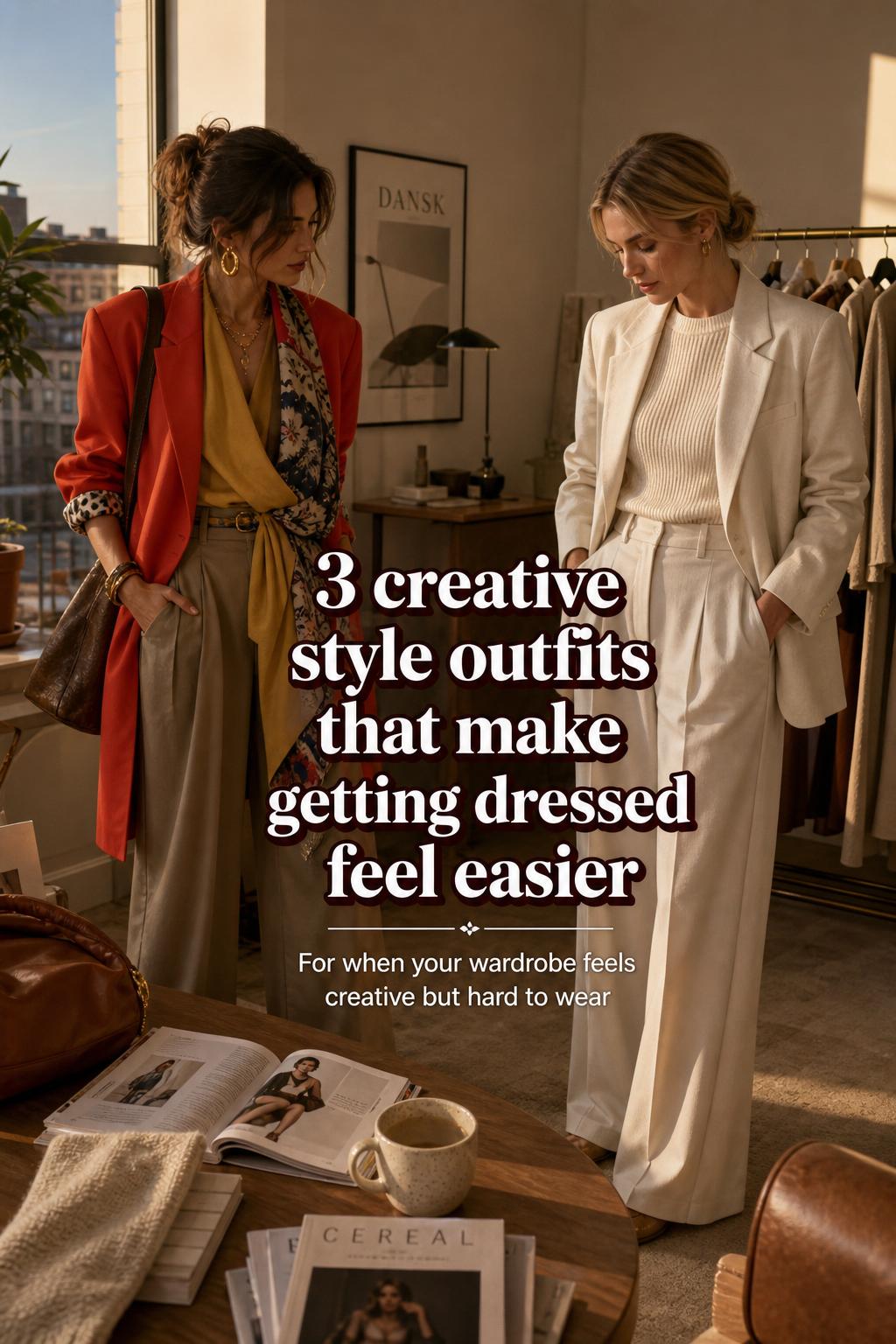
Style overview: expressive creative dressing
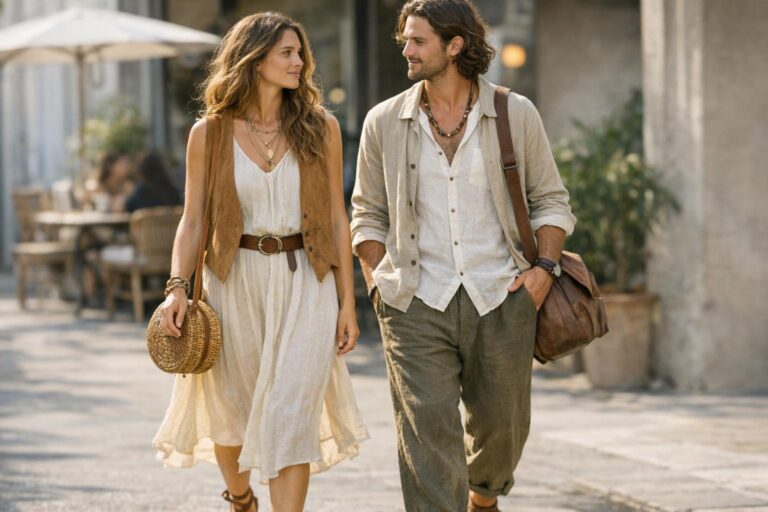
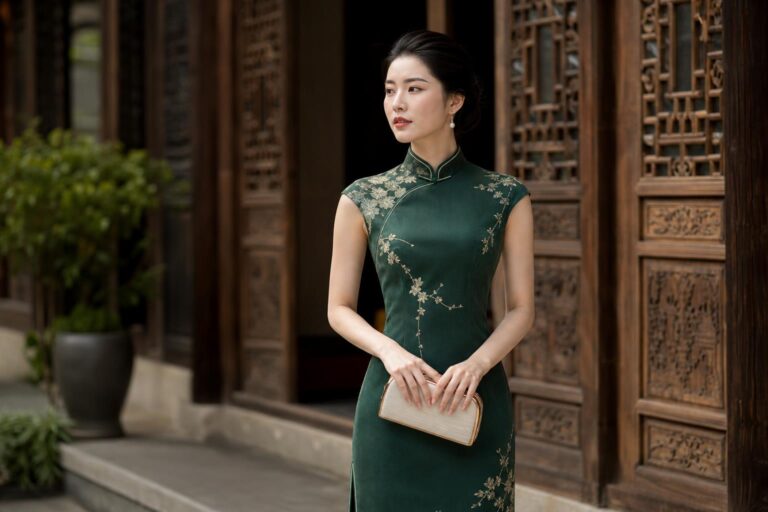
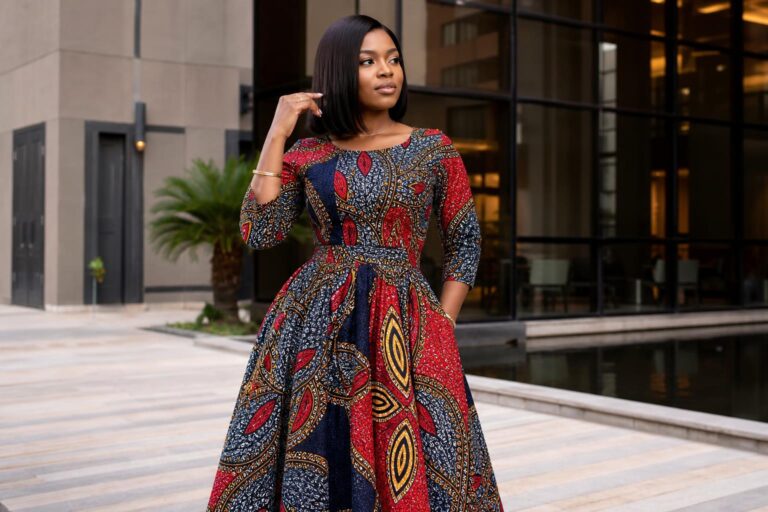
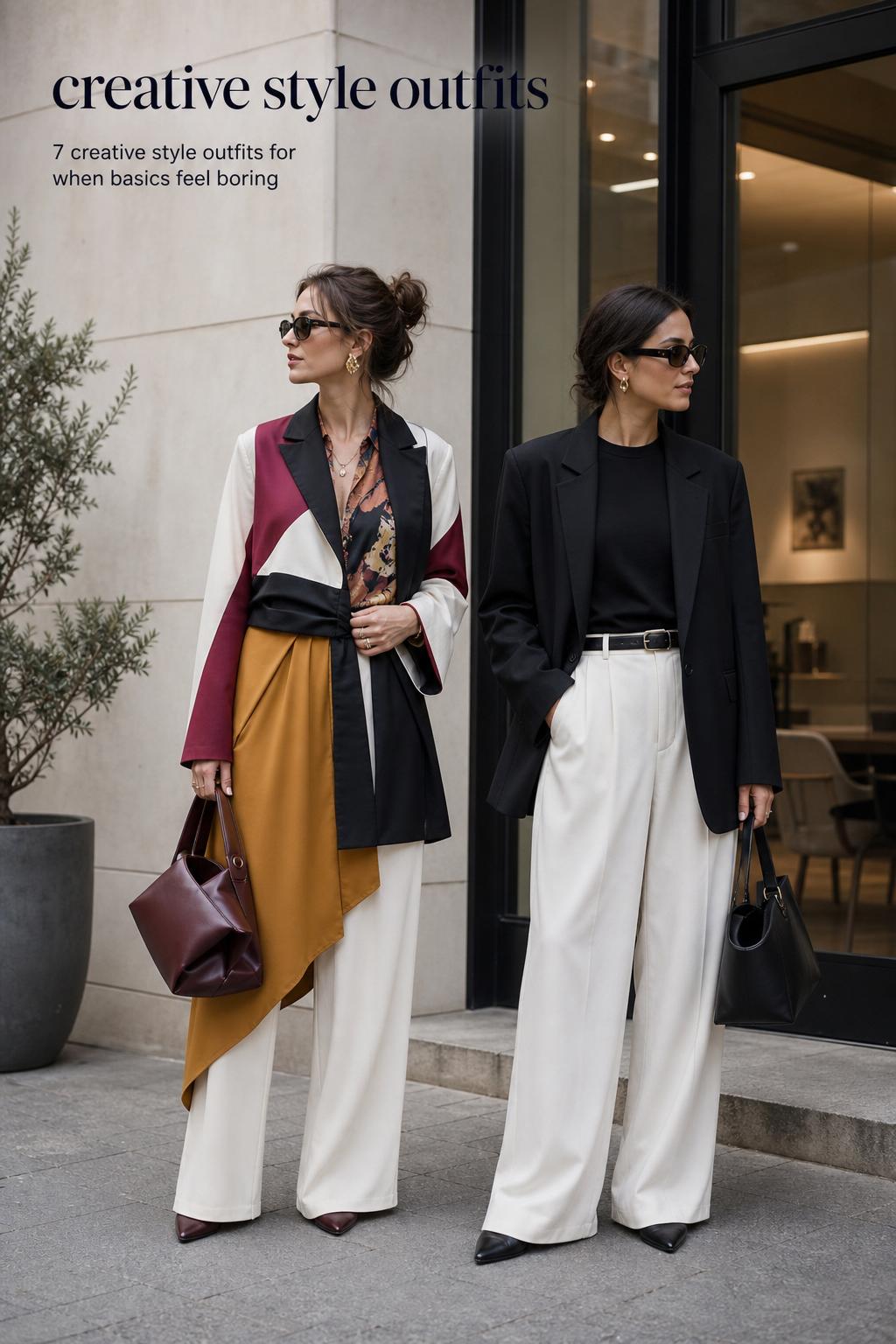
This side of the spectrum is closest to editorial inspiration, street style energy, and the gallery-style outfit ideas often associated with bold outfits. The defining characteristics are color interaction, mixed materials, visible layering, and garments that feel intentionally styled rather than merely coordinated. It often draws from color-block outfits, art-inspired prints, patchwork references, boho layering, and statement pieces that act as a visual anchor.
Silhouettes can be oversized, asymmetrical, or sharply contrasted. A structured blazer might sit over softer knitwear, or one dramatic accessory might redirect the entire look. Fabrics and textures matter as much as color, because creativity here depends on visible contrast. The overall mood is editorial, playful, and self-directed.
Style overview: refined creative dressing
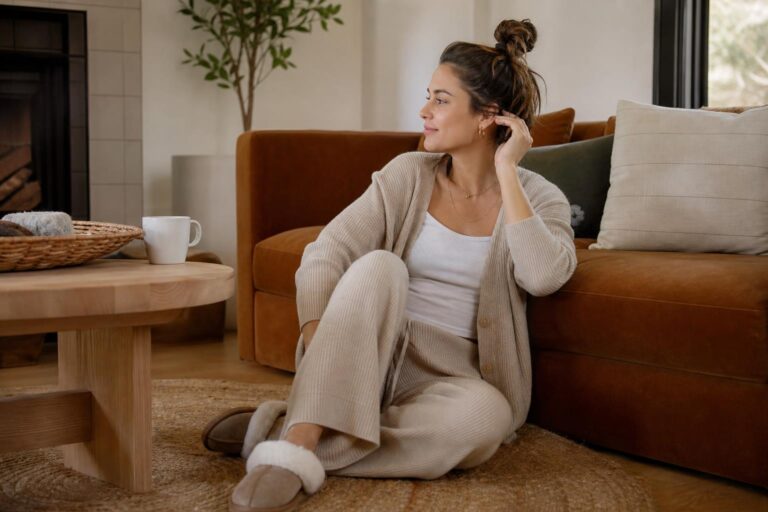
This approach is often linked to Scandi style, capsule wardrobe thinking, low-effort outfits that still look chic, and modern essentials. It values clean lines, practical layering, and a quieter color story, yet it still aims for originality. Instead of making the outfit louder, it makes the composition smarter. Interest comes from tonal layering, silhouette precision, accessory control, and pieces that move easily from day to night.
Typical silhouettes are more streamlined, though not always narrow. A wide-leg trouser, polished knit, and understated outer layer can still create strong fashion impact when the proportions are balanced. Fabrics tend to support ease: knitwear, tailored separates, and seasonally appropriate textures. The mood is modern, intentional, and wearable across work, travel, and everyday wardrobes.
Where the aesthetics split: the core differences
Silhouette and structure
Expressive creative dressing is more willing to disrupt proportion. It may combine volume with volume, introduce an unexpected hemline, or rely on silhouette tension as the main design feature. Refined creative dressing usually edits that tension. Even when proportions are oversized, the outfit retains a clear frame, often anchored by tailoring or one disciplined shape.
This is why two outfits can contain the same blazer but read completely differently. In an expressive look, the blazer may be part of a layered, color-rich composition with a strong accessory story. In a refined look, that blazer is likely the architectural center of the outfit, keeping everything else controlled.
Color palette and visual rhythm
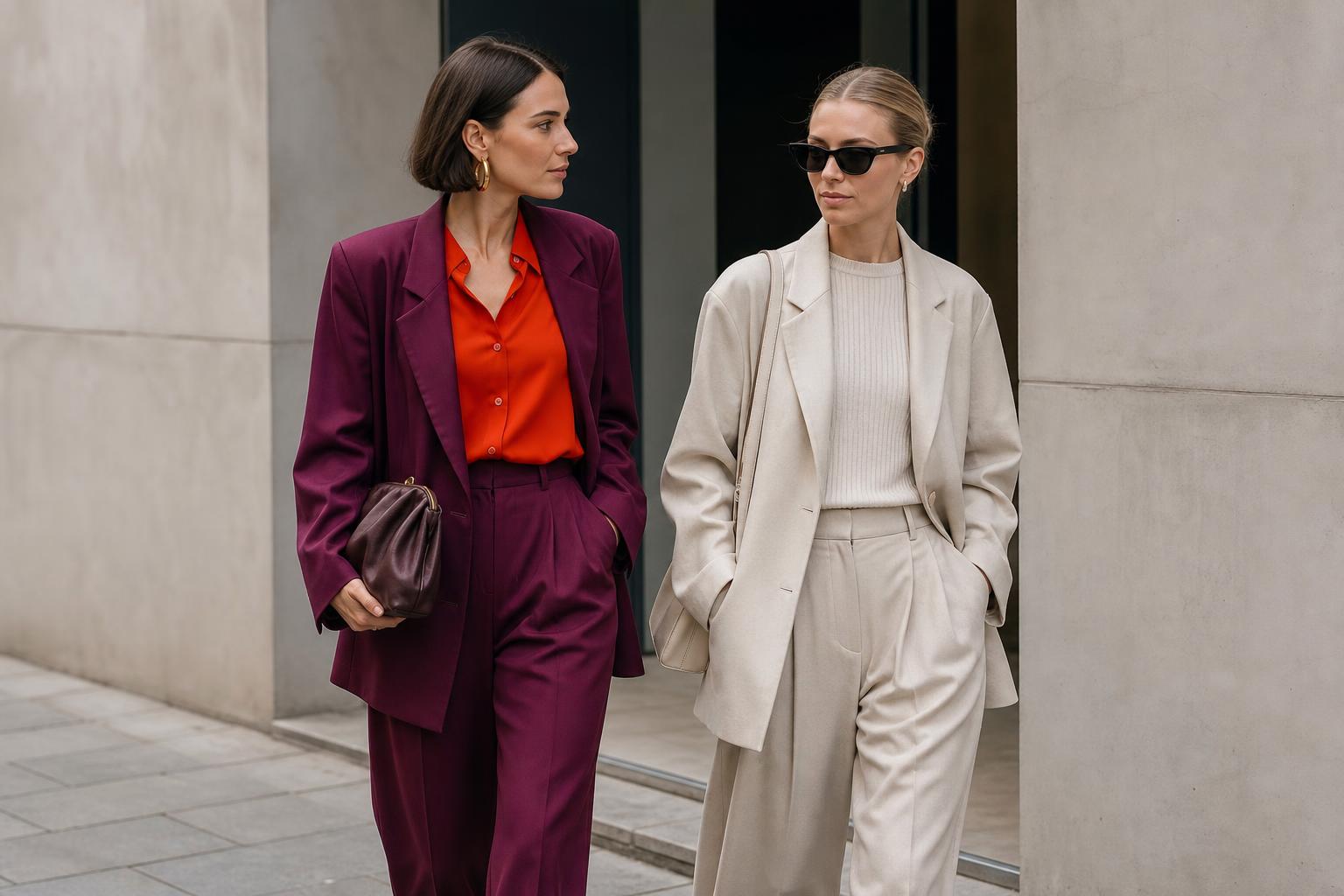
Color is one of the clearest dividing lines. Expressive outfits often use bold color, abstract prints, or color-blocking to create immediate visual movement. Refined creative outfits lean toward monochrome or tightly managed palettes, closer to Scandi style minimalism, where color is less about impact and more about harmony.
Neither method is inherently stronger. Bold color can feel dynamic but demands more control in the rest of the outfit. Monochrome can look highly polished, but if texture and silhouette are weak, the result can feel flat. Creative dressing succeeds when color supports structure rather than overpowering it.
Styling philosophy
Expressive styling is additive. It often asks, “What unexpected element gives this look more character?” Refined styling is selective. It asks, “What can stay, and what must be removed for the shape to read clearly?” That difference shapes every decision, from footwear to jewelry to fabric mix.
Project Cece’s emphasis on unusual clothing combinations aligns with the first mindset, especially when creativity is tied to experimentation and more mindful wardrobe use. By contrast, capsule wardrobe guides and day-to-night looks align with the second mindset, where cohesion and repeat wear matter more than novelty alone.
Formality and wardrobe function
Refined creative dressing translates more easily across settings. It works well for a creative workplace, polished travel days, hybrid office dressing, and low-effort outfits that still need to appear composed. Expressive dressing can also work in these spaces, but it usually requires sharper editing to avoid visual overload in professional environments.
That does not mean expressive looks are impractical. It means they rely more heavily on context. A bold layered outfit may feel ideal in a creative agency environment and less effective in a setting that demands quieter visual communication. Understanding that distinction prevents many wardrobe missteps.
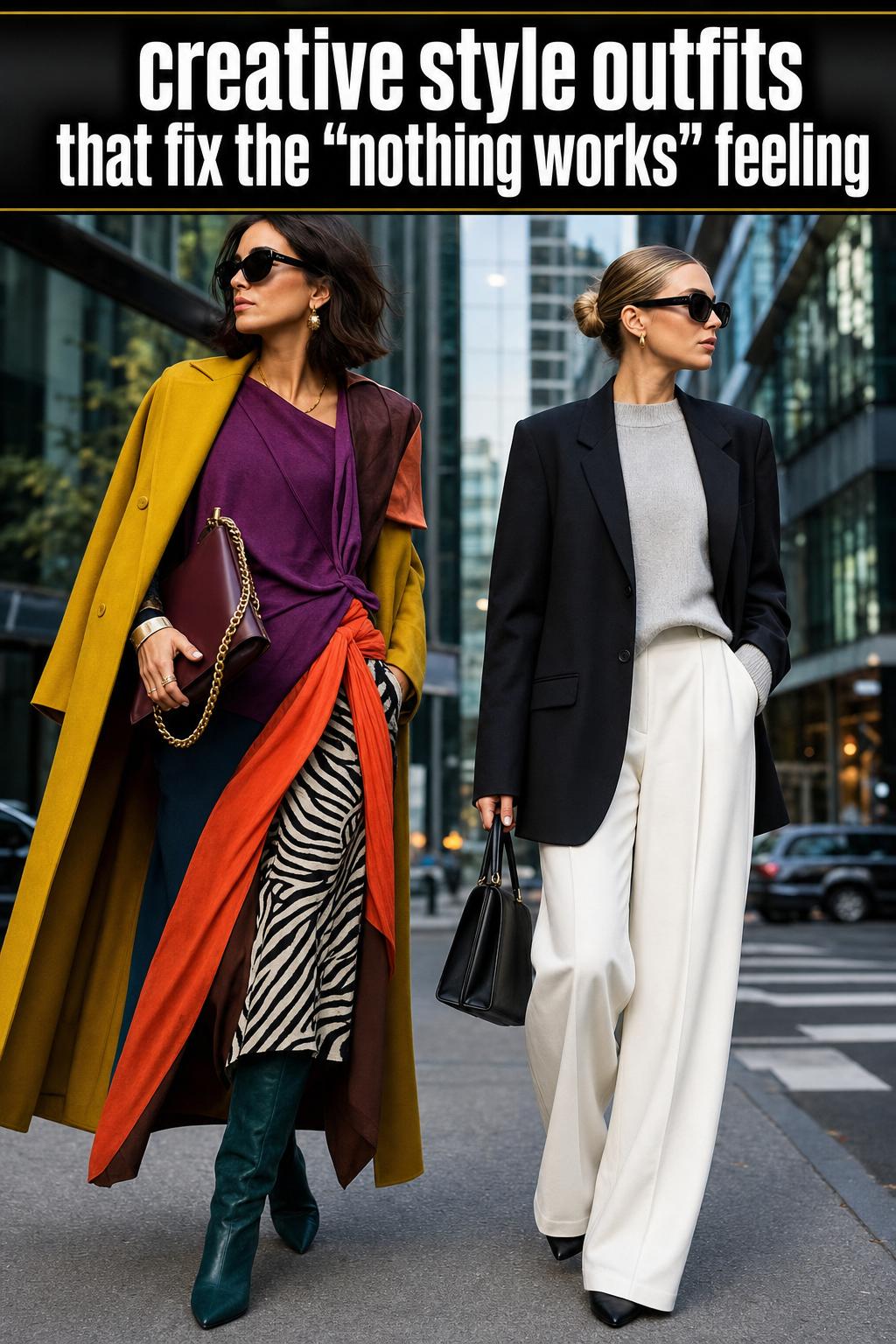
Reading these styles in real life: a visual style breakdown
Layering approach
Layering in expressive outfits is visible by design. The outfit wants you to notice the relationship between lengths, textures, and color zones. One layer is often there to contrast with another. Layering in refined outfits is more integrated. It creates depth without turning every component into a focal point.
For example, winter layering that feels fresh in a refined wardrobe might rely on tonal knitwear under a structured outer piece with restrained accessories. An expressive winter look might use richer hues, texture shifts, and a statement element that breaks the continuity on purpose.
Garment proportions
Expressive styling often embraces proportion play as a feature. A dramatic top shape, wider trouser volume, or layered midi silhouette can become the entire concept of the outfit. Refined styling also values proportion, but usually with more predictability. The aim is not surprise for its own sake, but balance that feels intelligent and effortless.
Accessories and focal points
Statement accessories are central to expressive dressing. They can redirect an outfit, especially when the base is simple and the accessory becomes the visual anchor. This is where editorial cues associated with Blanca Miró and Delarge feel especially relevant: accessories are not just finishing touches; they are part of the idea.
In refined creative styling, accessories usually sharpen the outfit rather than redefine it. They support silhouette clarity, maintain the color story, and prevent the look from becoming generic without disrupting its discipline. That difference is subtle but highly visible once you know what to look for.
Footwear choices and outfit balance
Footwear in expressive looks can extend the mood of the outfit, adding another point of contrast or visual energy. In refined looks, footwear tends to anchor proportion and support movement between situations such as commuting, office time, or travel. The stronger the outfit already is, the more the shoe should either stabilize or intentionally amplify that effect.
Creative style outfits through four fashion lenses
Beyond the broad expressive-versus-refined split, four recurring lenses shape how creative wardrobes are built: Scandi minimalism, editorial designer-led dressing, creative workplace styling, and experimental unusual combinations. These are not separate universes. They overlap, but each emphasizes a different fashion priority.
Scandi minimalism versus editorial designer-led dressing
Scandi style favors monochrome palettes, practical layering, and timeless wardrobe essentials. Its creativity comes from reduction and sharp curation. Editorial designer-led dressing, especially through the lens of Blanca Miró and La Veste, treats the wardrobe more like a visual project. The mood is often more eclectic, street style oriented, and collaboration aware.
If a look appears calm, proportion-led, and highly wearable across multiple days, it is likely closer to Scandi logic. If it feels expressive, image-driven, and centered on standout pairings or accessory impact, it belongs more to the editorial side.
Creative workplace dressing versus unusual combinations
Creative workplace outfits operate within a practical frame. They allow personality, but they must still function in meetings, shared office environments, and hybrid schedules. Smart-casual and polished wardrobe pieces matter here. Unusual combinations, by contrast, prioritize experimentation first and function second. The styling challenge is not whether the pieces match conventionally, but whether the outfit composition still feels intentional.
This distinction matters because many readers searching for creative wardrobe ideas want individuality without sacrificing ease. A creative agency outfit and an abstract, transformative outfit may share styling DNA, but the first usually edits itself more aggressively.
Brand-led styling versus capsule-led styling
Brand-led styling often begins with a campaign mood, signature product, or recognizable label language, as seen in J.Crew-inspired outfits and other editorial shopping-driven content. Capsule-led styling begins with flexibility. The focus is on how a few modern essentials create multiple looks over time, especially for travel fashion, everyday style, and day-to-night wear.
Neither is superior. Brand-led styling can sharpen a point of view quickly. Capsule-led styling usually offers stronger wardrobe longevity. The most effective creative wardrobes often combine both: a stable core of essentials with a few directional pieces that shift the mood.
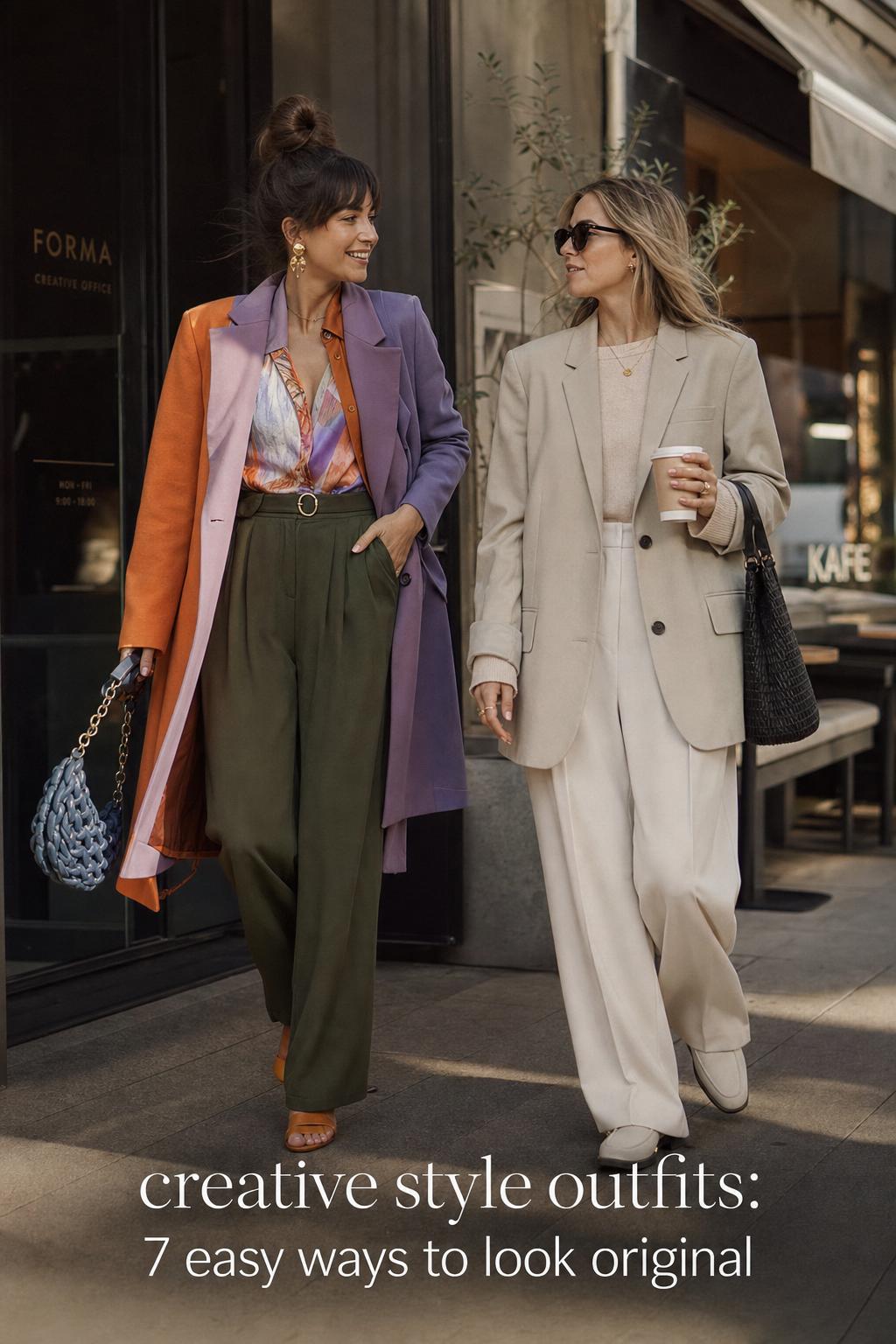
The wardrobe mechanics behind each approach
Pieces that support refined creative dressing
- structured blazers that define the frame of the outfit
- trousers and other tailored separates that hold proportion cleanly
- knitwear for tonal layering and seasonal flexibility
- midi dresses that can move between polished and relaxed settings
- understated accessories that sharpen rather than dominate
These pieces matter because refined styling depends on repeat wear and controlled variation. A strong blazer can stabilize a travel outfit, improve a hybrid office look, or make a low-effort winter combination feel deliberate. The creativity comes from recomposition rather than constant novelty.
Pieces that support expressive creative dressing
- statement accessories with enough presence to act as focal points
- color-block pieces that create immediate visual contrast
- printed or abstract garments that shift the outfit away from basics
- layering pieces in different textures or weights
- silhouettes with visible shape tension, including asymmetrical or oversized forms
These pieces are most effective when the outfit still has one clear organizing principle. Without that, expressive styling can become crowded. A single bold accessory line, one defined color relationship, or one silhouette idea is usually enough to keep the look coherent.
How capsule wardrobe thinking changes the comparison
Capsule wardrobe logic is often associated only with minimalism, but it also strengthens expressive wardrobes. The difference is in item selection. A refined capsule emphasizes neutral or monochrome versatility, while a creative capsule allows a few stronger pieces that can transform the same base repeatedly.
For someone dressing for a creative workplace, this matters more than trend chasing. A compact wardrobe with a blazer, knitwear, a midi dress, reliable trousers, and a few expressive accessories can generate a wide range of creative style outfits without requiring a large closet. Travel fashion benefits from the same logic, since packing guides and everyday outfit planning both reward mix-and-match efficiency.
Tip: build contrast into the capsule, not chaos into the closet
The most useful creative capsule does not rely on every item being dramatic. It relies on contrast in role. Some pieces anchor. Others disrupt. If too many garments compete for attention, outfit building becomes harder rather than more creative. If every piece is neutral and quiet, the wardrobe loses distinction. The right balance is what makes repeated styling still feel fresh.
Seasonal shifts: when the same aesthetic reads differently
Spring and summer
Warm-weather creative dressing tends to reveal styling philosophy more clearly because there are fewer layers to hide behind. Refined spring and summer outfits often depend on light layers, clean color palettes, and breathable fabrics arranged with precision. Expressive warm-weather outfits lean more heavily on bold color, abstract print, and visible proportion shifts because the outfit has fewer structural components.
In summer especially, a refined look may feel stronger for day-to-night use because it remains easy to adapt. An expressive look can be highly effective for image-driven settings or social plans, but it usually needs more control to avoid feeling too busy once outer layers are removed.
Fall and winter
Cooler months favor both styles because texture and layering become more available. Fall textures and rich hues suit expressive dressing naturally, especially when mixed materials are central to the outfit. Winter also gives refined wardrobes an advantage, since tonal knitwear and sharp outer layers create depth without much effort.
Seasonal practicality matters here. Long workdays, commutes, and travel all reward an outfit that can regulate warmth without losing shape. A creative look that appears strong in a still image may fail if it becomes uncomfortable or bulky in motion. The best cold-weather styling keeps the silhouette readable even after adding layers.
Real-life outfit comparisons that clarify the difference
Casual everyday dressing
A refined creative version of a casual outfit would likely build around clean essentials and one strong proportion decision. Think of a polished base, practical layering, and a restrained accessory finish. The outfit reads composed at first glance, with creativity emerging through tonal depth and silhouette balance.
An expressive version of the same casual situation would use the base as a starting point, then add a visual twist: stronger color interaction, a statement accessory, or a more unusual garment combination. The outfit is less about looking effortless and more about showing deliberate styling intelligence.
Creative office or agency environment
For a creative agency outfit, refined dressing often performs best when the day includes meetings or mixed settings. Tailoring and smart-casual pieces maintain credibility while preserving individuality. A J.Crew-inspired structure works well here because brand-driven styling often translates polished ideas into practical, wearable combinations.
An expressive office interpretation works best when the workplace culture actively welcomes visual experimentation. In that case, one bold accessory, richer layering, or an unusual combination can signal confidence and originality. The key is editing. In a professional context, one disruptive element is usually more effective than several.
Travel day styling
Travel outfits reveal the functional difference between these aesthetics. Refined creative dressing aligns naturally with packing guides and capsule wardrobe planning because the same pieces can be reworn across locations and occasions. It prioritizes comfort, flexibility, and practical layering without looking generic.
Expressive travel styling works when the wardrobe is tightly planned. Otherwise it can become difficult to pack and harder to repeat. The strongest travel-focused creative outfits usually borrow refined structure and then add one expressive feature, rather than building the entire look around multiple special pieces.
Day-to-night transitions
Refined creative wardrobes have a clear advantage in day-to-night dressing. Because the base is usually clean and stable, changing the accessory line or one layer can shift the look quickly. Expressive wardrobes can also transition well, but only if the daytime version has been restrained enough to evolve rather than start at full intensity.
Where designers, brands, and locations shape the aesthetic
Creative wardrobes are not built in a vacuum. Designer personalities, brand campaigns, and regional style habits all shape how these aesthetics are read. Blanca Miró represents a more editorial, personality-led mode of dressing, tied to Spain, La Veste, Delarge, and a street style sensibility that treats outfits as visual composition. That energy often encourages experimentation with accessories and collaborations.
Scandinavia signals a different creative code: minimalism, wardrobe essentials, practical layering, and a modern view of dressing that values repeat wear. J.Crew occupies another useful point in the comparison because it shows how brand-led styling can shift preppy to polished looks into creative, wearable outfit formulas. In each case, the aesthetic is not just about clothes. It is about how a brand, person, or location organizes style values.
City styling scenes and urban offices also influence interpretation. A look intended for editorial fashion contexts may need adjustment before it functions in a workplace. A travel-centered outfit may borrow from street style inspiration but still depend on capsule logic. These overlaps are where the most convincing modern wardrobes are usually built.
Common mistakes when building creative style outfits
- using too many focal points in one expressive outfit
- mistaking minimalism for lack of intention
- copying editorial styling without adapting it to real-life movement and comfort
- relying on accessories to rescue a weak silhouette
- building a capsule wardrobe that is so neutral it loses personality
- adding bold color without considering the rest of the palette
Most creative outfit problems are not caused by the individual pieces. They come from imbalance. If an outfit feels unfinished, it often lacks one visual anchor. If it feels excessive, it usually has too many competing ideas. Strong creative dressing depends on editing as much as inspiration.
Tip: decide what the outfit is trying to say before you add details
An outfit can communicate polish, experimentation, ease, or statement energy, but trying to express all four at once often weakens the result. Once the intention is clear, the right styling decisions become easier. That is true whether the reference point is Scandi minimalism, unusual clothing combinations, or a polished creative workplace look.
When to choose each style approach
Refined creative dressing is usually the best choice for everyday wear, travel, hybrid office schedules, and situations where flexibility matters. It also works well for readers who want low-effort outfits that still look chic, because the wardrobe can repeat successfully without looking repetitive.
Expressive creative dressing is strongest when visual identity is part of the occasion. It suits image-conscious environments, social settings, editorial moments, and any wardrobe strategy that values standout composition. It also helps revive a capsule wardrobe that has become too predictable, provided the expressive elements are chosen strategically.
Many real wardrobes need both. A practical formula is to keep the core refined and layer expressive details according to context. That preserves wearability while maintaining character. It also reflects how many modern dressers actually move through the week: office, travel, casual plans, and event-like moments all requiring different levels of visual intensity.
Tip: match the style intensity to the setting, not to your mood alone
Creative dressing feels strongest when it is in dialogue with the environment. A highly editorial outfit can look exceptional in the right creative setting and misplaced in another. A quieter monochrome look can appear especially sophisticated when everyone else is overdressed. Context is part of outfit composition, not an afterthought.
The most useful hybrid: mixing expressive and refined elements
The strongest modern interpretation of creative style outfits is often hybrid rather than pure. A refined base with a Delarge-inspired accessory emphasis, a practical Scandi framework interrupted by one bold color-block piece, or a J.Crew-style polished structure with more experimental layering can all create a wardrobe that feels current and personal.
This hybrid approach also responds well to sustainability and mindful wardrobe use. Instead of constantly buying entirely new looks, the wearer changes the visual reading of familiar pieces through better combinations. That is the deeper advantage of understanding these style families: once the logic is clear, outfit creativity expands without requiring excess.
The goal is not to choose one side permanently. It is to recognize whether a look is being built through restraint or through contrast, and then style with consistency. That clarity is what turns scattered outfit ideas into a coherent wardrobe language.
FAQ
What makes an outfit look creative instead of just trendy?
A creative outfit shows intention in its composition. That usually means a clear use of color, texture, silhouette, layering, or accessories rather than simply wearing popular pieces. The look feels considered, with one visible styling idea holding it together.
Are Scandi style outfits considered creative style outfits?
Yes. Scandi style can be highly creative, but it expresses creativity through minimalism, practical layering, monochrome palettes, and strong wardrobe essentials instead of loud contrast. It is a quieter form of creative dressing with a strong focus on proportion and wearability.
How can I dress creatively for a workplace without looking overdressed?
Start with a polished base such as tailoring, knitwear, or a midi dress, then add one expressive element rather than several. A statement accessory, a sharper color choice, or a more fashion-forward silhouette usually creates enough personality for a creative workplace while keeping the outfit professional.
Can a capsule wardrobe still support bold outfits?
It can. A strong capsule wardrobe does not need to be visually quiet. It simply needs a useful balance between anchor pieces and statement pieces. A refined base with a few bold accessories, color-block items, or unusual combinations can create many expressive looks without making the wardrobe chaotic.
What is the difference between editorial style and everyday creative dressing?
Editorial style usually pushes visual impact further, often through stronger layering, accessory emphasis, or more dramatic proportion play. Everyday creative dressing uses similar principles but edits them for comfort, repetition, movement, and practical settings such as work, travel, and day-to-night wear.
How do I use color-blocking without making an outfit feel overwhelming?
Keep one part of the outfit stable. That can be the silhouette, the accessory line, or the overall structure. Color-blocking works best when the rest of the look is organized, so the palette feels intentional rather than random.
Which brands or style references are useful for understanding creative dressing?
Blanca Miró, La Veste, and Delarge are helpful references for more expressive, editorial styling. J.Crew is useful for polished brand-led outfit ideas that remain wearable. Scandi style references are especially useful for understanding minimalism, practical layering, and capsule-based creativity.
What are the easiest pieces to buy first for creative style outfits?
Begin with versatile structure: a blazer, tailored separates, knitwear, and one midi dress or equivalent foundation piece. Then add either a statement accessory or one bold garment. This creates room to test expressive and refined styling without rebuilding the entire wardrobe.