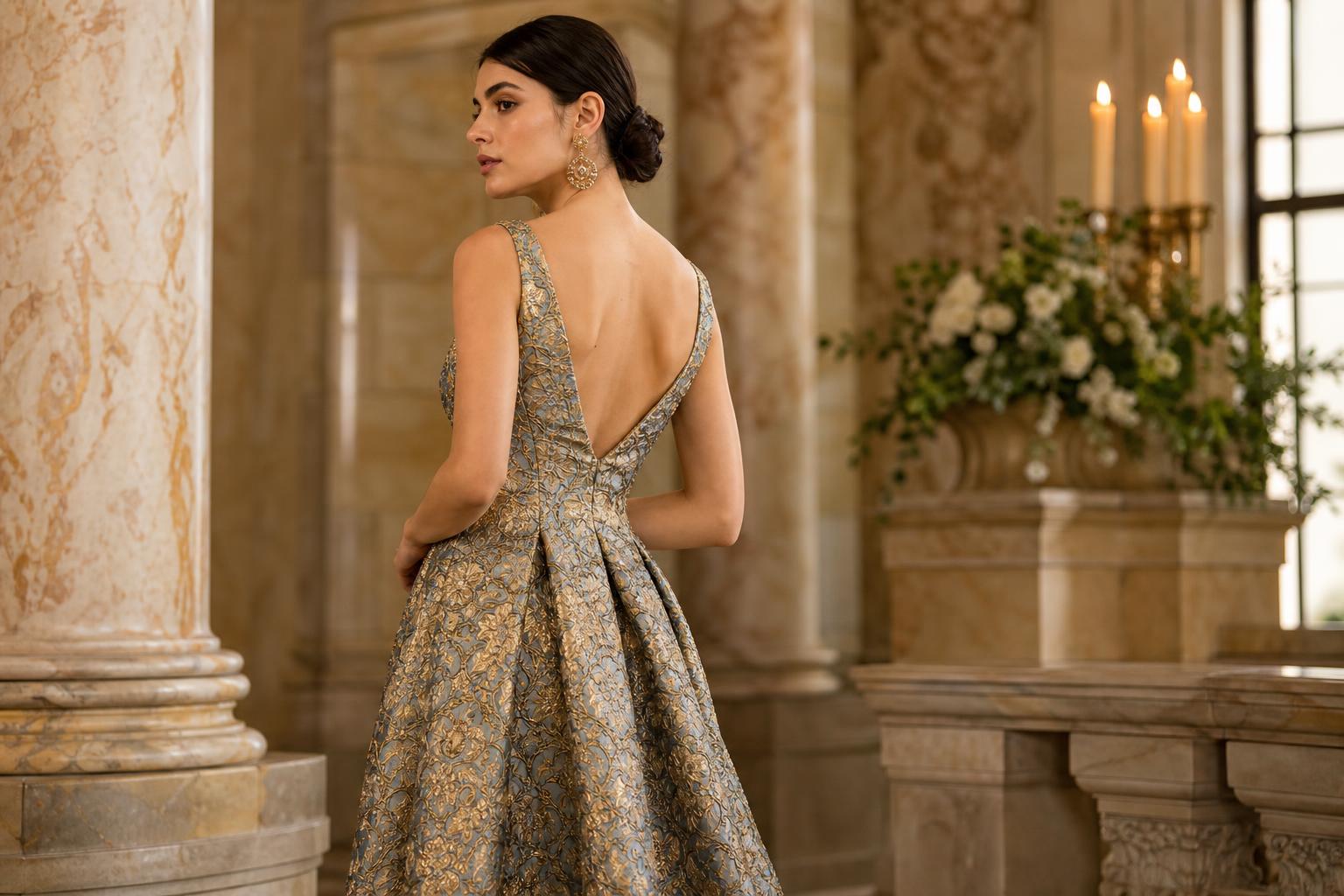
Brocade Fabric Dresses for Weddings and Evening Events
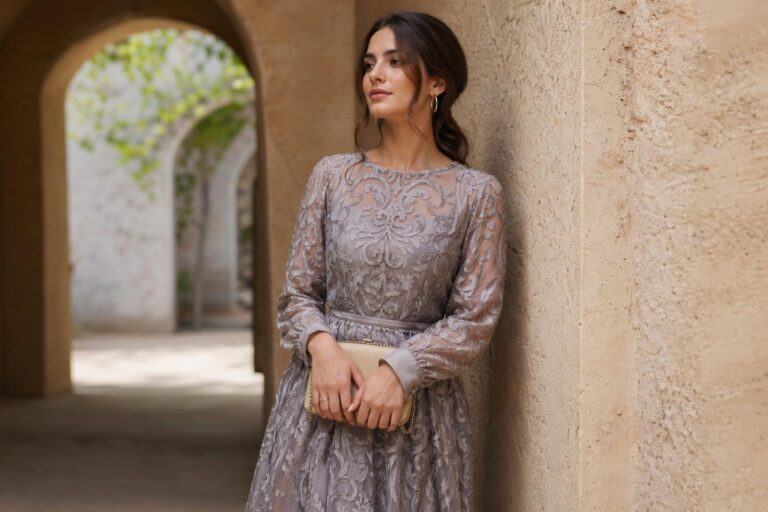
Few dress fabrics change the entire visual language of a garment as quickly as brocade. In the context of brocade fabric dresses, the textile itself becomes the statement piece: raised motifs create surface depth, metallic threads catch light, and the structure of the weave shapes the silhouette before accessories even enter the equation. That is why brocade appears so often in evening wear, wedding dressing, ceremonial looks, and fashion-forward occasion pieces.
The appeal is not only decorative. Brocade sits at the intersection of craftsmanship, material intelligence, and styling strategy. A floral brocade sheath reads differently from a heavily brocaded ball gown; a silk brocade with refined drape behaves differently from a polyester brocade with a firmer hand; metallic zari shifts the mood from quietly luxurious to overtly regal. Understanding those distinctions is what turns a beautiful dress into a well-composed one.
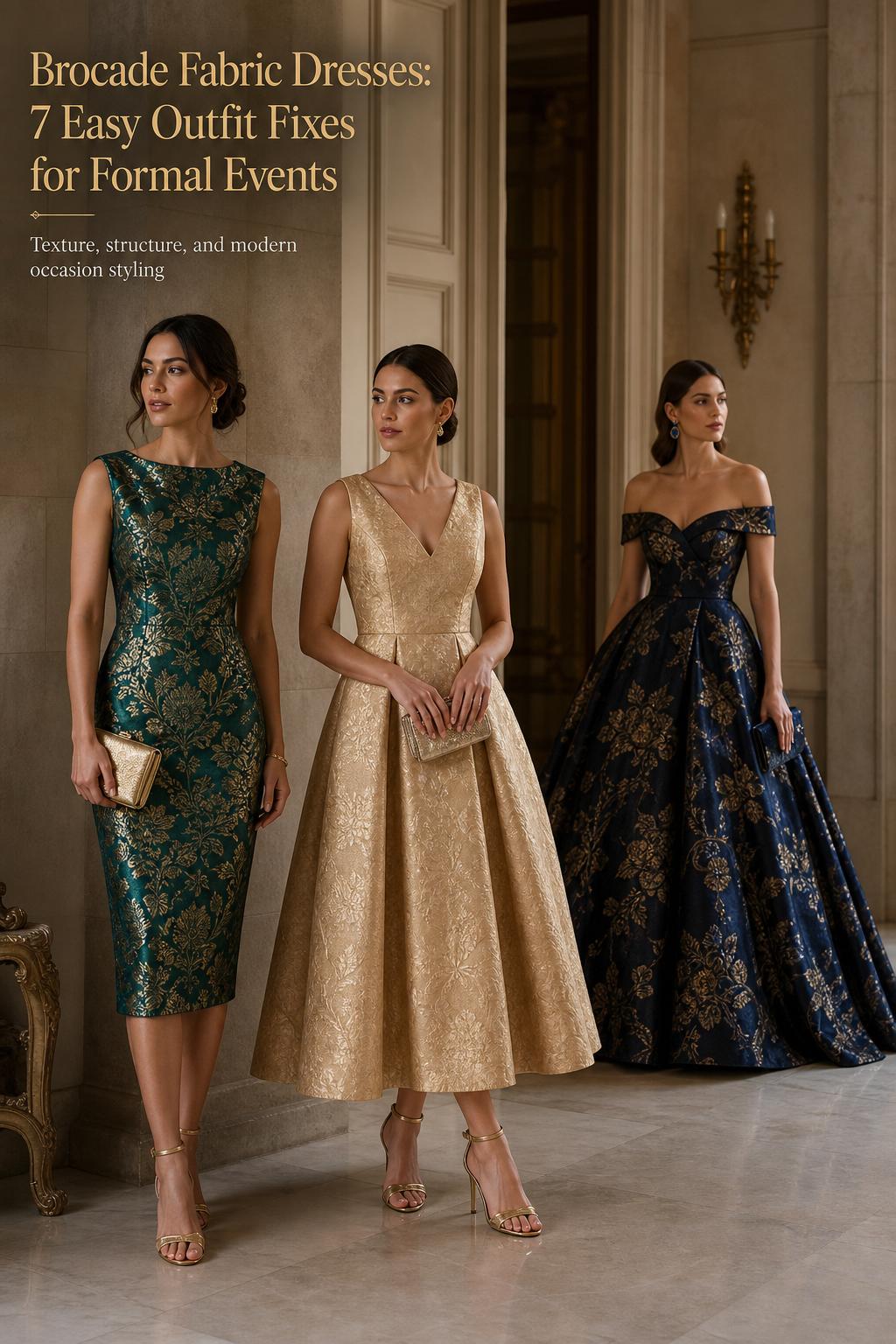
Why brocade dresses hold visual power
Brocade carries instant formality because the fabric surface already contains ornament. Unlike plain dress fabrics that rely on cut, color, or embellishment for impact, brocade delivers texture contrast and pattern architecture from the start. This is why even relatively simple silhouettes can look elevated when cut in brocade.
In practical styling terms, the fabric creates its own visual anchor. Floral motifs, geometric layouts, and metallic thread details reduce the need for excessive jewelry or complicated layering. For evening gowns and formal dresses, that built-in richness is a major advantage. For cocktail and party dresses, it allows a shorter or cleaner silhouette to still feel occasion-ready.
Found the dress? Keep the rest in one place.
Zarellea brings guest details, vendors, timelines, and every next step together — so your wedding plan feels as good as your look.
Fashion coverage often frames brocade through luxury, runway influence, and resurgence cycles. That logic is easy to see. Brocade has been linked to designers, fashion weeks, and trend conversations, including references to names such as Jason Wu and Proenza Schouler in broader fashion commentary. At the same time, suppliers such as Mood Fabrics, Joel & Sons Fabrics, Rex Fabrics, Tissura, and Fabrics & Fabrics present brocade through a more practical lens: fiber content, motif, finish, and dressmaking potential.
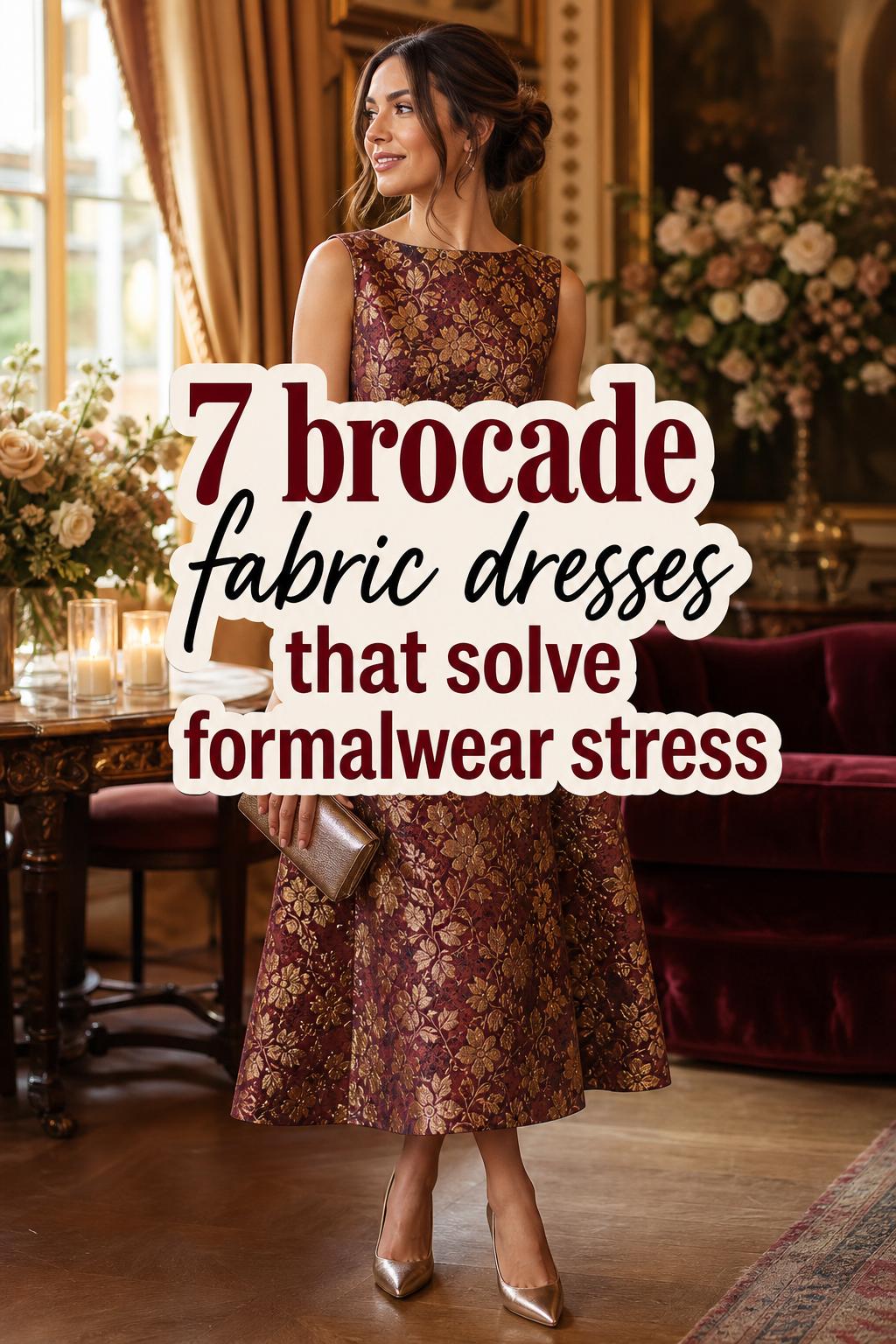
Understanding brocade: weave, surface, and what makes it distinct
The jacquard connection
Brocade is commonly explained through its relationship to jacquard weaving. The key idea is structure: the pattern is woven into the fabric rather than simply printed on top of it. That woven construction is what gives brocade its signature raised look, tactile texture, and dimensional motifs.
For dress analysis, this matters because woven pattern changes how a garment reflects light and how its volume reads on the body. In a fitted silhouette, raised motifs emphasize contour and symmetry. In a fuller gown, they amplify movement and surface richness. The textile does not sit flat in the same way as a plain weave fabric, so the dress naturally feels more architectural.
Brocade, damask, and jacquard are not the same styling category
These terms are often mentioned together, but they work best when treated as related rather than interchangeable. Jacquard points to the woven pattern mechanism; brocade refers to the ornate, often raised, decorative fabric effect; damask is another patterned woven fabric often brought into comparison. For dress shopping or dressmaking, the distinction matters because the visual density and formality level can differ.
If the goal is a ceremonial or evening look, brocade usually provides the strongest decorative presence. If the goal is a subtler textural effect, a damask-like surface may feel quieter. This is why a buyer comparing damask vs brocade should look beyond terminology and assess motif scale, sheen, and how much visual weight the pattern adds to the dress.
Materials and finish types
The most frequently referenced options for brocade fabric dresses include silk brocade, silk blends, and polyester brocade. Silk brocade tends to signal refinement and luxury. Polyester brocade often appears in practical or costume-adjacent contexts, including occasion wear and cosplay fabrics, because it can deliver strong color and structure at a more accessible level.
Finish is equally important. Metallic brocade, zari effects, and lustrous surfaces all change how the dress performs visually. A matte floral brocade can look polished and formal without being overwhelming. A high-shine metallic brocade creates maximum drama and is best balanced with restraint elsewhere in the outfit composition.
How fabric behavior shapes the dress silhouette
The smartest way to approach brocade is to start with drape and weight, then move to motif and color. This reverses a common mistake. Many people choose brocade based only on pattern, then discover the fabric does not support the silhouette they want. In reality, silhouette balance begins with textile behavior.
- Lighter brocade works better for sheaths and cleaner fitted dresses because it supports shape without excessive bulk.
- Medium-weight brocade suits cocktail dresses and structured party silhouettes that benefit from crispness.
- Heavier brocade is more convincing in ball gowns and formal evening wear, where volume and ceremonial presence are part of the design logic.
This mapping between weave density, weight, and silhouette is what separates a strong brocade look from one that feels visually overloaded. Dense motifs on a heavy fabric already create substantial visual mass. Pair that with a very complex silhouette and the result can feel crowded. By contrast, a simple shape in a rich brocade often looks more expensive because the eye has a clear focal point.
Why floral brocade behaves differently from geometric brocade
Floral brocade tends to soften structure, even when the fabric itself is firm. That is why floral brocade dress ideas often translate well into regal gowns and occasion dresses with romantic volume. Geometric and damascene-style patterns feel more graphic, which can sharpen a sheath, column, or clean A-line.
Nature-inspired motifs add movement and decorative rhythm across the garment surface. In a full skirt, they create a sweeping effect. In a short cocktail dress, they become more concentrated and bold. This is less about trend and more about proportion play: the larger the motif relative to the garment area, the stronger the statement.
Regional brocade language and why it changes the mood of a dress
Brocade is not one uniform aesthetic. Regional references shift the mood, symbolism, and styling direction of the final garment. Among the most important names in this space is Banarasi brocade, which frequently appears in conversations around silk brocade, metallic detail, and ceremonial dressing. Banaras is central to that identity, and the association immediately signals tradition, craft, and occasion value.
Chinese brocade references, including Zhuang brocade and production associations tied to Zhejiang, introduce another visual framework. Here, motifs can carry distinct cultural resonance, and the styling often benefits from a cleaner supporting palette so the textile remains the focal point. The same principle applies whether the motif is floral, lotus-based, peony-led, or more symbolic in direction.
Regional context also improves decision-making for wearability. A Banarasi silk brocade dress may be the right visual choice for a wedding-related event or ceremonial evening function. A simpler metallic brocade in a modern weave may work better for a cocktail setting where the mood is festive but not traditionally formal.
Motif symbolism in practical styling terms
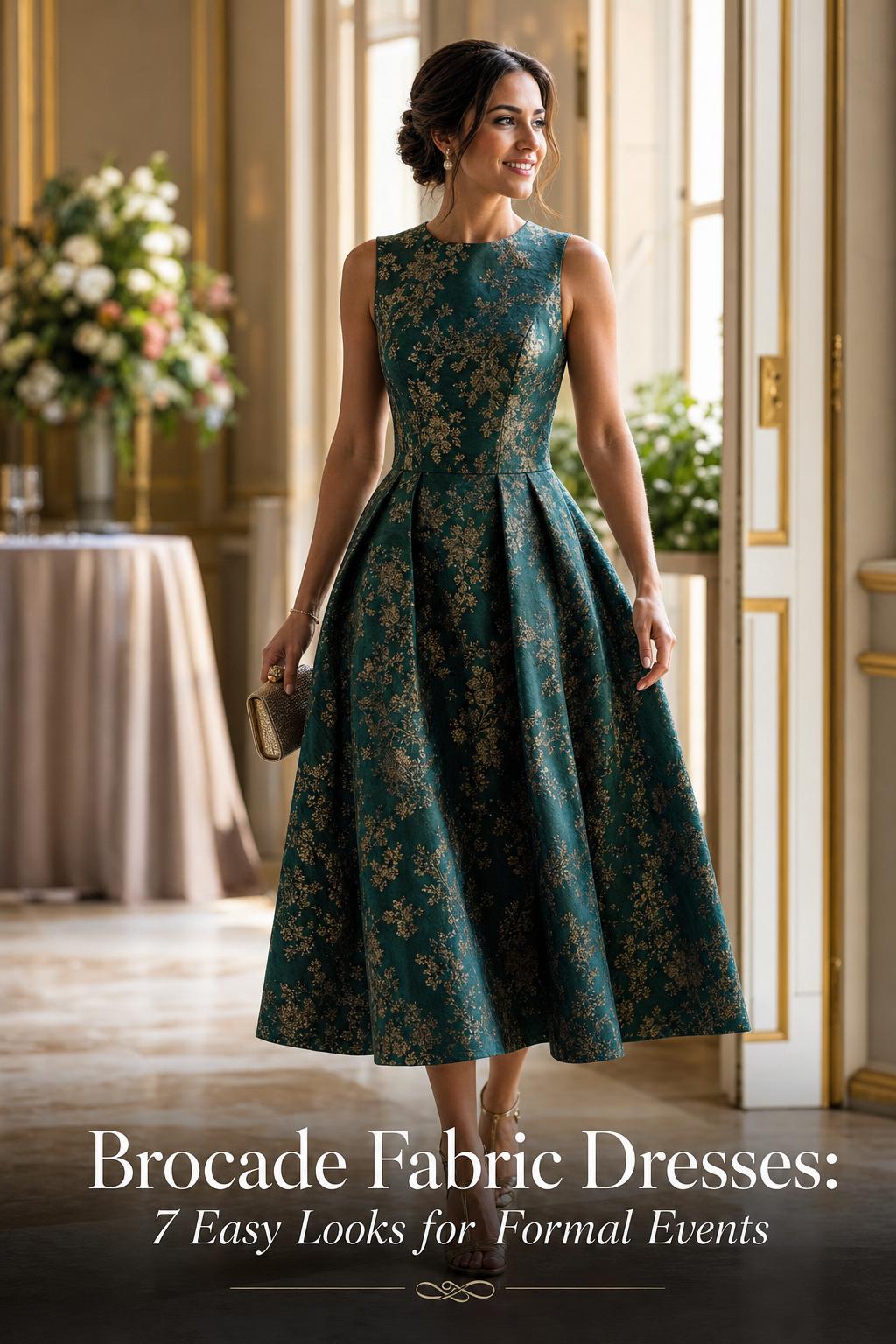
Motifs such as peony, lotus, dragon, floral sprays, and geometric repeats do more than decorate fabric. They influence how a dress is read. A lotus or peony motif often supports a refined, ceremonial direction. A bold metallic motif reads more fashion-forward and dramatic. A smaller repeating pattern can feel polished and versatile, especially in shorter dress lengths.
The styling decision should follow the motif language. Symbolic or highly decorative patterns benefit from fewer competing accessories. Cleaner motifs can support stronger jewelry, a velvet outer layer, or a more assertive shoe choice.
Where brocade dresses perform best
Brocade rarely feels accidental. It performs best in environments where texture, sheen, and structure have room to register. That includes evening events, formal celebrations, weddings, ceremonial settings, and editorial party dressing. The fabric can work in daytime, but it demands sharper restraint in silhouette and accessories.
Evening gowns and formal wear
This is brocade’s natural territory. A full-length gown in silk brocade or metallic brocade benefits from the fabric’s ability to hold shape and deliver drama without added embellishment. The strongest versions usually rely on one dominant statement: either the motif, the colorway, or the silhouette volume.
For a formal setting, a heavily brocaded gown weight can be an advantage rather than a limitation. The density supports regal presence and photographs well because the fabric catches light with depth rather than flat shine. The trade-off is mobility and heat, so the event duration and venue matter.
Cocktail and party dresses
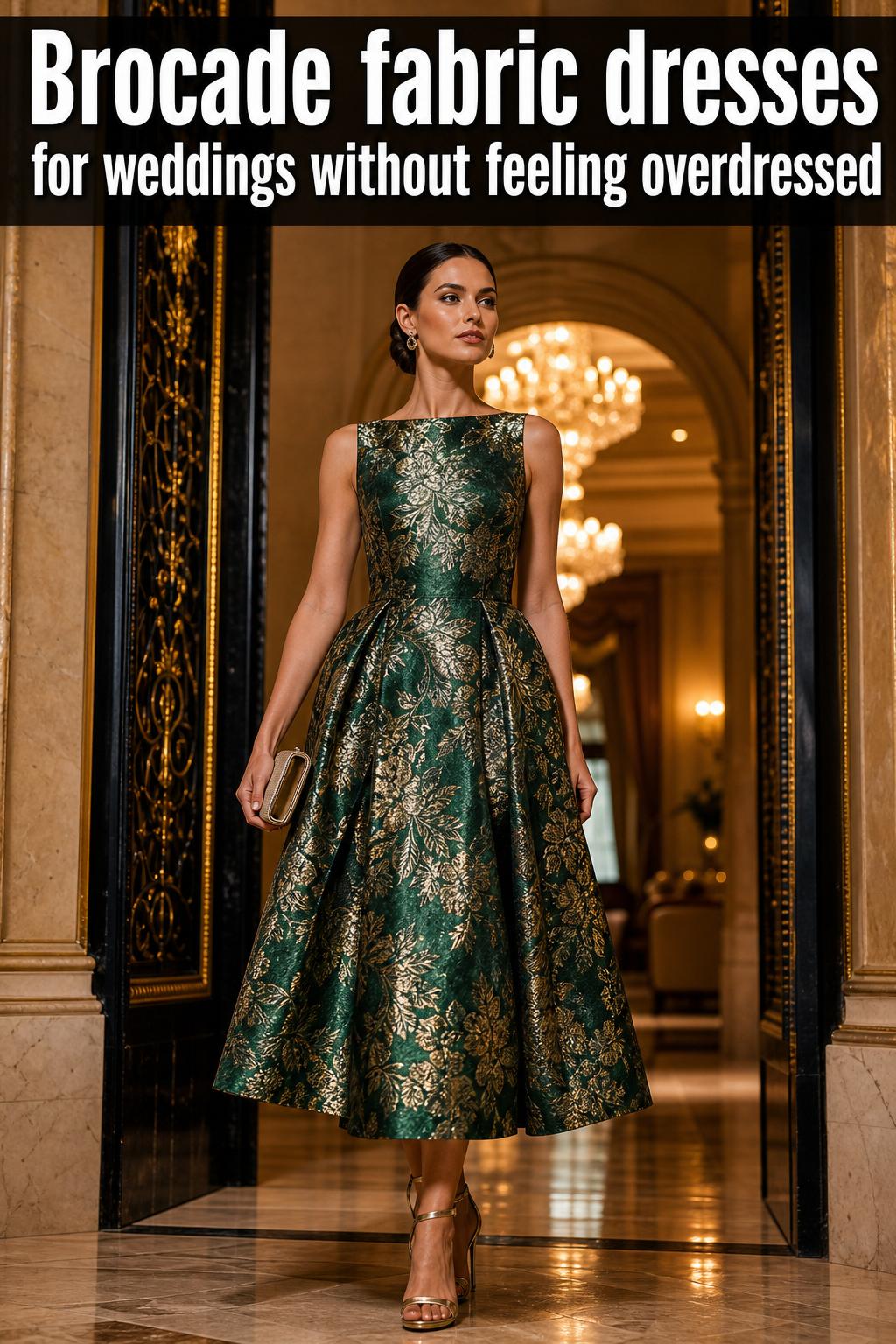
Brocade also works extremely well in shorter lengths, especially when the shape is controlled. A fit-and-flare or structured sheath in floral brocade delivers enough texture contrast to feel festive, while still reading clean and intentional. Here, proportion is critical. Too much skirt volume plus a dense metallic motif can push the dress into costume territory.
For party dressing, polyester brocade and metallic blends often appear because they offer impact and resilience in movement-heavy settings. The styling logic is straightforward: let the dress lead, keep shoes streamlined, and choose accessories that echo rather than compete with the fabric finish.
Traditional and cultural garments
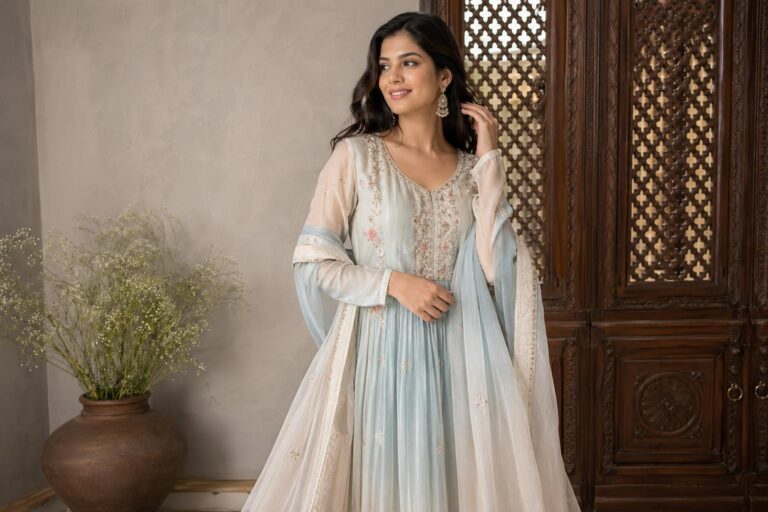
Brocade has a strong place in traditional and culturally influenced dressing. Banarasi brocade, zari-rich surfaces, and regionally specific motifs bring ceremonial depth that plain fabrics cannot replicate. In these contexts, the dress is not just a garment but a textile-centered expression of occasion and heritage references.
That does not mean the look has to be rigid. A modern silhouette cut from a traditional brocade can create a compelling balance between cultural texture and contemporary line. This is one of the most effective ways to make brocade feel current without stripping it of its identity.
Styling logic: how to keep brocade polished instead of overloaded
The central rule with brocade fabric dresses is controlled contrast. Because the textile already carries visual density, the surrounding pieces should support silhouette balance rather than create more noise. The goal is not to make the look simpler than the fabric deserves. The goal is to create hierarchy.
Color pairing by background and motif
Color harmony matters more in brocade than in many other fabrics because there are often two visual channels working at once: the ground color and the motif color. A dark base with metallic patterning reads formal and evening-oriented. A lighter base with floral patterning can feel more romantic and less severe.
- If the motif is metallic, accessories should repeat that finish selectively rather than introduce a third competing metal tone.
- If the background color is bold, shoes and outerwear work best as quiet anchors.
- If the fabric pattern is large-scale, cleaner accessory shapes prevent visual fragmentation.
This is also where seasonal palette comes in. Rich jewel-like colorways naturally reinforce brocade’s luxury language. Softer backgrounds with woven floral motifs can make the dress feel less heavy and more adaptable to daytime or transitional-event dressing.
Accessories that support, not compete
Metallics, crystals, and velvet are all compatible with brocade, but each creates a different kind of texture dialogue. Metallic accessories echo zari and lustrous threads, which can be elegant when the repetition is measured. Crystals increase sparkle, so they work best when the brocade itself is not already highly reflective. Velvet outerwear creates rich texture contrast and can frame the dress without adding pattern conflict.
A practical formula works well here: one dominant texture, one supporting shine element, one clean structural accessory. For example, a floral brocade dress, metallic shoe, and streamlined clutch maintain coherence. Add ornate jewelry, embellished outerwear, and patterned shoes, and the outfit composition loses its center.
Layering options that make sense
Layering over brocade works best when the extra piece clarifies silhouette rather than hides the textile. Capes, boleros, and sheer overlays can all work because they frame the brocade instead of flattening it. A sheath with a sheer layer can feel lighter visually, while a bolero can add modesty or seasonal practicality without disrupting the dress line.
For colder settings, velvet outerwear is especially effective because it matches brocade’s formal register. The texture pairing feels intentional rather than improvised. In contrast, overly casual layers can break the dress logic and make the outfit feel unresolved.
A sharper buying guide for brocade fabrics used in dresses
Buying brocade successfully means reading beyond the product photo. The strongest purchasing decisions come from evaluating weight, finish, weave clarity, and intended use together. This matters whether the source is a broad catalog from Tissura, Rex Fabrics, Fabrics & Fabrics, or a dressmaking-focused retailer such as Mood Fabrics.
What to evaluate first
- Weight and drape: determine whether the fabric will support a sheath, cocktail dress, or full gown.
- Motif scale: check whether the pattern size suits the garment area and the wearer’s styling goal.
- Finish: metallic thread, lustrous sheen, and zari effects all influence formality.
- Material composition: silk brocade and polyester brocade will not behave the same way in wear or construction.
- Weave definition: clearer woven motifs usually translate to a more refined finished look.
Supplier presentation can also guide expectations. Retailers such as Joel & Sons Fabrics often frame brocade through practical basics and application, while catalog-led platforms emphasize motif variety and textile visuals. Both are useful, but neither replaces a close look at the dress purpose.
Authentic vs imitation zari considerations
When a brocade dress includes zari or metallic-thread effects, authenticity becomes part of the quality discussion. The key practical point is not only whether the thread is genuine or imitation, but how the finish behaves visually and in wear. A convincing metallic effect should look integrated into the fabric rather than superficially flashy.
This is especially important for wedding or ceremonial dressing, where the expectation is depth and richness rather than novelty shine. If the metallic detail looks overly harsh against the base fabric, the dress can lose sophistication. In a more fashion-forward party context, that sharper sparkle may be acceptable, even desirable.
Tips for choosing the right brocade for your event
Start with event duration, movement, and lighting. A dramatic metallic brocade gown may look extraordinary at an evening venue but feel too heavy for long wear. A medium-weight floral brocade cocktail dress often offers better comfort-to-impact balance for celebrations that require hours of sitting, walking, and social movement.
For weddings, brocade fabric dresses for weddings work best when the dress reflects the event’s formality and visual setting. Ceremonial interiors, evening receptions, and richly styled venues all support more decorative brocade. Simpler venues benefit from cleaner motifs and less aggressive shine so the garment still feels elevated but not out of place.
Care decisions that preserve the structure and finish
Brocade requires a disciplined care approach because the beauty of the fabric lies in both surface and structure. The most repeated practical advice across brocade guidance is clear: professional cleaning and careful spot treatment are usually the safest path, especially when metallic threads, zari, or silk are involved.
Cleaning and spot care
How to care for brocade dresses starts with restraint. Machine washing is generally not the first-choice method for a fabric defined by woven motifs, sheen, and possible metallic detail. Spot care may be appropriate for minor issues, but aggressive treatment can disturb the finish or flatten the patterned texture.
If the dress is a formal investment piece, cleaning should protect both motif clarity and structural integrity. This is not simply about avoiding damage. It is about preserving the crispness that makes brocade visually effective in the first place.
Storage and longevity
Storage has a direct impact on longevity. Acid-free tissue and garment bags help protect the textile surface and reduce friction against raised motifs. Snags are one of the most practical risks with brocade, particularly when metallic elements are present or the motif is pronounced.
Hanging versus folding depends on garment weight and construction, but the broader principle remains consistent: reduce stress on the woven surface and protect the pattern from abrasion. A brocade dress kept carelessly can lose visual sharpness even when the fabric itself is not technically damaged.
Performance issues worth noticing
Colorfastness, snagging, and finish stability are useful points to assess over time, especially for dresses intended for repeat wear. Technical performance topics are often less visible in fashion conversations, yet they matter in the real world. A stunning brocade that cannot hold its color or maintain its surface quality loses value quickly.
That is why careful sourcing and realistic wear planning are part of the care discussion, not separate from it. The most durable-looking brocade dresses usually come from a strong match between textile quality, silhouette choice, and maintenance discipline.
Common styling mistakes that weaken brocade
Brocade is powerful, but it is also easy to mishandle visually. Most mistakes come from treating it like a neutral fabric rather than a dominant design element. The result is often an outfit with too many focal points and not enough editing.
- Choosing an overly complicated silhouette for a dense, ornate brocade.
- Adding too many competing textures, especially heavy embellishment and patterned accessories.
- Ignoring motif scale when selecting dress length or shape.
- Using highly reflective jewelry with already intense metallic brocade.
- Selecting brocade weight based on appearance alone, without considering comfort and movement.
The corrective strategy is simple: let the fabric lead. Brocade works best when the silhouette is intentional, the palette is controlled, and the accessories function as supporting elements. This is true whether the dress is inspired by regal floral gowns, trend-driven runway references, or a more classic ceremonial line.
Fashion references, trend cycles, and why brocade keeps returning
Brocade repeatedly returns to fashion conversations because it offers something many trend fabrics do not: immediate authority. Editorial coverage has framed brocade as brazen, resurgent, and luxurious, while lifestyle commentary has linked it to broader ideas of textile richness that move between fashion and interiors. That crossover is part of its endurance. Brocade does not depend solely on one season’s color trend to feel relevant.
Designer-linked references, including names such as Jason Wu and Proenza Schouler, support brocade’s place in runway imagination, while publications like Fashionista and Architectural Digest reinforce its broader cultural visibility. In the practical market, retailers and fabric houses translate that inspiration into usable categories: women’s brocade fabrics, floral brocade, metallic brocade, dress applications, and ceremonial design directions.
This split between editorial aspiration and practical sourcing is one reason brocade remains compelling. It can live as a trend statement, but it also functions as a textile category with stable dressmaking relevance. In other words, it is not only fashionable; it is structurally useful.
Making brocade feel modern
The most successful modern brocade looks are usually the most disciplined. Rather than adding more decoration, they create tension between ornate fabric and clean line. A sharply cut cocktail dress in floral brocade feels current because the silhouette acts as a filter. A traditional motif in a simplified shape feels modern for the same reason.
Another effective direction is selective contrast. Metallic brocade paired with restrained accessories, or Banarasi-inspired richness rendered in a streamlined contemporary dress, keeps the textile central while removing any sense of costume. The logic is editorial rather than nostalgic: preserve the fabric’s identity, edit the styling around it.
For those evaluating inspiration images, the strongest modern examples usually share three traits: one clear visual anchor, controlled proportion play, and a finish strategy that feels deliberate. Whether the reference point is a regal gown, a festive cocktail look, or a ceremonial piece, that framework keeps brocade elegant and relevant.
Practical style scenarios for real wear
A wedding guest setting
A medium-weight floral brocade dress with a clean silhouette works well because it balances celebration with restraint. The woven texture provides occasion value, while the simpler line prevents the look from competing with bridal styling. Metallic shoes or a small clutch can repeat the fabric finish without overwhelming it.
An evening gala or formal dinner
A full-length metallic brocade or silk brocade gown makes sense here because the setting supports visual drama. The fabric can carry the outfit with minimal jewelry, allowing the silhouette and surface depth to do the work. This is where heavier brocade and strong motif definition become assets rather than obstacles.
A festive party environment
A shorter structured dress in polyester brocade or lustrous floral brocade can be ideal. It offers enough crispness for a polished appearance, but the abbreviated length and clearer shape keep movement easier. This is an example of using brocade’s decorative strength in a more agile, social setting.
Final perspective on choosing brocade well
Brocade is most successful when it is treated as both fabric and design framework. The weave, motif, finish, and regional language all influence how the dress communicates. A good brocade dress is not just ornate; it is coherent. It aligns textile weight with silhouette, pattern scale with garment shape, and finish intensity with occasion.
That is the enduring advantage of brocade fabric dresses. They offer built-in luxury, but they also reward thoughtful decision-making. Whether the reference point is Banarasi richness, metallic zari detail, floral jacquard texture, or a modern cocktail silhouette, the strongest result comes from clarity. Let the textile lead, and let every other styling choice reinforce that lead.
FAQ
What is the main difference between brocade and jacquard in dresses?
Jacquard refers to the woven pattern structure, while brocade describes the ornate decorative effect often created through that structure. In dress terms, brocade usually signals a richer, more raised, more formal surface, which is why it is commonly used for evening wear, ceremonial dressing, and statement occasion pieces.
Are brocade fabric dresses suitable for weddings?
Yes, especially for formal weddings, evening receptions, and ceremonial settings. Brocade naturally brings structure, surface depth, and occasion value. The best wedding-appropriate choice depends on the venue and dress code: a refined floral brocade works well for many guest looks, while heavier silk or metallic brocade suits more formal events.
How do I care for brocade dresses without damaging the fabric?
Professional cleaning and careful spot care are usually the safest options, particularly for silk brocade, metallic finishes, or zari details. Storage also matters. Use a garment bag and protective tissue where possible, and avoid friction that can snag raised motifs or dull the woven surface.
Can brocade be worn for daytime events?
It can, but daytime styling benefits from restraint. Choose simpler silhouettes, lighter visual density, and fewer accessories. Floral brocade with a softer finish often feels more natural in daylight than highly reflective metallic brocade, which tends to read more evening-oriented.
What dress silhouettes work best with heavy brocade?
Heavy brocade is strongest in silhouettes that benefit from structure, such as formal gowns, ball gowns, and crisply shaped occasion dresses. It can also work in a clean cocktail silhouette, but the shape should stay controlled so the dress does not feel bulky or visually overloaded.
How can I tell if metallic zari detail looks high quality?
High-quality metallic detail tends to look integrated into the fabric rather than sitting on top of it as a harsh shine. The finish should support the motif and feel consistent with the overall weave. In more formal dresses, the most convincing zari effect reads rich and dimensional rather than flashy.
Is brocade practical for everyday wear?
Brocade is generally better suited to occasion dressing than daily wear because of its visual density, structure, and care needs. That said, a simpler brocade dress in a controlled silhouette can work for select daytime events or fashion-forward city dressing when styled with restraint.
What motifs are most common in brocade dresses?
Common motifs include florals, peony-inspired designs, lotus references, geometric repeats, and nature-inspired patterns. Each creates a different mood. Floral and symbolic motifs often feel ceremonial or romantic, while geometric motifs can make the dress look sharper and more modern.
Should I choose silk brocade or polyester brocade for a dress?
The choice depends on the purpose of the dress. Silk brocade usually offers a more luxurious and refined impression, making it ideal for formal and ceremonial use. Polyester brocade can be effective for party wear, statement dressing, or projects where structure, color impact, and accessibility matter most.