Quiet Structure: Wool Fabric Staples for City Cold Spells
Wool fabric as an aesthetic: quiet structure, visible texture, effortless intention
The easiest way to spot a strong wool fabric outfit is not the label—it’s the silhouette discipline. Wool holds a line. It creates clean shoulders, controlled drape, and that subtle “finished” look even when everything else is simple. The mood reads composed, tactile, and a little academic, like a wardrobe built for crisp air and well-lit city streets.
This aesthetic lives in transitional weather: early fall mornings, winter afternoons, and the first days of spring when you still want a real layer. It’s equally at home in a workday rotation, a gallery weekend, or travel days where you need polish without feeling restricted. The appeal is practical and visual at once: wool fabric gives warmth and durability, while its surface—especially a noticeable wool fabric texture—adds depth that cotton basics often can’t.
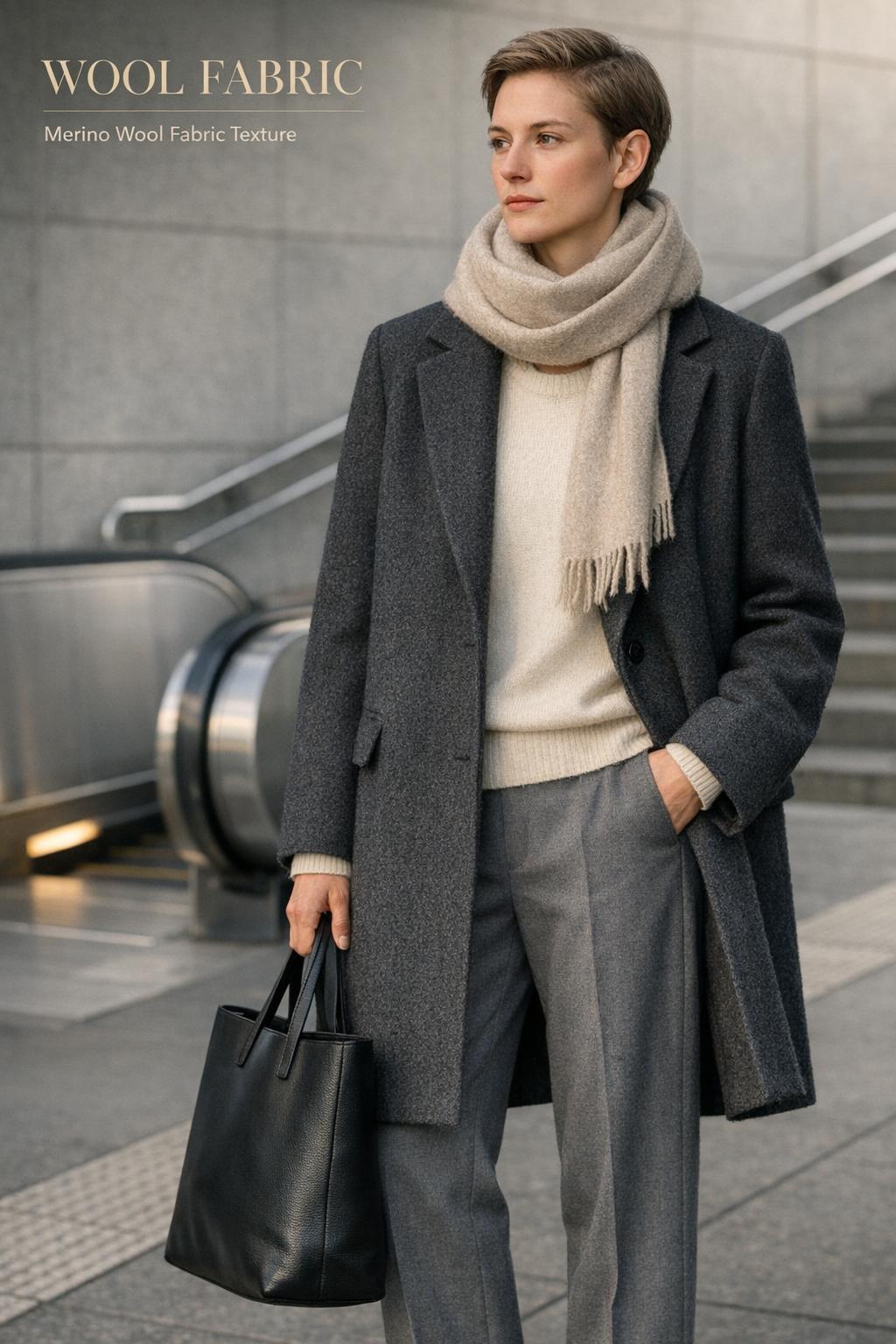
What makes the look feel modern is restraint. Instead of “heritage costume,” the goal is a clean palette, intentional proportion play, and texture contrast—think matte wool against smooth leather, crisp shirting against soft knit, or a structured outer layer over fluid trousers. And within that framework, details like merino wool fabric texture, heathers, and even boiled wool become the styling tools that shift a look from sharp to cozy without breaking the aesthetic.
The visual identity: how wool fabric changes an outfit’s architecture
Wool fabric is less about “what you’re wearing” and more about “how it sits.” A wool layer acts like a visual anchor: it sharpens edges, reduces wrinkling chaos, and gives minimal outfits a sense of intention. Even when the color palette is muted, the surface interest of wool—especially in heathered yarns—creates tonal movement that reads elevated instead of flat.
Found the dress? Keep the rest in one place.
Zarellea brings guest details, vendors, timelines, and every next step together — so your wedding plan feels as good as your look.
From a styling logic perspective, wool works because it supports silhouette balance. A tailored wool coat can widen the shoulder line to offset slim trousers; a wool trouser with a controlled drape can ground an oversized knit; a boiled wool jacket can give you structure without the stiffness of traditional suiting. The fabric itself does half the work, which is why wool-based outfits often look “styled” with fewer pieces.
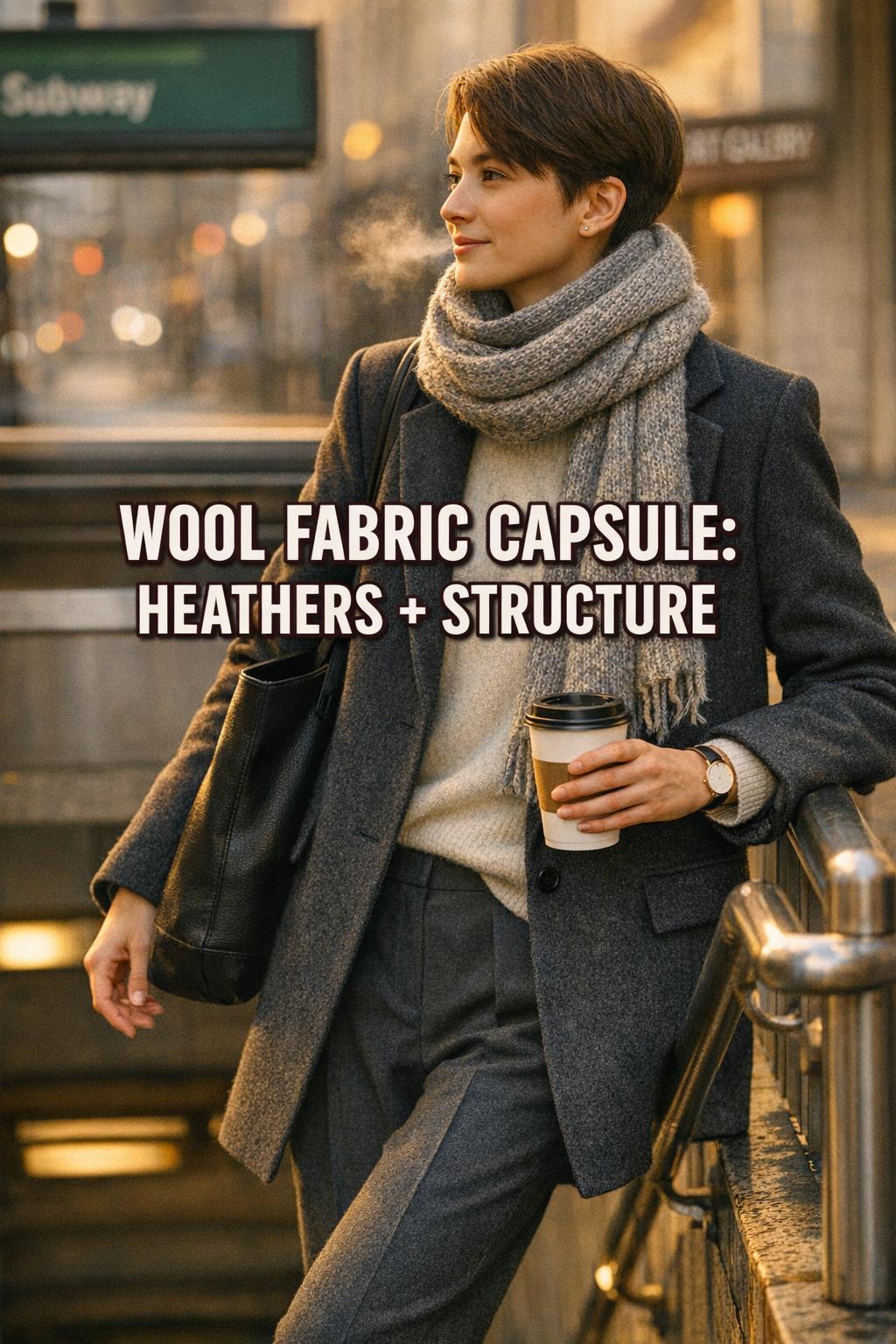
Texture is the point: wool fabric texture, merino wool fabric texture, and heathers
In this aesthetic, texture is not decoration—it’s composition. A visible wool fabric texture adds dimension to monochrome outfits, making neutrals feel rich rather than plain. Merino wool fabric texture tends to read smoother and more refined, which suits minimalist looks that rely on clean lines. Heathers, on the other hand, bring a soft, atmospheric grain to the color story; they make gray, oatmeal, and muted tones feel layered even when you’re wearing only two or three items.
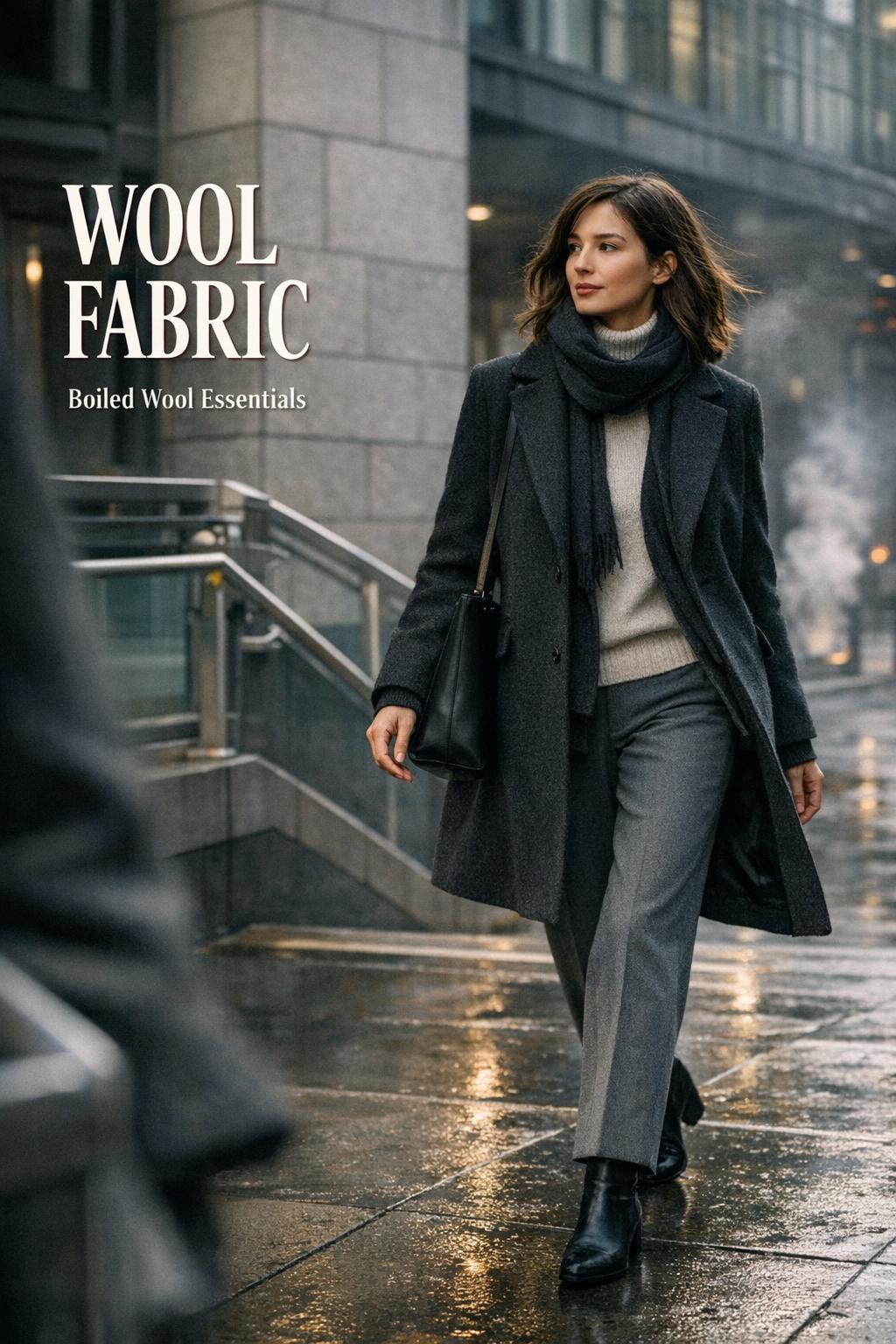
Look: City minimalism with a tailored wool top layer
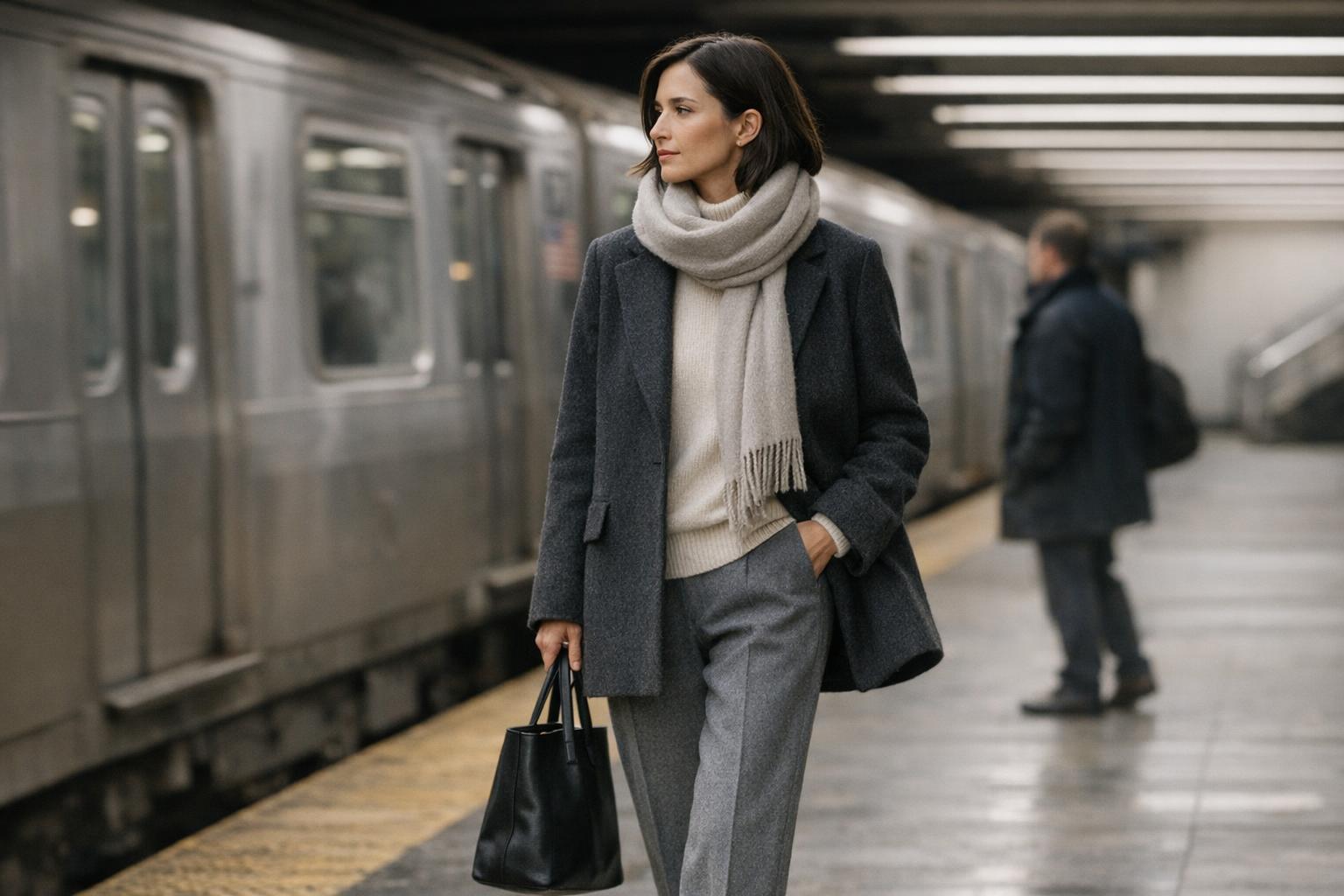
This is the cleanest interpretation of the wool fabric aesthetic: sharp, quiet, and architectural. The silhouette is led by the outerwear—straight lines, controlled volume, and a hem that creates a deliberate frame around the body. The overall vibe is “intentional commuter,” polished enough for meetings but not overworked.
Build the outfit around a tailored wool coat or a structured wool jacket in a deep neutral—charcoal, black, or a dense heather. Underneath, keep the base streamlined: a fine-gauge knit (a merino wool fabric layer works especially well here for a refined surface) paired with straight-leg trousers. The color palette stays tonal, letting wool fabric texture do the visual heavy lifting.
- Key garments: tailored wool coat, fine knit top, straight-leg trousers
- Footwear: sleek boots or minimal leather sneakers
- Accessories: narrow scarf, simple tote, understated belt
Why this works: the structured outer layer sets the outfit’s geometry, while the smoother merino wool fabric texture keeps the inner layers from competing visually. The result is a single, coherent column—an outfit composition that reads confident and calm.
Look: Soft heathered layers for an elevated weekend uniform
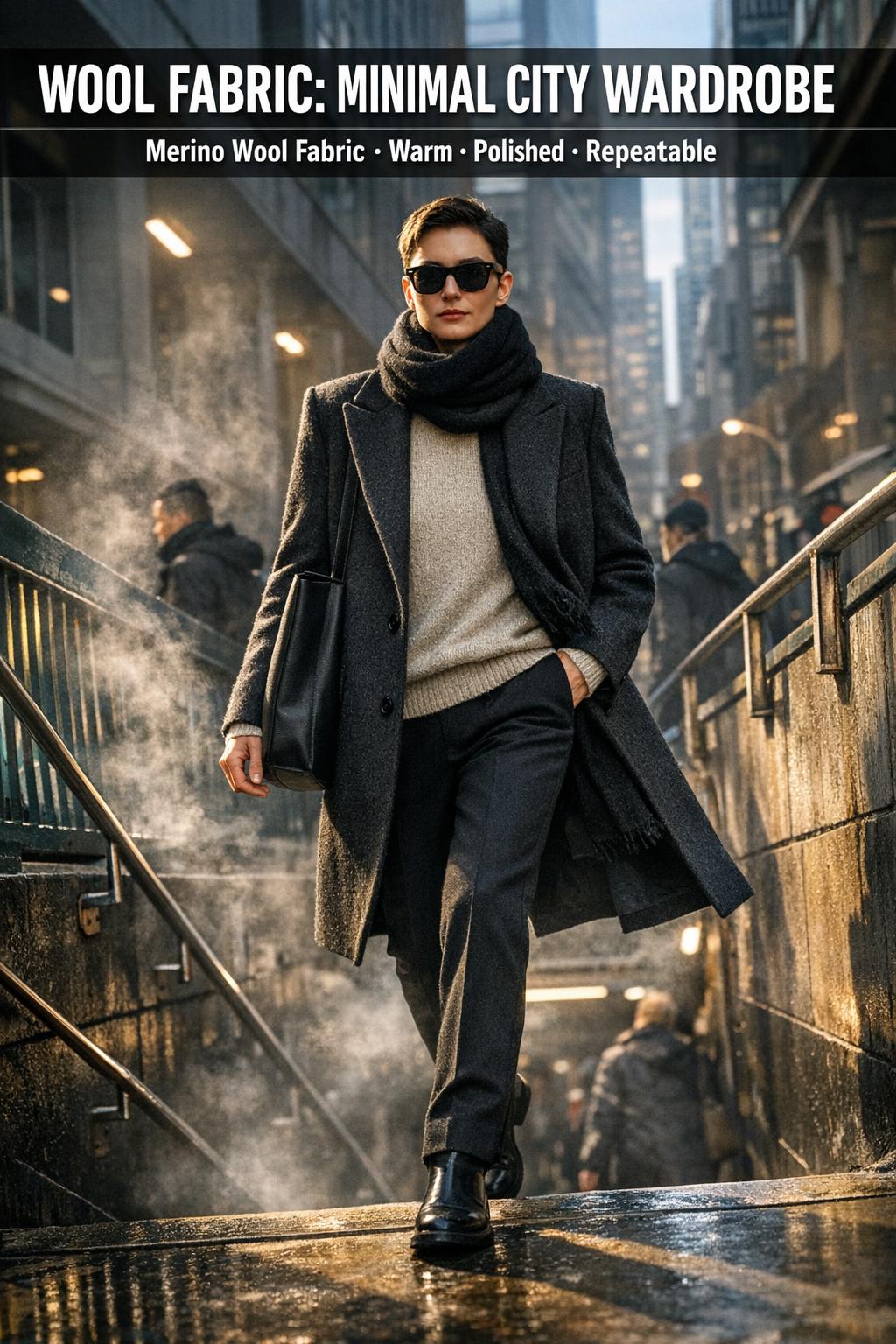
This look takes the same wool-forward identity and relaxes it. The silhouette is slightly looser, with a lived-in ease that still looks curated. Instead of crisp contrast, the goal is tonal layering—shades that blend, textures that feel touchable, and proportions that move comfortably.
Start with heathers as the palette foundation: a heather gray knit or a muted oatmeal sweater paired with wool trousers in a nearby tone. The wool fabric texture should be visible but not loud—think subtle grain rather than heavy pattern. Add a scarf in a neighboring neutral to extend the tonal story and create a soft frame around the face.
Why this works: heathers create natural depth without adding visual clutter, which keeps the outfit aligned with a minimalist aesthetic even when you’re layering. The outfit reads cohesive because the color harmony is built from small tonal differences rather than high-contrast blocks.
Style tip: make tonal layering look deliberate, not accidental
When working with heathered wool fabric, keep one piece “quieter” in texture. If the sweater is visibly heathered and textured, choose trousers with a smoother finish. If the trousers have a pronounced wool fabric texture, keep the top cleaner. This prevents the outfit from looking visually noisy while still feeling rich.
Look: Boiled wool as the modern “soft jacket” statement
Boiled wool is where cozy meets clean. The vibe is pared-back and slightly utilitarian, but the overall impression remains refined because the fabric holds shape and resists looking flimsy. This look is ideal for days when you want outerwear structure without the formality of a blazer or the heaviness of a full coat.
Use a boiled wool jacket as the focal point—shorter length, subtle structure, and a tactile surface that reads premium in close-up. Pair it with a simple base in a smooth knit to keep the jacket’s texture in charge. Bottoms can be tailored trousers for a sharper line or relaxed wool pants for a softer proportion, depending on your comfort and climate.
- Key garments: boiled wool jacket, smooth knit base layer, tailored or relaxed trousers
- Footwear: structured loafers or sleek boots
- Accessories: minimal watch, compact crossbody, tonal beanie in cooler weather
Why this works: boiled wool gives you a controlled silhouette with a softer edge, which is exactly the tension this aesthetic thrives on. The jacket becomes a statement piece through texture and form, not through loud color or branding.
Look: Merino wool fabric texture in a streamlined base-layer aesthetic
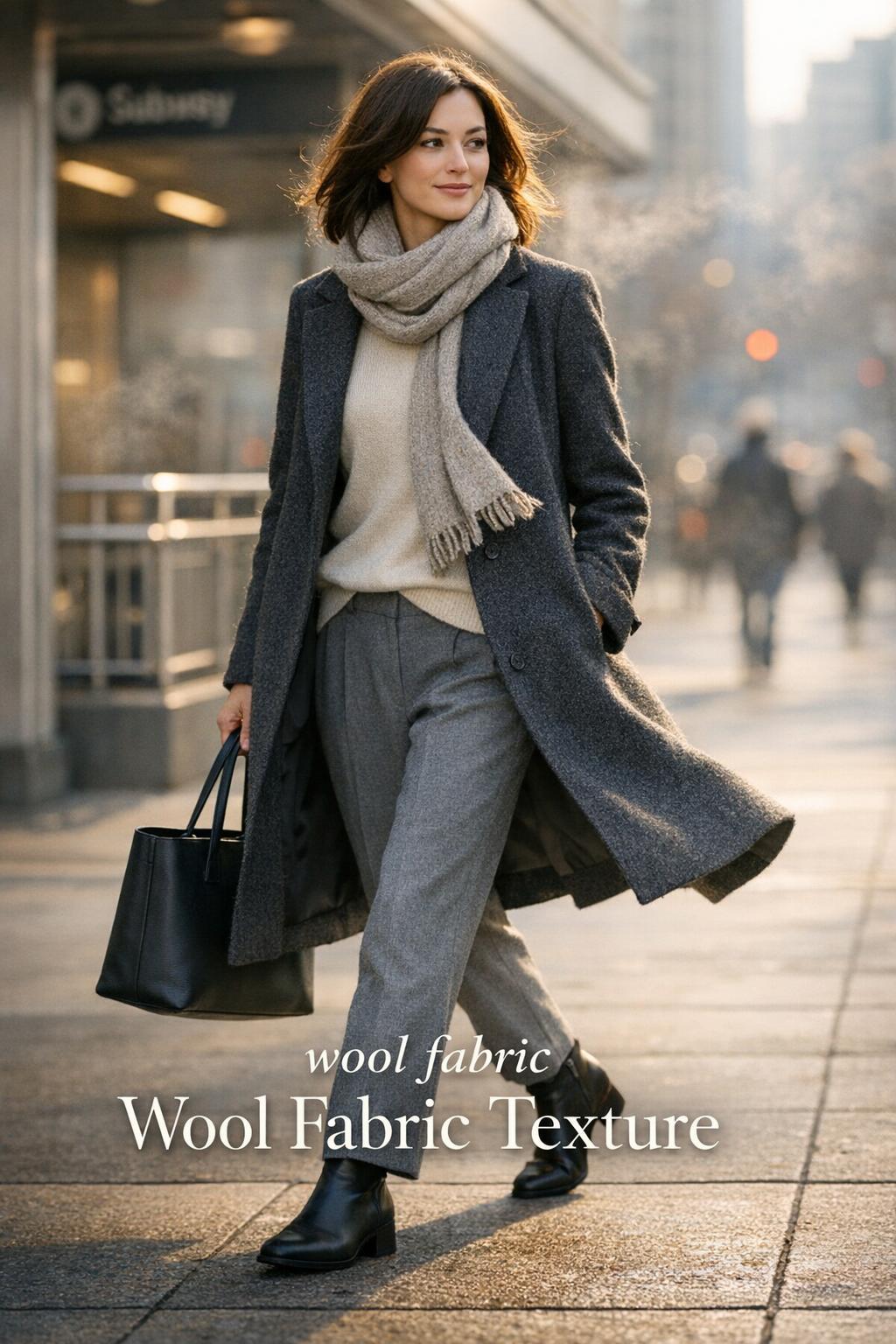
This interpretation is about precision and comfort. The silhouette is close-to-body at the base, then balanced with one clean layer on top. It’s the kind of outfit that looks sharp indoors, transitions well outdoors, and never feels overbuilt.
Use merino wool fabric as the foundation: a fine-knit top that reads smooth, refined, and intentional. Add a structured layer—either a wool overshirt or a minimalist coat—to create a crisp outer boundary. Keep colors neutral and disciplined: black, charcoal, cream, or soft gray, with one darker layer to create contrast and a visual anchor.
Why this works: a smoother merino wool fabric texture reduces bulk and keeps the outfit looking clean even when layered. It’s a strong option when you want wool’s visual polish without an overly rustic feel.
Look: Quiet preppy proportions with wool trousers as the anchor
This look leans into a slightly academic mood—structured, composed, and calm. The silhouette strategy is simple: let the trousers carry the weight of the outfit, and keep everything else crisp and fitted enough to feel intentional.
Start with wool trousers in a classic neutral. The wool fabric texture here should be subtle but present, providing depth against cleaner layers. Pair with a fitted knit or a crisp shirt under a wool layer. A heathered sweater can add softness, but keep the rest of the palette controlled so the outfit stays sharp rather than cozy-casual.
Why this works: wool trousers create a stable visual base, and the top half can be adjusted for mood—more tailored for a work context, softer for a weekend. The aesthetic remains consistent because the outfit is grounded by wool’s structure.
Key pieces that define the wool fabric aesthetic (and how to choose them)
A wool-forward wardrobe doesn’t need volume—it needs the right anchors. Focus on pieces that create clear lines and repeatable outfit formulas. The best choices are the ones you can restyle across different settings without losing the aesthetic’s core identity: quiet structure, tactile richness, and tonal control.
- A structured wool coat in a deep neutral for instant silhouette authority
- Wool trousers with a controlled drape to ground both casual and polished looks
- A boiled wool jacket for softened structure and transitional weather flexibility
- Merino wool fabric tops for refined layering and a smoother texture profile
- Heathered knits to add tonal depth without adding pattern noise
Practical insight: choose one “hero texture” per outfit. If your coat has a pronounced wool fabric texture, keep the base layers smoother. If your base is heathered and visually active, let the outer layer be cleaner. This keeps the outfit composition controlled—more editorial, less accidental.
Where this aesthetic performs best: office, travel days, and cold-weather city life
Wool fabric styling is fundamentally context-aware. In an office setting, wool reads professional because it holds structure and looks finished through long hours. For travel, the aesthetic pays off because it’s built around layers that maintain shape and look composed even when you’re moving, sitting, and transitioning between temperatures.
In cold-weather city life, wool becomes a design tool as much as a practical layer. It creates a strong outline against busy backgrounds—subway platforms, sidewalks, indoor lighting—while the palette tends to photograph well because it’s rooted in neutrals and tonal transitions. If you’re dressing for a full day out, prioritize one outer piece that can remain on indoors without feeling bulky; boiled wool often suits that role because it keeps its form without looking overly formal.
How to recreate the look with a small wardrobe
A tight capsule can still deliver a strong wool fabric aesthetic if you control three variables: silhouette, palette, and texture. Pick two base colors (for example, charcoal and cream), add one heathered mid-tone for depth, then rotate outerwear and trousers to create new proportions. The aesthetic stays consistent because the texture language—smooth merino, heathered knit, structured wool—repeats across outfits.
Common styling mistakes with wool fabric (and the clean fixes)
The most common wool fabric styling issue is visual heaviness: too many thick textures stacked together, or a silhouette that becomes bulky without intention. The fix is not necessarily fewer layers—it’s better proportion control. Use a single structured piece to set the outline, and keep the rest of the look either smooth or streamlined.
- Mistake: mixing multiple heavily textured pieces at once. Fix: choose one hero texture (heathers or boiled wool) and keep the other layers smoother.
- Mistake: oversized on oversized without structure. Fix: pair volume with a tailored counterpoint, like structured outerwear over straight-leg trousers.
- Mistake: a flat neutral palette with no depth. Fix: add wool fabric texture or a heathered tone to create tonal movement.
- Mistake: treating wool as strictly formal. Fix: use boiled wool or merino wool fabric layers to keep the look relaxed but polished.
These adjustments are small, but they change the entire visual read. Wool is inherently “designed,” so the styling should look designed too—through balance, not excess.
Texture-led color strategy: neutrals that don’t feel boring
Neutrals are the default in a wool fabric wardrobe because they make texture the feature. The trick is to treat color as a supporting structure: deep tones create the frame, lighter tones create highlight, and heathers create transition. A charcoal coat plus a heathered knit and lighter trousers reads layered even if the outfit uses only three pieces.
Wool fabric texture is especially effective in low-saturation palettes because it adds surface variation where color isn’t doing the work. This is also why merino wool fabric texture is such a useful tool: when you need the outfit to look clean and minimal, a smoother knit keeps the palette crisp. When you want softness and depth, heathers and boiled wool introduce atmosphere without changing the core color story.
Care and wear realism: keeping wool outfits looking intentional
A wool-based aesthetic only looks expensive when it looks maintained. In real life, that means being mindful about friction points and shape. If you’re commuting or carrying bags, choose outerwear that can handle daily wear without losing its outline, and keep an eye on areas that can look tired faster, like cuffs and elbows. The goal is longevity of silhouette: the same clean line that made the outfit work in the first place.
Practical tip: rotate your hero wool pieces. Wearing the same coat or boiled wool jacket every day can dull the texture over time, especially if you’re pairing it with rough accessories. Alternating between two outer layers helps maintain that crisp wool fabric texture that makes the aesthetic feel elevated.
Putting it all together: a cohesive wool fabric mood, not just individual outfits
The strongest wool fabric wardrobes work because they operate like a system. Each look is a variation on the same visual language: structured outerwear, tonal layering, controlled proportions, and texture used as design. Merino wool fabric gives you refinement, heathers give you depth, boiled wool gives you softened structure—and together they create outfits that read calm, capable, and consistently put-together across seasons and settings.
Adapt the aesthetic by choosing one anchor piece that matches your life—coat for commuters, boiled wool jacket for versatile layering, wool trousers for daily polish—then build around it with intentional textures and a restrained palette. The outcome isn’t a costume; it’s a repeatable visual identity that looks good in motion, in real weather, and in everyday contexts.
FAQ
What makes wool fabric a strong choice for an aesthetic outfit?
Wool fabric naturally holds shape and creates a clean outline, which makes even simple outfits look deliberate; it also adds visual depth through wool fabric texture, so neutral palettes read rich instead of flat.
How do heathers change the look of wool outfits?
Heathers introduce tonal variation within one color family, adding dimension without bold patterns; that soft grain helps minimalist outfits look layered and elevated while staying cohesive.
When should I choose merino wool fabric instead of other wool?
Merino wool fabric is ideal when you want a smoother, more refined surface for base layers, since merino wool fabric texture reads clean under structured outerwear and supports a streamlined silhouette.
How do I style boiled wool without looking bulky?
Use boiled wool as the single hero texture and keep the layers underneath smoother and closer to the body; this preserves structure while preventing the outfit from becoming visually heavy.
What’s the simplest way to make a neutral wool outfit look intentional?
Build a tonal palette with one deep neutral as the frame, one light neutral as contrast, and one mid-tone—often a heathered piece—to create gradual transitions that highlight wool fabric texture.
How do I keep wool fabric texture from competing across layers?
Limit the outfit to one pronounced texture at a time—either a heathered knit, a textured coat, or a boiled wool layer—then choose smoother pieces for the rest to keep the composition controlled.
Is wool fabric only for formal or office styling?
No—while wool reads polished, it can look relaxed when used in softer structures like boiled wool or paired with streamlined basics; the key is maintaining proportion and a restrained palette rather than leaning into overtly formal elements.
How can I build a small wardrobe around wool fabric?
Choose one structured outer layer, one pair of wool trousers, and one merino wool fabric base layer, then add a heathered mid-layer for depth; rotating these pieces across a consistent neutral palette creates multiple looks with the same aesthetic identity.