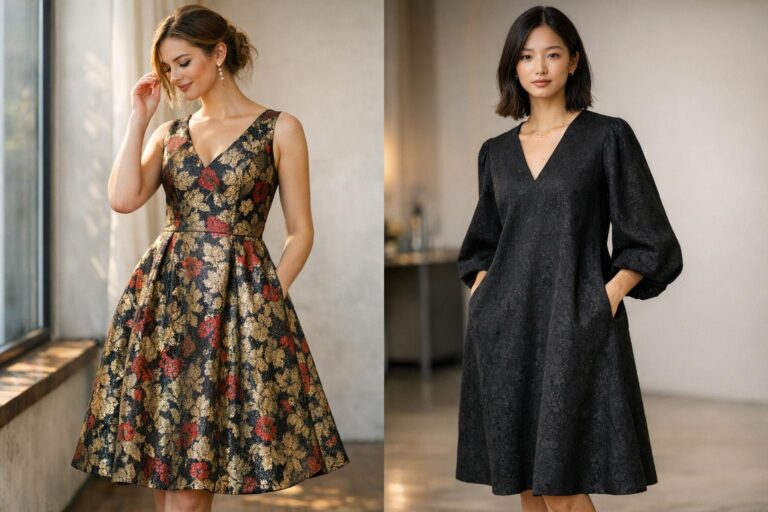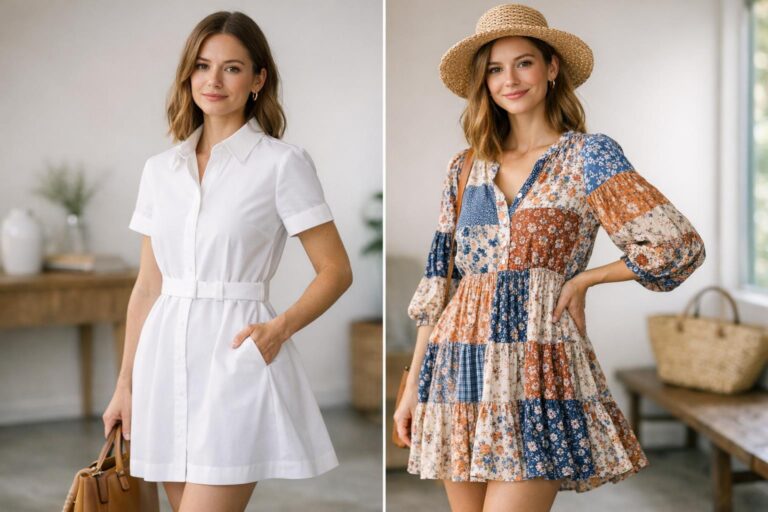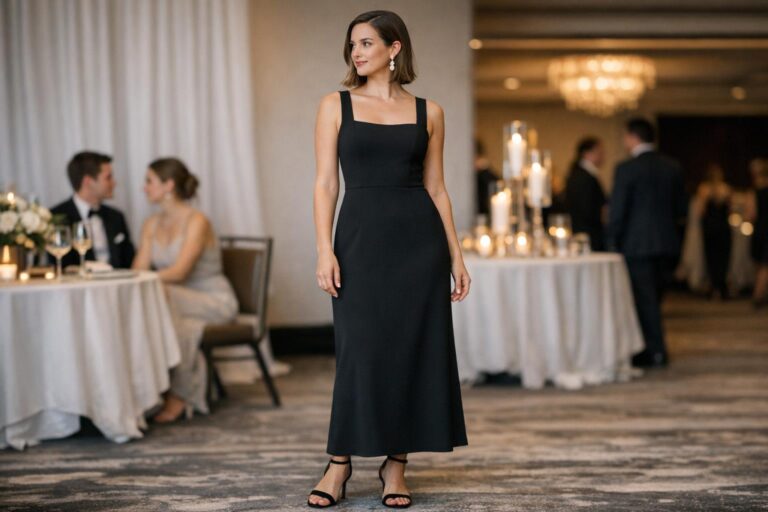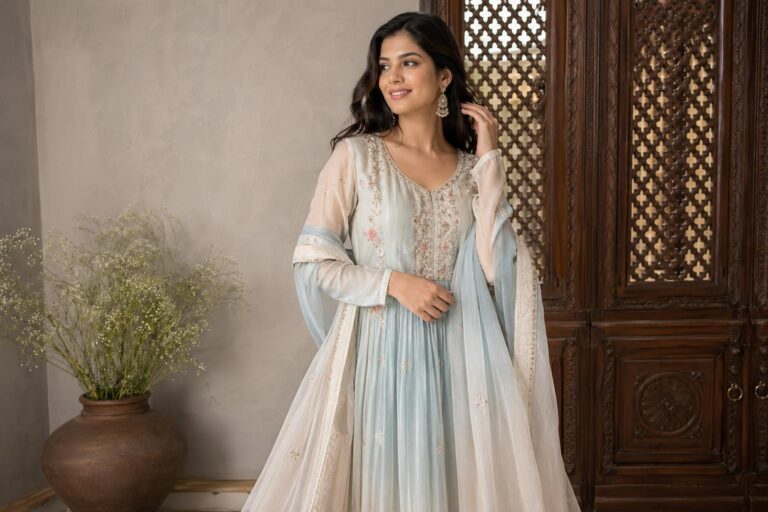

How a Chiffon Fabric Dress Moves—and Photographs—All Season
Chiffon fabric dress decisions: what actually matters before you buy
The chiffon fabric dress is one of the most “photogenic” wardrobe categories in modern occasionwear—and also one of the easiest to misjudge on a screen. In person, chiffon can read airy and refined, with movement that flatters the body through drape. Online, it can look like anything from a sheer chiffon cloud to a structured party dress, depending on lining, layers, and silhouette engineering. The smartest way to shop (or sew) chiffon is to start with a fabric-first lens: understand what chiffon is, how it behaves in motion, how much transparency to expect, and how silhouette choice affects comfort across long events like weddings.
This guide breaks chiffon down as a styling and product category. You’ll see how common silhouettes—maxi, midi, A-line, sheath, and wrap—translate in chiffon; how to plan for weddings and bridesmaid dress expectations; why prints (like a cashmere print chiffon dress) change the visual “weight” of the fabric; and how care choices keep chiffon draping like new. It also maps where shoppers typically find chiffon dresses and chiffon fabric by the yard in the U.S., including brand catalogs and fabric retailers.

What chiffon fabric is, and why it behaves the way it does
Chiffon is defined first by its identity as a sheer, lightweight textile. Its core appeal is drape: it falls with softness, creates a floating outline around the body, and responds dramatically to motion. That’s why chiffon appears so often in designs that prioritize movement—occasion styles, eveningwear, bridesmaid looks, and summer dresses. Even when the silhouette is simple, chiffon’s texture and transparency build complexity through layering.
Chiffon is also a fabric category that appears across shopping formats: finished dresses (from brand and boutique pages) and raw yardage for DIY or custom projects. That split matters because it changes what information you need. In a product listing, the focus is often on silhouette and details—like a sheer chiffon ruffle tier dress with a self-sash belt option. In a fabric listing, the focus shifts toward color selection, how the fabric is used (bridesmaid dresses, evening gowns, summer dresses), and practical care expectations.
Found the dress? Keep the rest in one place.
Zarellea brings guest details, vendors, timelines, and every next step together — so your wedding plan feels as good as your look.
Chiffon variants you’ll see while shopping: silk chiffon vs polyester chiffon
Most shoppers encounter chiffon as either silk chiffon or polyester chiffon. The value of knowing the difference is not about “better versus worse”—it’s about trade-offs in feel, price, and care behavior. Silk chiffon is often associated with a refined hand-feel and an especially fluid drape, while polyester chiffon is widely used in accessible occasionwear catalogs and bridesmaid collections. If your event involves extended wear (ceremony to reception, photos, and dancing), pay attention to how the fabric’s weight and lining affect comfort and temperature across the day.
Related terms can also appear in the same browsing session—such as crêpe-chiffon and georgette chiffon blends. Treat these as signals that the fabric’s surface texture, drape, or opacity may shift. In other words: the word “chiffon” tells you the direction (sheer, light, flowing), but the qualifier tells you how that direction is tuned.
Transparency, layering, and the “sheer chiffon” question
Sheer chiffon is a design tool, not a problem—when it’s intentional. Designers use sheer chiffon for sleeves, overlays, necklines, and tiered effects, because it adds dimension without adding bulk. The risk comes when shoppers expect opacity and receive a translucent dress without enough lining for their comfort level or the venue’s dress norms. The simplest way to evaluate is to look for explicit mention of lining, tiers, or overlays, and to treat product photography as suggestive rather than definitive.
A useful mental model: chiffon rarely “holds” you the way a thicker fabric does; it “floats” around you. That’s why design details—like ruffle tiers, wrap shapes, A-line volume, and waist definition—do so much of the shaping work in a chiffon fabric dress.

Silhouette intelligence: how chiffon changes maxi, midi, A-line, sheath, and wrap dresses
Chiffon is a silhouette amplifier. It exaggerates what a pattern already does: volume looks more buoyant, drape looks more liquid, and movement reads more dramatic. That’s why chiffon dress silhouettes matter as much as color or neckline. The right shape creates proportion play and ease; the wrong one can feel either under-structured or overly fussy.
A-line chiffon dresses: controlled volume with event-ready polish
The A-line chiffon dress is a consistent performer for weddings and bridal parties because it delivers shape without clinging. It builds a clean visual anchor at the waist (or high waist) and lets the skirt fall in a way that photographs smoothly from multiple angles. In chiffon bridesmaid collections, the A-line is often paired with detailing—such as lace appliqué elements or backless designs—because chiffon can soften the transition between structured and skin-baring features.
Where it works best: formal venues, wedding party coordination, and any situation where you want movement without the precision demands of a body-skimming dress. Where it can fail: windy outdoor ceremonies if the skirt is extremely light and unweighted; in that scenario, controlled volume through lining and tier design becomes more than aesthetics—it’s functionality.
Maxi and midi chiffon: proportion play for formal and occasion styles
Maxi and midi lengths are the primary language of chiffon occasionwear. A chiffon maxi dress reads elongated and romantic, while a chiffon midi can feel more directional and versatile across semi-formal settings. A blue chiffon maxi dress, in particular, is a practical choice when you need color that feels intentional without overpowering the softness of the fabric; blue often reads calm and event-appropriate, making it easy to style for wedding guest dressing or coordinated bridal palettes.
Length logic matters with chiffon because the fabric shows motion. A maxi makes walking look gliding; a midi emphasizes ankle movement and shoe styling. If you’re planning footwear that needs stability for long wear, a midi can create a clean frame for the shoe, while a maxi prioritizes continuous flow from waist to hem.
Sheath silhouettes in chiffon: sleek, but dependent on construction
A sheath chiffon dress can be deceptively complex. Because chiffon is lightweight and often sheer, a sheath relies on underlayers, lining quality, and seam strategy to avoid pulling or unintended transparency. The payoff is a streamlined outline with softness—ideal for eveningwear if the dress includes a layered or sheer chiffon overlay that creates dimension without adding bulk.
If you like the sleek look but don’t want the maintenance of a very fitted chiffon piece, consider designs that borrow sheath lines in the underlayer while using chiffon as the outer “visual layer.” This keeps the silhouette clean while letting chiffon do what it does best: soften edges and move in light.
Wrap chiffon dresses: adjustability and flattering balance
Wrap styles are naturally aligned with chiffon because they pair an adjustable waist with a fabric that drapes. The wrap creates a clear focal point at the waist and supports silhouette balance: a defined center with a softer skirt. This is also where details like self-sash belts become more than decorative. A sash lets you fine-tune fit and create structure without fighting chiffon’s softness.
For shoppers who prioritize comfort across a full event day, wrap and sash-driven silhouettes are often the most forgiving. They accommodate small fit shifts from travel, meals, and long wear while keeping the outfit composition polished.

Occasion mapping: choosing the right chiffon fabric dress for weddings, bridesmaids, and eveningwear
Chiffon is deeply tied to weddings in the U.S. market—from chiffon bridesmaid dresses to wedding gown fabric discussions. But the best choice depends on the role you’re dressing for: bridesmaid, wedding guest, or a formal evening attendee. Each role has different expectations for cohesion, movement, and formality.
Bridesmaid dressing: cohesion first, individuality second
Chiffon bridesmaid dresses tend to succeed because chiffon reads consistent across a group: it catches light similarly, moves in sync during processional moments, and photographs with a cohesive texture. A-line shapes are common in bridesmaid contexts because they minimize fit risk across different body types while maintaining a formal outline. If a bridal party wants more variation, chiffon still supports it—different necklines or strap treatments can change the look while keeping the fabric consistent.
Details like lace appliqué and backless elements change the formality dial. Lace appliqué adds visual density and a crafted feel, while a backless cut creates contrast: airy chiffon in the skirt, more skin at the back. The balance works when the overall silhouette still feels stable—especially important for long ceremonies and photo sessions.
Wedding guest chiffon: the art of being dressed up without looking like the bridal party
For wedding guests, chiffon is a strategic choice when you want to look refined while staying comfortable through outdoor venues, warm receptions, and extended hours. The key is to avoid competing with bridal party cohesion. Prints—like a cashmere print chiffon dress—are useful here because they create separation from solid-color bridesmaid lines while still reading formal when the cut is right.
A blue chiffon maxi dress is a particularly safe “guest” direction because it can lean classic or modern depending on styling. With minimal accessories, it reads understated. With sharper accessories, it becomes a statement piece while still respecting the event tone.
Eveningwear and chiffon gowns: movement as the main design feature
A chiffon gown is essentially an agreement with the fabric: you’re choosing a look that prioritizes flow and drape over rigidity. That’s ideal for eveningwear where motion is part of the impact—walking into a venue, moving through a cocktail hour, or navigating a dance floor. Sheer chiffon overlays, layered skirts, and tiered ruffles create depth and “air” around the body, making the silhouette feel dynamic without needing heavy embellishment.
One practical consideration: the more layers a chiffon gown has, the more stable it tends to feel in real wear. Lightweight chiffon is beautiful, but it can also be reactive to wind, static, and friction. Layering and lining are not just modesty tools—they’re performance tools.

Style breakdown: how to make chiffon look intentional (not simply floaty)
Chiffon styling works best when you build a clear outfit composition: one visual anchor, one supportive layer, and accessories that match the fabric’s softness. Because chiffon is light and often translucent, it can look “unfinished” if everything else is also delicate. The goal is controlled contrast—enough structure to frame the chiffon without overpowering it.
Accessories and shoes: choosing the right level of structure
Chiffon pairs naturally with refined accessories because both live in a light visual register. But a chiffon fabric dress still needs grounding—especially in maxi length where the fabric can visually blur at the hem. Shoes provide that grounding through silhouette clarity.
- Maxi chiffon: choose shoes that feel stable for long wear; the hem will cover most detail, so prioritize comfort and a clean line.
- Midi chiffon: shoes become a visible styling element; the ankle line can act as a visual break that keeps the look modern.
- Sheer chiffon overlays: keep accessories crisp so the dress remains the focal point; too many delicate elements can dissolve the look.
Layering logic: wraps, outer layers, and coverage without bulk
Layering chiffon is about maintaining drape. Heavy outerwear can flatten chiffon’s movement and create awkward proportion breaks. Instead, look for lightweight layers that echo chiffon’s softness while adding function. In wedding settings—especially ceremonies that shift from indoor to outdoor—this matters because you need warmth or coverage without changing the entire silhouette.
Sheer chiffon sleeves and overlays already function as built-in layering. If your dress includes these details, you often need fewer external layers. The dress itself is doing the styling work by creating texture contrast between opaque lining and translucent top fabric.
Print strategy: why printed chiffon dresses feel different than solids
Printed chiffon changes the perceived “weight” of the fabric. A print—such as a cashmere print—adds visual density, which can make chiffon look less ethereal and more graphic. That’s useful if you love chiffon’s movement but want a stronger presence. It also helps disguise minor wrinkling that can happen in lightweight fabrics during travel or extended wear.
Solids, by contrast, highlight every design decision: tiers, seams, layers, and lining lines become more visible. That’s not a downside—it’s simply a reason to be more selective about construction when shopping solid chiffon.
Tips: shopping chiffon online without getting surprised by sheerness, fit, or movement
Chiffon is one of those categories where product photos can’t fully communicate performance. The most reliable approach is to shop by design signals—silhouette terms, mention of tiers, and notes on customization and fit—rather than relying on a single image.
- Look for construction clues: tiers and layered panels usually indicate more stability and less cling.
- Prioritize adjustable waist details: wrap shapes and self-sash belt options help calibrate fit, especially if the event spans many hours.
- Expect variation in “sheer” language: “sheer chiffon” can mean sleeves/overlay rather than a fully translucent body, so check where sheerness is placed in the design.
- Use occasion as a filter: bridesmaid and occasion catalogs often imply formal standards for length and silhouette, while casual summer uses may emphasize lightness over structure.
Finally, think in motion. If you’re buying for a wedding, you’re not just standing—you’re walking, sitting, hugging, and being photographed repeatedly. Chiffon excels at movement, but only when the understructure supports real-life wear.
Fabric care and longevity: keeping chiffon draping like new
Chiffon care is not complicated, but it is detail-sensitive. Because chiffon is lightweight and often sheer, aggressive washing or high heat can quickly dull the fabric’s best qualities—drape, surface texture, and clean transparency. Many chiffon dress pages and wedding-focused fabric guides emphasize care as part of the buying decision, which is a strong signal that longevity depends on how you handle laundering and pressing.
Care priorities: gentle cleaning, low heat, and patience
The goal is to preserve the fabric’s structure and avoid stressing seams and layers. If the garment label or retailer’s care notes specify a method, follow that as the primary standard. When care notes are presented alongside the product (as they often are on chiffon dress pages), treat them as part of the design: a delicate overlay may require more careful handling than a lined chiffon skirt.
- Cleaning: lean toward gentler approaches when the dress includes sheer chiffon overlays, tiers, or delicate details.
- Drying: prioritize air-drying to maintain drape and reduce heat stress.
- Pressing: use low heat strategies to avoid flattening texture; chiffon’s appeal is in its airy surface and movement.
Common mistakes that shorten chiffon’s lifespan
Most chiffon problems come from trying to treat it like a heavier fabric. High heat can compromise the “float” of chiffon, and rough handling can tug at seams—especially in dresses with layered construction. Another frequent issue is improper storage: crushing a chiffon gown into a tight space can create persistent wrinkles, which then tempts over-pressing.
If you’re preparing for a wedding weekend, plan ahead: hang the dress early so the fabric can relax. Chiffon often rewards time more than force.
Buying guide: where chiffon dresses and chiffon fabric by the yard show up in the U.S. market
The chiffon category is split between brand-led dress design and supply-led fabric shopping. Knowing where you are in that ecosystem helps you make faster, more confident decisions—especially if you’re comparing a ready-to-wear chiffon fabric dress versus building a look through customization or DIY.
Brand and boutique dress catalogs: silhouette-led shopping
Many chiffon dress pages are structured around silhouette and styling: maxi, midi, occasion styles, and guidance on how to style your chiffon dress. This is where you’ll see chiffon positioned as eventwear—weddings, bridesmaids, and formal moments—often with a focus on how the dress moves and how it photographs.
- Goddiva (U.S. site): a broad chiffon dresses catalog with maxi, midi, and occasion styles plus styling guidance.
- MyDressLine: a boutique-style aggregator offering chiffon dress options across multiple brands and silhouettes.
- Pamela Scott (U.S. site): example of a specific printed piece, such as a cashmere print chiffon dress, with a dedicated fabric and care focus.
These environments are ideal when you want a quick silhouette decision, a clear event category, and styling direction that matches the product intent.
Wedding and bridesmaid specialists: chiffon as a coordination tool
Chiffon is particularly dominant in bridesmaid assortments because it creates consistent texture across a group. In a wedding context, chiffon is also treated as a “choice fabric” in educational materials—positioned alongside considerations for wedding gown fabric selection and bridal aesthetics.
- BABARONI: chiffon bridesmaid dresses with common wedding-ready silhouettes such as A-line, sometimes paired with details like lace appliqué and backless elements.
- Jo-Ann: a wedding field guide format that frames chiffon as a fabric choice within wedding garment considerations.
This category of retailer and content tends to speak in event logic: what works in ceremonies, photos, and coordinated parties—less about trend and more about performance and consistency.
Chiffon fabric by the yard: for DIY and customization-minded shoppers
If you’re building a look rather than buying one, chiffon fabric by the yard becomes the central product. This route is also common when someone wants a specific color match for bridal parties or wants to design a custom chiffon gown or dress overlay.
- Kennedy Blue: chiffon fabric by the yard with color selection and care notes, often connected to bridesmaid dress customization needs.
- Zooek: chiffon fabric presented with use cases such as bridesmaid dresses, evening gowns, and summer dresses.
- Big Z Fabric: chiffon fabric collections and color variety, positioned as dress fabric options.
This is the most flexible path, but also the one that demands the most clarity about opacity, drape, and finishing—because you’re responsible for translating fabric potential into a wearable silhouette.
Customization and fit: when chiffon benefits from made-to-order thinking
Chiffon’s softness can be surprisingly unforgiving if the proportions are off. A small mismatch at the waist or bust can change how the fabric hangs, and because chiffon is often sheer or layered, fit issues can become visually obvious in motion and in photos. That’s why customization language on chiffon dress pages is a meaningful signal: it suggests the brand expects shoppers to think carefully about fit and finishing.
Designs that highlight customization and flattering details—like a sheer chiffon ruffle tier dress with a self-sash belt option—offer a practical advantage: they let the wearer control silhouette balance. The ruffle tier structure provides volume distribution, while the sash defines the waist without adding rigid hardware. This combination is one of chiffon’s strongest formulas because it aligns fabric behavior (float) with fit control (waist definition).
Tips: fit checks that matter more with chiffon than with heavier fabrics
- Waist placement: a slightly higher waist can elongate the line in a maxi or midi; a lower waist can shift the whole dress into a more relaxed, less formal register.
- Arm and shoulder comfort: sheer chiffon sleeves and overlays look delicate, but they still need mobility—especially for wedding-day gestures like hugging and dancing.
- Hem behavior: maxi chiffon should clear the floor with your event shoes; too long risks damage and awkward stepping, too short breaks the intended flow.
Chiffon rewards precision in the areas that control drape: shoulders, waist, and hem. Once those are right, the fabric does most of the aesthetic work on its own.
Location and season context: why chiffon is a U.S. warm-weather staple (and how to make it work indoors)
In the U.S. market, chiffon shows up repeatedly in spring and summer wedding cycles and in occasionwear collections designed for heat and movement. It’s lightweight, breathable in feel, and visually aligned with seasonal palettes and outdoor venues. But chiffon is not exclusively warm-weather; it simply needs smarter layering when air-conditioning or evening temperature drops become part of the equation.
The practical approach is to treat chiffon as your core texture and add coverage through lightweight layers rather than heavy ones. A wrap or soft outer layer maintains chiffon’s drape language. This keeps the outfit composition consistent from ceremony to reception without “rebuilding” the look halfway through the event.
Blue chiffon maxi dress styling, mapped to common U.S. venue types
A blue chiffon maxi dress is a strong case study because it sits at the intersection of formal, flexible, and venue-friendly. The color reads composed and camera-ready, while the maxi length creates immediate event formality. The styling strategy changes based on venue conditions.
- Outdoor ceremony: prioritize hem control and stable shoes; chiffon’s movement will be beautiful, but wind can turn extra volume into distraction.
- Indoor ballroom: lean into tonal layering and refined accessories; lighting will emphasize chiffon’s texture and any sheer overlay details.
- Garden reception: keep accessories polished but not heavy; chiffon already provides romantic texture, so the outfit needs a clean visual anchor at the waist or neckline.
This is the core chiffon principle: let the fabric be the statement, and use accessories to clarify the intention.
Chiffon reference map: the core terms you’ll see on product pages
Chiffon shopping becomes easier when you read product language like a system. Most chiffon listings—whether dresses or fabric—repeat a consistent set of terms that signal silhouette, occasion, and construction.
- Fabric terms: chiffon fabric, sheer chiffon, silk chiffon, polyester chiffon, crêpe-chiffon, georgette chiffon blends
- Silhouette terms: A-line, maxi, midi, sheath, wrap
- Occasion terms: occasion styles, bridesmaid dresses, weddings, evening gown, summer dresses
- Design detail terms: ruffle tier, lace appliqué, backless, self-sash belt, layered, printed chiffon dress
- Shopping formats: chiffon dresses (ready-to-wear), chiffon fabric by the yard (DIY/custom)
Once you can categorize what you’re reading, you can compare options faster: silhouette tells you the shape, fabric terms tell you the behavior, and occasion language tells you the expected formality.
Real-world style scenarios: building outfits that respect chiffon’s softness
Chiffon styling succeeds when it looks composed up close and intentional at a distance. The fabric’s softness can blur details, so each look needs a clear focal point—waist definition, a neckline shape, or a controlled hemline. Below are scenario-based outfit compositions that match how chiffon is actually worn: long events, changing temperatures, and lots of photography.
Scenario 1: bridesmaid lineup with varied body types
An A-line chiffon bridesmaid dress is the strategic baseline because it standardizes the line while accommodating fit differences. If the group wants individuality, variation works best through upper-body design (neckline or strap changes) while keeping the skirt and fabric consistent. Lace appliqué details can add a more crafted finish, but keep placement consistent across the party to avoid uneven visual density in photos.
Scenario 2: wedding guest who wants impact without competing
A printed chiffon dress—such as a cashmere print chiffon dress—signals “guest” rather than “bridal party,” while still reading formal when the cut is midi or maxi. The print acts as built-in styling, which means accessories can be quieter and more refined. This is especially effective for long receptions where comfort matters: chiffon moves, and the print reduces visible wear over time.
Scenario 3: eveningwear with a chiffon gown silhouette
A chiffon gown is most successful when the dress includes layering—either in the skirt or through a sheer chiffon overlay that creates depth. The styling should preserve the gown’s flow: avoid heavy contrasts that cut the body line in half, and instead build tonal cohesion so the fabric’s movement reads uninterrupted. The goal is a continuous, fluid silhouette that looks powerful in motion.
Scenario 4: a sheer chiffon ruffle tier dress that needs day-to-night adaptability
A sheer chiffon ruffle tier dress already carries texture and volume, so the outfit works best when the waist is defined and the accessories are controlled. A self-sash belt is the key tool here: it can be tightened for a sharper, evening-leaning silhouette or loosened for a softer daytime proportion. This is an example of chiffon responding to styling logic—adjustability creates multiple looks without changing the garment.
Common chiffon dress mistakes that disrupt silhouette balance
Chiffon is forgiving in movement but strict in composition. Most “something feels off” moments come down to imbalance: too much volume without a waist anchor, too many delicate elements without structure, or mismatched formality between dress and accessories.
- Ignoring lining and opacity: sheer chiffon can be beautiful, but unexpected transparency can make even a great silhouette feel impractical.
- Over-accessorizing: chiffon already creates texture; adding too many detailed elements can make the look visually noisy.
- Choosing length without shoe planning: maxi chiffon requires hem discipline; midi chiffon requires shoe intention.
- Expecting chiffon to sculpt: chiffon drapes; it doesn’t “hold.” If you want definition, prioritize wrap shapes, A-line engineering, tiers, or a self-sash belt.
A chiffon fabric dress looks most elevated when the styling respects what chiffon is designed to do: float, soften, and move.

FAQ
What is chiffon made of?
Chiffon is commonly encountered as silk chiffon or polyester chiffon, and it’s defined by its lightweight, sheer, draping character rather than by a single fiber. When shopping, the fiber (silk vs polyester) helps you anticipate differences in feel and care needs.
Is a chiffon fabric dress always see-through?
No. Chiffon is often sheer, but many chiffon dresses use lining or layered construction so the body of the dress isn’t transparent. “Sheer chiffon” may also refer to specific zones like sleeves or overlays rather than the entire garment.
Which chiffon dress silhouettes are most popular for formal events?
Maxi and midi chiffon dresses are common for occasion styles because length increases formality and highlights chiffon’s movement. A-line silhouettes are especially frequent for weddings and bridesmaid dressing because they create a stable, flattering outline.
Are chiffon bridesmaid dresses a good choice for weddings?
Yes, chiffon bridesmaid dresses are widely used for weddings because the fabric reads cohesive across a group, photographs well, and supports movement through ceremonies and receptions. A-line chiffon styles are a common choice, sometimes paired with details like lace appliqué or backless designs.
How do you care for chiffon dresses?
Chiffon benefits from gentle care: follow the retailer or brand’s fabric and care notes when provided, avoid harsh handling, and use low-heat approaches for pressing to preserve drape and surface texture. Air-drying is often preferred to reduce heat stress on lightweight layers.
What makes a chiffon gown different from a regular chiffon dress?
A chiffon gown typically leans more formal through length, layered construction, and eveningwear-oriented design details that emphasize movement. The styling goal is usually a continuous, flowing silhouette rather than a casual or daywear proportion.
How should I style a blue chiffon maxi dress for a wedding?
A blue chiffon maxi dress works best with a clear visual anchor—often waist definition—and refined accessories that don’t compete with the fabric’s softness. Because maxi chiffon emphasizes movement, prioritize stable shoes for long wear and choose layering that maintains drape for indoor-outdoor temperature shifts.
Where can I buy chiffon fabric by the yard in the U.S.?
Chiffon fabric by the yard is available through retailers that focus on fabric and color selection, including options associated with bridesmaid customization needs. Listings typically highlight color choices, care notes, and use cases like bridesmaid dresses, evening gowns, and summer dresses.
What details should I look for if I want a more flattering chiffon dress fit?
Look for silhouette features that create structure without fighting chiffon’s softness, such as wrap styling, A-line shaping, ruffle tiers, and a self-sash belt. These details help control proportion and define the waist, which keeps chiffon from looking overly shapeless.