
Modern Linen Style Fashion: Polished Outfits with Lived-In Texture
Introduction
Linen style fashion is the rare wardrobe language that reads as both intentional and effortless: sunlit, tactile, and quietly confident. Its visual identity comes from the fabric itself—linen’s signature texture, airy drape, and slightly rumpled finish create an aesthetic that feels lived-in rather than overly styled. In an era of hyper-polished outfits, linen delivers a more human kind of chic.
The mood is warm-weather ease with editorial structure. Think clean silhouettes, breathable volume, and tonal layering that looks expensive without feeling restrictive. This is why fashion editors at outlets like Who What Wear and Town & Country consistently frame linen as a summer wardrobe staple: it makes comfort look curated, not casual.

You’ll see this aesthetic everywhere linen naturally performs: U.S. city heat, weekend escapes, resortwear season, and those in-between months when you want light layers that still look complete. It’s popular because it’s practical—linen outfits move, breathe, and photograph beautifully—yet they also carry a modern minimalism that pairs well with both classic wardrobes and streetwear fashion accents.
What makes linen a style staple (and why the texture is the point)
Linen’s styling power comes down to three visual mechanics: texture, proportion, and restraint. Texture gives even the simplest linen shirt or linen pants an inherent dimension—an outfit doesn’t need loud prints to feel interesting. Proportion matters because linen often holds a relaxed shape; the best looks use that volume strategically. Restraint is the finishing logic: linen style reads strongest when the outfit composition is edited, with one clear visual anchor.
Found the dress? Keep the rest in one place.
Zarellea brings guest details, vendors, timelines, and every next step together — so your wedding plan feels as good as your look.
Fabric properties: breathability, texture, and drape
The top-ranking linen fashion coverage consistently links linen to lightweight comfort and seasonal practicality, especially for summer wardrobe building. The fabric’s breathable feel supports looser silhouettes—shirts that skim the body, dresses with movement, and pants that don’t cling. The drape isn’t glossy or rigid; it’s softly architectural, which is why minimalist brands like COS often present linen dresses and linen shirts in clean, uncluttered styling.
Why linen reads “chic” instead of “beachy”
Linen becomes chic when it’s treated like a deliberate uniform rather than a vacation costume. Editorial styling—like the “three best linen fashion items” framework popularized by Who What Wear—keeps the focus on essentials (linen shirt, linen dress, linen pants) and lets silhouette balance do the talking. The aesthetic is less about novelty and more about repeatable outfit logic: a core piece, a controlled palette, and accessories that align with the texture story.
That same logic makes room for colorful fashion, too. Color works best when it’s used as a tonal wash (all one family) or as a single accent against neutrals, so the linen texture stays legible and the outfit doesn’t become visually noisy.

Key pieces for this aesthetic (the modern linen capsule)
The most consistent entity pattern across linen outfit ideas is simple: build around a small set of garment types and reuse them across occasions. This is why editors and brand guides keep returning to the same categories—linen shirts, linen dresses, and linen pants—then expanding into layering pieces and sets.
Linen shirts: the styling hinge
A linen shirt functions like an outfit hinge: buttoned, open as a topper, or half-tucked to control volume. It can read polished (collar structure) or relaxed (rolled sleeves), which makes it one of the most versatile linen garments in the U.S. market. In editorial terms, it’s a “soft structure” piece—enough shape to look intentional, enough ease to keep the aesthetic breathable.
Linen dresses: one-piece composition
Linen dresses are the fastest path to the aesthetic because they create a complete silhouette in one move. Brand-led styling content like AmourLinen’s seasonal approach reinforces how a single linen dress can shift across summer, transitional weather, and winter-friendly styling simply by changing layers and accessories. The dress becomes a consistent base; the styling becomes the variable.
Linen pants and shorts: proportion play in warm weather
Linen pants are the antidote to sticky-season dressing. They read elevated when the leg line is relaxed but not sloppy, and when the top half of the look adds either definition (a fitted top) or intentional volume (a matching shirt). Many “linen outfit ideas” articles focus on how pants can move from casual to dressy with shoe and accessory shifts—proof that linen’s versatility is less about trends and more about proportion control.
The linen set: coordinated, not matchy
A linen set (typically a shirt paired with matching shorts or trousers) is the cleanest way to look styled without extra effort. It’s also the easiest format for building a repeatable outfit grid: wear the set together for a strong visual column, then separate the pieces to multiply outfit options. In the linen style fashion ecosystem—where editor picks and brand catalogs drive shopping behavior—the set is a practical bridge between inspiration and real-life wear.
- Wear the full linen set for a streamlined silhouette that looks editorial in photos
- Split the set to create contrast: linen shirt with denim, or linen pants with a knit top
- Use accessories to decide the mood: minimal for daytime, sharper for evening

Look: relaxed minimal layers (the COS-style clean line)
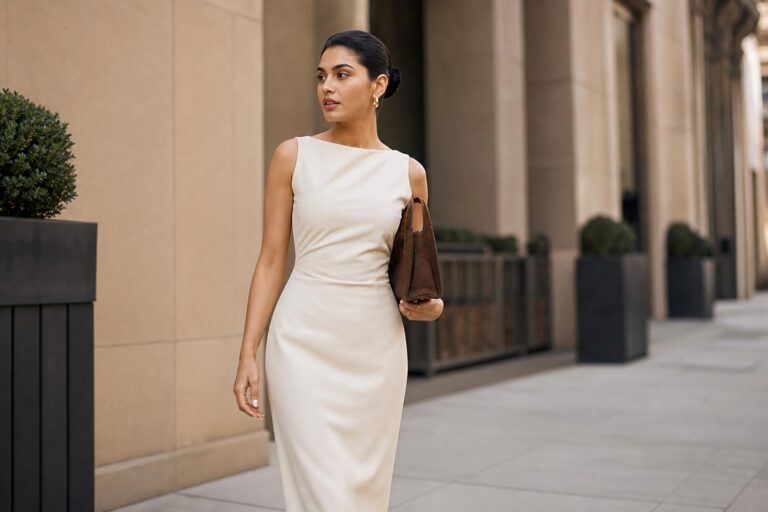
This look is built around minimalist clarity: long vertical lines, quiet texture, and a silhouette that floats rather than clings. The mood is modern and calm—an outfit that reads considered in the city but still feels breathable when temperatures climb.
Anchor the composition with a linen dress in a neutral palette, then layer a linen shirt over it like a light outer layer. Brands like COS are often associated with this clean, minimalist styling approach—simple shapes that let fabric texture do the work. Keep the palette tonal (ivory, sand, stone) so the drape stays the focal point, and use accessories as small, precise punctuation rather than statement noise.
- Key garments: linen dress, linen shirt as a topper
- Footwear: pared-back sandals or sleek flats
- Accessories: structured bag, minimal jewelry
Why this outfit works: tonal layering creates an uninterrupted visual column, and the double-linen texture reads intentionally “textured” rather than wrinkled. The shirt adds just enough architecture to balance the softness of the dress, which is exactly how linen becomes chic instead of shapeless.
Look: neutral street style (linen meets streetwear fashion)
Streetwear fashion doesn’t have to be heavy to feel current. This interpretation keeps the linen aesthetic but shifts the energy: sharper contrast, more attitude, and styling that looks strong in motion—walking, commuting, or moving through a crowded weekend market.
Start with linen pants as the relaxed base, then add a compact top to control proportion. A bolero top works here as a cropped layer that creates a clear waistline and adds structure without heat. The palette stays mostly neutral for an editorial edge—black, white, taupe—so the silhouette and texture contrast (cropped layer over relaxed pants) becomes the main visual story.
- Key garments: linen pants, bolero top as a cropped layer
- Footwear: clean sneakers or minimal sandals (depending on the occasion)
- Accessories: sunglasses, small crossbody or structured tote
Why this outfit works: the cropped bolero top creates proportion play, keeping the linen pants from reading too lounge-like. You get the breathable practicality of linen with the crisp outfit composition typical of street styling—proof that linen outfits can be modern, not just “vacation.”
Style tip: how editors keep linen from looking “too casual”
Editorial coverage consistently frames linen as a wardrobe staple by focusing on a short list of hero items and styling them with intention. In practice, that means choosing one focal piece (linen shirt, linen dress, or linen pants) and supporting it with clean lines around it. If everything is oversized, the look can lose definition; if everything is tight, linen’s natural ease gets canceled out.
Use one of these simple balancing rules: pair relaxed linen pants with a more defined top, or pair a linen dress with a structured accessory. This is the same logic behind many “outfit ideas” galleries—repeatable formulas that stay chic across multiple wears.

Look: soft weekend aesthetic (the linen set, rebalanced)
This is the weekend version of linen style fashion: soft, approachable, and quietly put-together. The silhouette is intentionally easy, but it avoids looking like sleepwear by using matching tones and a controlled color story.
Choose a linen set in a gentle neutral or muted pastel, then style it with minimal accessories so the texture reads elevated. If you want a subtle shift toward colorful fashion, let it happen inside the same tonal family—soft clay, faded sky, or muted green—so the outfit stays cohesive. The goal is a calm palette that highlights the weave and drape rather than competing with it.
- Key garments: linen set (shirt + shorts or shirt + trousers)
- Footwear: simple slides, flat sandals
- Accessories: lightweight scarf or minimal jewelry, depending on occasion
Why this outfit works: matching pieces create instant polish, while the relaxed linen silhouette maintains comfort for long daytime wear. It’s the same wardrobe-building takeaway that shows up in editor-curated linen lists: repeatable, mixable, and seasonally smart.
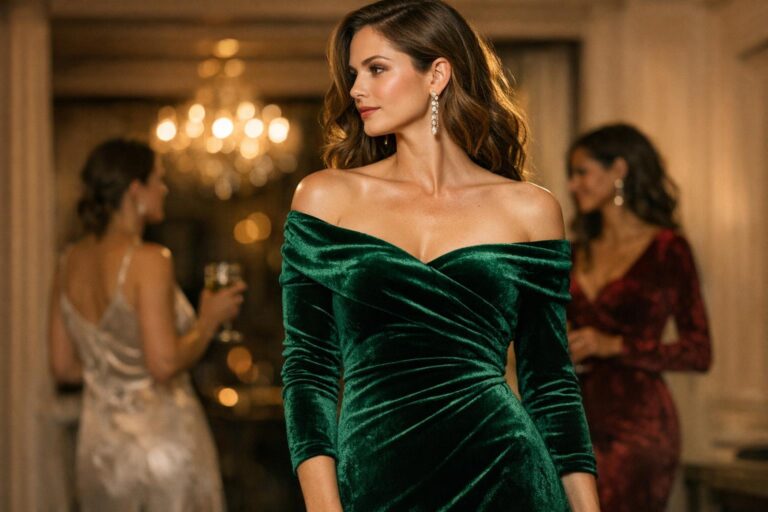
Look: dressy linen for city evenings (aspirational, not fussy)
Linen can hold its own after sunset when the styling becomes more precise. This look aims for “quiet dressy”: clean shapes, a controlled palette, and accessories that feel deliberate. It aligns with the aspirational lens often used in Town & Country’s linen outfit coverage, where occasion matters as much as the garment.
Use a linen dress as the statement base—midi or longer for a refined line—then add one sharp element to elevate it. That can be a sleek bag or a more polished shoe choice. Keep the color story tight: monochrome, or a neutral with one accent. The dress remains the hero; the styling supports it, rather than adding clutter.
Why this outfit works: the linen texture gives the look depth, while the streamlined silhouette signals intention. This is the difference between “linen for the beach” and “linen for an evening reservation”—same fabric, different composition.
Look: seasonal linen dress styling (summer to transitional to winter-friendly)
This aesthetic becomes most powerful when it’s not confined to peak summer. Brand-led guidance like AmourLinen’s “every season” framing shows a practical truth: linen is a base layer and a styling canvas. The dress stays consistent; the surrounding pieces handle the temperature and mood.
Summer styling: breathable, sunlit simplicity
In summer, keep the silhouette open and the palette light. A linen dress with minimal accessories reads effortless, and it’s functional for heat—exactly why linen is consistently framed as a warm-weather staple in U.S.-focused editorials. Let the dress move, and avoid over-layering; the fabric’s drape is the visual feature.
Transitional styling: layering without heaviness
For transitional weather, use layering pieces that echo linen’s softness rather than fighting it. A linen shirt worn open acts like a breathable jacket, adding dimension and a second layer of texture. This keeps the aesthetic coherent—light layers, not bulky ones—while making the outfit adaptable from daytime warmth to cooler evenings.
Winter-friendly styling: texture-first, comfort-led
In colder months, the outfit logic shifts toward texture stacking and coverage. The linen dress can still function as a base, but it benefits from more substantial layering and accessories that signal seasonality. The visual goal stays the same: maintain linen’s relaxed elegance, but add enough structure and warmth that the outfit reads intentional for the season.
How to recreate the aesthetic with one smart formula (linen shirt + linen pants)
If you want a reliable everyday uniform, the linen shirt plus linen pants pairing is the most repeatable outfit equation across linen outfit ideas. It’s the two-piece version of the linen dress: easy, photogenic, and adaptable. The key is to treat it like a composed set even when the pieces don’t match exactly.
- Choose one dominant tone (white, beige, black, or a muted color) and keep the rest within that family
- Control volume: if the shirt is oversized, keep the pants more streamlined; if pants are wide, keep the shirt slightly sharper
- Use accessories to set the occasion—minimal for daytime, more polished for dressy settings
This formula also plays well with cotton linen options when you want a slightly different hand-feel while staying within the linen styling world. The main point remains the same: cohesive texture and balanced proportion.
Look: sustainable-lens linen outfits (when “natural” is part of the aesthetic)
For many readers, linen style fashion isn’t only about the look—it’s also about the values attached to linen as a natural-fiber category. Sustainability-focused outlets like Panaprium bring that lens into outfit building, pairing linen outfit ideas with care considerations and longer-term wear logic. In aesthetic terms, that translates into pieces that look better over time, not just on the first wear.
Build the look around wardrobe basics—linen shirt, linen trousers, linen dress—then repeat them across occasions. The outfit mood is intentionally unfussy: neutral palettes, minimal hardware, and versatile layers. When a piece is worn often, small styling shifts matter more than constant newness: sleeve roll, tuck choice, and accessory restraint become the “trend.”
Why this outfit works: repeating strong basics creates a recognizable personal uniform, which is the most realistic way to keep linen looking elevated. Aesthetic consistency becomes the luxury signal.
Care, longevity, and quality signals (the part that makes linen look better)
Linen’s texture is its advantage, but it also means care decisions directly affect the aesthetic. Several linen wardrobe guides include care tips because how linen is washed, dried, and finished influences how it drapes and how “crisp” or “relaxed” it reads. The goal isn’t to eliminate every crease; it’s to keep the garment looking intentionally textured rather than neglected.
Washing and finishing: keeping the texture intentional
Practical reality: linen lives on a spectrum between crisp and softened, and your care routine nudges it along that spectrum. If you love the cleaner, editor-approved look seen in minimalist brand styling, a more controlled finish (smoothing seams, thoughtful drying, quick touch-ups) helps. If you prefer the relaxed weekend aesthetic, a softer finish can look more authentic—just keep the overall outfit composition tidy so the look stays elevated.
Quality signals: how to shop like an editor
Editor-curated lists implicitly teach a quality filter: they return to trusted brands and to core garment categories because those are easiest to evaluate and restyle. When assessing linen garments, focus on how the fabric weight supports the silhouette you want (floaty vs. structured), and whether the cut allows movement without collapsing. The best linen pieces look good when you’re living in them—sitting, walking, traveling—not only when standing still.
Trade-off to know: extremely relaxed silhouettes can look effortless, but they can also read oversized if proportions aren’t managed. Sharper tailoring can look polished, but it may feel less breathable in peak heat. The right choice depends on where you’ll wear it—city days, resortwear season, or layered transitional dressing.
Common styling mistakes that dilute the linen aesthetic
Linen is forgiving, but it’s not invisible. Because the texture is prominent, small styling missteps show up quickly in the overall outfit composition. Fixing them doesn’t require more shopping—just clearer styling logic.
- Too much volume at once: pairing an oversized linen shirt with extremely wide linen pants can erase shape unless you add definition with a tuck or a cropped layer like a bolero top
- Over-accessorizing: heavy or overly busy accessories can fight linen’s calm texture; choose one visual anchor
- Incoherent palette: mixing too many competing tones makes the texture feel chaotic; keep it tonal or use one accent for colorful fashion
- Ignoring occasion: the same linen dress can be casual or dressy, but it needs accessories that match the setting
When linen feels “off,” the fix is usually proportion and palette—two controllable levers that restore the aesthetic quickly.
Global perspectives: European heritage and U.S. wardrobe reality
Linen style carries both heritage and modern practicality. European references—especially Belgian linen and Italian linen influences—are often used to signal tradition and quality in fashion conversations, while U.S. styling leans into ease, versatility, and climate practicality. Together, they shape the modern linen aesthetic: heritage texture, contemporary silhouette, everyday wearability.
In the United States, linen outfits often center on warm-weather dressing and “summer staple” messaging, which is why editorial coverage repeatedly returns to breathable fabric benefits and easy outfit ideas. European heritage cues tend to emphasize refined simplicity and a minimalist approach to color, which aligns naturally with brands like COS and the editorial framing used by fashion media.
Editor-approved linen marketplace (brands, vibe, and value cues)
The linen shopping landscape is guided by a mix of fashion editors, brand aesthetics, and wardrobe practicality. Media outlets like Who What Wear and Town & Country frequently reference brands as styling proof—showing how a piece should look and how it can be worn—while brand sites like COS and AmourLinen anchor the category with consistent design language.
- COS: clean, minimalist silhouettes that showcase linen texture through simple design
- Reformation: frequently referenced in editor picks as a recognizable source for modern, wearable linen pieces
- AmourLinen: brand-led styling focus, especially around the linen dress across seasons
- Eileen Fisher: a logically aligned reference within editor-leaning linen conversations, associated with timeless wardrobe building
Value isn’t only about price; it’s about rewear potential. Linen shirts, linen pants, and linen dresses dominate editor-curated lists because they scale across occasions. If you’re building a capsule, prioritize pieces that can be dressed down for daytime and sharpened with accessories for dinner or events.
Destination dressing: linen outfits for U.S. heat, travel days, and resortwear season
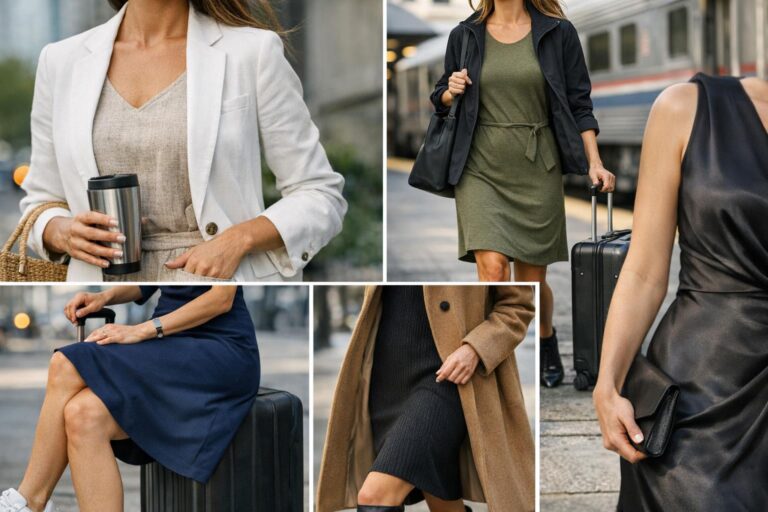
One reason linen style fashion performs so well in the U.S. is that it solves real wardrobe problems: humidity, travel movement, and long daytime wear. The best linen outfit ideas aren’t theoretical—they’re designed for walking, sitting, packing, and repeating across days.
For hot city days
Use linen pants or a linen dress as the base, then keep the top layer light: a linen shirt worn open gives coverage without trapping heat. Stick to a narrow palette so the outfit reads polished even if the silhouette is relaxed. This is where minimalist styling shines—less visual noise, more breathable comfort.
For travel and long wear
A linen set is a strong travel strategy because it’s a full outfit that stays comfortable over hours, and it breaks apart into multiple looks once you arrive. If you’re packing light, the set becomes a modular system: wear together on day one, then pair the shirt with denim and the pants with a different top later.
For resortwear season
Resortwear styling often leans airy and aspirational—the space where Town & Country’s occasion framing makes sense. A linen dress works as the hero piece, and accessories decide whether it reads poolside casual or dinner-ready. Keep the silhouette clean, and let the fabric texture be part of the luxury signal.
How to build a linen wardrobe that stays interesting (without constant new pieces)
The most effective linen wardrobes are “small but varied.” They rely on a core trio—linen shirt, linen dress, linen pants—then create variety through color, layering, and occasion styling. Outfit interest comes from texture contrast and proportion shifts, not from constant trend chasing.
Start by choosing your baseline aesthetic: minimalist neutrals, soft muted tones, or controlled colorful fashion accents. Then decide your silhouette preference: relaxed volume, cleaner lines, or a mix. This up-front decision prevents the most common linen pitfall—collecting random pieces that don’t style together.
- Keep one “editor polish” outfit ready: tonal linen shirt + linen pants with a structured accessory
- Keep one “weekend ease” outfit ready: linen set with minimal styling
- Keep one “occasion” outfit ready: linen dress styled for dressy settings
- Use one cropped layer (like a bolero top) to control proportions when silhouettes get too relaxed
If your wardrobe leans toward cotton linen blends, keep the same styling logic: tonal palette, proportion control, and texture-forward simplicity. The fabric story may shift slightly, but the aesthetic remains consistent.
Practical outfit formulas (repeatable grids for linen outfit ideas)
Outfit formulas are the fastest way to turn inspiration into daily dressing. They show up repeatedly across linen styling guides because they reduce decision fatigue while keeping the look cohesive. Use these as a rotating grid—swap colors and accessories, but keep the structure.
- Linen shirt + linen pants + minimal accessories for a clean daytime uniform
- Linen dress + linen shirt topper for transitional layering without heaviness
- Linen set + tonal footwear for soft weekend polish
- Linen pants + bolero top for proportion-driven streetwear fashion energy
- Linen dress + sharpened accessories for a dressy city-evening read
The styling insight behind all of them is consistent: linen provides texture and ease; your job is to provide composition—clear lines, controlled color, and one focal choice.

FAQ
What are the core pieces of linen style fashion?
The most reliable core is a linen shirt, a linen dress, and linen pants, since those categories appear across editor picks and linen outfit ideas as the easiest pieces to restyle across casual, dressy, and seasonal contexts.
How do I style a linen dress for every season?
Use the linen dress as a consistent base and adjust the surrounding layers: keep it open and minimal for summer, add a linen shirt as a light topper for transitional weather, and build more coverage through layering and accessories when you want a winter-friendly version of the look.
How can linen outfits look polished instead of too casual?
Polish comes from proportion and palette: keep your colors tonal or tightly coordinated, avoid too much volume at once, and add one structured element (often a sharper accessory or a more defined top) to balance linen’s relaxed drape.
Are linen sets worth buying?
A linen set is one of the most efficient purchases because it creates an instant coordinated outfit while also splitting into multiple looks; it supports the wardrobe-building approach seen in many linen styling guides that prioritize rewear and versatility.
How do I incorporate linen into a seasonal wardrobe if I mostly associate it with summer?
Treat linen as a layering base instead of a single-season fabric by using linen shirts as lightweight toppers, relying on linen dresses as year-round foundations, and adjusting the outfit with layers and accessories so the silhouette matches the season’s mood and practicality.
How do I make linen work with streetwear fashion?
Use linen pants as the relaxed base and introduce a proportion-defining layer like a bolero top to create a sharper silhouette; keep the palette controlled (often neutrals) so the outfit reads modern and intentional rather than overly casual.
What’s the easiest linen outfit formula for everyday wear?
Linen shirt plus linen pants is the most repeatable everyday formula because it’s breathable, adaptable from casual to dressy with accessories, and consistent with the outfit-idea frameworks commonly used by fashion editors and linen styling guides.
What should I pay attention to when buying linen garments?
Prioritize how the fabric weight supports the silhouette you want and whether the cut maintains shape during real wear; editor-curated coverage tends to focus on foundational categories like shirts, dresses, and pants because they’re the easiest to evaluate for rewear and styling range.
How do I keep linen looking intentionally textured rather than messy?
Accept that texture is part of linen’s aesthetic, then keep the rest of the outfit composed: use a cohesive palette, maintain clear proportions, and use simple finishing choices so the texture reads like a design feature rather than like an outfit that wasn’t thought through.
Which brands are commonly associated with modern linen style?
Modern linen style is frequently demonstrated through a mix of editorial and brand references, including COS for minimalist silhouettes, Reformation in editor-curated lists, and AmourLinen for linen dress styling guidance across seasons, with Eileen Fisher often logically aligned to the same timeless, wardrobe-staple approach.