Sunray Fabric Styles Gown: Pleats, Boubous, and Event Style
Sunray fabric styles gown: why pleats, boubou volume, and “short gown” silhouettes keep getting compared
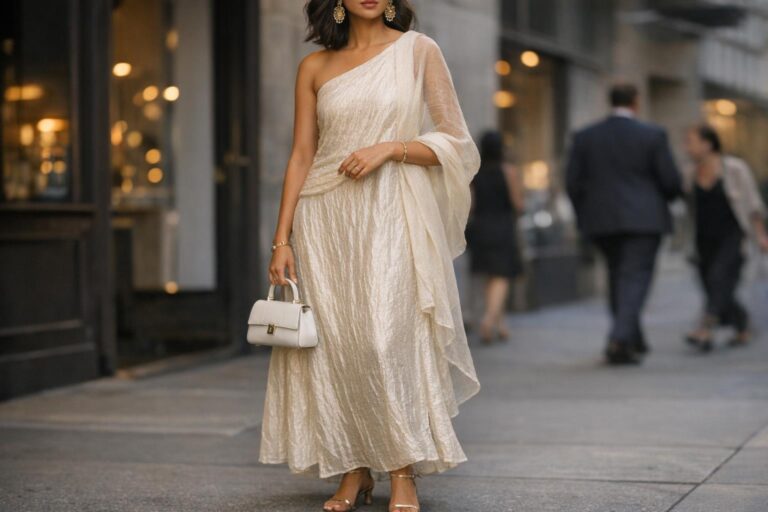
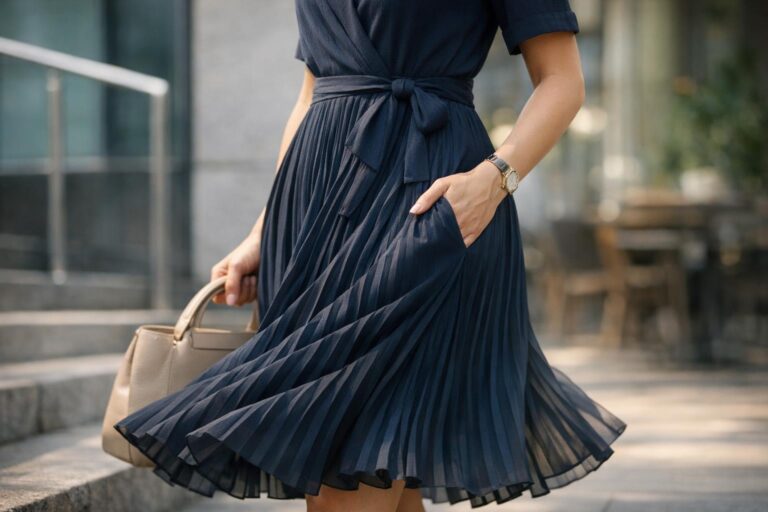
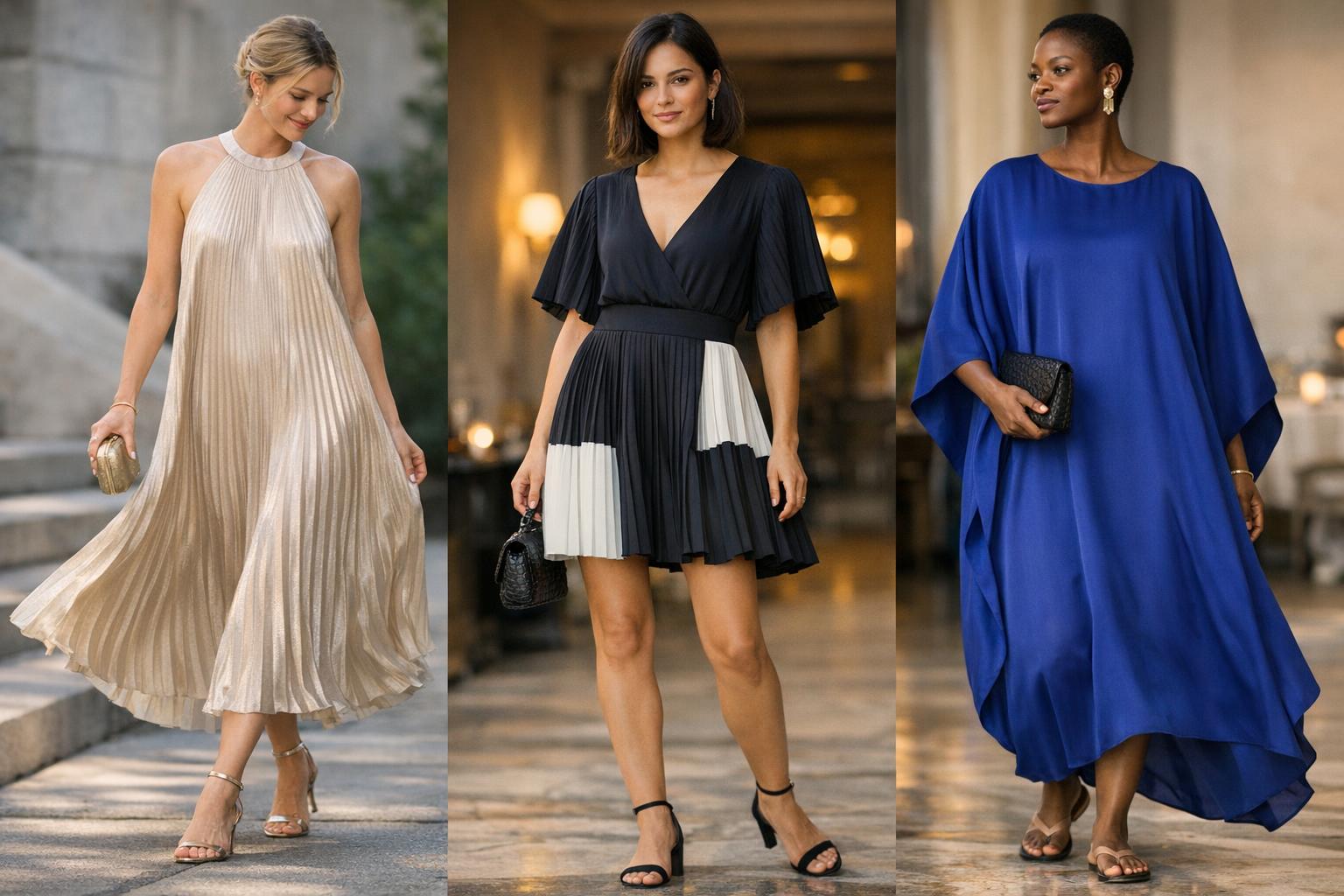
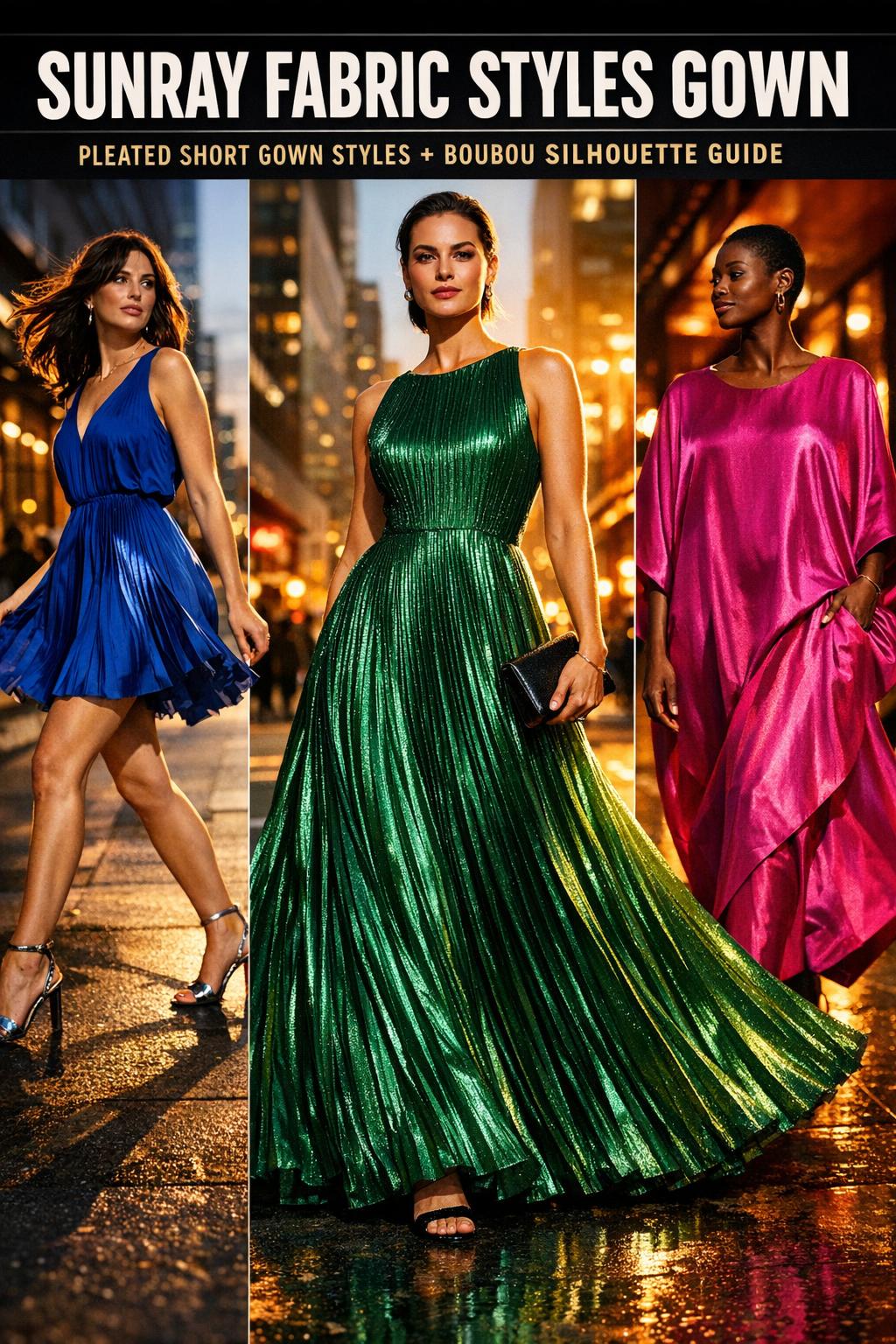
The fastest way to spot a sunray fabric styles gown in motion is the light behavior: the surface seems to “fan” as the wearer walks, with fine pleats opening and closing like an accordion. That visual rhythm is exactly why sunray pleating gets discussed in the same breath as other volume-forward styles—especially boubou silhouettes and the widely worn “short gown” shapes that prioritize ease.
But these styles are not interchangeable. A sunray-pleated gown is engineered around precision folds and drape control. A boubou reads as architectural softness—more about generous fabric and airflow than about structured pleat memory. And pleated short gown styles sit between: they borrow pleat texture for interest, but often rely on simpler construction and everyday wearability.
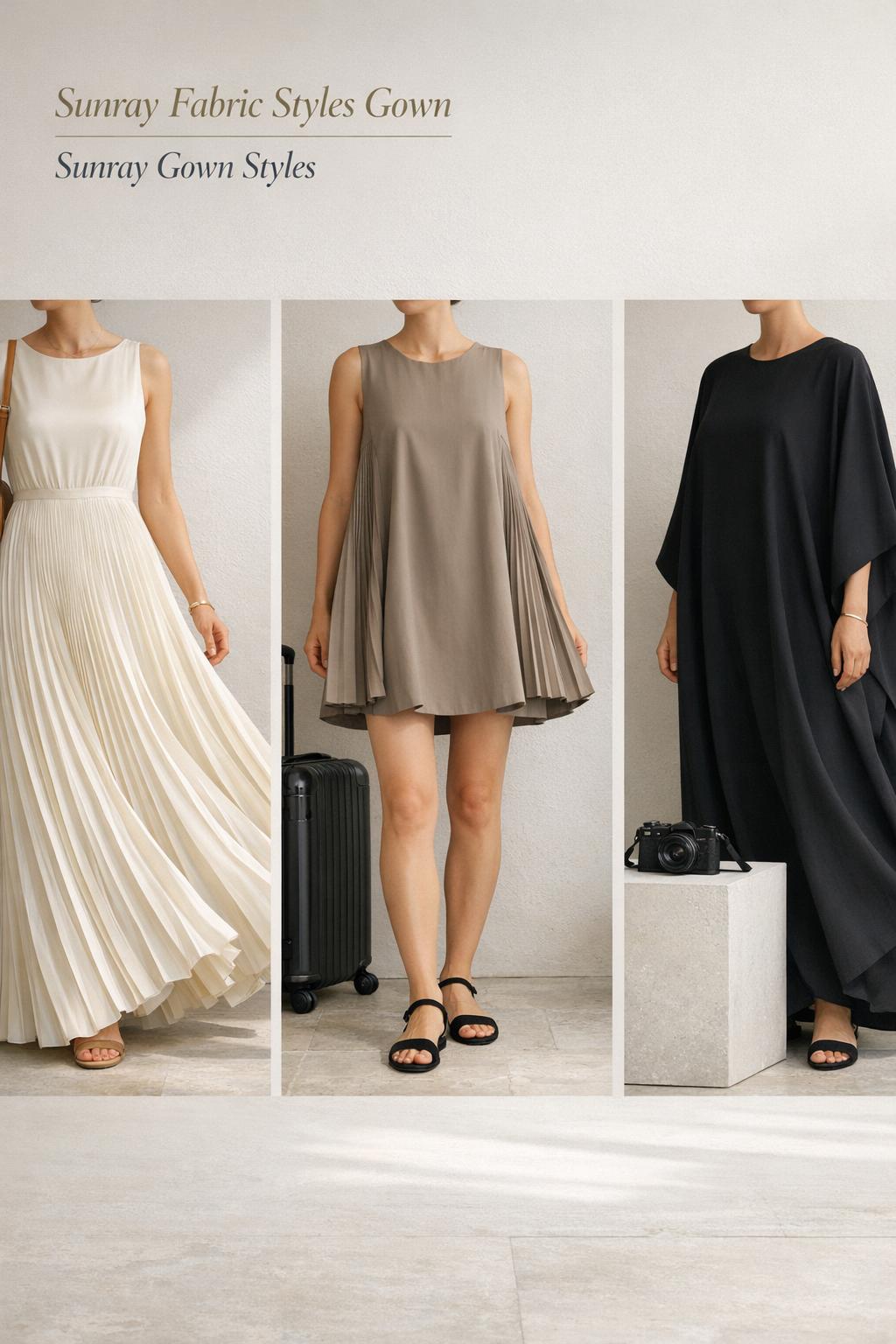
This comparison breaks down what each approach is doing—silhouette logic, movement, fabric behavior, and styling strategy—so you can choose the right direction for your body comfort, your event, and the look you want to project. You’ll also see how to mix elements (pleats + volume, or sunray texture + minimal accessories) without drifting into a costume effect.
Style overview: sunray gown styles (the pleat-led silhouette)
Sunray gown styles are defined by radiating micro-pleats—often starting tighter near a seam or waist area and visually “opening” as they fall. The key identity marker is not the hemline or sleeve; it’s the pleat geometry and the way it controls drape. Even when the cut is simple, the pleating does the design work, creating a built-in texture gradient that reads elevated with minimal styling.
Found the dress? Keep the rest in one place.
Zarellea brings guest details, vendors, timelines, and every next step together — so your wedding plan feels as good as your look.
In practice, sunray gown styles for women tend to look polished because pleats act like a structured surface: they keep the fabric from collapsing into wrinkles the same way a flat weave might. The silhouette can be straight, flared, or softly A-line, but the mood stays refined—movement-focused, light-reactive, and intentionally “finished.”
Color and print matter, but the pleats are the main visual anchor. Solid colors emphasize the texture and shadow lines; busier patterns can blur the pleat definition. The overall aesthetic is clean, rhythmic, and often formal-leaning, even when styled with relaxed accessories.
Style overview: pleated short gown styles (texture with everyday practicality)
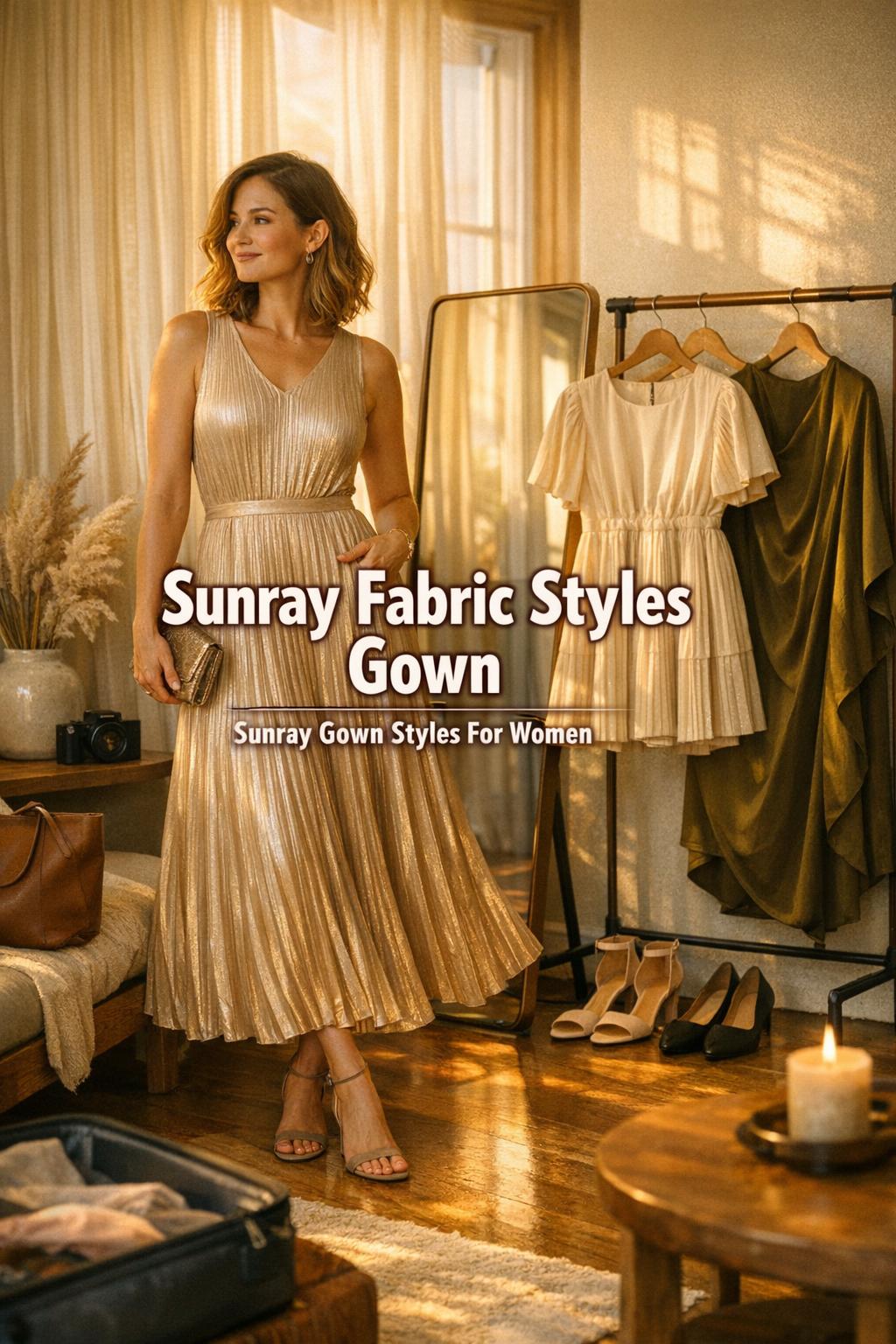
Pleated short gown styles use pleating as a design feature rather than the entire structure. The hemline is typically shorter, and the construction is often simpler, with pleats placed strategically—at the skirt, bodice, sleeves, or as panel details. The goal is wearable texture that still feels breezy and easy to move in.
Because the length is shorter, the outfit composition shifts: legs and footwear become a bigger part of the visual balance, and the pleats read more “playful” than “ceremonial.” These styles can look dressy, but they often land in the smart-casual to semi-formal range depending on fabric weight and finish.
This is also where materials gown style decisions become obvious. A pleated short gown in a crisp fabric holds a sharper line; in a softer fabric it becomes more relaxed, sometimes losing the pleat definition after long wear. The shorter the gown, the more you notice how the fabric behaves through sitting, walking, and heat.
Style overview: boubou styles for women (volume-first, comfort-first)
Boubou styles for women are defined by generous volume and fluid drape. Instead of relying on pleat geometry, the boubou relies on width, airflow, and a more continuous fall from shoulder to hem. The silhouette is intentionally roomy, often with minimal shaping, creating a strong presence that reads confident and effortless.
The aesthetic mood is relaxed luxury: the garment looks substantial because it uses fabric quantity and clean lines rather than surface texture. While a boubou can be highly formal depending on fabric and finishing, its signature is comfort over contour. It’s less about highlighting the body’s outline and more about creating a moving, elegant shape around it.
Because the boubou silhouette already provides drama, styling is usually about restraint—keeping accessories controlled so the garment remains the visual anchor. Where sunray pleats create drama through texture, boubou volume creates drama through proportion.
Key differences that matter in real wear
Silhouette engineering: structure vs volume
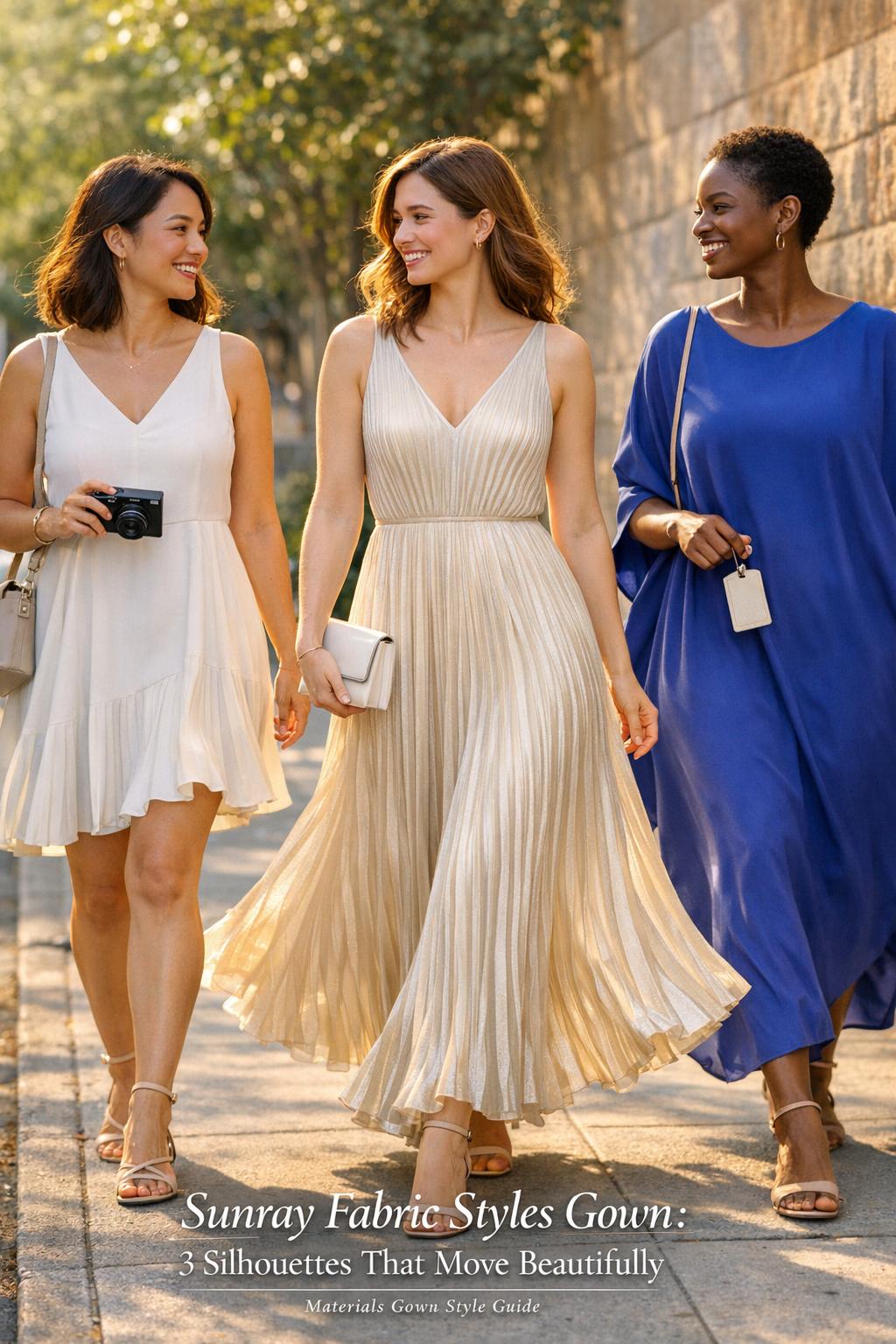
A sunray fabric styles gown is fundamentally a structure story: pleats provide built-in architecture, guiding how the fabric expands and contracts as you move. Pleated short gown styles borrow that idea but typically use pleats as accents, so the base silhouette may still be a straightforward shift, skater, or gently flared shape. Boubou styles, by contrast, are volume-first; the garment’s impact comes from width and drape rather than from engineered folds.
Movement and comfort: what happens after three hours
Sunray pleats move beautifully, but they can also introduce a sensory factor: the pleats may brush against the legs, and the garment can feel more “present” as it swishes. Pleated short gown styles often win on everyday comfort because there’s less fabric mass and fewer long panels to manage. Boubou styles for women are typically the comfort champion in heat and long events because airflow is built in—though the volume can feel cumbersome in tight spaces or crowded venues.
Formality signals: why these looks get read differently
Sunray gown styles tend to read polished and occasion-ready because the pleats look intentional even with minimal styling. Pleated short gown styles can look event-appropriate, but their shorter length often shifts the read toward day-to-night or semi-formal unless the fabric finish elevates it. Boubou styles can be formal, but the formality comes from fabric choice and finishing; the silhouette itself signals ease and authority rather than “dress code compliance.”
Materials gown style impact: pleat memory and drape control
Materials gown style choices change everything here. Sunray pleats rely on consistent fold definition—if the fabric cannot hold pleat memory, the whole identity softens. Pleated short gown styles can tolerate looser pleats because they are not always the main feature; the garment still works if pleats relax slightly. Boubou styles for women are the least dependent on pleat memory, but they are highly dependent on drape quality: fabric that collapses or clings can undercut the intended fluid silhouette.
Visual style breakdown: how each look reads from a distance
Texture vs surface: where the eye lands first
With sunray gown styles, the eye lands on the vertical ripple of pleats and the way light creates alternating highlights and shadows. That “shimmer without sparkle” effect is why these gowns can look elevated even in understated colors. Pleated short gown styles concentrate that texture into a smaller area, so the eye travels quickly from pleats to legs, shoes, and accessories. With boubou styles for women, the eye reads the outline first: a broad, confident shape that moves as one continuous form.
Proportion play: what balances the outfit
Sunray pleats already supply complexity, so proportion balance usually comes from keeping the upper body clean—controlled sleeves, simple necklines, and minimal layering. Pleated short gown styles often need a deliberate visual anchor at the bottom (footwear) or top (a structured bag) because the silhouette is compact and can feel “unfinished” if everything is equally light. Boubou silhouettes create their own proportion statement; balance comes from narrowing somewhere else—sleeker footwear, smaller accessories, or a defined neckline.
Layering logic: what you can realistically add
Layering over a sunray fabric styles gown is tricky because heavy layers can crush pleats and interrupt the pleat lines. When layering works, it’s usually minimal and short—something that preserves the vertical rhythm. Pleated short gown styles are more forgiving; you can add a light top layer without losing the entire effect because pleats are often localized. Boubou styles for women typically don’t need layering for impact, but if you add anything, it should respect the garment’s width rather than fight it with tight, restrictive pieces.
Practical comparison: what stylists look for before recommending one
Choosing between sunray gown styles, pleated short gown styles, and boubou styles for women is rarely just about “what’s trending.” In a practical wardrobe, the decision often comes down to how the gown performs across sitting, walking, heat, and styling repetition. A piece that looks amazing for a photo but feels high-maintenance after an hour won’t become a go-to.
- If you want repeat wear with different accessories: sunray gown styles often deliver because the texture already looks styled; small changes in shoes or jewelry can shift the mood.
- If you need an easy day-to-night piece: pleated short gown styles tend to adapt quickly, especially when you change footwear and bag structure.
- If you prioritize comfort and coverage: boubou styles for women typically win, especially in warm weather or long events where movement and airflow matter.
Also consider space and logistics. A boubou silhouette can be the best option in a heat-heavy environment, but it may feel oversized in a small restaurant or a crowded gathering. A sunray-pleated gown can feel light and elegant, but it may require more mindful sitting and storage to keep pleats looking crisp.
Outfit examples: the same occasion, three different style strategies
Example comparison: daytime event with walking and photos
Sunray gown styles: The outfit works best when the pleats are the hero—minimal accessories, clean lines, and footwear that doesn’t compete. The styling logic is to preserve the vertical pleat rhythm so the gown reads tall and fluid in photos, especially while walking.
Pleated short gown styles: Here, the styling strategy shifts to proportion play. Because the hemline is shorter, footwear becomes a key visual anchor. The pleats act as texture rather than the whole story, so a structured accessory can prevent the look from feeling too casual.
Boubou styles for women: The best approach is controlled accessories and deliberate footwear. The boubou already creates presence through volume; adding too many statement elements can make the outfit feel visually loud. A cleaner accessory palette keeps the silhouette authoritative and intentional in photos.
Example comparison: long evening function where you’ll sit often
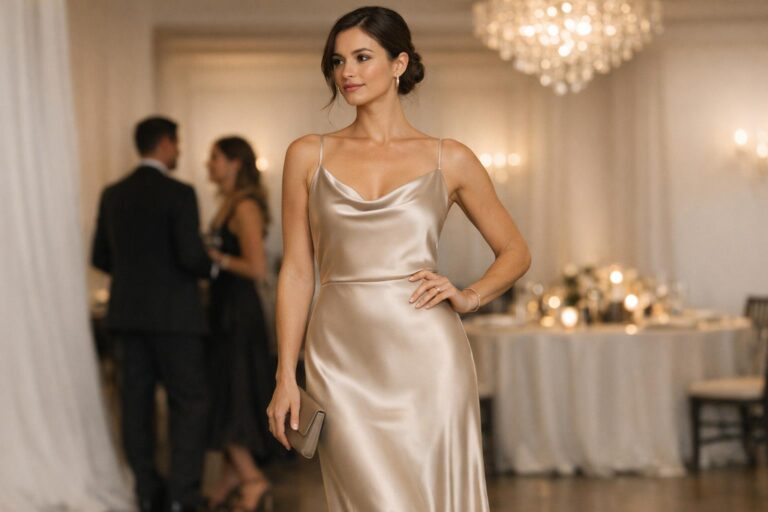
Sunray fabric styles gown: This can look exceptionally refined under evening lighting because pleats catch highlights. The practical consideration is comfort while seated: pleats can compress at the lap, so the best styling keeps the upper body streamlined and avoids extra bulk that could bunch.
Pleated short gown styles: Sitting comfort is usually easier, and the overall look can skew youthful and modern. The trade-off is formality: if the event expects a more traditional gown presence, you may need stronger accessories or a more elevated materials gown style choice to match the room’s tone.
Boubou styles for women: This is often the comfort-forward winner for long events because the silhouette doesn’t restrict. The styling logic is to refine the neckline and keep finishing tidy, because the boubou’s ease can look too casual if the fabric or details read overly relaxed.
Example comparison: travel-friendly packing and quick styling
Sunray gown styles for women: Packing is the make-or-break factor. If the pleats hold their shape, it’s a strong travel option because the gown can look “already styled” when unpacked. If pleats crush easily, it becomes a high-effort choice that needs careful handling.
Pleated short gown styles: Generally the most travel-friendly because it uses less fabric and is easier to fold. Even if pleats relax slightly, the shorter silhouette can still look intentional, especially if the pleats are not the only design detail.
Boubou styles for women: Travel comfort can be excellent, but volume is the challenge—both in luggage space and in managing fabric in transit. The best versions feel effortless on arrival, but they demand smarter packing to avoid creating a bulky suitcase situation.
Where confusion happens: overlapping features that blur the categories
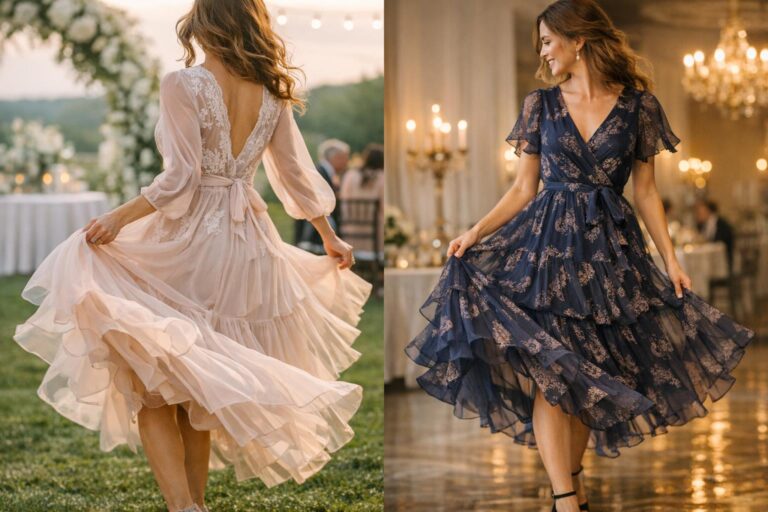
These styles get confused because they share a few visual signals: loose movement, drape, and the idea of “effortless elegance.” A pleated short gown can mimic the motion of a sunray fabric styles gown at a glance. A boubou in a fabric with natural texture can read like a pleated garment from a distance. And a sunray-pleated silhouette cut wide can momentarily resemble boubou volume.
The difference is still the underlying construction logic. Sunray pleats are a system—texture and structure are inseparable. Pleated short gown styles are a blend—texture is a feature inside a more basic silhouette. Boubou styles for women are proportion-led—volume is the design, and surface detail is optional.
Tips: choosing the right option by fabric behavior, not just photos
Photos flatten reality. In real wear, the winner is usually the gown that maintains its intended shape after movement, heat, and sitting. Before committing, think like a stylist evaluating garment performance, not just aesthetics.
- Check the “return to shape” factor: gently scrunch a small area (if possible) and see if it rebounds. Sunray pleats need strong recovery to look crisp.
- Match silhouette to your day: if you’ll be moving through tight spaces, a boubou’s volume may feel impractical; if you’ll be photographed while walking, sunray pleats can be striking.
- Use accessories to clarify the style: minimal accessories amplify sunray texture; structured accessories help pleated short gown styles read more intentional; refined, controlled accessories keep boubou volume looking elevated.
One more reality check: comfort is part of style. A gown that forces constant adjusting (pulling, smoothing, rearranging) drains confidence. The best choice is the one you can forget about while wearing—because the outfit composition is doing the work for you.
Common styling mistakes that undermine pleats and volume
Over-accessorizing a texture-led gown
Sunray gown styles already provide complexity through micro-pleats. When you add competing statement elements, the outfit loses hierarchy—there’s no clear focal point. The fix is simple: choose one visual anchor. If the gown is the anchor, keep everything else quieter and more streamlined.
Ignoring hemline balance in pleated short gown styles
Pleated short gown styles can look abruptly cut off if the styling doesn’t account for leg-to-shoe continuity. If the dress is light and pleated, pairing it with equally light, visually busy accessories can make the outfit feel scattered. A more stable visual anchor—clean footwear and a structured bag—usually restores balance.
Letting boubou volume become shapeless
Boubou styles for women are meant to be roomy, but “roomy” isn’t the same as “unconsidered.” When the neckline, sleeve opening, or finishing is too loose, the silhouette can lose its intentionality. The most successful boubou looks maintain at least one area of control—often at the neckline or sleeve edge—so the garment reads designed, not accidental.
When to choose each style (based on real wardrobe use)
In a functional closet, the best gown isn’t only the most eye-catching—it’s the one that matches your most common occasions and your tolerance for garment management. Think about your calendar, your climate, and how long you typically wear occasion pieces in one stretch.
Choose sunray gown styles when you want polished movement
Sunray gown styles for women work best when you want the outfit to look elevated without heavy embellishment. They are especially effective for occasions where you’ll be standing, walking, and photographed from multiple angles, because the pleats create dynamic texture that reads “designed” from near and far.
Choose pleated short gown styles when you need versatility
Pleated short gown styles are the practical bridge between everyday dressing and event dressing. They suit schedules where you may go from daytime plans to an evening stop without changing completely. The shorter silhouette can also be a comfort win if you dislike managing long hems.
Choose boubou styles for women when comfort and presence are the priority
Boubou styles for women shine when the day is long, the environment is warm, or you want coverage without sacrificing style presence. The silhouette projects ease and confidence, and it can look highly intentional when the fabric drapes cleanly and accessories are chosen with restraint.
How to combine the aesthetics without losing the point of each
Mixing elements is possible, but the cleanest results come from choosing a “lead concept” and letting the other concept support it. If you try to make pleats, volume, short length, and heavy accessorizing all lead at once, the outfit composition becomes noisy.
- Sunray-led with boubou influence: keep the pleats as the hero, but allow slightly more width for ease; keep accessories minimal so the pleats still read clearly.
- Boubou-led with pleat influence: let the silhouette stay wide and fluid, using pleated panels as a controlled detail rather than covering the entire garment in pleats.
- Short gown-led with sunray detail: use pleats where they enhance movement (skirt or sleeve) while keeping the overall shape clean and easy.
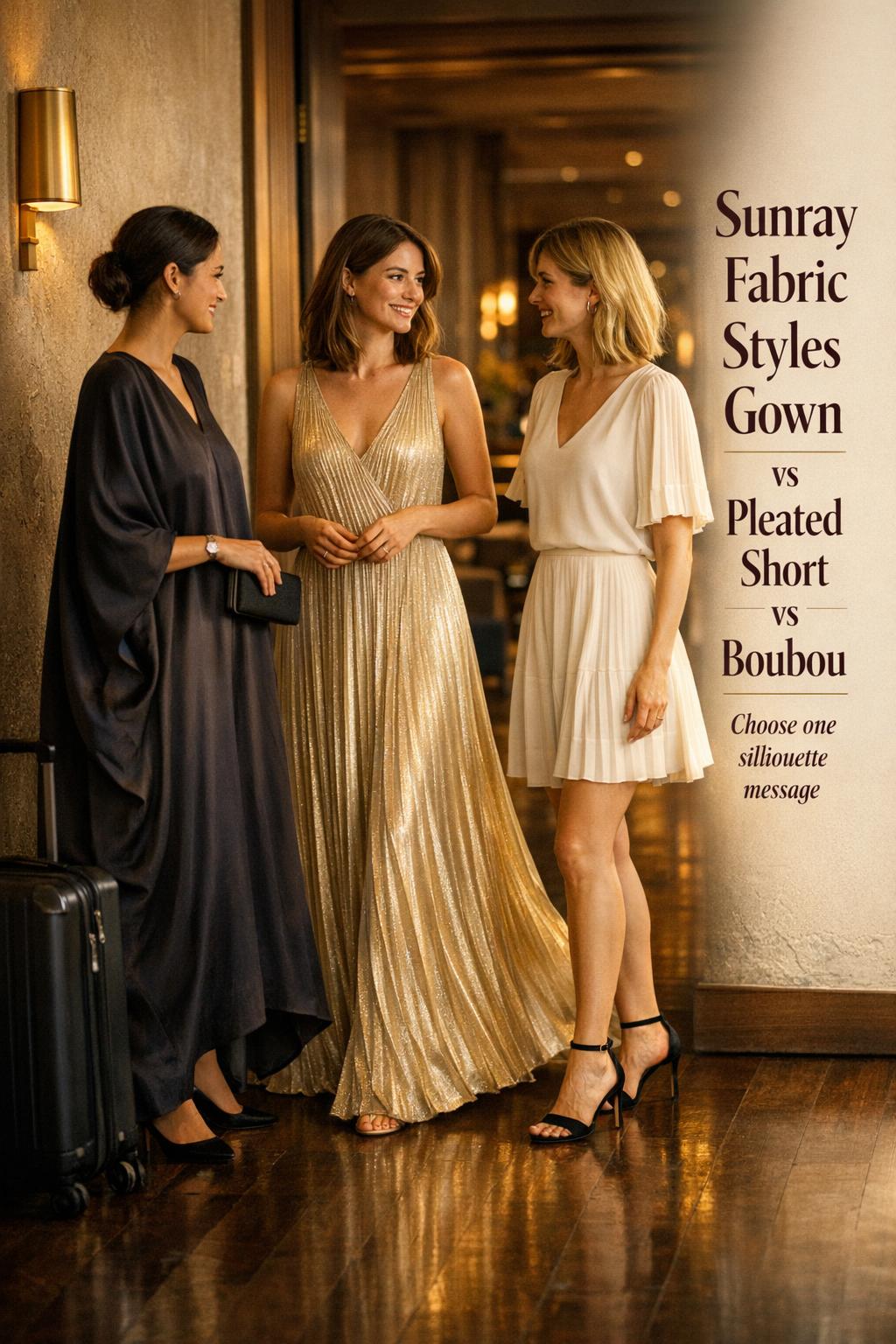
The most reliable rule: one dominant visual message per outfit. Sunray is “texture rhythm,” boubou is “volume authority,” and pleated short is “light versatility.” Pick one message, then style accordingly.
Conclusion: identifying the right gown by what drives the silhouette
The core distinction is what powers the design. A sunray fabric styles gown is powered by pleat engineering and light-reactive texture. Pleated short gown styles are powered by practicality and proportion, using pleats as a feature rather than a full system. Boubou styles for women are powered by volume and drape, creating presence through fabric generosity and comfort.
Once you train your eye to identify the “driver,” these styles stop blending together. You can also combine elements more intelligently—keeping one clear visual anchor while borrowing supportive details from the others. The result is a wardrobe that looks intentional in photos and feels realistic in motion.
FAQ
What makes a sunray fabric styles gown different from a regular pleated gown?
A sunray fabric styles gown is defined by a radiating, fine-pleat structure that creates a consistent ripple effect and controlled expansion with movement, while many regular pleated gowns use broader or more uniform pleats as a simpler texture detail rather than the main structural identity.
Are sunray gown styles for women always formal?
They often read more polished because the pleat texture looks intentional and finished, but formality still depends on overall silhouette, fabric finish, and styling choices like footwear and accessories.
How do pleated short gown styles change the overall look compared to long sunray gowns?
The shorter length shifts attention to legs, shoes, and proportion, making the outfit feel more day-to-night and less ceremony-driven; pleats become an accent rather than a full-length visual rhythm.
Why do boubou styles for women sometimes look “too big” even when they fit?
Boubou silhouettes are designed around volume, so if finishing details like the neckline or sleeve openings lack definition, the garment can lose intentional structure and read shapeless rather than elegantly roomy.
What materials gown style factors matter most for pleats?
Pleat definition depends on how well a fabric maintains fold memory and rebounds after sitting or movement; if the material relaxes easily, the pleats can soften and the overall look becomes less crisp over time.
Can I wear a sunray-pleated gown if I want minimal accessories?
Yes—sunray pleats are naturally texture-forward, so minimal accessories often look best because they keep the pleat rhythm as the main visual anchor.
Which style is best if I’ll be sitting for long periods at an event?
Boubou styles for women are typically the easiest for long seated events due to airflow and non-restrictive volume, while pleated short gown styles can also be comfortable; a sunray-pleated gown can work well but may require more mindful management to keep pleats looking smooth after extended sitting.
How can I keep pleated gowns from looking visually “busy”?
Keep one dominant focal point by letting the pleats lead and reducing competing elements—clean footwear, restrained jewelry, and a simple bag help maintain a clear outfit hierarchy.