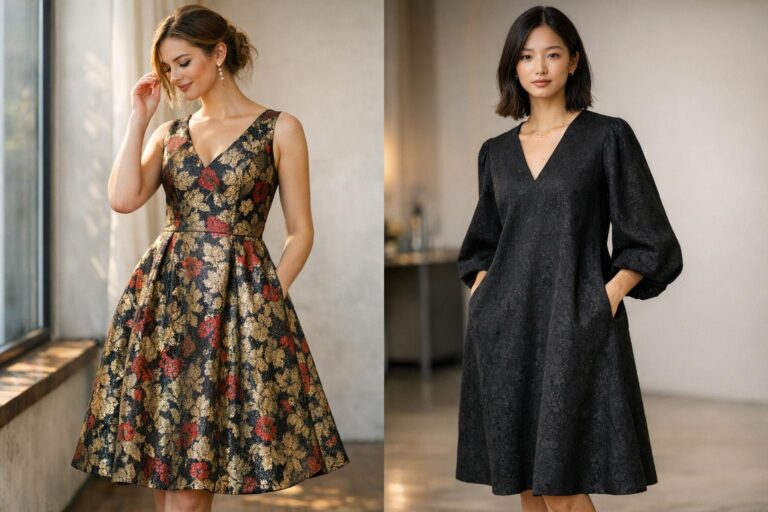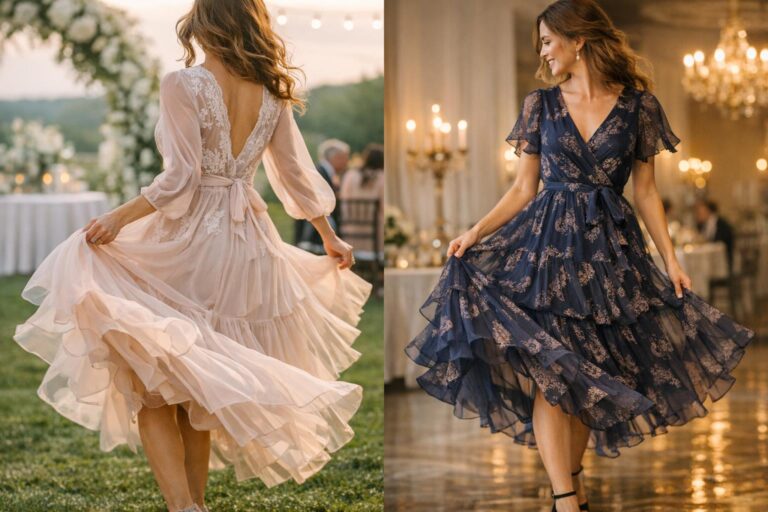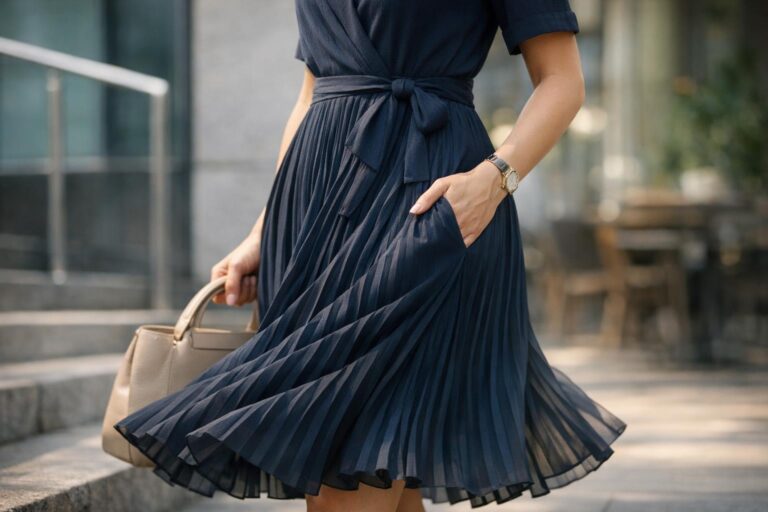
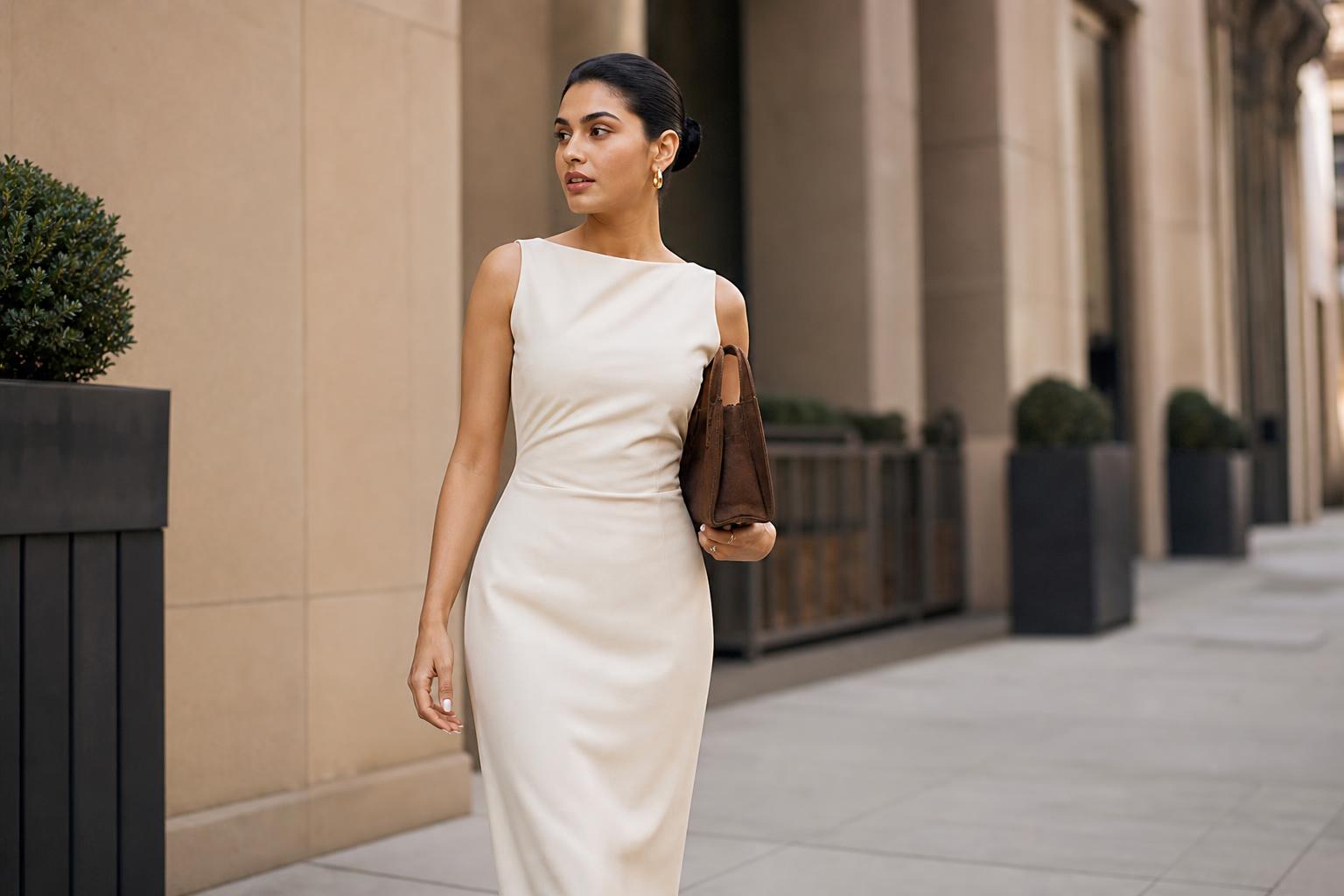
Why Plain Fabric Dress Designs Feel Modern and Refined
A plain dress rarely reads as simple once fabric, cut, and proportion enter the conversation. That is why plain fabric dress designs continue to hold attention across everyday wardrobes and occasion dressing alike. Without print to dominate the visual field, every design decision becomes more visible: neckline depth, sleeve volume, hem length, waist definition, drape, and the way the fabric falls in motion. The result is a category that looks quiet on the surface yet offers substantial range for styling, silhouette control, and personal expression.
The appeal also lies in versatility. A plain fabric dress can shift from minimal daytime wear to event-ready styling through accessories, layering, and footwear alone. In practical terms, this makes plain designs useful for readers who want pieces that photograph well, travel easily, and adapt to changing settings without feeling overworked. In editorial terms, plain dresses create a clean canvas, allowing texture contrast, tonal layering, and statement details to take the lead.
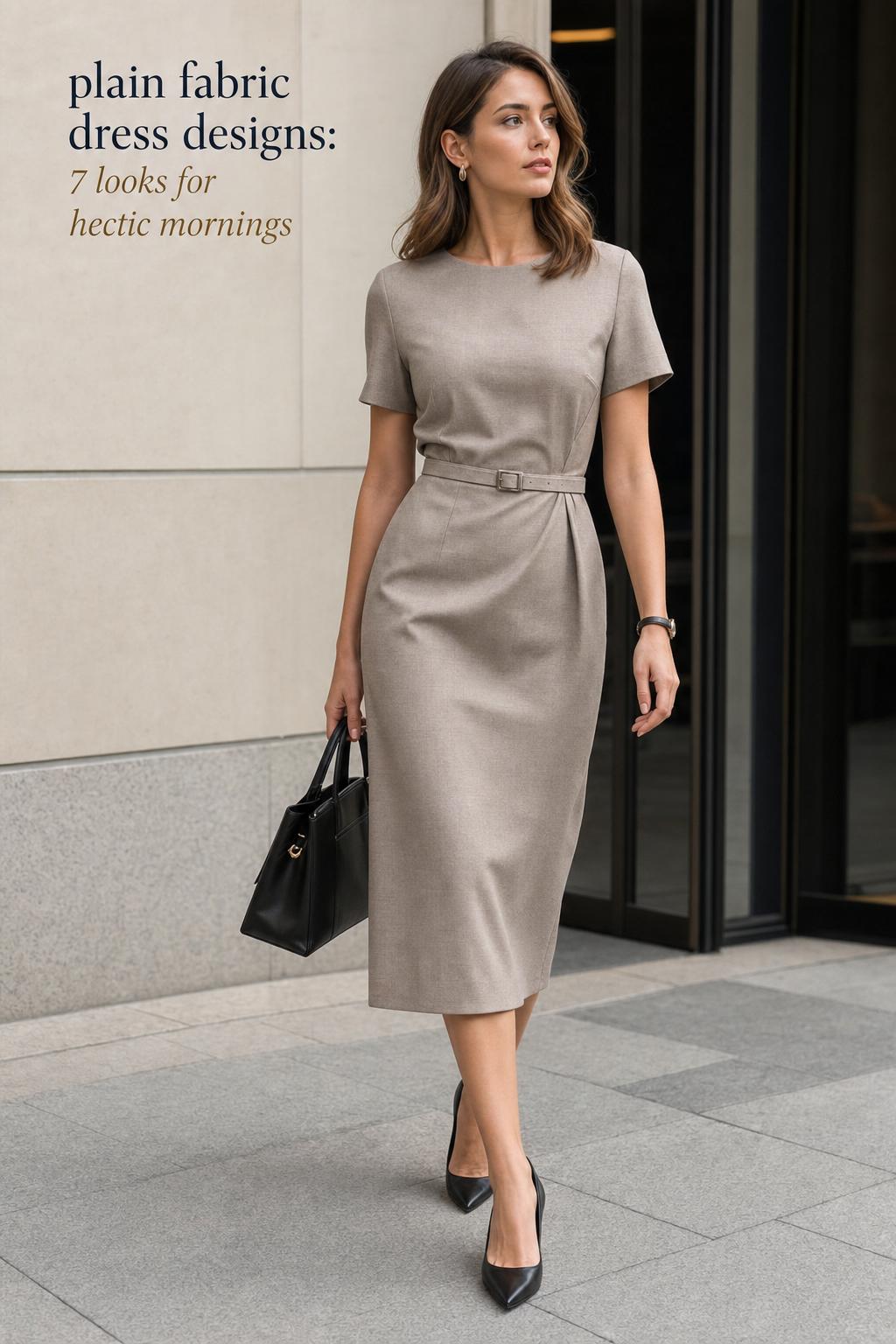
What matters most is not the absence of pattern but the precision of the design. The strongest plain fabric dress designs use restraint strategically. They rely on shape, finish, and balance rather than decoration. That approach can look modern, polished, soft, dramatic, or understated depending on the fabric weight and the construction choices behind it.
Why plain fabric dress designs remain visually strong
Plain designs work because they make silhouette the visual anchor. In a printed dress, the eye often moves first to color placement or motif scale. In a plain dress, the eye reads line, volume, and proportion immediately. This is why even a very simple dress can feel elevated if the shoulder shape is clean, the waist placement is accurate, and the hemline supports the overall proportion.
Found the dress? Keep the rest in one place.
Zarellea brings guest details, vendors, timelines, and every next step together — so your wedding plan feels as good as your look.
Fabric behavior also becomes more important. Crisp fabric creates architectural shape. Softer fabric emphasizes movement and fluidity. Mid-weight fabric usually offers the broadest styling flexibility because it can hold structure without looking rigid. In plain designs, these differences are easy to see, which is why fabric choice is not a background detail but a core part of the design itself.
There is also a practical styling advantage. Plain dresses support more accessory variation than heavily decorated alternatives. Shoes, belts, jewelry, outerwear, and bags can redefine the tone of the outfit with less visual conflict. That flexibility is especially useful in a U.S. wardrobe context, where one piece often needs to work across office settings, dinners, casual gatherings, travel, and seasonal transitions.
The design elements that do the heavy lifting
- Necklines create direction, whether sharp, soft, modest, or elongating.
- Sleeves influence balance, especially when the skirt shape is fitted or full.
- Waist placement determines whether the dress feels relaxed, tailored, or romantic.
- Hem length affects practicality, movement, and occasion-readiness.
- Fabric texture adds depth when color and print are intentionally restrained.
Reading silhouette before color
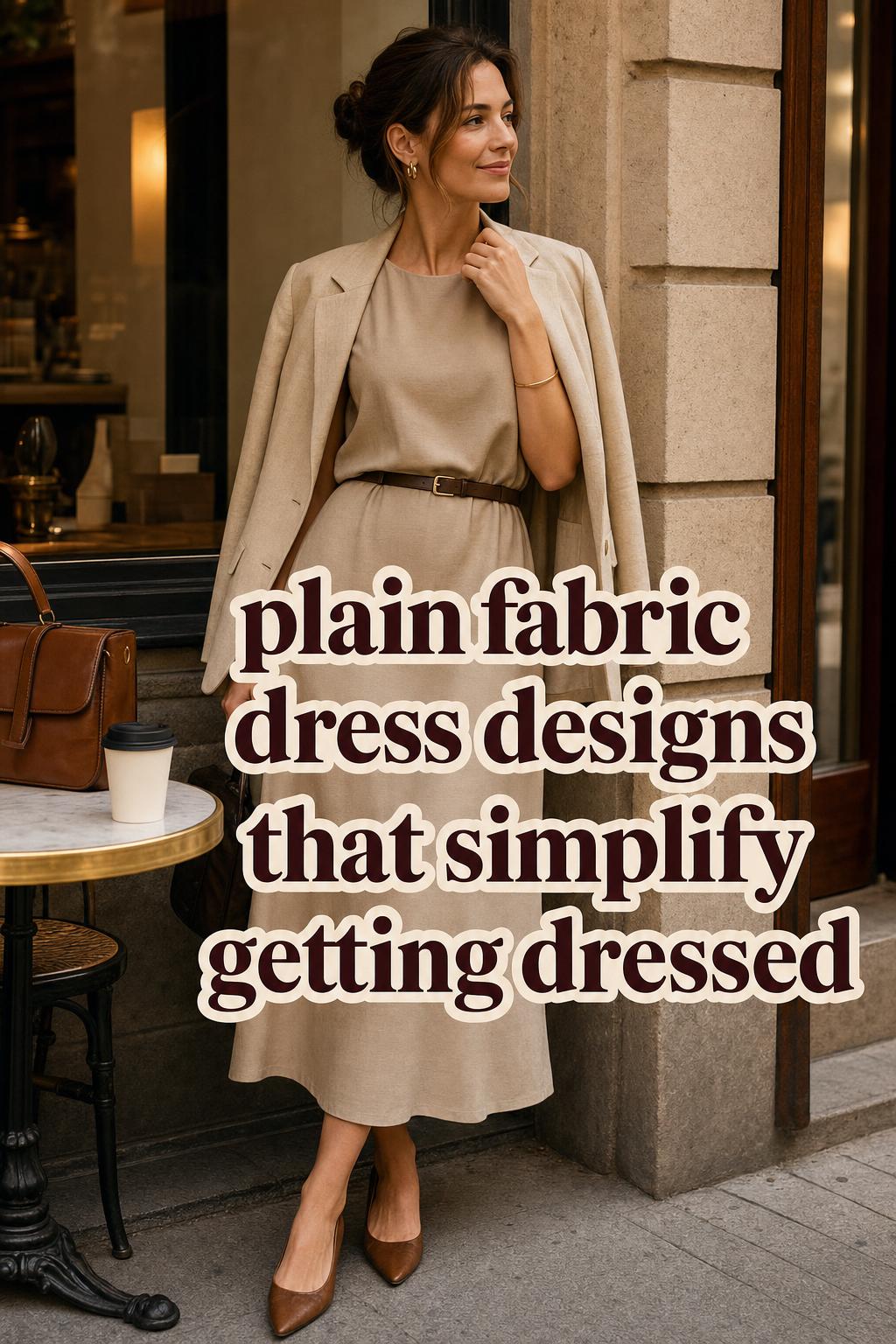
One of the clearest ways to evaluate plain fabric dress designs is to ignore color at first and study shape. This editorial approach prevents surface preference from overshadowing fit logic. A flattering dress is not defined by trend alone. It is defined by whether the design distributes volume in a way that feels balanced on the body and suitable for the setting.
Straight silhouettes offer ease and modern minimalism. They tend to work best when the fabric has enough body to avoid clinging and enough length to feel intentional rather than basic. Fit-and-flare shapes create a classic proportion because they highlight the waist and release volume through the skirt. Column dresses bring a cleaner, more elongated line, especially effective when paired with understated accessories. A-line dresses sit between structure and ease, making them one of the most wearable choices in plain dress design.
The key is proportion play. A fuller sleeve often benefits from a cleaner skirt. A high neckline can be balanced by bare arms or a more fluid hem. A body-skimming silhouette often looks more refined in plain fabric when the seams are precise and the fabric is smooth enough to maintain line without showing every movement.
How to judge balance quickly
Look at where the dress creates width, where it creates length, and where it creates movement. If all three happen in the same area, the design can feel visually heavy. If one element anchors the look while the others stay quiet, the composition usually feels more resolved. This is why many strong plain dresses rely on one dominant feature rather than several competing ones.
Fabric texture is the decoration
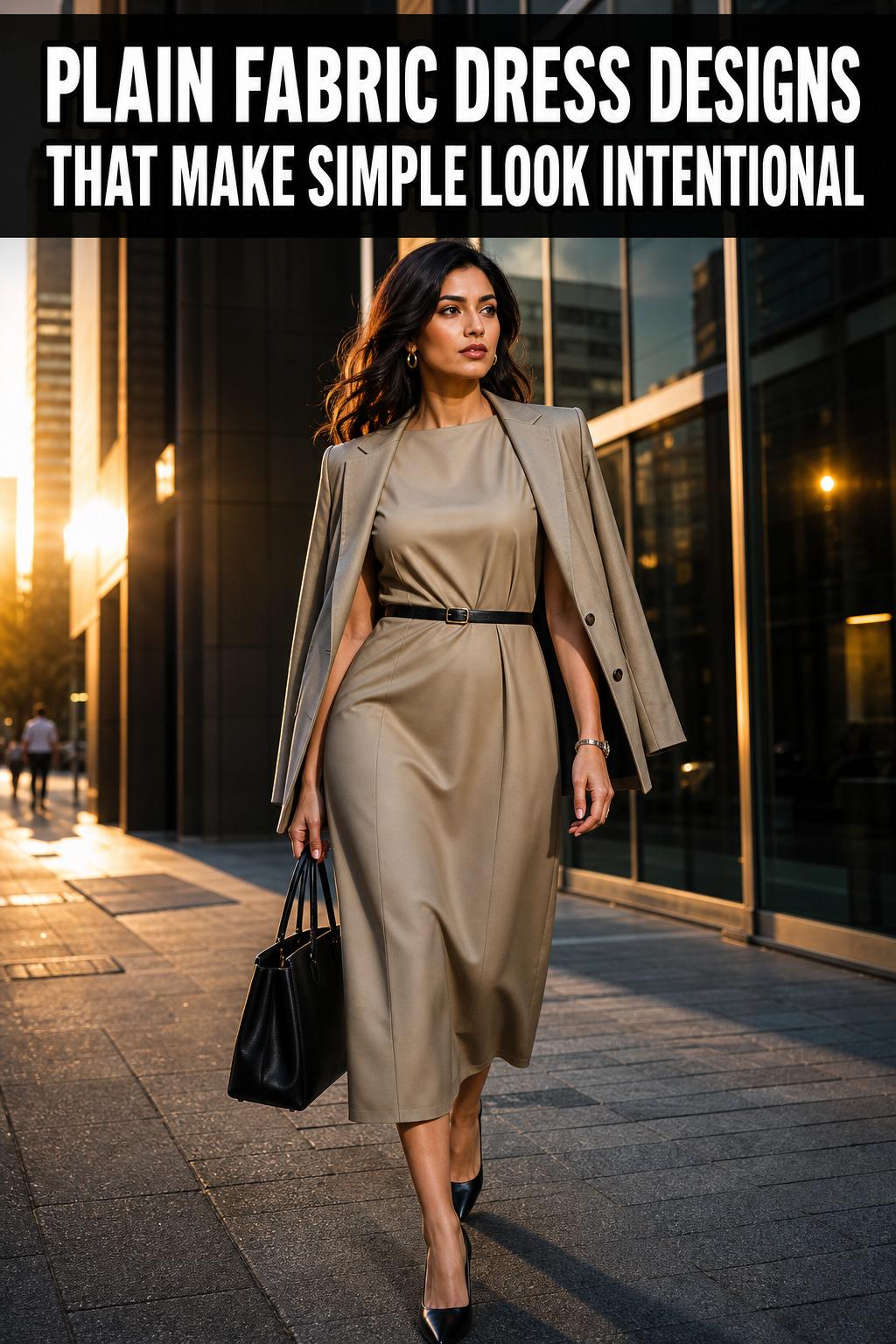
In plain fabric dress designs, texture often replaces print as the source of visual interest. This can be subtle, but it changes everything. A matte surface reads restrained and modern. A lightly lustrous finish feels more polished and event-appropriate. A crisp hand gives a dress shape and presence. A fluid hand introduces softness and motion.
This matters because a plain dress without textural dimension can appear flat, particularly in neutral shades. Texture solves that issue without disrupting the clean look. It also improves outfit composition when accessories are minimal. Instead of relying on embellishment, the dress itself holds attention through surface quality and movement.
A useful styling principle is to pair smooth dresses with textured accessories and textured dresses with cleaner accessories. That contrast prevents the outfit from feeling visually one-note. It also keeps the plain dress at the center of the look rather than allowing the add-ons to overwhelm it.
Tip: use texture to adjust formality
If the design is very minimal, the easiest way to make it feel more refined is through fabric finish. Even a straightforward cut looks more dressed when the surface has depth and the garment holds its line. For casual wear, a softer and more relaxed texture usually feels more approachable and easier to style repeatedly.
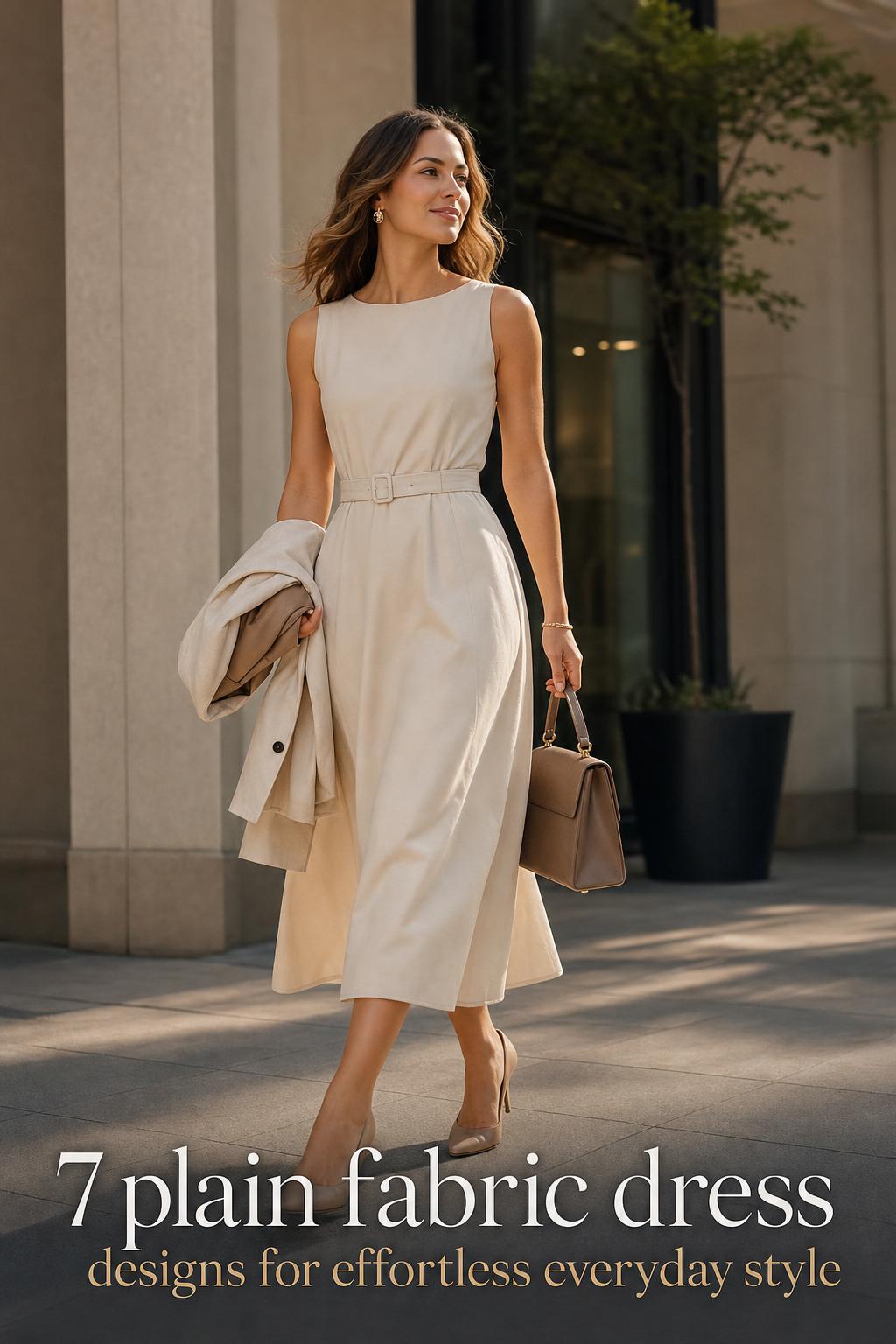
Color strategy in a plain dress wardrobe
Because plain fabric dress designs do not use print to create variation, color carries more strategic weight. Neutrals tend to emphasize shape and versatility. Deep shades can make simple designs look more formal. Soft tones create delicacy, particularly when paired with fluid lines. The strongest choice depends less on trend and more on the role the dress needs to play in the wardrobe.
A neutral plain dress often functions as a repeat piece because it allows broader accessory rotation. This is especially helpful for travel, workwear, or event dressing where one dress may need to look different across multiple wears. A saturated color, by contrast, turns a minimalist silhouette into more of a statement piece while still preserving the clean effect of a plain design.
Tonal layering is particularly effective with plain dresses. Wearing similar shades across shoes, outerwear, and bags creates continuity and lengthens the line. High-contrast styling can also work, but it shifts attention away from the dress and toward the full outfit composition. Neither is wrong. The decision depends on whether the dress or the styling should be the visual lead.
Color choices that change the mood
- Light shades highlight softness, volume, and romantic lines.
- Mid-tone neutrals support everyday versatility and easy layering.
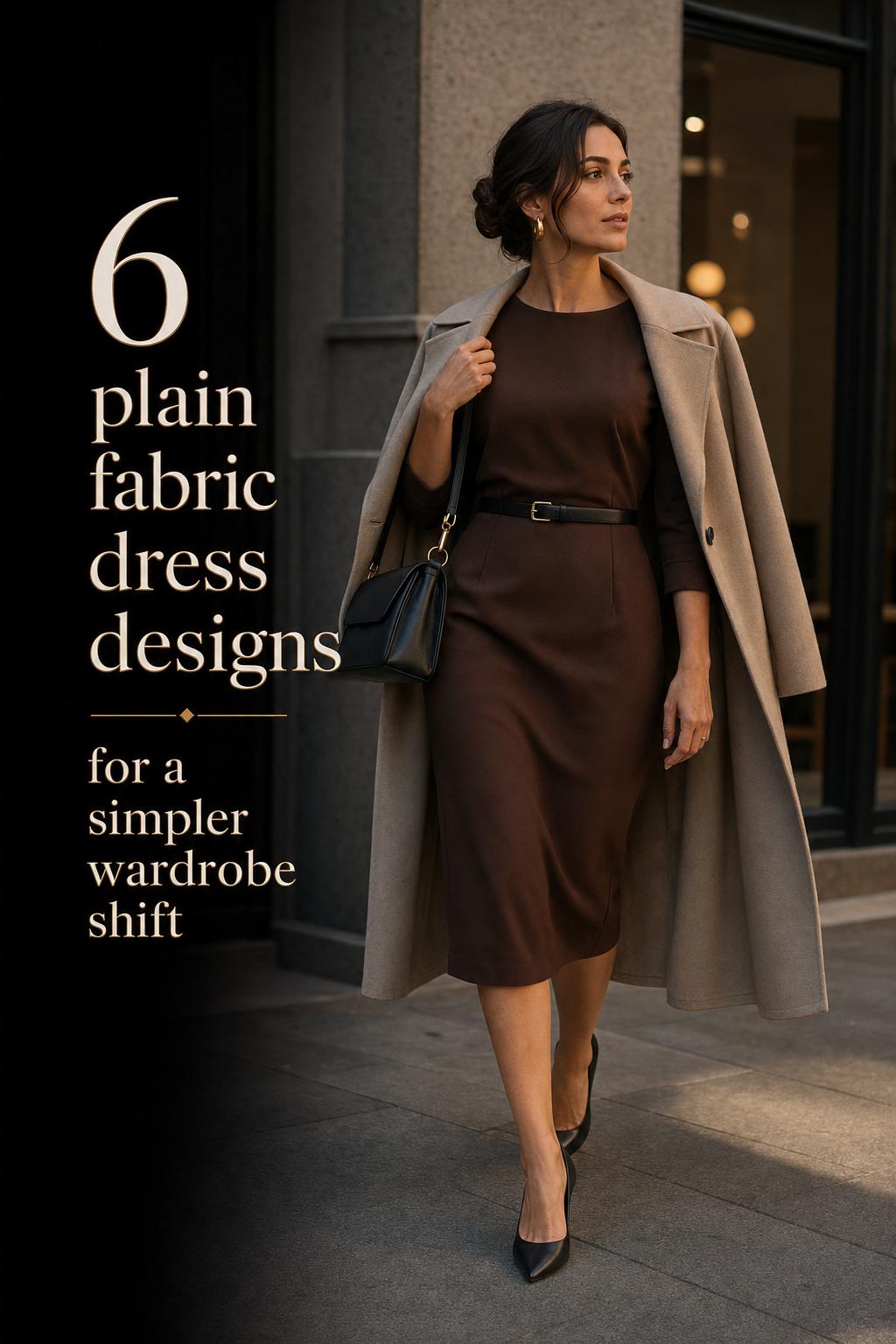
- Dark solid shades sharpen the silhouette and feel more formal.
- Single-color dressing from head to toe creates a longer visual line.
Minimal design does not mean limited styling
One of the most common misunderstandings around plain fabric dress designs is that they offer less styling range. In practice, the opposite is often true. A plain dress allows more reinterpretation because it does not prescribe a fixed mood. The same garment can read polished with sharp accessories, relaxed with flat shoes and a soft bag, or evening-ready with stronger contrast and cleaner lines.
Belts can shift the silhouette quickly by adding structure or redefining waist placement. Jackets introduce proportion contrast, especially when a dress has a fluid or uninterrupted line. Jewelry acts as a focal point when the dress itself is intentionally pared back. Footwear sets the level of formality more than many readers expect. Even the same plain midi dress can move from daytime to dinner depending on whether it is paired with flat sandals, sleek boots, or heeled shoes.
This is where visual discipline matters. Because the dress is plain, every added element becomes more noticeable. A strong styling result usually comes from selecting one clear direction and maintaining consistency. If the dress is clean and structured, refined accessories tend to support it best. If the dress is soft and fluid, looser styling often feels more natural.
Tip: pick one visual anchor
With plain dresses, one detail should lead the outfit. That might be the dress shape, a belt, sculptural jewelry, strong shoes, or a tailored outer layer. When too many elements compete, the clean strength of the plain design gets diluted. A single anchor keeps the look editorial and coherent.
Where plain fabric dress designs work best
The broad usefulness of this category is part of its staying power. Plain dresses function well in spaces where flexibility matters: office days, city weekends, travel wardrobes, low-key gatherings, dinners, daytime events, and transitional seasons. Their value comes from their ability to be styled up or down without requiring a complete wardrobe change.
For work settings, cleaner silhouettes and stable fabrics generally perform best because they maintain polish through long hours. For casual wear, relaxed lines and easy movement matter more. For events, the success of a plain dress often depends on fabric quality, fit precision, and styling restraint. Without heavy decoration to signal formality, the garment has to carry itself through shape and finish.
In warm-weather contexts, plain dresses can feel especially effective because the lack of print keeps the look breathable and visually light. In cooler conditions, they become strong layering foundations under jackets, knits, and coats. This seasonless adaptability is one reason they remain practical even as trends shift around them.
A location-based styling lens
In urban settings, structured plain fabric dress designs often feel sharper because clean lines echo the environment and support polished layering. In vacation or resort contexts, softer drape and lighter visual weight usually make more sense. The same principle applies to social settings. A plain dress for a long seated dinner benefits from comfort and ease at the waist, while a dress for a standing event needs line and movement that remain elegant in motion.
The difference between simple and unfinished
Not every plain dress looks intentional. The distinction between simple and unfinished usually comes down to construction and detail control. Strong plain fabric dress designs tend to have at least one clearly resolved feature: a thoughtful neckline, a clean shoulder, an exact waist seam, a controlled sleeve, or a hemline that feels deliberate. Without that kind of design clarity, the dress can drift into generic territory.
Fit is equally important. A plain dress reveals pulling, excess fabric, and awkward length more quickly than a printed style does. This does not mean the dress must be tight or heavily tailored. It means the cut should align with its purpose. A relaxed dress should still hang cleanly. A fitted dress should still allow movement. A midi length should end in a spot that supports the body’s proportions rather than interrupting them.
Readers often get better results by choosing a simpler dress with excellent line over a trend-driven design with several weak elements. Restraint only looks elevated when the fundamentals are strong.
Common issues that weaken the look
- A fabric that is too thin for the chosen silhouette.
- A hemline that lands at an awkward point on the leg.
- Too many added details fighting against the minimalist concept.
- Accessories that do not match the dress’s level of structure.
- A color that drains the design rather than enhancing its line.
How stylists approach plain dresses with more precision
A stylist’s approach to plain fabric dress designs typically begins with function. Where will the dress be worn, for how long, in what weather, and with what amount of movement? These questions matter because plain dresses rely less on novelty and more on execution. A beautiful silhouette that becomes restrictive after an hour is less successful than a slightly simpler design that maintains line and comfort throughout the day.
Next comes proportion. Stylists often assess the relationship between the dress and the accessories before selecting final details. For example, a strong shoulder may call for cleaner hair, simpler jewelry, or more minimal shoes. A very fluid dress may need a sharper bag or belt to avoid visual drift. This is not about adding more. It is about supporting the dress so the outfit feels finished.
Finally, there is context. A plain dress for an all-day event should account for sitting, walking, temperature shifts, and the possibility of restyling from day to evening. In those situations, understated designs often outperform more complicated ones because they can absorb styling changes without losing identity.
Tip: movement is part of the design
Always evaluate a plain dress standing and moving. Since there is no print to distract the eye, the way the fabric swings, folds, and settles becomes part of its visual impact. A dress that looks balanced when still but awkward in motion will rarely feel fully convincing in real life.
Seasonal shifts and the plain dress formula
Plain fabric dress designs adapt well to seasonal change because they can be recontextualized without altering the core garment. In warmer months, the focus tends to move toward breathability, ease, and lighter visual weight. In cooler months, the same dress may be styled through layering, denser textures, and stronger accessory contrast. This gives the plain dress unusual longevity within a wardrobe.
The seasonal palette matters too. Soft and airy tones often feel more aligned with lighter weather, while deeper shades and richer neutrals naturally integrate with coats, boots, and heavier layers. That said, the dress itself does not need to follow a strict seasonal rule. It simply needs to harmonize with the supporting pieces around it.
Texture contrast is especially useful here. A smooth dress under a structured outer layer creates definition. A heavier plain dress can be softened with lighter accessories or more delicate jewelry. These shifts keep the same design relevant across different months without requiring major reinvention.
Seasonal practicality checklist
- Make sure the fabric weight matches the climate and indoor temperature.
- Check whether the sleeve design works with outerwear.
- Consider hem length in relation to footwear and weather.
- Use layering pieces that reinforce, not interrupt, the dress line.
Styling logic for daytime, evening, and in-between
The strength of plain fabric dress designs becomes most obvious when a single dress needs to cover multiple moments. Daytime styling generally benefits from softer contrast and practical shoes. Evening styling usually requires more definition, either through jewelry, a sharper silhouette, or a more polished finish. Transitional dressing sits between those points and often relies on one strategic upgrade rather than a full change.
A plain midi dress, for example, can read understated during the day with a relaxed bag and flat footwear. The same dress shifts easily for evening with a cleaner shoe line, stronger jewelry, and a more deliberate outer layer. Because the dress itself remains visually controlled, these adjustments look effective rather than excessive.
This is also where restraint becomes a real advantage. A plain dress does not resist restyling. It absorbs direction. That makes it one of the most useful formats for readers who value wardrobe efficiency without wanting outfits to feel repetitive.
Small details that create a premium effect
Premium-looking plain fabric dress designs rarely rely on obvious decoration. Instead, they depend on controlled finishing. Clean seams, balanced proportions, thoughtful necklines, and fabric that hangs with intention create the sense of refinement that many readers are actually searching for. This is why some very simple dresses appear expensive while more embellished ones can look less resolved.
The eye notices symmetry, neat edge treatment, and line continuity quickly, especially in plain garments. If the dress has a minimalist concept, every visible element needs to support that concept. A strong closure, smooth waistline, and coherent sleeve shape all contribute to the final impression. Nothing needs to be loud. Everything needs to feel considered.
Accessories should follow the same discipline. The cleaner the dress, the more important proportion becomes in the surrounding pieces. Oversized accessories can work if they are clearly intentional. Delicate accessories can work if they do not disappear completely. The aim is to maintain visual hierarchy so the dress remains central.
Tip: refine before adding
If a plain dress feels underwhelming, adjust fit, hem, or styling structure before adding more decoration. In most cases, the problem is not that the design is too simple. It is that one proportion is unresolved. Correcting that usually creates a stronger result than piling on accessories.
Building a wardrobe around plain dresses
For readers who want a more cohesive closet, plain fabric dress designs can function as anchors. They simplify decision-making because they pair easily with outerwear, shoes, and bags already in rotation. They also support repeat wear without looking identical each time, which is one of the clearest markers of practical wardrobe value.
A useful approach is to think in roles rather than quantity. One plain dress may serve as a daily staple, another as a work option, and another as an event piece. What separates them is usually not print versus no print, but silhouette, fabric finish, and styling potential. This approach avoids duplication while keeping the wardrobe visually consistent.
The advantage of building around plain dresses is that they create calm in the wardrobe. That calm gives more room for experimentation elsewhere, whether through shoes, jewelry, outerwear, or bag choice. Instead of competing with everything, the dress supports the overall system.
Wardrobe planning priorities
- Choose varied silhouettes rather than several dresses with the same line.
- Balance structured options with softer, more fluid alternatives.
- Make sure at least one dress works across day and evening.
- Use plain dresses as the base for tonal layering and accessory rotation.
What to avoid when choosing plain fabric dress designs
The main risk with plain dresses is assuming that simplicity excuses weak design. It does not. If anything, plain garments demand more scrutiny because there is less to hide behind. A dress with unbalanced proportions, inadequate fabric support, or awkward finishing will show those issues immediately.
Another common mistake is overcompensating with accessories. Readers sometimes try to “fix” a plain dress by adding too many competing details. That often weakens the clean impact that made the dress appealing in the first place. The better solution is to strengthen the outfit through one or two intentional elements that align with the dress’s visual language.
Finally, avoid choosing based only on hanger appeal. Plain fabric dress designs need to be assessed on the body, in movement, and within the context in which they will actually be worn. A dress may look elegant in isolation but become impractical if it wrinkles too quickly, restricts movement, or needs excessive styling to feel complete.
FAQ
What makes plain fabric dress designs look stylish instead of basic?
The difference usually comes from silhouette, fabric texture, and finishing. A plain dress looks stylish when the shape feels intentional, the fabric supports the cut, and the styling remains cohesive rather than overloaded.
Are plain dresses easier to style than printed dresses?
In most cases, yes. Plain dresses offer more flexibility because they do not compete with accessories, outerwear, or shoes, which makes them easier to adapt across different occasions and seasons.
Which silhouette works best for a plain fabric dress?
There is no single best option. Straight, A-line, fit-and-flare, and column silhouettes can all work well, but the strongest choice depends on the balance between the dress shape, fabric behavior, and where the dress will be worn.
How can I make a plain dress look more formal?
Focus on refinement rather than excess. Cleaner shoes, sharper accessories, stronger jewelry, and a more polished fabric finish usually create a formal effect more effectively than adding too many decorative elements.
Do plain fabric dress designs work for all seasons?
Yes, if the fabric weight and styling match the climate. Lighter, more fluid designs tend to suit warm weather, while structured layering and deeper tones help the same category transition well into cooler months.
What accessories work best with a plain dress?
The best accessories are the ones that support the dress’s level of structure and visual mood. A plain dress usually looks strongest with one clear focal accessory or styling direction instead of several competing additions.
Why does fabric matter more in a plain dress?
Without print or heavy embellishment, the eye notices drape, texture, and movement much more quickly. Fabric becomes part of the design language, influencing both the silhouette and the overall impression of quality.
Can a plain dress work for both day and night?
Yes. This is one of the category’s biggest strengths. A well-cut plain dress can shift from day to night through changes in shoes, jewelry, bags, and outer layers while keeping the core look clean and consistent.
What is the biggest mistake people make with plain fabric dress designs?
The biggest mistake is overlooking proportion and fit. Because the design is visually clean, any imbalance in length, volume, or fabric support becomes more visible, which can make the dress feel unfinished instead of refined.